

Free Savo Island Travel Guide & Mobile App
Explore Savo Island with free travel guides. Discover regional history, expert tips, proposed trips, and audio guides on web or mobile app.


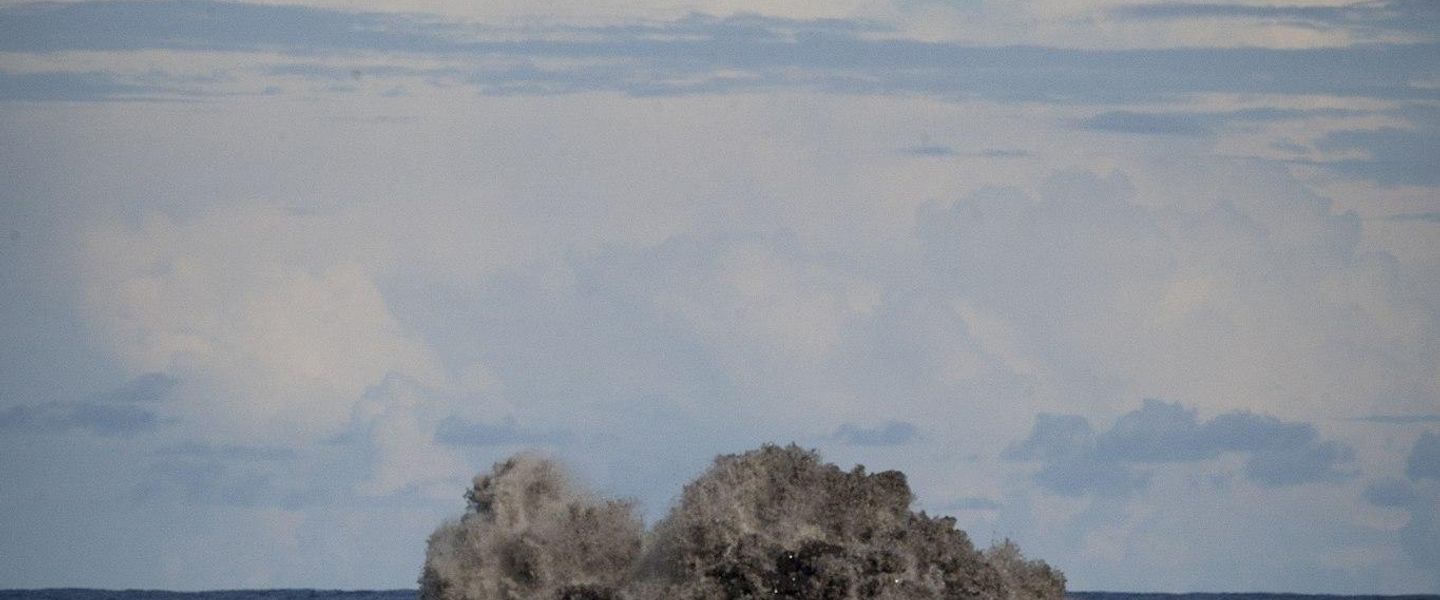


Savo Island in the Solomon Islands combines volcanic landscapes, village life, tropical wildlife and Pacific War history within reach of Guadalcanal.
Read more about Savo Island
When is the best time to visit Savo Island?
Best: July–September · 29°C| Month | High (°C) | Rainfall (mm) |
|---|---|---|
| January | 29 | 301 |
| February | 29 | 320 |
| March | 29 | 330 |
| April | 29 | 290 |
| May | 29 | 280 |
| June | 29 | 270 |
| July (best) | 29 | 261 |
| August (best) | 29 | 251 |
| September (best) | 29 | 261 |
| October | 29 | 271 |
| November | 29 | 281 |
| December | 29 | 290 |
Getting to and around Savo Island
How to get there
Transportation
Best attractions in Savo Island
Savo’s attractions are primarily natural, community-based and maritime rather than built or heavily commercialised. Guided walks lead through tropical vegetation and coastal settlements, while volcanic features and hot springs provide the island’s strongest geological interest; access should always be arranged locally because routes and safety conditions vary. Birdwatching and general wildlife observation are possible in forest and village landscapes, although visitors should not expect a formal wildlife park or marked trail system. Coastal trips reveal reefs, beaches and fishing areas, with swimming and snorkelling dependent on local knowledge of currents, reefs and landing places. Village visits can introduce visitors to gardening, fishing, food preparation and everyday island life when organised with consent and appropriate cultural etiquette. Savo’s position also makes it relevant to Pacific War itineraries: the surrounding waters were central to the Battle of Savo Island and the wider Guadalcanal campaign, though many major museums and memorials are on neighbouring Guadalcanal rather than on Savo itself. The island is therefore best suited to travellers seeking a guided, low-key encounter with volcanic scenery, marine travel and living community culture.
-
Museum
Vilu Military Museum
Explore the profound military history of the Solomon Islands at Vilu Military Museum in Lenggakiki, a must-visit for history enthusiasts.
-
Tourist attraction
Graceland Nature Park
Experience the tranquility and natural beauty of Graceland Nature Park, a hidden gem in Mbelaha, Solomon Islands, perfect for nature lovers and explorers.
-
Tourist attraction
Tenaru Waterfalls
Experience the breathtaking Tenaru Waterfalls in the Solomon Islands, a stunning natural wonder surrounded by lush tropical scenery and adventure.
-
Roderick Bay Hideaway
Discover the beauty of Roderick Bay Hideaway, a tranquil coastal oasis in Baroni, perfect for snorkeling and cultural experiences.


Best landmarks in Savo Island
Savo’s principal landmark is its steep volcanic mass, which dominates views from the surrounding sea and Guadalcanal coast. The volcano gives the island its distinctive profile and explains the geothermal features, warm ground and hot springs found in parts of the landscape. Coastal villages, church buildings and traditional gardens form a second kind of landmark: they are modest in scale but show how settlement, customary land and the sea remain connected. Offshore, the waters around Savo carry exceptional historical significance because they were the setting of the Battle of Savo Island on 9 August 1942. The battle’s name is attached to a wider maritime landscape of reefs, channels and wartime wrecks rather than to a single large monument on the island. Savo should therefore be read as a natural and historical landmark within the approaches to Guadalcanal, not as a built heritage complex. Visitors interested in formal memorials, military collections and prominent wartime monuments will find more substantial facilities on Guadalcanal, while Savo offers the geographical context: the island, its surrounding sea lanes and the difficult conditions in which the naval campaign unfolded.
-
Memorial park
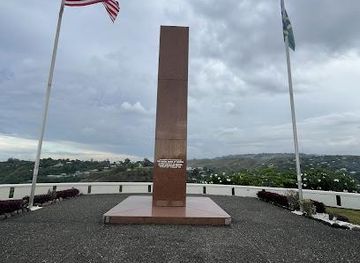
Guadalcanal Memorial
Discover the Guadalcanal Memorial, a historical tribute in Honiara, honoring the bravery of World War II soldiers amidst stunning natural beauty.
-
Memorial park
Guadalcanal Memorial
Explore the Guadalcanal Memorial in Honiara, a serene tribute to World War II heroes, offering insight into the rich history of the Solomon Islands.
-
Historical landmark
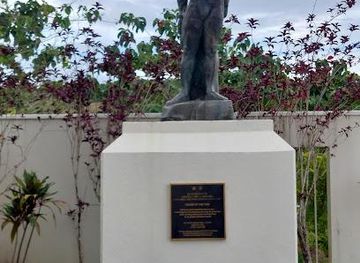
Solomon Scouts & Coastwatchers Monument
Discover the rich history and honor the bravery of locals at the Solomon Scouts & Coastwatchers Monument in Honiara, a must-visit historical landmark.
-
Historical landmark
Solomon Peace Memorial Park (Japanese war memorial)
Explore the Solomon Peace Memorial Park in Honiara, a vital historical landmark honoring the sacrifices of World War II with serene landscapes and insightful memorials.


Explore Savo Island on the map
Plan your trip on one map. See where the top cities, national parks and sights are, and book hotels and experiences in a few clicks.
Best hotels in Savo Island
Best restaurants in Savo Island
Savo has no developed restaurant scene, and visitors should arrange meals with their host, guide or boat operator before setting out. Food is likely to reflect Solomon Islands household and village cooking, with locally available fish, shellfish, root crops such as cassava and sweet potato, taro, bananas, coconuts and seasonal garden produce. Preparation may be simple and communal rather than presented as a formal dining experience. Carry drinking water and practical snacks from Honiara, and discuss dietary requirements in advance because supplies on the island are limited. A village meal should be approached respectfully: ask before photographing food or cooking, accept local guidance about what is available, and settle any agreed contribution beforehand. Honiara is the place for the widest choice of restaurants, cafés and international dishes before or after a Savo trip. The island’s culinary interest lies in fresh ingredients, coastal livelihoods and the opportunity to eat within a local community setting, not in branded dining or a concentration of named establishments.
-
 Resort hotel
Coral Sea Resort & Casino
Discover unparalleled luxury at Coral Sea Resort & Casino in Honiara – where relaxation meets adventure amidst breathtaking ocean views.
-
Vietnamese
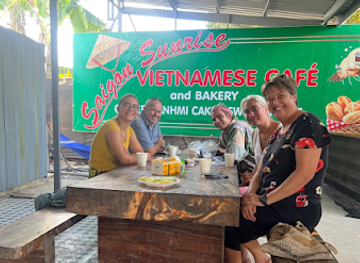
Saigon Sunrise - Honiara Bakery & Vietnamese Restaurant
Experience the rich flavors of Vietnam at Saigon Sunrise - Honiara's premier bakery and restaurant offering authentic cuisine and freshly baked delights.
-
Restaurant
Mr Grill Fast Food & Noodle Haus
Savor delicious fast food and traditional noodles at Mr Grill Fast Food & Noodle Haus in Honiara's Grand Plaza - a foodie haven!
-
Grill
Monarch
Discover delectable grilled specialties at Monarch Grill in Honiara - where local flavors meet exceptional dining.
Best bars in Savo Island
Savo has no established nightclub district or dependable commercial evening-entertainment scene. Evenings generally centre on the village, the host household or a small community gathering, with conversation and local social life more important than formal nightlife. Alcohol should not be assumed to be available, and visitors should follow the preferences and rules of their hosts, particularly near churches and during community events. The island’s rural setting also means that darkness, limited electricity and the need to return safely to accommodation restrict late movement. Travellers seeking bars, live music or a wider choice of restaurants will find these mainly in Honiara on Guadalcanal, outside Savo. On the island, the more appropriate evening experiences are listening to local stories, observing the night sky where conditions permit, and sharing time with hosts without treating community life as entertainment arranged on demand.
-
Cafe
Breakwater Cafe
Discover Breakwater Cafe: A hidden gem in Honiara offering stunning ocean views and delectable cuisine for the perfect dining escape.
-
Restaurant
Coral Sea Resort & Casino
Experience the perfect blend of leisure and excitement at Coral Sea Resort & Casino in Honiara, offering stunning views and diverse dining options.
-
Cafe
The Coffee Bar
Experience the rich flavors of local coffee in a cozy atmosphere at The Coffee Bar in Honiara, a must-visit for coffee lovers.
-
Cafe
Palm Sugar
Discover the delightful flavors of Honiara at Palm Sugar Café, where local charm meets culinary excellence in a warm and inviting atmosphere.


Best nightclubs in Savo Island
Savo has no established nightclub district or dependable commercial evening-entertainment scene. Evenings generally centre on the village, the host household or a small community gathering, with conversation and local social life more important than formal nightlife. Alcohol should not be assumed to be available, and visitors should follow the preferences and rules of their hosts, particularly near churches and during community events. The island’s rural setting also means that darkness, limited electricity and the need to return safely to accommodation restrict late movement. Travellers seeking bars, live music or a wider choice of restaurants will find these mainly in Honiara on Guadalcanal, outside Savo. On the island, the more appropriate evening experiences are listening to local stories, observing the night sky where conditions permit, and sharing time with hosts without treating community life as entertainment arranged on demand.
-
Bar
Point Cruz Yacht Club
Discover the lively ambiance and stunning waterfront views at Point Cruz Yacht Club in Honiara, perfect for drinks and unforgettable memories.
-
Lodge
Savo Sunset Lodge
Discover the serene beauty and rich culture of Savo Sunset Lodge on Savo Island, where relaxation meets adventure in the Solomon Islands.
-
Grill
Monarch
Discover the best grilled delicacies and live music at Monarch, a premier dining destination with stunning ocean views in Honiara.
-
French
Club Havanah
Discover the flavors of France at Club Havanah, a premier French restaurant in Honiara, Solomon Islands, offering authentic cuisine in a cozy atmosphere.


Best shops in Savo Island
Shopping on Savo is extremely limited, with no substantial high street, shopping centre or dependable tourist market. Visitors should buy cash, food, water, sunscreen, insect repellent, medicines and any specialist equipment in Honiara before travelling. Small village transactions may involve locally available produce, fish or handmade items, but availability varies and should never be assumed. If crafts, carvings, woven goods or other cultural objects are offered, ask about their origin and agree a price respectfully; do not buy archaeological or wartime objects, shells or other material removed from the landscape. Honiara provides the Solomon Islands’ broadest selection of shops, markets, locally made goods and practical supplies, and is the sensible place to purchase gifts or provisions for a Savo excursion. The most appropriate keepsake from the island is a responsibly obtained locally made item or regional food product, bought with the consent and benefit of the maker or community rather than collected from beaches, villages or historical sites.
-
Market
Honiara Central Market
Explore the vibrant Honiara Central Market, a cultural hub filled with fresh produce, local handicrafts, and the essence of Solomon Island life.
-
Store
Capital Park
Discover the charm of Capital Park, Honiara, where local culture meets stunning scenery and delicious cuisine in the heart of the Solomon Islands.
-
Grocery store
Bulk Shop
Explore Bulk Shop in Honiara for a delightful grocery experience, featuring local products and essential supplies for every traveler.
-
Shopping mall
Yeebing (Ausmart/Auspac) Ltd
Explore Honiara's vibrant shopping scene at Yeebing (Ausmart/Auspac) Ltd, where local culture meets modern retail.


Get your free copy of our complete guide to Savo Island, delivered straight to you.
Everything on this page, from attractions and restaurants to essentials and local phrases, in one PDF you can read offline, print or share.
Already have an account? Sign in
Your Savo Island guide is ready.
We'll send it to · Not you? Sign out

Getting your guide ready…
We are putting together a fresh copy of the Savo Island guide. This can take up to a minute.
This can take a few moments. If your browser asks, choose Allow so the download can start. You'll find the guide in your Downloads folder.
Nothing happened? Download it again
Sorry, the guide is taking longer than usual. Please try again in a minute, or get it by email instead.
Savo Island essentials
Currency and Payment
Safety
Emergency Situations
Do's and Don'ts
Local Tips
From Eve
Local phrases worth knowing
You don't need to get them perfect. A few words go a long way, and locals appreciate the effort.
Basics
| English | Local | Say it |
|---|---|---|
| Hello | Halo | [ha-lo] |
| Goodbye | Tawhaki | [tah-wah-kee] |
| Yes | Ayo | [ah-yo] |
| No | Aua | [ah-wah] |
| Please/You're welcome | Sori | [so-ree] |
| Thank you | Tenkiu | [ten-kee-oo] |
| Excuse me/Sorry | Tawhaki | [tah-wah-kee] |
| How are you? | Oa oe? | [oh-ah oh-eh] |
| Fine. And you? | Kao. Oi oe? | [kah-oh. oy oh-eh] |
| Do you speak English? | Yu savi Inglis? | [you sah-vee ing-lis] |
| I don't understand | Mi no savi | [mee no sah-vee] |
Eating & Drinking
| English | Local | Say it |
|---|---|---|
| I'd like to see the menu, please | Mi like lukim menu, sori | [mee lee-keh loo-keem meh-noo, so-ree] |
| I don't eat meat | Mi no kakae mit | [mee no kah-kah-eh meet] |
| Cheers! | Cheers! | [cheers!] |
| I would like to pay, please | Mi like pai, sori | [mee lee-keh pie, so-ree] |
Emergencies
| English | Local | Say it |
|---|---|---|
| Help! | Help! | [help!] |
| Go away! | Go awei! | [go ah-way] |
| Call the Police! | Kolim Polis! | [koh-lim poh-lees] |
| Call a doctor! | Kolim dokta! | [koh-lim dock-tah] |
| I'm lost | Mi los | [mee loss] |
| I'm ill | Mi sik | [mee seek] |
Shopping
| English | Local | Say it |
|---|---|---|
| I'd like to buy... | Mi like baem... | [mee lee-keh bye-em] |
| I'm just looking | Mi jus lukim | [mee jus loo-keem] |
| How much is it? | Hao maket? | [how mah-ket] |
| That's too expensive | Dat i tu ekspensiv | [daht ee too eks-pen-siv] |
| Can you lower the price? | Yu save forosim prais? | [you sah-veh for-oh-sim prize] |
Time & Numbers
| English | Local | Say it |
|---|---|---|
| What time is it? | Weta taim? | [weh-tah tah-im] |
| It's one o'clock | I gat wan o'clock | [ee gat wan oh-clok] |
| Half past (10) | Haf pas ten | [haf pahs ten] |
| Morning | Moning | [moh-ning] |
| Afternoon | Aftanoon | [af-tah-noon] |
| Evening | Ivening | [ee-ven-ing] |
| Yesterday | Yestide | [yes-tide] |
| Today | Tude | [too-day] |
| Tomorrow | Tumoro | [too-moh-roh] |
| 1 | Wan | [wan] |
| 2 | Tu | [too] |
| 3 | Tri | [tree] |
| 4 | Fo | [foh] |
| 5 | Faiv | [fah-iv] |
| 6 | Siks | [siks] |
| 7 | Seven | [seh-ven] |
| 8 | Eit | [ate] |
| 9 | Nain | [nine] |
| 10 | Ten | [ten] |
Transport & Directions
| English | Local | Say it |
|---|---|---|
| Where's a/the...? | Wea a/...? | [weh ah/...?] |
| What's the address? | Weta adres? | [weh-tah ah-dress] |
| Can you show me (on the map)? | Yu save soim mi (long map)? | [you sah-veh so-im mee (long map)] |
| When's the next (bus)? | Wen i next (bas)? | [wen ee next (bus)] |
| A ticket (to ....) | Wan tiket (for ....) | [wan tee-ket (for ....)] |
History of Savo Island
Early Island Settlement and Customary Society
Savo has been inhabited for centuries by communities whose lives developed around coastal fishing, gardening, forest resources and inter-island exchange. As elsewhere in the Solomon Islands, land and marine areas have traditionally been governed through customary relationships, with knowledge passed through families and communities. The island’s volcanic terrain and scattered coastal settlements encouraged a close connection between villages and the sea. Much of this history is preserved through oral tradition rather than through monumental architecture, so visitors should understand local communities as custodians of living cultural landscapes rather than as subjects of a vanished past.
European Contact and Missionary Influence
European ships began visiting the Solomon Islands during the era of Pacific exploration, followed later by traders, missionaries and colonial officials. Contact brought new religious institutions, commercial connections and outside political pressures, while also exposing island communities to diseases and forms of labour and administration that reshaped local life. Savo’s proximity to Guadalcanal placed it within these wider networks even though it remained a predominantly village-based island. Christian practice became important in many Solomon Islands communities, alongside customary obligations and local identities.
The British Solomon Islands Protectorate
The Solomon Islands became part of the British Solomon Islands Protectorate in the late nineteenth century. Colonial administration gradually extended its influence through taxation, regulation, missions and labour systems, but authority remained uneven across the islands and customary structures continued to matter. For Savo, the protectorate period linked local communities more closely with Guadalcanal and the developing port of Honiara. The period also established many of the political and administrative arrangements that later shaped the independent Solomon Islands, while leaving complicated memories of outside rule and economic change.
The Battle of Savo Island, 1942
On 9 August 1942, during the Guadalcanal campaign, a Japanese cruiser force attacked Allied warships guarding the approaches to Guadalcanal. The Battle of Savo Island took place in the waters around Savo and resulted in a major Allied defeat, with several heavy cruisers sunk and many lives lost. The action formed part of the wider naval struggle later associated with Ironbottom Sound. Although the island itself is not a conventional battlefield museum, its name remains central to Pacific War history, and the surrounding sea contains wrecks and memorial significance.
Wartime Guadalcanal and its Regional Legacy
The fighting around Guadalcanal continued for months after the Battle of Savo Island, involving land, air and naval forces across the central Solomon Islands. Communities experienced military occupation, displacement, labour demands and the transformation of local coastlines into strategic supply routes. Wartime roads, airfields and wreck sites were concentrated especially on Guadalcanal, but Savo’s location placed it within the conflict’s maritime landscape. Today the war is remembered through memorials, historical research, family accounts and the lasting presence of underwater wrecks.
Independence and Contemporary Community Life
The Solomon Islands became independent from Britain in 1978, and Savo has since remained part of the country’s interconnected island society while retaining its own village identities and customary relationships. Contemporary life combines subsistence and small-scale economic activity with links to Honiara, where many services and opportunities are concentrated. Tourism remains limited compared with larger international destinations, making local arrangements essential. For visitors, Savo’s significance lies in the continuing relationship between volcanic landscape, customary community life, marine travel and the historical waters of the Pacific War.
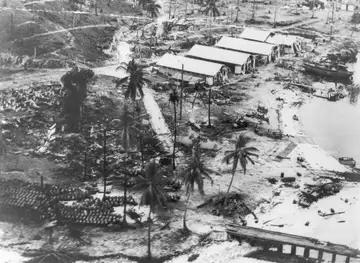
Savo Island in Photos
Browse through our photo collection highlighting the charm and character of the destination.
Neighbouring regions of Savo Island
The closest regions to Savo Island, if you have time for more than one.
-
-

-

-
-


Swipe for more regions
Explore more
Explore more of Solomon Islands
Discover the Solomon Islands: An unspoiled tropical paradise with pristine beaches, vibrant coral reefs, rich history, and unique cultural experiences.
Explore Solomon Islands