

Malaita, Solomon Islands Travel Guide
Discover Malaita: Dive into pristine waters, explore rich traditions, and experience the cultural heart of Solomon Islands.
Malaita, one of the major islands of the Solomon Islands, is a treasure trove of cultural heritage and natural beauty. This island is known for its lush landscapes, vibrant marine life, and rich traditions. As you explore, you'll find that Malaita's charm lies in its simplicity and the warmth of its people. The island offers stunning vistas, from the highlands to the coastal areas. The Auki Lagoon is a popular spot for snorkeling and diving, where you can witness colorful coral reefs and diverse marine species. For those interested in the island's culture, visiting traditional villages is a must. Here, you can experience the age-old customs and dances, and even participate in local crafts. Malaita is also famous for its shell money, a traditional currency that is still in use today. Visiting the markets will give you a glimpse into this unique aspect of Malaitan culture. The island's untouched beauty and cultural depth make it a fascinating destination for any traveler seeking an authentic experience in the Solomon Islands.

Know before you go
Hi, I'm Eve. Here are a few practical things to know before exploring Malaita.
- Visit during the dry season from May to October for the best weather conditions.
- Respect local customs and traditions, especially in the villages.
- Carry cash as credit card facilities are limited on the island.
- Learn a few basic phrases in Pijin, the local language, to enhance your interaction with locals.
- Bring reef-safe sunscreen to protect the marine environment while snorkeling or diving.
Top City Travel Guides in Malaita
The cities of Malaita, and the easiest places to base yourself.
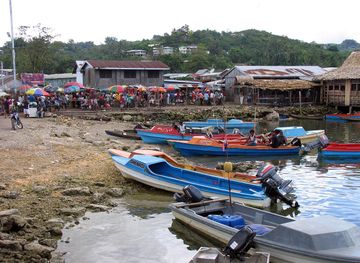
Destinations in Malaita
Resorts, valleys and scenic spots worth a trip of their own.

Explore Malaita: Things to Do, Places to Eat, Hotels & More
Handpicked recommendations for top attractions, local dining, accommodations, and more

Top Attractions & Sightseeing in Malaita
Top-rated picks
Best Attractions

Tenaru Falls
Explore Tenaru Falls, a breathtaking waterfall in the Solomon Islands surrounded by lush landscapes and serene beauty, perfect for nature lovers.

Langa Langa Lagoon
Experience the tranquil beauty of Langa Langa Lagoon, an island paradise in the Solomon Islands, perfect for adventure and cultural immersion.

Ginger Beach
Discover the serene beauty of Ginger Beach in Honiara, a perfect getaway for relaxation and local culture amidst stunning coastal views.
Maramasike
Experience the untouched beauty of Maramasike Island, where pristine beaches and vibrant marine life await your discovery in the heart of the Solomon Islands.

Best landmarks in Malaita
Top-rated picks
Best Landmarks

Heritage Park Hotel
Discover comfort and culture at Heritage Park Hotel, your ideal accommodation in Honiara, Solomon Islands, with stunning views and modern amenities.
Coral Sea Resort & Casino
Experience the ultimate blend of relaxation and adventure at Coral Sea Resort & Casino in Honiara, where stunning views and vibrant culture await.

Honiara Central Market
Discover the bustling heart of Honiara at the Central Market, where local produce, crafts, and flavors await every traveler.
King Solomon Hotel
Discover the charm of King Solomon Hotel in Honiara for a culturally enriching experience amidst the stunning beauty of the Solomon Islands.

Best restaurants in Malaita
Top-rated picks
Best Restaurants

Heritage Park Hotel
Heritage Park Hotel: A Perfect Blend of Comfort and Cultural Richness in Honiara, Solomon Islands.
Coral Sea Resort & Casino
Discover luxury and excitement at Coral Sea Resort & Casino in Honiara - your ultimate getaway in the Solomon Islands with stunning views and endless activities.
King Solomon Hotel
Discover comfort and local charm at King Solomon Hotel in Honiara - your gateway to exploring the beauty of Solomon Islands.
Solomon Kitano Mendana Hotel
Discover comfort and hospitality at Solomon Kitano Mendana Hotel in Honiara - your gateway to exploring the enchanting Solomon Islands.

Best bars in Malaita
Top-rated picks
Best Bars

Heritage Park Hotel
Experience the charm of Honiara at Heritage Park Hotel, where comfort meets stunning natural beauty in the heart of the Solomon Islands.
Coral Sea Resort & Casino
Discover the ultimate blend of dining, entertainment, and relaxation at Coral Sea Resort & Casino in Honiara, a tropical paradise.
King Solomon Hotel
Discover the unique charm of King Solomon Hotel in Honiara, where tradition meets comfort in the heart of the Solomon Islands.
Pacific Casino Hotel
Discover the vibrant blend of comfort and entertainment at Pacific Casino Hotel in Honiara, a perfect getaway in the Solomon Islands.

Best nightclubs in Malaita
Top-rated picks
Best Nightclubs

Auki Gwaunaru'u Airport
Experience the beauty of the Solomon Islands through Auki Gwaunaru'u Airport, your gateway to a tropical paradise filled with rich culture and stunning landscapes.
Supreme Casino
Discover the excitement of Supreme Casino in Kukum, Highway, where thrilling gaming and exceptional service create unforgettable experiences.

Club HP- Heritage Park Hotel
Experience the vibrant nightlife of Honiara at Club HP, a premier night club nestled in the Heritage Park Hotel, perfect for dancing and socializing.

Best shops in Malaita
Top-rated picks
Best Shops

Honiara Central Market
Experience the vibrant atmosphere of Honiara Central Market, a hub of local culture, fresh produce, and unique crafts in the Solomon Islands.

Auki Central Market
Explore Auki Central Market: A colorful blend of fresh produce, local crafts, and vibrant community spirit in the heart of the Solomon Islands.

Bulk Shop
Discover a world of flavors at Bulk Shop, Honiara's premier grocery store offering local and imported goods for every traveler.
Latif General Store
Experience local life and flavors at Latif General Store in Honiara, a grocery store offering unique products and friendly service.

Explore Malaita on the Map
A handpicked selection of must-see spots in Malaita, mapped for you.
Malaita Essentials
-
Malaita is one of the major islands in the Solomon Islands, and the main entry point is the capital, Auki. The most common way to get to Malaita is by flying into Honiara International Airport on Guadalcanal Island. From Honiara, you can take a domestic flight to Auki, which takes about 45 minutes. Alternatively, there are regular ferry services from Honiara to Auki, which take approximately 6-8 hours depending on the sea conditions.
-
In Malaita, transportation options include local buses, taxis, and boats. Buses and minibuses operate on the main routes, especially between Auki and surrounding villages. Taxis are available in Auki and can be hired for longer journeys. Boats are commonly used to travel between coastal villages and islands. Rental cars are not widely available, so relying on public transport or arranging private transfers is advisable.
-
The official currency in the Solomon Islands is the Solomon Islands Dollar (SBD). Credit card acceptance is limited, primarily to major hotels and some businesses in Auki. It's recommended to carry cash for transactions, especially in rural areas. ATMs are available in Auki, but it's wise to withdraw enough cash before traveling to more remote parts of the island.
-
Malaita is generally safe for tourists, but standard precautions should be taken. Avoid walking alone at night, especially in unfamiliar areas. Petty theft can occur, so keep an eye on your belongings in crowded places. While there are no specific high-crime areas targeting tourists, it’s always best to remain vigilant. Avoid political gatherings and respect local customs to stay safe.
-
In case of emergency, dial 999 for police, ambulance, or fire services. The main hospital in Malaita is the Kilu'ufi Hospital located in Auki, which provides basic medical care. It's advisable to have comprehensive travel insurance that covers medical emergencies. For minor health issues, pharmacies in Auki can provide over-the-counter medications.
-
Fashion: Do dress modestly, especially in villages. Avoid wearing revealing clothing. Religion: Do respect local customs and traditions. Always ask for permission before entering churches. Public Transport: Do be patient with the local transport schedules. Don't expect strict adherence to timetables. Greetings: Do greet people with a friendly 'halo' (hello). A handshake is also common. Eating & Drinking: Do try local foods and accept food offered to you. Don’t refuse hospitality, as it is considered rude.
-
To experience Malaita like a local, visit the markets in Auki where you can buy fresh produce and traditional crafts. Engage with locals, who are often friendly and willing to share stories about their culture and history. Participate in local festivals and ceremonies if given the opportunity. Exploring the island’s natural beauty, such as the Langa Langa Lagoon and the Kwaibala River, will provide a deeper appreciation of Malaita’s unique environment.
When is the best time to visit Malaita?
Useful Local Phrases for Malaita
You don't need to speak the language perfectly. Even learning a few simple words can make conversations warmer—and locals usually appreciate the effort.
— Eve

Here are the phrases I use most often in Malaita. Try a few—you'll be surprised how far they go! 😊
❤️
-
- HelloKia ora
[kee-ah or-ah] - GoodbyeTata
[tah-tah] - YesAeo
[ah-eh-oh] - NoNae
[nah-eh] - Please/You're welcomeTasa
[tah-sah] - Thank youTamaso
[tah-mah-so] - Excuse me/SorryMasi
[mah-see] - How are you?Ola wama?
[oh-lah wah-mah] - Fine. And you?Ola fiti. O fa?
[oh-lah fee-tee. oh fah] - Do you speak English?Ita tok ingilisi?
[ee-tah tok een-gee-lee-see] - I don't understandNae I no save
[nah-eh ee noh sah-veh]
- HelloKia ora
-
- I'd like to see the menu, pleaseMi laik lukim menu, tasa
[mee la-eek loo-keem meh-noo, tah-sah] - I don't eat meatMi no kakae mit
[mee noh kah-kah-eh meet] - Cheers!Ola!
[oh-lah] - I would like to pay, pleaseMi laik foa, tasa
[mee la-eek fo-ah, tah-sah]
- I'd like to see the menu, pleaseMi laik lukim menu, tasa
-
- Help!Help!
[help] - Go away!Go awei!
[go ah-way] - Call the Police!Kolim Polisi!
[koh-leem poh-lee-see] - Call a doctor!Kolim dokta!
[koh-leem dok-tah] - I'm lostMi las
[mee lahs] - I'm illMi sik
[mee seek]
- Help!Help!
-
- I'd like to buy...Mi laik baem...
[mee la-eek bye-em] - I'm just lookingMi so fa lukim
[mee so fah loo-kee] - How much is it?Ota hap?
[oh-tah hap] - That's too expensiveNaes i tu hapi
[nah-es ee too hah-pee] - Can you lower the price?Ita save foa lae price?
[ee-tah sah-veh fo-ah lai prah-is]
- I'd like to buy...Mi laik baem...
-
- What time is it?Ota taem?
[oh-tah tah-em] - It's one o'clockIta wan taem
[ee-tah wan tah-em] - Half past (10)Half past ten
[half pahst ten] - MorningMornin
[mor-ning] - AfternoonAftanun
[af-tah-noon] - EveningIvening
[ee-vening] - YesterdayYestide
[yes-ti-de] - TodayTude
[too-de] - TomorrowTumoro
[too-moh-ro] - 1Wan
[wan] - 2Tu
[too] - 3Tri
[tree] - 4Foa
[fo-ah] - 5Faev
[fah-ev] - 6Six
[siks] - 7Sev
[sev] - 8Eit
[eight] - 9Nain
[nine] - 10Ten
[ten]
- What time is it?Ota taem?
-
- Where's a/the...?Wea a/the...?
[we-ah ah/the] - What's the address?Ota adres?
[oh-tah ah-dres] - Can you show me (on the map)?Ita save showim mi (long map)?
[ee-tah sah-veh show-im mee (long map)] - When's the next (bus)?Wea naen naek (bus)?
[we-ah nah-ehn nah-eek (bus)] - A ticket (to ....)Wan tiket (fo...)
[wan tee-ket (fo...)]
- Where's a/the...?Wea a/the...?
History of Malaita
-
The history of Malaita, one of the Solomon Islands, is deeply intertwined with its indigenous culture. The island has been inhabited for thousands of years by the Melanesian people, who developed a rich tapestry of traditions, languages, and societal structures. The island's tribes, such as the Kwaio and Kwara'ae, have maintained their cultural heritage, including traditional dances, ceremonies, and oral histories passed down through generations.
-
European contact with Malaita began in the 16th century with Spanish explorers. However, it was not until the 19th century that significant interactions occurred, primarily due to the arrival of Christian missionaries. The London Missionary Society and later the South Sea Evangelical Mission played pivotal roles in converting many Malaitans to Christianity. This period also saw the introduction of new technologies and societal changes, though it was often met with resistance from the island's traditional leaders.
-
The late 19th and early 20th centuries were marked by the dark chapter of 'blackbirding,' where many Malaitans were forcibly recruited or deceived into laboring on plantations in Queensland, Australia, and Fiji. This era left a lasting impact on the island, with many families mourning the loss of loved ones and grappling with the disruptions to their communities and way of life. The legacy of blackbirding is still remembered and discussed among the island's inhabitants today.
-
In the early 20th century, Malaita, along with the rest of the Solomon Islands, came under British colonial administration. The British established a formal government structure, introduced new legal systems, and attempted to integrate the island into the broader economic and political frameworks of the Empire. Despite these efforts, Malaita maintained a degree of autonomy, with many areas resisting colonial rule and preserving traditional governance practices.
-
World War II brought significant upheaval to the Solomon Islands, including Malaita. The island served as a strategic location during the Battle of Guadalcanal, one of the pivotal conflicts in the Pacific Theater. Although the primary battles occurred on neighboring islands, Malaita experienced military activity, including the presence of Allied forces and infrastructure development. The war left enduring marks on the island, including unexploded ordnance and wartime relics.
-
Malaita became part of the independent nation of the Solomon Islands in 1978. The post-colonial era has been characterized by efforts to balance modernization with the preservation of traditional culture. Malaita has been a center of political activism and cultural pride, with local leaders advocating for greater autonomy and recognition of the island's unique heritage. Economic development, infrastructure improvements, and education have been focal points in the island's ongoing journey towards progress.
-
Today, Malaita is a vibrant blend of traditional and contemporary influences. The island's cultural practices, such as the Are'are panpipe music, continue to thrive and attract interest from around the world. Community life is often centered around village activities, local markets, and communal gatherings. While modern challenges such as economic development and climate change pose significant issues, the resilience and cultural richness of Malaita's people remain a defining feature of the island.
Neighbouring Regions of Malaita
The closest regions to Malaita, if you have time for more than one.



Your all‑in‑one travel companion app
Explore expert travel guides, compare and book tours, experiences, hotels, and more—all from the palm of your hand. Download now for seamless trip planning wherever your wanderlust takes you.


Explore More of Solomon Islands
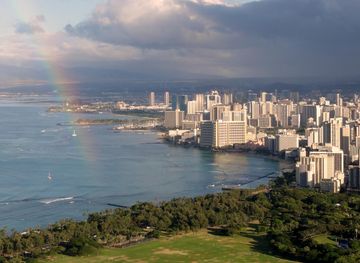
Looking beyond Malaita? Discover Solomon Islands for broader travel guides, local hot-spots, and regional highlights.
Explore Solomon IslandsMalaita in Photos
Browse through our photo collection highlighting the charm and character of the destination.


Malaita: The Heart of Solomon Islands' Cultural Richness
Malaita, one of the major islands of the Solomon Islands, is a treasure trove of cultural heritage and natural beauty. This island is known for its lush landscapes, vibrant marine life, and rich traditions. As you explore, you'll find that Malaita's charm lies in its simplicity and the warmth of its people. The island offers stunning vistas, from the highlands to the coastal areas. The Auki Lagoon is a popular spot for snorkeling and diving, where you can witness colorful coral reefs and diverse marine species. For those interested in the island's culture, visiting traditional villages is a must. Here, you can experience the age-old customs and dances, and even participate in local crafts. Malaita is also famous for its shell money, a traditional currency that is still in use today. Visiting the markets will give you a glimpse into this unique aspect of Malaitan culture. The island's untouched beauty and cultural depth make it a fascinating destination for any traveler seeking an authentic experience in the Solomon Islands.