

Free Isabel Travel Guide & Mobile App
Explore Isabel with free travel guides. Discover regional history, expert tips, proposed trips, and audio guides on web or mobile app.


Explore Isabel Province in the Solomon Islands for forested islands, village culture, lagoons, reefs and turtle conservation journeys.
Read more about Isabel
When is the best time to visit Isabel?
Best: July–September · 30°C| Month | High (°C) | Rainfall (mm) |
|---|---|---|
| January | 31 | 350 |
| February | 31 | 300 |
| March | 31 | 300 |
| April | 31 | 250 |
| May | 31 | 250 |
| June | 31 | 200 |
| July (best) | 30 | 200 |
| August (best) | 30 | 200 |
| September (best) | 30 | 200 |
| October | 31 | 250 |
| November | 31 | 300 |
| December | 31 | 350 |
Getting to and around Isabel
How to get there
Transportation
Best attractions in Isabel
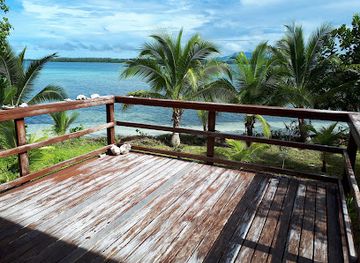
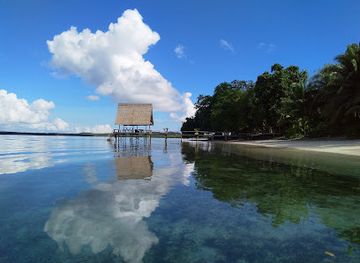
Isabel's attractions are primarily natural and community-based rather than built around a dense concentration of commercial visitor sites. Boat journeys across Maringe Lagoon and along the coast reveal mangroves, forested headlands, reef flats and villages set between the sea and the island's green interior. Around Buala and Fera, locally arranged excursions can include fishing, snorkelling, birdwatching and walks through coastal forest, although the quality of access depends on weather, tides and local equipment. The Arnavon Islands, in the strait between Isabel and Choiseul, are the province's best-known conservation destination, protecting important hawksbill turtle habitat and offering carefully managed wildlife experiences. They are remote and require advance arrangements. Inland and coastal walks are more rewarding with a local guide who understands customary boundaries, water sources and changing conditions. Visitors may also encounter church communities, canoe-building, weaving, gardening and fishing as part of a respectful cultural visit rather than as staged attractions. Isabel suits travellers who value marine landscapes, conservation and slow exploration over a fixed list of ticketed sights.
-
Resort hotel
Zipolo Habu Resort
Discover the beauty of Lola Island at Zipolo Habu Resort, your idyllic escape in the heart of the Solomon Islands.
-
Island
Santa Isabel Island
Explore the untouched paradise of Santa Isabel Island, where adventure meets tranquility in the heart of the Solomon Islands.
-
Tourist attraction
Papatura Ite Retreat
Experience the serene beauty of Papatura Ite Retreat, a hidden gem in the Solomon Islands perfect for relaxation and marine adventures.
Best landmarks in Isabel
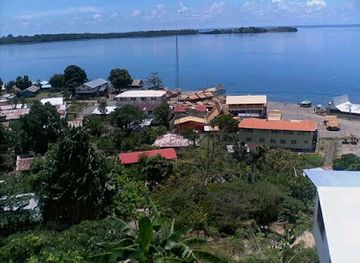
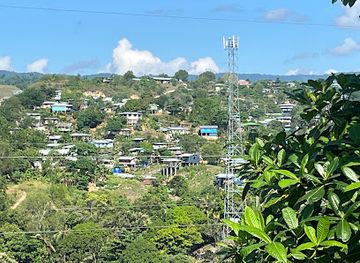
Buala's position on the edge of Maringe Lagoon gives the provincial capital its most recognisable setting: calm water, low coastal settlement and the forested bulk of Santa Isabel behind it. Fera Island, lying close to Buala, is a practical landmark for visitors because its airport anchors the province's principal air connection and illustrates the importance of short sea crossings in Isabel. Across the island, long coastal inlets, mangrove margins and wooded ridges are more characteristic than monumental architecture, and their significance lies in the relationship between customary communities and the surrounding sea. The Arnavon Islands form the province's most important natural landmark group, combining low tropical islands with reefs, beaches and habitat protected for hawksbill turtles. Churches and mission-era buildings in settled areas may be locally significant, although their form and preservation vary. Wartime traces can also occur around transport and airfield sites, but they should not be entered or disturbed without local guidance because of the possibility of unexploded ordnance. In Isabel, the defining landmarks are therefore mostly geographic, maritime and communal rather than grand civic monuments.
-
Market
Honiara Central Market
Discover the vibrant Honiara Central Market, a cultural and culinary hub that offers fresh local produce, unique crafts, and an authentic taste of Solomon Islands life.
-
 Hotel
HotelKing Solomon Hotel
Explore Honiara from the culturally rich King Solomon Hotel, offering cozy accommodations and local charm for your Solomon Islands adventure.
-
Memorial park
Guadalcanal Memorial
Explore the Guadalcanal Memorial in Honiara, a serene tribute to the valor of World War II heroes amidst stunning natural beauty.
-
Historical landmark
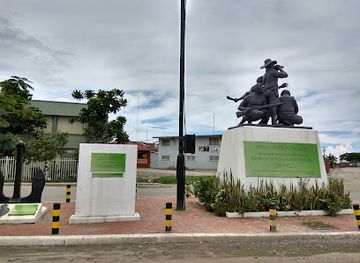
Solomon Scouts & Coastwatchers Monument
Explore the Solomon Scouts & Coastwatchers Monument, a historical landmark honoring local heroes of WWII in Honiara, Solomon Islands.
Explore Isabel on the map
Plan your trip on one map. See where the top cities, national parks and sights are, and book hotels and experiences in a few clicks.
Best hotels in Isabel
Best restaurants in Isabel
Dining in Isabel is closely connected to household gardens, fishing and the availability of coastal supplies. Meals commonly draw on fish, shellfish, coconut, sweet potato, cassava, taro, banana and seasonal fruit, with preparation varying from community to community. Freshly caught fish and coconut-based dishes are particularly natural choices in coastal settlements, while imported staples and packaged goods may be more available in Buala than in remote villages. Accommodation providers and local hosts usually offer the most reliable way to arrange meals, especially when travelling by boat or staying outside the provincial capital. Small shops may stock basic provisions, but visitors should not expect a broad restaurant scene or extensive late dining. Markets and village sales can provide produce when available, although supply and timing are informal. Carrying water and a few suitable snacks is sensible for excursions. Food sharing is an important part of hospitality, but visitors should ask about ingredients and dietary requirements in advance rather than assuming that alternatives will be available.
-
Hotel
Heritage Park Hotel
Heritage Park Hotel: Your Gateway to Comfort and Cultural Exploration in Honiara.
-
Cafe
Breakwater Cafe
Experience the warmth of Solomon Islands at Breakwater Cafe - where great food meets stunning views in Honiara.
-
Restaurant
Coral Sea Resort & Casino
Discover unparalleled luxury at Coral Sea Resort & Casino in Honiara - where relaxation meets adventure amidst stunning ocean views.
-
Hotel
King Solomon Hotel
Discover comfort and convenience at King Solomon Hotel in Honiara - your gateway to exploring the beautiful Solomon Islands.
Best bars in Isabel
Isabel has little of the organised nightclub culture found in larger Pacific capitals. Evening social life centres on family gatherings, church communities, village events and small local establishments, with Buala offering the greatest concentration of basic services. In rural areas, evenings are quiet and shaped by darkness, weather and the next day's boat or gardening work rather than by a regular entertainment programme. Some accommodation providers may serve drinks, but availability and licensing vary, and visitors should not assume that alcohol is sold everywhere. Respect local expectations around drinking, public behaviour and church or community activities. Live music, singing and dancing may be part of celebrations or organised cultural occasions, but these should be attended by invitation or through a host rather than treated as scheduled nightlife. Bring a torch and arrange transport in advance, since roads, paths and boat routes are not designed for late-night independent travel.
-
Cafe
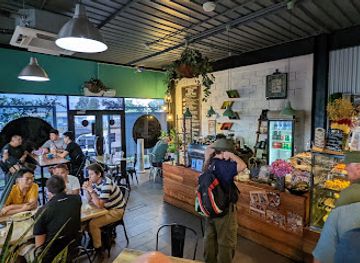
The Coffee Bar
Experience the rich flavors of Honiara at The Coffee Bar, where every sip tells a story of local culture and artisan craftsmanship.
-
Cafe
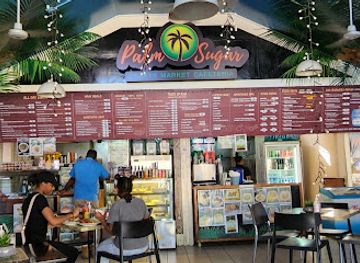
Palm Sugar
Discover the vibrant flavors of Honiara at Palm Sugar Cafe, your oasis of relaxation and local culinary delights.
-
Bar
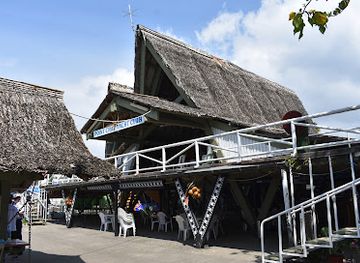
Point Cruz Yacht Club
Discover the vibrant atmosphere and stunning harbor views at Point Cruz Yacht Club, a perfect blend of relaxation and entertainment in Honiara.
-
Grill
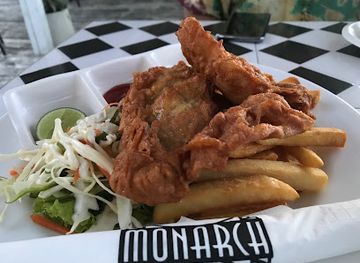
Monarch
Discover the vibrant flavors of Monarch in Honiara, where delicious grilled dishes meet the warm hospitality of the Solomon Islands.
Best nightclubs in Isabel
Isabel has little of the organised nightclub culture found in larger Pacific capitals. Evening social life centres on family gatherings, church communities, village events and small local establishments, with Buala offering the greatest concentration of basic services. In rural areas, evenings are quiet and shaped by darkness, weather and the next day's boat or gardening work rather than by a regular entertainment programme. Some accommodation providers may serve drinks, but availability and licensing vary, and visitors should not assume that alcohol is sold everywhere. Respect local expectations around drinking, public behaviour and church or community activities. Live music, singing and dancing may be part of celebrations or organised cultural occasions, but these should be attended by invitation or through a host rather than treated as scheduled nightlife. Bring a torch and arrange transport in advance, since roads, paths and boat routes are not designed for late-night independent travel.
-
Resort hotel
Coral Sea Resort & Casino
Experience the beauty of Honiara at Coral Sea Resort & Casino, where luxury meets adventure in a tropical paradise.
-
French
Club Havanah
Savor exquisite French cuisine at Club Havanah, Honiara's culinary gem blending local flavors with classic French artistry.
-
Casino
Supreme Casino
Discover the excitement of gaming and entertainment at Supreme Casino in Highway, where thrilling experiences and vibrant atmosphere await every visitor.
-
Travel lounge
The Belama Club
Discover relaxation and connection at The Belama Club, Honiara's premier travel lounge, where your adventures in the Solomon Islands begin.
Best shops in Isabel
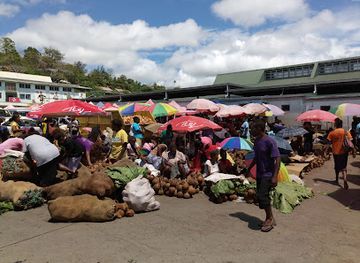
Shopping in Isabel is practical and locally focused rather than centred on large retail districts. Buala offers the best chance of finding basic groceries, household goods and small locally made items, while village communities may sell fresh produce, fish, woven articles, carvings or other handmade goods when visitors are present. Supply is variable, and shops outside the provincial centre may have limited stock, so buy fuel-related essentials, medicines, snacks and other necessities before travelling to smaller islands. Handicrafts should be purchased directly from makers or through a trusted local host, with fair payment and respectful questions about materials and cultural meaning. Woven items, shell work, carvings and locally grown food products can make appropriate souvenirs when their collection and sale are permitted. Avoid buying archaeological objects, old war matériel, protected shells, turtle products or anything suspected to have been taken from reefs or customary land. Markets and informal sales follow local availability rather than fixed tourist schedules.
-
Market
Honiara Central Market
Experience the vibrant culture and flavors of the Solomon Islands at Honiara Central Market, a must-visit destination for every traveler.
-
Store
Capital Park
Experience the lively atmosphere, delicious local cuisine, and cultural vibrancy at Capital Park in Honiara, Solomon Islands.
-
Grocery store
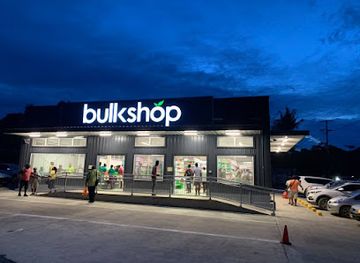
Bulk Shop
Explore the flavors of the Solomon Islands at Bulk Shop, Honiara's top grocery destination for locals and travelers alike.
-
Shopping mall
Hyundai Mall
Experience the vibrant culture and diverse shopping offerings at Hyundai Mall in Honiara, a must-visit destination for tourists exploring the Solomon Islands.


Get your free copy of our complete guide to Isabel, delivered straight to you.
Everything on this page, from attractions and restaurants to essentials and local phrases, in one PDF you can read offline, print or share.
Already have an account? Sign in
Your Isabel guide is ready.
We'll send it to · Not you? Sign out

Getting your guide ready…
We are putting together a fresh copy of the Isabel guide. This can take up to a minute.
This can take a few moments. If your browser asks, choose Allow so the download can start. You'll find the guide in your Downloads folder.
Nothing happened? Download it again
Sorry, the guide is taking longer than usual. Please try again in a minute, or get it by email instead.
Isabel essentials
Currency and Payment
Safety
Emergency Situations
Do's and Don'ts
Local Tips
From Eve
Local phrases worth knowing
You don't need to get them perfect. A few words go a long way, and locals appreciate the effort.
Basics
| English | Local | Say it |
|---|---|---|
| Hello | Bula | [boo-lah] |
| Goodbye | Sorisori | [soh-ree-soh-ree] |
| Yes | Bai | [bye] |
| No | Nopa | [noh-pah] |
| Please/You’re welcome | Tamaso | [tah-mah-soh] |
| Thank you | Tenkiu | [ten-kee-oo] |
| Excuse me/Sorry | Sori | [soh-ree] |
| How are you? | Owai yu? | [oh-why yoo] |
| Fine. And you? | Fain. An yu? | [fine. an yoo] |
| Do you speak English? | Yu spik Inglis? | [yoo speak ing-lis] |
| I don't understand | Mi no save | [mee noh sah-veh] |
Eating & Drinking
| English | Local | Say it |
|---|---|---|
| I’d like to see the menu, please | Mi laik lukim menu, plis | [mee like loo-keem men-oo, plees] |
| I don't eat meat | Mi no kat mit | [mee noh kaht meet] |
| Cheers! | Tumaso! | [too-mah-soh] |
| I would like to pay, please | Mi laik pe, plis | [mee like pay, plees] |
Emergencies
| English | Local | Say it |
|---|---|---|
| Help! | Help! | [help] |
| Go away! | Gowe! | [go-weh] |
| Call the Police! | Kol Polisi! | [kohl poh-lee-see] |
| Call a doctor! | Kol dokta! | [kohl doh-kta] |
| I’m lost | Mi los | [mee lohs] |
| I’m ill | Mi sik | [mee seek] |
Shopping
| English | Local | Say it |
|---|---|---|
| I’d like to buy... | Mi laik bai... | [mee like bye] |
| I’m just looking | Mi jus lukim | [mee jus loo-keem] |
| How much is it? | Hao maket? | [how mah-ket] |
| That’s too expensive | Dat i tu ekspensive | [daht ee too ex-pen-siv] |
| Can you lower the price? | Yu ken laowa praes? | [yoo ken low-ah price] |
Time & Numbers
| English | Local | Say it |
|---|---|---|
| What time is it? | Hao taem i? | [how tah-em ee] |
| It’s one o'clock | I gat wan o'clock | [ee gaht wan oh-clok] |
| Half past (10) | Haf past (10) | [haf pahst ten] |
| Morning | Mornin | [mor-ning] |
| Afternoon | Aftanun | [af-ta-noon] |
| Evening | Ivening | [ee-ven-ing] |
| Yesterday | Yestede | [yes-teh-day] |
| Today | Tude | [too-day] |
| Tomorrow | Tumoro | [too-mor-oh] |
| 1 | Wan | [wan] |
| 2 | Tu | [too] |
| 3 | Tri | [tree] |
| 4 | Fo | [foh] |
| 5 | Faiv | [five] |
| 6 | Siks | [siks] |
| 7 | Sev | [sev] |
| 8 | Eit | [ate] |
| 9 | Nain | [nine] |
| 10 | Ten | [ten] |
Transport & Directions
| English | Local | Say it |
|---|---|---|
| Where's a/the...? | Wea a/the...? | [weah a/the] |
| What's the address? | Hao addres? | [how ad-res] |
| Can you show me (on the map)? | Yu ken sho mi (on di map)? | [yoo ken show mee on dee map] |
| When's the next (bus)? | Hwen i di nekst (bus)? | [when ee dee next bus] |
| A ticket (to ....) | Wan tiket (to ....) | [wan ti-ket to] |
History of Isabel
Lapita and early island settlement
The islands of the Solomon archipelago were settled through successive movements of Austronesian-speaking and Papuan-speaking peoples, with archaeological evidence showing that communities have lived in the region for thousands of years. Lapita pottery and related settlement traditions are important for understanding the wider history of the Solomon Islands, although archaeological evidence is unevenly distributed across individual islands. In Isabel, long-established coastal communities developed economies based on gardening, fishing, shellfish gathering, canoe travel and exchange. Customary relationships with land, reefs and forests remain central to life in the province.
Spanish exploration in the sixteenth century
In 1568, the Spanish expedition led by Álvaro de Mendaña de Neira reached the Solomon Islands and named Santa Isabel after Queen Isabella of Castile. The expedition's reports influenced European maps and ideas about the Pacific, although sustained European settlement did not follow. The naming of the island marked Isabel's first appearance in European geographic records, while local peoples already possessed their own names, histories and trading relationships. Later European mapping gradually added further detail to the complex island geography.
Missionary expansion and colonial rule
From the nineteenth century, Christian missionaries increasingly worked among communities in the Solomon Islands. The Anglican Melanesian Mission became particularly influential in Isabel and established schools, churches and mission stations that shaped education, worship and links between communities. Christianity became deeply embedded in public and family life, while local languages, customary authority and older cultural practices continued to influence community identity. The Solomon Islands became a British protectorate in 1893, bringing colonial administration, labour regulation and new forms of political authority to the islands.
Labour, trade and changing coastal economies
During the late nineteenth and early twentieth centuries, islanders participated in regional trade and in labour systems that took workers to plantations elsewhere in the Solomon Islands and the wider Pacific. Coastal communities in Isabel exchanged food, fish, shell, forest products and crafted goods through networks that predated colonial rule. Colonial administration and mission education altered those networks, while copra production and other commercial activities became important in some areas. The province's dispersed settlements and difficult terrain, however, limited the growth of large urban centres.
The Pacific War and the strategic islands
The Solomon Islands became a major theatre of the Pacific War after Japanese forces occupied parts of the archipelago in 1942 and Allied forces mounted campaigns to halt their advance. Guadalcanal was the principal focus of fighting, but the wider islands experienced military movement, air operations, supply activity and wartime disruption. Isabel's position along sea routes between the central and northern islands gave it strategic relevance, and wartime airfield and transport development left traces in the province's modern infrastructure. War relics should be approached with care, since unexploded ordnance remains a risk in parts of the Solomon Islands.
Self-government and provincial identity
The Solomon Islands became independent from Britain in 1978, and Isabel developed within the country's system of elected national and provincial government. Buala serves as the provincial capital, although authority and everyday services remain distributed among island and village communities. Contemporary Isabel combines customary landholding, church institutions, subsistence and commercial agriculture, fishing, public administration and small-scale tourism. Conservation initiatives, including protection of the Arnavon Islands, have also strengthened the province's role in safeguarding marine habitats and endangered hawksbill turtles.
Isabel in Photos
Browse through our photo collection highlighting the charm and character of the destination.
Neighbouring regions of Isabel
The closest regions to Isabel, if you have time for more than one.
-

-

-
-

-


Swipe for more regions
Explore more
Explore more of Solomon Islands
Discover the Solomon Islands: An unspoiled tropical paradise with pristine beaches, vibrant coral reefs, rich history, and unique cultural experiences.
Explore Solomon Islands