

Free New Georgia Islands Travel Guide & Mobile App
Explore New Georgia Islands with free travel guides. Discover regional history, expert tips, proposed trips, and audio guides on web or mobile app.


Explore the New Georgia Islands for coral lagoons, rainforest, village culture, World War Two history and boat-based adventures in the Solomon Islands.
Read more about New Georgia Islands
When is the best time to visit New Georgia Islands?
Best: January–March · 30°C| Month | High (°C) | Rainfall (mm) |
|---|---|---|
| January (best) | 30 | 300 |
| February (best) | 30 | 320 |
| March (best) | 30 | 340 |
| April | 30 | 360 |
| May | 30 | 380 |
| June | 29 | 400 |
| July | 29 | 420 |
| August | 29 | 440 |
| September | 29 | 460 |
| October | 29 | 480 |
| November | 30 | 500 |
| December | 30 | 520 |
Getting to and around New Georgia Islands
How to get there
Transportation
Top city travel guides in New Georgia Islands
The cities of New Georgia Islands, and the easiest places to base yourself.

Swipe for more cities
Destinations in New Georgia Islands
Resorts, valleys and scenic spots worth a trip of their own.
-
-

-

-

-


Swipe for more destinations
Best attractions in New Georgia Islands
The New Georgia Islands are primarily an outdoor and cultural destination, with attractions distributed across water rather than concentrated in formal visitor complexes. Coral reefs, lagoon passages and small offshore islands provide opportunities for snorkelling, diving, kayaking, fishing and wildlife observation, particularly around the Gizo, Vona Vona and Marovo areas. Munda offers access to New Georgia’s western coast, wartime sites and nearby marine environments, while Seghe is a practical starting point for exploring Marovo Lagoon and Vangunu. Forest walks and volcano landscapes appeal to experienced visitors who arrange local guides, especially on Kolombangara and other less-developed islands. World War Two remains include airfield landscapes, wrecks, landing areas and scattered military relics around Munda, Kolombangara and Vella Lavella. The most meaningful cultural experiences are locally organised visits to villages, carving traditions, canoe journeys and lagoon communities, where customary protocols matter. Facilities are modest outside the main centres, so the quality of an excursion depends heavily on local knowledge, suitable boats, weather conditions and respectful arrangements with communities.
-
 Resort hotel
Coral Sea Resort & Casino
Experience luxury and excitement at Coral Sea Resort & Casino, your ultimate retreat in Honiara, Solomon Islands.
-
Market
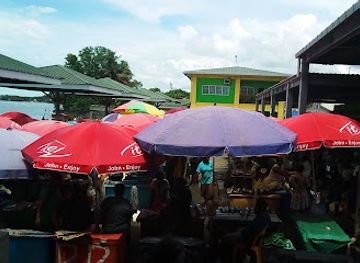
Honiara Central Market
Explore the bustling Honiara Central Market, where local life, fresh produce, and unique crafts come together in vibrant colors and flavors.
-
Memorial park
Guadalcanal Memorial
Discover the rich history of the Solomon Islands at the Guadalcanal Memorial, where valor and sacrifice are honored in a serene park setting.
-
Resort hotel
Uepi Island Resort
Experience the serene beauty and adventure of Uepi Island Resort in the Solomon Islands, where pristine beaches and vibrant marine life await.
Best landmarks in New Georgia Islands
The Munda airfield landscape is one of the New Georgia Islands’ most recognisable historical landmarks, linking the modern settlement to the 1943 Allied campaign and the Japanese military presence that preceded it. Around the western islands, surviving wartime structures, wrecks and memorial sites form a dispersed maritime heritage rather than a single museum complex. Kolombangara’s forested volcanic mountain dominates the island’s profile and is a powerful natural landmark, visible across surrounding channels and coastal waters. Marovo Lagoon is another defining geographical feature: its broad saltwater expanse, reef barriers, wooded islands and narrow passages create a landscape central to the identity of surrounding communities. The lagoons and channels around Ghizo, Vona Vona and New Georgia are marked by village shorelines, coral islets and traditional canoe routes. Some culturally important sites associated with former chiefly and ritual systems are locally known but are not ordinary sightseeing stops; access should be arranged through community members and respected according to customary rules.
-
Lodge
Titiru Eco Lodge
Discover the tranquility of Titiru Eco Lodge in Munda, Honiara, where eco-friendly accommodations meet stunning natural beauty and local culture.
-
Resort hotel
Zipolo Habu Resort
Discover the beauty of Lola Island with a stay at Zipolo Habu Resort, a perfect blend of relaxation and adventure in the Solomon Islands.
Explore New Georgia Islands on the map
Plan your trip on one map. See where the top cities, national parks and sights are, and book hotels and experiences in a few clicks.
Best hotels in New Georgia Islands
Best restaurants in New Georgia Islands
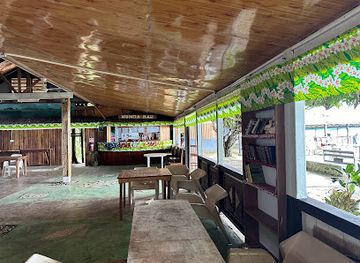
Dining in the New Georgia Islands is shaped by island supply chains, local fishing and the facilities available at guesthouses, lodges and town-based hotels. Fresh fish, shellfish where locally available, coconut, root crops such as cassava and sweet potato, bananas, tropical fruit and garden greens commonly appear in home-style meals. In Munda and Gizo, visitors can find a broader choice of hotel and café cooking, while smaller islands generally offer meals arranged by accommodation rather than a separate restaurant scene. Rice, tinned goods and imported staples are also part of everyday island provisioning. Marovo and other lagoon communities may provide food based on the day’s catch and garden produce, but menus and meal times should be arranged in advance. Markets and small shops can be useful for snacks, although supply varies with boat arrivals. Visitors with dietary requirements should communicate them before travelling, as remote kitchens have limited substitutes and refrigeration may be inconsistent.
-
Cafe
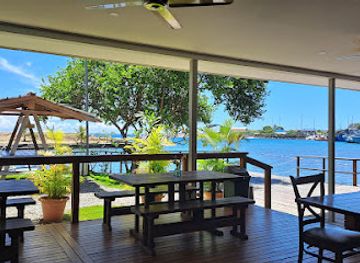
Breakwater Cafe
Discover the best local flavors at Breakwater Cafe in Honiara - where great food meets stunning views.
-
Resort hotel
Coral Sea Resort & Casino
Discover luxury and excitement at Coral Sea Resort & Casino – your gateway to relaxation and adventure in Honiara.
-
Hotel
King Solomon Hotel
Experience the perfect blend of comfort and local charm at King Solomon Hotel in Honiara.
-
Cafe
The Coffee Bar
Experience the rich flavors of local brews at The Coffee Bar in Honiara – your go-to café for delightful snacks and vibrant atmosphere.
Best bars in New Georgia Islands
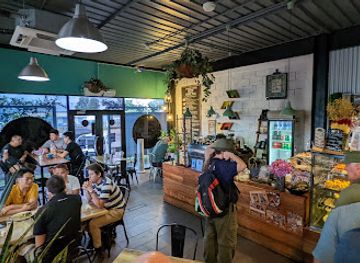
Nightlife in the New Georgia Islands is low-key and concentrated in Munda and Gizo, where hotel bars, small local establishments and informal evening gatherings provide more choice than in outlying villages. The dominant evening experience is usually conversation, music, a meal or time by the waterfront rather than a late nightclub circuit. Guesthouses and lodges may serve beer or spirits if available, but supplies, licensing arrangements and closing practices vary. In rural and lagoon communities, evenings often centre on the accommodation or village setting, with darkness and limited electricity shaping the pace of the night. Visitors should drink moderately, respect local and church-based expectations, and arrange transport rather than attempting to navigate unfamiliar roads or waters after dark. Live music and community events may occur, but they are not a dependable scheduled nightlife product and should be treated as local occasions rather than assumed attractions.
-
Cafe
Breakwater Cafe
Discover the coastal charm and delectable local flavors at Breakwater Cafe, Honiara's hidden gem for food lovers and relaxation seekers.
-
Restaurant
Coral Sea Resort & Casino
Discover the best of Honiara at Coral Sea Resort & Casino, where luxury meets local culture in a breathtaking tropical paradise.
-
Hotel
King Solomon Hotel
Discover the unique charm and vibrant culture of the Solomon Islands at King Solomon Hotel in Honiara, the perfect retreat for all travelers.
-
Cafe
The Coffee Bar
Discover the rich flavors of local coffee culture at The Coffee Bar in Honiara - your cozy retreat for delicious brews and delightful bites.
Best nightclubs in New Georgia Islands
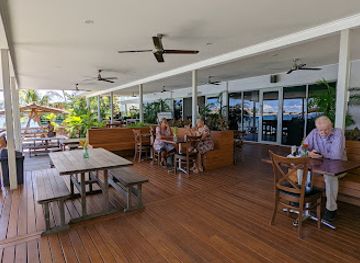
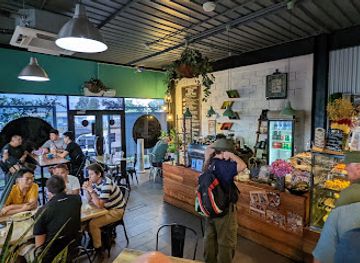
Nightlife in the New Georgia Islands is low-key and concentrated in Munda and Gizo, where hotel bars, small local establishments and informal evening gatherings provide more choice than in outlying villages. The dominant evening experience is usually conversation, music, a meal or time by the waterfront rather than a late nightclub circuit. Guesthouses and lodges may serve beer or spirits if available, but supplies, licensing arrangements and closing practices vary. In rural and lagoon communities, evenings often centre on the accommodation or village setting, with darkness and limited electricity shaping the pace of the night. Visitors should drink moderately, respect local and church-based expectations, and arrange transport rather than attempting to navigate unfamiliar roads or waters after dark. Live music and community events may occur, but they are not a dependable scheduled nightlife product and should be treated as local occasions rather than assumed attractions.
-
Resort hotel
Zipolo Habu Resort
Experience the tranquil beauty of Zipolo Habu Resort, a serene retreat on Lola Island, perfect for adventure and relaxation in the Solomon Islands.
-
Night club
Club HP- Heritage Park Hotel
Dive into Honiara's nightlife at Club HP in Heritage Park Hotel, offering vibrant music, refreshing drinks, and an unforgettable atmosphere.
-
Bar
Kava Bar Munda
Experience the authentic taste of the Solomon Islands at Kava Bar Munda, a cultural hotspot for relaxation and socializing.
-
Bar
Munda Bar
Experience the vibrant atmosphere and local flavors at Munda Bar, the perfect tropical escape in Munda, Solomon Islands.
Best shops in New Georgia Islands
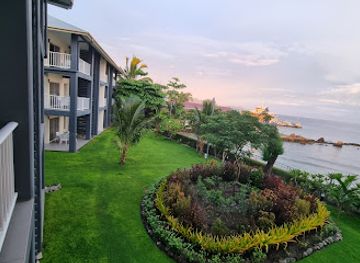
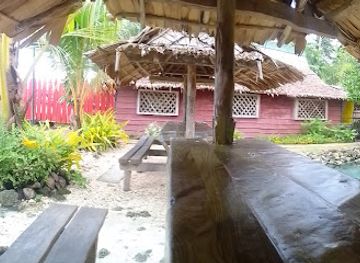
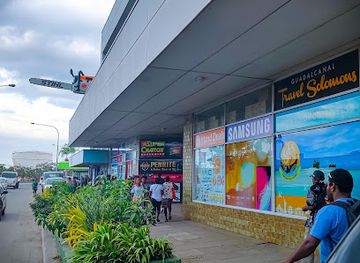
Shopping in the New Georgia Islands is practical and small-scale, with the widest choice in Gizo and Munda. Town shops and markets stock everyday provisions, drinks, clothing and basic travel supplies, while accommodation providers may help visitors obtain locally made carvings, woven items or other handicrafts. Canoe and wood-carving traditions are important across the Solomon Islands, but designs and meanings vary between communities, so ask about provenance and cultural significance rather than treating every object as a generic souvenir. Fish, garden produce and fruit may be sold locally when available, although supplies depend on weather, transport and harvests. In lagoon villages, purchases should be arranged respectfully and directly with makers or hosts, with fair prices agreed before a transaction. Bring sufficient essentials from Honiara or a larger island if travelling onwards, since remote communities have limited retail choice and imported goods can be irregular.
-
Resort hotel
Uepi Island Resort
Experience the untouched beauty of Uepi Island Resort in the Solomon Islands, where adventure and serenity await in a tropical paradise.
-
Grocery store
Bulk Shop
Explore local flavors and diverse products at Bulk Shop, your ultimate grocery destination in Honiara.
-
Airport
Seghe Airport
Seghe Airport: Your gateway to the enchanting beauty and culture of the Solomon Islands.
-
Electronics store
Island Deals
Explore Island Deals in Honiara for top-quality electronics and unique gadgets that cater to all your tech needs while visiting the Solomon Islands.


Get your free copy of our complete guide to New Georgia Islands, delivered straight to you.
Everything on this page, from attractions and restaurants to essentials and local phrases, in one PDF you can read offline, print or share.
Already have an account? Sign in
Your New Georgia Islands guide is ready.
We'll send it to · Not you? Sign out

Getting your guide ready…
We are putting together a fresh copy of the New Georgia Islands guide. This can take up to a minute.
This can take a few moments. If your browser asks, choose Allow so the download can start. You'll find the guide in your Downloads folder.
Nothing happened? Download it again
Sorry, the guide is taking longer than usual. Please try again in a minute, or get it by email instead.
New Georgia Islands essentials
Currency and Payment
Safety
Emergency Situations
Do's and Don'ts
Local Tips
From Eve
Local phrases worth knowing
You don't need to get them perfect. A few words go a long way, and locals appreciate the effort.
Basics
| English | Local | Say it |
|---|---|---|
| Hello | Ola | [O-la] |
| Goodbye | Sia | [See-ah] |
| Yes | Aeo | [Ah-eh-oh] |
| No | Ala | [Ah-lah] |
| Please/You're welcome | Taku | [Tah-koo] |
| Thank you | Taku te | [Tah-koo teh] |
| Excuse me/Sorry | Sori | [So-ree] |
| How are you? | Ola, aeo mo? | [O-la, ah-eh-oh moh?] |
| Fine. And you? | Sia, aeo mo? | [See-ah, ah-eh-oh moh?] |
| Do you speak English? | Aeo tok English? | [Ah-eh-oh tok In-glish?] |
| I don't understand | Mi no save | [Mee noh sah-veh] |
Eating & Drinking
| English | Local | Say it |
|---|---|---|
| I'd like to see the menu, please | Mi likim lukim menu, taku | [Mee lee-keem loo-keem meh-noo, tah-koo] |
| I don't eat meat | Mi no kakae meat | [Mee noh kah-kah-eh meat] |
| Cheers! | Bila! | [Bee-lah!] |
| I would like to pay, please | Mi likim pai, taku | [Mee lee-keem pie, tah-koo] |
Emergencies
| English | Local | Say it |
|---|---|---|
| Help! | Help! | [Help!] |
| Go away! | Go away! | [Go away!] |
| Call the Police! | Kol Police! | [Kol Po-lees!] |
| Call a doctor! | Kol doktor! | [Kol dok-tor!] |
| I'm lost | Mi los | [Mee loss] |
| I'm ill | Mi sik | [Mee seek] |
Shopping
| English | Local | Say it |
|---|---|---|
| I'd like to buy... | Mi likim buy... | [Mee lee-keem bye...] |
| I'm just looking | Mi stap lukim | [Mee stap loo-keem] |
| How much is it? | Ita wanem price? | [Ee-tah wah-nem price?] |
| That's too expensive | Ita tumas expensive | [Ee-tah too-mas ex-pen-siv] |
| Can you lower the price? | Aeo save reduce price? | [Ah-eh-oh sah-veh re-dooce price?] |
Time & Numbers
| English | Local | Say it |
|---|---|---|
| What time is it? | Wata taim? | [Wah-tah time?] |
| It's one o'clock | Ita wan o'clock | [Ee-tah wahn o-clock] |
| Half past (10) | Half past (10) | [Half past (10)] |
| Morning | Mornin | [Mor-ning] |
| Afternoon | Aftanun | [Af-tah-noon] |
| Evening | Ivening | [Ee-vening] |
| Yesterday | Yesta | [Yes-tah] |
| Today | Tude | [Too-day] |
| Tomorrow | Tumoro | [Too-mo-roh] |
| 1 | Wan | [Wahn] |
| 2 | Tu | [Too] |
| 3 | Tri | [Tree] |
| 4 | Foa | [Fo-ah] |
| 5 | Faiv | [Fahiv] |
| 6 | Siks | [Siks] |
| 7 | Sev | [Sev] |
| 8 | Eit | [Ait] |
| 9 | Nayn | [Nayn] |
| 10 | Ten | [Ten] |
Transport & Directions
| English | Local | Say it |
|---|---|---|
| Where's a/the...? | Wea a/the...? | [Weh ah/the...?] |
| What's the address? | Wata address? | [Wah-tah ad-dress?] |
| Can you show me (on the map)? | Aeo save show mi (on the map)? | [Ah-eh-oh sah-veh show mee (on the map)?] |
| When's the next (bus)? | Wen naekst (bus)? | [Wen next (bus)?] |
| A ticket (to ....) | Wan tiket (to ....) | [Wahn ti-ket (to ....)] |
History of New Georgia Islands
Early Settlement and Austronesian Seafaring
The New Georgia Islands were settled over many centuries by communities whose lives were adapted to a landscape of forested islands, reefs and lagoons. Austronesian languages and seafaring traditions became part of the region’s cultural history, alongside older Melanesian practices and later local developments. Archaeological evidence across the Solomon Islands points to long histories of movement, exchange and settlement rather than isolated island communities. Canoes, reef knowledge, gardening, fishing and customary systems of land and sea ownership remain important legacies of this deep past.
Roviana and Regional Chiefdoms
Before colonial rule, western New Georgia contained influential local political systems, including those associated with Roviana Lagoon and neighbouring islands. Leaders controlled networks of villages, gardens, reefs and trading relationships, while warfare and acts of headhunting formed part of the political history recorded by later observers. These practices should be understood within the region’s own social and political context rather than reduced to colonial descriptions. Archaeological and cultural sites around lagoons and islands still reflect the importance of earlier chiefly power and ritual life.
Missionaries and the British Protectorate
Christian missionaries became active in the western Solomon Islands during the nineteenth century, followed by growing involvement from colonial officials, traders and labour recruiters. Britain declared a protectorate over the Solomon Islands in 1893, bringing the New Georgia group into a wider colonial administrative system. Mission stations, churches, schools and new commercial relationships altered local authority and settlement patterns, while colonial campaigns helped suppress inter-community warfare and headhunting. The period also introduced cash-based activities and new connections with other islands.
Copra, Timber and Island Economies
During the colonial and post-colonial periods, copra, coconut cultivation, fishing and timber became important components of the New Georgia Islands’ economy. These activities linked remote communities to export markets but also made island livelihoods vulnerable to changing prices, transport costs and outside control of resources. Logging has been particularly consequential in parts of the Solomon Islands, where roads, shore facilities and forest clearance have affected customary land and marine environments. Today, subsistence gardening, fishing, small-scale commerce and tourism continue alongside these wider economic pressures.
The Japanese Advance and Allied Campaigns
The New Georgia Islands became a major theatre of the Pacific War after Japanese forces occupied parts of the Solomon Islands and developed military positions, including the airfield at Munda. In 1943, Allied forces launched the New Georgia campaign to capture Munda and reduce Japanese control of the central Solomons. Fighting also took place around Kolombangara, Vella Lavella, Rendova and the surrounding waters. Villages and local communities were drawn into the conflict, while ships, aircraft and equipment were lost across the islands. Relics and wrecks remain visible reminders of this period.
Munda and Vella Lavella in the Later War
The capture of Munda’s airfield in August 1943 gave Allied forces an important base for operations farther west. Fighting continued around Kolombangara and Vella Lavella as Japanese forces withdrew and Allied units advanced through the island chain. The campaign involved difficult jungle terrain, intense naval activity and complex movements between islands. Its legacy is now encountered through airfield remains, memorials, wrecks and oral histories rather than through a single preserved battlefield. Guided access is important because wartime debris and unexploded ordnance can still present risks.
Independence and Contemporary Island Life
The Solomon Islands became independent from Britain in 1978, and the New Georgia group thereafter developed within a national system combining elected government with strong customary relationships to land and sea. Provincial administration, church institutions, fisheries, logging, transport links and tourism have all influenced the islands’ recent history. Communities continue to negotiate the balance between economic opportunity, customary ownership and environmental protection. For visitors, this history is apparent in the contrast between modern airstrips and outboard boats, remote villages, wartime landscapes and enduring lagoon-based livelihoods.
New Georgia Islands in Photos
Browse through our photo collection highlighting the charm and character of the destination.
Neighbouring regions of New Georgia Islands
The closest regions to New Georgia Islands, if you have time for more than one.
-

-

-

-

-


Swipe for more regions
Explore more
Explore more of Solomon Islands
Discover the Solomon Islands: An unspoiled tropical paradise with pristine beaches, vibrant coral reefs, rich history, and unique cultural experiences.
Explore Solomon Islands