

Free Makira-Ulawa Travel Guide & Mobile App
Explore Makira-Ulawa with free travel guides. Discover regional history, expert tips, proposed trips, and audio guides on web or mobile app.


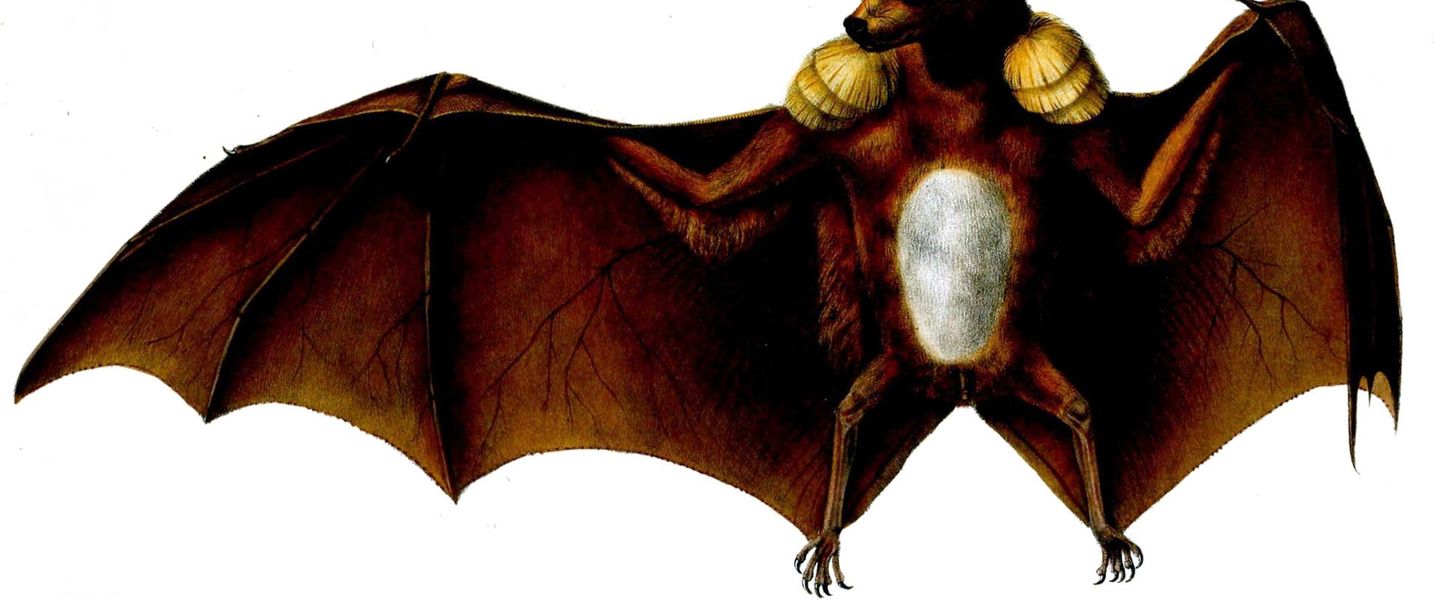


Explore Makira-Ulawa in the Solomon Islands for rainforest, reef waters, village culture and quietly adventurous island travel.
Read more about Makira-Ulawa
When is the best time to visit Makira-Ulawa?
Best: October–December · 30–31°C| Month | High (°C) | Rainfall (mm) |
|---|---|---|
| January | 30 | 250 |
| February | 30 | 240 |
| March | 30 | 230 |
| April | 30 | 220 |
| May | 30 | 210 |
| June | 30 | 200 |
| July | 30 | 190 |
| August | 30 | 180 |
| September | 30 | 170 |
| October (best) | 30 | 160 |
| November (best) | 31 | 150 |
| December (best) | 31 | 140 |
Getting to and around Makira-Ulawa
How to get there
Transportation
Best attractions in Makira-Ulawa
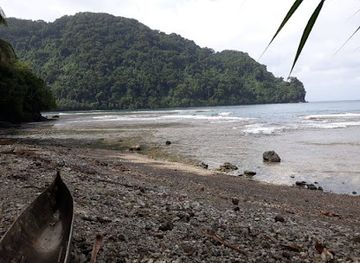
Makira-Ulawa’s attractions are primarily natural and community-based. Around Kirakira, visitors can arrange coastal excursions, village visits and walks into forested country, while the island’s bays, beaches and reefs provide opportunities for swimming, snorkelling, kayaking and fishing when local conditions are suitable. Makira’s interior is of particular interest to birdwatchers and naturalists because its extensive rainforest supports distinctive island wildlife, although access generally requires a guide, permission and reasonable fitness. Ulawa offers a more intimate island setting, with reef waters, village communities and everyday coastal life rather than a developed resort strip. The province also has church buildings, local cultural practices, traditional food preparation, weaving, carving and oral histories that are best experienced through community introductions. Travellers should expect modest infrastructure: attractions are rarely signposted or packaged, and transport may be part of the adventure. Weather, tides and customary arrangements can shape an itinerary more than a published timetable, so flexible planning is essential.
-
 Beach
BeachNamo Beach
Experience the tranquility of Namo Beach, a stunning paradise in the Solomon Islands, perfect for relaxation and adventure amidst natural beauty.
Best landmarks in Makira-Ulawa
Kirakira’s role as the provincial capital and principal settlement makes its waterfront, airfield area, government buildings and surrounding coastal landscape useful orientation points, although they are not monumental landmarks in the conventional sense. The most significant physical feature of Makira-Ulawa is Makira itself: a mountainous, heavily forested island whose steep interior and deeply indented coastline define both its scenery and its transport challenges. Coastal bays and reef-fringed waters around Makira and Ulawa are important geographical landmarks as well as working environments for fishing and travel. Village churches and locally established community spaces reflect the influence of Christian missions and later provincial life, while gardens, coconut groves and customary coastal areas reveal how people continue to use the land. Unlike regions built around castles, cathedrals or grand civic architecture, Makira-Ulawa’s sense of place lies in the relationship between rainforest, settlement, sea routes and customary territory. Access to particular sites should always be arranged with local permission rather than assumed from a map.
-
Island
San Cristobal
Explore the untouched beauty and vibrant culture of San Cristobal, a tropical paradise in the Solomon Islands perfect for adventure and relaxation.
-
Beach
Namo Beach
Experience the serene beauty of Namo Beach, a hidden paradise in the Solomon Islands perfect for relaxation, swimming, and breathtaking sunsets.
Explore Makira-Ulawa on the map
Plan your trip on one map. See where the top cities, national parks and sights are, and book hotels and experiences in a few clicks.
Best hotels in Makira-Ulawa
Best bars in Makira-Ulawa
Makira-Ulawa does not have a substantial nightclub scene. Evening life centres on family and community gatherings, church-related activities, small local shops, guesthouse or hotel spaces and occasional music or social events in Kirakira. In villages, the pace is generally quiet after dark, and entertainment depends on local invitations rather than a published programme. Visitors should not assume that alcohol is served, and should follow community expectations concerning drinking, dress and behaviour. Honiara, outside the province, offers the Solomon Islands’ broadest range of bars and organised nightlife, but Makira-Ulawa’s evening character is more often defined by conversation, shared food, music and the sounds of the coast. Bring a torch and arrange transport in advance if returning after dark, since street lighting and late-night vehicles are limited.
-
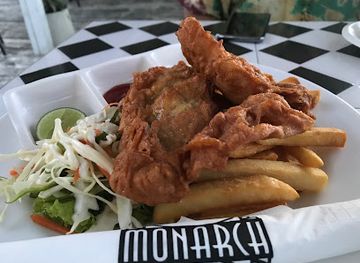
Grill
Monarch
Discover the flavors of Honiara at Monarch Grill, where local ingredients meet exceptional grilling in a welcoming atmosphere.
-
Bar
Tariu Kava bar
Discover the authentic taste of Solomon Islands at Tariu Kava Bar, where tradition meets relaxation in the heart of Honiara.
-
Bar
Kakake Pub
Experience the vibrant nightlife of Nakumwe at Kakake Pub, where locals and travelers mingle over refreshing drinks and live music.
Best shops in Makira-Ulawa
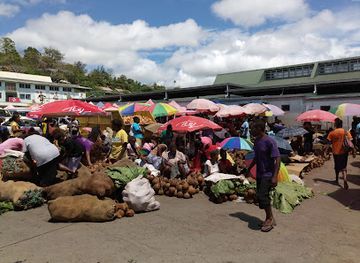
Shopping in Makira-Ulawa is practical and small-scale, with the greatest choice found in Kirakira. Local shops may carry basic food, household goods, clothing and fuel-related supplies, but stock can be irregular and imported products are limited. Travellers may encounter locally made baskets, woven items, carvings or other handicrafts through community contacts, accommodation providers or village visits; buying directly and agreeing prices respectfully supports makers more effectively than treating crafts as anonymous souvenirs. Fresh produce, coconuts, fish and garden foods are part of local exchange, though availability depends on season, weather and transport. There are no extensive malls or established luxury-shopping districts, and visitors should purchase specialist medicines, batteries, toiletries and equipment before arriving. Cash is essential, particularly when buying crafts, food or locally arranged services outside the provincial centre.
-
Market
Honiara Central Market
Discover the vibrant culture and flavors of the Solomon Islands at Honiara Central Market, a must-see destination for every traveler.
-
Airport
Kirakira Airport
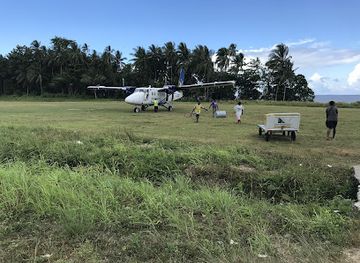
Discover the beauty of the Solomon Islands starting from Kirakira Airport, your gateway to adventure and culture.
-
Convenience store
Maetala store
Explore the essence of Honiara at Maetala Store, your one-stop shop for local snacks and essentials in the Solomon Islands.
-
Market
Kirakira Market house
Experience the vibrant culture and flavors of Nakumwe at Kirakira Market House, where local crafts and delicious foods await.
Get your free copy of our complete guide to Makira-Ulawa, delivered straight to you.
Everything on this page, from attractions and restaurants to essentials and local phrases, in one PDF you can read offline, print or share.
Already have an account? Sign in
Your Makira-Ulawa guide is ready.
We'll send it to · Not you? Sign out

Getting your guide ready…
We are putting together a fresh copy of the Makira-Ulawa guide. This can take up to a minute.
This can take a few moments. If your browser asks, choose Allow so the download can start. You'll find the guide in your Downloads folder.
Nothing happened? Download it again
Sorry, the guide is taking longer than usual. Please try again in a minute, or get it by email instead.
Makira-Ulawa essentials
Currency and Payment
Safety
Emergency Situations
Do's and Don'ts
Local Tips
From Eve
Local phrases worth knowing
You don't need to get them perfect. A few words go a long way, and locals appreciate the effort.
Basics
| English | Local | Say it |
|---|---|---|
| Hello | Kia ora | [kee-ah or-ah] |
| Goodbye | Sokuru | [soh-koo-roo] |
| Yes | Aeo | [ah-eh-oh] |
| No | Aoka | [ah-oh-kah] |
| Please/You’re welcome | Taki | [tah-kee] |
| Thank you | Tausi | [tah-oo-see] |
| Excuse me/Sorry | Tasi | [tah-see] |
| How are you? | Ono mai? | [oh-no my?] |
| Fine. And you? | Mi fain. Ogo? | [mee fine. oh-go?] |
| Do you speak English? | Ogo i tok Pisin? | [oh-go ee tok pee-seen?] |
| I don't understand | Mi no save | [mee noh sah-veh] |
Eating & Drinking
| English | Local | Say it |
|---|---|---|
| I'd like to see the menu, please | Mi laik lukim menu, taki | [mee like loo-keem meh-noo, tah-kee] |
| I don't eat meat | Mi no kakae mit | [mee noh kah-kai meet] |
| Cheers! | Taki! | [tah-kee!] |
| I would like to pay, please | Mi laik pai, taki | [mee like pie, tah-kee] |
Emergencies
| English | Local | Say it |
|---|---|---|
| Help! | Help! | [Help!] |
| Go away! | Go awei! | [go ah-way!] |
| Call the Police! | Kol Polisi! | [kol poh-lee-see!] |
| Call a doctor! | Kol doktah! | [kol dok-tah!] |
| I'm lost | Mi los | [mee loss] |
| I'm ill | Mi sik | [mee seek] |
Shopping
| English | Local | Say it |
|---|---|---|
| I'd like to buy... | Mi laik buy... | [mee like bye...] |
| I'm just looking | Mi so luk | [mee so loo-k] |
| How much is it? | Hao mangi? | [how man-gee?] |
| That's too expensive | Dat i tu ekspensiv | [dat ee too eks-pen-siv] |
| Can you lower the price? | Ogo i save lesim praes? | [oh-go ee sah-veh leh-sim price?] |
Time & Numbers
| English | Local | Say it |
|---|---|---|
| What time is it? | Hao taem i? | [how time ee?] |
| It's one o'clock | I wan o'klok | [ee wan oh-clock] |
| Half past (10) | Half pas (10) | [half pahs (10)] |
| Morning | Mornin | [mor-ning] |
| Afternoon | Aftanoon | [af-ta-noon] |
| Evening | Ivening | [ee-ven-ing] |
| Yesterday | Yestedei | [yes-teh-day] |
| Today | Tudei | [too-day] |
| Tomorrow | Tumoro | [too-mo-ro] |
| 1 | Wan | [wan] |
| 2 | Tu | [too] |
| 3 | Tri | [tree] |
| 4 | Foa | [foe-ah] |
| 5 | Faiv | [five] |
| 6 | Siks | [siks] |
| 7 | Sev | [sev] |
| 8 | Eit | [eight] |
| 9 | Nain | [nine] |
| 10 | Ten | [ten] |
Transport & Directions
| English | Local | Say it |
|---|---|---|
| Where's a/the...? | Wea a/da...? | [we-ah ah/dah...?] |
| What's the address? | Hao i adres? | [how ee ah-dress?] |
| Can you show me (on the map)? | Ogo i save soem mi (long map)? | [oh-go ee sah-veh so-em mee (long map)?] |
| When's the next (bus)? | Hao taem i next (bus)? | [how time ee next (bus)?] |
| A ticket (to ....) | Wan tikit (fo....) | [wan tee-kit (fo....)] |
History of Makira-Ulawa
Ancient Oceanic Settlement
Makira and Ulawa were settled within the wider movement of Austronesian-speaking peoples across the southwest Pacific. Over many centuries, communities developed systems of gardening, fishing, forest use, exchange and customary authority suited to steep volcanic terrain, smaller islands and reef-lined coasts. Archaeological knowledge across the Solomon Islands indicates a long sequence of human occupation, while oral traditions remain particularly important for understanding local histories. The province’s villages, languages and land relationships are therefore not recent developments but part of an extensive island heritage.
European Voyages in the Sixteenth Century
Spanish expeditions reached the Solomon Islands in the sixteenth century, and the islands were subsequently represented on European charts under the Solomon name. These voyages did not create a lasting colonial administration in Makira-Ulawa, but they marked the beginning of intermittent European knowledge of the archipelago. For island communities, early encounters formed only one episode in much longer local histories. Later European accounts often misunderstood or simplified the political and cultural relationships that governed Makira and its neighbouring islands.
Missionary Expansion and Colonial Rule
Christian missionaries became increasingly active in the Solomon Islands during the nineteenth and early twentieth centuries, working alongside the expanding British colonial administration. On Makira and Ulawa, mission stations, schools and churches contributed to major changes in education, religious practice and local leadership, although conversion and colonial authority were gradual and uneven. Customary structures did not disappear; instead, village life came to combine inherited obligations with church institutions, introduced forms of education and the administrative systems of the British Solomon Islands Protectorate.
Labour Migration and the Copra Economy
During the colonial period, Solomon Islanders were recruited for work on plantations and other enterprises elsewhere in the archipelago and across the western Pacific. Makira-Ulawa communities were part of these wider labour networks, which brought new experiences, Christian influences, languages and connections between islands. Copra, produced from dried coconut meat, became an important commercial product, while subsistence gardening, fishing and local exchange continued to underpin household life. The economic legacy can still be seen in coconut plantings, coastal trading patterns and the province’s dependence on maritime links.
The Pacific War and the Road to Independence
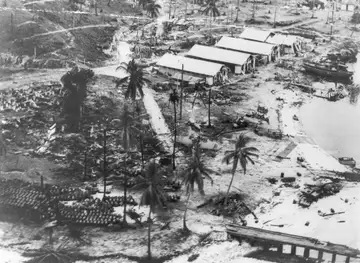
The Solomon Islands became a major theatre of the Pacific War after Japanese expansion into the region in 1942. The best-known fighting occurred elsewhere in the archipelago, but Makira and surrounding islands were drawn into wartime logistics, coastal surveillance and military movement. The conflict accelerated infrastructure development and brought intense contact with Allied forces. After the war, political change gathered pace, leading to internal self-government and independence for the Solomon Islands in 1978. Makira-Ulawa has since developed as a province within the independent state.
Provincial Life in the Contemporary Solomon Islands
Modern Makira-Ulawa combines elected provincial administration with customary landholding, church networks and village-based social organisation. Kirakira functions as the provincial centre, while most communities remain dependent on gardens, fishing, small-scale commerce and connections by road or boat. Development has been constrained by the province’s remoteness and difficult terrain, but that same geography has helped preserve extensive forest and marine environments. Contemporary tourism is consequently small in scale and is most effective when it supports local hosts, guides and community priorities.
Makira-Ulawa in Photos
Browse through our photo collection highlighting the charm and character of the destination.
Neighbouring regions of Makira-Ulawa
The closest regions to Makira-Ulawa, if you have time for more than one.
-

-

-

-

-


Swipe for more regions
Explore more
Explore more of Solomon Islands
Discover the Solomon Islands: An unspoiled tropical paradise with pristine beaches, vibrant coral reefs, rich history, and unique cultural experiences.
Explore Solomon Islands