

Rennell and Bellona, Solomon Islands Travel Guide
Discover the untouched beauty and rich cultural heritage of Rennell and Bellona in the Solomon Islands, perfect for nature lovers and those seeking a tranquil escape.
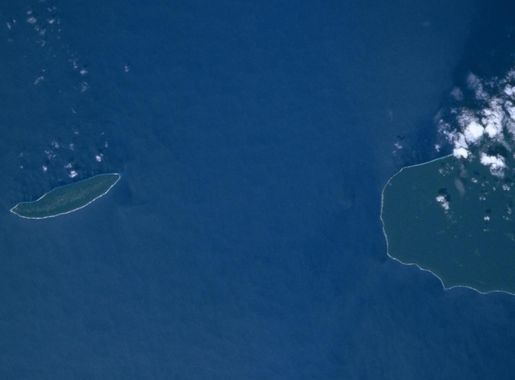
Rennell and Bellona are two remote islands located in the Solomon Islands. These islands are renowned for their untouched natural beauty, traditional Polynesian culture, and incredible biodiversity. Rennell Island is home to Lake Tegano, the largest lake in the Pacific Islands and a UNESCO World Heritage site. The lake is a haven for birdwatchers, with many endemic species to spot. The coral reefs and lagoons surrounding the islands are perfect for snorkeling and diving, offering a peek into the vibrant underwater world. Bellona Island captivates visitors with its rugged cliffs and unspoiled beaches. The island's cultural richness is evident in the local customs, traditional dances, and handicrafts. The friendly islanders are always eager to share their heritage with visitors. You can take part in cultural ceremonies or simply relax on the pristine beaches, enjoying the island's tranquil atmosphere. Both islands offer a unique experience far from the hustle and bustle of modern life. Whether you're an adventure seeker, a nature lover, or someone looking to immerse yourself in a different culture, Rennell and Bellona provide a perfect escape. The simplicity and beauty of these islands will leave you enchanted and longing for more.

Know before you go
Hi, I'm Eve. Here are a few practical things to know before exploring Rennell and Bellona.
- Bring cash as there are no ATMs on the islands.
- Pack insect repellent to protect against mosquitoes.
- Respect local customs and traditions, especially during cultural ceremonies.
- Carry a reusable water bottle to stay hydrated.
- Check weather conditions before planning any outdoor activities.


Best bars in Rennell and Bellona
Top-rated picks
Best Bars

Heritage Park Hotel
Heritage Park Hotel in Honiara: Where Comfort Meets Island Culture for an Unforgettable Stay.

Coral Sea Resort & Casino
Experience the ultimate getaway at Coral Sea Resort & Casino, where relaxation meets vibrant entertainment in Honiara's tropical paradise.
King Solomon Hotel
Experience the unique charm of King Solomon Hotel in Honiara, where traditional aesthetics meet modern comfort in the heart of the Solomon Islands.
Pacific Casino Hotel
Discover the vibrant blend of comfort and entertainment at Pacific Casino Hotel in Honiara, a perfect base for exploring the Solomon Islands.

Best shops in Rennell and Bellona
Top-rated picks
Best Shops

Honiara Central Market
Explore Honiara Central Market: A bustling marketplace filled with fresh produce, unique handicrafts, and a vibrant atmosphere reflecting local culture.

Yeebing (Ausmart/Auspac) Ltd
Explore Yeebing (Ausmart/Auspac) Ltd in Honiara for an eclectic shopping experience filled with local charm and international flair.
JONYX STORE
Explore JONYX STORE in Kangua for unique home goods and locally crafted treasures that embody the spirit of the region.

Bellona Island
Discover the untouched beauty and rich culture of Bellona Island, a hidden gem in the Solomon Islands perfect for nature lovers and adventurers.

Explore Rennell and Bellona on the Map
A handpicked selection of must-see spots in Rennell and Bellona, mapped for you.
Rennell and Bellona Essentials
-
Rennell and Bellona are located in the Solomon Islands. The primary way to reach these islands is by air. You can fly into Honiara International Airport, which is the main gateway to the Solomon Islands. From Honiara, you can take a domestic flight to Rennell Island via Solomon Airlines. The flights are infrequent, so it's important to book well in advance. Alternatively, you can reach Rennell and Bellona by sea, although this is less common and can be more challenging due to limited schedules and rough seas.
-
Transportation options on Rennell and Bellona are limited. The islands are small, and most places can be reached by walking or using local transport such as trucks or small boats. There are no formal taxi services, but locals often offer rides for a small fee. Renting a vehicle is not typically an option due to the limited infrastructure. For longer distances, especially between the islands, boat services are available, but schedules can be irregular.
-
The official currency in the Solomon Islands is the Solomon Islands Dollar (SBD). It's advisable to carry cash, as credit card facilities are extremely limited on Rennell and Bellona. There are no ATMs on the islands, so ensure you withdraw enough cash in Honiara before traveling. Bartering and trading are also common practices in local markets.
-
Rennell and Bellona are generally safe destinations for tourists. However, standard precautions should still be taken. Avoid walking alone at night and keep an eye on your belongings. There are no specific areas with high crime rates targeting tourists on the islands. The community is close-knit and very hospitable, but it's always best to stay vigilant and respectful of local customs.
-
In case of an emergency, contact the local authorities or community leaders. There are basic medical facilities on the islands, but for serious medical issues, evacuation to Honiara may be necessary. It's essential to have comprehensive travel insurance that covers medical emergencies and evacuation. For minor health issues, there are small clinics and pharmacies where you can get basic medical supplies.
-
Fashion: Do dress modestly, especially in villages. Avoid wearing revealing clothing. Religion: Do respect local customs and traditions. Participate or observe respectfully in local ceremonies if invited. Public Transport: Do respect local transport schedules and be patient, as services can be irregular. Greetings: Do greet people with a smile and a nod. A handshake is also common. Eating & Drinking: Do try local foods and accept food and drink offerings graciously. Don't refuse hospitality, as it is considered impolite.
-
To experience Rennell and Bellona like a local, visit the local markets and engage with the community. Participate in traditional activities such as fishing, weaving, and dancing if given the opportunity. Learn a few phrases in the local language to show respect and interest in the culture. Explore the unique natural landscapes, including Lake Tegano on Rennell Island, which is a UNESCO World Heritage Site. Always ask for permission before taking photographs of people or their property.
When is the best time to visit Rennell and Bellona?
Useful Local Phrases for Rennell and Bellona
You don't need to speak the language perfectly. Even learning a few simple words can make conversations warmer—and locals usually appreciate the effort.
— Eve

Here are the phrases I use most often in Rennell and Bellona. Try a few—you'll be surprised how far they go! 😊
❤️
-
- HelloAloha
[Ah-loh-ha] - GoodbyeKere
[Keh-reh] - YesAe
[Ah-eh] - NoNau
[Nau] - Please/You're welcomeTaku/No problem
[Tah-koo/Noh proh-blem] - Thank youTukuna
[Too-koo-nah] - Excuse me/SorryEfa
[Eh-fah] - How are you?Oti au?
[Oh-tee ow?] - Fine. And you?Malu. Oti au?
[Mah-loo. Oh-tee ow?] - Do you speak English?Oti tolo English?
[Oh-tee toh-loh In-glish?] - I don't understandAu sa no tolo
[Ow sah noh toh-loh]
- HelloAloha
-
- I'd like to see the menu, pleaseAu wantem lukim menu, plis
[Ow wan-tem loo-keem meh-nu, plees] - I don't eat meatAu no kaen mit
[Ow noh kah-ehn meet] - Cheers!Toa!
[Toh-ah!] - I would like to pay, pleaseAu wantem pai, plis
[Ow wan-tem pie, plees]
- I'd like to see the menu, pleaseAu wantem lukim menu, plis
-
- Help!Help!
[Help!] - Go away!Go awei!
[Goh ah-way!] - Call the Police!Kol Polisi!
[Kohl Poh-lee-see!] - Call a doctor!Kol dokta!
[Kohl dohk-tah!] - I'm lostAu sa los
[Ow sah lohs] - I'm illAu sik
[Ow seek]
- Help!Help!
-
- I'd like to buy...Au wantem bai...
[Ow wan-tem bye...] - I'm just lookingAu jus luking
[Ow jus loo-king] - How much is it?Hao makit?
[How mah-kit?] - That's too expensiveDat i tu makit
[Daht ee too mah-kit] - Can you lower the price?Yu ken lewa da prais?
[Yoo ken leh-wah dah prize?]
- I'd like to buy...Au wantem bai...
-
- What time is it?Wot taim?
[Waht tahim?] - It's one o'clockIti wan oklok
[Ee-tee wahn oh-klok] - Half past (10)Haf past (10)
[Hahf pahst (10)] - MorningMornin
[Morn-ing] - AfternoonAftanun
[Af-tah-noon] - EveningIvenin
[Ee-ven-ing] - YesterdayYestede
[Yest-eh-deh] - TodayTude
[Too-deh] - TomorrowTumoro
[Too-mo-roh] - 1Wan
[Wahn] - 2Tu
[Too] - 3Tri
[Tree] - 4Foa
[Foh-ah] - 5Faiv
[Fah-iv] - 6Siks
[Siks] - 7Sevn
[Sev-en] - 8Eit
[Eight] - 9Nain
[Nain] - 10Ten
[Ten]
- What time is it?Wot taim?
-
- Where's a/the...?Wea a/the...?
[Weh-ah ah/the...?] - What's the address?Wot i da adres?
[Waht ee dah ah-dress?] - Can you show me (on the map)?Yu ken sho mi (on da map)?
[Yoo ken show mee (on dah map)?] - When's the next (bus)?Wen i da nekis (bus)?
[Wen ee dah neh-kis (bus)?] - A ticket (to ....)Wan tiket (to ....)
[Wahn tee-ket (to ....)]
- Where's a/the...?Wea a/the...?
History of Rennell and Bellona
-
Rennell and Bellona, locally known as Mu Nggava and Mu Ngiki, were settled by Polynesians around 1200 AD. These settlers formed a unique culture, distinct from other Solomon Islands due to their Polynesian roots. They developed a society based on fishing, agriculture, and intricate social structures governed by chieftains and traditional laws.
-
The first recorded European contact with Rennell and Bellona was in 1793 by British naval captain Philip Carteret. However, the islands remained largely isolated from European influence until the late 19th century due to their remote location and the lack of valuable resources.
-
In the mid-19th century, Christian missionaries, particularly from the London Missionary Society, began to visit Rennell and Bellona. By the late 1800s, many of the islanders had converted to Christianity, which brought significant changes to their traditional way of life, including the introduction of Western education and healthcare.
-
During World War II, the Solomon Islands, including Rennell and Bellona, became strategically important in the Pacific Theater. While the islands themselves saw limited direct conflict, they were part of the broader military campaign, with some residents being relocated or recruited to support the war effort.
-
After World War II, the Solomon Islands, including Rennell and Bellona, experienced increased interactions with the outside world. The islands were part of the British Solomon Islands Protectorate until the Solomon Islands gained independence in 1978. Post-independence, the islands have focused on preserving their unique cultural heritage while integrating into the modern state.
-
In 1998, East Rennell was inscribed as a UNESCO World Heritage site, recognizing its unique natural environment and cultural importance. East Rennell is the largest raised coral atoll in the world, with a rich biodiversity including endemic species and a large freshwater lake, Lake Tegano, which holds significant cultural and historical importance for the local communities.
-
Today, the people of Rennell and Bellona maintain a strong sense of their Polynesian heritage, reflected in their language, traditional crafts, dance, and music. Despite modern influences, the islands' communities continue to practice traditional customs and ceremonies, preserving their cultural identity in a rapidly changing world.
Neighbouring Regions of Rennell and Bellona
The closest regions to Rennell and Bellona, if you have time for more than one.



Your all‑in‑one travel companion app
Explore expert travel guides, compare and book tours, experiences, hotels, and more—all from the palm of your hand. Download now for seamless trip planning wherever your wanderlust takes you.


Explore More of Solomon Islands
Looking beyond Rennell and Bellona? Discover Solomon Islands for broader travel guides, local hot-spots, and regional highlights.
Explore Solomon IslandsRennell and Bellona in Photos
Browse through our photo collection highlighting the charm and character of the destination.






Rennell and Bellona: Solomon Islands' Hidden Gems
Rennell and Bellona are two remote islands located in the Solomon Islands. These islands are renowned for their untouched natural beauty, traditional Polynesian culture, and incredible biodiversity. Rennell Island is home to Lake Tegano, the largest lake in the Pacific Islands and a UNESCO World Heritage site. The lake is a haven for birdwatchers, with many endemic species to spot. The coral reefs and lagoons surrounding the islands are perfect for snorkeling and diving, offering a peek into the vibrant underwater world. Bellona Island captivates visitors with its rugged cliffs and unspoiled beaches. The island's cultural richness is evident in the local customs, traditional dances, and handicrafts. The friendly islanders are always eager to share their heritage with visitors. You can take part in cultural ceremonies or simply relax on the pristine beaches, enjoying the island's tranquil atmosphere. Both islands offer a unique experience far from the hustle and bustle of modern life. Whether you're an adventure seeker, a nature lover, or someone looking to immerse yourself in a different culture, Rennell and Bellona provide a perfect escape. The simplicity and beauty of these islands will leave you enchanted and longing for more.