

Free Shortland Islands Travel Guide & Mobile App
Explore Shortland Islands with free travel guides. Discover regional history, expert tips, proposed trips, and audio guides on web or mobile app.


Explore the remote Shortland Islands of Solomon Islands for customary island life, tropical reefs, World War II history and sea journeys.
Read more about Shortland Islands
When is the best time to visit Shortland Islands?
Best: April–June · 29°C| Month | High (°C) | Rainfall (mm) |
|---|---|---|
| January | 29 | 400 |
| February | 29 | 350 |
| March | 29 | 300 |
| April (best) | 29 | 250 |
| May (best) | 29 | 200 |
| June (best) | 29 | 200 |
| July | 29 | 250 |
| August | 29 | 250 |
| September | 29 | 300 |
| October | 29 | 350 |
| November | 29 | 400 |
| December | 29 | 450 |
Getting to and around Shortland Islands
How to get there
Transportation
Best attractions in Shortland Islands
The Shortland Islands' attractions are primarily environmental, cultural and historical rather than commercial. On Fauro and the surrounding islands, visitors encounter forested shorelines, mangrove edges, coral reefs, sheltered bays and open-water passages best explored with local boat operators. Fishing, snorkelling and small-scale coastal exploration may be possible where conditions, equipment and customary permission allow, but these activities require careful planning and should not be treated as resort services. Mono and the Treasury Islands are particularly significant for visitors interested in the Second World War, with overgrown airfield areas, defensive positions, wreckage and other traces of Japanese occupation and Allied operations. Such places are not formal museum sites and may contain unexploded ordnance or unstable structures. Village visits, local guiding, church communities and conversations about customary land and sea use can provide a deeper understanding of the region, provided they are arranged respectfully. The appeal lies in its remoteness, living communities and layered seascape, not in a dense concentration of developed attractions.
-
 Tourist attraction
Westernmost point of Solomon Islands
Explore the untouched splendor of the Westernmost Point of the Solomon Islands, where breathtaking landscapes meet rich cultural experiences.
Best landmarks in Shortland Islands
The most recognisable landmarks of the Shortland Islands are tied to their geography and wartime history. Nila on Fauro serves as the administrative centre and an important point of reference in a group where settlements are separated by sea rather than connected by a continuous road network. Mono and the Treasury Islands are marked by remnants of the Second World War, including former airfield landscapes, defensive works, fragments of military infrastructure and scattered wreckage. These remains are historically important but are often concealed by tropical growth and should be visited only with local guidance. The surrounding channels, reef systems and forested volcanic islands are landmarks in their own right, expressing the group’s position at the western edge of Solomon Islands. Their proximity to Bougainville gives the Shortland Islands a distinctive geopolitical and geographical identity, while customary ownership means that many prominent places are also community-held environments rather than public monuments.
-
Historical landmark
Solomon Scouts & Coastwatchers Monument
Discover the bravery of the Solomon Scouts and Coastwatchers at this historical monument in Honiara, a must-see for history lovers and travelers alike.

Explore Shortland Islands on the map
Plan your trip on one map. See where the top cities, national parks and sights are, and book hotels and experiences in a few clicks.
Best hotels in Shortland Islands
Best restaurants in Shortland Islands
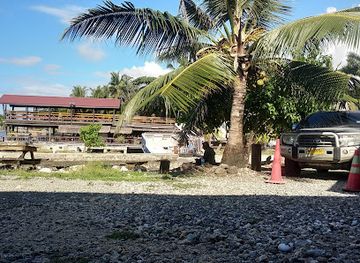
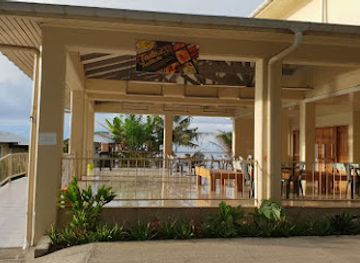
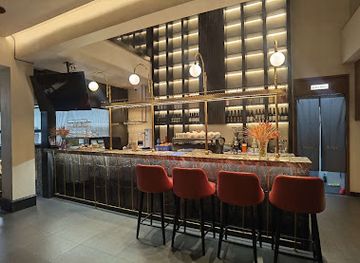
Dining in the Shortland Islands is generally organised through households, community contacts, small local shops or accommodation arrangements rather than a restaurant sector. Meals may draw on fish, shellfish where locally permitted, root crops such as cassava and sweet potato, taro, bananas, coconuts and garden greens. Rice and tinned or packaged provisions are also common parts of island food supplies, particularly where transport links make fresh produce irregular. Visitors should arrange meals in advance and bring suitable reserves, as choice, refrigeration and opening hours cannot be assumed. Sharing food is an important part of hospitality, but guests should follow local guidance about customary restrictions and payment. Honiara and larger provincial centres offer a wider range of restaurants before or after travel, but the Shortland Islands are better understood through locally prepared food and community hospitality than through formal dining.
-
Restaurant
Tenkai Sushi Cafe
Experience authentic Japanese flavors at Tenkai Sushi Cafe in Honiara - where fresh ingredients meet traditional craftsmanship.
-
Restaurant
Taste & Traditions
Discover authentic Solomon Islands cuisine at Taste & Traditions – where every dish tells a story.
-
Chinese
Injoy Restaurant
Experience authentic Chinese cuisine at Injoy Restaurant in Honiara – where flavor meets tradition in a cozy setting.
-
Restaurant
Haydn's Steakhouse
Experience exceptional dining at Haydn's Steakhouse in Honiara with premium steaks and fresh local seafood in an inviting atmosphere.

Best bars in Shortland Islands
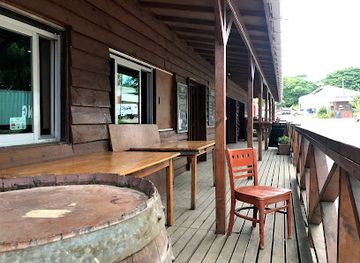
The Shortland Islands do not have a developed bar or nightclub scene. Evening life centres on villages, family gatherings, church communities and informal socialising, with conversation and shared meals more typical than organised entertainment. Alcohol may be available through local channels, but visitors should not assume that licensed premises, late opening, music venues or reliable supplies exist, and should behave with particular restraint in small communities. Nights are often quiet because boat travel, weather, power supplies and communications shape the daily rhythm. Visitors staying with local hosts should follow household expectations, avoid drinking in a way that causes disturbance and ask before joining community events. Honiara, outside the region, is the country's principal centre for a broader selection of bars, clubs and live entertainment.
-
Hotel
Heritage Park Hotel
Experience comfort and local charm at Heritage Park Hotel, your perfect getaway in Honiara, Solomon Islands, blending luxury with cultural immersion.
-
Bar
Banyan Beach Bar
Discover the vibrant atmosphere and stunning ocean views at Banyan Beach Bar in Port Vila, where delicious pizzas and refreshing drinks await.
-
Restaurant
Coral Sea Resort & Casino
Experience luxury and adventure at the Coral Sea Resort & Casino, a premier destination in Honiara, Solomon Islands, blending relaxation with exciting entertainment.
-
Bar
War Horse Saloon
Discover the lively ambiance and local flavors at War Horse Saloon, Port Vila's go-to destination for an unforgettable night out.


Best nightclubs in Shortland Islands
The Shortland Islands do not have a developed bar or nightclub scene. Evening life centres on villages, family gatherings, church communities and informal socialising, with conversation and shared meals more typical than organised entertainment. Alcohol may be available through local channels, but visitors should not assume that licensed premises, late opening, music venues or reliable supplies exist, and should behave with particular restraint in small communities. Nights are often quiet because boat travel, weather, power supplies and communications shape the daily rhythm. Visitors staying with local hosts should follow household expectations, avoid drinking in a way that causes disturbance and ask before joining community events. Honiara, outside the region, is the country's principal centre for a broader selection of bars, clubs and live entertainment.
-
Night club
Club HP- Heritage Park Hotel
Discover the vibrant nightlife at Club HP - Heritage Park Hotel, where music, dancing, and local culture await in Honiara.
Best shops in Shortland Islands
Shopping in the Shortland Islands is limited and practical. Small local stores and informal community trading may provide basic food, household supplies and fuel-related necessities, but visitors should not rely on finding specialist equipment, souvenirs or a dependable range of imported goods. Regional purchases may include locally made woven items, shell work, carved objects or garden produce, although availability varies and products should be bought directly and respectfully through community contacts. Ask before photographing or purchasing culturally significant objects, and never buy wartime artefacts, archaeological material, shells taken from protected or customary areas, or anything that could be unexploded ordnance. Bring most personal supplies from a larger Solomon Islands centre, particularly medicines, batteries, toiletries, snacks and waterproof storage. The most meaningful souvenirs are usually responsibly acquired crafts, locally produced foodstuffs and memories of community-hosted travel rather than mass-market merchandise.
-
Market
Honiara Central Market
Discover the vibrant Honiara Central Market, where local culture, delicious foods, and handmade crafts come together in a bustling atmosphere.
-
Market
Arawa Town Vegetable Market
Immerse yourself in the local culture at Arawa Town Vegetable Market, where fresh produce and vibrant community life come together in Papua New Guinea.
-
Hotel
Honiara Hotel
Discover warm hospitality and comfortable accommodations at Honiara Hotel, your perfect base for exploring the Solomon Islands.
-
Shopping mall
STI Shopping Centre
Experience the vibrant shopping culture of Arawa at STI Shopping Centre, where local charm meets global styles.


Get your free copy of our complete guide to Shortland Islands, delivered straight to you.
Everything on this page, from attractions and restaurants to essentials and local phrases, in one PDF you can read offline, print or share.
Already have an account? Sign in
Your Shortland Islands guide is ready.
We'll send it to · Not you? Sign out

Getting your guide ready…
We are putting together a fresh copy of the Shortland Islands guide. This can take up to a minute.
This can take a few moments. If your browser asks, choose Allow so the download can start. You'll find the guide in your Downloads folder.
Nothing happened? Download it again
Sorry, the guide is taking longer than usual. Please try again in a minute, or get it by email instead.
Shortland Islands essentials
Currency and Payment
Safety
Emergency Situations
Do's and Don'ts
Local Tips
From Eve
Local phrases worth knowing
You don't need to get them perfect. A few words go a long way, and locals appreciate the effort.
Basics
| English | Local | Say it |
|---|---|---|
| Hello | Kia ora | [kee-ah or-ah] |
| Goodbye | Kia pai | [kee-ah pie] |
| Yes | Aroha | [ah-roh-hah] |
| No | Iu | [ee-oo] |
| Please/You're welcome | Taku | [tah-koo] |
| Thank you | Tenkyu | [ten-kyoo] |
| Excuse me/Sorry | Sori | [soh-ree] |
| How are you? | Oka a koe? | [oh-kah ah koh-ay] |
| Fine. And you? | Nae. A koe? | [nah-eh ah koh-ay] |
| Do you speak English? | Iu saik inglis? | [ee-oo sah-ik ing-lis] |
| I don't understand | Mi no save | [mee noh sah-veh] |
Eating & Drinking
| English | Local | Say it |
|---|---|---|
| I'd like to see the menu, please | Mi laik lukim menu, Taku | [mee liek loo-kim men-oo, tah-koo] |
| I don't eat meat | Mi no kaen mit | [mee noh kai-en meet] |
| Cheers! | Taku for drink | [tah-koo for drink] |
| I would like to pay, please | Mi laik pe, Taku | [mee liek pay, tah-koo] |
Emergencies
| English | Local | Say it |
|---|---|---|
| Help! | Help! | [help] |
| Go away! | Go awei! | [go ah-way] |
| Call the Police! | Kol Police! | [kol po-lees] |
| Call a doctor! | Kol dokta! | [kol dok-tah] |
| I'm lost | Mi los | [mee loss] |
| I'm ill | Mi sik | [mee seek] |
Shopping
| English | Local | Say it |
|---|---|---|
| I'd like to buy... | Mi laik baem... | [mee liek bye-em] |
| I'm just looking | Mi jus lukim | [mee jus loo-kim] |
| How much is it? | Hem hao moche? | [hem how mo-ches] |
| That's too expensive | Hem tu ekspensiv | [hem too eks-pen-siv] |
| Can you lower the price? | Iu save loea prais? | [ee-oo sah-veh loh-eh prah-is] |
Time & Numbers
| English | Local | Say it |
|---|---|---|
| What time is it? | Hao taim hem? | [how time hem] |
| It's one o'clock | Hem wan o'clock | [hem wan oh-clock] |
| Half past (10) | Half past ten | [half past ten] |
| Morning | Mornin | [mor-ning] |
| Afternoon | Aftanun | [af-ta-noon] |
| Evening | Ivenin | [ee-ven-ing] |
| Yesterday | Yestedei | [yes-teh-day] |
| Today | Tudei | [too-day] |
| Tomorrow | Tumoro | [too-mo-ro] |
| 1 | Wan | [wan] |
| 2 | Tu | [too] |
| 3 | Tri | [tree] |
| 4 | Fo | [foh] |
| 5 | Faiv | [five] |
| 6 | Siks | [siks] |
| 7 | Sevn | [sev-en] |
| 8 | Eit | [ate] |
| 9 | Nain | [nine] |
| 10 | Ten | [ten] |
Transport & Directions
| English | Local | Say it |
|---|---|---|
| Where's a/the...? | Wea a/the...? | [weh a/the] |
| What's the address? | Wot hem address? | [wot hem ad-dress] |
| Can you show me (on the map)? | Iu save show mi (on da map)? | [ee-oo sah-veh sho-mee (on da map)] |
| When's the next (bus)? | When hem nex (bas)? | [when hem nex (bus)] |
| A ticket (to ....) | Wan tiket (to ....) | [wan tee-ket (to ....)] |
History of Shortland Islands
Ancient settlement and customary island societies
The Shortland Islands have been inhabited for centuries by Melanesian communities whose lives developed around gardening, fishing, inter-island exchange and customary control of land and sea. The island group sits within a wider cultural and trading world linking the western Solomons with Bougainville and neighbouring parts of the Bismarck and Solomon seas. Local languages, kinship networks, oral histories and customary authority remain important ways of understanding place. Archaeological evidence and traditional knowledge together point to long periods of movement and exchange across the surrounding islands, rather than an isolated history confined to individual shores.
European contact and colonial incorporation
European navigators entered the Solomon Islands from the sixteenth century, followed by traders, missionaries and colonial administrators in the nineteenth century. The Shortland Islands became incorporated into the British Solomon Islands Protectorate established in 1893, although effective administration in such a remote western area was limited and uneven. Mission activity and the expansion of commercial networks brought new religious, educational and economic influences, while communities continued to organise much of daily life through customary systems. The proximity of Bougainville also gave the islands a distinctive position within regional movements of people, goods and ideas.
Labour, missions and changing colonial economies
During the late nineteenth and early twentieth centuries, the wider Solomon Islands were drawn into plantation agriculture, maritime trade and the colonial labour system. People from island communities were recruited or compelled into forms of wage labour elsewhere in the Pacific, while copra production, small-scale commerce and mission institutions altered connections between villages and the outside world. In the Shortland Islands, distance from the principal administrative centres limited large-scale development, but churches, schools, trading links and colonial governance still reshaped local society. These changes formed part of a broader transformation that affected customary authority, mobility and patterns of settlement.
Japanese occupation during the Second World War
The Shortland Islands were occupied by Japanese forces in 1942 as Japan expanded through the northern Solomon Islands and the approaches to Bougainville. The group became strategically important for seaplanes, shipping, coastal defence and the movement of troops and supplies. Military construction altered parts of the landscape, while local people experienced requisitioning, displacement, labour demands and the disruption of ordinary community life. The physical evidence of this period, including wartime infrastructure and scattered debris, remains part of the islands' historical landscape, although many sites are overgrown, unstable or hazardous.
Allied operations and the Treasury Islands landings
In late 1943, Allied forces landed in the Treasury Islands, particularly on Mono and Stirling, as part of the campaign to advance towards Bougainville and secure positions in the northern Solomon Islands. The operation involved naval forces, troops, aircraft and local logistical support, and it turned the Treasury Islands into an important Allied base area. Fighting and military construction left lasting traces, while the wider campaign brought heavy pressure on communities and the environment. Today, wartime remains in the Treasury Islands and elsewhere in the group require respectful interpretation and careful attention to unexploded ordnance.
Self-government, independence and provincial identity
The Solomon Islands moved towards self-government in the 1970s and became independent from Britain in 1978. The Shortland Islands were administered within Western Province, one of the country's large and geographically dispersed provinces. Since independence, the region has continued to balance national institutions with strong customary relationships and practical links to neighbouring islands and Bougainville. Limited roads, communications and public services have left many communities dependent on boats and local networks. The islands' contemporary identity therefore reflects both their place within the sovereign Solomon Islands and their distinctive western Pacific geography.
Shortland Islands in Photos
Browse through our photo collection highlighting the charm and character of the destination.
Neighbouring regions of Shortland Islands
The closest regions to Shortland Islands, if you have time for more than one.
-

-

-

-

-


Swipe for more regions
Explore more
Explore more of Solomon Islands
Discover the Solomon Islands: An unspoiled tropical paradise with pristine beaches, vibrant coral reefs, rich history, and unique cultural experiences.
Explore Solomon Islands