

Free Ontong Java Atoll Travel Guide & Mobile App
Explore Ontong Java Atoll with free travel guides. Discover regional history, expert tips, proposed trips, and audio guides on web or mobile app.


Ontong Java Atoll in the Solomon Islands offers remote lagoon landscapes, Polynesian island culture and sea-based travel far from established tourist routes.
Read more about Ontong Java Atoll
When is the best time to visit Ontong Java Atoll?
Best: May–July · 31–32°C| Month | High (°C) | Rainfall (mm) |
|---|---|---|
| January | 31 | 350 |
| February | 31 | 300 |
| March | 31 | 250 |
| April | 31 | 200 |
| May (best) | 31 | 150 |
| June (best) | 32 | 150 |
| July (best) | 32 | 150 |
| August | 32 | 150 |
| September | 32 | 150 |
| October | 32 | 200 |
| November | 32 | 250 |
| December | 32 | 300 |
Getting to and around Ontong Java Atoll
How to get there
Transportation
Explore Ontong Java Atoll on the map
Plan your trip on one map. See where the top cities, national parks and sights are, and book hotels and experiences in a few clicks.
Best hotels in Ontong Java Atoll
Best bars in Ontong Java Atoll
Ontong Java has no conventional nightclub or bar scene. Evening life centres on households, churches, community gatherings and quiet socialising, with any opportunity to share drinks depending on local arrangements rather than commercial venues. Visitors should not expect late opening hours, live-music programmes, cocktail bars or a seafront entertainment district. Alcohol should be handled discreetly and in accordance with community expectations, particularly around churches, family spaces and village events. After dark, the atoll's limited lighting can make walking and boat movement hazardous, while weather and tides remain practical constraints. The absence of organised nightlife is part of the destination's character: evenings are better suited to conversation, rest, listening to local accounts and observing the night sky from a safe place. Carry a torch and avoid wandering beyond settlement areas without a host's advice.
-
Family-friendly
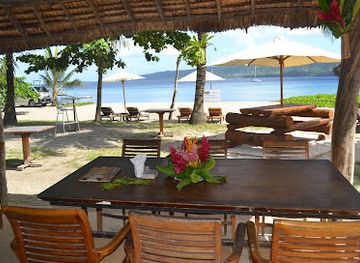
The Beach Bar
Experience the tropical paradise of The Beach Bar in Vanuatu, where family-friendly fun meets delicious cuisine and breathtaking ocean views.
-
Resort hotel
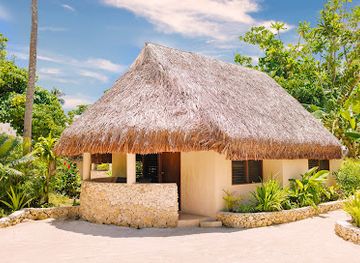
Breakas Beach Resort
Discover the enchanting Breakas Beach Resort in Vanuatu, where luxury meets nature on the stunning shores of Efate Island.
-
Resort hotel
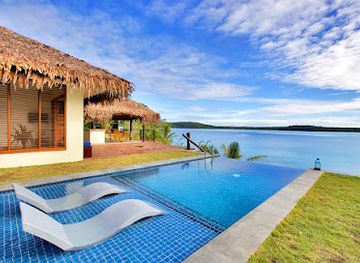
The Havannah Vanuatu
Experience unmatched luxury and tranquility at The Havannah Vanuatu, where pristine beaches meet vibrant culture in a tropical paradise.
-
Hotel
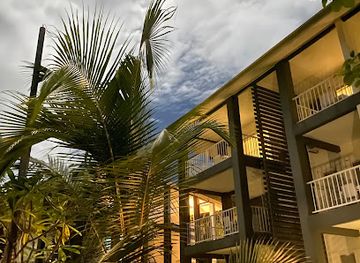
Heritage Park Hotel
Experience the beauty of Honiara from the Heritage Park Hotel, where comfort meets culture in the heart of the Solomon Islands.
Best shops in Ontong Java Atoll
Shopping on Ontong Java is limited to small local stores and household trading rather than a market or retail district. Supplies are dependent on visiting boats and wider Solomon Islands distribution networks, so stock can be modest and unpredictable. Visitors should obtain most specialist items, medicines, batteries, toiletries and gifts before travelling to the atoll. Locally available products may include fish, coconuts, garden produce and practical household goods, while crafts or woven items should be purchased only when offered by their makers and with fair payment. Do not remove shells, coral, feathers, archaeological material or other natural objects as souvenirs. The most appropriate purchases are locally made goods and shared provisions arranged directly through community contacts, not souvenirs sourced from the reef or beaches. Bring Solomon Islands dollars in small denominations, since electronic payment and reliable cash services are not expected.
-
Gift shop
Fung Kuei Duty Free
Explore Fung Kuei Duty Free in Port Vila for luxury goods, local crafts, and an unforgettable duty-free shopping experience in Vanuatu.
-
Market
Honiara Central Market
Discover the vibrant culture and local flavors at Honiara Central Market, the heart of Honiara's community spirit.
-
 Hotel
HotelSolomon Kitano Mendana Hotel
Discover comfort and cultural experience at Solomon Kitano Mendana Hotel, your perfect base in Honiara, Solomon Islands.
-
International airport
Honiara International Airport
Experience the welcoming vibe of Honiara International Airport, your gateway to the stunning beauty and rich culture of the Solomon Islands.


Get your free copy of our complete guide to Ontong Java Atoll, delivered straight to you.
Everything on this page, from attractions and restaurants to essentials and local phrases, in one PDF you can read offline, print or share.
Already have an account? Sign in
Your Ontong Java Atoll guide is ready.
We'll send it to · Not you? Sign out

Getting your guide ready…
We are putting together a fresh copy of the Ontong Java Atoll guide. This can take up to a minute.
This can take a few moments. If your browser asks, choose Allow so the download can start. You'll find the guide in your Downloads folder.
Nothing happened? Download it again
Sorry, the guide is taking longer than usual. Please try again in a minute, or get it by email instead.
Ontong Java Atoll essentials
Currency and Payment
Safety
Emergency Situations
Do's and Don'ts
Local Tips
From Eve
Local phrases worth knowing
You don't need to get them perfect. A few words go a long way, and locals appreciate the effort.
Basics
| English | Local | Say it |
|---|---|---|
| Hello | Talofa | [Tah-loh-fah] |
| Goodbye | Tofa soifua | [Toh-fah soy-foo-ah] |
| Yes | Ioe | [Ee-oh-eh] |
| No | Ioe | [Ee-oh-eh] |
| Please/You're welcome | Fa'amolemole | [Fah-ah-moh-leh-moh-leh] |
| Thank you | Fa'afetai | [Fah-ah-feh-tah-ee] |
| Excuse me/Sorry | Fa'amolemole | [Fah-ah-moh-leh-moh-leh] |
| How are you? | O a mai oe? | [Oh ah my oh-eh?] |
| Fine. And you? | Ua lelei. O a mai oe? | [Oo-ah leh-lay. Oh ah my oh-eh?] |
| Do you speak English? | E te le fa'aoga le gagana Igilisi? | [Eh teh leh fah-oh-gah leh gah-gah-nah Ih-gee-lee-see?] |
| I don't understand | E le mafai ona ou malamalama | [Eh leh mah-fah-ee oh-nah oh mah-lah-mah-lah] |
Eating & Drinking
| English | Local | Say it |
|---|---|---|
| I'd like to see the menu, please | Ou te manaʻo e vaʻai i le menu, fa'amolemole | [Oh-oo teh mah-nah-oh eh vah-ee ee leh meh-noo, fah-ah-moh-leh-moh-leh] |
| I don't eat meat | E le 'ai i mea'ai | [Eh leh eye ee meh-ah-eye] |
| Cheers! | Fa'afetai! | [Fah-ah-feh-tah-ee!] |
| I would like to pay, please | Ou te manaʻo e totogi, fa'amolemole | [Oh-oo teh mah-nah-oh eh toh-toh-gee, fah-ah-moh-leh-moh-leh] |
Emergencies
| English | Local | Say it |
|---|---|---|
| Help! | Fa'amolemole! | [Fah-ah-moh-leh-moh-leh!] |
| Go away! | Ia alu i fafo! | [Ee-ah ah-loo ee fah-fo!] |
| Call the Police! | Fa'asoifuia leoleo! | [Fah-ah-soy-foo-ee-ah leh-oh-leh-oh!] |
| Call a doctor! | Fa'asoifuia le foma'i! | [Fah-ah-soy-foo-ee-ah leh foh-mah-ee!] |
| I'm lost | Ua galo ia te a'u | [Oo-ah gah-loh ee-ah teh ah-oo] |
| I'm ill | Ua ma'i | [Oo-ah mah-ee] |
Shopping
| English | Local | Say it |
|---|---|---|
| I'd like to buy... | Ou te manaʻo e faʻatau... | [Oh-oo teh mah-nah-oh eh fah-too...] |
| I'm just looking | Ou na'o le va'ai | [Oh-oo nah-oh leh vah-eye] |
| How much is it? | E fia le tau? | [Eh fee-ah leh tah-oo?] |
| That's too expensive | O le tau e maualuga | [Oh leh tah-oo eh mah-oo-lah-ngah] |
| Can you lower the price? | E mafai ona e fa'aitiiti le tau? | [Eh mah-fah-ee oh-nah eh fah-ee-tee-tee leh tah-oo?] |
Time & Numbers
| English | Local | Say it |
|---|---|---|
| What time is it? | O le a le taimi? | [Oh leh ah leh tah-ee-mee?] |
| It's one o'clock | O le itula e tasi | [Oh leh ee-too-lah eh tah-see] |
| Half past (10) | O le afa o le sefulu | [Oh leh ah-fah oh leh seh-foo-loo] |
| Morning | Vaveao | [Vah-veh-ah-oh] |
| Afternoon | Afiafi | [Ah-fee-ah-fee] |
| Evening | Po | [Poh] |
| Yesterday | I le aso o le totonu | [Ee leh ah-soh oh leh toh-noo] |
| Today | I le aso | [Ee leh ah-soh] |
| Tomorrow | I le aso e sau | [Ee leh ah-soh eh sow] |
| 1 | Tasi | [Tah-see] |
| 2 | Lua | [Loo-ah] |
| 3 | Tolu | [Toh-loo] |
| 4 | Fa | [Fah] |
| 5 | lima | [Lee-mah] |
| 6 | Talu | [Tah-loo] |
| 7 | Fitufitu | [Fee-too-fee-too] |
| 8 | Valu | [Vah-loo] |
| 9 | Iva | [Ee-vah] |
| 10 | Sefulu | [Seh-foo-loo] |
Transport & Directions
| English | Local | Say it |
|---|---|---|
| Where's a/the...? | O fea le...? | [Oh feh-ah leh...?] |
| What's the address? | O le a le fa'ailoga? | [Oh leh ah leh fah-eye-oh-ngah?] |
| Can you show me (on the map)? | E mafai ona e fa'aalia ia te a'u (i le mapa)? | [Eh mah-fah-ee oh-nah eh fah-ah-lee-ah ee-ah teh ah-oo (ee leh mah-pah)?] |
| When's the next (bus)? | O le a le taimi o le (busi) e sosoo? | [Oh leh ah leh tah-ee-mee oh leh (boo-see) eh soh-soh?] |
| A ticket (to ....) | O se tiketi (i ....) | [Oh seh tee-keh-tee (ee ....)] |
History of Ontong Java Atoll
Polynesian settlement and ocean navigation
Ontong Java was settled by Polynesian-speaking voyagers during the wider movement of people across the central and western Pacific. The atoll's communities retain a Polynesian cultural and linguistic identity within the politically Melanesian Solomon Islands. Settlement depended on skilled navigation, knowledge of reef passages, seasonal winds, fishing grounds and the freshwater and horticultural limitations of low coral islands. Oral traditions, kinship and customary authority remain important ways of understanding the atoll's past and present.
European charting from the sixteenth century onwards
European navigators encountered and charted Ontong Java during the period when Pacific routes were being progressively added to European maps. The atoll appears under varying names in historical records and charts, including Luangiua and Ontong Java. These accounts often described the islands from an outsider's maritime perspective, while local communities already possessed detailed knowledge of the lagoon and surrounding ocean. European naming therefore forms only one layer of the atoll's history.
Missionary influence and changing community institutions
Christian missionary activity reached the atoll during the nineteenth and early twentieth centuries, contributing to changes in religious practice, education and community organisation. Churches and associated meeting places became prominent features of settlement life, although they developed alongside rather than simply replacing local kinship structures and customary relationships. As elsewhere in the Solomon Islands, conversion and colonial contact brought new connections with trading networks, outside authorities and neighbouring islands.
Colonial administration and the copra economy
During the British protectorate period, Ontong Java became increasingly connected to colonial administration and commercial shipping. Coconut cultivation and copra production linked households to wider markets, with copra boats carrying dried coconut to trading centres beyond the atoll. This economy introduced cash income and imported goods but also exposed island communities to the delays and vulnerabilities of distant supply chains. The legacy remains visible in coconut landscapes, shipping patterns and the continuing importance of small-scale marine livelihoods.
War, independence and provincial government
The Second World War altered movement and communications across the Solomon Islands, although Ontong Java's remote location kept it distinct from the principal battle zones farther south and west. After the war, the islands continued under British administration until the Solomon Islands became independent in 1978. Ontong Java is now administered within Malaita Province, and its communities balance national and provincial institutions with local leadership, customary obligations and the practical autonomy created by geographical distance.
Contemporary island resilience and environmental pressure
In recent decades, Ontong Java has faced the pressures common to low-lying Pacific atolls: dependence on imported supplies, limited public services, changing marine resources, coastal exposure and the difficulty of responding to emergencies from a distant capital. Community life remains resilient, but climate variability, sea-level rise and reef health are increasingly important concerns. The atoll's contemporary history is therefore shaped not only by outside administration and migration, but also by local efforts to sustain livelihoods and cultural continuity in a fragile environment.
Ontong Java Atoll in Photos
Browse through our photo collection highlighting the charm and character of the destination.
Neighbouring regions of Ontong Java Atoll
The closest regions to Ontong Java Atoll, if you have time for more than one.
-

-

-

-

-


Swipe for more regions
Explore more
Explore more of Solomon Islands
Discover the Solomon Islands: An unspoiled tropical paradise with pristine beaches, vibrant coral reefs, rich history, and unique cultural experiences.
Explore Solomon Islands