

Free Santa Cruz Islands Travel Guide & Mobile App
Explore Santa Cruz Islands with free travel guides. Discover regional history, expert tips, proposed trips, and audio guides on web or mobile app.


Explore the Santa Cruz Islands of Solomon Islands for remote reefs, rainforest islands, village culture and the maritime history of Vanikoro.
Read more about Santa Cruz Islands
When is the best time to visit Santa Cruz Islands?
Best: June–August · 28°C| Month | High (°C) | Rainfall (mm) |
|---|---|---|
| January | 29 | 400 |
| February | 29 | 350 |
| March | 29 | 350 |
| April | 29 | 300 |
| May | 28 | 250 |
| June (best) | 28 | 200 |
| July (best) | 28 | 200 |
| August (best) | 28 | 200 |
| September | 28 | 250 |
| October | 29 | 300 |
| November | 29 | 350 |
| December | 29 | 400 |
Getting to and around Santa Cruz Islands
How to get there
Transportation
Best attractions in Santa Cruz Islands
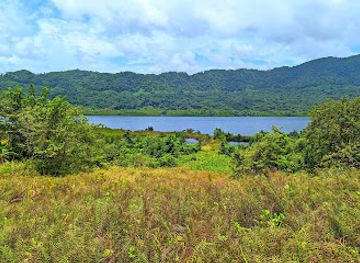
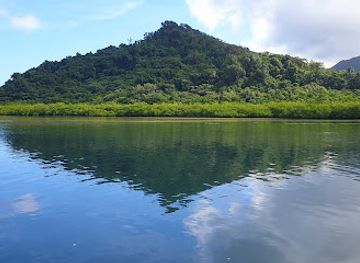
The Santa Cruz Islands are suited to visitors who value marine environments, cultural contact and remote landscapes over a dense programme of formal attractions. Nendö offers the region's most practical introduction, with Lata, coastal villages, forested interiors, reefs and the broad waters of Graciosa Bay providing opportunities for locally arranged boat trips, fishing and observation of island life. The emphasis is on guided experiences and relationships rather than ticketed facilities. Vanikoro has a more rugged character, with rainforest, mountains, intricate coastal waterways and historical associations with the wrecks of La Pérouse's expedition. Access is difficult and should be organised with residents who understand the terrain and sea routes. Utupua and the Reef Islands offer further contrasts between raised, forested islands and low coral environments, with birdlife, lagoons, beaches and village landscapes shaped by tides and freshwater availability. Snorkelling and diving may be possible in suitable locations, but equipment, guides, safety support and conservation arrangements cannot be assumed. Churches, village markets, canoe journeys, traditional food preparation and community visits can be meaningful attractions when formally arranged. Across the region, the greatest appeal lies in seeing how people live with reefs, forests and open ocean, while travelling with patience and respect for customary ownership.
-
Tourist attraction
Zdjelar Lookout
Experience unparalleled panoramic views and serene landscapes at Zdjelar Lookout in Oeili, a must-visit destination for all nature lovers.
-
Tourist attraction
Black Swan Reef
Explore the vibrant underwater world of Black Swan Reef in the Santa Cruz Islands, a paradise for snorkeling and diving enthusiasts.
-
Tourist attraction
Aplau
Discover the serene beauty and vibrant culture at Aplau, a must-visit tourist attraction in the stunning Nemboe region of the Solomon Islands.
-
 Tourist attraction
Ellis’ lookout
Experience breathtaking views and serene landscapes at Ellis’ Lookout, a must-visit tourist attraction in Vana, Solomon Islands.

Explore Santa Cruz Islands on the map
Plan your trip on one map. See where the top cities, national parks and sights are, and book hotels and experiences in a few clicks.
Best hotels in Santa Cruz Islands
Best restaurants in Santa Cruz Islands
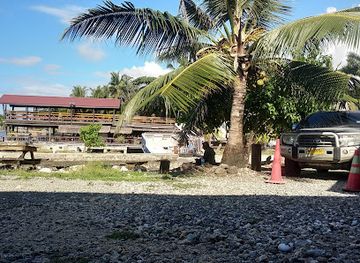
Dining in the Santa Cruz Islands is generally simple, local and dependent on supply boats, gardens and the daily catch rather than on a developed restaurant industry. In Lata, visitors may find basic eateries, market food and guesthouse meals, while outside the provincial centre food is more likely to be prepared by accommodation providers or host communities. Fish and other seafood, root crops such as cassava, kumara and taro, bananas, coconut and seasonal garden produce are central to local meals. Chicken and tinned goods may appear where supplies permit, but imported products can be limited and irregular. Food shared during a village visit may carry social meaning, so follow the host's guidance about when and how to eat. Markets and roadside sellers provide a useful insight into household production, although trading times vary. Carrying a modest supply of snacks and drinking water is sensible for boat journeys and delays. There is little basis for expecting formal fine dining, but meals can reveal the region's dependence on reefs, gardens, forests and inter-island supply networks.
-
Resort hotel
Coral Sea Resort & Casino
Discover luxury at Coral Sea Resort & Casino in Honiara—where tropical paradise meets vibrant entertainment.
-
Hotel
King Solomon Hotel
Experience warm hospitality and local charm at King Solomon Hotel in Honiara - your gateway to exploring the beauty of the Solomon Islands.
-
Hotel
Pacific Casino Hotel
Discover comfort and excitement at Pacific Casino Hotel in Honiara—where relaxation meets entertainment amidst stunning island scenery.
-
Restaurant
Tenkai Sushi Cafe
Experience authentic Japanese cuisine at Tenkai Sushi Cafe in Honiara—where every bite tells a story.
Best bars in Santa Cruz Islands
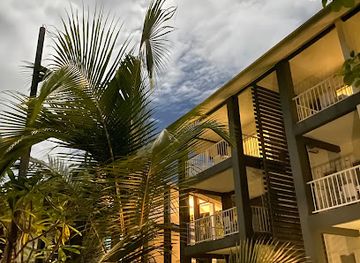
The Santa Cruz Islands do not have a substantial nightclub scene. Evening life is concentrated in Lata and other settled areas, where small local establishments, guesthouse common rooms and informal social gatherings may provide opportunities to meet residents. In many villages, the evening is more likely to centre on family life, church activities, community events or conversation than on commercial nightlife. Alcohol is available in some settings, but visitors should respect local expectations and avoid public drunkenness, especially near villages, churches and family gatherings. Music and dancing may accompany organised celebrations, although these are community occasions rather than regular tourist entertainment. Because opening arrangements, licensing and supplies can change, do not plan an itinerary around a particular bar or evening event. Visitors staying in remote locations should carry out activities before dark, arrange transport in daylight and ask hosts about appropriate places to socialise. The region's evening character is quiet, local and community-led rather than built around bars and clubs.
-
Hotel
Heritage Park Hotel
Discover comfort and local culture at Heritage Park Hotel in Honiara, your ideal retreat with stunning views and modern amenities.
-
Bar
Banyan Beach Bar
Experience the vibrant atmosphere and stunning ocean views at Banyan Beach Bar, your tropical escape in Port Vila, Vanuatu.
-
Restaurant
Coral Sea Resort & Casino
Experience the vibrant blend of relaxation, entertainment, and exquisite dining at Coral Sea Resort & Casino in Honiara, Solomon Islands.
-
Hotel
King Solomon Hotel
Discover the perfect blend of comfort and culture at King Solomon Hotel in Honiara, the gateway to the Solomon Islands.

Best nightclubs in Santa Cruz Islands
The Santa Cruz Islands do not have a substantial nightclub scene. Evening life is concentrated in Lata and other settled areas, where small local establishments, guesthouse common rooms and informal social gatherings may provide opportunities to meet residents. In many villages, the evening is more likely to centre on family life, church activities, community events or conversation than on commercial nightlife. Alcohol is available in some settings, but visitors should respect local expectations and avoid public drunkenness, especially near villages, churches and family gatherings. Music and dancing may accompany organised celebrations, although these are community occasions rather than regular tourist entertainment. Because opening arrangements, licensing and supplies can change, do not plan an itinerary around a particular bar or evening event. Visitors staying in remote locations should carry out activities before dark, arrange transport in daylight and ask hosts about appropriate places to socialise. The region's evening character is quiet, local and community-led rather than built around bars and clubs.
-
Bar
Point Cruz Yacht Club
Experience breathtaking views and local flavors at Point Cruz Yacht Club, Honiara's perfect escape for relaxation and socializing.
-
French
Club Havanah
Experience authentic French cuisine in Honiara at Club Havanah, where culinary excellence meets island charm.
-
Casino
Supreme Casino
Discover the excitement and vibrant atmosphere of Supreme Casino, a premier gaming destination in Highway, perfect for tourists seeking fun and entertainment.
-
Night club
Club HP- Heritage Park Hotel
Discover the vibrant nightlife at Club HP - Heritage Park Hotel, where great music, delicious drinks, and unforgettable experiences await in Honiara.


Best shops in Santa Cruz Islands
Shopping in the Santa Cruz Islands is practical and small-scale, with Lata providing the broadest choice of basic provisions, household goods and locally traded produce. Visitors should not expect a concentrated retail district, dependable supplies of specialist equipment or extensive souvenir outlets. Markets and informal sellers may offer coconuts, bananas, root crops, fish and other seasonal food, while quantities and trading times depend on local production and transport. Handicrafts, woven items, shell work, carvings and other objects may be available through community contacts, but purchase only with the maker's permission and confirm that materials are legal to take out of the country. Do not buy archaeological objects, protected wildlife products, coral or shells collected from restricted areas. Locally made crafts can provide useful income when bought fairly and directly, although visitors should avoid treating customary objects as ordinary commodities. Bring essential toiletries, medicines, batteries and outdoor supplies from Honiara, since the Santa Cruz Islands' shops cannot reliably replace everything a remote journey requires.
-
Resort hotel
Coral Sea Resort & Casino
Discover the ultimate tropical escape at Coral Sea Resort & Casino, where luxury meets adventure in Honiara's stunning surroundings.
-
Market
Honiara Central Market
Experience the vibrant atmosphere of Honiara Central Market, where local culture, fresh produce, and unique crafts come together in a bustling hub.
-
Hotel
Solomon Kitano Mendana Hotel
Discover the heart of Honiara at Solomon Kitano Mendana Hotel - your gateway to the lush beauty and rich culture of the Solomon Islands.
-
Hotel
King Solomon Hotel
Experience the best of Honiara at King Solomon Hotel, where comfort meets local charm for an unforgettable stay.
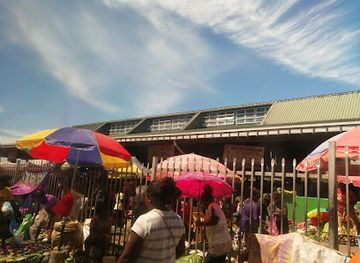
Get your free copy of our complete guide to Santa Cruz Islands, delivered straight to you.
Everything on this page, from attractions and restaurants to essentials and local phrases, in one PDF you can read offline, print or share.
Already have an account? Sign in
Your Santa Cruz Islands guide is ready.
We'll send it to · Not you? Sign out

Getting your guide ready…
We are putting together a fresh copy of the Santa Cruz Islands guide. This can take up to a minute.
This can take a few moments. If your browser asks, choose Allow so the download can start. You'll find the guide in your Downloads folder.
Nothing happened? Download it again
Sorry, the guide is taking longer than usual. Please try again in a minute, or get it by email instead.
Santa Cruz Islands essentials
Currency and Payment
Safety
Emergency Situations
Do's and Don'ts
Local Tips
From Eve
Local phrases worth knowing
You don't need to get them perfect. A few words go a long way, and locals appreciate the effort.
Basics
| English | Local | Say it |
|---|---|---|
| Hello | Kia ora | [kee-ah oh-rah] |
| Goodbye | Nōtū | [noh-too] |
| Yes | A | [ah] |
| No | Iei | [ay-ee] |
| Please/You're welcome | Tūma | [too-mah] |
| Thank you | Tūmātua | [too-mah-too-ah] |
| Excuse me/Sorry | Mā kārā | [mah kah-rah] |
| How are you? | Oti gake? | [oh-tee gah-keh] |
| Fine. And you? | Oti gake. Nōtū? | [oh-tee gah-keh. noh-too?] |
| Do you speak English? | Iu saĩgēnglish? | [ee-oo sigh-english] |
| I don't understand | Nōtū saĩu | [noh-too sigh-oo] |
Eating & Drinking
| English | Local | Say it |
|---|---|---|
| I'd like to see the menu, please | Oti gake te menu, tūma | [oh-tee gah-keh teh meh-noo, too-mah] |
| I don't eat meat | Nōtū kai mīto | [noh-too kye mee-toh] |
| Cheers! | Fakaū | [fah-kah-oo] |
| I would like to pay, please | Oti gake te pā, tūma | [oh-tee gah-keh teh pah, too-mah] |
Emergencies
| English | Local | Say it |
|---|---|---|
| Help! | Kāru! | [kah-roo!] |
| Go away! | Tū mā! | [too mah!] |
| Call the Police! | Tū fāngā tīnī! | [too fah-ngah tee-nee!] |
| Call a doctor! | Tū fāngā dākuta! | [too fah-ngah dah-koo-tah!] |
| I'm lost | Oti gake ālū | [oh-tee gah-keh ah-loo] |
| I'm ill | Oti gake mālū | [oh-tee gah-keh mah-loo] |
Shopping
| English | Local | Say it |
|---|---|---|
| I'd like to buy... | Oti gake te kai... | [oh-tee gah-keh teh kye...] |
| I'm just looking | Oti gake a nā | [oh-tee gah-keh ah nah] |
| How much is it? | Oti gake te mā? | [oh-tee gah-keh teh mah?] |
| That's too expensive | Tei fāgā | [tey fah-gah] |
| Can you lower the price? | Iu saĩ te mā, nē? | [ee-oo sigh teh mah, ney?] |
Time & Numbers
| English | Local | Say it |
|---|---|---|
| What time is it? | Oti gake te wā? | [oh-tee gah-keh teh wah?] |
| It's one o'clock | Tei te tōtō | [tey teh toh-toh] |
| Half past (10) | Tōtō māhā (10) | [toh-toh mah-hah (10)] |
| Morning | Mōrning | [mor-ning] |
| Afternoon | Afternūn | [af-ter-noon] |
| Evening | Evene | [eh-ven] |
| Yesterday | Nōtū te māngā | [noh-too teh mah-ngah] |
| Today | Nōtū te lā | [noh-too teh lah] |
| Tomorrow | Nōtū te nān | [noh-too teh nahn] |
| 1 | Tahi | [tah-hee] |
| 2 | Rua | [roo-ah] |
| 3 | Toru | [toh-roo] |
| 4 | Whā | [wah] |
| 5 | Rima | [ree-mah] |
| 6 | Ono | [oh-no] |
| 7 | Whitu | [wee-too] |
| 8 | Waru | [wah-roo] |
| 9 | Iwa | [ee-wah] |
| 10 | Tekau | [teh-kah-oo] |
Transport & Directions
| English | Local | Say it |
|---|---|---|
| Where's a/the...? | Kāi te...? | [kai teh...?] |
| What's the address? | Oti gake te ānī? | [oh-tee gah-keh teh ah-nee?] |
| Can you show me (on the map)? | Iu saĩ te kūmā (te mape)? | [ee-oo sigh teh koo-mah (teh mah-peh)?] |
| When's the next (bus)? | Oti gake te nā (pū?) | [oh-tee gah-keh teh nah (poo?)] |
| A ticket (to ....) | Te tiketi (ki ....) | [teh tee-keh-tee (kee ....)] |
History of Santa Cruz Islands
Lapita Settlement and Austronesian Voyaging
The Santa Cruz Islands lie within the wider zone reached by Lapita communities during the early settlement of Remote Oceania. Archaeological sites across the Solomon Islands record the movement of seafaring peoples, distinctive decorated pottery traditions and changing relationships between island communities and marine environments. In the Santa Cruz group, this early history forms part of a much longer sequence of settlement, adaptation and exchange. Contemporary island cultures cannot be reduced to archaeology, but the region's languages, traditions and connections across the sea reflect the importance of voyaging and inter-island contact over many centuries.
Traditional Island Societies and Ocean Networks
Before European rule, the islands were organised through local communities linked by kinship, customary authority, trade, marriage and seaborne exchange. Nendö, Vanikoro, Utupua and the Reef Islands developed distinct languages and cultural practices, while canoes and reef knowledge connected settlements within and beyond individual islands. Natural resources, including fish, shellfish, garden crops and forest products, shaped local economies. Customary ownership of land and marine areas remains important today, so visitors may encounter permissions and protocols that are locally specific rather than governed by a single regional system.
European Contact and the Name Santa Cruz, 1595
The Spanish expedition led by Álvaro de Mendaña de Neira reached the islands in 1595 and gave the group the name Santa Cruz. The expedition attempted to establish a settlement but conflict, illness and difficult relations with local communities brought the venture to an end. European contact did not make the islands an extension of Spanish society; it was a brief and disruptive episode in a much older Indigenous history. The name nevertheless endured in maps and later colonial usage, while many islands continued to be known by their local names.
Christian Missions and Colonial Administration
During the nineteenth and twentieth centuries, missionary activity and colonial administration altered life across the Santa Cruz Islands. Christianity became influential, alongside new forms of education, labour, trade and external governance. The islands were incorporated into the British Solomon Islands Protectorate, although the reach of administration was uneven and local authority remained important. Mission stations, churches and changing settlement patterns became visible features of the modern landscape. The effects were complex: communities adopted new institutions and religious practices while retaining local languages, customary relationships and distinctive island identities.
Vanikoro and the Search for La Pérouse
Vanikoro is associated with one of the Pacific's most enduring maritime mysteries. The French expedition commanded by Jean-François de La Pérouse disappeared after leaving Botany Bay in 1788, and evidence later established that the ships Boussole and Astrolabe had been wrecked near Vanikoro. Solomon Islanders' knowledge and later investigations helped reveal the wreck sites and clarify the expedition's fate. The story connects Vanikoro to the history of Pacific exploration, while the island itself remains a living place rather than merely a memorial to European voyages.
The Solomon Islands and Independence, 1978
The Solomon Islands became independent from British rule in 1978. Temotu Province, including the Santa Cruz Islands, became part of the new national state while retaining its own provincial administration and strong local identities. Since independence, development has been shaped by the practical challenges of governing widely dispersed islands: transport, communications, healthcare, education and reliable supplies are more difficult to provide in remote areas than in Honiara. These conditions help explain why travel in Santa Cruz remains relatively low-volume and why local knowledge is essential.
Santa Cruz Islands in Photos
Browse through our photo collection highlighting the charm and character of the destination.
Neighbouring regions of Santa Cruz Islands
The closest regions to Santa Cruz Islands, if you have time for more than one.
-

-

-

-

-


Swipe for more regions
Explore more
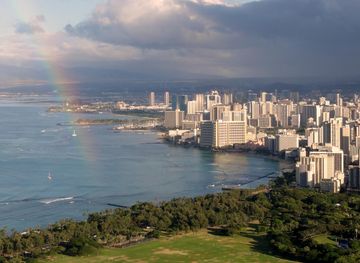
Explore more of Solomon Islands
Discover the Solomon Islands: An unspoiled tropical paradise with pristine beaches, vibrant coral reefs, rich history, and unique cultural experiences.
Explore Solomon Islands