

Free Temotu Travel Guide & Mobile App
Explore Temotu with free travel guides. Discover regional history, expert tips, proposed trips, and audio guides on web or mobile app.


Temotu in the Solomon Islands offers remote Pacific islands, Lapita heritage, village culture, reefs and demanding but rewarding journeys.
Read more about Temotu
When is the best time to visit Temotu?
Best: June–August · 29°C| Month | High (°C) | Rainfall (mm) |
|---|---|---|
| January | 29 | 350 |
| February | 29 | 320 |
| March | 29 | 300 |
| April | 29 | 250 |
| May | 29 | 200 |
| June (best) | 29 | 150 |
| July (best) | 29 | 150 |
| August (best) | 29 | 170 |
| September | 29 | 200 |
| October | 29 | 250 |
| November | 29 | 300 |
| December | 29 | 330 |
Getting to and around Temotu
How to get there
Transportation
Top city travel guides in Temotu
The cities of Temotu, and the easiest places to base yourself.

Swipe for more cities
Best attractions in Temotu
Temotu's attractions are primarily environmental, cultural and historical rather than built for mass tourism. Around Lata and Nendö, visitors can combine coastal scenery, village life, gardens, rainforest and the broad waters of Graciosa Bay, while local guides can explain the island's history and customary land. The Reef Islands offer low-lying ocean landscapes, lagoons, beaches and communities closely connected to fishing and subsistence agriculture. Tikopia is notable for its volcanic setting and crater lake, but reaching it is a serious logistical undertaking and visits should be arranged through trusted local contacts. Anuta provides a different Polynesian cultural context, while Vanikoro offers forested, mountainous terrain and strong interest for experienced sea travellers and naturalists. Snorkelling, fishing, birdwatching, swimming where locally approved and walks along coastal or village paths may be possible, although equipment and guiding arrangements are limited. Archaeological interest centres on the province's Lapita heritage and the long record of Pacific navigation. Temotu's most meaningful experiences depend on permission, patience and interpretation by island residents rather than on formal visitor facilities.
-
 Tourist attraction
TEAVA TAPU
Explore Teava Tapu in Lata: A serene paradise showcasing the Solomon Islands' vibrant marine life and warm local hospitality.
-
Tourist attraction
Temotu Puka
Temotu Puka: A hidden paradise in the Solomon Islands, perfect for nature lovers and adventure seekers alike.
-
Historical landmark
Temotu Teululu
Discover the captivating history and serene beauty of Temotu Teululu, a remarkable landmark in the Solomon Islands that reflects rich cultural heritage.
Best landmarks in Temotu
Temotu's most significant landmarks express its position at the meeting point of Pacific cultures and ocean routes. Graciosa Bay on Nendö is associated with the short-lived Spanish settlement established by Álvaro de Mendaña's expedition in 1595 and remains one of the province's defining historical landscapes. Lata serves as the administrative landmark of the province, although its importance lies in its role as a small centre of government, transport and services rather than in monumental architecture. Tikopia's volcanic form and crater lake are powerful natural landmarks, framed by a densely settled island culture and carefully managed landscape. The forested islands of Vanikoro and Utupua mark a contrasting, more rugged part of the province, while the low Reef Islands represent the vulnerability and beauty of lagoon environments. Across Nendö and the outer islands, churches, village meeting places, canoe landings and customary sites carry more local significance than formal monuments. Their meaning is not always visible to outsiders, so visits should be made with permission and, where possible, with a local interpreter or host.
-
Historical landmark
Temotu Teululu
Explore the captivating history of Temotu Teululu, a unique landmark showcasing the cultural heritage of the Solomon Islands.
-
Tourist attraction
Temotu Puka
Explore the untouched paradise of Temotu Puka, where pristine beaches, vibrant marine life, and rich culture await every traveler.
Explore Temotu on the map
Plan your trip on one map. See where the top cities, national parks and sights are, and book hotels and experiences in a few clicks.
Best hotels in Temotu
Best bars in Temotu
Temotu does not have a significant nightclub scene. Evening social life is concentrated in Lata and other settlements, where small local places, guesthouse compounds, community gatherings and occasional music provide a quieter alternative to urban nightlife. In many villages, the evening may centre on conversation, family life, church-related activity or preparation for the next day's work rather than commercial entertainment. Alcohol is available in some settings but should never be treated as the main purpose of a visit, particularly before a boat journey or when staying in a small community. Visitors should follow local rules and their host's advice about where and when drinking is acceptable. Dark skies, coastal sounds and early mornings are part of the appeal of remote-island evenings, although travellers should carry a torch and avoid walking unfamiliar paths alone after dark.
-
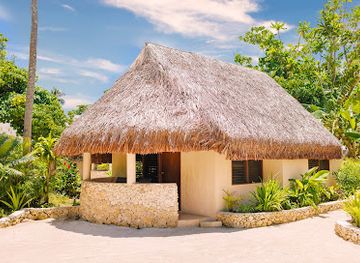
Resort hotel
Breakas Beach Resort
Escape to Breakas Beach Resort, a tropical paradise in Vanuatu, offering stunning beachfront views, lush gardens, and vibrant local culture.
-
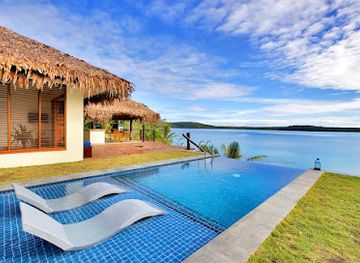
Resort hotel
The Havannah Vanuatu
Experience unparalleled luxury and tranquility at The Havannah Vanuatu, an exquisite adults-only resort nestled in the heart of stunning Port Havannah.
-
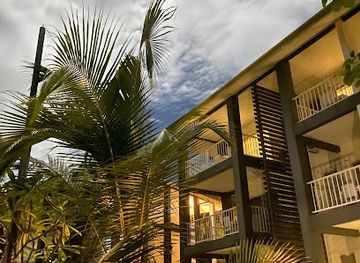
Hotel
Heritage Park Hotel
Experience luxury and local charm at Heritage Park Hotel, your ideal retreat in the heart of Honiara, Solomon Islands.
-
Restaurant
The Melanesian Port Vila
Discover the flavors of Vanuatu at The Melanesian Port Vila, where local cuisine meets a relaxing atmosphere in the heart of Port Vila.
Best nightclubs in Temotu
Temotu does not have a significant nightclub scene. Evening social life is concentrated in Lata and other settlements, where small local places, guesthouse compounds, community gatherings and occasional music provide a quieter alternative to urban nightlife. In many villages, the evening may centre on conversation, family life, church-related activity or preparation for the next day's work rather than commercial entertainment. Alcohol is available in some settings but should never be treated as the main purpose of a visit, particularly before a boat journey or when staying in a small community. Visitors should follow local rules and their host's advice about where and when drinking is acceptable. Dark skies, coastal sounds and early mornings are part of the appeal of remote-island evenings, although travellers should carry a torch and avoid walking unfamiliar paths alone after dark.
-
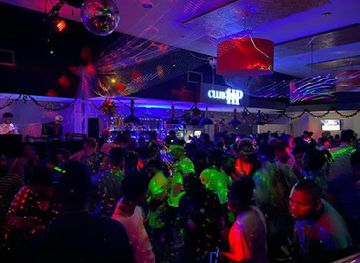
Night club
Club HP- Heritage Park Hotel
Discover the pulsating nightlife of Honiara at Club HP - Heritage Park Hotel, where music, dancing, and great cocktails await every visitor.
Best shops in Temotu
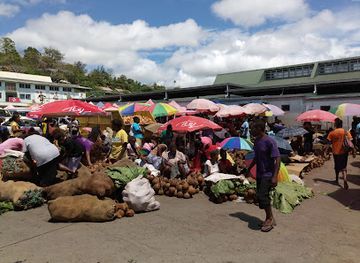
Shopping in Temotu is limited and practical rather than centred on retail districts. Lata offers the best chance of finding basic provisions, household goods and locally made items, but supplies can be irregular and outer-island shops are small or absent. Visitors may encounter woven baskets, mats, shell ornaments, carvings, fishing-related craft and other handmade goods, although availability depends on local production and the season. Ask permission before photographing or handling craft, and agree prices clearly without treating customary hospitality as a sales transaction. Fresh produce such as coconut, bananas, root crops and breadfruit may be purchased or exchanged in villages, while fish and other food should be obtained through local arrangements. Carrying Solomon Islands dollars in small denominations is important. Avoid removing shells, coral, archaeological material, plants or wildlife from the province, since natural resources and culturally significant objects may be protected by customary rules as well as national law.
-
Market
Honiara Central Market
Experience the vibrant pulse of Honiara Central Market, a cultural melting pot filled with fresh produce, local crafts, and authentic Solomon Islands charm.
-
Hotel
Solomon Kitano Mendana Hotel
Discover the perfect blend of comfort and local culture at Solomon Kitano Mendana Hotel in Honiara, Solomon Islands.
-
Hotel
Honiara Hotel
Experience the Solomon Islands' rich culture and natural beauty from the comfort of Honiara Hotel, your perfect travel base.
-
Cannery
Soltuna Cannery
Explore the cultural and culinary heritage of the Solomon Islands at Soltuna Cannery, a unique experience in Noro's vibrant fishing community.
Get your free copy of our complete guide to Temotu, delivered straight to you.
Everything on this page, from attractions and restaurants to essentials and local phrases, in one PDF you can read offline, print or share.
Already have an account? Sign in
Your Temotu guide is ready.
We'll send it to · Not you? Sign out

Getting your guide ready…
We are putting together a fresh copy of the Temotu guide. This can take up to a minute.
This can take a few moments. If your browser asks, choose Allow so the download can start. You'll find the guide in your Downloads folder.
Nothing happened? Download it again
Sorry, the guide is taking longer than usual. Please try again in a minute, or get it by email instead.
Temotu essentials
Currency and Payment
Safety
Emergency Situations
Do's and Don'ts
Local Tips
From Eve
Local phrases worth knowing
You don't need to get them perfect. A few words go a long way, and locals appreciate the effort.
Basics
| English | Local | Say it |
|---|---|---|
| Hello | Halo | [Ha-lo] |
| Goodbye | Lukim yu | [Loo-keem yoo] |
| Yes | Yes | [Yes] |
| No | No | [No] |
| Please/You're welcome | Plis/You’re welcome | [Pleas/Yooh're welcome] |
| Thank you | Tenkyu | [Ten-kyoo] |
| Excuse me/Sorry | Sori | [Soh-ree] |
| How are you? | Yu ora? | [Yoo oh-ra?] |
| Fine. And you? | Mi ora. An yu? | [Mee oh-ra. An yoo?] |
| Do you speak English? | Yu savve inglis? | [Yoo sahv-eh ing-lis?] |
| I don't understand | Mi no savve | [Mee no sahv-eh] |
Eating & Drinking
| English | Local | Say it |
|---|---|---|
| I'd like to see the menu, please | Mi laik lukim menu, plis | [Mee like loo-keem men-oo, pleas] |
| I don't eat meat | Mi no kakae mit | [Mee no kah-kye meet] |
| Cheers! | Salute! | [Sah-loo-teh] |
| I would like to pay, please | Mi laik pai, plis | [Mee like pie, pleas] |
Emergencies
| English | Local | Say it |
|---|---|---|
| Help! | Help! | [Help!] |
| Go away! | Go awei! | [Go ah-way!] |
| Call the Police! | Kolim Polisi! | [Koh-leem Poh-lees-ee!] |
| Call a doctor! | Kolim dokta! | [Koh-leem doh-kta!] |
| I'm lost | Mi lus | [Mee loos] |
| I'm ill | Mi sik | [Mee seek] |
Shopping
| English | Local | Say it |
|---|---|---|
| I'd like to buy... | Mi laik baem... | [Mee like bye-em...] |
| I'm just looking | Mi jus lukim | [Mee jus loo-keem] |
| How much is it? | Hao mak it? | [How mak it?] |
| That's too expensive | Dat i tu ekspensive | [Dat ee too eks-pens-iv] |
| Can you lower the price? | Yu ken loea da praes? | [Yoo ken loh-eh dah prah-is?] |
Time & Numbers
| English | Local | Say it |
|---|---|---|
| What time is it? | Hao taim i? | [How time ee?] |
| It's one o'clock | I one o'klok | [Ee one oh-clock] |
| Half past (10) | Haf pas (10) | [Haf pas (10)] |
| Morning | Mornin | [Morn-ing] |
| Afternoon | Aftanoon | [Af-ta-noon] |
| Evening | Ivenin | [Ee-ven-ing] |
| Yesterday | Yestede | [Yes-teh-deh] |
| Today | Tude | [Too-deh] |
| Tomorrow | Tumoro | [Too-mo-roh] |
| 1 | Wan | [Wan] |
| 2 | Tu | [Too] |
| 3 | Tri | [Tree] |
| 4 | Foa | [Fo-ah] |
| 5 | Faiv | [Five] |
| 6 | Siks | [Six] |
| 7 | Sev | [Seven] |
| 8 | Eit | [Eight] |
| 9 | Nain | [Nine] |
| 10 | Ten | [Ten] |
Transport & Directions
| English | Local | Say it |
|---|---|---|
| Where's a/the...? | Wea a da...? | [Weh ah dah...?] |
| What's the address? | Hao na adres? | [How nah ah-dres?] |
| Can you show me (on the map)? | Yu ken soim mi (long da map)? | [Yoo ken so-im mee (long dah map)?] |
| When's the next (bus)? | Hwen na nekis (bai)? | [Hwen nah neh-kiss (bus)?] |
| A ticket (to ....) | Wan tiket (long ....) | [Wan tee-ket (long ....)] |
History of Temotu
Lapita Settlement and Early Pacific Voyaging
Temotu lies within one of the most important zones of early western Pacific voyaging. Archaeological sites in and around the Santa Cruz Islands preserve evidence associated with Lapita communities, whose pottery, seafaring technology and agricultural practices spread eastwards through the Pacific more than three thousand years ago. These settlements formed part of a much wider movement of people and ideas rather than an isolated local episode. The province's position between Near Oceania and the islands farther east made it a significant stepping stone for navigation, exchange and later population movements.
Melanesian and Polynesian Island Communities
Over many centuries, Temotu developed a complex cultural geography. Nendö, Vanikoro, Utupua and the Reef Islands are associated primarily with Melanesian languages and traditions, while Tikopia and Anuta are Polynesian outliers whose communities maintain distinctive cultural links with Polynesia. Contact, marriage, migration and trade have connected these societies, but each island has retained its own language, customary authority and ceremonial practices. The contrast is especially important for visitors, since a provincial itinerary may cross several cultural worlds within a relatively small area of ocean.
Spanish Voyages in the Sixteenth Century
In 1595, the Spanish navigator Álvaro de Mendaña de Neira reached the Santa Cruz Islands during an expedition intended to establish a settlement in the Pacific. The expedition founded a short-lived colony at Graciosa Bay on Nendö, but disease, conflict and internal difficulties caused the settlement to fail. Mendaña died during the expedition and the surviving colonists eventually departed. The episode gave the islands a place in European maps and imperial ambitions, while also illustrating the hazards of long-distance colonial ventures in a region whose local societies already possessed established systems of land, authority and exchange.
Missionary Contact and Colonial Administration
Christian missionary activity expanded in the Solomon Islands during the nineteenth century, although its progress varied considerably between islands and communities. Anglican and other Christian missions brought new religious institutions, schools and patterns of political connection, while local people adapted, resisted or combined outside teachings with existing customs. Colonial administration later incorporated the Santa Cruz and neighbouring islands into the British Solomon Islands Protectorate. The legacy remains visible in churches, mission histories and public institutions, but customary landholding, chiefly authority and local decision-making continue to shape daily life.
Labour, Trade and the Modern Provincial Centre
During the late nineteenth and twentieth centuries, islanders across the Solomon Islands were drawn into regional labour systems, plantation economies, mission education and maritime trade. Temotu's distance from the administrative centres of the western islands limited large-scale infrastructure, but copra production, fishing, local gardens and inter-island exchange remained important. Lata developed as the administrative centre of what became Temotu Province, concentrating government services, schooling, health provision and transport links on Nendö. The province's modern identity therefore combines customary island communities with a small, strategically important public-sector hub.
War, Disaster and Continuing Remoteness
The wider Solomon Islands became a major theatre of the Pacific War, although the heaviest fighting and best-known battlefields lay away from Temotu. The province's more enduring modern challenges have involved isolation, limited communications, difficult sea transport and exposure to earthquakes, volcanic hazards and tsunami risk in the wider Pacific region. These conditions have reinforced the importance of local boats, community networks and practical self-reliance. Contemporary Temotu remains part of the independent Solomon Islands while retaining a strong sense of island-specific identity and customary responsibility.
Temotu in Photos
Browse through our photo collection highlighting the charm and character of the destination.
Neighbouring regions of Temotu
The closest regions to Temotu, if you have time for more than one.
-

-

-

-

-


Swipe for more regions
Explore more
Explore more of Solomon Islands
Discover the Solomon Islands: An unspoiled tropical paradise with pristine beaches, vibrant coral reefs, rich history, and unique cultural experiences.
Explore Solomon Islands