
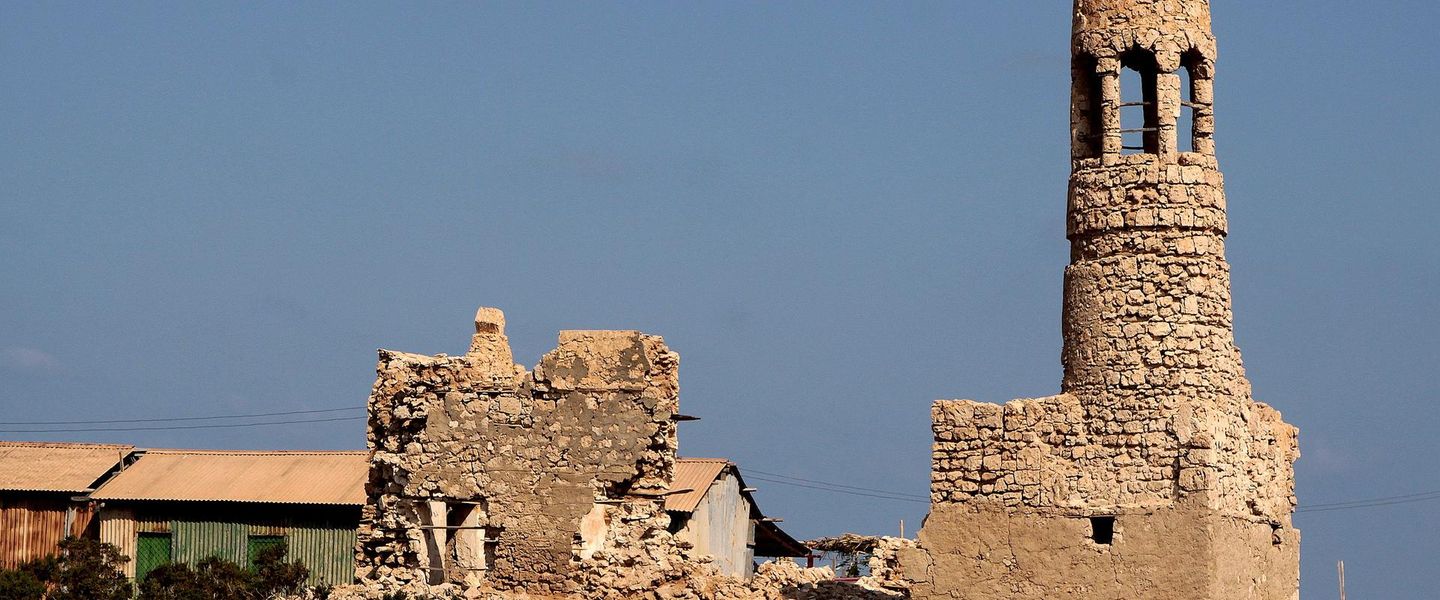
Awdal, Somalia Travel Guide
Discover Awdal: A blend of pristine beaches, ancient ruins, and vibrant culture in northwestern Somalia.
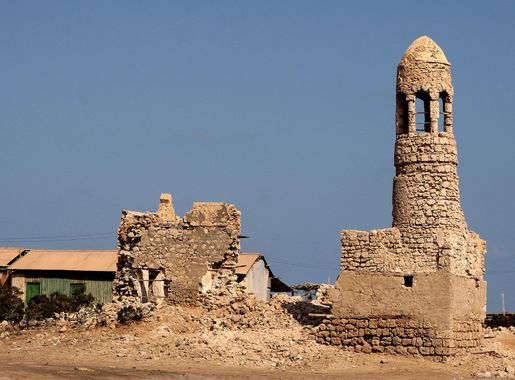
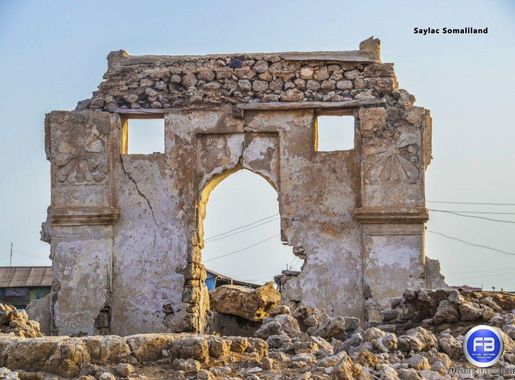
Awdal, a picturesque region in northwestern Somalia, offers tourists a unique blend of natural beauty and cultural heritage. Its stunning coastline along the Gulf of Aden boasts pristine beaches that are perfect for relaxation and exploration. The turquoise waters and golden sands create a mesmerizing setting for sunbathing, swimming, and snorkeling. Beyond its beaches, Awdal is rich in history and culture. The region is home to ancient ruins and historic sites that tell the story of its storied past. Visitors can explore the ruins of the medieval city of Zeila, once a bustling trade center. Awdal’s vibrant local markets offer a glimpse into the daily life and traditions of its people, with stalls brimming with colorful textiles, spices, and handcrafted goods. Nature lovers will find Awdal a haven for wildlife and scenic landscapes. The region's varied terrain includes lush green valleys, rugged mountains, and arid plains. Bird watchers will be delighted by the diverse avian species that inhabit the area. The serene beauty of Awdal’s countryside provides a perfect backdrop for hiking, photography, and eco-tourism adventures.

Know before you go
Hi, I'm Eve. Here are a few practical things to know before exploring Awdal.
- Visit the ancient ruins of Zeila early in the morning to avoid crowds and capture the site in the best light.
- Bring local currency, as ATMs are limited and credit card acceptance is rare in rural areas.
- Dress modestly and respect local customs, especially when visiting religious sites and rural communities.
- Hire a local guide for a richer and more informative experience, particularly when exploring historic and natural sites.
- Stay hydrated and use sun protection when spending time outdoors; Awdal's climate can be hot and dry.
Destinations in Awdal
Resorts, valleys and scenic spots worth a trip of their own.


Best restaurants in Awdal
Top-rated picks
Best Restaurants
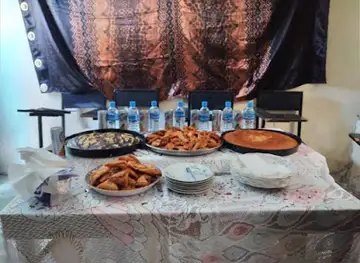
Goljanno Restaurants
Experience the vibrant flavors of Somalia at Goljanno Restaurants - a must-visit food court in Borama offering diverse culinary delights.

ALI xawaash restaurant gabilay
Discover the rich flavors of Somali cuisine at ALI Xawaash Restaurant in Gebilay – a must-visit dining experience!

Blue Nile Restaurant
Experience the rich flavors of Somalia at Blue Nile Restaurant in Borama – where tradition meets taste in every dish.

Dhoolayare2 Restaurant
Experience authentic Somali flavors and warm hospitality at Dhoolayare2 Restaurant in Hargeisa.

Best bars in Awdal
Top-rated picks
Best Bars

COFFEE ZONE ☕️
Experience the rich coffee culture at Coffee Zone in Borama, where every cup tells a story and every visit is a warm embrace.

Kulmiye Restaurant
Savor authentic East African cuisine at Kulmiye Restaurant, a Borama gem known for its rich flavors and warm hospitality.

Maandeeq Cafeteria
Savor the authentic taste of Somali cuisine at Maandeeq Cafeteria in Borama, a culinary delight for every traveler.

Power Horse
Discover the authentic flavors of Borama at Power Horse, a restaurant offering a delightful menu and a warm atmosphere for every meal.

Best nightclubs in Awdal
Top-rated picks
Best Nightclubs

Hargeisa Club
Experience unmatched comfort and local charm at Hargeisa Club, your perfect base to explore vibrant Hargeisa.

Eng wahip jamaal
Discover the vibrant nightlife at Eng Wahip Jamaal, Hargeisa's premier night club, where music and dance come alive in a cultural celebration.

Mohamed adam Daruuraha
Discover the electrifying nightlife at Mohamed Adam Daruuraha, Hargeisa's premier night club with vibrant music and a lively atmosphere.

AjaX FC
Discover the pulsating nightlife of Berbera at AjaX FC, a vibrant night club offering a unique blend of music, dance, and local culture.

Best shops in Awdal
Top-rated picks
Best Shops

COFFEE ZONE ☕️
Unwind at Coffee Zone in Borama, where every cup of coffee tells a story and every visit is a delightful experience.

ABIIBAKAR SHOP
Explore the essence of Somali culture at ABIIBAKAR SHOP in Borama, where craftsmanship meets community spirit.

Alla aamin Shop and Store
Explore local flavors and immerse yourself in the culture at Alla aamin Shop and Store in Borama.
Zooral
Discover the vibrant fashion of Borama at Zooral, where local heritage meets contemporary style in a unique clothing store experience.

Explore Awdal on the Map
A handpicked selection of must-see spots in Awdal, mapped for you.
Awdal Essentials
-
Awdal is located in northwestern Somalia. The nearest international airport is Egal International Airport in Hargeisa, which is approximately 150 kilometers from Borama, the capital of Awdal. From Hargeisa, you can take a private taxi or hire a car to reach Borama. The journey typically takes around 3 to 4 hours by road. It is also possible to reach Awdal by bus from Hargeisa, although services may be less frequent.
-
Within Awdal, transportation options include taxis, buses, and private car hires. Taxis are the most convenient way to get around and can be hired for short trips within towns or for longer journeys between towns. Buses are available but can be crowded and less reliable. For those who prefer more flexibility, renting a car is an option, although driving conditions can be challenging in some areas.
-
The official currency in Somalia is the Somali Shilling (SOS). However, US Dollars are widely accepted, especially in larger towns and cities. Credit cards are not commonly used, so it is advisable to carry sufficient cash. ATMs may be available in Borama, but it is wise to withdraw enough cash in Hargeisa before traveling to Awdal.
-
Awdal is generally safer than other regions of Somalia, but it is still important to exercise caution. Avoid traveling alone at night and be aware of your surroundings. Some areas may have higher crime rates, so it is advised to stay informed about local conditions. Always keep your belongings secure and avoid displaying valuable items. It is also recommended to travel with a local guide who can offer insights and ensure your safety.
-
In case of emergency, dial the local emergency number or contact the nearest police station. Medical facilities in Awdal are limited, so it is crucial to have travel insurance that covers medical emergencies. For minor health issues, there are pharmacies in Borama where you can purchase over-the-counter medications. It is advisable to carry a basic first aid kit and any necessary prescription medications.
-
Fashion: Do dress modestly, with long sleeves and skirts or trousers. Avoid wearing revealing clothing. Religion: Do respect local customs and religious practices. Always remove your shoes before entering mosques and dress conservatively. Public Transport: Do be respectful and give up your seat to elderly passengers. Don’t eat or drink on public transport. Greetings: Do greet people with a handshake and use the right hand. A slight bow of the head is also a sign of respect. Eating & Drinking: Do try local foods and accept hospitality graciously. Don’t refuse food or drink offers, as it is considered impolite.
-
To experience Awdal like a local, visit the bustling markets in Borama where you can buy fresh produce and traditional Somali goods. Engage with locals, who are often friendly and eager to share their culture and history. Don’t miss the opportunity to explore the beautiful landscapes and historical sites, such as the ancient rock paintings in Laas Geel. For a unique experience, attend a traditional Somali tea ceremony and enjoy the lively atmosphere.
When is the best time to visit Awdal?
Useful Local Phrases for Awdal
You don't need to speak the language perfectly. Even learning a few simple words can make conversations warmer—and locals usually appreciate the effort.
— Eve

Here are the phrases I use most often in Awdal. Try a few—you'll be surprised how far they go! 😊
❤️
-
- HelloIska warran
[Is-ka war-ran] - GoodbyeNabad gelyo
[Na-bad gel-yo] - YesHaa
[Haa] - NoMaya
[Ma-ya] - Please/You're welcomeFadlan
[Fad-lan] - Thank youMahadsanid
[Ma-had-sa-nid] - Excuse me/SorryIga raali ahow
[I-ga raa-li a-how] - How are you?Sidee tahay?
[Si-dee ta-hay] - Fine. And you?Wanaagsan. Adiguna?
[Wa-naag-san. A-di-gu-na] - Do you speak English?Ma ku hadashaa Ingiriisi?
[Ma ku ha-da-shaa In-gi-ri-si] - I don't understandMa fahmin
[Ma fah-min]
- HelloIska warran
-
- I'd like to see the menu, pleaseFadlan ii soo bandhig menu-ga
[Fad-lan ii soo ban-dhig me-nu-ga] - I don't eat meatMa cunno hilib
[Ma cun-no hi-lib] - Cheers!Caafimaad!
[Caa-fi-maad] - I would like to pay, pleaseFadlan waxaan rabaa inaan bixiyo
[Fad-lan wa-xaan ra-baa i-nan bi-xi-yo]
- I'd like to see the menu, pleaseFadlan ii soo bandhig menu-ga
-
- Help!Caawimaad!
[Caa-wi-maad] - Go away!Ka bax!
[Ka bax] - Call the Police!Wac booliska!
[Wac bo-o-li-ska] - Call a doctor!Wac dhakhtar!
[Wac dha-khtar] - I'm lostWaan lumay
[Waan lu-may] - I'm illWaan xanuunsanahay
[Waan xanuun-sa-na-hay]
- Help!Caawimaad!
-
- I'd like to buy...Waxaan rabaa inaan iibsado...
[Wa-xaan ra-baa i-nan iib-sa-do] - I'm just lookingWaxaan kaliya eegayaa
[Wa-xaan ka-li-ya ee-ga-yaa] - How much is it?Immisa ayey tahay?
[Im-mi-sa a-ye ta-hay] - That's too expensiveTaasi waa qaali
[Taa-si waa qaa-li] - Can you lower the price?Ma hoos u dhigi kartaa qiimaha?
[Ma hoos u dhi-gi kar-ta qi-i-ma-ha]
- I'd like to buy...Waxaan rabaa inaan iibsado...
-
- What time is it?Waa immisa waqtiga?
[Waa im-mi-sa waq-ti-ga] - It's one o'clockWaa saacaddu kow
[Waa saa-cad-du kow] - Half past (10)Badhtamaha (10)
[Bad-h-ta-ma-ha (10)] - MorningSubax
[Su-bax] - AfternoonGalab
[Ga-lab] - EveningFiidnimo
[Fii-dni-mo] - YesterdayShalay
[Sha-lay] - TodayMaanta
[Maan-ta] - TomorrowBerri
[Ber-ri] - 1Kow
[Kow] - 2Laba
[La-ba] - 3Saddex
[Sad-dex] - 4Afar
[A-far] - 5Shan
[Shan] - 6Lix
[Lix] - 7Todoba
[To-do-ba] - 8Siddeed
[Sid-deed] - 9Sagaal
[Sa-gaal] - 10Toban
[To-ban]
- What time is it?Waa immisa waqtiga?
-
- Where's a/the...?Halkee ku yaal...?
[Hal-kee ku yaal] - What's the address?Waa maxay cinwaanka?
[Waa ma-xay cin-waa-nka] - Can you show me (on the map)?Ma i tusin kartaa (khariidada)?
[Ma i tu-sin kar-ta (kha-ri-da-da)] - When's the next (bus)?Goorma ayaa (baska) xiga?
[Goor-ma a-yaa (bas-ka) xi-ga] - A ticket (to ....)Tigid (u ....)
[Ti-gid (u ....)]
- Where's a/the...?Halkee ku yaal...?
History of Awdal
-
Zeila, also known as Saylac, is one of the oldest cities in the region, with its history dating back to antiquity. It was a major port city and a crucial trading hub that connected the Horn of Africa with the Arabian Peninsula, India, and beyond. The city thrived on the exchange of goods such as spices, gold, and ivory. Its strategic location made it a melting pot of cultures, and it played a significant role in the spread of Islam in East Africa.
-
The Awdal Sultanate, also known as the Adal Sultanate, was a medieval multi-ethnic Muslim state that flourished in the Horn of Africa. It was established in the early 9th century and reached its peak in the 16th century. The sultanate was known for its military prowess and resistance against Abyssinian forces. The Battle of Adwa in 1529 was one of the most notable conflicts, where the sultanate's army, led by Ahmad ibn Ibrahim al-Ghazi, successfully repelled an invasion by the Ethiopian Empire.
-
Awdal is home to numerous ancient mosques and Islamic monuments that reflect its deep-rooted Islamic heritage. The Masjid al-Qiblatayn in Zeila is one of the most famous mosques, known for its unique feature of having two mihrabs, one facing Mecca and the other facing Jerusalem. This mosque is believed to be one of the earliest in Africa and is a testament to the region's early adoption of Islam.
-
In the late 19th and early 20th centuries, Awdal, like much of Somalia, came under colonial influence. The British and French vied for control over the region, with Zeila becoming part of British Somaliland in 1884. The colonial period brought significant changes to the region's administration, infrastructure, and economy, although it also faced resistance from local populations who were determined to maintain their autonomy.
-
After gaining independence from British rule in 1960, Awdal became part of the newly formed Somali Republic. The region experienced various political and social changes as the country navigated its early years of independence. Awdal's rich cultural heritage continued to play a vital role in shaping the national identity of Somalia during this period.
-
Awdal is renowned for its vibrant cultural festivals and traditional practices. The annual Dervish Festival, held in honor of the Sufi saint Sheikh Yusuf al-Kawnayn, attracts visitors from across the region. Traditional music, dance, and poetry are integral parts of these celebrations, showcasing the region's rich cultural tapestry.
Neighbouring Regions of Awdal
The closest regions to Awdal, if you have time for more than one.


Your all‑in‑one travel companion app
Explore expert travel guides, compare and book tours, experiences, hotels, and more—all from the palm of your hand. Download now for seamless trip planning wherever your wanderlust takes you.


Explore More of Somalia

Looking beyond Awdal? Discover Somalia for broader travel guides, local hot-spots, and regional highlights.
Explore SomaliaAwdal in Photos
Browse through our photo collection highlighting the charm and character of the destination.


Awdal: Somalia's Coastal Gem
Awdal, a picturesque region in northwestern Somalia, offers tourists a unique blend of natural beauty and cultural heritage. Its stunning coastline along the Gulf of Aden boasts pristine beaches that are perfect for relaxation and exploration. The turquoise waters and golden sands create a mesmerizing setting for sunbathing, swimming, and snorkeling. Beyond its beaches, Awdal is rich in history and culture. The region is home to ancient ruins and historic sites that tell the story of its storied past. Visitors can explore the ruins of the medieval city of Zeila, once a bustling trade center. Awdal’s vibrant local markets offer a glimpse into the daily life and traditions of its people, with stalls brimming with colorful textiles, spices, and handcrafted goods. Nature lovers will find Awdal a haven for wildlife and scenic landscapes. The region's varied terrain includes lush green valleys, rugged mountains, and arid plains. Bird watchers will be delighted by the diverse avian species that inhabit the area. The serene beauty of Awdal’s countryside provides a perfect backdrop for hiking, photography, and eco-tourism adventures.