

Free Sool Travel Guide & Mobile App
Explore Sool with free travel guides. Discover regional history, expert tips, proposed trips, and audio guides on web or mobile app.


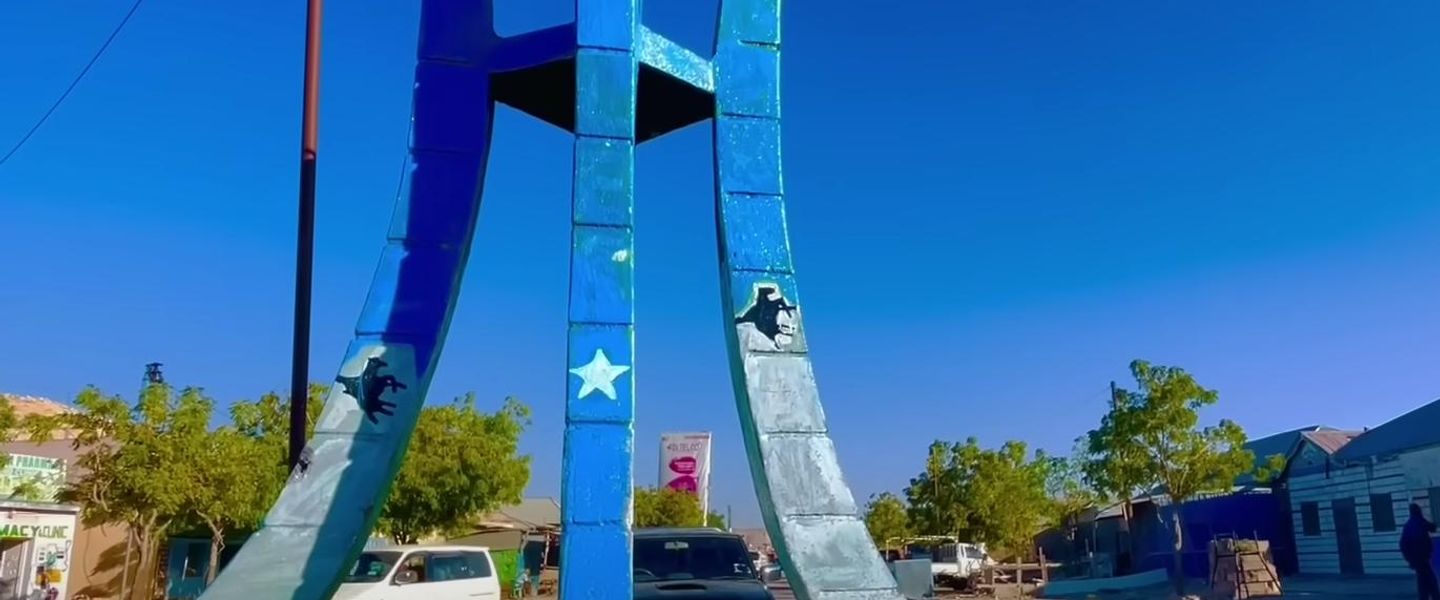


Explore Sool’s pastoral landscapes and Dervish heritage only with expert security planning, local guidance and current advice on access.
Read more about Sool
When is the best time to visit Sool?
Best: December–February · 30–31°C| Month | High (°C) | Rainfall (mm) |
|---|---|---|
| January (best) | 30 | 5 |
| February (best) | 31 | 5 |
| March | 33 | 10 |
| April | 34 | 20 |
| May | 35 | 10 |
| June | 36 | 5 |
| July | 35 | 10 |
| August | 34 | 10 |
| September | 34 | 5 |
| October | 33 | 5 |
| November | 32 | 5 |
| December (best) | 31 | 5 |
Getting to and around Sool
How to get there
Transportation
Best attractions in Sool
Sool has few conventional visitor attractions and no dependable tourism circuit. Its principal interest lies in the relationship between a demanding semi-arid landscape, pastoral livelihoods and the history of the northern Somali interior. Las Anod provides the region’s main urban setting, with markets and everyday commercial activity offering insights into local life when conditions permit. Outside the town, open plateaux, seasonal wadis, wells and livestock routes form the dominant landscape, but they should be approached as working environments rather than recreational spaces. Taleh is the most significant historical destination, associated with the Dervish movement and the fortified compounds established there in the early twentieth century. Remote travel to the site is logistically difficult and security-sensitive. Smaller settlements such as Xudun and Boocame may be relevant to researchers or professionally organised visitors, but they have limited accommodation, medical care and visitor services. There are no reliable assumptions to make about opening arrangements, guides, road conditions or access permissions. At present, Sool is better understood as a place for carefully managed humanitarian, research, heritage or family-related travel than as an independent leisure destination.
-
Tourist attraction
Liido beach
Discover the stunning beauty and vibrant culture of Liido Beach in Mogadishu, Somalia, a must-visit destination for travelers seeking adventure and relaxation.
-
Tourist attraction
Lag Badana-Bushbush National Park
Explore the natural wonders and cultural heritage of Lag Badana-Bushbush National Park, a hidden gem on Somalia's southern coast.
-
Tourist attraction
BEERTA BANADIR
Explore Beerta Banadir, a vibrant park in Mogadishu, where nature and Somali culture come together for an unforgettable experience.
-
Historical landmark
Almnara Tower
Explore Almnara Tower, a historical landmark in Mogadishu, and witness the beauty and heritage of Somalia's coastal city.


Best landmarks in Sool
The most significant built landmark in Sool is the group of stone structures associated with Taleh, which served as a major headquarters of the Dervish movement under Sayyid Maxamed Cabdulle Xasan. Their defensive form and remote setting illustrate the political and military importance of the inland plateau during the resistance to colonial expansion. Las Anod’s urban landmarks are less monumental but important as symbols of regional commerce, administration and contemporary political life; public buildings and gathering places should not be photographed or approached without permission. The wider landscape supplies Sool’s most persistent geographic landmarks: broad dry plateaux, seasonal watercourses, thorn country and isolated wells that structure pastoral movement. These places are culturally and economically significant, not simply scenic viewpoints. Access to Taleh and remote natural features is affected by security, road conditions, permissions and local political developments, so no landmark should be added to an itinerary without current confirmation from trusted regional contacts.
-
Historical landmark
The Tomb of the Unknown Soldier
Visit the Tomb of the Unknown Soldier in Mogadishu, a historical landmark honoring those who sacrificed for peace and freedom in Somalia.
-
Tourist attraction
Laas Geel
Discover the ancient artistry of Laas Geel, Somaliland's remarkable rock art site showcasing millennia of history and culture amidst stunning landscapes.
-
National park
Lag Badana-Bushbush National Park
Discover the stunning landscapes and rich biodiversity of Lag Badana-Bushbush National Park, a hidden gem on Somalia's coastline.
-
Museum
Hargeisa War Memorial Park
Explore Hargeisa War Memorial Park: A serene tribute to history and resilience in the heart of Somaliland's capital.


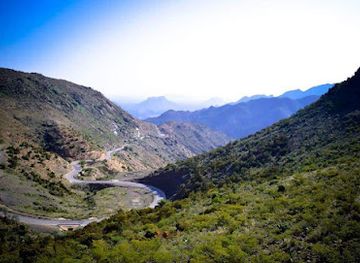

Explore Sool on the map
Plan your trip on one map. See where the top cities, national parks and sights are, and book hotels and experiences in a few clicks.
Best hotels in Sool
Best restaurants in Sool
Sool’s food culture is based on practical Somali cooking suited to pastoral communities and market towns. Meals commonly include rice or pasta with meat, stews, flatbreads, beans and vegetables, while camel, goat and mutton may appear where supplies and local preferences allow. Sweet tea and spiced tea are important social refreshments, and small cafés in urban areas may serve simple breakfasts and filling meals rather than an extensive restaurant menu. Las Anod offers the greatest concentration of informal eateries and food stalls, although standards, supplies and opening arrangements can change with security and market conditions. Outside the principal settlements, visitors should not expect regular restaurants or dependable refrigeration. Food should be obtained through trusted accommodation providers or local contacts, and travellers should carry safe drinking water and suitable contingency provisions. The region’s culinary identity is best encountered respectfully in homes, markets and modest cafés rather than through a developed hospitality industry.
-
Restaurant
Carshi
Discover authentic Somali cuisine blended with international flavors at Carshi, Mogadishu's premier dining destination.
-
Restaurant
MASALE VIEW RESTAURANT
Experience authentic Somali cuisine with stunning views at Masale View Restaurant in Hargeisa.
-
Restaurant
Salsabiil Restaurant
Experience authentic Somali cuisine at Salsabiil Restaurant in Mogadishu - where traditional flavors meet modern dining.
-
Restaurant
SUMMER CAFE AND RESTAURANT
Discover authentic Somali flavors at Summer Cafe and Restaurant in Mogadishu - where culinary tradition meets warm hospitality.


Best bars in Sool
Sool does not have a conventional bar or nightclub scene. Somalia is predominantly Muslim, alcohol is socially and legally restricted, and visitors should not expect licensed drinking venues or late-night entertainment districts. Evening life in Las Anod and other settlements centres on family visits, tea houses, small cafés, restaurants, religious activity and informal social gatherings. In rural areas, darkness, insecurity and limited electricity make night-time movement particularly impractical. Visitors should follow local advice about appropriate public behaviour, avoid attempting to import or seek alcohol, and arrange transport and accommodation before dusk. Any live cultural or community event should be approached through trusted local introductions rather than treated as an open tourist attraction.
-
Restaurant
Rays Restaurant
Experience the authentic flavors of Somali cuisine at Rays Restaurant in Laascaanood, where every dish tells a story.
-
Restaurant
Power Horse Restaurant
Discover the rich flavors of Laascaanood at Power Horse Restaurant, where culinary excellence meets a vibrant atmosphere.
-
Restaurant
Al Mustaqbal Restaurant
Discover the authentic flavors of Somalia at Al Mustaqbal Restaurant in Laascaanood, where every dish tells a story.
-
 Restaurant
Higlada
Experience authentic Somali cuisine at Higlada in Laascaanood, where every dish is a celebration of local flavors and culture.


Best nightclubs in Sool
Sool does not have a conventional bar or nightclub scene. Somalia is predominantly Muslim, alcohol is socially and legally restricted, and visitors should not expect licensed drinking venues or late-night entertainment districts. Evening life in Las Anod and other settlements centres on family visits, tea houses, small cafés, restaurants, religious activity and informal social gatherings. In rural areas, darkness, insecurity and limited electricity make night-time movement particularly impractical. Visitors should follow local advice about appropriate public behaviour, avoid attempting to import or seek alcohol, and arrange transport and accommodation before dusk. Any live cultural or community event should be approached through trusted local introductions rather than treated as an open tourist attraction.
-
Night club
Banadir Beach Club
Discover the lively nightlife and stunning beachfront views at Banadir Beach Club in Mogadishu, a must-visit destination for every traveler.
-
Night club
BILCIL CITY CLUB
Experience the vibrant nightlife of Dhahar at BILCIL CITY CLUB, where music, dance, and culture come together for an unforgettable night.
-
Night club
Eng wahip jamaal
Experience the electrifying nightlife of Hargeisa at Eng Wahip Jamaal, a premier night club offering vibrant music and a lively atmosphere.
-
Night club
Banadir Club
Discover the vibrant nightlife of Bosaso at Banadir Club, where music, dance, and culture come together for an unforgettable experience.
Best shops in Sool
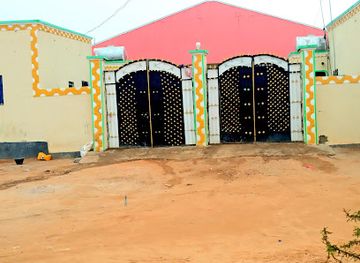
Shopping in Sool is concentrated in market streets and small commercial areas, particularly in Las Anod, where visitors may find basic provisions, clothing, mobile-phone services, household goods and imported products. Markets also reflect the region’s pastoral economy through livestock trading and the sale of animal-related goods, although these are working markets rather than arranged visitor experiences. Craft and souvenir retail is limited, and there is no established luxury-shopping district or dependable network of tourist boutiques. Useful purchases may include locally sourced food, modest textiles and practical items, but availability varies with transport, seasonal conditions and security. Bargaining can occur in informal markets, yet it should be conducted politely and with awareness of local relationships. Visitors should avoid photographing traders or market activity without consent and should not buy antiquities, weapons or objects claimed to come from historic sites.
-
Grocery store
AL IXSAAN STORE
Discover local flavors and daily essentials at AL IXSAAN STORE in Hudun, a vibrant grocery store with a cultural touch.
-
Store
Kaamil General Trading Co.
Explore the heart of Laascaanood at Kaamil General Trading Co., a local store offering a unique blend of traditional and modern goods.
-
Supermarket
QARAN SHOPPING CENTER 4
Explore Qaran Shopping Center in Laascaanood for a vibrant supermarket experience filled with local goods and friendly service.
-
Clothing store
Nayruush Dress House
Discover the vibrant fashion of Nayruush Dress House, where traditional Somali styles meet modern trends in Laascaanood.


Get your free copy of our complete guide to Sool, delivered straight to you.
Everything on this page, from attractions and restaurants to essentials and local phrases, in one PDF you can read offline, print or share.
Already have an account? Sign in
Your Sool guide is ready.
We'll send it to · Not you? Sign out

Getting your guide ready…
We are putting together a fresh copy of the Sool guide. This can take up to a minute.
This can take a few moments. If your browser asks, choose Allow so the download can start. You'll find the guide in your Downloads folder.
Nothing happened? Download it again
Sorry, the guide is taking longer than usual. Please try again in a minute, or get it by email instead.
Sool essentials
Currency and Payment
Safety
Emergency Situations
Do's and Don'ts
Local Tips
From Eve
Local phrases worth knowing
You don't need to get them perfect. A few words go a long way, and locals appreciate the effort.
Basics
| English | Local | Say it |
|---|---|---|
| Hello | Salaam | [sah-lahm] |
| Goodbye | Nabad gelyo | [nah-bahd geh-lyoh] |
| Yes | Haa | [hah] |
| No | Maya | [mah-yah] |
| Please/You're welcome | Fadlan | [fad-lahn] |
| Thank you | Mahadsanid | [mah-hahd-sah-nid] |
| Excuse me/Sorry | Iga raali ahow | [ee-gah rah-lee ah-ho] |
| How are you? | Sidee tahay? | [see-deh tah-hay] |
| Fine. And you? | Wanaagsan. Adigana? | [wah-nahg-sahn. ah-dee-gah-nah] |
| Do you speak English? | Ma ku hadashaa Ingiriisi? | [mah koo hah-dah-shah een-gee-ree-see] |
| I don't understand | Ma fahmin | [mah fah-min] |
Eating & Drinking
| English | Local | Say it |
|---|---|---|
| I'd like to see the menu, please | Fadlan ii soo bandhig menu-ga | [fad-lahn ee soh ban-dhig meh-noo-gah] |
| I don't eat meat | Ma cunno hilib | [mah coon-no hi-lib] |
| Cheers! | Nabadeey! | [nah-bah-day] |
| I would like to pay, please | Fadlan waxaan jeclahay inaan bixiyo | [fad-lahn wee-han jeh-lah-hay ee-nan bih-ee-yo] |
Emergencies
| English | Local | Say it |
|---|---|---|
| Help! | Caawimaad! | [cah-wee-mahd] |
| Go away! | Ka bax! | [kah bax] |
| Call the Police! | Wac booliska! | [wah boo-lee-skah] |
| Call a doctor! | Wac dhakhtar! | [wah dhak-tar] |
| I'm lost | Waan lumay | [wah-n loo-may] |
| I'm ill | Waan xanuunsanahay | [wah-n khan-oon-sah-nah-hay] |
Shopping
| English | Local | Say it |
|---|---|---|
| I'd like to buy... | Waxaan rabaa inaan iibsado... | [wah-han rah-bah ee-nan eeb-sah-doh] |
| I'm just looking | Waxaan kaliya eegayaa | [wah-han kah-lee-yah eh-gah-yah] |
| How much is it? | Immisa ayuu yahay? | [im-mi-sah ah-yoo yah-hay] |
| That's too expensive | Waa qaali | [wah kah-lee] |
| Can you lower the price? | Ma hoos u dhigi kartaa qiimaha? | [mah hohs oo dhi-gee kar-tah qi-mah-ha] |
Time & Numbers
| English | Local | Say it |
|---|---|---|
| What time is it? | Waa imisa saac? | [wah ee-mi-sah sah-ahk] |
| It's one o'clock | Waa kow saac | [wah koh sah-ahk] |
| Half past (10) | Bar saac (10) | [bar sah-ahk] |
| Morning | Subax | [soo-bahx] |
| Afternoon | Duhur | [doo-hur] |
| Evening | Fiidnimo | [fee-dnee-mo] |
| Yesterday | Shalay | [sha-lah-y] |
| Today | Maanta | [maan-tah] |
| Tomorrow | Berri | [ber-ree] |
| 1 | Kow | [koh] |
| 2 | Laba | [lah-bah] |
| 3 | Saddex | [sahd-dex] |
| 4 | Afar | [ah-far] |
| 5 | Shan | [shan] |
| 6 | Lix | [lix] |
| 7 | Toddoba | [toh-doh-bah] |
| 8 | Siddeed | [sid-deed] |
| 9 | Sagaal | [sah-gahl] |
| 10 | Toban | [toh-bahn] |
Transport & Directions
| English | Local | Say it |
|---|---|---|
| Where's a/the...? | Xagee ku yaalaa...? | [hah-geh koo yah-lah] |
| What's the address? | Waa maxay cinwaanka? | [wah mah-khay chin-wahn-kah] |
| Can you show me (on the map)? | Miyaa i tusin kartaa (khariidadda)? | [mee-yah ee too-seen kar-tah] |
| When's the next (bus)? | Goormee waa (baska) xiga? | [goor-mee wah (bahs-kah) hee-gah] |
| A ticket (to ....) | Tikidh (u...) | [tee-kidh (oo...)] |
History of Sool
Pastoral societies and ancient movement across the plateau
For centuries, the Sool plateau has been shaped by mobile pastoralism, seasonal migration and social networks linking wells, grazing areas and market settlements across northern Somalia. Camels, sheep, goats and cattle have supported household economies in an environment where rainfall is unpredictable and permanent agriculture is limited. Oral history, clan genealogies and customary institutions remain important ways of preserving knowledge about land, wells and relationships. Sool’s position between the Gulf of Aden hinterland, the Ethiopian borderlands and the wider Somali interior also encouraged long-distance movement and exchange, although the surviving historical record is uneven.
Islamic and caravan-era connections
Islam has long been central to the intellectual and social life of northern Somali communities. Quranic learning, mosques and travelling religious teachers connected settlements across the interior, while caravan routes linked pastoral districts with coastal ports and inland markets. Trade was based on livestock, hides, animal products and imported goods, with movement governed by seasonal conditions and agreements between communities. Rather than producing a landscape of monumental urban ruins, these networks left their strongest legacy in religious institutions, customary law, oral traditions and the continued importance of market towns.
The Dervish movement and Taleh
In the early twentieth century, Sayyid Maxamed Cabdulle Xasan led the Dervish movement in armed resistance to British, Italian and Ethiopian expansion in Somali-inhabited territories. Taleh, in present-day Sool, became the movement’s principal inland headquarters and was developed with stone compounds, forts and defensive structures. The site represented both a military centre and a political statement about authority in the interior. In 1920, British aerial operations contributed to the defeat of the Dervish state, and the remaining structures at Taleh are among the region’s most important historical associations.
Colonial boundaries and the northern Somali interior
Colonial administration divided northern Somali territories through agreements and frontier arrangements that did not correspond neatly to existing pastoral movements or clan geographies. Sool was incorporated into the former British Somaliland sphere, while neighbouring areas were administered through different colonial systems. These boundaries later became politically significant after independence, despite the continued movement of people and livestock across them. The legacy is visible in modern disputes over administration, allegiance and territorial control, particularly in places where local communities have challenged competing regional claims.
Independence, state collapse and regional reorganisation
Somalia became independent in 1960 after the union of the former British Somaliland and Italian-administered territories. Sool was subsequently governed within the Somali Republic, but the collapse of central government in 1991 transformed political authority across the north. Local administrations, clan elders, armed groups and emerging regional governments assumed different responsibilities, while borders and claims remained contested. Puntland and Somaliland developed rival relationships with Sool, and repeated droughts, displacement and insecurity placed additional pressure on pastoral livelihoods and urban services.
Las Anod conflict and the rise of SSC-Khatumo
Las Anod became the focus of major political and armed conflict from late 2022 into 2023, after demonstrations and clashes intensified amid disputes over governance and security. Somaliland forces withdrew from the city following heavy fighting, and local political leaders and communities promoted an administration commonly known as SSC-Khatumo, later associated with Somalia’s federal framework. The situation remains politically sensitive and subject to change. The conflict caused deaths, displacement and damage to civilian infrastructure, making current security information essential for anyone assessing travel to Sool.
Sool in Photos
Browse through our photo collection highlighting the charm and character of the destination.
Neighbouring regions of Sool
The closest regions to Sool, if you have time for more than one.
-

-

-

-

-


Swipe for more regions
Explore more

Explore more of Somalia
Explore Somalia: Discover its untouched beaches, ancient ruins, and rich cultural heritage in a land of resilient people and breathtaking landscapes.
Explore Somalia