

Free Sanaag Travel Guide & Mobile App
Explore Sanaag with free travel guides. Discover regional history, expert tips, proposed trips, and audio guides on web or mobile app.


Sanaag combines Somalia's remote Gulf of Aden coast, Cal Madow mountains and pastoral landscapes for carefully planned, specialist travel.
Read more about Sanaag
When is the best time to visit Sanaag?
Best: December–February · 26–27°C| Month | High (°C) | Rainfall (mm) |
|---|---|---|
| January (best) | 26 | 3 |
| February (best) | 27 | 4 |
| March | 30 | 5 |
| April | 31 | 7 |
| May | 33 | 10 |
| June | 34 | 11 |
| July | 34 | 10 |
| August | 33 | 9 |
| September | 31 | 6 |
| October | 30 | 5 |
| November | 28 | 4 |
| December (best) | 26 | 3 |
Getting to and around Sanaag
How to get there
Transportation
Destinations in Sanaag
Resorts, valleys and scenic spots worth a trip of their own.
-
-


Swipe for more destinations
Best attractions in Sanaag
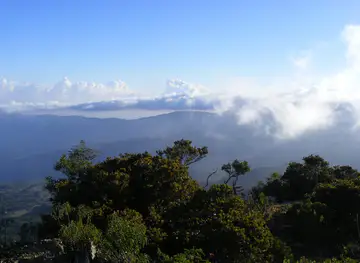
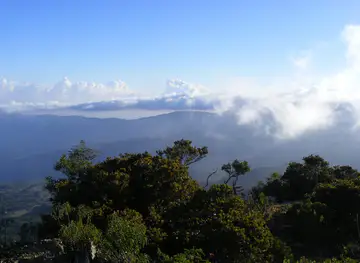
Sanaag's attractions are principally landscapes and cultural environments rather than developed visitor sites. The Cal Madow and Daallo mountain areas offer high escarpments, cool upland air, seasonal vegetation and wide views across dry pastoral country, although reaching them requires a carefully organised four-wheel-drive expedition. Around Erigavo, the transition between town, grazing land and mountain foothills provides insight into the region's pastoral economy. On the Gulf of Aden coast, Maydh and other sparsely settled stretches combine fishing communities, rocky shorelines and long maritime connections. The region also contains places of religious and historical interest associated with Islamic scholarship, coastal exchange and local oral tradition, but formal interpretation, signage and conservation infrastructure are minimal. Visitors should not expect conventional national-park facilities, marked trails, museums or dependable rescue services. The experience is one of remote geography, community-hosted travel and observation of ordinary life rather than a sequence of commercial attractions. Access to any site must be agreed locally, and security considerations take precedence over sightseeing.
-
Mountain peak
Cal Madow
Explore the breathtaking beauty of Cal Madow, Somalia's majestic mountain peak, perfect for hiking, photography, and nature lovers seeking tranquility.
-
 Park
Shidan
Discover the tranquility of Shidan Park, a lush green oasis in Somalia perfect for relaxation, picnics, and reconnecting with nature.
-
Tourist attraction
Dhufeeco
Explore Dhufeeco in Ceerigaabo for an enchanting mix of natural beauty and rich Somali culture, perfect for adventurous travelers seeking authenticity.
-
Tourist attraction
Doxada farjano
Explore Doxada Farjano, a hidden gem in Yube, Somalia, where natural beauty meets rich cultural experiences for travelers seeking adventure.


Best landmarks in Sanaag
Sanaag's most recognisable landmarks are geographical and settlement-based. The Cal Madow and Daallo ranges form a prominent mountainous spine above the northern Somali interior, their escarpments distinguishing the cooler uplands from the surrounding dry plains. Erigavo is the region's principal urban landmark, serving as a commercial and administrative centre at the edge of the mountain country. Maydh, on the Gulf of Aden, is significant for its long association with coastal settlement, Islamic tradition and maritime exchange, although it is a modest community rather than a developed heritage town. Elsewhere, wells, seasonal wadis, isolated ridges and pastoral routes are central reference points in a landscape with few formal monuments. Religious buildings and sites connected with local Islamic history may be important to communities, but access and photography require permission. The region has limited conservation, interpretation and visitor infrastructure, so its landmarks should be approached as living places and natural formations rather than packaged attractions. Security, weather and local authority determine whether any particular site can be visited.
-
Archaeological site
Botiala
Explore the ancient archaeological site of Botiala in Qandala, Somalia, and uncover the rich history and stunning landscapes of this captivating destination.

Explore Sanaag on the map
Plan your trip on one map. See where the top cities, national parks and sights are, and book hotels and experiences in a few clicks.
Best hotels in Sanaag
Best restaurants in Sanaag
Sanaag has no developed restaurant circuit for international visitors, and food arrangements should normally be made through trusted accommodation providers, local hosts or an organising institution. Everyday cooking reflects northern Somali pastoral and coastal life: rice and pasta are common urban staples, while camel, goat and other meats may be served with bread, sauce and tea. In coastal communities, fish can be available when landings and local conditions permit. Milk, including camel milk, has an important place in pastoral culture, although visitors should use sensible food and water precautions. Small cafés and tea shops in larger settlements are more realistic than formal dining rooms, and menus are usually simple. Imported packaged foods and bottled water may be available intermittently in Erigavo but should not be assumed elsewhere. Vegetarian choices may be arranged with advance notice, while alcohol is inappropriate and generally unavailable in this predominantly Muslim region. Carrying sealed provisions is prudent for journeys into the mountains or across sparsely populated country.
-
Restaurant
Beder Restaurant
Experience authentic Somaliland cuisine at Beder Restaurant in Ceerigaabo – where flavor meets tradition.
-
Restaurant
Sanaag Hotel
Experience authentic Somali cuisine in Ceerigaabo at Sanaag Hotel – where every meal tells a story.
-
Family-friendly
Hilton hotel
Discover comfort and convenience at the family-friendly Hilton Hotel in Ceeldoofaar - your perfect home base for local adventures.
-
Fast Food
Dhooftinle Restaurant
Experience the delightful fusion of fast food and local Somali flavors at Dhooftinle Restaurant in Laasqoray.


Best bars in Sanaag
Sanaag does not have a conventional bar or nightclub scene. Public evening life centres on tea shops, cafés, family compounds, conversation and community gatherings in the larger settlements, particularly Erigavo, rather than alcohol-led entertainment. In smaller towns and rural areas, commercial venues are few and may close early, while power, communications and security restrictions limit night-time activity. Alcohol is socially and religiously inappropriate in this predominantly Muslim region and should not be brought into communities or consumed publicly. Visitors should avoid unplanned evening movement, keep to arrangements made by trusted local hosts and treat hospitality settings with discretion. The most meaningful evening experiences are likely to involve tea, food, poetry or conversation where a host has explicitly invited participation, rather than organised entertainment. No visitor should assume that a venue, gathering or route remains available without checking locally on the same day.
-
Restaurant
Beder Restaurant
Experience the essence of Somali cuisine at Beder Restaurant in Ceerigaabo, where delicious flavors meet warm hospitality.
-
Restaurant
Qudus Restourant
Discover the authentic taste of Somali cuisine at Qudus Restaurant in Ceerigaabo, where every dish tells a story of culture and tradition.
-
Restaurant
Sanaag Hotel
Experience the rich flavors of Somalia at Sanaag Hotel, a welcoming restaurant in Ceerigaabo offering local delicacies and a cozy atmosphere.
-
Bar
Gojacade
Experience the vibrant nightlife at Gojacade, Badhan's top bar, offering a wide selection of drinks and an inviting atmosphere.


Best nightclubs in Sanaag
Sanaag does not have a conventional bar or nightclub scene. Public evening life centres on tea shops, cafés, family compounds, conversation and community gatherings in the larger settlements, particularly Erigavo, rather than alcohol-led entertainment. In smaller towns and rural areas, commercial venues are few and may close early, while power, communications and security restrictions limit night-time activity. Alcohol is socially and religiously inappropriate in this predominantly Muslim region and should not be brought into communities or consumed publicly. Visitors should avoid unplanned evening movement, keep to arrangements made by trusted local hosts and treat hospitality settings with discretion. The most meaningful evening experiences are likely to involve tea, food, poetry or conversation where a host has explicitly invited participation, rather than organised entertainment. No visitor should assume that a venue, gathering or route remains available without checking locally on the same day.
-
Night club
Banadir Beach Club
Discover the energetic nightlife and stunning beachfront views at Banadir Beach Club in Mogadishu, the heart of Somalia's vibrant entertainment scene.
-
Night club
BILCIL CITY CLUB
Discover the energetic nightlife at Bilcil City Club in Dhahar, a premier destination for music, dancing, and unforgettable experiences.
-
Bar
Gojacade
Discover Gojacade in Badhan, a vibrant bar offering a unique blend of local culture, delicious drinks, and a lively atmosphere for all visitors.
-
Night club
Eng wahip jamaal
Experience the vibrant nightlife of Hargeisa at Eng Wahip Jamaal, a must-visit night club with energetic music and a lively atmosphere.

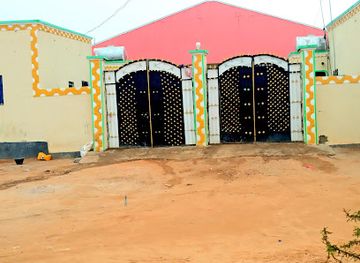
Best shops in Sanaag
Shopping in Sanaag is practical and local rather than oriented towards tourism. Erigavo provides the broadest choice of basic provisions, clothing, household goods, mobile credit and transport supplies, while smaller settlements rely on modest market stalls and occasional traders. Visitors may encounter livestock trading, locally made garments, woven items, leather goods and simple craft products, but availability varies and dedicated souvenir shops should not be expected. Coastal communities may sell fish and other marine products when conditions allow, while pastoral areas are associated with milk, livestock and animal-based trade rather than retail displays. US dollars may be accepted for larger purchases, but currency practice differs across the region, so confirm prices and payment methods before completing a transaction. Bargaining can occur in markets, but respectful, straightforward negotiation is preferable to aggressive haggling. Do not photograph vendors, goods or market activity without permission, and avoid purchasing antiquities, archaeological objects or wildlife products whose provenance and legality cannot be established.
-
Grocery store
Laasmacaan Supermarket
Experience local culture at Laasmacaan Supermarket, a vibrant grocery store in Badhan offering fresh produce and unique regional products.
-
Clothing store
Tawakal Tailor
Discover the artistry of Somali tailoring at Tawakal Tailor, where tradition meets style in the heart of Ceerigaabo.
-
Store
somali shop
Immerse yourself in the vibrant culture of Somalia at the Somali Shop in Bosaso, where local crafts and community come together.
-
Shopping mall
Hassan Cade Shop
Explore Hassan Cade Shop in Ceerigaabo for a unique shopping experience filled with local culture and exquisite craftsmanship.


Get your free copy of our complete guide to Sanaag, delivered straight to you.
Everything on this page, from attractions and restaurants to essentials and local phrases, in one PDF you can read offline, print or share.
Already have an account? Sign in
Your Sanaag guide is ready.
We'll send it to · Not you? Sign out

Getting your guide ready…
We are putting together a fresh copy of the Sanaag guide. This can take up to a minute.
This can take a few moments. If your browser asks, choose Allow so the download can start. You'll find the guide in your Downloads folder.
Nothing happened? Download it again
Sorry, the guide is taking longer than usual. Please try again in a minute, or get it by email instead.
Sanaag essentials
Currency and Payment
Safety
Emergency Situations
Do's and Don'ts
Local Tips
From Eve
Local phrases worth knowing
You don't need to get them perfect. A few words go a long way, and locals appreciate the effort.
Basics
| English | Local | Say it |
|---|---|---|
| Hello | Salaam | [sah-lahm] |
| Goodbye | Nabad gelyo | [nah-bahd geh-lyoh] |
| Yes | Haa | [hah] |
| No | Maya | [mah-yah] |
| Please/You're welcome | Fadlan | [fahd-lahn] |
| Thank you | Mahadsanid | [mah-hahd-sah-nid] |
| Excuse me/Sorry | Iga raali ahow | [ee-gah rah-lee ah-hoh] |
| How are you? | Sidee tahay? | [see-deh tah-hay] |
| Fine. And you? | Wanaagsan. Adiguna? | [wah-nahg-sahn. ah-dee-goo-nah] |
| Do you speak English? | Ma ku hadashaa Ingiriis? | [mah koo hah-dah-shah in-gee-rees] |
| I don't understand | Ma fahmin | [mah fah-min] |
Eating & Drinking
| English | Local | Say it |
|---|---|---|
| I'd like to see the menu, please | Fadlan ii soo bandhig menu-ga | [fahd-lahn ee soo ban-dhig men-oo-gah] |
| I don't eat meat | Ma cuno hilib | [mah koo-no hi-lib] |
| Cheers! | Nabad iyo caafimaad! | [nah-bahd ee-yoh tsah-ee-mahd] |
| I would like to pay, please | Fadlan waxaan rabaa in aan bixiyo | [fahd-lahn wee-khan rah-bah in ahn bee-khee-yoh] |
Emergencies
| English | Local | Say it |
|---|---|---|
| Help! | Caawimaad! | [cah-wee-mahd] |
| Go away! | Ka tag! | [kah tahg] |
| Call the Police! | Wac booliska! | [wahk boh-lees-kah] |
| Call a doctor! | Wac dhakhtar! | [wahk dhahk-tahr] |
| I'm lost | Waan lumay | [wah-n loo-may] |
| I'm ill | Waan jiran | [wah-n jeer-an] |
Shopping
| English | Local | Say it |
|---|---|---|
| I'd like to buy... | Waxaan rabaa in aan iibsado... | [wah-khan rah-bah in ahn ee-b-sah-doh] |
| I'm just looking | Kaliya ayaan eegayaa | [kah-lee-yah ah-yahn eh-gah-yah] |
| How much is it? | Immisa ayey ku kacaysaa? | [ih-mee-sah ay-yay koo kah-kah-sah] |
| That's too expensive | Taasi waa qaali | [tah-see wah qah-lee] |
| Can you lower the price? | Ma hoos u dhig kartaa qiimaha? | [mah hohs oo dhig kar-tah qi-mah-ha] |
Time & Numbers
| English | Local | Say it |
|---|---|---|
| What time is it? | Saacadu immise ayey tahay? | [sah-cah-doo ih-mi-say ay-yay tah-hay] |
| It's one o'clock | Waa saacad kowaad | [wah sah-cahd koh-wahd] |
| Half past (10) | Bar kaddib (10) | [bar kah-dhib bihn] |
| Morning | Subax | [soo-bahx] |
| Afternoon | Duhur | [doo-hoor] |
| Evening | Fiid | [fee-d] |
| Yesterday | Shalay | [shah-lie] |
| Today | Maanta | [mahn-tah] |
| Tomorrow | Berri | [beh-ree] |
| 1 | Kow | [koh] |
| 2 | Laba | [lah-bah] |
| 3 | Saddex | [sahd-dex] |
| 4 | Afar | [ah-far] |
| 5 | Shan | [shan] |
| 6 | Lix | [lix] |
| 7 | Todoba | [toh-doh-bah] |
| 8 | Siddeed | [si-deed] |
| 9 | Sagaal | [sah-gahl] |
| 10 | Toban | [toh-bahn] |
Transport & Directions
| English | Local | Say it |
|---|---|---|
| Where's a/the...? | Halkee ku yaalaa...? | [hal-kay koo yah-lah] |
| What's the address? | Waa maxay cinwaanka? | [wah mah-khay chin-wah-ahn-kah] |
| Can you show me (on the map)? | Ma i tusaysaa (khariidadda)? | [mah ee too-sah-y-sah (khah-ree-dah-dah)] |
| When's the next (bus)? | Buska xiga goormee ayaa imanayaa? | [boos-kah hee-gah goor-may ah-yah ee-mah-nah-yah] |
| A ticket (to ....) | Tigidh (u ...) | [tee-gid (oo ...)] |
History of Sanaag
Early pastoral and maritime societies
Sanaag's history has been shaped by Somali pastoral communities whose movements followed seasonal grazing, water and trade routes. The northern coast also formed part of the wider Gulf of Aden world, where small ports and anchorages connected the Horn of Africa with Arabia and the Indian Ocean. Maydh is associated with longstanding coastal settlement and Islamic tradition, while the uplands and plains preserve a landscape in which wells, livestock routes and customary law have historically been more important than permanent urban infrastructure.
Islamic influence and coastal exchange
Islam became deeply established across northern Somalia through centuries of contact with Muslim communities and traders around the Gulf of Aden. Religious teachers, coastal merchants and travelling scholars helped connect settlements such as Maydh and inland communities with broader networks extending towards Yemen and the Red Sea. In Sanaag, Islamic practice developed alongside Somali customary law and pastoral institutions. Mosques, shrines and oral traditions remain important expressions of this layered religious and social history, although many historic structures are modest and poorly documented.
British Somaliland and the northern interior
During the late nineteenth and early twentieth centuries, Britain established the Somaliland Protectorate along part of the northern Somali coast and interior. Its administrative presence was concentrated around strategic settlements, routes and agreements with local communities rather than dense colonial development. Sanaag remained predominantly pastoral, with limited roads and services compared with coastal imperial centres elsewhere. The period nonetheless influenced modern administrative boundaries, political relationships and the region's later place within the Somali state.
Union and the Somali Republic, 1960–1991
British Somaliland became independent in June 1960 and soon united with the former Italian-administered Trust Territory of Somaliland to form the Somali Republic. Sanaag was incorporated into the new national state, whose institutions attempted to extend education, health services and administration into remote northern districts. Development remained uneven, and political tensions between the central government and northern communities intensified during the later years of military rule. These tensions contributed to the armed conflict that eventually brought down the regime of Siad Barre in 1991.
Civil war and the collapse of state services
The collapse of Somalia's central government in 1991 severely disrupted Sanaag's administration, transport, health care and trade. Many communities relied increasingly on local elders, customary authorities, traders and diaspora support. Conflict in northern Somalia affected routes and settlements, while drought and displacement placed additional pressure on pastoral livelihoods. The absence of consistent state services remains visible in the region's limited infrastructure and explains why travel, communications and emergency response can be difficult.
Contested administration since 1991
Sanaag has been claimed and administered in different ways by Somaliland and Puntland, with local control varying across districts and over time. The dispute reflects competing political projects, historical administrative boundaries and local alliances rather than a simple division on the ground. Erigavo and western parts of the region have generally been associated with Somaliland's administration, while eastern areas have had links with Puntland, but circumstances can change. Travellers should therefore confirm current authority, permissions and road access before entering any district.
Sanaag in Photos
Browse through our photo collection highlighting the charm and character of the destination.
Neighbouring regions of Sanaag
The closest regions to Sanaag, if you have time for more than one.
-

-

-

-

-


Swipe for more regions
Explore more

Explore more of Somalia
Explore Somalia: Discover its untouched beaches, ancient ruins, and rich cultural heritage in a land of resilient people and breathtaking landscapes.
Explore Somalia