

Free Woqooyi Galbeed Travel Guide & Mobile App
Explore Woqooyi Galbeed with free travel guides. Discover regional history, expert tips, proposed trips, and audio guides on web or mobile app.


Explore Woqooyi Galbeed through Hargeisa's culture, Somaliland's highland landscapes and the prehistoric paintings of Laas Geel.
Read more about Woqooyi Galbeed
When is the best time to visit Woqooyi Galbeed?
Best: December–February · 27–29°C| Month | High (°C) | Rainfall (mm) |
|---|---|---|
| January (best) | 27 | 2 |
| February (best) | 29 | 3 |
| March | 31 | 5 |
| April | 33 | 10 |
| May | 35 | 15 |
| June | 36 | 20 |
| July | 36 | 25 |
| August | 35 | 20 |
| September | 34 | 15 |
| October | 32 | 10 |
| November | 29 | 5 |
| December (best) | 27 | 2 |
Getting to and around Woqooyi Galbeed
How to get there
Transportation
Top city travel guides in Woqooyi Galbeed
The cities of Woqooyi Galbeed, and the easiest places to base yourself.

Swipe for more cities
Destinations in Woqooyi Galbeed
Resorts, valleys and scenic spots worth a trip of their own.
-

-


Swipe for more destinations
Best attractions in Woqooyi Galbeed
Woqooyi Galbeed's attractions are concentrated around Hargeisa and the surrounding plateau rather than in a developed network of conventional tourist facilities. Laas Geel is the region's outstanding archaeological site, with vivid prehistoric paintings in natural rock shelters reached by a rough road through open, rocky country. In Hargeisa, visitors can explore public monuments, cultural spaces, markets and everyday streetscapes that reveal the capital's commercial growth and Somaliland's political identity. The city is also the most practical base for learning about local history through guides and community contacts. Beyond the capital, the appeal lies in pastoral landscapes, seasonal wadis, acacia scrub, escarpments and rural settlements where agriculture and livestock remain important. Excursions require advance arrangements, reliable transport, water and realistic expectations about facilities. Wildlife viewing is not organised on the scale of a national park, but birdlife and the changing vegetation after rain can interest experienced observers. Cultural visits, conversations, food and landscape interpretation are generally more rewarding here than a tightly scheduled list of ticketed attractions.
-
Laas Geel tour Safaris Tourism Company
Discover Laas Geel, Somaliland's breathtaking prehistoric rock art site, and delve into the ancient history of this remarkable tourist attraction.
-
Museum
Hargeisa War Memorial Park
Discover the Hargeisa War Memorial Park, a serene tribute to resilience and freedom, amidst the vibrant culture of Somaliland.
-
Tourist attraction
Saryan Museum
Explore the vibrant heritage of Somaliland at Saryan Museum, where history, culture, and art converge to tell the story of its people.
-
Amusement park
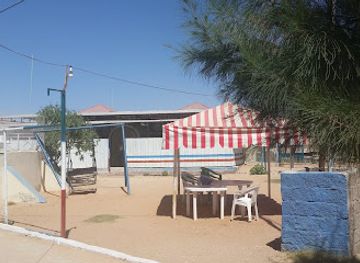
Barwaaqo Fun City
Experience the joy and excitement of Barwaaqo Fun City, the ultimate amusement park in Hargeisa, Somalia, perfect for family fun and adventure.


Best landmarks in Woqooyi Galbeed
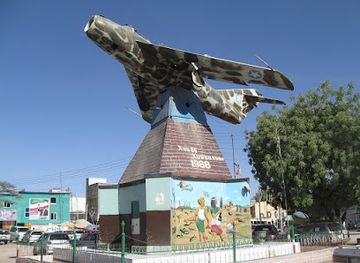
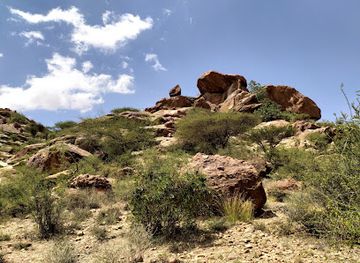
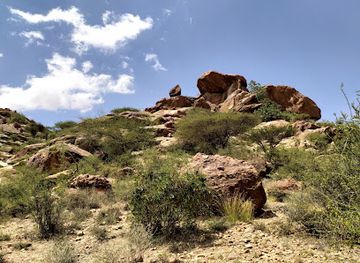
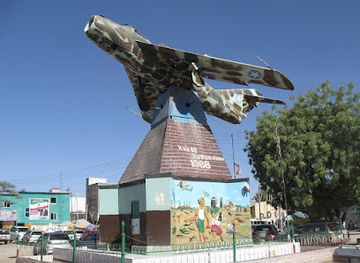
Laas Geel is Woqooyi Galbeed's defining landmark: its granite shelters preserve striking prehistoric paintings of cattle and human figures, linking the modern highlands with ancient pastoral life. In Hargeisa, the Freedom Monument, featuring a Soviet-era MiG fighter aircraft mounted on a pedestal, is a powerful memorial to the destruction suffered during the war of the 1980s and to the city's later political identity. The city's central markets and older commercial streets are less monumental but significant as places where trade, migration and urban growth are visible. Public memorials connected with the Somaliland struggle should be approached respectfully, with photography guided by local advice. Outside Hargeisa, the region's most characteristic landmarks are natural rather than architectural: dry ridges, rocky outcrops, acacia-studded plains and seasonal watercourses that define the plateau. These landscapes are best understood with a local guide who can explain routes, settlement patterns and the importance of water and grazing.
-
Historical landmark
The Tomb of the Unknown Soldier
Explore the Tomb of the Unknown Soldier in Mogadishu, a poignant monument honoring the sacrifices of Somalia's heroes and a symbol of national unity.
-
Tourist attraction
Laas Geel
Experience the mesmerizing prehistoric art of Laas Geel, a hidden gem in Somalia offering a unique glimpse into ancient civilizations and natural beauty.
-
Tourist attraction
Laas Geel tour Safaris Tourism Company
Explore Laas Geel: Somaliland's Ancient Rock Art and Cultural Heritage Await You.
-
Museum
Hargeisa War Memorial Park
Explore Hargeisa War Memorial Park, a serene tribute to resilience and history in the heart of Hargeisa, Somalia.

Explore Woqooyi Galbeed on the map
Plan your trip on one map. See where the top cities, national parks and sights are, and book hotels and experiences in a few clicks.
Best hotels in Woqooyi Galbeed
Best restaurants in Woqooyi Galbeed
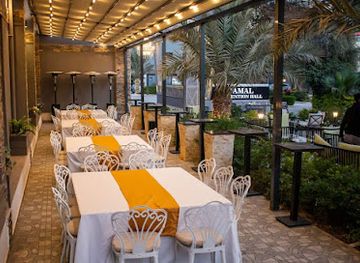
Dining in Woqooyi Galbeed is centred on Hargeisa, where Somali cooking is served alongside dishes shaped by Arab, Indian Ocean and wider regional influences. Rice with meat or vegetables, pasta, canjeero and other flatbreads, sambuus, grilled goat or beef, beans and spiced sauces are common features of local meals. Tea with milk and spices is central to everyday hospitality, while camel, goat and cow milk may appear in homes or specialist settings rather than on every restaurant menu. Small cafés and family-run restaurants provide the most accessible introduction to local food, and larger hotels often serve international dishes for visitors. Food hygiene standards vary, so choose busy establishments, drink treated or bottled water and take care with raw foods. Alcohol is not part of the public dining scene, and visitors should dress and behave modestly in restaurants, particularly during Ramadan.
-
Restaurant
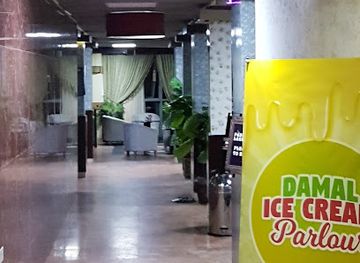
Damal Restaurant
Discover authentic Somali cuisine at Damal Restaurant in Hargeisa - where every dish tells a story of tradition and flavor.
-
Restaurant
Sultan Hotel and Restaurant
Savor authentic Somali cuisine at Sultan Hotel and Restaurant in Hargeisa – where tradition meets taste.
-
Restaurant
Summertime Restaurant
Explore the rich flavors of Somali cuisine at Summertime Restaurant in Hargeisa – where every dish tells a story.
-
Restaurant
MASALE VIEW RESTAURANT
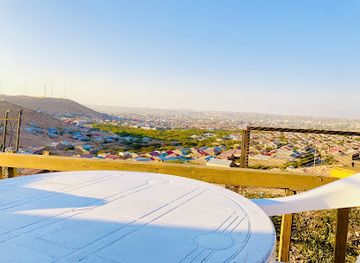
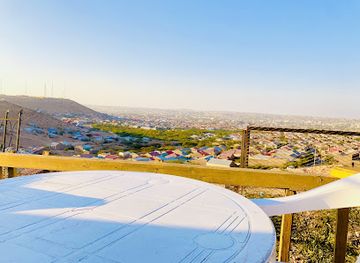
Discover culinary delights at Masale View Restaurant in Hargeisa – where local flavors meet stunning views.
Best bars in Woqooyi Galbeed
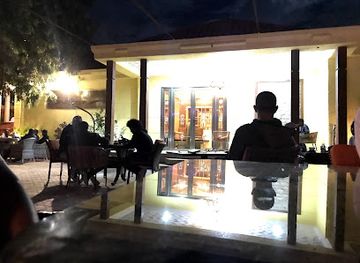
Woqooyi Galbeed does not have a conventional bar and nightclub culture. Alcohol is not part of ordinary public life, and Hargeisa's evening scene is instead built around tea shops, cafés, hotel restaurants, family visits, conversation and small-scale cultural activity. Some venues offer informal spaces for coffee, tea, snacks and social meetings, while evenings may also be spent browsing markets or attending community and cultural gatherings when available. Night-time movement should be conservative and security-conscious, especially outside central Hargeisa. Rural settlements have few dedicated evening venues and limited lighting, so social life normally takes place within homes or community settings. Visitors should never assume that international nightlife customs apply, and should confirm photography, opening arrangements and local expectations with a trusted host.
-
Restaurant
MASALE VIEW RESTAURANT
Discover the flavors of Somalia at Masale View Restaurant, a culinary gem offering stunning views and a warm, inviting atmosphere in Hargeisa.
-
Restaurant
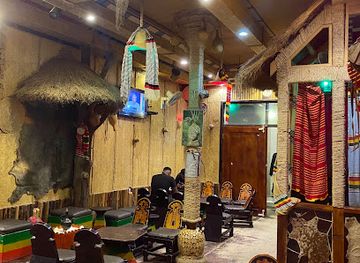
Al Habesha Restaurant
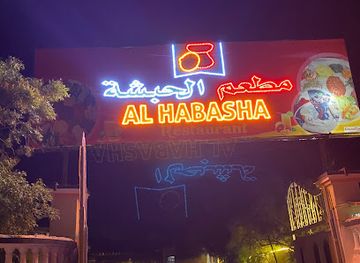
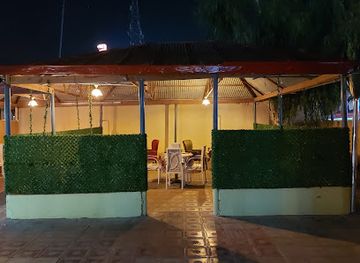
Experience authentic Somali cuisine at Al Habesha Restaurant in Hargeisa, where every dish offers a taste of tradition and local culture.
-
Family-friendly
BAAR HARGEISA TURKISH RESTAURANT
Experience authentic Turkish cuisine in a family-friendly atmosphere at Baar Hargeisa Turkish Restaurant in Hargeisa.
-
Restaurant
Social Cafe
Experience the vibrant culinary scene of Hargeisa at Social Cafe, where local flavors meet a welcoming atmosphere.
Best nightclubs in Woqooyi Galbeed
Woqooyi Galbeed does not have a conventional bar and nightclub culture. Alcohol is not part of ordinary public life, and Hargeisa's evening scene is instead built around tea shops, cafés, hotel restaurants, family visits, conversation and small-scale cultural activity. Some venues offer informal spaces for coffee, tea, snacks and social meetings, while evenings may also be spent browsing markets or attending community and cultural gatherings when available. Night-time movement should be conservative and security-conscious, especially outside central Hargeisa. Rural settlements have few dedicated evening venues and limited lighting, so social life normally takes place within homes or community settings. Visitors should never assume that international nightlife customs apply, and should confirm photography, opening arrangements and local expectations with a trusted host.
-
Restaurant
Golis Restuarant and Hotel
Discover the authentic flavors of Somalia at Golis Restaurant and Hotel, where culinary excellence meets comfort in Hargeisa.
-
Night club
Banadir Beach Club
Experience the vibrant nightlife and stunning coastal views at Banadir Beach Club in Mogadishu, a perfect blend of relaxation and entertainment.
-
Hotel
Hargeisa Club
Discover Hargeisa Club, a charming hotel in Somaliland offering comfort, local culture, and easy access to the vibrant city of Hargeisa.
-
Bar
HOND KONG
Immerse yourself in the vibrant nightlife of Hargeisa at Hond Kong, where local culture meets a lively bar atmosphere.
Best shops in Woqooyi Galbeed
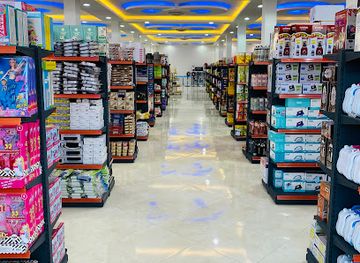
Shopping in Woqooyi Galbeed is primarily an urban and market-based experience centred on Hargeisa. Open markets and small independent shops sell clothing, household goods, mobile phones, food, spices and imported products carried through Somaliland's regional trading networks. Visitors may find Somali fabrics, scarves, woven items, leather goods, perfumes, jewellery and locally produced or packaged foods, although quality and availability vary. Bargaining is common in informal markets, but it should be conducted courteously and with prices clarified before a purchase. Hargeisa is more useful for practical supplies and locally meaningful souvenirs than for luxury retail. Rural settlements offer little dedicated tourist shopping, so buy water, medicine, snacks and batteries before leaving the city. Avoid purchasing archaeological objects, unverified fossils or antiquities from Laas Geel or elsewhere; genuine heritage belongs to the region and should not be removed.
-
Shopping mall
Dahabshiil Business Centre
Discover the heart of Hargeisa at Dahabshiil Business Centre, where shopping meets local culture in a lively atmosphere.
-
Shopping mall
Waafi Mall
Experience shopping and cultural vibrancy at Waafi Mall, Hargeisa's premier shopping destination with diverse stores and local flavors.
-
E-commerce service
Sobigdeal.shop
Explore the vibrant e-commerce landscape at Sobigdeal.shop in Hargeisa, offering a diverse selection of products that celebrate Somali culture.
-
 Grocery store
Abdiwahaab Shop
Explore the vibrant flavors of Hargeisa at Abdiwahaab Shop, a local grocery store filled with unique culinary delights and local culture.
Get your free copy of our complete guide to Woqooyi Galbeed, delivered straight to you.
Everything on this page, from attractions and restaurants to essentials and local phrases, in one PDF you can read offline, print or share.
Already have an account? Sign in
Your Woqooyi Galbeed guide is ready.
We'll send it to · Not you? Sign out

Getting your guide ready…
We are putting together a fresh copy of the Woqooyi Galbeed guide. This can take up to a minute.
This can take a few moments. If your browser asks, choose Allow so the download can start. You'll find the guide in your Downloads folder.
Nothing happened? Download it again
Sorry, the guide is taking longer than usual. Please try again in a minute, or get it by email instead.
Woqooyi Galbeed essentials
Currency and Payment
Safety
Emergency Situations
Do's and Don'ts
Local Tips
From Eve
Local phrases worth knowing
You don't need to get them perfect. A few words go a long way, and locals appreciate the effort.
Basics
| English | Local | Say it |
|---|---|---|
| Hello | Salaam | [sah-lahm] |
| Goodbye | Nabad gelyo | [nah-bahd geh-lyoh] |
| Yes | Haa | [hah] |
| No | Maya | [mah-yah] |
| Please/You're welcome | Fadlan | [fahd-lahn] |
| Thank you | Mahadsanid | [mah-hahd-sah-nid] |
| Excuse me/Sorry | Iga raali ahow | [ee-gah rah-lee ah-ho] |
| How are you? | Sidee tahay? | [see-deh tah-hai] |
| Fine. And you? | Waan fiicanahay, adigana? | [wahn fee-chah-nah-hay, ah-dee-gah-nah?] |
| Do you speak English? | Ma ku hadashaa Ingiriis? | [mah koo hah-dah-shah een-gee-rees?] |
| I don't understand | Ma fahmin | [mah fah-min] |
Eating & Drinking
| English | Local | Say it |
|---|---|---|
| I'd like to see the menu, please | Fadlan ii muujin menu-ga | [fahd-lahn ee moo-jeen meh-noo-gah] |
| I don't eat meat | Ma cuno hilib | [mah koo-no hee-lib] |
| Cheers! | Karin! | [kah-reen] |
| I would like to pay, please | Fadlan waxaan rabaa in aan bixiyo | [fahd-lahn wah-khan rah-bah in ahn bee-khi-yo] |
Emergencies
| English | Local | Say it |
|---|---|---|
| Help! | Caawimaad! | [cah-wee-mahd] |
| Go away! | Ka tag! | [kah tahg] |
| Call the Police! | Wac booliska! | [wahk booh-lees-kah] |
| Call a doctor! | Wac dhakhtar! | [wahk dhahk-tar] |
| I'm lost | Waan waalay | [wahn wah-lay] |
| I'm ill | Waan xanuunsanahay | [wahn khah-noon-sah-nah-hay] |
Shopping
| English | Local | Say it |
|---|---|---|
| I'd like to buy... | Waxaan rabaa in aan iibsado... | [wah-khan rah-bah in ahn eeb-sah-do] |
| I'm just looking | Waxaan eegayaa | [wah-khan eh-gah-yah] |
| How much is it? | Immisa ayey ku kacaysaa? | [im-ee-sah ah-yeh koo kah-kah-sah?] |
| That's too expensive | Taasi waa qaali | [tah-see wah kah-lee] |
| Can you lower the price? | Ma dhimi kartaa qiimaha? | [mah dhee-mee kar-tah qee-mah-ha?] |
Time & Numbers
| English | Local | Say it |
|---|---|---|
| What time is it? | Waa maxay waqtiga? | [wah mah-hay waq-ti-gah?] |
| It's one o'clock | Waa saacad hal | [wah sah-kahd hal] |
| Half past (10) | Barah (10) | [bah-rah] |
| Morning | Subax | [soo-bahx] |
| Afternoon | Duhur | [doo-hur] |
| Evening | Galab | [gah-lahb] |
| Yesterday | Shalay | [sha-lah-y] |
| Today | Maanta | [mahn-tah] |
| Tomorrow | Berri | [beh-ree] |
| 1 | Kow | [koh] |
| 2 | Laba | [lah-bah] |
| 3 | Saddex | [sah-dex] |
| 4 | Afar | [ah-far] |
| 5 | Shan | [shan] |
| 6 | Lix | [lix] |
| 7 | Todoba | [toh-doh-bah] |
| 8 | Siddeed | [see-deh] |
| 9 | Sagaal | [sah-gahl] |
| 10 | Toban | [toh-bahn] |
Transport & Directions
| English | Local | Say it |
|---|---|---|
| Where's a/the...? | Xagee ku yaal...? | [hah-gay koo yahl] |
| What's the address? | Waa maxay cinwaanka? | [wah mah-hay chin-wahn-kah?] |
| Can you show me (on the map)? | Ma ii muujin kartaa (karta)? | [mah ee moo-jeen kar-tah (kar-tah)?] |
| When's the next (bus)? | Goorma ayaa baska xiga? | [goor-mah ah-yah bas-kah hee-gah?] |
| A ticket (to ....) | Tigid ( ilaa ...) | [tee-gid (ee-lah ...)] |
History of Woqooyi Galbeed
Ancient Pastoral Rock Art
The shelters at Laas Geel, near Hargeisa, contain some of the most important known prehistoric rock paintings in the Horn of Africa. The images include elaborately decorated cattle, human figures and geometric forms, and are generally associated with early pastoral communities. Their exact chronology and cultural interpretation remain subjects of archaeological study, but they clearly demonstrate that organised herding societies occupied and used the region long before written records. The paintings also show the long importance of livestock, seasonal movement and water sources in the landscapes of modern Woqooyi Galbeed.
Somali Pastoral Society and Oral Culture
For centuries, communities across the northern Somali plateau developed social and economic systems closely connected with camel, goat, sheep and cattle herding. Seasonal movement between grazing and water sources shaped settlement patterns, relationships between communities and forms of customary law. Poetry, genealogy and oral history preserved knowledge in a largely non-written tradition, while wells and caravan routes linked the interior with coastal ports. These legacies remain visible in the region's rural economy and in Hargeisa's continuing connections with pastoral communities.
Islamic and Indian Ocean Connections
Islam spread gradually through northern Somalia through merchants, scholars, migration and connections across the Gulf of Aden. Although Woqooyi Galbeed is inland, its communities were linked to coastal commerce and the wider Indian Ocean world through trade routes leading towards ports such as Berbera, outside the region's commonly used modern inland definition. Religious learning, Arabic influences and the movement of goods helped shape the cultural environment of northern Somalia. Islam remains central to public life, social identity and the rhythm of the calendar.
British Somaliland and Colonial Rule
In the late nineteenth century, Britain established the Somaliland Protectorate, centred on a chain of agreements and administrative arrangements along northern Somalia. Hargeisa developed as an important inland administrative and commercial centre, connected to the coast and to pastoral districts. Colonial rule altered patterns of authority, taxation and trade without eliminating customary institutions or pastoral mobility. The period also left an architectural and administrative legacy, although much of the region's historical experience continued to be recorded through oral traditions and local memory.
Union with Somalia and the Somaliland War
British Somaliland became independent in June 1960 and joined the former Italian-administered territory to form the Somali Republic. Political tensions and centralisation later contributed to conflict, and Hargeisa suffered severe destruction during the civil war of the 1980s. The Somali National Movement and local communities played major roles in the fighting and in the subsequent reconstruction of the north. Memorials and public narratives in Hargeisa preserve the memory of this period, which remains essential to understanding the region's politics and identity.
Somaliland's Rebuilding and Self-Government
In 1991, Somaliland declared that it was restoring its independence, although it has not received broad international recognition as a sovereign state and is constitutionally treated by most countries as part of Somalia. Local peace-building conferences, customary mediation and political institutions supported a degree of stability and reconstruction in the territory, including Woqooyi Galbeed. Hargeisa expanded as a centre of government, commerce, education and diaspora investment. The region's contemporary identity is therefore shaped by both its Somali national context and Somaliland's separate political institutions.
Woqooyi Galbeed in Photos
Browse through our photo collection highlighting the charm and character of the destination.
Neighbouring regions of Woqooyi Galbeed
The closest regions to Woqooyi Galbeed, if you have time for more than one.
-
-

-

-

-


Swipe for more regions
Explore more

Explore more of Somalia
Explore Somalia: Discover its untouched beaches, ancient ruins, and rich cultural heritage in a land of resilient people and breathtaking landscapes.
Explore Somalia