

Togdheer, Somalia Travel Guide
Discover Togdheer: A blend of rich culture, historic sites, and stunning landscapes in the heart of Somalia.
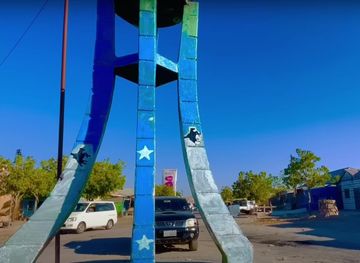
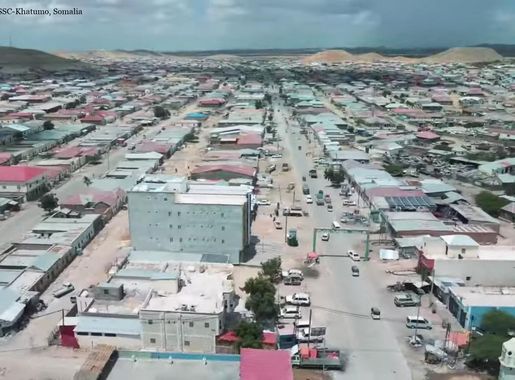
Togdheer, located in the northeastern region of Somalia, is a captivating destination that blends rich cultural heritage with stunning natural beauty. This region is known for its warm and welcoming people, who are proud of their traditions and history. The capital city, Burao, serves as a vibrant hub for commerce and culture, offering travelers a glimpse into the daily life of the Somali people. Visitors to Togdheer can immerse themselves in the local culture by exploring traditional markets, where colorful fabrics, handmade crafts, and aromatic spices are abundant. The region is also home to several historic sites, including ancient rock art and ruins that tell the story of Somalia's past. For those interested in nature, Togdheer offers picturesque landscapes ranging from arid deserts to lush valleys, making it a perfect destination for outdoor enthusiasts. One of the highlights of visiting Togdheer is experiencing the local festivals and events. These celebrations are a testament to the region's strong cultural identity, featuring traditional music, dance, and cuisine. Whether you're walking through the bustling streets of Burao or venturing into the serene countryside, Togdheer promises an unforgettable journey filled with discovery and adventure.

Know before you go
Hi, I'm Eve. Here are a few practical things to know before exploring Togdheer.
- Visit the local markets early in the morning to experience the vibrant atmosphere and find the best products.
- Respect local customs and dress modestly, especially when visiting religious or historic sites.
- Hire a local guide to explore the ancient rock art and ruins for a deeper understanding of the history.
- Stay hydrated and protect yourself from the sun, as the climate can be very hot and dry.
- Learn a few basic phrases in Somali to connect better with the locals and enrich your travel experience.
Top City Travel Guides in Togdheer
The cities of Togdheer, and the easiest places to base yourself.

Destinations in Togdheer
Resorts, valleys and scenic spots worth a trip of their own.


Explore Togdheer: Things to Do, Places to Eat, Hotels & More
Handpicked recommendations for top attractions, local dining, accommodations, and more

Top Attractions & Sightseeing in Togdheer
Top-rated picks
Best Attractions

Hargeisa War Memorial Park
Discover Hargeisa War Memorial Park, a serene tribute to resilience amidst lush gardens and poignant historical monuments in Somalia.
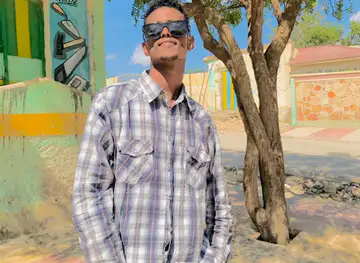
Naasa Hablood Park
Explore the natural beauty of Naasa Hablood Park in Hargeisa, a serene escape with stunning landscapes and breathtaking views.
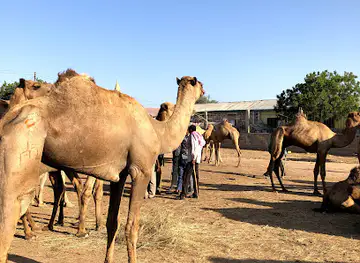
Livestock Market
Experience the vibrant atmosphere of Hargeisa's Livestock Market, where culture and tradition come alive through lively trade and community spirit.
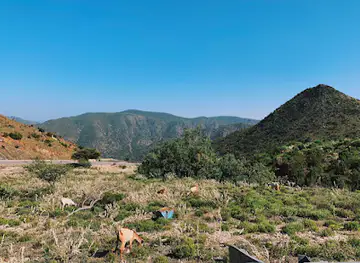
Batalaale beach
Explore the captivating Batalaale Beach in Berbera, Somalia, where stunning views and rich culture meet the azure waters of the Gulf of Aden.

Best landmarks in Togdheer
Top-rated picks
Best Landmarks

The Tomb of the Unknown Soldier
Discover the profound history of the Tomb of the Unknown Soldier in Mogadishu, a moving tribute to the sacrifices made for peace and freedom.

Laas Geel
Discover the ancient rock art of Laas Geel, a breathtaking archaeological site in Somaliland showcasing the region's rich cultural heritage.

Hargeisa War Memorial Park
Explore Hargeisa War Memorial Park: a serene tribute to Somali resilience, history, and community in the heart of Hargeisa.

Saryan Museum
Explore the heart of Somali culture at Saryan Museum, where history, art, and heritage come together in Hargeisa.

Best restaurants in Togdheer
Top-rated picks
Best Restaurants

Sultan Hotel and Restaurant
Discover authentic Somali flavors at Sultan Hotel and Restaurant in Hargeisa – where tradition meets taste.

Summertime Restaurant
Discover authentic Somali cuisine at Summertime Restaurant in Hargeisa - where every dish tells a story.

MASALE VIEW RESTAURANT
Discover authentic Somali flavors at Masale View Restaurant in Hargeisa - where every meal tells a story.

Fish and Steak House
Experience exquisite seafood and succulent steaks at Hargeisa's premier dining destination - Fish and Steak House.

Best bars in Togdheer
Top-rated picks
Best Bars

Cawaale Suqaar
Discover the authentic flavors of Somali cuisine at Cawaale Suqaar, a beloved restaurant in Burco, where tradition meets taste.

Daalo Hotel Burao
Discover the flavors of Somalia at Daalo Hotel Burao, where authentic cuisine meets warm hospitality in Burco.

Nasteexo Restaurant
Experience authentic Somali cuisine at Nasteexo Restaurant, where every dish tells a story of rich flavors and warm hospitality.

Kaafi Restaurant And Play Ground
Experience the essence of Somali cuisine at Kaafi Restaurant And Play Ground, where flavors meet family fun in Burco.

Best nightclubs in Togdheer
Top-rated picks
Best Nightclubs

Golis Resturent
Discover the authentic flavors of Somalia at Golis Restaurant in Burco, offering a delightful menu of traditional dishes in a welcoming atmosphere.

Banadir Beach Club
Discover the lively nightlife of Mogadishu at Banadir Beach Club, where stunning ocean views and vibrant music create unforgettable experiences.

Hargeisa Club
Discover the charm of Hargeisa at Hargeisa Club, a comfortable hotel blending modern amenities with local culture.

Eng wahip jamaal
Experience the vibrant nightlife of Hargeisa at Eng Wahip Jamaal, where music and culture collide for an unforgettable evening.

Best shops in Togdheer
Top-rated picks
Best Shops

Kolayga Maydhane
Discover the authentic flavors of Somalia at Kolayga Maydhane, your go-to grocery store in Burco for local ingredients and unique snacks.

Dalmar Mini Market
Discover authentic Somali flavors and local culture at Dalmar Mini Market in Burco, a unique grocery shopping experience for every traveler.

Gaashaamo shop
Discover the essence of Burco at Gaashaamo Shop, a charming home goods store featuring unique local crafts and essentials. Perfect for souvenirs and more!

Jamta Shop
Discover the heart of Somali craftsmanship at Jamta Shop, Burco's charming gift shop filled with unique hand-made treasures.

Explore Togdheer on the Map
A handpicked selection of must-see spots in Togdheer, mapped for you.
Togdheer Essentials
-
Togdheer is located in central Somaliland, a self-declared independent region of Somalia. The nearest airport is Berbera Airport, around 240 kilometers away. From Berbera, you can travel by road to Burao, the capital city of Togdheer. The journey takes approximately 4 to 5 hours by road. Alternatively, you can fly into Hargeisa Airport, which is around 180 kilometers from Burao, and then take a taxi or bus to Togdheer.
-
Within Togdheer, transportation options include taxis, minibuses (known locally as 'bajaj'), and rental cars. Public transportation is limited, so hiring a taxi or a private car is recommended for getting around. The roads are generally in good condition, but it is advisable to have a local guide or driver who is familiar with the area.
-
The official currency in Somaliland is the Somaliland Shilling (SLSH). US dollars are widely accepted, especially in larger towns and cities. Credit cards are not commonly used, so it is advisable to carry cash. ATMs are available in major towns, but it is wise to bring sufficient cash for your needs, especially if you plan to visit rural areas.
-
Togdheer is generally safe for tourists, but it is important to stay vigilant. Avoid walking alone at night and keep your belongings secure. Petty crimes such as pickpocketing can occur in crowded areas. Some neighborhoods in Burao may have higher crime rates, so it is best to stay in well-known and populated areas. Always consult local advice and travel with a guide if possible.
-
In case of an emergency, dial 888 for police assistance. Medical facilities in Togdheer are limited, so it is advisable to have comprehensive travel insurance that covers medical emergencies. For minor health concerns, there are local pharmacies where over-the-counter medications can be purchased. In case of severe medical emergencies, evacuation to a facility in Hargeisa or abroad may be necessary.
-
Fashion: Do dress modestly. Men should avoid shorts, and women should cover their arms and legs. Religion: Do respect local religious practices and dress codes when visiting mosques. Remove shoes and cover your head if required. Public Transport: Do be respectful towards other passengers and avoid loud conversations. Don't eat or drink on public transport. Greetings: Do greet people with a handshake or a slight bow of the head. Use the right hand for handshakes and giving items. Eating & Drinking: Do try local dishes and accept food offerings graciously. Don't refuse hospitality as it is considered impolite.
-
To experience Togdheer like a local, visit the local markets where you can buy fresh produce and traditional Somali goods. Engage with locals, who are often friendly and willing to share stories about their culture and history. Don't miss visiting the Laas Geel cave paintings, one of the most significant archaeological sites in the region. For a unique experience, try traditional Somali tea (shaah) at a local tea house.
When is the best time to visit Togdheer?
Useful Local Phrases for Togdheer
You don't need to speak the language perfectly. Even learning a few simple words can make conversations warmer—and locals usually appreciate the effort.
— Eve

Here are the phrases I use most often in Togdheer. Try a few—you'll be surprised how far they go! 😊
❤️
-
- HelloSalaam
[sah-lahm] - GoodbyeNabad gelyo
[nah-bahd gehl-yoh] - YesHaa
[hah] - NoMaya
[mah-yah] - Please/You're welcomeFadlan
[fad-lahn] - Thank youMahadsanid
[mah-hahd-sah-nid] - Excuse me/SorryIga raali noqo
[ee-gah rah-lee noh-koh] - How are you?Sidee tahay?
[see-dee tah-hah] - Fine. And you?Wanaagsan. Adiguna?
[wah-nahg-sahn. ah-dee-guh-nah] - Do you speak English?Ma ku hadashaa Ingiriis?
[mah koo hah-dah-shah in-gee-rees] - I don't understandMa fahmin
[mah fah-meen]
- HelloSalaam
-
- I'd like to see the menu, pleaseFadlan ii soo bandhig menu-ga
[fad-lahn ee soh ban-dhig meh-noo-gah] - I don't eat meatMa cuno hilib
[mah koo-no hi-lib] - Cheers!Nabad iyo caafimaad!
[nah-bahd ee-yoh tsah-ee-mahd] - I would like to pay, pleaseFadlan waxaan rabaa inaan bixiyo
[fad-lahn wah-chan rah-bah ee-nan bih-kee-yoh]
- I'd like to see the menu, pleaseFadlan ii soo bandhig menu-ga
-
- Help!Caawimaad!
[cah-wee-mahd] - Go away!Iska bax!
[is-kah bax] - Call the Police!Wac booliska!
[wahk boh-lees-kah] - Call a doctor!Wac dhakhtar!
[wahk dahk-tahr] - I'm lostWaan lumay
[wah-n loo-may] - I'm illWaan xanuunsanahay
[wah-n khah-noon-sah-nah-hay]
- Help!Caawimaad!
-
- I'd like to buy...Waxaan rabaa inaan iibsado...
[wah-chan rah-bah ee-nan eeb-sah-doh] - I'm just lookingWaxaan kaliya eegayaa
[wah-chan kah-lee-yah eh-gah-yah] - How much is it?Immisa ayey tahay?
[im-mee-sah ah-yay tah-hah] - That's too expensiveTaasi waa qaali
[tah-see wah qah-lee] - Can you lower the price?Ma hoos u dhigi kartaa qiimaha?
[mah hohs oo dee-gee kar-tah qi-mah-hah]
- I'd like to buy...Waxaan rabaa inaan iibsado...
-
- What time is it?Waa imisa saac?
[wah ee-mee-sah sah-ack] - It's one o'clockWaa saacadda kow
[wah sah-ack-ah kow] - Half past (10)Bar ah (10)
[bar ah (10)] - MorningSubax
[soo-bahx] - AfternoonDuhur
[doo-hoor] - EveningHabeen
[hah-been] - YesterdayShalay
[sha-lay] - TodayMaanta
[mahn-tah] - TomorrowBerri
[beh-ree] - 1Kow
[kow] - 2Laba
[lah-bah] - 3Saddex
[sah-ddehx] - 4Afar
[ah-fahr] - 5Shan
[shan] - 6Lix
[lix] - 7Todoba
[toh-doh-bah] - 8Sideed
[see-deed] - 9Sagaal
[sah-gahl] - 10Toban
[toh-bahn]
- What time is it?Waa imisa saac?
-
- Where's a/the...?Xaggee ku yaalaa...?
[khah-gay koo yah-lah] - What's the address?Waa maxay cinwaanka?
[wah mah-hay chin-wahn-kah] - Can you show me (on the map)?Ma ii muujin kartaa (khariidadda)?
[mah ee moo-jin kar-tah (khah-ree-dah-da)] - When's the next (bus)?Goormee waa (baska) xiga?
[goor-mee wah (bask-ah) khig-ah] - A ticket (to ....)Tigid (u ....)
[tee-gid (oo ....)]
- Where's a/the...?Xaggee ku yaalaa...?
History of Togdheer
-
Togdheer, historically known as a vital region in the Horn of Africa, has been a significant hub for ancient trade routes. These routes connected the interior of Somalia to the coastal ports along the Gulf of Aden. Merchants traded goods such as frankincense, myrrh, and spices, contributing to the region's economic prosperity and cultural exchanges.
-
In the early 20th century, Togdheer was a pivotal region during the Dervish Movement led by Sayid Mohamed Abdullah Hassan, also known as the 'Mad Mullah.' His resistance against British colonial forces left a lasting imprint on the local history. The Dervish fighters used the region's strategic location for staging guerilla warfare, significantly affecting the sociopolitical dynamics of the time.
-
During the late 19th and early 20th centuries, Togdheer was part of British Somaliland. The colonial administration established various infrastructural developments, including schools and administrative buildings. Burco, the capital of Togdheer, became an administrative center, reflecting the colonial influence that left an enduring legacy on the region’s architecture and governance.
-
Togdheer, like much of Somalia, was deeply affected by the Somali Civil War that began in the late 20th century. The conflict led to significant displacement and disruption of daily life. Despite the challenges, the people of Togdheer have shown resilience and an enduring spirit, working tirelessly to rebuild their communities and preserve their cultural heritage.
-
Togdheer is rich in cultural heritage, with numerous festivals and traditional practices. The annual Burco Festival is a vibrant celebration of Somali culture, featuring traditional music, dance, poetry, and crafts. The region is also known for its pastoral lifestyle, with camel herding playing a crucial role in the local economy and cultural identity.
-
In recent years, Togdheer has seen significant strides in development, particularly in education and infrastructure. Burco is home to several educational institutions, including universities and vocational schools, reflecting the region's commitment to progress and modernization. These advancements are fostering a new generation of educated and skilled individuals contributing to Togdheer’s growth.
Neighbouring Regions of Togdheer
The closest regions to Togdheer, if you have time for more than one.

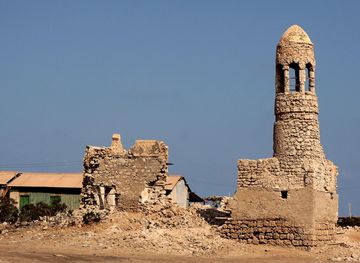


Your all‑in‑one travel companion app
Explore expert travel guides, compare and book tours, experiences, hotels, and more—all from the palm of your hand. Download now for seamless trip planning wherever your wanderlust takes you.


Explore More of Somalia

Looking beyond Togdheer? Discover Somalia for broader travel guides, local hot-spots, and regional highlights.
Explore SomaliaTogdheer in Photos
Browse through our photo collection highlighting the charm and character of the destination.




Togdheer: The Heartbeat of Somalia's Culture and Nature
Togdheer, located in the northeastern region of Somalia, is a captivating destination that blends rich cultural heritage with stunning natural beauty. This region is known for its warm and welcoming people, who are proud of their traditions and history. The capital city, Burao, serves as a vibrant hub for commerce and culture, offering travelers a glimpse into the daily life of the Somali people. Visitors to Togdheer can immerse themselves in the local culture by exploring traditional markets, where colorful fabrics, handmade crafts, and aromatic spices are abundant. The region is also home to several historic sites, including ancient rock art and ruins that tell the story of Somalia's past. For those interested in nature, Togdheer offers picturesque landscapes ranging from arid deserts to lush valleys, making it a perfect destination for outdoor enthusiasts. One of the highlights of visiting Togdheer is experiencing the local festivals and events. These celebrations are a testament to the region's strong cultural identity, featuring traditional music, dance, and cuisine. Whether you're walking through the bustling streets of Burao or venturing into the serene countryside, Togdheer promises an unforgettable journey filled with discovery and adventure.