

Bakool, Somalia Travel Guide
Discover the unspoiled landscapes and rich cultural heritage of Bakool, Somalia, where tradition meets natural beauty.
Bakool, located in the southwestern part of Somalia, offers a unique travel experience unlike any other. This remote region is known for its rugged landscapes, rich cultural heritage, and warm, welcoming locals. Visitors to Bakool will find a land largely untouched by modern tourism, providing an authentic look into Somali life and traditions. The natural beauty of Bakool is striking, with its vast savannas, rolling hills, and occasional water bodies. Wildlife enthusiasts will be thrilled by the variety of species that call this region home, including camels, antelopes, and numerous bird species. The region's climate is generally hot and arid, making it an ideal destination for those who enjoy warm weather and outdoor adventures. Cultural exploration is a key highlight of any visit to Bakool. The local communities are deeply rooted in Somali traditions, and visitors can witness traditional dances, music, and artisanal crafts. The local markets are a must-visit, offering a range of handmade goods, from woven textiles to intricate jewelry. Engaging with the locals offers a unique opportunity to learn about their customs, language, and way of life.

Know before you go
Hi, I'm Eve. Here are a few practical things to know before exploring Bakool.
- Always travel with a local guide to ensure safety and to gain deeper insights into the region.
- Pack light, breathable clothing suitable for hot weather, and ensure you have plenty of sun protection.
- Carry sufficient bottled water and snacks, as amenities can be sparse in remote areas.
- Learn a few basic phrases in Somali to enhance your interactions with locals and show respect for their culture.
- Check travel advisories and ensure all necessary vaccinations and health precautions are taken before your trip.

Best restaurants in Bakool
Top-rated picks
Best Restaurants

Carshi
Discover authentic Somali flavors at Carshi in Mogadishu – where every meal tells a story.

Salsabiil Restaurant
Discover authentic Somali cuisine in Mogadishu at Salsabiil Restaurant, where every dish tells a story of tradition and flavor.
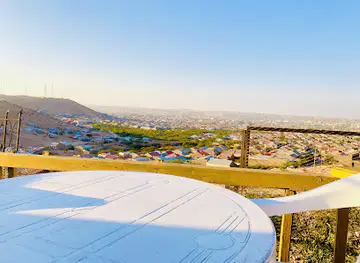
MASALE VIEW RESTAURANT
Discover authentic Somali cuisine at Masale View Restaurant in Hargeisa - where tradition meets flavor in a welcoming atmosphere.

Zaytuun Restaurant
Discover authentic Somali flavors at Zaytuun Restaurant in Mogadishu - where every dish tells a story.

Best bars in Bakool
Top-rated picks
Best Bars

Malin Cafe
Discover the authentic tastes of Somalia at Malin Cafe, a culinary gem located in the heart of Mogadishu offering a welcoming atmosphere and delicious cuisine.

Suubis Restaurant
Discover the authentic flavors of Somali cuisine at Suubis Restaurant in Baidoa, a culinary sanctuary for food lovers and travelers.

Beerta Baydhabo
Discover the lively atmosphere of Beerta Baydhabo, a top bar in Baidoa, perfect for drinks and local entertainment.

Baar Bulsho
Discover the vibrant nightlife at Baar Bulsho, a lively bar in Mogadishu offering a taste of local culture and a welcoming atmosphere.


Best shops in Bakool
Top-rated picks
Best Shops

Caluug shop
Experience the vibrant culture of Yeed at Caluug Shop, your go-to destination for unique local products and delightful shopping.

Barxadda Shop - Ex-Dugsi Sare
Explore the vibrant Barxadda Shop in Xuddur for unique local crafts and an authentic shopping experience in Somalia.

Abdullahi Gobe
Experience the authentic flavors of Xuddur at Abdullahi Gobe Grocery Store - a vibrant hub of local produce and culture.

Buliyey Store
Discover quality building materials at Buliyey Store, the trusted hub for construction in Xuddur, Somalia. Experience local craftsmanship and exceptional service.

Explore Bakool on the Map
A handpicked selection of must-see spots in Bakool, mapped for you.
Bakool Essentials
-
Bakool is located in southwestern Somalia. The nearest international airport is Aden Adde International Airport in Mogadishu. From Mogadishu, you can take a domestic flight to Baidoa Airport, which is the closest airport to Bakool. Alternatively, you can travel by road from Mogadishu to Bakool, which is approximately 240 kilometers and takes around 6-7 hours. It is advisable to hire a local guide or join a convoy for safety reasons when traveling by road.
-
Transportation within Bakool is predominantly by road. Local minibuses (matatus) and shared taxis are the most common forms of public transport. For more convenience, you can hire a private car with a driver. Note that road conditions can be poor, particularly during the rainy season. It is recommended to use a 4x4 vehicle for travel within the region.
-
The official currency in Somalia is the Somali Shilling (SOS). However, the US Dollar is widely accepted in major towns and cities. Credit cards are rarely accepted, so it is advisable to carry sufficient cash. ATMs are scarce, so plan to bring enough cash for your entire trip. Ensure you have small denominations, as change can be hard to come by.
-
While Bakool has areas of relative peace, it is important to stay informed about the current security situation, as it can be volatile. Avoid traveling alone, especially at night. Be cautious in remote areas and always have a local guide with you. Certain areas may have higher crime rates, so consult locals or your hotel about places to avoid. Keep your belongings secure and be discreet with valuables.
-
In case of an emergency, contact local authorities immediately. The general emergency number is 888. For medical emergencies, there are limited facilities, so having comprehensive travel insurance that includes medical evacuation is crucial. Familiarize yourself with the location of the nearest medical facilities. It is also advisable to carry a basic first aid kit with you.
-
Fashion: Do dress conservatively. Men should wear long pants, and women should wear long skirts or pants and cover their shoulders. Avoid wearing revealing clothing. Religion: Do respect Islamic customs. Attend prayers and dress modestly when visiting mosques. Public Transport: Do be polite and respectful to drivers and fellow passengers. Don’t overcrowd the vehicles. Greetings: Do greet people with a handshake. Use the phrase 'Salaam Alaikum' as a greeting. Eating & Drinking: Do accept food and drink offerings graciously. Don’t eat or drink in public during Ramadan.
-
To experience Bakool like a local, visit local markets where you can buy fresh produce and traditional Somali goods. Engage with locals, as they are often hospitable and willing to share stories about their culture and history. Try local dishes such as 'canjeero' (a type of flatbread) and 'suuqaar' (a meat dish). Respect local customs and always ask for permission before taking photos of people.
When is the best time to visit Bakool?
Useful Local Phrases for Bakool
You don't need to speak the language perfectly. Even learning a few simple words can make conversations warmer—and locals usually appreciate the effort.
— Eve

Here are the phrases I use most often in Bakool. Try a few—you'll be surprised how far they go! 😊
❤️
-
- HelloSalaan
[sah-lahn] - GoodbyeNabad gelyo
[nah-bahd gheh-lyoh] - YesHaa
[hah] - NoMaya
[mah-yah] - Please/You're welcomeFadlan
[fad-lahn] - Thank youMahadsanid
[mah-hahd-sah-nid] - Excuse me/SorryRaali ahow
[rah-lee ah-ho] - How are you?Sidee tahay?
[see-deh tah-hay] - Fine. And you?Wanaagsan. Adiguna?
[wah-nahg-sahn. ah-di-guna] - Do you speak English?Ma ku hadashaa Ingiriis?
[mah koo hah-dah-shah in-gi-rees] - I don't understandMa fahmin
[mah fah-min]
- HelloSalaan
-
- I'd like to see the menu, pleaseFadlan ii soo bandhig menu-ka
[fad-lahn ee soh ban-dhig men-oo-kah] - I don't eat meatMa cunno hilib
[mah coon-no hi-lib] - Cheers!Nabad iyo caafimaad!
[nah-bahd ee-yoh caa-fi-maad] - I would like to pay, pleaseFadlan waxaan rabaa inaan bixiyo
[fad-lahn wee-han rah-bah ee-nan bih-ee-yoh]
- I'd like to see the menu, pleaseFadlan ii soo bandhig menu-ka
-
- Help!Caawimaad!
[cah-wee-mahd] - Go away!Ka bax!
[kah bahx] - Call the Police!Wac booliska!
[wahk boh-lis-kah] - Call a doctor!Wac dhakhtar!
[wahk dhahk-tar] - I'm lostWaan lumay
[wah-an loo-may] - I'm illWaan xanuunsanahay
[wah-an kha-noon-sah-nah-hay]
- Help!Caawimaad!
-
- I'd like to buy...Waxaan rabaa inaan iibsado...
[wah-haan rah-bah ee-nan eeb-sah-doh] - I'm just lookingKaliya ayaan fiirinayaa
[kah-li-yah ah-yahn fee-ri-nah-yah] - How much is it?Immisa ayey ku kacaysaa?
[im-mi-sah ah-yay koo kah-kah-y-sah] - That's too expensiveTaas waa qaali
[tahs wah qah-lee] - Can you lower the price?Ma hoos u dhigi kartaa qiimaha?
[mah hohs oo dhi-gee kahr-tah qi-mah-ha]
- I'd like to buy...Waxaan rabaa inaan iibsado...
-
- What time is it?Waa imisa saac?
[wah ee-mi-sah sah-ahc] - It's one o'clockWaa hal saac
[wah hal sah-ahc] - Half past (10)Baro (10)
[bah-roh (10)] - MorningSubax
[soo-bahx] - AfternoonDuhur
[doo-hoor] - EveningFiid
[fee-id] - YesterdayShalay
[sha-lay] - TodayMaanta
[maan-tah] - TomorrowBerri
[behr-ree] - 1Kow
[koh] - 2Laba
[lah-bah] - 3Saddex
[sahd-dex] - 4Afar
[ah-far] - 5Shan
[shan] - 6Lix
[lix] - 7Todoba
[toh-doh-bah] - 8Siddeed
[sid-deed] - 9Sagaal
[sah-gahl] - 10Toban
[toh-bahn]
- What time is it?Waa imisa saac?
-
- Where's a/the...?Xagee ku yaalaa...?
[khah-geh koo yah-lah] - What's the address?Waa maxay cinwaanka?
[wah mah-khay chin-wah-nkah] - Can you show me (on the map)?Ma ii tusaysaa (khariidada)?
[mah ee too-sah-y-sah (khah-ri-dah-dah)] - When's the next (bus)?Goorma ayaa (baska) xiga?
[goor-mah ah-yah (bask-ah) khay-gah] - A ticket (to ....)Tigid (u ...)
[tee-gid (oo ...)]
- Where's a/the...?Xagee ku yaalaa...?
History of Bakool
-
Bakool, a region in southwestern Somalia, has a rich history that dates back to ancient times. Initially inhabited by various Somali clans, the area was known for its strategic location along trade routes connecting the interior of Africa to the Indian Ocean. The region's early settlers were predominantly pastoralists, who migrated seasonally with their livestock.
-
By the 13th century, Bakool had come under the influence of Islamic sultanates, most notably the Ajuran Sultanate. This period saw the spread of Islam and the establishment of Islamic schools and mosques in the region. The Ajuran Sultanate played a crucial role in fostering trade and cultural exchange, leading to the prosperity of Bakool.
-
In the late 19th and early 20th centuries, Bakool, like much of Somalia, found itself entangled in the colonial ambitions of European powers. The region came under Italian control, part of Italian Somaliland. The colonial period was marked by resistance from local Somali leaders and communities, who fought to maintain their autonomy and cultural heritage.
-
Somalia gained independence in 1960, and Bakool became part of the newly formed Somali Republic. The post-independence era was initially marked by optimism and development, but the region, like the rest of the country, faced challenges due to political instability and conflicts. Despite these challenges, Bakool remained a vital part of Somalia's cultural and economic landscape.
-
The outbreak of the Somali Civil War in the early 1990s had a profound impact on Bakool. The region experienced significant turmoil, with various factions vying for control. This period led to widespread displacement and a humanitarian crisis, with many residents fleeing to neighboring regions or countries. Humanitarian organizations have since been active in providing aid and support to the affected populations.
-
Despite the challenges faced over the centuries, Bakool has retained a rich cultural heritage. Traditional Somali music, dance, and oral poetry are integral parts of the region's cultural identity. The people of Bakool continue to celebrate their history through various cultural festivals and events, showcasing their resilience and enduring spirit.
-
Today, Bakool is a region striving towards recovery and development. Efforts are being made to rebuild infrastructure, promote education, and enhance healthcare services. The region's strategic location and resource potential make it a key area for future growth and stability in Somalia. The people of Bakool remain hopeful and committed to preserving their heritage while embracing modernity.
Neighbouring Regions of Bakool
The closest regions to Bakool, if you have time for more than one.


Your all‑in‑one travel companion app
Explore expert travel guides, compare and book tours, experiences, hotels, and more—all from the palm of your hand. Download now for seamless trip planning wherever your wanderlust takes you.


Explore More of Somalia

Looking beyond Bakool? Discover Somalia for broader travel guides, local hot-spots, and regional highlights.
Explore SomaliaBakool in Photos
Browse through our photo collection highlighting the charm and character of the destination.


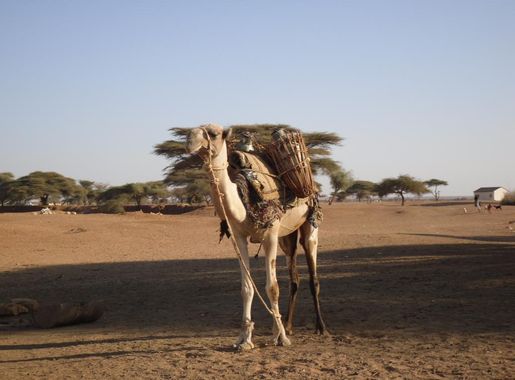
The Untouched Beauty of Bakool, Somalia
Bakool, located in the southwestern part of Somalia, offers a unique travel experience unlike any other. This remote region is known for its rugged landscapes, rich cultural heritage, and warm, welcoming locals. Visitors to Bakool will find a land largely untouched by modern tourism, providing an authentic look into Somali life and traditions. The natural beauty of Bakool is striking, with its vast savannas, rolling hills, and occasional water bodies. Wildlife enthusiasts will be thrilled by the variety of species that call this region home, including camels, antelopes, and numerous bird species. The region's climate is generally hot and arid, making it an ideal destination for those who enjoy warm weather and outdoor adventures. Cultural exploration is a key highlight of any visit to Bakool. The local communities are deeply rooted in Somali traditions, and visitors can witness traditional dances, music, and artisanal crafts. The local markets are a must-visit, offering a range of handmade goods, from woven textiles to intricate jewelry. Engaging with the locals offers a unique opportunity to learn about their customs, language, and way of life.