

Free Bay Travel Guide & Mobile App
Explore Bay with free travel guides. Discover regional history, expert tips, proposed trips, and audio guides on web or mobile app.


Explore Bay in Somalia through Baidoa, agricultural landscapes, Maay culture and the region’s complex modern history, subject to strict security planning.
Read more about Bay
When is the best time to visit Bay?
Best: December–February · 30–31°C| Month | High (°C) | Rainfall (mm) |
|---|---|---|
| January (best) | 30 | 10 |
| February (best) | 31 | 10 |
| March | 31 | 20 |
| April | 32 | 25 |
| May | 33 | 30 |
| June | 33 | 35 |
| July | 34 | 40 |
| August | 33 | 40 |
| September | 33 | 35 |
| October | 32 | 30 |
| November | 32 | 25 |
| December (best) | 31 | 20 |
Getting to and around Bay
How to get there
Transportation
Top city travel guides in Bay
The cities of Bay, and the easiest places to base yourself.

Swipe for more cities
Best attractions in Bay
Bay does not have a developed leisure-attraction circuit, and access to its rural districts is constrained by security, infrastructure and humanitarian conditions. The main point of interest is Baidoa itself, where authorised visitors can observe the region’s administrative role, commercial activity and links with surrounding farming communities. Markets provide insight into the trade in sorghum, maize, sesame, legumes and livestock, although photography and visits require local permission. Beyond the town, the attraction is the agricultural landscape: fields, seasonal watercourses, grazing areas and settlements that demonstrate how communities adapt to variable rainfall. Burhakaba, Diinsoor and Qansax Dheere are important regional centres, but they should be visited only for an authorised purpose with current security clearance, not as independent excursions. The region’s cultural interest also lies in Maay-speaking traditions, Islamic institutions, oral history and the social relationships connecting farmers, pastoralists and displaced communities. Outdoor recreation, wildlife tourism and archaeological sightseeing are not established visitor products in Bay, and claims of a conventional nature or heritage circuit would be misleading. Humanitarian, academic and specialist visitors should arrange any community, agricultural or cultural visits through trusted local organisations and ensure that their presence does not interfere with relief work or expose residents to risk.
-
Garden
Peace Garden Park
Explore the serenity of Peace Garden Park in Mogadishu, a lush oasis offering family-friendly activities and beautiful landscapes for relaxation.
-
 National park
Hargeisa National Park
Explore the breathtaking landscapes and rich biodiversity of Hargeisa National Park, a hidden gem for nature lovers in Somalia.
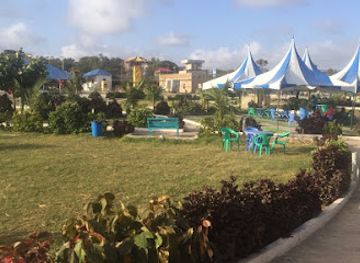
Best landmarks in Bay
Bay’s most recognisable landmarks are urban and civic rather than monumental. Baidoa’s mosque architecture, administrative buildings, commercial streets and public institutions express the city’s role as the regional capital and as a centre of South West State politics. Its surrounding cultivated land is itself a defining geographical landmark, contrasting with the drier scrub and pastoral areas beyond the main farming zones. Seasonal watercourses, wells and managed agricultural plots reveal the practical importance of water in a region where rainfall can be uncertain. In smaller centres such as Burhakaba, Diinsoor and Qansax Dheere, mosques, markets and government compounds form the principal reference points, although access depends on security and local permission. Bay does not possess a widely documented collection of grand castles, monumental ruins or purpose-built visitor sites, and it would be misleading to invent such a heritage landscape. The region’s significance is instead found in its living settlements, oral histories, agricultural systems and the visible infrastructure of a society shaped by conflict, displacement, relief work and efforts to rebuild governance. Photography of any landmark must be cleared locally, particularly where a building has administrative, religious or security importance.
-
Tourist attraction
Liido beach
Experience the stunning beauty and vibrant atmosphere of Liido Beach in Mogadishu, a perfect getaway for sun, sea, and local culture.
-
Historical landmark
The Tomb of the Unknown Soldier
Explore the poignant history and cultural significance of The Tomb of the Unknown Soldier in Mogadishu, a tribute to the bravery of the nation's heroes.
-
Tourist attraction
Laas Geel
Discover the ancient wonders of Laas Geel, a UNESCO World Heritage site featuring stunning rock art and rich cultural history in Somaliland.
-
National park
Lag Badana-Bushbush National Park
Explore the breathtaking landscapes and rich wildlife of Lag Badana-Bushbush National Park, a true natural wonder in Somalia's coastal beauty.


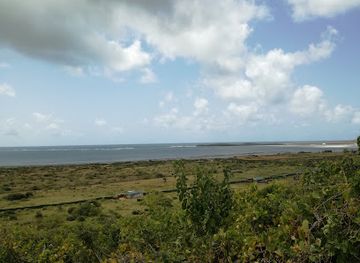
Explore Bay on the map
Plan your trip on one map. See where the top cities, national parks and sights are, and book hotels and experiences in a few clicks.
Best hotels in Bay
Best restaurants in Bay
Dining in Bay is shaped by Somali food traditions and by the limited hospitality infrastructure available to visitors. In Baidoa, meals commonly draw on sorghum, maize, rice, beans, meat, milk and tea, with flatbreads and pasta also reflecting wider Somali and Italian historical influences. Spiced meat, stews, rice dishes and simple grain-based foods are more characteristic of everyday eating than a formal restaurant culture. Sesame and other agricultural products are important to the regional economy, while livestock supports the availability of goat, camel and other meats. Cafés and tea stalls may provide social meeting places, but standards, menus, opening arrangements and hygiene conditions vary considerably. Visitors working with organisations normally eat in managed compounds or established guesthouses, where dietary, water and food-safety arrangements can be checked in advance. Alcohol is not appropriate, and payment is likely to be in cash. There is no dependable fine-dining or international restaurant scene comparable with major global cities.
-
Restaurant
Karmel Hotel And Restaurant
Experience authentic Somali cuisine at Karmel Hotel And Restaurant in Mogadishu – where flavor meets hospitality.
-
Restaurant
Afrik Hotel And Restaurant
Discover authentic Somali cuisine at Afrik Hotel & Restaurant in Mogadishu - where comfort meets cultural heritage.
-
Fish restaurant
Beach View restaurant
Discover fresh seafood delights at Beach View Restaurant in Mogadishu with stunning ocean views and authentic local flavors.
-
Restaurant
Carshi
Discover authentic Somali cuisine at Carshi in Mogadishu – a delightful dining experience filled with rich flavors and cultural warmth.


Best bars in Bay
Bay has no established tourist nightlife scene, and security conditions mean that visitors should not seek out bars, nightclubs or late-night entertainment. Evening social life in Baidoa is more likely to centre on tea, conversation, family gatherings, modest cafés and restaurants, with activities ending early under local security guidance. Alcohol is not appropriate within the region’s predominantly Muslim public culture. International staff and authorised visitors generally spend evenings inside secure accommodation or organisational compounds, where any social arrangements are private and controlled. Movement after dark should be avoided unless specifically approved by a professional security team. Smaller towns and rural districts offer even fewer public evening facilities, and electricity, communications and business hours may be unreliable. The appropriate way to experience Bay’s social character is through respectful daytime contact arranged by trusted local hosts, not through an imported nightlife itinerary.
-
Restaurant
Albadar Restaurant Baidoa
Discover the authentic taste of Somali cuisine at Albadar Restaurant in Baidoa, a culinary gem that promises unforgettable dining experiences.
-
Restaurant
Suubis Restaurant
Experience authentic Somali cuisine at Suubis Restaurant in Baidoa – a delightful blend of local flavors and warm hospitality.
-
Fast Food
Baidoa City Park
Discover the serene beauty of Baidoa City Park, a lush urban oasis perfect for relaxation and cultural immersion in the heart of Somalia.
-
Restaurant
Haldoor Restuarant, Coffee and Conference Hall
Discover the rich flavors of Somali cuisine at Haldoor Restaurant, a top dining destination in Baidoa, perfect for food enthusiasts and travelers.


Best nightclubs in Bay
Bay has no established tourist nightlife scene, and security conditions mean that visitors should not seek out bars, nightclubs or late-night entertainment. Evening social life in Baidoa is more likely to centre on tea, conversation, family gatherings, modest cafés and restaurants, with activities ending early under local security guidance. Alcohol is not appropriate within the region’s predominantly Muslim public culture. International staff and authorised visitors generally spend evenings inside secure accommodation or organisational compounds, where any social arrangements are private and controlled. Movement after dark should be avoided unless specifically approved by a professional security team. Smaller towns and rural districts offer even fewer public evening facilities, and electricity, communications and business hours may be unreliable. The appropriate way to experience Bay’s social character is through respectful daytime contact arranged by trusted local hosts, not through an imported nightlife itinerary.
-
Night club
Banadir Beach Club
Discover the vibrant nightlife at Banadir Beach Club, a top destination in Mogadishu, blending entertainment and breathtaking coastal views.
-
Night club
Eng wahip jamaal
Discover the vibrant nightlife of Hargeisa at Eng Wahip Jamaal, where music, dance, and local culture come together for an unforgettable experience.
-
Bar
Relax place
Discover the serene charm of Relax Place, a welcoming bar in Mogadishu offering a perfect blend of local flavor and relaxed ambiance.
-
Bar
Bar foos
Discover the lively nightlife of Mogadishu at Bar Foos, where culture meets community in a vibrant bar setting.

Best shops in Bay
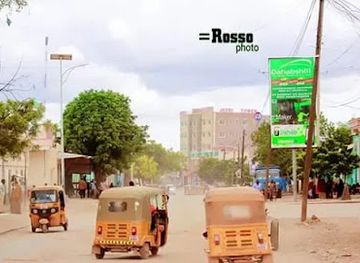
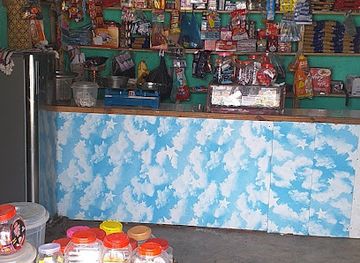
Shopping in Bay is centred on Baidoa’s markets and small commercial streets rather than formal retail districts. Local trade reflects the agricultural economy, with sorghum, maize, sesame, beans and livestock products moving through regional markets alongside imported food, clothing, household goods and mobile-phone supplies. Visitors may encounter woven household items, practical textiles and modest handicrafts, but there is no consistently developed souvenir industry or guarantee of tourist-oriented shops. Markets can be busy and crowded, and photography should only take place with permission. Cash in Somali shillings or, for some larger transactions, US dollars is generally more useful than cards. Buying agricultural products through established contacts is preferable to informal bargaining that could disrupt local trade. Because Bay faces recurrent food insecurity and displacement, visitors should avoid treating essential food supplies as curiosities and should not distribute money or goods casually. Any purchases should be made through trusted arrangements that respect local prices and communities.
-
Grocery store
Al Fatah General
Experience the vibrant flavors of Somalia at Al Fatah General, your go-to grocery store in Baidoa for fresh produce and local delicacies.
-
Electronics store
Abdiaziz Shop
Explore Abdiaziz Shop in Baidoa for an extensive range of electronics and unbeatable local expertise in technology.
-
Grocery store
Mustaf
Experience the heart of Baidoa's culinary scene at Mustaf grocery store, where fresh produce meets local culture.
-
Grocery store
AYAA SUPERMARKET
Discover local flavors and international goods at AYAA Supermarket in Baidoa, a must-visit for tourists seeking unique culinary experiences.


Get your free copy of our complete guide to Bay, delivered straight to you.
Everything on this page, from attractions and restaurants to essentials and local phrases, in one PDF you can read offline, print or share.
Already have an account? Sign in
Your Bay guide is ready.
We'll send it to · Not you? Sign out

Getting your guide ready…
We are putting together a fresh copy of the Bay guide. This can take up to a minute.
This can take a few moments. If your browser asks, choose Allow so the download can start. You'll find the guide in your Downloads folder.
Nothing happened? Download it again
Sorry, the guide is taking longer than usual. Please try again in a minute, or get it by email instead.
Bay essentials
Currency and Payment
Safety
Emergency Situations
Do's and Don'ts
Local Tips
From Eve
Local phrases worth knowing
You don't need to get them perfect. A few words go a long way, and locals appreciate the effort.
Basics
| English | Local | Say it |
|---|---|---|
| Hello | Salaam | [sah-lahm] |
| Goodbye | Nabad gelyo | [nah-bahd gehl-yoh] |
| Yes | Haa | [hah] |
| No | Maya | [mah-yah] |
| Please/You're welcome | Fadlan | [fah-dlan] |
| Thank you | Mahadsanid | [mah-hahd-sah-nid] |
| Excuse me/Sorry | Iga raali ahow | [ee-gah rah-lee ah-ho] |
| How are you? | Sidee tahay? | [see-deh tah-hay] |
| Fine. And you? | Wanaagsan. Adiguna? | [wah-nahg-sahn. ah-dee-gunah] |
| Do you speak English? | Ma ku hadashaa Ingiriis? | [mah koo hah-dah-shah in-gee-rees] |
| I don't understand | Ma fahmin | [mah fah-min] |
Eating & Drinking
| English | Local | Say it |
|---|---|---|
| I'd like to see the menu, please | Fadlan ii soo bandhig menu-ga | [fah-dlan ee soh ban-dhig meh-noo-gah] |
| I don't eat meat | Ma cuno hilib | [mah koo-no hee-lib] |
| Cheers! | Nasiib wacan! | [nah-see-b wah-kahn] |
| I would like to pay, please | Fadlan waan bixinayaa | [fah-dlan wahn bee-khin-ah-yah] |
Emergencies
| English | Local | Say it |
|---|---|---|
| Help! | Caawimaad! | [cah-wee-mahd] |
| Go away! | Ka tag! | [kah tahg] |
| Call the Police! | Wac booliska! | [wahk boo-lis-kah] |
| Call a doctor! | Wac dhakhtar! | [wahk dahk-tar] |
| I'm lost | Waan lumay | [wahn loo-may] |
| I'm ill | Waan xanuunsanahay | [wahn khah-noon-sah-nah-hay] |
Shopping
| English | Local | Say it |
|---|---|---|
| I'd like to buy... | Waxaan rabaa inaan iibsado... | [wah-hahn rah-bah ee-nahn eeb-sah-doh] |
| I'm just looking | Waxaan kaliya eegayaa | [wah-hahn kah-lee-yah eh-gah-yah] |
| How much is it? | Immisa ayey ku kacaysaa? | [im-mee-sah ah-yeh koo kah-kay-sah] |
| That's too expensive | Taasi waa qaali | [tah-see wah kah-lee] |
| Can you lower the price? | Ma hoos u dhigaysaa qiimaha? | [mah hohs oo dee-gah-yah kee-mah] |
Time & Numbers
| English | Local | Say it |
|---|---|---|
| What time is it? | Waa mee waqtiga? | [wah mee wah-tee-gah] |
| It's one o'clock | Waa hal saac | [wah hal sah-k] |
| Half past (10) | Bar ka dib (10) | [bar kah dib] |
| Morning | Subax | [soo-bahk] |
| Afternoon | Duhurnimo | [doo-hoor-nee-moh] |
| Evening | Fiid | [fee-id] |
| Yesterday | Shalay | [sha-lah-y] |
| Today | Maanta | [mah-ahn-tah] |
| Tomorrow | Berri | [beh-rree] |
| 1 | Kali | [kah-lee] |
| 2 | Laba | [lah-bah] |
| 3 | Saddex | [sahd-dex] |
| 4 | Afar | [ah-fahr] |
| 5 | Shan | [shan] |
| 6 | Lix | [lix] |
| 7 | Todoba | [toh-doh-bah] |
| 8 | Siddeed | [si-deed] |
| 9 | Sagaal | [sah-gahl] |
| 10 | Toban | [toh-bahn] |
Transport & Directions
| English | Local | Say it |
|---|---|---|
| Where's a/the...? | Halkee ku yaal...? | [hal-kay koo yaal] |
| What's the address? | Waa maxay cinwaanka? | [wah mah-khay chin-wah-nkah] |
| Can you show me (on the map)? | Ma iga tusaysaa (khariidada)? | [mah ee-gah too-sah-y-sah] |
| When's the next (bus)? | Goormee waa bus-ka xiga? | [goor-mee wah bus-kah hee-gah] |
| A ticket (to ....) | Tigidho (u ....) | [tee-gee-dho] |
History of Bay
Early farming and pastoral societies
Bay has long supported communities combining cultivation with livestock keeping. The region’s soils, seasonal rainfall and access to groundwater encouraged the production of sorghum and other drought-tolerant crops, while pastoral movement linked farms with wider grazing areas. Much of the early history is preserved through oral traditions, customary institutions and settlement patterns rather than a large collection of monumental ruins. These rural systems remain important to understanding Bay’s economy and the significance of land, water and seasonal mobility today.
Inland trade and the spread of Islam
Before modern borders, Bay formed part of inland networks connecting agricultural communities and pastoral routes with the wider Somali hinterland and Indian Ocean trading world. Islamic influence spread gradually through commerce, scholarship and regional relationships, becoming deeply embedded in social and political life. Bay was not a single centralised kingdom throughout this period; authority was exercised through local communities, lineage structures, religious leaders and changing regional alliances. Mosques and Islamic learning remain important elements of the region’s cultural landscape.
Digil-Mirifle political and cultural traditions
The Digil and Mirifle communities, often associated with the broader Rahanweyn grouping, have played a central role in Bay’s history. Their social traditions developed around farming, pastoralism, customary law, settlement networks and distinctive speech forms, especially Maay. Political authority was negotiated through local elders, community institutions and relationships between agricultural and pastoral groups. These traditions helped shape the region’s identity before colonial rule and continue to influence public life, although contemporary Bay is also marked by migration, urbanisation, displacement and national politics.
Italian colonial administration
Bay was incorporated into the southern territory administered by Italy during the colonial period that preceded Somali independence. Colonial rule introduced new administrative boundaries and attempted to reorganise taxation, labour and agricultural production, while its reach remained uneven beyond major settlements. Roads and administrative centres connected parts of the interior more closely to the colonial economy, but the period also involved coercion and unequal control. The boundaries and institutions created under colonial rule later influenced the organisation of the Somali Republic.
Independence, state-building and rural development
Somalia became independent in 1960, and Bay subsequently experienced the challenges shared by much of the new republic: building state institutions, extending services and balancing regional interests with a central government. Agriculture remained fundamental, while drought, limited infrastructure and fluctuations in national policy constrained development. Baidoa grew as an administrative and commercial centre. The later military government’s centralisation and the decline of state authority in the 1980s intensified political tensions that would become catastrophic after the national government collapsed in 1991.
Civil war, famine and displacement
The collapse of the Somali state transformed Bay into one of the most severely affected regions during the civil war. Fighting, the disruption of farming and trade, drought and restrictions on movement contributed to famine in the early 1990s, and Bay has remained vulnerable to repeated humanitarian crises. Baidoa became an important centre for relief operations as well as a place of displacement. The experience left a lasting mark on local communities and explains why development, food security and humanitarian access remain central to the region’s modern history.
Baidoa and the South West State era
Baidoa has played a prominent role in political efforts to rebuild governance in south-western Somalia. The formation of the South West State administration in the 2010s made the city a major regional political and institutional centre, although authority and security have remained contested. Government offices, humanitarian organisations and local administrations now operate alongside customary structures and communities affected by displacement. This period has strengthened Baidoa’s importance beyond Bay itself, while also reflecting the continuing difficulties of stabilisation and state-building in Somalia.
Bay in Photos
Browse through our photo collection highlighting the charm and character of the destination.
Neighbouring regions of Bay
The closest regions to Bay, if you have time for more than one.
-

-

-

-

-


Swipe for more regions
Explore more

Explore more of Somalia
Explore Somalia: Discover its untouched beaches, ancient ruins, and rich cultural heritage in a land of resilient people and breathtaking landscapes.
Explore Somalia