

Free Gedo Travel Guide & Mobile App
Explore Gedo with free travel guides. Discover regional history, expert tips, proposed trips, and audio guides on web or mobile app.


Gedo, Somalia, follows the Juba River through semi-arid frontier country shaped by pastoral life, river farming and complex history.
Read more about Gedo
When is the best time to visit Gedo?
Best: December–February · 33–34°C| Month | High (°C) | Rainfall (mm) |
|---|---|---|
| January (best) | 33 | 2 |
| February (best) | 34 | 4 |
| March | 35 | 10 |
| April | 37 | 30 |
| May | 37 | 35 |
| June | 36 | 25 |
| July | 35 | 15 |
| August | 35 | 15 |
| September | 35 | 25 |
| October | 36 | 35 |
| November | 35 | 15 |
| December (best) | 33 | 2 |
Getting to and around Gedo
How to get there
Transportation
Best attractions in Gedo
Gedo has very few formal visitor attractions and no developed tourism circuit. Its principal points of interest are geographical and cultural: the Juba River corridor around settlements such as Luuq and Bardera, the semi-arid grazing landscapes inland, and the border environment around Doolow and Beled Hawo. These places illustrate the contrast between riverine cultivation, pastoral mobility and cross-border trade, but access is constrained by insecurity, weak roads and limited accommodation. Garbahaarey is primarily an administrative centre rather than a sightseeing destination. Cultural experiences, where legitimately arranged, may involve learning about Somali pastoral life, farming, oral poetry, Islamic education and local trading networks, but they require permission and should never be treated as informal tourism encounters. The region’s historical interest lies in the layered story of Juba-basin settlement, colonial boundaries, post-independence administration and the continuing humanitarian response. There are no reliable assumptions to make about public museums, maintained archaeological parks, recreational facilities or guided wildlife tourism in Gedo. Visitors travelling for essential professional purposes should regard the landscape and communities as the context of their work, not as an open-air attraction, and should prioritise consent, security and the avoidance of disruption.
-
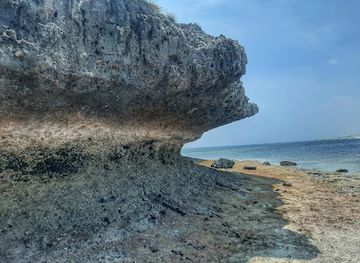
Beach entertainment shop
JAZEERA BEACH
Explore the beauty of Jazeera Beach, a stunning coastal retreat in Mogadishu, Somalia, renowned for its golden sands and vibrant local culture.
Best landmarks in Gedo
Gedo’s most meaningful landmarks are landscapes and settlement features rather than formally conserved monuments. The Juba River is the region’s defining natural landmark, creating a fertile corridor through otherwise dry country and supporting farming, transport and communities whose history is tied to the waterway. Luuq and Bardera are important river settlements whose locations express the historic relationship between trade, agriculture and the interior. Garbahaarey serves as the regional administrative centre and provides a reference point for understanding Gedo’s wide, sparsely serviced territory. Doolow and Beled Hawo are significant frontier settlements, shaped by movement and exchange across Somalia’s borders with Ethiopia and Kenya, although border areas are especially sensitive and should not be approached for sightseeing. Beyond these places, wells, seasonal river channels, cultivated plots and grazing routes carry more local significance than monumental architecture. Gedo has limited public interpretation, conservation infrastructure and independently accessible historic sites, so claims about ruins or archaeological landmarks should be verified locally rather than assumed from broad maps of the Juba basin.
-
Historical landmark
The Tomb of the Unknown Soldier
Explore the Tomb of the Unknown Soldier in Mogadishu, a poignant landmark honoring sacrifices and a key site for cultural reflection.

Explore Gedo on the map
Plan your trip on one map. See where the top cities, national parks and sights are, and book hotels and experiences in a few clicks.
Best hotels in Gedo
Best restaurants in Gedo
Gedo’s food culture reflects Somali pastoral, riverine and trading communities rather than a developed restaurant scene. In settlements, meals may centre on rice, pasta, flatbreads, sorghum or maize, accompanied by meat, legumes, vegetables and spiced sauces; tea is an important everyday drink. Along the Juba, locally grown produce can include bananas, sesame, maize and other crops, subject to season, water availability and disruption. Camel, goat and cattle products are significant within pastoral economies, although availability and preparation vary between communities. Cafés and small eateries in larger settlements may serve simple Somali meals, but hygiene, refrigeration, water quality and supply continuity cannot be assumed. There is no dependable fine-dining circuit or internationally standardised hospitality sector. Authorised visitors should use accommodation and catering arranged by their organisation, carry appropriate dietary provisions where necessary and follow professional advice on safe water and food handling. Sharing food is an important social courtesy, but accept or decline politely according to health needs and local guidance.
-
Restaurant
Damal Restaurant
Discover authentic Somali cuisine at Damal Restaurant in Hargeisa – where tradition meets flavor in every dish.
-
Restaurant
Carshi
Discover authentic Somali cuisine at Carshi in Mogadishu - where tradition meets flavor in every dish.
-
Restaurant
MASALE VIEW RESTAURANT
Experience authentic Somali cuisine at Masale View Restaurant in Hargeisa – a must-visit for travelers seeking local flavors.
-
Restaurant
Salsabiil Restaurant
Discover authentic Somali cuisine at Salsabiil Restaurant in Mogadishu – where tradition meets flavor in every dish.


Best bars in Gedo
Gedo does not have a conventional bar or nightclub culture for international visitors. Somalia is a predominantly Muslim country, and alcohol is socially inappropriate and subject to legal restrictions. Evening social life in settlements is more likely to centre on tea shops, family compounds, informal conversation, religious life, community meetings and occasional poetry or music in culturally appropriate settings. Public evening movement is heavily constrained by security conditions, and there is no dependable entertainment district in Garbahaarey, Luuq, Bardera, Doolow or Beled Hawo. Visitors on essential assignments should remain within approved accommodation or compounds after dark unless their security plan specifically permits movement. Do not seek out informal nightlife, photograph gatherings or arrange meetings without local approval. Any cultural event should be approached through a trusted host and with respect for religious observance, gender norms and community consent.
-
Bar
Bar & Lodging
Discover the heart of Leflef at Bar & Lodging, a vibrant bar experience blending local flavors and community spirit.
-
Restaurant
Saafi cafeteria
Experience authentic Somali cuisine at Saafi Cafeteria in Beled Hawo, where local flavors meet warm hospitality.
-
Restaurant
Hamdi Tea Shop
Experience the authentic flavors of Doolow at Hamdi Tea Shop, where every cup of tea tells a story of tradition and culture.
-
Bar
Gojacade
Experience the vibrant nightlife at Gojacade, the premier bar in Badhan for locals and tourists alike, with refreshing drinks and a lively atmosphere.


Best nightclubs in Gedo
Gedo does not have a conventional bar or nightclub culture for international visitors. Somalia is a predominantly Muslim country, and alcohol is socially inappropriate and subject to legal restrictions. Evening social life in settlements is more likely to centre on tea shops, family compounds, informal conversation, religious life, community meetings and occasional poetry or music in culturally appropriate settings. Public evening movement is heavily constrained by security conditions, and there is no dependable entertainment district in Garbahaarey, Luuq, Bardera, Doolow or Beled Hawo. Visitors on essential assignments should remain within approved accommodation or compounds after dark unless their security plan specifically permits movement. Do not seek out informal nightlife, photograph gatherings or arrange meetings without local approval. Any cultural event should be approached through a trusted host and with respect for religious observance, gender norms and community consent.
-
Night club
Banadir Beach Club
Discover the lively nightlife at Banadir Beach Club, a must-visit night club in Mogadishu, where music, dancing, and stunning ocean views await.
-
Night club
Eng wahip jamaal
Experience the vibrant nightlife at Eng Wahip Jamaal, Hargeisa's premier night club, where music and culture collide for an unforgettable evening.
-
Bar
Relax place
Discover the soothing charm of Relax Place, a tranquil bar in Mogadishu perfect for unwinding and enjoying refreshing drinks.
-
Bar
Bar foos
Experience the vibrant nightlife at Bar Foos in Mogadishu, where local culture meets refreshing drinks in a welcoming atmosphere.

Best shops in Gedo
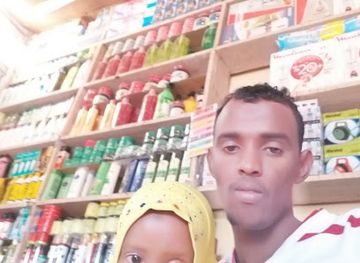
Shopping in Gedo is practical and locally oriented rather than designed for tourism. Markets in larger settlements supply food, tea, clothing, household goods, medicines where available and items connected with livestock and agriculture. Trading patterns are influenced by the Juba corridor and by cross-border links around Doolow and Beled Hawo, though access and supply can be disrupted by insecurity, weather and border controls. Visitors should not expect established craft quarters, modern shopping centres or a dependable selection of souvenirs. Possible locally made purchases may include woven items, simple leather goods, textiles or regional food products, but availability, provenance and transport restrictions should be checked through a trusted local contact. Do not photograph market activity or people without permission, and avoid displaying cash or bargaining aggressively in circumstances where it could cause discomfort or risk. For authorised visitors, buying from reputable local suppliers and paying fairly is more appropriate than seeking a staged souvenir experience.
-
 Shopping mall
Horseed Shopping centre
Explore the dynamic Horseed Shopping Centre in Garbahaarrey, where shopping, dining, and entertainment come together in a vibrant atmosphere.
-
Grocery store
Gallad Jarmal Electronics
Discover the local flavors and vibrant culture of Beled Hawo at Gallad Jarmal Electronics, your go-to grocery store for authentic experiences.
-
Shop supermarket furniture store
Habiibo Dibad Shoping Centre
Discover the vibrant shopping experience at Habiibo Dibad Shopping Centre, where local culture meets convenience in Garbahaarrey.
-
Store
Caluug shop
Explore the vibrant Caluug Shop in Yeed, a treasure trove of local crafts and essentials that captures the essence of the region.

Get your free copy of our complete guide to Gedo, delivered straight to you.
Everything on this page, from attractions and restaurants to essentials and local phrases, in one PDF you can read offline, print or share.
Already have an account? Sign in
Your Gedo guide is ready.
We'll send it to · Not you? Sign out

Getting your guide ready…
We are putting together a fresh copy of the Gedo guide. This can take up to a minute.
This can take a few moments. If your browser asks, choose Allow so the download can start. You'll find the guide in your Downloads folder.
Nothing happened? Download it again
Sorry, the guide is taking longer than usual. Please try again in a minute, or get it by email instead.
Gedo essentials
Currency and Payment
Safety
Emergency Situations
Do's and Don'ts
Local Tips
From Eve
Local phrases worth knowing
You don't need to get them perfect. A few words go a long way, and locals appreciate the effort.
Basics
| English | Local | Say it |
|---|---|---|
| Hello | Salaam | [sah-lahm] |
| Goodbye | Nabad gelyo | [nah-bahd geh-lee-yoh] |
| Yes | Haa | [hah] |
| No | Maya | [mah-yah] |
| Please/You're welcome | Fadlan | [fah-dlan] |
| Thank you | Mahadsanid | [mah-hahd-sah-nid] |
| Excuse me/Sorry | Iga raali ahow | [ee-gah rah-lee ah-ho] |
| How are you? | Sidee tahay? | [see-dee tah-hay] |
| Fine. And you? | Wanaagsan. Adiguna? | [wah-nahg-sahn. ah-dee-goo-nah] |
| Do you speak English? | Ma ku hadashaa Ingiriis? | [mah koo hah-dah-shah in-gee-rees] |
| I don't understand | Ma fahmin | [mah fah-min] |
Eating & Drinking
| English | Local | Say it |
|---|---|---|
| I'd like to see the menu, please | Fadlan ii soo bandhig menu-ga | [fah-dlan ee soo ban-dhig men-oo-gah] |
| I don't eat meat | Ma cuno hilib | [mah koo-no hi-lib] |
| Cheers! | Nabad iyo caafimaad | [nah-bahd ee-yoh kah-ee-mahd] |
| I would like to pay, please | Fadlan waxaan rabaa inaan bixiyo | [fah-dlan wah-chan rah-bah ee-nan bih-ee-yoh] |
Emergencies
| English | Local | Say it |
|---|---|---|
| Help! | Caawimaad! | [cah-wee-mahd] |
| Go away! | Ka tag! | [kah tahg] |
| Call the Police! | Wac booliska! | [wahk boh-lees-kah] |
| Call a doctor! | Wac dhakhtar! | [wahk dhahk-tar] |
| I'm lost | Waaan lumay | [wah-an loo-may] |
| I'm ill | Waan xanuunsanahay | [wah-an hah-noon-sah-nah-hay] |
Shopping
| English | Local | Say it |
|---|---|---|
| I'd like to buy... | Waxaan rabaa inaan iibsado... | [wah-chan rah-bah ee-nan eeb-sah-doh] |
| I'm just looking | Kaliya waxaan eegayaa | [kah-li-yah wah-chan eh-gah-yah] |
| How much is it? | Immisa ayay tahay? | [ih-mee-sah ah-yay tah-hay] |
| That's too expensive | Taasi waa qaali | [tah-see wah kah-lee] |
| Can you lower the price? | Ma dhimi kartaa qiimaha? | [mah dhee-mee kar-tah qee-mah-hah] |
Time & Numbers
| English | Local | Say it |
|---|---|---|
| What time is it? | Waa waqtigee? | [wah wahk-tee-gay] |
| It's one o'clock | Waa hal saac | [wah hal sahk] |
| Half past (10) | Bar ka dib (10) | [bar kah dib] |
| Morning | Subax | [soo-bahx] |
| Afternoon | Duhur | [doo-hoor] |
| Evening | Fiid | [feed] |
| Yesterday | Shalay | [sha-lay] |
| Today | Maanta | [ma-an-tah] |
| Tomorrow | Berri | [behr-ree] |
| 1 | Kow | [koh] |
| 2 | Laba | [lah-bah] |
| 3 | Saddex | [sah-dex] |
| 4 | Afar | [ah-far] |
| 5 | Shan | [shan] |
| 6 | Lix | [lix] |
| 7 | Toddoba | [toh-doh-bah] |
| 8 | Siddeed | [si-deed] |
| 9 | Sagaal | [sah-gahl] |
| 10 | Toban | [toh-bahn] |
Transport & Directions
| English | Local | Say it |
|---|---|---|
| Where's a/the...? | Xagee ku yaal...? | [khah-gay koo yaal] |
| What's the address? | Waa maxay cinwaanka? | [wah mah-khay chin-wahn-kah] |
| Can you show me (on the map)? | Ma ii muujin kartaa (khariidada)? | [mah ee moo-jin kar-tah] |
| When's the next (bus)? | Goorma ayaa baska xiga? | [goor-mah ah-yah bas-kah hee-gah] |
| A ticket (to ....) | Tiket (u socda....) | [tee-ket (oo so-jah)] |
History of Gedo
Early pastoral and riverine settlement
Gedo’s history has been shaped by the relationship between mobile pastoralism and the Juba River. Somali communities developed seasonal routes around grazing, wells and riverside cultivation, while riverine settlements depended on farming and local trade. The Juba corridor connected the interior with wider commercial networks, although much of its history survives through oral tradition, community knowledge and scattered archaeological evidence rather than a developed museum or monument network. This combination of mobility and settled agriculture remains important for understanding the region’s social and economic geography.
The Juba basin and colonial rule
During the late nineteenth and early twentieth centuries, European colonial competition brought the Juba basin into the administrative orbit of Italian Somaliland and neighbouring British and Ethiopian territories. Colonial rule introduced new boundaries and administrative practices that did not always correspond to pastoral movement or established local relationships. River settlements and routes acquired greater strategic importance, while the wider Jubaland area became connected to colonial schemes for controlling trade, land and transport. The frontier character of Gedo is partly a legacy of these imposed political divisions.
Independence and the Somali Republic
Somalia became independent in 1960 through the union of the former British Somaliland and Italian Somaliland administrations. Gedo subsequently formed part of the Somali Republic’s southern administrative landscape, with Garbahaarey serving as a regional centre and the Juba corridor supporting farming, livestock and commerce. State institutions remained unevenly present across such a large and sparsely serviced territory. Cross-border links with Kenya and Ethiopia continued to matter for families, pastoralists and traders, even as national administration sought to consolidate its authority.
The collapse of central authority after 1991
The fall of President Siad Barre’s government in 1991 transformed southern Somalia. Gedo experienced armed competition, population displacement, disrupted trade and the weakening of public services. Control of roads, river crossings and towns became politically and militarily significant, while humanitarian organisations increasingly provided assistance that had previously been associated with the state. The prolonged crisis also deepened the importance of local authorities, elders, religious figures and community networks in negotiating access and resolving disputes.
Jubaland’s emergence and regional politics
The political order of southern Somalia evolved through a mixture of local administrations, federal initiatives and armed movements. Jubaland, the federal member state that includes Gedo, Lower Juba and Middle Juba, emerged from this contested process and was formally recognised within Somalia’s federal framework in the 2010s. Gedo has remained politically sensitive because of its location, its border crossings and disagreements over the relationship between federal and state authorities. Administrative control can vary by district and over time.
Conflict, humanitarian pressure and contemporary Gedo
Gedo continues to face the effects of the armed conflict involving Al-Shabaab, Somali security forces, regional forces and international partners. Drought, flooding, food insecurity and displacement have added pressure to communities already dealing with limited healthcare, education and transport. Humanitarian and development work forms an important part of the region’s present-day story, but access is highly constrained and conditions can change rapidly. Contemporary Gedo should therefore be understood as a frontier region facing intertwined security, environmental and governance challenges, not as a conventional tourism market.
Gedo in Photos
Browse through our photo collection highlighting the charm and character of the destination.
Neighbouring regions of Gedo
The closest regions to Gedo, if you have time for more than one.
-

-

-

-

-


Swipe for more regions
Explore more

Explore more of Somalia
Explore Somalia: Discover its untouched beaches, ancient ruins, and rich cultural heritage in a land of resilient people and breathtaking landscapes.
Explore Somalia