

Free Hiran Travel Guide & Mobile App
Explore Hiran with free travel guides. Discover regional history, expert tips, proposed trips, and audio guides on web or mobile app.


Hiran, Somalia, follows the Shabelle River through Beledweyne and rural communities shaped by farming, pastoral life and Somali heritage.
Read more about Hiran
When is the best time to visit Hiran?
Best: December–February · 31–32°C| Month | High (°C) | Rainfall (mm) |
|---|---|---|
| January (best) | 31 | 10 |
| February (best) | 32 | 11 |
| March | 33 | 12 |
| April | 34 | 13 |
| May | 35 | 15 |
| June | 34 | 17 |
| July | 34 | 20 |
| August | 33 | 22 |
| September | 32 | 24 |
| October | 32 | 25 |
| November | 31 | 23 |
| December (best) | 31 | 21 |
Getting to and around Hiran
How to get there
Transportation
Best attractions in Hiran
Hiran has few formal visitor attractions and should not be approached as an established sightseeing destination. Its principal points of interest are environmental and cultural: the Shabelle River, the irrigated farmland along its banks, the dry plains beyond the river corridor and the settlements whose livelihoods depend on this contrast. Beledweyne provides the clearest view of the region’s urban life, commerce and river geography, while locally arranged visits towards Buuloburde or other river communities may reveal patterns of cultivation, pastoral movement and everyday trade. Such travel requires current security clearance and should never be improvised. There are no dependable assumptions about visitor facilities, marked walking routes, museums or recreational infrastructure. The most meaningful experiences are likely to involve learning from local residents, community organisations or professional field teams about water management, displacement, agriculture and Somali cultural life. Flooded ground, exposed heat, contaminated water, armed insecurity and limited medical support make unsupervised exploration inappropriate. In Hiran, the landscape itself is the principal attraction, but access to it depends on responsible local arrangements rather than ordinary tourism services.
-
Historical landmark
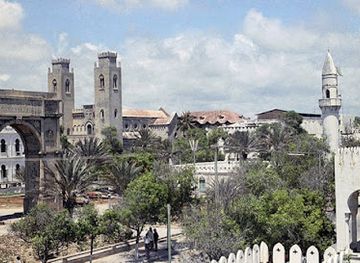
The Tomb of the Unknown Soldier
Explore the Tomb of the Unknown Soldier in Mogadishu, a significant historical landmark honoring the bravery of Somalia's soldiers and their sacrifices.
-
Beach pavillion
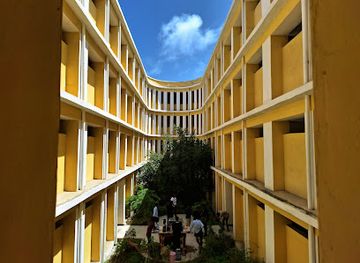
Batalaale Beach
Experience the tranquil beauty of Batalaale Beach in Berbera, Somalia - a serene escape with stunning sunsets and golden sands.
-
Museum
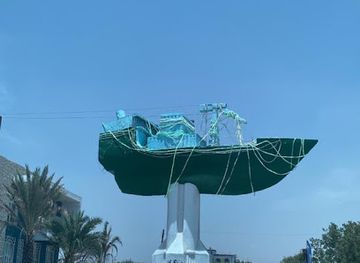
Somali National Museum
Explore Somalia's cultural treasures at the Somali National Museum in Mogadishu, where history, art, and tradition converge.
Best landmarks in Hiran
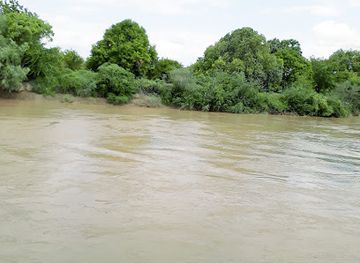
The Shabelle River is Hiran’s defining natural landmark and the feature around which many settlements, farms and transport routes have developed. Its significance is practical as well as visual: in an arid region, the river supports cultivation, livestock, settlement and commercial life, while seasonal flooding can reshape the surrounding landscape. Beledweyne’s riverfront and crossings provide the clearest urban expression of this relationship, although visitors should approach any bridge, bank or public infrastructure only with local permission because such sites may have security sensitivities. The wider riverine belt, contrasted with the dry plains beyond it, is another important geographical marker. Hiran has relatively few formally conserved monuments or purpose-built visitor landmarks, and it would be misleading to present ordinary public buildings or rural settlements as tourist sites. Its landmark character lies in the interaction between water, agriculture, mobility and community life, interpreted through locally informed visits rather than independent sightseeing.
-
Tourist attraction
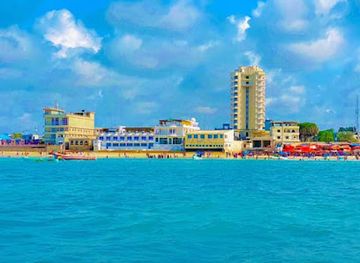
Liido beach
Discover Liido Beach, a stunning coastal paradise in Mogadishu, where natural beauty meets vibrant local culture and delicious Somali cuisine.
-
Historical landmark
The Tomb of the Unknown Soldier
Visit the Tomb of the Unknown Soldier in Mogadishu – a poignant tribute to those who sacrificed their lives, set in a vibrant cultural hub.
-
Tourist attraction
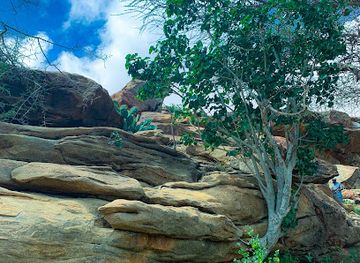
Laas Geel
Explore Laas Geel: The Ancient Rock Art Haven of Somaliland, a Fascinating Journey into Prehistoric Culture and History.
-
National park
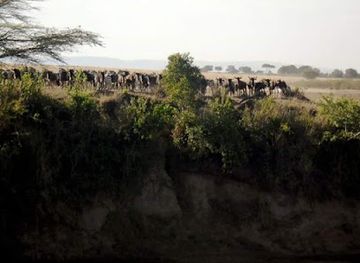
Lag Badana-Bushbush National Park
Discover the breathtaking landscapes and diverse wildlife at Lag Badana-Bushbush National Park, a haven for nature lovers and adventure seekers in Somalia.

Explore Hiran on the map
Plan your trip on one map. See where the top cities, national parks and sights are, and book hotels and experiences in a few clicks.
Best hotels in Hiran
Best restaurants in Hiran
Dining in Hiran is primarily local, informal and practical rather than oriented towards an established visitor restaurant scene. In Beledweyne and other larger settlements, food may be available through small restaurants, cafés, hotels and household-based hospitality, although standards, menus, opening arrangements and supplies can change quickly. Somali staples commonly include rice, pasta, flatbreads, meat, beans and locally available vegetables, with tea an important part of everyday hospitality. Along the Shabelle, riverine agriculture contributes produce when water, weather and security permit, while pastoral traditions help explain the prominence of meat and dairy in Somali cooking. Visitors should use trusted local recommendations, drink only reliably treated water and avoid assuming that refrigeration or food hygiene standards match those at home. Dietary requirements should be explained in advance, and payment arrangements confirmed before ordering. Formal international dining is limited, so food is best understood through local households, modest eateries and community hospitality rather than through a restaurant itinerary.
-
Restaurant
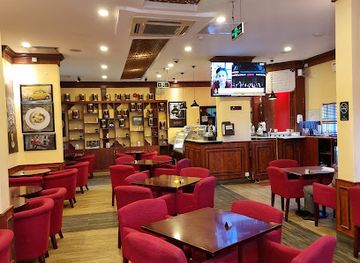
Cafè Barbera
Discover authentic flavors at Cafè Barbera in Hargeisa - where local cuisine meets global tastes in a cozy atmosphere.
-
Fast Food
Pizza House
Experience delicious fast food at Pizza House in Mogadishu – where local flavor meets international favorites!
-
Restaurant
Carshi
Experience authentic Somali cuisine at Carshi in Mogadishu - a vibrant restaurant filled with flavor and hospitality.
-
Restaurant
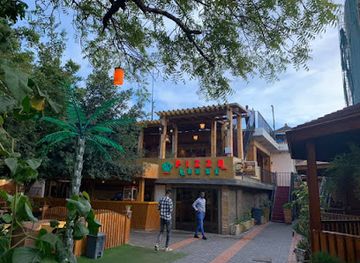
MASALE VIEW RESTAURANT
Experience authentic Somali cuisine with stunning views at Masale View Restaurant in Hargeisa.

Best bars in Hiran
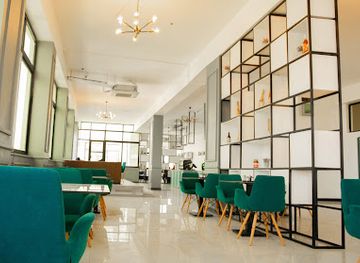
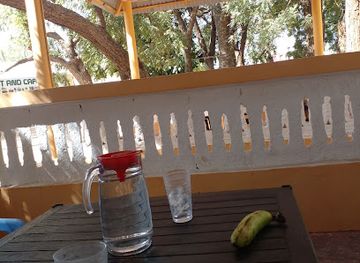
Hiran does not have a conventional bar or nightclub scene. As a predominantly Muslim region affected by insecurity and limited tourism infrastructure, evening social life centres on tea houses, cafés, restaurants, family gatherings, religious settings and informal conversation rather than alcohol-led entertainment. Beledweyne has more commercial activity than smaller river settlements, but venues, operating arrangements and security conditions can change without notice. Alcohol should not be expected and may be prohibited or socially unacceptable. Visitors should avoid unnecessary movement after dark, remain within approved accommodation or meeting locations, and follow the advice of local hosts and security personnel. Evening culture is therefore best encountered through respectful, locally arranged hospitality, Somali poetry or conversation where available, rather than through a nightlife programme.
-
Restaurant
Hassan Dhif Bar & Restaurant
Discover the rich culinary heritage of Somalia at Hassan Dhif Bar & Restaurant, where local flavors meet international cuisine in a vibrant atmosphere.
-
Bar
wadani xafada laab dheere
Discover the vibrant atmosphere of Wadani Xafada Laab Dheere, a must-visit bar in Somalia for an authentic local experience.
-
Restaurant
Kaamil hall
Savor the authentic flavors of Somali cuisine at Kaamil Hall in Beledweyne, a must-visit restaurant for tourists seeking culinary delights.
-
 Gay bar
Gshshs
Experience the vibrant LGBTQ+ culture at Gshshs, a lively gay bar in Soomaalia, perfect for socializing and enjoying a fun night out.

Best nightclubs in Hiran
Hiran does not have a conventional bar or nightclub scene. As a predominantly Muslim region affected by insecurity and limited tourism infrastructure, evening social life centres on tea houses, cafés, restaurants, family gatherings, religious settings and informal conversation rather than alcohol-led entertainment. Beledweyne has more commercial activity than smaller river settlements, but venues, operating arrangements and security conditions can change without notice. Alcohol should not be expected and may be prohibited or socially unacceptable. Visitors should avoid unnecessary movement after dark, remain within approved accommodation or meeting locations, and follow the advice of local hosts and security personnel. Evening culture is therefore best encountered through respectful, locally arranged hospitality, Somali poetry or conversation where available, rather than through a nightlife programme.
-
Tourist attraction
Liido beach
Discover the beauty of Liido Beach in Mogadishu, a stunning blend of golden sands, rich culture, and delicious seafood delights.
-
Hotel
Ali Jirde Hotel
Experience the perfect blend of comfort and cultural immersion at Ali Jirde Hotel in Hargeisa, Somalia.
-
Hotel
PEACE HOTEL
Experience comfort and hospitality at Peace Hotel, your serene retreat in the vibrant heart of Mogadishu, Somalia.
-
Hotel
Jazeera Palace
Discover luxury and comfort at Jazeera Palace, a premier hotel in Mogadishu offering modern amenities and delightful dining options.
Best shops in Hiran
Shopping in Hiran is concentrated in local markets, small trading streets and general shops rather than purpose-built retail centres. Beledweyne offers the broadest range of everyday goods and services, while smaller river settlements depend more heavily on periodic market activity and locally available supplies. Visitors may encounter clothing, household goods, mobile-phone services, foodstuffs, livestock-related trade and imported commodities, but stock and prices can fluctuate with security, road access and seasonal conditions. Regionally relevant purchases are more likely to be practical Somali products or locally sourced food than formal souvenirs. Ask before photographing stalls or people, bargain discreetly only where it is clearly customary, and use trusted contacts when exchanging currency or buying valuable items. Because commercial infrastructure is limited, essential medicines, specialist toiletries, communications equipment and other personal necessities should be obtained before travelling to Hiran rather than assumed to be available locally.
-
Store
ADNA shop
Experience the vibrant culture of Somalia through unique local goods at ADNA Shop, a must-visit store for all travelers.
-
Clothing store
Whizz Hamid
Discover the vibrant styles and rich cultural textiles at Whizz Hamid, a premier clothing store in Somalia.
-
General store
Adde
Explore Adde, a charming general store in Somalia, where local culture meets unique treasures, creating an unforgettable shopping experience.
-
Shopping mall
Al-Rayaan shopping center
Explore the Al-Rayaan Shopping Center, a bustling hub of shopping, dining, and entertainment in Maka al Mukarama Magasho, offering something for everyone.

Get your free copy of our complete guide to Hiran, delivered straight to you.
Everything on this page, from attractions and restaurants to essentials and local phrases, in one PDF you can read offline, print or share.
Already have an account? Sign in
Your Hiran guide is ready.
We'll send it to · Not you? Sign out

Getting your guide ready…
We are putting together a fresh copy of the Hiran guide. This can take up to a minute.
This can take a few moments. If your browser asks, choose Allow so the download can start. You'll find the guide in your Downloads folder.
Nothing happened? Download it again
Sorry, the guide is taking longer than usual. Please try again in a minute, or get it by email instead.
Hiran essentials
Currency and Payment
Safety
Emergency Situations
Do's and Don'ts
Local Tips
From Eve
Local phrases worth knowing
You don't need to get them perfect. A few words go a long way, and locals appreciate the effort.
Basics
| English | Local | Say it |
|---|---|---|
| Hello | Salaam | [sah-lahm] |
| Goodbye | Nabad gelyo | [nah-bahd geh-lyoh] |
| Yes | Haa | [hah] |
| No | Maya | [mah-yah] |
| Please/You're welcome | Fadlan | [fad-lan] |
| Thank you | Mahadsanid | [mah-had-sah-nid] |
| Excuse me/Sorry | Iga raali ahow | [ee-gah rah-lee ah-ho] |
| How are you? | Sidee tahay? | [see-day tah-hay] |
| Fine. And you? | Wanaagsan. Adiguna? | [wah-nahg-sahn. ah-dee-goo-nah?] |
| Do you speak English? | Ma ku hadashaa Ingiriisi? | [mah koo hah-dah-shah in-gee-ree-see?] |
| I don't understand | Ma fahmin | [mah fah-min] |
Eating & Drinking
| English | Local | Say it |
|---|---|---|
| I'd like to see the menu, please | Fadlan ii soo bandhig menu-ga | [fad-lan ee soo ban-dhig men-oo-gah] |
| I don't eat meat | Ma cunno hilib | [mah coon-no hih-lib] |
| Cheers! | Nabad iyo caafimaad! | [nah-bahd ee-yoh tsah-ee-mahd] |
| I would like to pay, please | Fadlan waxaan rabaa in aan bixiyo | [fad-lan wee-han rah-bah in ahn bee-khiyo] |
Emergencies
| English | Local | Say it |
|---|---|---|
| Help! | Caawimaad! | [cah-wee-mahd] |
| Go away! | Ka tag! | [kah tahg] |
| Call the Police! | Wac booliska! | [wahk boo-lis-kah] |
| Call a doctor! | Wac dhakhtar! | [wahk dhahk-tar] |
| I'm lost | Waan lumay | [wah-n loo-may] |
| I'm ill | Waan xanuunsanahay | [wah-n khan-oon-sah-nah-hay] |
Shopping
| English | Local | Say it |
|---|---|---|
| I'd like to buy... | Waxaan rabaa in aan iibsado... | [wah-han rah-bah in ahn eeb-sah-do] |
| I'm just looking | Kaliya ayaan eegayaa | [kah-li-yah ah-yahn ay-gah-yah] |
| How much is it? | Imisa ayey ku kacaysaa? | [ee-mee-sah ay-yay koo kah-kah-y-sah?] |
| That's too expensive | Taasi waa qaali | [tah-see wah kah-lee] |
| Can you lower the price? | Ma hoos u dhigi kartaa qiimaha? | [mah hohs oo dee-gee kar-tah qi-mah-hah?] |
Time & Numbers
| English | Local | Say it |
|---|---|---|
| What time is it? | Waa imisa saac? | [wah ee-mee-sah sah-ahk?] |
| It's one o'clock | Waa saacadda kow | [wah sah-ahd-dah koh] |
| Half past (10) | Badhtamaha (10) | [bad-ha-tah-mah (10)] |
| Morning | Subax | [soo-bahx] |
| Afternoon | Duhur | [doo-hur] |
| Evening | Fiidnimo | [fee-dnee-mo] |
| Yesterday | Shalay | [sha-lay] |
| Today | Maanta | [ma-an-tah] |
| Tomorrow | Berri | [ber-ri] |
| 1 | Kow | [koh] |
| 2 | Laba | [lah-bah] |
| 3 | Saddex | [sah-ddex] |
| 4 | Afar | [ah-far] |
| 5 | Shan | [shan] |
| 6 | Lix | [lix] |
| 7 | Todobo | [toh-doh-bo] |
| 8 | Siddeed | [si-deed] |
| 9 | Sagaal | [sah-gahl] |
| 10 | Toban | [toh-bahn] |
Transport & Directions
| English | Local | Say it |
|---|---|---|
| Where's a/the...? | Xaggee ku yaalaa...? | [hah-geh koo yah-lah...?] |
| What's the address? | Waa maxay cinwaanka? | [wah mah-hay chin-wah-anka?] |
| Can you show me (on the map)? | Ma ii tusaysaa (khariidada)? | [mah ee too-sah-y-sah (khah-ree-dah-dah)?] |
| When's the next (bus)? | Goormee baska xiga? | [goor-mee bas-kah hee-gah?] |
| A ticket (to ....) | Tigid (u ....) | [ti-gid (oo ....)] |
History of Hiran
Ancient Somali and Shabelle River Settlement
The history of Hiran is rooted in the movement of Somali pastoral communities and the cultivation made possible by the Shabelle River. Riverine settlements developed around access to water, grazing and arable land, while wider clan and trading networks linked the interior with other parts of the Horn of Africa. Much of this history has been preserved through oral poetry, genealogy and community memory rather than through large surviving monumental sites. The river’s place in local life remains a historical continuity: it has supported settlement and agriculture while also creating competition over water, land and seasonal flood risk.
Islamic Culture and Regional Networks
Islam spread through Somali territories over many centuries through merchants, scholars, coastal contacts and inland religious networks. In Hiran, Islam became central to education, law, social life and community identity, with mosques and religious teachers serving settlements along the river and in pastoral districts. The region’s connections were not confined to one town: people, livestock, religious knowledge and goods travelled between the Shabelle corridor and neighbouring Somali regions. These networks helped shape the cultural landscape encountered today, even where older buildings or archaeological remains are limited.
Colonial Rule and the Shabelle Corridor
During the colonial period, the territory of modern Somalia was divided between different European administrations, with the interior and river corridors affected by Italian rule in the south and by British influence farther north. Colonial rule introduced new administrative boundaries, taxation systems and forms of commercial agriculture without replacing established Somali pastoral and community structures. Hiran’s river settlements became increasingly important as administrative and trading points, while the Shabelle’s agricultural potential attracted attention. The boundaries and institutions created during this era continued to influence politics after independence.
Independence and the Somali Republic
Somalia became independent in 1960 after the unification of the former British Somaliland and Italian-administered territories. Hiran formed part of the new republic and remained strategically important because of its central position, river settlements and connections between northern and southern areas. Beledweyne developed as the region’s principal administrative and commercial centre. State-building brought schools, public offices and transport ambitions, but the reach of government services remained uneven, particularly in rural districts where pastoral mobility and local authority continued to shape everyday life.
Civil War, Displacement and Local Governance
The collapse of Somalia’s central government in 1991 brought prolonged conflict, displacement and the fragmentation of formal authority. Hiran, positioned along routes linking central and southern Somalia, experienced changing control, insecurity and humanitarian pressures. Beledweyne and other river settlements also received displaced people from surrounding areas during periods of conflict and drought. Local elders, religious figures, community organisations and later regional and federal institutions became important in maintaining services and negotiating access. The effects of conflict remain visible in infrastructure gaps, population movement and the need for careful security planning.
Floods, Drought and Contemporary Recovery
In recent decades, Hiran’s development has been strongly affected by alternating drought and flooding. Drought places pressure on pastoral livelihoods and water supplies, while heavy rains in the Shabelle basin can inundate farmland, damage roads and displace communities. Humanitarian and development programmes have supported water access, health, agriculture and recovery, although provision remains uneven. Contemporary Hiran is therefore shaped by both environmental adaptation and political change: the river supports economic life, but climate variability, insecurity and limited infrastructure continue to influence where people can live, farm, trade and travel.
Hiran in Photos
Browse through our photo collection highlighting the charm and character of the destination.
Neighbouring regions of Hiran
The closest regions to Hiran, if you have time for more than one.
-

-

-

-

-


Swipe for more regions
Explore more

Explore more of Somalia
Explore Somalia: Discover its untouched beaches, ancient ruins, and rich cultural heritage in a land of resilient people and breathtaking landscapes.
Explore Somalia