

Galguduud, Somalia Travel Guide
Discover the serene landscapes, rich culture, and historical treasures of Galguduud, the hidden gem in central Somalia.
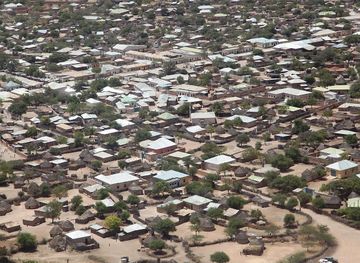
Galguduud is a region in central Somalia that offers a unique blend of natural beauty and cultural richness. Known for its picturesque landscapes, Galguduud is dotted with rolling hills, vast plains, and the occasional water body, making it a mesmerizing destination for nature lovers. The region is less crowded, giving visitors an opportunity to enjoy its serene environment and unspoiled nature. Galguduud is also rich in Somali culture and history. Traditional nomadic communities inhabit the area, and their way of life offers a fascinating glimpse into the age-old customs and traditions of Somalia. Visitors can explore local markets, where vibrant fabrics and handmade crafts are sold, and taste traditional Somali cuisine, known for its rich flavors and aromatic spices. Historically, Galguduud has been a significant region, and remnants of its past can still be seen today. Ancient ruins and historical landmarks provide a window into the region's storied past. Galguduud is also known for its warm and welcoming locals, who are always eager to share their stories and traditions with visitors. Whether you are a history buff, a nature enthusiast, or someone looking to experience Somali culture, Galguduud offers a truly authentic experience.

Know before you go
Hi, I'm Eve. Here are a few practical things to know before exploring Galguduud.
- Respect local customs and traditions. Dress modestly and ask for permission before taking photos of people.
- Hire a local guide to explore the region. They can provide valuable insights and ensure a safe and enriching experience.
- Visit local markets early in the morning for the freshest produce and a chance to interact with locals.
- Try traditional Somali dishes like canjeero (a type of flatbread) and camel meat, which are local specialties.
- Travel during the cooler months from November to February to avoid the intense heat.

Best landmarks in Galguduud
Top-rated picks
Best Landmarks

The Tomb of the Unknown Soldier
Explore the Tomb of the Unknown Soldier in Mogadishu, a poignant historical landmark honoring Somalia's brave heroes and their sacrifices.

Taalada Daljirka Daahsoon نصب جندي المجهول
Discover the historical significance of Taalada Daljirka Daahsoon, a remarkable landmark in Mogadishu that reflects the rich cultural heritage of Somalia.

gurceel somalia
Explore Guriceel, Somalia – a historical landmark where rich culture meets ancient architecture, offering travelers a unique glimpse into the past.

Best restaurants in Galguduud
Top-rated picks
Best Restaurants

Beach View restaurant
Experience exquisite seafood dining at Beach View Restaurant in Mogadishu with stunning ocean views and authentic local flavors.

Salsabiil Restaurant
Experience authentic Somali cuisine in the heart of Mogadishu at Salsabiil Restaurant, where tradition meets taste.

Zaytuun Restaurant
Experience authentic Somali flavors and delightful international cuisine at Zaytuun Restaurant in the heart of Mogadishu.

Grand Café
Discover the flavors of Somalia at Grand Café, where local traditions meet global tastes in the heart of Mogadishu.

Best bars in Galguduud
Top-rated picks
Best Bars

Bar And Restaurant Dhagacade
Experience the rich flavors of Somali cuisine at Bar And Restaurant Dhagacade in Dhuusamareeb, where every meal is a celebration of local culture.

INTERNATIONAL RESTAURANT
Discover global flavors at the International Restaurant, where Somali cuisine meets the world in an inviting atmosphere.

wadani xafada laab dheere
Discover the vibrant atmosphere of Wadani Xafada Laab Dheere, a bar that captures the essence of Somali culture and hospitality.

Beder restaurant
Discover the authentic flavors of Somalia at Beder Restaurant in Dhuusamareeb, where every dish tells a story.

Best nightclubs in Galguduud
Top-rated picks
Best Nightclubs

Banadir Beach Club
Discover the vibrant nightlife of Mogadishu at Banadir Beach Club, where music, dancing, and stunning ocean views create unforgettable moments.

BILCIL CITY CLUB
Discover the vibrant nightlife at Bilcil City Club in Dhahar, where music, dancing, and culture come alive under the stars.

Eng wahip jamaal
Discover the vibrant nightlife of Hargeisa at Eng Wahip Jamaal, a lively night club where music, dance, and local culture come together.

GALMUDUG HOTEL AND RESTAURANT
Discover comfort and local flavors at Galmudug Hotel and Restaurant in Dhuusamareeb, your serene retreat in Somalia.

Best shops in Galguduud
Top-rated picks
Best Shops

Xamdi Cumar Dauud
Explore Xamdi Cumar Dauud, a vibrant home goods store in Somalia, showcasing unique local crafts and rich cultural heritage.

MAQAAYADDA NADIIFO
Discover the inviting atmosphere and rich flavors of Maqaayadda Nadiifo, a coffee shop that embodies Somali hospitality and culture.

National Electronics SVC
Explore cutting-edge technology and exceptional service at National Electronics SVC, Mogadishu's premier electronics destination.

ADNA shop
Explore the vibrant ADNA Shop in Somalia for unique souvenirs, local crafts, and a warm shopping atmosphere that reflects the heart of Somali culture.

Explore Galguduud on the Map
A handpicked selection of must-see spots in Galguduud, mapped for you.
Galguduud Essentials
-
Galguduud is located in central Somalia. The nearest major airport is Aden Adde International Airport in Mogadishu. From Mogadishu, you can take a domestic flight to Guriel or Dhusamareb, which are the main towns in Galguduud. Alternatively, you can travel by road from Mogadishu, but be aware that the journey can be long and the road conditions may vary.
-
Within Galguduud, transportation options include taxis and minibuses. Taxis are a convenient way to get around the towns and are relatively affordable. Minibuses, known locally as 'matatus,' are another common mode of transport but can be crowded. Renting a car with a driver is also an option if you prefer more comfort and flexibility.
-
The official currency in Somalia is the Somali Shilling (SOS). It is advisable to carry cash, as credit cards are not widely accepted. ATMs are scarce, so make sure to withdraw enough cash in larger cities like Mogadishu before heading to Galguduud. Some larger hotels and businesses in the main towns may accept US dollars.
-
While Galguduud is generally safe for tourists, it is essential to stay vigilant. Avoid walking alone at night and stay within well-lit, populated areas. Some areas may have higher crime rates, so always seek local advice on safe routes and neighborhoods. It is also advisable to travel with a local guide who knows the area well.
-
In case of emergency, dial 888 for police assistance or 999 for medical emergencies. The main towns have police stations and medical facilities. It is highly recommended to have travel insurance that covers medical emergencies. For minor health issues, there are pharmacies in the larger towns where you can purchase over-the-counter medications.
-
Fashion: Do dress modestly; women should cover their heads and wear long skirts or trousers. Men should avoid wearing shorts in public. Religion: Do respect Islamic customs and traditions. Avoid eating, drinking, or smoking in public during Ramadan. Public Transport: Do be respectful and offer your seat to elders. Don't raise your voice or engage in loud conversations. Greetings: Do greet people with a handshake and the phrase 'As-Salaam-Alaikum.' Eating & Drinking: Do try local foods and accept invitations to meals. Don't use your left hand to eat or pass food, as it is considered impolite.
-
To experience Galguduud like a local, visit the local markets where you can buy fresh produce and traditional Somali goods. Engage with the locals, who are often friendly and willing to share stories about the area's history and culture. Don't miss the traditional dance performances and poetry readings, which are integral parts of Somali culture. For a unique experience, participate in a camel caravan tour to explore the beautiful landscape.
When is the best time to visit Galguduud?
Useful Local Phrases for Galguduud
You don't need to speak the language perfectly. Even learning a few simple words can make conversations warmer—and locals usually appreciate the effort.
— Eve

Here are the phrases I use most often in Galguduud. Try a few—you'll be surprised how far they go! 😊
❤️
-
- HelloSalaam
[sah-lahm] - GoodbyeNabad gelyo
[nah-bahd geh-lyoh] - YesHaa
[hah] - NoMaya
[mah-yah] - Please/You're welcomeFadlan
[fahd-lahn] - Thank youMahadsanid
[mah-hahd-sah-nid] - Excuse me/SorryIga raali ahow
[ee-gah rah-lee ah-hoh] - How are you?Sidee tahay?
[see-deh tah-hay] - Fine. And you?Waa fiican. Adiguna?
[wah fee-chahn. ah-dee-goo-nah] - Do you speak English?Ma ku hadashaa Ingiriisi?
[mah koo hah-dah-shah een-gee-ree-see] - I don't understandMa fahmin
[mah fah-meen]
- HelloSalaam
-
- I'd like to see the menu, pleaseFadlan ii soo bandhig menu-ka
[fahd-lahn ee soh bahn-dheeg meh-noo-kah] - I don't eat meatMa cunno hilib
[mah chuhn-no hee-lib] - Cheers!Karsan!
[kar-sahn] - I would like to pay, pleaseFadlan waxaan rabaa in aan bixiyo
[fahd-lahn wah-chan rah-bah in ahn bih-kee-yoh]
- I'd like to see the menu, pleaseFadlan ii soo bandhig menu-ka
-
- Help!Caawimaad!
[chah-wee-mahd] - Go away!Ka tag!
[kah tahg] - Call the Police!Wacay Booliska!
[wah-kah-ee boh-lees-kah] - Call a doctor!Wacay dhakhtar!
[wah-kah-ee dhahk-tahr] - I'm lostWaan lumay
[wah-an loo-may] - I'm illWaan xanuunsanahay
[wah-an khah-noon-sah-nah-hay]
- Help!Caawimaad!
-
- I'd like to buy...Waan rabaa in aan iibsado...
[wah-an rah-bah in ahn eeb-sah-doh] - I'm just lookingWaxaan kaliya eegayaa
[wah-chan kah-lee-yah eh-gah-yah] - How much is it?Immisa ayey tahay?
[ee-mee-sah ah-yeh tah-hay] - That's too expensiveTaasi waa qaali
[tah-see wah kah-lee] - Can you lower the price?Ma hoos u dhigi kartaa qiimaha?
[mah hohs oo dhee-gee kar-tah qi-mah-hah]
- I'd like to buy...Waan rabaa in aan iibsado...
-
- What time is it?Waa maxay waqtiga?
[wah mah-hay wahk-ti-gah] - It's one o'clockWaa hal saac
[wah hal sahk] - Half past (10)Laba iyo bar (10)
[lah-bah ee-yoh bahr (10)] - MorningSubax
[soo-bahx] - AfternoonDuhur
[doo-hur] - EveningHabeen
[hah-been] - YesterdayShalay
[shah-lay] - TodayMaanta
[mahn-tah] - TomorrowBerri
[beh-ree] - 1Kow
[koh] - 2Laba
[lah-bah] - 3Saddex
[sahd-dex] - 4Afar
[ah-far] - 5Shan
[shahn] - 6Lix
[lix] - 7Todobo
[toh-doh-boh] - 8Siddeed
[sid-dayd] - 9Sagaal
[sah-gahl] - 10Toban
[toh-bahn]
- What time is it?Waa maxay waqtiga?
-
- Where's a/the...?Halkee ku yaalaa...?
[hal-keh koo yah-lah] - What's the address?Waa maxay cinwaanka?
[wah mah-hay cheen-wahn-kah] - Can you show me (on the map)?Ma ii tusaysaa (karta)?
[mah ee too-sah-y-sah (kar-tah)] - When's the next (bus)?Goormee tahay (baska) xiga?
[goor-mee tah-hay (bask-ah) hee-gah] - A ticket (to ....)Tikidh (u ...)
[tee-kid (oo ...)]
- Where's a/the...?Halkee ku yaalaa...?
History of Galguduud
-
Galguduud, located in central Somalia, is home to some of the earliest human settlements in the Horn of Africa. Archaeological evidence suggests that the region was inhabited by pastoralist communities as far back as 2000 BCE. These early settlers were known for their rock art and ancient tools, which provide insight into their daily lives and cultural practices.
-
By the 7th century, Islam began to spread across the Horn of Africa, reaching Galguduud through coastal trade routes. The region became an important center for Islamic learning and culture. Mosques and madrasas were established, and the local population embraced Islamic teachings and practices. This period saw the transformation of Galguduud into a hub of Islamic scholarship and trade.
-
In the 18th and 19th centuries, the Sultanate of Geledi, a powerful Somali kingdom, exerted influence over Galguduud. The Sultanate, headquartered in Afgooye, controlled trade routes and maintained a strong military presence in the region. The rulers of Geledi were known for their diplomatic skills and ability to forge alliances with other Somali clans and neighboring states.
-
During the late 19th and early 20th centuries, Somalia, including Galguduud, came under the influence of European colonial powers. The British and Italians vied for control over the region, leading to the establishment of the British Somaliland Protectorate and Italian Somaliland. Galguduud experienced significant changes during this time, including the introduction of new administrative structures and infrastructure projects.
-
Somalia gained independence in 1960, and Galguduud became part of the newly formed Somali Republic. However, the region soon faced political instability and conflict. The outbreak of civil war in the 1990s had a profound impact on Galguduud, leading to displacement, loss of life, and destruction of infrastructure. Despite these challenges, the people of Galguduud have shown resilience and continue to rebuild their communities.
-
Galguduud is rich in cultural heritage, with a diverse population that includes various Somali clans and sub-clans. Traditional music, dance, and oral poetry are integral parts of the local culture. The region is also known for its traditional crafts, such as weaving and pottery, which are passed down through generations. Festivals and ceremonies celebrate the vibrant cultural traditions of Galguduud.
Neighbouring Regions of Galguduud
The closest regions to Galguduud, if you have time for more than one.



Your all‑in‑one travel companion app
Explore expert travel guides, compare and book tours, experiences, hotels, and more—all from the palm of your hand. Download now for seamless trip planning wherever your wanderlust takes you.


Explore More of Somalia

Looking beyond Galguduud? Discover Somalia for broader travel guides, local hot-spots, and regional highlights.
Explore SomaliaGalguduud in Photos
Browse through our photo collection highlighting the charm and character of the destination.

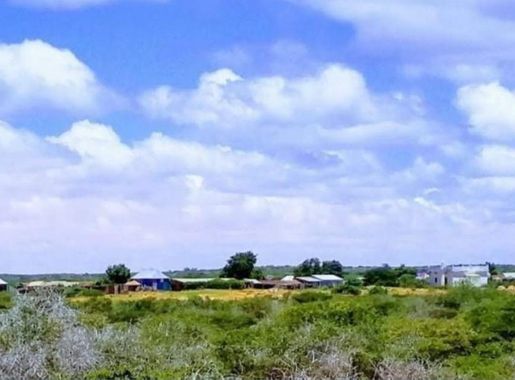

Galguduud: The Hidden Gem of Somalia
Galguduud is a region in central Somalia that offers a unique blend of natural beauty and cultural richness. Known for its picturesque landscapes, Galguduud is dotted with rolling hills, vast plains, and the occasional water body, making it a mesmerizing destination for nature lovers. The region is less crowded, giving visitors an opportunity to enjoy its serene environment and unspoiled nature. Galguduud is also rich in Somali culture and history. Traditional nomadic communities inhabit the area, and their way of life offers a fascinating glimpse into the age-old customs and traditions of Somalia. Visitors can explore local markets, where vibrant fabrics and handmade crafts are sold, and taste traditional Somali cuisine, known for its rich flavors and aromatic spices. Historically, Galguduud has been a significant region, and remnants of its past can still be seen today. Ancient ruins and historical landmarks provide a window into the region's storied past. Galguduud is also known for its warm and welcoming locals, who are always eager to share their stories and traditions with visitors. Whether you are a history buff, a nature enthusiast, or someone looking to experience Somali culture, Galguduud offers a truly authentic experience.