

Free Mudug Travel Guide & Mobile App
Explore Mudug with free travel guides. Discover regional history, expert tips, proposed trips, and audio guides on web or mobile app.


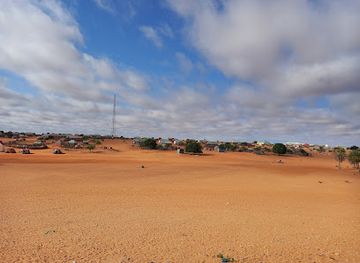
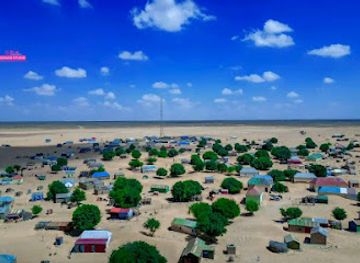
Explore Mudug’s central Somali landscapes, pastoral culture and Indian Ocean coast only with specialist security planning and local permission.
Read more about Mudug
When is the best time to visit Mudug?
Best: December–February · 30–32°C| Month | High (°C) | Rainfall (mm) |
|---|---|---|
| January (best) | 30 | 2 |
| February (best) | 32 | 3 |
| March | 33 | 5 |
| April | 34 | 7 |
| May | 35 | 10 |
| June | 35 | 8 |
| July | 35 | 5 |
| August | 35 | 4 |
| September | 34 | 3 |
| October | 33 | 6 |
| November | 32 | 7 |
| December (best) | 30 | 3 |
Getting to and around Mudug
How to get there
Transportation
Explore Mudug on the map
Plan your trip on one map. See where the top cities, national parks and sights are, and book hotels and experiences in a few clicks.
Best hotels in Mudug
Best restaurants in Mudug
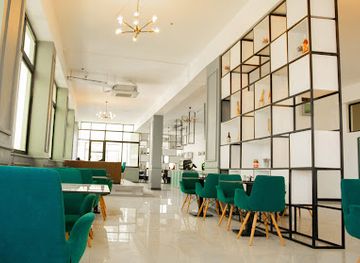
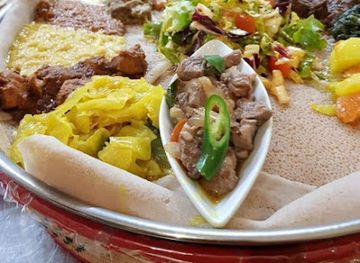
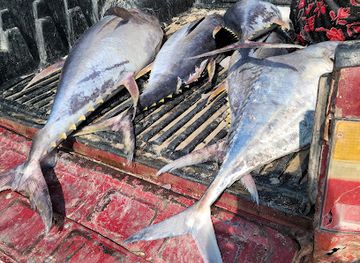
Dining in Mudug is generally functional and locally oriented rather than designed for tourism. In Galkayo, meals may include rice, pasta, flatbreads, stewed meat, goat, chicken, beans and vegetables, reflecting Somali cooking alongside influences from the wider Horn of Africa and the Indian Ocean. Tea flavoured with spices and abundant sugar is a common social drink, while coffee may also be available. Along the coast, fish can form part of the local food economy, although supply, hygiene standards and availability vary. Small eateries and private catering arranged through an organisation are more realistic than a restaurant itinerary, and food options outside the main urban centre can be extremely limited. Visitors should establish safe sources of drinking water, follow the dietary arrangements of their host organisation and carry suitable contingency food for road movements. Alcohol is not appropriate in this predominantly Muslim region, and formal tipping customs should not be assumed. Commercial claims about particular restaurants are best avoided because businesses and operating conditions can change quickly.
-
Restaurant
Carshi
Discover authentic Somali flavors at Carshi, Mogadishu's premier dining destination offering a taste of local culture.
-
Restaurant
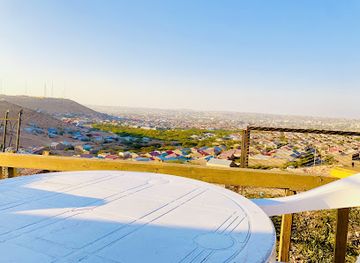
MASALE VIEW RESTAURANT
Experience the flavors of Somalia at Masale View Restaurant—where exceptional cuisine meets stunning views in Hargeisa.
-
Restaurant
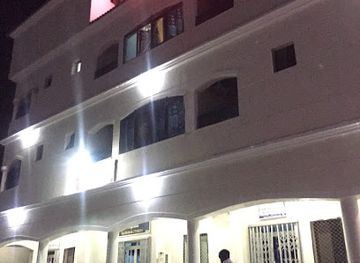
Al Jazeera Hotel
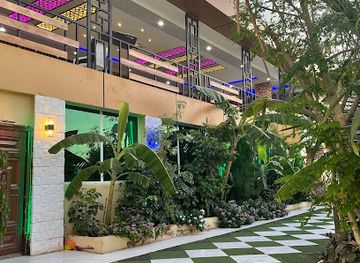
Discover authentic Somali flavors at Al Jazeera Hotel - where tradition meets taste in Galkayo's vibrant dining scene.
-
Restaurant
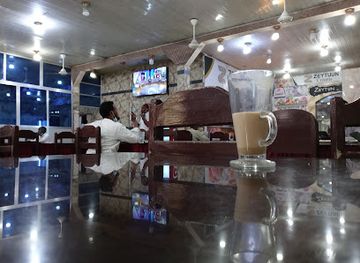
Zaytuun Restaurant
Experience authentic Somali cuisine at Zaytuun Restaurant in Mogadishu – a culinary haven blending tradition and taste.
Best bars in Mudug
Mudug has no established bar or nightclub scene for international visitors, and alcohol is inappropriate in the region’s predominantly Muslim social environment. Evening life is more likely to centre on family compounds, tea stalls, restaurants, markets, mosques and private gatherings than on commercial entertainment. Galkayo has the greatest concentration of urban activity, but movement after dark can carry additional security risks and should follow the instructions of a host organisation. In smaller towns and coastal settlements, evenings are shaped by limited electricity, restricted communications and early closure of many services. Visitors should not seek out nightlife independently, advertise their movements or assume that a busy public area is safe. Professional and humanitarian personnel normally spend evenings within secure accommodation or at approved venues, with any social contact arranged through trusted local partners.
-
Restaurant
Mecca Restaurant And Hotel
Discover the best of Somali and international cuisine at Mecca Restaurant and Hotel in Galkayo, where every meal is a celebration of flavor.
-
Restaurant
Global garden
Experience the flavors of Somalia at Global Garden, a restaurant in Galkayo offering a fusion of local and international cuisines in a welcoming setting.
-
Restaurant
Al Nakhiil Restaurant
Discover the flavors of Galkayo at Al Nakhiil Restaurant, where local and international dishes are served in a warm, inviting atmosphere.
-
Restaurant
Catoosh
Discover Galkayo's culinary delight at Catoosh, where local flavors meet international cuisine in a welcoming atmosphere.

Best nightclubs in Mudug
Mudug has no established bar or nightclub scene for international visitors, and alcohol is inappropriate in the region’s predominantly Muslim social environment. Evening life is more likely to centre on family compounds, tea stalls, restaurants, markets, mosques and private gatherings than on commercial entertainment. Galkayo has the greatest concentration of urban activity, but movement after dark can carry additional security risks and should follow the instructions of a host organisation. In smaller towns and coastal settlements, evenings are shaped by limited electricity, restricted communications and early closure of many services. Visitors should not seek out nightlife independently, advertise their movements or assume that a busy public area is safe. Professional and humanitarian personnel normally spend evenings within secure accommodation or at approved venues, with any social contact arranged through trusted local partners.
-
Night club
Banadir Beach Club
Discover the vibrant nightlife of Mogadishu at Banadir Beach Club, where beach views meet energetic entertainment for an unforgettable experience.
-
Night club
BILCIL CITY CLUB
Discover the electrifying nightlife at Bilcil City Club in Dhahar, where vibrant music and energetic crowds create unforgettable experiences.
-
Night club
Eng wahip jamaal
Experience the vibrant nightlife of Hargeisa at Eng Wahip Jamaal, where local music and culture come alive in a lively atmosphere.
-
 Bar
BarBarwaqo Bar
Experience the essence of Ethiopian culture at Barwaqo Bar in Goldogob, where refreshing drinks meet a vibrant local ambiance.


Best shops in Mudug
Shopping in Mudug is primarily practical and market-based. Galkayo contains the region’s main commercial activity, with shops and open markets selling food, clothing, household goods, mobile-phone services, fuel and livestock-related supplies. Smaller settlements offer a narrower range of essentials, and stock can be affected by road access, drought and insecurity. Visitors should not expect dedicated souvenir quarters, large shopping centres or a dependable craft market. Useful purchases may include packaged food, locally available textiles, tea, spices and small household items, but buying arrangements should respect local customs and personal privacy. Livestock markets are economically important, although they are working environments rather than tourist attractions and should only be entered with permission. Handicrafts and regional products may be available through trusted local organisations, but provenance and quality vary. Carry sufficient cash in suitable denominations, avoid conspicuous displays of wealth and do not photograph vendors, goods or market activity without consent.
-
Home goods store
Xamdi Cumar Dauud
Explore Xamdi Cumar Dauud for authentic Somali home goods, showcasing local craftsmanship and rich cultural heritage.
-
Beach entertainment shop
Garacad beach 1
Experience the tranquil beauty of Garacad Beach, a perfect escape with golden sands, crystal-clear waters, and vibrant local culture.
-
Store
Budbud Shop
Explore the Budbud Shop for authentic local crafts and souvenirs in the heart of Budbud, reflecting the vibrant culture and artisan spirit of the region.
-
Store
ducaysane shop
Explore the vibrant local culture at Ducaysane Shop in Galkayo, where unique crafts and warm hospitality await your discovery.


Get your free copy of our complete guide to Mudug, delivered straight to you.
Everything on this page, from attractions and restaurants to essentials and local phrases, in one PDF you can read offline, print or share.
Already have an account? Sign in
Your Mudug guide is ready.
We'll send it to · Not you? Sign out

Getting your guide ready…
We are putting together a fresh copy of the Mudug guide. This can take up to a minute.
This can take a few moments. If your browser asks, choose Allow so the download can start. You'll find the guide in your Downloads folder.
Nothing happened? Download it again
Sorry, the guide is taking longer than usual. Please try again in a minute, or get it by email instead.
Mudug essentials
Currency and Payment
Safety
Emergency Situations
Do's and Don'ts
Local Tips
From Eve
Local phrases worth knowing
You don't need to get them perfect. A few words go a long way, and locals appreciate the effort.
Basics
| English | Local | Say it |
|---|---|---|
| Hello | Salaam | [sah-lahm] |
| Goodbye | Nabad gelyo | [nah-bahd gehl-yoh] |
| Yes | Haa | [hah] |
| No | Maya | [mah-yah] |
| Please/You’re welcome | Fadlan | [fahd-lahn] |
| Thank you | Mahadsanid | [mah-hahd-sah-nid] |
| Excuse me/Sorry | Iga raali ahow | [ee-gah rah-lee ah-ho] |
| How are you? | Sidee tahay? | [see-dee tah-hay] |
| Fine. And you? | Wanaagsan. Adiguna? | [wah-nahg-sahn. ah-dee-goo-nah?] |
| Do you speak English? | Ma ku hadashaa Ingiriis? | [mah koo hah-dah-shah in-gee-rees?] |
| I don’t understand | Ma fahmin | [mah fah-min] |
Eating & Drinking
| English | Local | Say it |
|---|---|---|
| I’d like to see the menu, please | Fadlan ii soo bandhig menu-ga | [fahd-lahn ee soh ban-dhig meh-noo-gah] |
| I don’t eat meat | Caano ma cunayo | [cah-noh mah koo-nah-yoh] |
| Cheers! | Nabad iyo caafimaad | [nah-bahd ee-yoh tsah-ee-mahd] |
| I would like to pay, please | Fadlan waxaan rabaa in aan bixiyo | [fahd-lahn wah-chan rah-bah in ahn bee-kee-yoh] |
Emergencies
| English | Local | Say it |
|---|---|---|
| Help! | Caawimaad! | [cah-wee-mahd!] |
| Go away! | Ka bax! | [kah bahk!] |
| Call the Police! | Wac booliska! | [wahk boh-li-ska!] |
| Call a doctor! | Wac dhaqtarka! | [wahk dhahq-tar-kah!] |
| I’m lost | Waan lumay | [wah-an loo-may] |
| I’m ill | Waan xanuunsanahay | [wah-an khah-noon-sah-nah-hay] |
Shopping
| English | Local | Say it |
|---|---|---|
| I’d like to buy... | Waxaan rabaa in aan iibsado... | [wah-chan rah-bah in ahn ee-bsa-doh] |
| I’m just looking | Waxaan kaliya eegayaa | [wah-chan kah-lee-yah eh-gah-yah] |
| How much is it? | Immisa ayey tahay? | [ee-mee-sah ah-yeh tah-hay?] |
| That’s too expensive | Taasi waa qaali | [tah-see wah qah-lee] |
| Can you lower the price? | Ma hoos u dhigi kartaa qiimaha? | [mah hohs oo dhee-gee kar-tah qi-i-mah?] |
Time & Numbers
| English | Local | Say it |
|---|---|---|
| What time is it? | Saacadu immisaa tahay? | [sah-ah-doo ee-mee-sah tah-hay?] |
| It’s one o’clock | Saacadu waa kow | [sah-ah-doo wah kow] |
| Half past (10) | Bar iyo toban | [bar ee-yoh toh-ban] |
| Morning | Subax | [soo-bahk] |
| Afternoon | Duhur | [doo-hur] |
| Evening | Fiid | [fee-id] |
| Yesterday | Shalay | [sha-lay] |
| Today | Maanta | [mahn-tah] |
| Tomorrow | Berri | [behr-ree] |
| 1 | Kow | [kow] |
| 2 | Laba | [lah-bah] |
| 3 | Saddex | [sah-dex] |
| 4 | Afar | [ah-far] |
| 5 | Shan | [shan] |
| 6 | Lix | [lix] |
| 7 | Todoba | [toh-doh-bah] |
| 8 | Siddeed | [si-deed] |
| 9 | Sagaal | [sah-gahl] |
| 10 | Toban | [toh-ban] |
Transport & Directions
| English | Local | Say it |
|---|---|---|
| Where's a/the...? | Halkee yaa...? | [hal-kay yah...?] |
| What’s the address? | Waa maxay cinwaanka? | [wah mah-hay chin-wah-anka?] |
| Can you show me (on the map)? | Ma i tusin kartaa (khariidada)? | [mah ee too-sin kar-tah (khar-ee-dah-dah)?] |
| When's the next (bus)? | Goorma ayaa baska xiga? | [goor-mah ah-yah bas-kah hee-gah?] |
| A ticket (to ....) | Tigid (u ....) | [tee-gid (oo ....)] |
History of Mudug
Ancient pastoral settlement and Indian Ocean exchange
Mudug’s earliest history is best understood through pastoral movement, seasonal water sources and long-distance exchange rather than dense urban settlement. Archaeological evidence across Somalia indicates the antiquity of cattle and camel herding, while the central coast formed part of wider Indian Ocean networks linking the Horn of Africa with Arabia and the western Indian Ocean. Goods, religious ideas and maritime knowledge travelled along this coast, although the surviving evidence is uneven and many aspects of early Mudug remain under-researched.
Islamic influence and coastal trading communities
Islam spread through Somali territories over many centuries through scholars, merchants, migration and links with the wider Muslim world. Coastal settlements such as Hobyo became connected to maritime trade and Islamic intellectual networks, while inland authority generally remained dispersed among pastoral communities and local leaders. Mosques, religious lineages and customary law became important features of social organisation. The balance between coastal commerce and inland pastoralism continued to shape Mudug’s political economy.
The Hobyo Sultanate and nineteenth-century politics
During the nineteenth century, the Hobyo Sultanate emerged as a significant political power on the central Somali coast. Its influence rested on coastal commerce, alliances and control of routes connecting seaports with the interior. The sultanate participated in the competitive politics of the Horn of Africa, where Somali rulers, merchants and European powers negotiated, competed and sometimes fought over trade and territory. Hobyo’s historical importance reflects the coast’s role as a political and commercial gateway rather than an isolated settlement.
Italian colonial rule and the remaking of administration
Italy incorporated parts of central and southern Somalia into Italian Somaliland during the late nineteenth and early twentieth centuries, gradually extending administrative control through agreements, military pressure and new forms of taxation. Colonial rule did not erase existing pastoral and religious authority, but it altered trade routes, political boundaries and access to ports. Roads, administrative posts and commercial systems were introduced unevenly, leaving a layered relationship between local institutions and externally imposed government.
Independence and the Somali Republic
Somalia became independent in 1960 following the union of the former British Somaliland and Italian Somaliland. Mudug was administered within the new republic, whose early governments sought to build national institutions across a largely pastoral country with limited infrastructure. Development programmes, state services and national political movements reached the region unevenly. The contrast between centralised state ambitions and the autonomy of local communities remained an important feature of Somalia’s post-independence history.
The collapse of the state and civil conflict
The fall of Siad Barre’s government in 1991 brought prolonged conflict and political fragmentation across Somalia. Mudug was affected by displacement, disrupted commerce, competition between armed groups and the weakening of public services. Galkayo became particularly significant because it lies at a political and administrative divide between authorities in the north and south. Communities, elders, businesses and aid organisations developed local arrangements for security and service provision, but these have not removed the wider risks associated with armed conflict.
Puntland, Galmudug and federal-era governance
Since the establishment of Puntland in 1998 and Galmudug in 2006, northern and southern parts of Mudug have been associated with different regional administrations within Somalia’s evolving federal system. Boundaries and authority have remained politically sensitive, especially around Galkayo and other contested areas. Local agreements have periodically reduced tensions, while disputes over territory, representation and security have continued. Contemporary Mudug therefore has a layered political identity shaped by Somali federalism, local governance and older community networks.
Mudug in Photos
Browse through our photo collection highlighting the charm and character of the destination.
Neighbouring regions of Mudug
The closest regions to Mudug, if you have time for more than one.
-

-

-

-

-


Swipe for more regions
Explore more

Explore more of Somalia
Explore Somalia: Discover its untouched beaches, ancient ruins, and rich cultural heritage in a land of resilient people and breathtaking landscapes.
Explore Somalia