

Free Lower Shabelle Travel Guide & Mobile App
Explore Lower Shabelle with free travel guides. Discover regional history, expert tips, proposed trips, and audio guides on web or mobile app.


Explore Lower Shabelle through its river agriculture, Indian Ocean heritage and historic ports, while recognising Somalia's severe security and travel constraints.
Read more about Lower Shabelle
When is the best time to visit Lower Shabelle?
Best: December–February · 32–33°C| Month | High (°C) | Rainfall (mm) |
|---|---|---|
| January (best) | 32 | 5 |
| February (best) | 33 | 5 |
| March | 34 | 10 |
| April | 34 | 20 |
| May | 35 | 25 |
| June | 34 | 30 |
| July | 33 | 35 |
| August | 33 | 30 |
| September | 33 | 25 |
| October | 33 | 20 |
| November | 33 | 10 |
| December (best) | 32 | 5 |
Getting to and around Lower Shabelle
How to get there
Transportation
Best attractions in Lower Shabelle
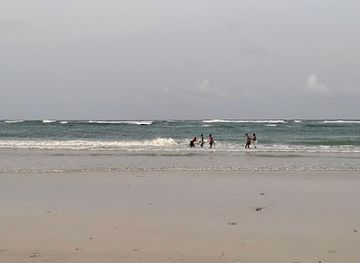
Lower Shabelle's potential attractions lie in its combination of river agriculture, Indian Ocean history and culturally significant port settlements, rather than in a developed tourism infrastructure. Marka's historic coastal quarter and Barawe's old town are associated with coral-stone architecture, mosques, narrow lanes and long-standing maritime connections, although access and preservation are severely affected by insecurity. The Shabelle valley provides insight into irrigation, farming and the relationship between river water and settlement in an otherwise dry environment. Coastal landscapes, fishing communities and open sandy plains add a contrasting environmental dimension, while Afgoye and other river settlements reflect the region's agricultural networks. In practice, armed conflict, kidnapping risk, damaged infrastructure, unexploded ordnance and limited protection for historic buildings mean that these places cannot currently be treated as ordinary visitor attractions. Any cultural, humanitarian or research visit would require official permissions, specialist security planning and local guidance; independent sightseeing is not appropriate.
-
Beach
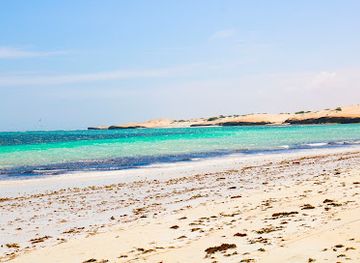
Jaziira Beach Muqdisho
Discover the enchanting Jaziira Beach in Muqdisho - a serene coastal paradise with stunning views and vibrant local culture.
Best landmarks in Lower Shabelle
The most significant landmarks of Lower Shabelle are connected with its coastal trading history and river geography. Marka's old urban fabric, including coral-stone buildings, mosques and narrow lanes, reflects centuries of exchange across the western Indian Ocean, though conflict and poor maintenance have endangered much of the historic environment. Barawe's old town is associated with Bravanese culture, Islamic scholarship and the architectural traditions of a long-established port community. The Shabelle River itself is a defining geographical landmark: its banks support intensive cultivation and settlements that contrast sharply with the surrounding semi-arid country. Coastal sand plains and the Indian Ocean provide another strong regional visual identity. These places have cultural and historical importance, but access, preservation and personal safety are serious concerns; none should be visited without current authorisation and professional security arrangements.
-
Historical landmark
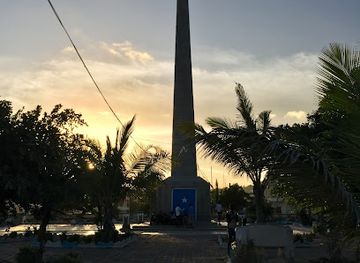
The Tomb of the Unknown Soldier
Explore the Tomb of the Unknown Soldier in Mogadishu, a historical landmark honoring the sacrifices made for peace and freedom in Somalia.
-
 Historical landmark
Ceelka shabelow
Explore Ceelka Shabelow, a historical landmark in Shalan Boot, and immerse yourself in the rich history and culture of Somalia.
Explore Lower Shabelle on the map
Plan your trip on one map. See where the top cities, national parks and sights are, and book hotels and experiences in a few clicks.
Best hotels in Lower Shabelle
Best restaurants in Lower Shabelle
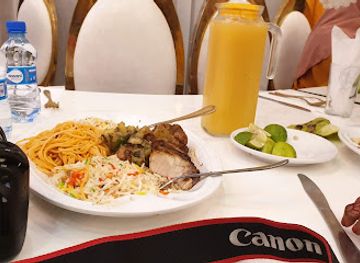
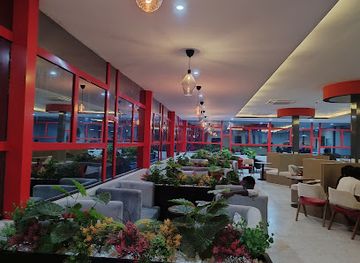
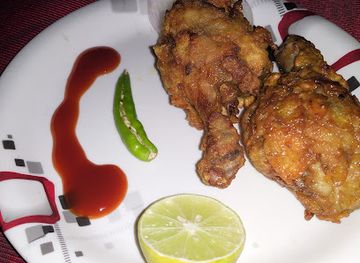
Lower Shabelle's food culture reflects southern Somali farming, pastoral and coastal traditions. Rice, pasta and flatbreads are common staples, often served with meat, vegetables or richly seasoned sauces, while the Shabelle valley contributes bananas, sesame, maize and other agricultural produce. Along the coast, fish and other seafood form part of local cooking, although availability varies with season, supply and security. Tea, spiced coffee and sweetened drinks are important in social settings, and meals may be shared communally. In Marka, Barawe and other towns, locally run cafés and small eateries serve residents rather than an international restaurant market; formal dining, reliable refrigeration and inspected tourist facilities should not be assumed. Visitors on authorised journeys should rely on accommodation or organisational catering, carry suitable dietary contingency supplies and follow professional advice on water, food hygiene and safe sourcing.
-
Restaurant
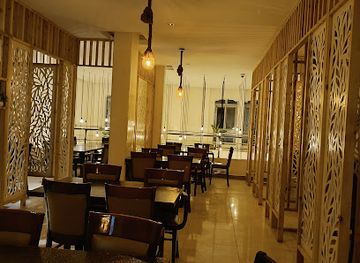
Karmel Hotel And Restaurant
Experience authentic Somali cuisine at Karmel Hotel and Restaurant in the heart of Mogadishu—where tradition meets hospitality.
-
Restaurant
Salsabiil Restaurant
Experience the authentic flavors of Somalia at Salsabiil Restaurant in Mogadishu - where every meal tells a story.
-
Restaurant
Dilek Somalia
Discover the vibrant tastes of Somalia at Dilek Somalia - where delicious meals meet warm hospitality in Mogadishu.
-
Restaurant
The Village Restaurant
Experience authentic Somali cuisine at The Village Restaurant in Jazeera - where tradition meets flavor.
Best bars in Lower Shabelle
Lower Shabelle does not have a conventional bar or nightclub scene. Somalia is predominantly Muslim, and public nightlife is generally centred on tea houses, cafés, family gatherings and informal social spaces rather than alcohol-led entertainment. In larger settlements, evenings may include conversation, football viewing or small local gatherings, but these activities are shaped by security restrictions and often conclude early. Marka and Barawe possess distinctive urban and maritime cultures, yet neither should be approached as a nightlife destination by foreign visitors. Alcohol possession and consumption can create serious legal, cultural and security problems, while movement after dark is particularly hazardous. Authorised visitors should remain within approved accommodation or compounds after sunset and follow their organisation's movement and communications procedures.
-
Bar
Baar FIAT
Experience Mogadishu's vibrant nightlife at Baar FIAT, where local culture meets refreshing drinks in a lively atmosphere.
-
Bar
Mounta Sinay
Experience the vibrant atmosphere of Mounta Sinay, a cultural bar in Mogadishu offering drinks and a taste of Somali hospitality.
-
Bar
Humbaal Beach
Experience the serene beauty and vibrant culture at Humbaal Beach in Mogadishu, Somalia, a true oasis by the Indian Ocean.
-
Restaurant
Silver Bar And Restaurant
Discover the vibrant flavors and warm atmosphere of Silver Bar And Restaurant in Mogadishu, a culinary gem for every traveler.

Best nightclubs in Lower Shabelle
Lower Shabelle does not have a conventional bar or nightclub scene. Somalia is predominantly Muslim, and public nightlife is generally centred on tea houses, cafés, family gatherings and informal social spaces rather than alcohol-led entertainment. In larger settlements, evenings may include conversation, football viewing or small local gatherings, but these activities are shaped by security restrictions and often conclude early. Marka and Barawe possess distinctive urban and maritime cultures, yet neither should be approached as a nightlife destination by foreign visitors. Alcohol possession and consumption can create serious legal, cultural and security problems, while movement after dark is particularly hazardous. Authorised visitors should remain within approved accommodation or compounds after sunset and follow their organisation's movement and communications procedures.
-
Night club
Banadir Beach Club
Discover the lively nightlife of Mogadishu at Banadir Beach Club, where the ocean meets entertainment in a vibrant setting.
-
Bar
Relax place
Experience serenity and refreshment at Relax Place, a hidden gem in Mogadishu perfect for unwinding and socializing.
-
Night club
Villa MAAREYE
Discover the pulse of Mogadishu's nightlife at Villa MAAREYE, a dynamic night club offering music, dance, and a vibrant social scene.

Best shops in Lower Shabelle
Shopping in Lower Shabelle is primarily local and practical, taking place through markets, small food stalls, neighbourhood traders and informal agricultural exchanges rather than purpose-built retail centres. River communities trade vegetables, fruit, sesame and other produce, while coastal settlements have links with fish markets and small-scale commerce. Traditional dress materials, household goods, spices and locally prepared foods may be available in town markets, but selection, operating conditions and prices can change quickly. Marka and Barawe have historically connected local trade with maritime commerce, although conflict has disrupted supply routes and damaged commercial life. International visitors should not expect dependable souvenir shops, card payments or export-quality craft outlets. Any purchases should be made discreetly, with local guidance, and visitors should avoid photographing markets or traders without permission.
-
Market
Bakaara Market
Explore the bustling Bakaara Market in Mogadishu, a vibrant hub of culture, shopping, and delicious street food in Somalia.
-
Supermarket
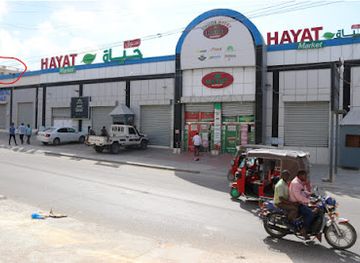
Hayat Market (KM5 Zope)
Explore the vibrant Hayat Market in Mogadishu for a rich selection of groceries, local produce, and unique souvenirs while experiencing local culture.
-
Shopping mall
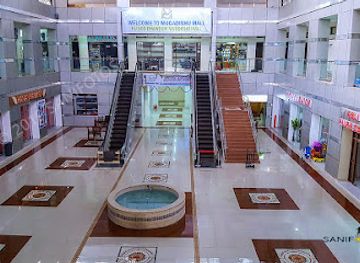
Mogadishu Mall
Discover the vibrant shopping scene at Mogadishu Mall, where local culture meets modern retail in the heart of Somalia's capital.
-
Coffee shop
Beydan
Experience the essence of Somali coffee culture at Beydan, a lively coffee shop in Mogadishu offering rich brews and a welcoming atmosphere.

Get your free copy of our complete guide to Lower Shabelle, delivered straight to you.
Everything on this page, from attractions and restaurants to essentials and local phrases, in one PDF you can read offline, print or share.
Already have an account? Sign in
Your Lower Shabelle guide is ready.
We'll send it to · Not you? Sign out

Getting your guide ready…
We are putting together a fresh copy of the Lower Shabelle guide. This can take up to a minute.
This can take a few moments. If your browser asks, choose Allow so the download can start. You'll find the guide in your Downloads folder.
Nothing happened? Download it again
Sorry, the guide is taking longer than usual. Please try again in a minute, or get it by email instead.
Lower Shabelle essentials
Currency and Payment
Safety
Emergency Situations
Do's and Don'ts
Local Tips
From Eve
Local phrases worth knowing
You don't need to get them perfect. A few words go a long way, and locals appreciate the effort.
Basics
| English | Local | Say it |
|---|---|---|
| Hello | Salaam | [sah-lahm] |
| Goodbye | Nabad gelyo | [nah-bahd geh-lee-yoh] |
| Yes | Haa | [hah] |
| No | Maya | [mah-yah] |
| Please/You're welcome | Fadlan | [fah-dlan] |
| Thank you | Mahadsanid | [mah-hahd-sah-nid] |
| Excuse me/Sorry | Iga raali ahow | [ee-gah rah-lee ah-hoo] |
| How are you? | Sidee tahay? | [see-deh tah-hah-ee] |
| Fine. And you? | Wanaagsan. Adiguna? | [wah-nahg-sahn. ah-dee-goo-nah?] |
| Do you speak English? | Ma ku hadashaa Ingiriisi? | [mah koo hah-dah-shah in-gee-ree-see?] |
| I don't understand | Ma fahmin | [mah fah-min] |
Eating & Drinking
| English | Local | Say it |
|---|---|---|
| I'd like to see the menu, please | Fadlan, menu ii soo bandhig | [fah-dlan, meh-noo ee soo ban-dhig] |
| I don't eat meat | Ma cuno hilib | [mah koo-no hee-lib] |
| Cheers! | Nabad gelyo! | [nah-bahd geh-lee-yoh!] |
| I would like to pay, please | Fadlan, lacagta ii bixi | [fah-dlan, lahc-agtah ee bee-khee] |
Emergencies
| English | Local | Say it |
|---|---|---|
| Help! | Caawimaad! | [cah-wee-mahd!] |
| Go away! | Isha ka bax! | [ee-shah kah bax!] |
| Call the Police! | Taliye boolis wac! | [tah-lee-yeh boh-lis wahc!] |
| Call a doctor! | Dhakhtar wac! | [dhahk-tahr wahc!] |
| I'm lost | Waan lumay | [wah-an loo-may] |
| I'm ill | Waan xanuunsanahay | [wah-an khah-noon-sah-nah-hay] |
Shopping
| English | Local | Say it |
|---|---|---|
| I'd like to buy... | Waxaan rabaa inaan iibsado... | [wah-han rah-bah ee-nan eeb-sah-doh...] |
| I'm just looking | Waxaan kaliya eegayaa | [wah-han kah-lee-yah eh-gah-yah] |
| How much is it? | Immisa ayey ku kacaysaa? | [im-mee-sah ay-eh koo kah-kay-sah?] |
| That's too expensive | Taasi waa qaali | [tah-see wah kah-lee] |
| Can you lower the price? | Ma hoos u dhigaysaa qiimaha? | [mah hohs oo dee-gah-y-sah kee-mah?] |
Time & Numbers
| English | Local | Say it |
|---|---|---|
| What time is it? | Waa maxay waqtiga? | [wah mah-xay wahq-ti-gah?] |
| It's one o'clock | Waa saacad kowaad | [wah sah-kahd koh-wahd] |
| Half past (10) | Badhtamihii (10) | [bad-tha-mi-hii (10)] |
| Morning | Subax | [soo-bahx] |
| Afternoon | Duhur | [doo-hoor] |
| Evening | Fiid | [fee-id] |
| Yesterday | Shalay | [shah-lah-y] |
| Today | Maanta | [mah-ahn-tah] |
| Tomorrow | Berri | [behr-ree] |
| 1 | Kow | [koh] |
| 2 | Laba | [lah-bah] |
| 3 | Saddex | [sahd-dex] |
| 4 | Afar | [ah-fahr] |
| 5 | Shan | [shan] |
| 6 | Lix | [lix] |
| 7 | Toddoba | [toh-doh-bah] |
| 8 | Siddeed | [sid-deed] |
| 9 | Sagaal | [sah-gahl] |
| 10 | Toban | [toh-bahn] |
Transport & Directions
| English | Local | Say it |
|---|---|---|
| Where's a/the...? | Xagee ku yaal...? | [hah-geh koo yaal...?] |
| What's the address? | Waa maxay cinwaanka? | [wah mah-xay chin-wah-nkah?] |
| Can you show me (on the map)? | Ma ii tusaysaa (khariidada)? | [mah ee too-sah-y-sah (khah-ree-dah-dah)?] |
| When's the next (bus)? | Goormee waa baska xiga? | [goor-mee wah bas-kah hee-gah?] |
| A ticket (to ....) | Tigid (u ....) | [tee-gid (oo ....)] |
History of Lower Shabelle
Early settlement and the Shabelle river system
The lower Shabelle has long depended on the river's seasonal and managed waters. Farming communities developed in a landscape where river cultivation contrasted with surrounding drylands, while pastoral mobility connected the valley to wider southern Somalia. Archaeological knowledge of the region remains uneven because research and site protection have been constrained by insecurity. Even so, the river's role in sustaining settlement, food production and movement is a foundational part of Lower Shabelle's history.
Indian Ocean trading communities
From the medieval period, ports on the southern Somali coast participated in trading networks linking the Horn of Africa with Arabia, Persia, India and the Swahili coast. Marka and Barawe were associated with Muslim scholarship, seaborne commerce and communities whose cultural links extended across the ocean. Coral-stone buildings, mosque traditions and the Bravanese cultural heritage of Barawe preserve elements of this maritime past, although many historic structures have suffered from neglect and conflict.
The medieval and early modern coastal sultanates
Southern Somali ports were influenced at different times by regional Muslim states and sultanates, including political formations associated with the Ajuran and later coastal authorities. Control was often fluid rather than matching modern administrative boundaries, and inland river communities did not share a single political history with the ports. These centuries established Lower Shabelle as both an agricultural hinterland and a participant in the wider Islamic and commercial life of the western Indian Ocean.
Portuguese intervention and changing maritime power
Portuguese naval expansion into the Indian Ocean brought direct pressure to Somali and Swahili ports during the sixteenth century. Barawe was attacked by Portuguese forces in 1506, an event remembered within the wider history of the southern Somali coast. Portuguese influence did not create a lasting administration in Lower Shabelle, but the attacks formed part of a period in which established Muslim trading networks faced new military and commercial competition.
Colonial rule and agricultural development
Italian colonial rule altered the political and economic geography of southern Somalia during the late nineteenth and early twentieth centuries. Roads, port facilities and plantation agriculture were developed to serve colonial interests, while land and labour systems placed pressure on existing communities. The lower Shabelle became particularly associated with irrigated farming and commercial crops, including bananas. The legacy of colonial land organisation and unequal access to productive areas remained important after independence.
Independence, state-building and the Shabelle valley
Somalia became independent in 1960, and the riverine districts of Lower Shabelle formed part of the new republic's efforts to expand agricultural production and national infrastructure. State-backed schemes sought to improve irrigation, roads and export agriculture, but drought, political instability and unequal land relations complicated progress. The region's proximity to Mogadishu also made it strategically important during periods of political contestation.
Civil war, displacement and contemporary insecurity
The collapse of Somalia's central government in 1991 brought prolonged conflict to Lower Shabelle. Control of towns, farmland, roads and ports shifted among armed groups and local authorities, while civilians experienced displacement, violence and disruption to farming and trade. Al-Shabaab has maintained a significant presence or influence in parts of southern Somalia, and government and allied forces have contested territory. Floods, drought and humanitarian pressures continue to affect communities, making the region's modern history inseparable from questions of security, land, food and displacement.
Lower Shabelle in Photos
Browse through our photo collection highlighting the charm and character of the destination.
Neighbouring regions of Lower Shabelle
The closest regions to Lower Shabelle, if you have time for more than one.
-

-

-

-

-


Swipe for more regions
Explore more

Explore more of Somalia
Explore Somalia: Discover its untouched beaches, ancient ruins, and rich cultural heritage in a land of resilient people and breathtaking landscapes.
Explore Somalia