

Shimbiris Mountain Travel Guide - Free Web & App
Your ultimate guide to Shimbiris Mountain. Discover top landmarks, proposed trips, and local tips. Free on the web or via the Evendo companion app.


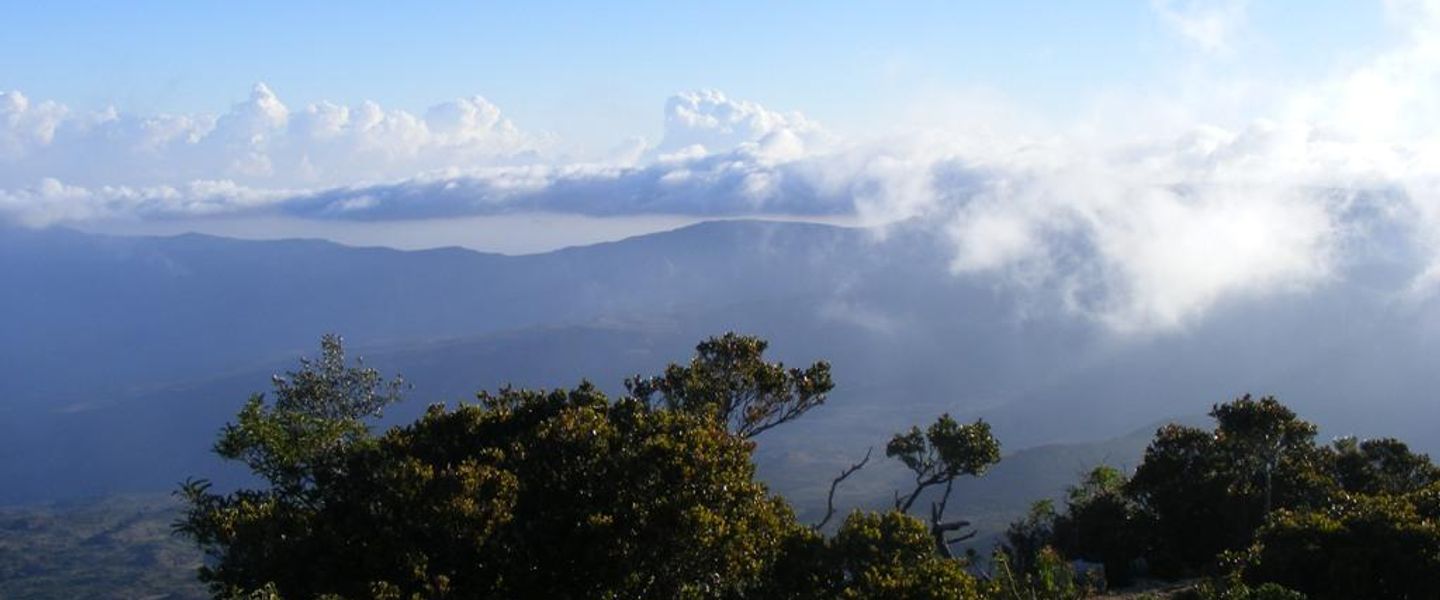


Discover Shimbiris Mountain in Somalia: A breathtaking pinnacle, surrounded by lush greenery, rich biodiversity, and vibrant culture, offering an unforgettable adventure.
Read more about Shimbiris Mountain
When is the best time to visit Shimbiris Mountain?
Best: December–February · 23–25°C| Month | High (°C) | Rainfall (mm) |
|---|---|---|
| January (best) | 23 | 0 |
| February (best) | 24 | 0 |
| March | 27 | 0 |
| April | 30 | 0 |
| May | 31 | 0 |
| June | 32 | 8 |
| July | 32 | 15 |
| August | 31 | 20 |
| September | 30 | 10 |
| October | 29 | 5 |
| November | 28 | 0 |
| December (best) | 25 | 0 |
Getting to and around Shimbiris Mountain
How to get there
Transportation
Best attractions in Shimbiris Mountain
Shimbiris Mountain in Somalia offers visitors a unique blend of natural beauty and historical significance. From the breathtaking views at the mountain's summit to the ancient rock art and cave paintings scattered throughout the area, there is something for every explorer to discover. The diverse flora and fauna provide opportunities for wildlife enthusiasts, while the rich cultural heritage and local traditions offer a glimpse into the area's past. Whether you're a hiker looking for a challenge or a history buff eager to uncover hidden treasures, Shimbiris Mountain has something for everyone to enjoy.
-
National park
Daallo Mountain
Discover the breathtaking beauty and diverse wildlife of Daallo Mountain National Park in Somalia, a hidden gem for nature lovers and adventurers.
-
Park
Daallo Park
Experience the serene beauty and diverse ecosystems of Daallo Park in Somaliland, a must-visit destination for nature lovers and adventure seekers alike.
-
Park
Nura National Park
Explore the wonders of Nura National Park, a stunning natural paradise in Ceerigaabo, Somalia, perfect for adventure seekers and nature lovers.
-
Park
Lamadaya waterfall
Experience the serene beauty of Lamadaya Waterfall in Cal Madow, a hidden gem offering stunning landscapes and tranquil nature for every traveler.
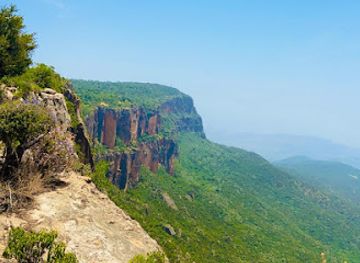
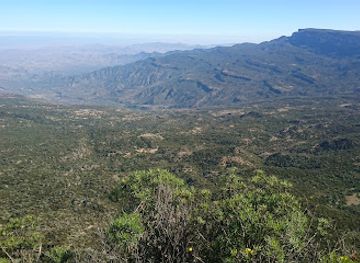
Best landmarks in Shimbiris Mountain
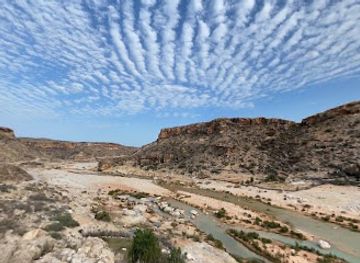
Shimbiris Mountain in Somalia offers visitors a breathtaking experience with its towering peak, lush greenery, and diverse wildlife. Explore the ancient cave paintings that tell the story of the region's history, trek through the rugged terrain to discover hidden waterfalls, and marvel at the panoramic views of the surrounding landscape from the summit. Don't miss the opportunity to interact with the local nomadic tribes who call this mountain home, and immerse yourself in their traditional way of life. Shimbiris Mountain is a must-visit destination for adventure seekers and history enthusiasts alike.
-
Mountain peak
Mount Shimbiris
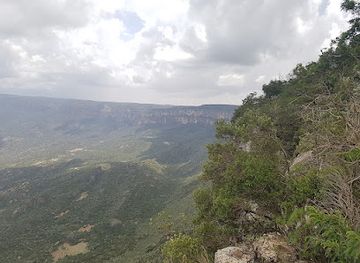
Discover the breathtaking beauty of Mount Shimbiris, Somalia’s highest peak, offering stunning views and memorable hiking adventures.
Explore Shimbiris Mountain on the map
Plan your trip on one map. See where the top attractions, landmarks, restaurants and hotels are, and book hotels and experiences in a few clicks.
Best hotels in Shimbiris Mountain
Best restaurants in Shimbiris Mountain
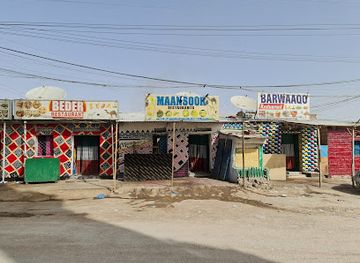
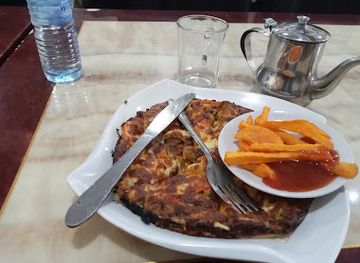
The dining scene at Shimbiris Mountain offers a unique and diverse experience for visitors, with a range of local eateries serving traditional Somali cuisine infused with rich flavors and spices. From small family-run restaurants offering homemade dishes to bustling markets selling street food favorites, visitors can immerse themselves in the vibrant culinary culture of the region. Enjoy sizzling grilled meats, fragrant rice dishes, and freshly baked breads, all while taking in the breathtaking views of the mountain landscape. Don't miss the opportunity to try camel milk tea or freshly brewed coffee at a local café, and be sure to sample the delicious sweets and desserts that showcase the region's culinary heritage. With warm hospitality and authentic flavors, the dining scene at Shimbiris Mountain is sure to delight the taste buds of adventurous food lovers.
-
Restaurant
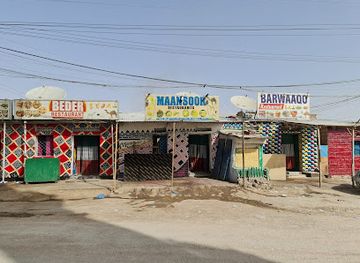
Beder Restaurant
Discover authentic Somali cuisine at Beder Restaurant in Ceerigaabo—where flavor meets hospitality.
-
Restaurant
Sanaag Hotel
Experience authentic Somali cuisine at Sanaag Hotel in Ceerigaabo – where tradition meets taste in a welcoming atmosphere.

Best bars in Shimbiris Mountain
The nightlife scene of Shimbiris Mountain offers a unique experience for visitors, with a variety of cozy bars and lively nightclubs scattered throughout the area. From traditional cafes serving aromatic Somali coffee to modern lounges with stunning views of the surrounding landscape, there is something for everyone to enjoy. Dance the night away to local music or relax with a refreshing drink under the starry sky, creating unforgettable memories in this enchanting mountain setting.
-
Mountain peak
Mount Shimbiris
Discover the breathtaking views and rich culture at Mount Shimbiris, Somalia's highest peak, perfect for adventurous travelers and nature lovers.
-
Restaurant
Beder Restaurant
Experience the authentic flavors of Somaliland at Beder Restaurant, a must-visit for food lovers exploring Ceerigaabo.
-
Restaurant
Qudus Restourant
Experience the authentic taste of Somali cuisine at Qudus Restaurant in Ceerigaabo, a must-visit dining spot for travelers.
-
Restaurant
Sanaag Hotel
Experience authentic Somali cuisine in Ceerigaabo at Sanaag Hotel, where delicious flavors meet warm hospitality.

Best nightclubs in Shimbiris Mountain
The nightlife scene of Shimbiris Mountain offers a unique experience for visitors, with a variety of cozy bars and lively nightclubs scattered throughout the area. From traditional cafes serving aromatic Somali coffee to modern lounges with stunning views of the surrounding landscape, there is something for everyone to enjoy. Dance the night away to local music or relax with a refreshing drink under the starry sky, creating unforgettable memories in this enchanting mountain setting.
-
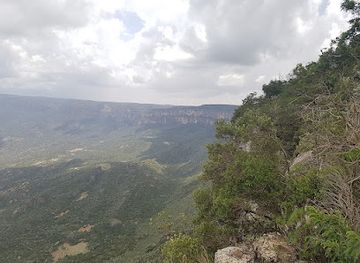
Mountain peak
Mount Shimbiris
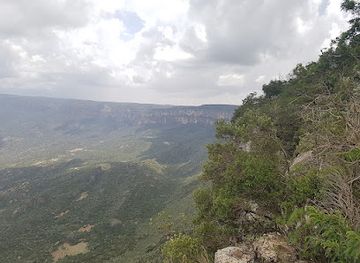
Explore Mount Shimbiris, Somalia's highest peak, and immerse yourself in its stunning landscapes and rich cultural heritage.
Best shops in Shimbiris Mountain
The shopping scene at Shimbiris Mountain offers a unique experience for visitors, with local markets showcasing traditional Somali handicrafts, colorful textiles, and intricate jewelry. Visitors can explore stalls filled with handmade pottery, leather goods, and intricately woven baskets, all crafted by skilled artisans. The vibrant atmosphere of the markets, filled with the sounds of bargaining and the aromas of local spices, creates a truly immersive cultural experience for tourists looking to take home a piece of Somali heritage.
-
Mountain peak
Mount Shimbiris
Discover the breathtaking views and rich biodiversity of Mount Shimbiris, Somalia's highest peak, a paradise for nature lovers and adventurers alike.
-
 Shopping mall
Nasri Store
Explore the vibrant Nasri Store in Ceerigaabo for unique local products and an authentic shopping experience in Somalia.
-
Store
Semester street
Discover local culture and vibrant shopping at Semester Street in Ceerigaabo, where every corner tells a story.
-
Cabinet store
Al khayr store
Explore the exquisite craftsmanship of cabinets at Al Khayr Store in Ceerigaabo - a must-visit for furniture lovers and local culture enthusiasts.

Get your free copy of our complete guide to Shimbiris Mountain, delivered straight to you.
Everything on this page, from attractions and restaurants to essentials and local phrases, in one PDF you can read offline, print or share.
Already have an account? Sign in
Your Shimbiris Mountain guide is ready.
We'll send it to · Not you? Sign out

Getting your guide ready…
We are putting together a fresh copy of the Shimbiris Mountain guide. This can take up to a minute.
This can take a few moments. If your browser asks, choose Allow so the download can start. You'll find the guide in your Downloads folder.
Nothing happened? Download it again
Sorry, the guide is taking longer than usual. Please try again in a minute, or get it by email instead.
Shimbiris Mountain essentials
Currency and Payment
Safety
Emergency Situations
Do's and Don'ts
Local Tips
From Eve
Local phrases worth knowing
You don't need to get them perfect. A few words go a long way, and locals appreciate the effort.
Basics
| English | Local | Say it |
|---|---|---|
| Hello | Salaam | [sa-laam] |
| Goodbye | Nabad gelyo | [na-bad ge-lyo] |
| Yes | Haa | [haa] |
| No | Maya | [ma-ya] |
| Please/You're welcome | Fadlan | [fad-lan] |
| Thank you | Mahadsanid | [ma-had-sa-nid] |
| Excuse me/Sorry | Nabad gelyo | [na-bad ge-lyo] |
| How are you? | Sidee tahay? | [si-dee ta-hay?] |
| Fine. And you? | Nabad baad tahay? Waa kuu nabad | [na-bad baad ta-hay? waa ku na-bad] |
| Do you speak English? | Ma ku hadlaa Af Ingiriis? | [ma ku had-laa af in-gi-riis?] |
| I don't understand | Ma fahmin | [ma fah-min] |
Eating & Drinking
| English | Local | Say it |
|---|---|---|
| I'd like to see the menu, please | Soo bandhigi qeybtaaga fadlan | [soo ban-dhi-gi qeyb-taa-ga fad-lan] |
| I don't eat meat | Aniga sahan maan jeclahay | [a-ni-ga sa-han maan je-cla-hay] |
| Cheers! | Bacdi | [bac-di] |
| I would like to pay, please | Fadlan, waxaan rabaa inaan bixiyo | [fad-lan, wa-xaan ra-baa i-naan bi-xi-yo] |
Emergencies
| English | Local | Say it |
|---|---|---|
| Help! | Caawin! | [caa-win!] |
| Go away! | Tag | [tag] |
| Call the Police! | Wac Police-ka! | [wac police-ka!] |
| Call a doctor! | Wac dhakhtar! | [wac dhak-tar!] |
| I'm lost | Aniga waxaan mar kale ka baxay | [a-ni-ga wa-xaan mar ka-le ka ba-xay] |
| I'm ill | Aniga waa xanuunay | [a-ni-ga waa xa-nuun-ay] |
Shopping
| English | Local | Say it |
|---|---|---|
| I'd like to buy... | Waxaan rabaa inaan iibso... | [wa-xaan ra-baa i-naan iib-so...] |
| I'm just looking | Aniga waxaan arki doonaa | [a-ni-ga wa-xaan ar-ki doo-naa] |
| How much is it? | Qaddiyada sidaa ku baa? | [qad-di-ya-da si-daa ku baa?] |
| That's too expensive | Waa qiimaha sare | [waa qiima-ha sa-re] |
| Can you lower the price? | Ma rabto inaad hooseeyaan qiimaha? | [ma rab-to i-naad hoosee-yaan qiima-ha?] |
Time & Numbers
| English | Local | Say it |
|---|---|---|
| What time is it? | Waa waqti maxaa? | [waa waq-ti ma-xaa?] |
| It's one o'clock | Waa hal saacad | [waa hal saa-cad] |
| Half past (10) | Daboolka (10) | [da-bool-ka (10)] |
| Morning | Subax | [su-bax] |
| Afternoon | Galab | [ga-lab] |
| Evening | Beri hore | [be-ri ho-re] |
| Yesterday | Shalay | [sha-lay] |
| Today | Maanta | [ma-an-ta] |
| Tomorrow | Berri | [ber-ri] |
| 1 | Kow | [kow] |
| 2 | Labeen | [la-been] |
| 3 | Sideed | [si-deed] |
| 4 | Afar | [a-far] |
| 5 | Shan | [shan] |
| 6 | Lix | [lix] |
| 7 | Toddobaad | [tod-do-baad] |
| 8 | Sideetodobaad | [si-dee-to-do-baad] |
| 9 | Sagaal | [sa-gaal] |
| 10 | Tobnaad | [tob-naad] |
Transport & Directions
| English | Local | Say it |
|---|---|---|
| Where's a/the...? | Halka ayaa...? | [hal-ka a-ya...?] |
| What's the address? | Cinwaanadda maxaa? | [cin-waa-na-da ma-xaa?] |
| Can you show me (on the map)? | Ma rabto inaad i tuso (khariidadh)? | [ma rab-to i-naad i tu-so (kha-rii-dadh)?] |
| When's the next (bus)? | Markii dambe (baas) maxaa? | [mar-kii dam-be (baas) ma-xaa?] |
| A ticket (to ....) | Tikita (ila...) | [ti-ki-ta (i-la...)] |
History of Shimbiris Mountain
Geological Formation of Shimbiris Mountain
Shimbiris Mountain, located in the Al-Madow mountain range in Somalia, is the highest peak in the country, standing at 2,416 meters (7,927 feet). The mountain's geological history dates back millions of years, originating from tectonic activities that uplifted the region. The unique geological formations and diverse rock types found in Shimbiris provide a glimpse into the Earth's ancient past.
Indigenous Tribes and Early Inhabitants
The area surrounding Shimbiris Mountain has been home to various indigenous tribes for centuries. The most prominent among them are the Somali clans, including the Warsangali and Dhulbahante. These tribes have a rich cultural heritage and have historically relied on the mountain's resources for their livelihoods, including livestock grazing and traditional herbal medicine.
Historical Trade Routes
Shimbiris Mountain has historically been a landmark for ancient trade routes that connected the interior of Somalia to the coastal cities. These routes facilitated the exchange of goods such as frankincense, myrrh, and livestock, contributing to the economic and cultural development of the region. The mountain served as a navigational point for traders and travelers traversing the harsh terrains.
Colonial Era and Exploration
During the late 19th and early 20th centuries, Shimbiris Mountain and its surroundings attracted the attention of colonial powers, particularly the British. Explorers and cartographers documented the region, mapping its geography and studying its flora and fauna. The colonial period brought infrastructure developments, such as roads and communication lines, but also led to conflicts with the indigenous populations.
Conservation Efforts and Biodiversity
In recent decades, there has been a growing recognition of the ecological importance of Shimbiris Mountain. Conservation efforts have been initiated to protect its unique biodiversity, which includes several endemic plant and animal species. The mountain's diverse ecosystems range from lush forests to arid plateaus, offering a sanctuary for wildlife and a vital water source for the surrounding communities.
Cultural Significance and Folklore
Shimbiris Mountain holds a special place in Somali culture and folklore. It is often featured in traditional songs, poetry, and oral histories. Legends and myths associated with the mountain speak of its mystical powers and the spirits that are believed to inhabit it. The mountain is also a site for cultural ceremonies and rituals, reflecting the deep spiritual connection between the people and the land.
Modern-Day Tourism and Adventure
In recent years, Shimbiris Mountain has become a sought-after destination for adventure seekers and tourists. The mountain offers various outdoor activities, including hiking, bird watching, and camping. Efforts are being made to develop sustainable tourism that benefits local communities while preserving the natural and cultural heritage of the area.
Shimbiris Mountain in Photos
Browse through our photo collection highlighting the charm and character of the destination.
Neighbouring destination travel guides
The closest destinations to Shimbiris Mountain, if you have time for more than one.
-

-

-

-

-


Swipe for more destinations
Explore more

Explore more of Sanaag
Sanaag combines Somalia's remote Gulf of Aden coast, Cal Madow mountains and pastoral landscapes for carefully planned, specialist travel.
Explore Sanaag
Explore more of Somalia
Explore Somalia: Discover its untouched beaches, ancient ruins, and rich cultural heritage in a land of resilient people and breathtaking landscapes.
Explore Somalia