

Free Kalahari Travel Guide & Mobile App
Explore Kalahari with free travel guides. Discover regional history, expert tips, proposed trips, and audio guides on web or mobile app.


Explore South Africa's Kalahari for red dunes, desert wildlife, wide skies, Kgalagadi safaris and the greener Orange River corridor.
Read more about Kalahari
When is the best time to visit Kalahari?
Best: May, August–September · 21–25°C| Month | High (°C) | Rainfall (mm) |
|---|---|---|
| January | 33 | 51 |
| February | 33 | 45 |
| March | 31 | 40 |
| April | 28 | 31 |
| May (best) | 23 | 20 |
| June | 19 | 10 |
| July | 18 | 6 |
| August (best) | 21 | 8 |
| September (best) | 25 | 12 |
| October | 29 | 26 |
| November | 31 | 40 |
| December | 33 | 46 |
Getting to and around Kalahari
How to get there
Transportation
Best attractions in Kalahari
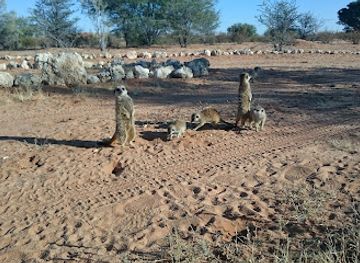
The central attraction of the South African Kalahari is Kgalagadi Transfrontier Park, where self-drive routes follow the Auob and Nossob riverbeds through red dunes and sparse thornveld. Wildlife viewing may include gemsbok, springbok, wildebeest, meerkat and large predators, while birdwatchers can look for raptors and desert-adapted species around water points. The experience is defined by distance, silence and careful observation rather than a dense collection of visitor facilities. Around the park, small Kalahari settlements and the Mier area provide insight into life on the desert margins. Upington and the Orange River offer a contrasting landscape of vineyards, orchards, river activities and regional food production. The wider Northern Cape also provides access to desert photography, stargazing and scenic drives, although visitors should distinguish the Kalahari proper from nearby riverine and semi-desert landscapes. Outdoor activities require planning around heat, water availability, road surfaces and wildlife regulations, while cultural visits should be arranged respectfully through established local organisations or guides.
-
National park
Augrabies Falls National Park
Explore Augrabies Falls National Park – a stunning blend of breathtaking waterfalls, diverse wildlife, and scenic hiking trails in South Africa.
-
Tourist attraction
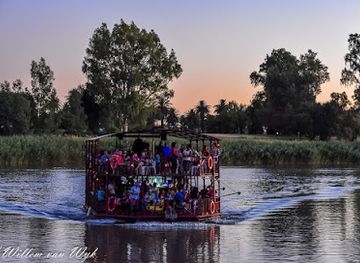
Sakkie se Arkie
Explore Sakkie se Arkie in Upington for a family-friendly experience with fun activities and local cuisine amidst stunning landscapes.
-
National park
Kgalagadi Transfrontier Park
Explore Kgalagadi Transfrontier Park, where untamed wilderness meets rich wildlife experiences in a stunning desert landscape.
-
Non-profit organization
Mokolodi Nature Reserve
Discover the beauty of Botswana at Mokolodi Nature Reserve, where wildlife encounters and nature adventures await every traveler.

Best landmarks in Kalahari
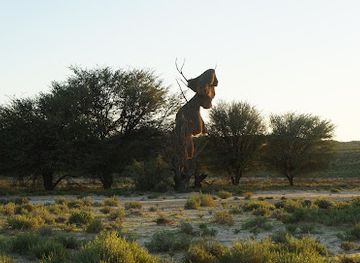
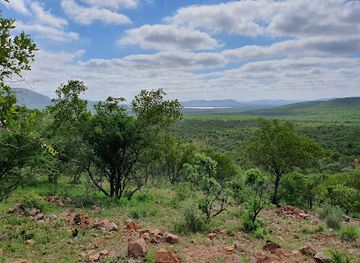
Kgalagadi Transfrontier Park's red dunes and the dry beds of the Auob and Nossob rivers are the South African Kalahari's defining natural landmarks. These linear valleys concentrate vegetation and wildlife in an otherwise open landscape, making them both geographical features and the framework for most park travel. Twee Rivieren, the principal South African access point and a recognised park base, marks the practical threshold between settled roads and a protected desert wilderness. At the region's southern edge, the Orange River around Upington and Kakamas forms a vivid natural counterpoint to the dunes, its irrigated banks supporting vineyards and orchards. The Kalahari's distinctive beacons are often ecological rather than monumental: pale grass, red sand ridges, dry river channels and isolated waterholes create a highly recognisable sense of place. Historic settlement buildings and community landscapes near the river and park approaches are also significant, but should be understood within the wider histories of San, Tswana, Korana, Mier and colonial-era communities.
-
Desert
Kalahari Desert
Explore the vast expanse of the Kalahari Desert, a stunning landscape rich in wildlife and culture, perfect for adventurous travelers seeking unique experiences.
-
Tourist attraction
Kalahari Trails
Experience the breathtaking landscapes and rich culture of the Kalahari Desert at Kalahari Trails, a premier tourist attraction for adventure lovers.
-
 Hotel
HotelTswalu Kalahari Reserve
Discover the unique wildlife and luxurious serenity of Tswalu Kalahari Reserve, South Africa’s largest private game reserve in the breathtaking Kalahari Desert.
-
Resort hotel
Kalahari Sands Safari Lodge
Discover the Kalahari Sands Safari Lodge, where luxury meets adventure in the heart of the Kgalagadi Desert, perfect for your next getaway.
Explore Kalahari on the map
Plan your trip on one map. See where the top cities, national parks and sights are, and book hotels and experiences in a few clicks.
Best hotels in Kalahari
Best restaurants in Kalahari
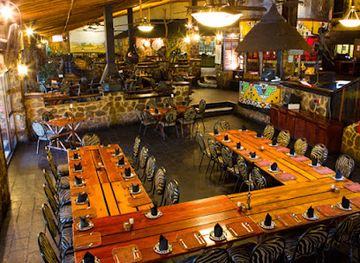
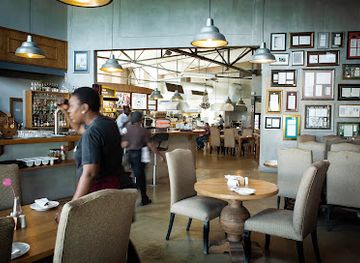
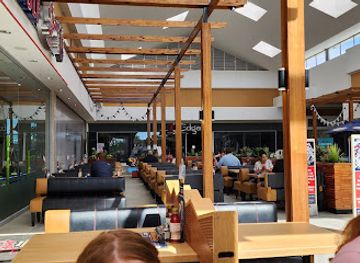
Dining in the South African Kalahari combines practical rural cooking with the produce of the Orange River corridor. Upington and the larger settlements provide the broadest choice, including cafés, restaurants, hotel dining rooms and traditional South African dishes built around meat, vegetables and freshly baked goods. Dried fruit, grapes, dates and wines from the irrigated river districts are among the region's notable products, while local farm stalls and informal sellers may offer seasonal produce when available. Around Kgalagadi Transfrontier Park, catering is generally linked to camps, self-catering accommodation and pre-arranged supplies rather than a restaurant circuit, so visitors should plan meals before entering remote areas. Braai-style cooking, biltong and other South African provisions are useful for long drives, but should be stored securely and never offered to wildlife. The contrast between river-grown produce and desert travel provisions is part of the region's culinary character.
-
Modern French
La Colombe Restaurant
Discover exquisite modern French cuisine amidst breathtaking landscapes at La Colombe Restaurant in Cape Town's Silvermist Wine Estate.
-
Restaurant
Carnivore Restaurant
Experience the thrill of tasting exotic meats at Carnivore Restaurant in Muldersdrift—where every meal is an adventure.
-
Restaurant
Culinary Table
Explore exquisite organic cuisine at Culinary Table – where health meets flavor in the heart of Lanseria.
-
Family-friendly
Desert Wolf Spur Steak Ranch
Experience family-friendly dining at Desert Wolf Spur Steak Ranch in Upington – savor delicious meals from breakfast to dinner in a vibrant atmosphere.

Best bars in Kalahari
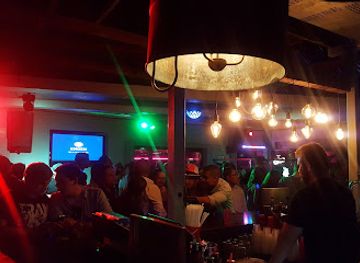
Nightlife in the South African Kalahari is subdued and concentrated in Upington and other established settlements rather than organised around a major club scene. Visitors will find hotel bars, neighbourhood pubs, casual restaurants and occasional live entertainment, with evening activity often shaped by local social life and the needs of a dispersed population. In the Orange River area, wine and regional produce feature more prominently than they do in the remote dune country. Near Kgalagadi Transfrontier Park, the main evening attraction is the landscape itself: guided night drives where available, quiet camp evenings and exceptionally dark skies. Alcohol must be kept under control around wildlife and remote accommodation, and park rules take precedence over late-night socialising. Check current arrangements locally, as venues and entertainment options can change and are limited outside Upington.
-
Restaurant
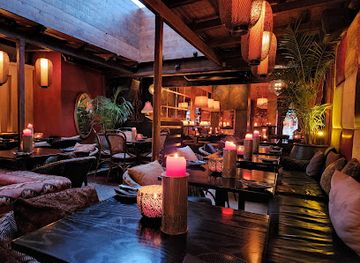
Asoka Restaurant, Bar and Lounge
Experience the vibrant atmosphere and exquisite flavors at Asoka Restaurant, Bar and Lounge in Cape Town's Gardens area.
-
Family-friendly
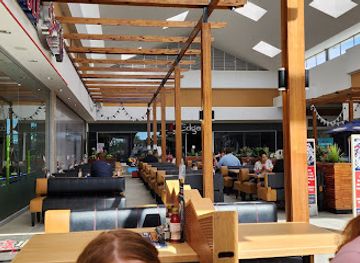
Desert Wolf Spur Steak Ranch
Discover the flavors of South Africa at Desert Wolf Spur Steak Ranch, where family-friendly dining meets delicious steaks and burgers!
-
Cocktail bar
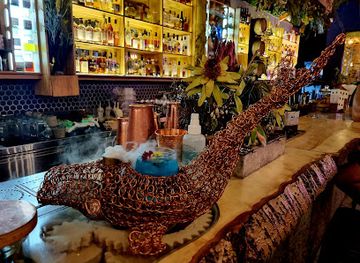
Cause Effect Cocktail Kitchen
Experience innovative cocktails and exquisite dining at Cause Effect Cocktail Kitchen in Cape Town's vibrant waterfront.
-
Bar
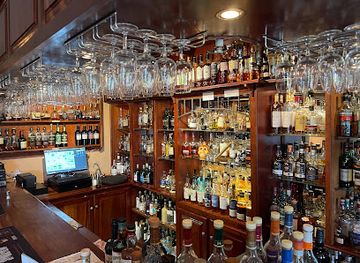
Wild about Whisky
Explore an exceptional selection of over 300 whiskies at Wild About Whisky, Dullstroom's ultimate destination for whisky lovers and enthusiasts.
Best nightclubs in Kalahari
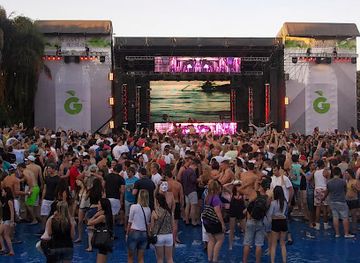
Nightlife in the South African Kalahari is subdued and concentrated in Upington and other established settlements rather than organised around a major club scene. Visitors will find hotel bars, neighbourhood pubs, casual restaurants and occasional live entertainment, with evening activity often shaped by local social life and the needs of a dispersed population. In the Orange River area, wine and regional produce feature more prominently than they do in the remote dune country. Near Kgalagadi Transfrontier Park, the main evening attraction is the landscape itself: guided night drives where available, quiet camp evenings and exceptionally dark skies. Alcohol must be kept under control around wildlife and remote accommodation, and park rules take precedence over late-night socialising. Check current arrangements locally, as venues and entertainment options can change and are limited outside Upington.
-
Restaurant
Shimmy Beach Club
Experience the ultimate beachside dining and nightlife at Shimmy Beach Club in Cape Town, a perfect blend of luxury and vibrancy.
-
Night club
The Other Venue
Discover the vibrant nightlife at The Other Venue in Bloemfontein, where cocktails, dancing, and delicious food come together for an unforgettable experience.
-
Event venue
Nicci Beach
Experience the vibrant atmosphere of Nicci Beach in Boksburg, South Africa, where entertainment and relaxation meet in a stunning beach setting.
-
Night club
Madison Avenue Rivonia
Discover the pulsating nightlife of Johannesburg at Madison Avenue Rivonia, where every night is a celebration of music and dance.


Best shops in Kalahari
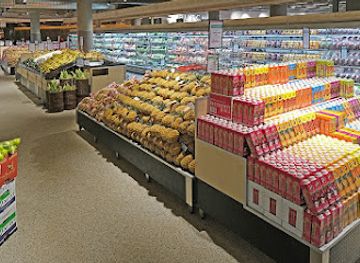
Shopping in the South African Kalahari is practical and locally focused rather than centred on large retail districts. Upington is the main place to stock up on fuel, food, outdoor equipment and travel essentials before heading towards remote park areas. River settlements and farm stalls may offer grapes, dried fruit, dates, preserves, wine and other products associated with the irrigated Orange River economy, subject to season and availability. Small shops near park approaches are useful but should not be treated as guaranteed sources for specialist supplies. Visitors may encounter locally made crafts and artwork reflecting Kalahari themes, but should buy only from reputable sellers and avoid purchasing archaeological objects, wildlife products or anything presented without clear provenance. Books about regional ecology, conservation and local history make useful souvenirs, while durable clothing, water containers and binocular accessories are often more valuable than conventional tourist merchandise.
-
Supermarket
Checkers Kalahari Mall
Explore the best local and international flavors at Checkers Kalahari Mall, your one-stop supermarket in Upington.
-
Shopping mall
Kalahari Mall
Explore Kalahari Mall in Upington: A vibrant shopping hub with diverse shops, dining options, and family-friendly entertainment.
-
Supermarket
SUPERSPAR Kalahari
Explore a world of flavors at SUPERSPAR Kalahari, Upington's go-to supermarket for fresh produce and gourmet groceries.
-
Clothing store
Woolworths Upington Kalahari Mall
Discover quality shopping at Woolworths Upington Kalahari Mall, where clothing and groceries come together in the heart of Upington.



Get your free copy of our complete guide to Kalahari, delivered straight to you.
Everything on this page, from attractions and restaurants to essentials and local phrases, in one PDF you can read offline, print or share.
Already have an account? Sign in
Your Kalahari guide is ready.
We'll send it to · Not you? Sign out

Getting your guide ready…
We are putting together a fresh copy of the Kalahari guide. This can take up to a minute.
This can take a few moments. If your browser asks, choose Allow so the download can start. You'll find the guide in your Downloads folder.
Nothing happened? Download it again
Sorry, the guide is taking longer than usual. Please try again in a minute, or get it by email instead.
Kalahari essentials
Currency and Payment
Safety
Emergency Situations
Do's and Don'ts
Local Tips
From Eve
Local phrases worth knowing
You don't need to get them perfect. A few words go a long way, and locals appreciate the effort.
Basics
| English | Local | Say it |
|---|---|---|
| Hello | Nǃaǃa | [naa naa] |
| Goodbye | ǃXóá | [kho-a] |
| Yes | ǃNǃa | [n'na] |
| No | ǂÁ | [a] |
| Please/You're welcome | ǁKhā | [khah] |
| Thank you | ǃNa | [naa] |
| Excuse me/Sorry | ǁXāǃā | [kha-a] |
| How are you? | ǃNǃa ǁxāb | [n'na khaab] |
| Fine. And you? | ǁXāǃā, ǁXā ǃNǃa? | [kha-a, kha n'na?] |
| Do you speak English? | ǁNǃa ǃXǎǃā ǁXáǃa? | [n'na kha-ya kha?] |
| I don't understand | ǁXáǃa ǀĪǃā | [kha-ya i-a] |
Eating & Drinking
| English | Local | Say it |
|---|---|---|
| I'd like to see the menu, please | ǁKhā ǃnǁū ǁxā ǂǃaǁnǃa. | [khah n'u kha t'a] |
| I don't eat meat | ǁXāǃa ǁxū ǃnǁā. | [kha-ya xuu n'a] |
| Cheers! | ǃNǃa ǁxāǃa! | [n'na kha-a] |
| I would like to pay, please | ǁKhā ǁxāǃa ǁxā ǂǃaǁnǃa. | [khah kha-a kha t'a] |
Emergencies
| English | Local | Say it |
|---|---|---|
| Help! | ǁKhāǃa! | [khah!] |
| Go away! | ǁXāǃa ǂǃaǁnǃa! | [kha-ya t'a!] |
| Call the Police! | ǁKhā ǁxāǃa ǁxā ǂǃaǁnǃa! | [khah kha-a kha t'a!] |
| Call a doctor! | ǁKhā ǁxāǃa ǂǃaǁnǃa! | [khah kha-a t'a!] |
| I'm lost | ǁXāǃa ǁkǃã. | [kha-ya k'a] |
| I'm ill | ǁXāǃa ǁxā ǂǃaǁnǃa. | [kha-ya kha t'a.] |
Shopping
| English | Local | Say it |
|---|---|---|
| I'd like to buy... | ǁKhā ǁxāǃa ǂǃaǁnǃa... | [khah kha-a t'a] |
| I'm just looking | ǁXāǃa ǂǃaǁnǃa. | [kha-ya t'a] |
| How much is it? | ǁNǃa ǁxāǃa ǂǃaǁnǃa? | [n'na kha-a t'a?] |
| That's too expensive | ǁXāǃa ǁxā ǂǃaǁnǃa. | [kha-ya kha t'a] |
| Can you lower the price? | ǁNǃa ǁxā ǂǃaǁnǃa. | [n'na kha t'a] |
Time & Numbers
| English | Local | Say it |
|---|---|---|
| What time is it? | ǁNǃa ǁxā ǂǃaǁnǃa? | [n'na kha t'a?] |
| It's one o'clock | ǁXā ǂǃaǁnǃa. | [kha t'a.] |
| Half past (10) | ǁKhā ǁxā ǂǃaǁnǃa. | [khah kha t'a.] |
| Morning | ǂǃaǁnǃa. | [t'a.] |
| Afternoon | ǁXāǃa ǂǃaǁnǃa. | [kha-ya t'a.] |
| Evening | ǁXāǃaǁnǃa. | [kha-ya.] |
| Yesterday | ǁXāǃa ǁxāǃa. | [kha-ya kha-a.] |
| Today | ǁXāǃa ǁxā ǂǃaǁnǃa. | [kha-ya kha t'a.] |
| Tomorrow | ǁXāǃa ǁxā ǂǃaǁnǃa. | [kha-ya kha t'a.] |
| 1 | ǃNǃa | [n'na] |
| 2 | ǁKhā | [khah] |
| 3 | ǁXā | [kha] |
| 4 | ǂǃa | [t'a] |
| 5 | ǁNǃā | [n'naa] |
| 6 | ǁKhāǃā | [khah-a] |
| 7 | ǁXāǃā | [kha-a] |
| 8 | ǂǃǃā | [t'a-a] |
| 9 | ǁKǃā | [k'a] |
| 10 | ǁKhāǃā | [khah-a] |
Transport & Directions
| English | Local | Say it |
|---|---|---|
| Where's a/the...? | ǁKhā ǁxā ǂǃaǁnǃa? | [khah kha t'a?] |
| What's the address? | ǁNǃa ǁxā ǂǃaǁnǃa? | [n'na kha t'a?] |
| Can you show me (on the map)? | ǁKhā ǁxā ǂǃaǁnǃa ǁNǃa ǁxā. | [khah kha t'a n'na kha.] |
| When's the next (bus)? | ǁNǃa ǁxā ǂǃaǁnǃa? | [n'na kha t'a?] |
| A ticket (to ....) | ǁKhā ǁxā ǂǃaǁnǃa. | [khah kha t'a.] |
History of Kalahari
San Presence and Desert Knowledge
San communities have longstanding connections with the Kalahari, developing detailed knowledge of seasonal water, edible plants, animal behaviour and movement across an apparently dry environment. Archaeological evidence and rock-art traditions across the wider Kalahari testify to a deep human history, although specific sites and interpretations vary. Later settlement and land policies disrupted many communities and altered access to traditional territories. Contemporary visitors should understand that the Kalahari is not an empty wilderness: its ecological knowledge and cultural history include the experiences of indigenous people whose relationship with the landscape predates modern conservation boundaries.
Tswana, Korana and Other Regional Communities
The northern Cape and Kalahari margins have long been shaped by Tswana-speaking communities, Korana groups and other peoples whose movements, trading relationships and pastoral practices connected the interior to the Orange River. Watercourses and seasonal grazing routes were especially important in a region where permanent settlement was difficult. The social geography encountered today reflects these earlier histories as well as later migration, mission activity and colonial administration. Community life around places such as Mier cannot be separated from the region's desert environment, water scarcity and changing land ownership.
Colonial Expansion and Missionary Frontiers
From the eighteenth and nineteenth centuries, trekboer expansion, missionary activity and imperial administration extended into the northern Cape and Kalahari margins. Competition over grazing, water and mobility brought colonial settlers into conflict with established communities and altered long-used routes. The Orange River became an important line of communication and agriculture, while remote stations and small settlements developed unevenly. This period left a layered legacy of farms, churches, place names and land-use patterns, but it also involved dispossession and the restriction of indigenous movement.
Pastoralism, Irrigation and the Orange River Economy
The Kalahari's dry interior encouraged extensive livestock farming, while the Orange River supported a more intensive agricultural economy. Irrigation schemes around Upington, Kakamas and neighbouring river settlements transformed arid ground into vineyards, orchards and fields. These developments connected the region to wider markets and made Upington an important service and transport centre. The contrast between irrigated river country and rain-dependent desert grazing remains one of the defining geographical and economic features of the South African Kalahari.
Kalahari Gemsbok National Park, 1931
Kalahari Gemsbok National Park was established in 1931 to protect wildlife and the characteristic dune-and-dry-river landscape on South Africa's western frontier. Its creation marked a major shift towards formal conservation, although early national-park policies often separated wildlife protection from the rights and histories of people who had used these landscapes. Over time, the park became internationally known for its open scenery, desert-adapted antelope and large predators. Its evolution also laid the foundation for a broader transfrontier approach to conservation.
Kgalagadi Transfrontier Park and Modern Conservation
In 2000, South Africa and Botswana formally combined Kalahari Gemsbok National Park with Botswana's neighbouring Gemsbok National Park to create Kgalagadi Transfrontier Park. The arrangement recognised that wildlife and ecosystems do not follow national borders and enabled a larger, more continuous protected area. The park remains jointly managed, while international visitors must still observe the immigration and entry requirements applicable to their chosen route. Its creation is one of the region's most important modern developments, linking conservation, tourism and cross-border cooperation.
Contemporary Kalahari Tourism and Conservation
Tourism in the South African Kalahari has developed around wildlife viewing, wilderness accommodation, desert landscapes, astronomy and the distinctive culture of remote settlements. It is a relatively low-density form of travel, dependent on park regulations, carefully managed camps and long road journeys rather than dense resort infrastructure. Current conservation challenges include water management, climate variability, fire, maintaining ecological connectivity and supporting communities near protected areas. The region's future therefore depends on balancing visitor access with the fragility of its dryland ecosystems.
Kalahari in Photos
Browse through our photo collection highlighting the charm and character of the destination.
Neighbouring regions of Kalahari
The closest regions to Kalahari, if you have time for more than one.
-

-

-

-

-


Swipe for more regions
Explore more

Explore more of South Africa
Discover South Africa: A land of breathtaking landscapes, rich history, and diverse cultures, from bustling cities to world-renowned wildlife reserves.
Explore South Africa