

Highveld, South Africa Travel Guide
Discover the Highveld: A blend of natural beauty, cultural heritage, and modern vibrancy in the heartland of South Africa.
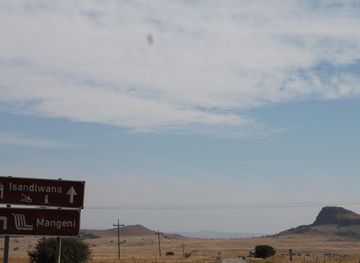
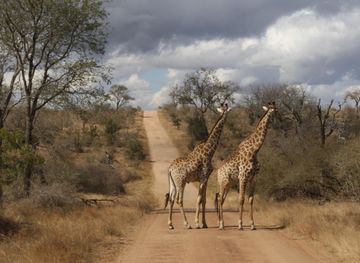
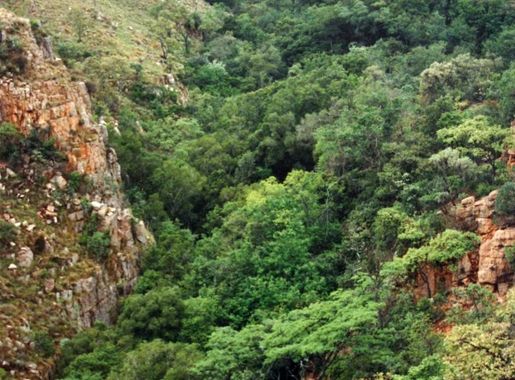
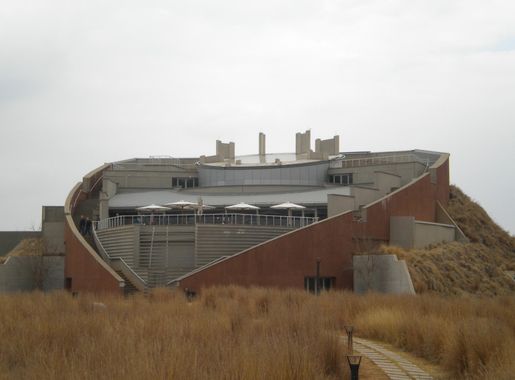
The Highveld, an expansive plateau in South Africa, is an enticing destination for tourists seeking a blend of natural beauty, cultural heritage, and modern vibrancy. Located at an altitude of around 1,500 meters, the Highveld boasts a temperate climate that makes it a comfortable year-round destination. This region is characterized by its rolling grasslands, meandering rivers, and stunning panoramas that stretch as far as the eye can see. The Highveld is not just about its landscapes; it also offers a rich tapestry of cultural experiences. Johannesburg, the largest city in the Highveld, is a bustling metropolis known for its historical significance and dynamic urban life. Explore the Apartheid Museum to gain insights into South Africa's complex history, or take a stroll in the vibrant neighborhoods of Maboneng and Newtown, which are brimming with art, cafes, and markets. For nature enthusiasts, the Highveld provides numerous outdoor activities. The Suikerbosrand Nature Reserve is perfect for hiking and bird-watching, while the Vaal River offers opportunities for water sports and fishing. The region is also home to several game reserves where you can witness South Africa's iconic wildlife up close. The Highveld's appeal lies in its unique mix of urban and natural attractions, making it a versatile destination that caters to a wide range of interests. Whether you're a history buff, an adventure seeker, or simply looking to relax in a beautiful setting, the Highveld has something to offer.

Know before you go
Hi, I'm Eve. Here are a few practical things to know before exploring Highveld.
- Pack layered clothing as temperatures can vary significantly between day and night.
- Visit Johannesburg's neighborhoods like Maboneng and Newtown for a taste of local art and cuisine.
- If you're planning to hike in Suikerbosrand Nature Reserve, start early to avoid the midday sun.
- Book a guided tour to explore the historical sites and museums for a deeper understanding of the region's past.
- Make reservations in advance if you plan to visit game reserves during peak seasons.
Top City Travel Guides in Highveld
The cities of Highveld, and the easiest places to base yourself.


Destinations in Highveld
Resorts, valleys and scenic spots worth a trip of their own.


Explore Highveld: Things to Do, Places to Eat, Hotels & More
Handpicked recommendations for top attractions, local dining, accommodations, and more

Top Attractions & Sightseeing in Highveld
Top-rated picks
Best Attractions

Montecasino
Discover the vibrant atmosphere of Montecasino, Johannesburg's premier entertainment destination with gaming, dining, and family-friendly activities.

Gold Reef City Theme Park
Experience the thrill of rides and the rich history of Johannesburg at Gold Reef City Theme Park, a top attraction for tourists seeking adventure and culture.

Apartheid Museum
Visit the Apartheid Museum in Johannesburg to explore South Africa's challenging history and the fight for freedom through engaging exhibits.

The Ridge Casino
Discover the thrill of gaming, dining, and entertainment at The Ridge Casino in eMalahleni – a must-visit hotspot for tourists seeking excitement.

Best landmarks in Highveld
Top-rated picks
Best Landmarks

V&A Waterfront
Experience the vibrant blend of shopping, dining, and culture at Cape Town's iconic V&A Waterfront, where stunning views await.

Kruger National Park
Experience the thrill of safari in Kruger National Park, South Africa's iconic wildlife sanctuary, where adventure and nature coexist harmoniously.

Carlton Centre
Explore the Carlton Centre, Johannesburg's iconic shopping mall, featuring diverse stores, delicious dining options, and breathtaking city views.

Oriental Plaza
Explore Oriental Plaza in Fordsburg, Johannesburg - a vibrant shopping mall offering diverse fashion, bridal wear, and unique accessories amidst a rich cultural backdrop.

Best restaurants in Highveld
Top-rated picks
Best Restaurants

Bosvelder Pub & Restaurant
Discover family-friendly dining at Bosvelder Pub & Restaurant in Centurion with live music and sports bar vibes for all ages.

Ridgeback Village Restaurant
Experience the flavors of South Africa at Ridgeback Village Restaurant – where great food meets a lively atmosphere in Pretoria.

Whisk Wine Bar
Discover Whisk Wine Bar: A family-friendly gem in Centurion offering delicious cuisine and an impressive wine selection for all ages.

Crawdaddy's Pub & Co.
Discover delicious cuisine and vibrant atmosphere at Crawdaddy's Pub & Co., Centurion’s favorite dining destination.

Best bars in Highveld
Top-rated picks
Best Bars

Bosvelder Pub & Restaurant
Discover the vibrant atmosphere, delicious food, and live music at Bosvelder Pub & Restaurant in Centurion, perfect for families and friends alike.

Hogshead Centurion
Discover Hogshead Centurion, where mouthwatering grilled dishes meet vibrant nightlife in a lively atmosphere perfect for all occasions.

Pepper Chair Restaurant
Discover the culinary delights and inviting ambiance of Pepper Chair Restaurant in Centurion, a perfect spot for family and friends to gather.

Thirst At 28° East
Experience the vibrant atmosphere and delicious offerings at Thirst At 28° East, a must-visit pub in Pretoria's Faerie Glen.

Best nightclubs in Highveld
Top-rated picks
Best Nightclubs

Europa Lounge
Discover the electrifying atmosphere and vibrant entertainment at Europa Lounge, Pretoria's premier night club and bar.

Channel M Night Club
Discover Pretoria's nightlife at Channel M Night Club - where live music meets a lively atmosphere.

Taboo Night Club
Discover the exhilarating nightlife at Taboo Night Club in Sandton, where music, style, and vibrant energy come together for an unforgettable experience.

Truth Night Club
Discover the energetic nightlife at Truth Night Club in Midrand, where electrifying music and vibrant crowds create unforgettable nights.

Best shops in Highveld
Top-rated picks
Best Shops

Highveld Mall
Discover the vibrant shopping experience at Highveld Mall, eMalahleni's premier destination for retail, dining, and entertainment.

Southdowns Shopping Centre
Experience the vibrant shopping atmosphere at Southdowns Shopping Centre in Centurion, where retail therapy meets culinary delights.

Eco Boulevard Shopping Centre
Explore Eco Boulevard Shopping Centre in Centurion for a delightful mix of shopping, dining, and entertainment amidst a vibrant atmosphere.

Highveld Shopping Center
Explore Highveld Shopping Center in Centurion, where a world of shopping, dining, and entertainment awaits every visitor.

Explore Highveld on the Map
A handpicked selection of must-see spots in Highveld, mapped for you.
Highveld Essentials
-
Highveld is accessible via O.R. Tambo International Airport in Johannesburg, which is the nearest major international airport. From Johannesburg, you can take a domestic flight to smaller regional airports like Lanseria Airport. Alternatively, you can drive or take a bus from Johannesburg; the journey typically takes around 1.5 to 2 hours by road.
-
Highveld offers various transportation options. Car rentals are popular for those who want flexibility in exploring the area. Local taxis and rideshare services like Uber are also available. Public buses connect major towns and cities within Highveld, although they may not be as frequent as in larger metropolitan areas. For a scenic experience, consider taking the train routes that traverse through the region.
-
The official currency in South Africa is the South African Rand (ZAR). Credit cards are widely accepted in most establishments, including hotels, restaurants, and shops. However, it is advisable to carry some cash for smaller purchases, especially in rural areas. ATMs are widely available, but make sure to notify your bank about your travel plans to avoid any issues with card transactions.
-
While Highveld is generally safe, it's important to exercise caution, especially in urban areas. Avoid walking alone at night and be vigilant in crowded places where pickpocketing can occur. Areas with higher crime rates include parts of Johannesburg and Pretoria, where tourists should be particularly cautious. Always keep your valuables secure and be aware of your surroundings.
-
In case of emergency, dial 10111 for police assistance and 10177 for medical emergencies. Hospitals and clinics are available in major towns. It is advisable to have travel insurance that covers medical emergencies. For minor health issues, pharmacies are readily available where you can purchase over-the-counter medications.
-
Fashion: Do dress comfortably and modestly. In more conservative areas, avoid wearing overly revealing clothing. Religion: Do respect local customs and traditions. Remove your hat and shoes when entering religious sites. Public Transport: Do be respectful and allow older passengers to sit. Don’t eat or drink on public transport. Greetings: Do greet people with a handshake or a friendly nod. It’s polite to use titles and last names until invited to use first names. Eating & Drinking: Do try local dishes and accept food offerings graciously. Don’t refuse hospitality, as it is considered impolite.
-
To experience Highveld like a local, visit the local markets where you can buy fresh produce and artisanal goods. Engage with locals to learn more about the region's rich history and culture. Don’t miss visiting the Cradle of Humankind, a UNESCO World Heritage Site, and the Magaliesberg mountain range for hiking and wildlife experiences. Also, consider exploring the small towns and villages to get a sense of the local lifestyle.
When is the best time to visit Highveld?
Useful Local Phrases for Highveld
You don't need to speak the language perfectly. Even learning a few simple words can make conversations warmer—and locals usually appreciate the effort.
— Eve

Here are the phrases I use most often in Highveld. Try a few—you'll be surprised how far they go! 😊
❤️
-
- HelloHowzit
[haʊzɪt] - GoodbyeCheers
[tʃɪrz] - YesYebo
[jɛboʊ] - NoNo
[noʊ] - Please/You're welcomePleasure
[plɛʒər] - Thank youThank you
[θæŋk ju] - Excuse me/SorrySorry
[sɔri] - How are you?Howzit going?
[haʊzɪt ˈɡoʊɪŋ] - Fine. And you?Good, and you?
[ɡʊd, ənd ju] - Do you speak English?Do you speak English?
[du ju spiːk ˈɪŋɡlɪʃ] - I don't understandI don't get it
[aɪ doʊnt ɡɛt ɪt]
- HelloHowzit
-
- I'd like to see the menu, pleaseCan I see the menu please?
[kæn aɪ siː ðə ˈmɛnjuː pliːz] - I don't eat meatI'm vegetarian
[aɪm ˌvɛdʒɪˈtɛəriən] - Cheers!Cheers!
[tʃɪrz] - I would like to pay, pleaseCan I get the bill, please?
[kæn aɪ ɡɛt ðə bɪl pliːz]
- I'd like to see the menu, pleaseCan I see the menu please?
-
- Help!Help!
[hɛlp] - Go away!Leave me alone!
[liːv mi əˈloʊn] - Call the Police!Call the cops!
[kɔl ðə kɑps] - Call a doctor!Get a doctor!
[ɡɛt ə ˈdɒktər] - I'm lostI'm lost
[aɪm lɔst] - I'm illI'm not feeling well
[aɪm nɑt ˈfiːlɪŋ wɛl]
- Help!Help!
-
- I'd like to buy...I want to buy...
[aɪ wɑnt tə baɪ] - I'm just lookingI'm just browsing
[aɪm dʒʌst ˈbraʊzɪŋ] - How much is it?How much does it cost?
[haʊ mʌtʃ dʌz ɪt kɔst] - That's too expensiveThat's too pricey
[ðæts tuː ˈpraɪsi] - Can you lower the price?Can you make it cheaper?
[kæn ju meɪk ɪt ˈtʃiːpər]
- I'd like to buy...I want to buy...
-
- What time is it?What time is it?
[wɑt taɪm ɪt] - It's one o'clockIt's one o'clock
[ɪts wʌn əˈklɑk] - Half past (10)Half past ten
[hɑf pæst tɛn] - MorningMorning
[ˈmɔrnɪŋ] - AfternoonAfternoon
[ˌæftərˈnun] - EveningEvening
[ˈivnɪŋ] - YesterdayYesterday
[ˈjɛstərdeɪ] - TodayToday
[təˈdeɪ] - TomorrowTomorrow
[təˈmɔroʊ] - 1One
[wʌn] - 2Two
[tu] - 3Three
[θri] - 4Four
[fɔr] - 5Five
[faɪv] - 6Six
[sɪks] - 7Seven
[ˈsɛvən] - 8Eight
[eɪt] - 9Nine
[naɪn] - 10Ten
[tɛn]
- What time is it?What time is it?
-
- Where's a/the...?Where's the...?
[wɛrz ðə] - What's the address?What's the address?
[wɑts ði ˈædrɛs] - Can you show me (on the map)?Can you show me on the map?
[kæn ju ʃoʊ mi ɒn ðə mæp] - When's the next (bus)?When's the next bus?
[wɛnʔs ðə nɛkst bʌs] - A ticket (to ....)A ticket to ...
[ə ˈtɪkɪt tə]
- Where's a/the...?Where's the...?
History of Highveld
-
The Highveld region is rich in prehistoric significance. Archaeological finds, such as the Sterkfontein Caves, have revealed some of the earliest evidence of human ancestors. These discoveries have made the Highveld an essential area for understanding human evolution, with fossils dating back millions of years.
-
Around 1,500 years ago, Bantu-speaking peoples migrated into the Highveld from the north, bringing with them advancements in agriculture, metallurgy, and pottery. This migration significantly influenced the cultural and social dynamics of the region, laying the groundwork for future communities and kingdoms.
-
The Kingdom of Mapungubwe, which thrived from around 1075 to 1220 AD, was one of the earliest and most influential societies in the Highveld. Located near the Limpopo River, this kingdom was a hub of trade, culture, and political power. The remnants of Mapungubwe, including gold artifacts and complex social structures, provide a glimpse into the sophisticated civilization that once dominated the Highveld.
-
In the 1830s and 1840s, the Great Trek saw thousands of Boer families leaving the British-controlled Cape Colony to establish new settlements in the Highveld. These pioneers, known as Voortrekkers, played a crucial role in shaping the region's demographics, culture, and economy. Their legacy is still evident in the architecture, language, and customs of the area.
-
The discovery of gold on the Witwatersrand in 1886 transformed the Highveld into an economic powerhouse. This event led to the rapid development of Johannesburg, which became the largest city in South Africa. The gold rush attracted a diverse population, including immigrants from Europe and other parts of Africa, making Johannesburg a melting pot of cultures and a pivotal economic center.
-
The Highveld was a significant battleground during the Anglo-Boer Wars (1880-1881 and 1899-1902). These conflicts between the British Empire and the Boer republics of the Transvaal and the Orange Free State were driven by control over the region's vast mineral resources. The wars had a profound impact on the Highveld's political landscape and the eventual formation of the Union of South Africa in 1910.
-
During the apartheid era, the Highveld, particularly Johannesburg and Pretoria, became centers of both oppression and resistance. Key events, such as the Sharpeville Massacre in 1960 and the Soweto Uprising in 1976, highlighted the brutal enforcement of apartheid policies and the growing resistance movement. These events were pivotal in the struggle for freedom and equality in South Africa.
-
In the post-apartheid era, the Highveld has seen significant transformation and cultural revival. Efforts to preserve and celebrate the diverse heritage of the region are evident in numerous museums, cultural centers, and festivals. The Highveld continues to be a dynamic area where history and modernity intersect, offering a rich tapestry of experiences for visitors.
Neighbouring Regions of Highveld
The closest regions to Highveld, if you have time for more than one.




Your all‑in‑one travel companion app
Explore expert travel guides, compare and book tours, experiences, hotels, and more—all from the palm of your hand. Download now for seamless trip planning wherever your wanderlust takes you.


Explore More of South Africa

Looking beyond Highveld? Discover South Africa for broader travel guides, local hot-spots, and regional highlights.
Explore South AfricaHighveld in Photos
Browse through our photo collection highlighting the charm and character of the destination.





Highveld: The Heartland of South Africa
The Highveld, an expansive plateau in South Africa, is an enticing destination for tourists seeking a blend of natural beauty, cultural heritage, and modern vibrancy. Located at an altitude of around 1,500 meters, the Highveld boasts a temperate climate that makes it a comfortable year-round destination. This region is characterized by its rolling grasslands, meandering rivers, and stunning panoramas that stretch as far as the eye can see. The Highveld is not just about its landscapes; it also offers a rich tapestry of cultural experiences. Johannesburg, the largest city in the Highveld, is a bustling metropolis known for its historical significance and dynamic urban life. Explore the Apartheid Museum to gain insights into South Africa's complex history, or take a stroll in the vibrant neighborhoods of Maboneng and Newtown, which are brimming with art, cafes, and markets. For nature enthusiasts, the Highveld provides numerous outdoor activities. The Suikerbosrand Nature Reserve is perfect for hiking and bird-watching, while the Vaal River offers opportunities for water sports and fishing. The region is also home to several game reserves where you can witness South Africa's iconic wildlife up close. The Highveld's appeal lies in its unique mix of urban and natural attractions, making it a versatile destination that caters to a wide range of interests. Whether you're a history buff, an adventure seeker, or simply looking to relax in a beautiful setting, the Highveld has something to offer.