

Free Free State Travel Guide & Mobile App
Explore Free State with free travel guides. Discover regional history, expert tips, proposed trips, and audio guides on web or mobile app.


Explore South Africa’s Free State for sandstone mountains, open Highveld, Basotho heritage, wildlife, historic towns and spacious road journeys.
Read more about Free State
Getting to and around Free State
How to get there
Transportation
Top city travel guides in Free State
The cities of Free State, and the easiest places to base yourself.
-

-

-

-


Swipe for more cities
Destinations in Free State
Resorts, valleys and scenic spots worth a trip of their own.
-
-

-

-
-


Swipe for more destinations
Best attractions in Free State
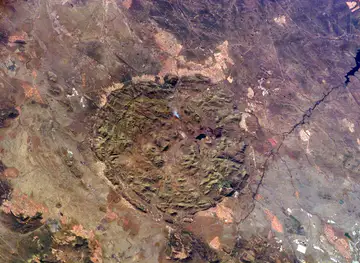
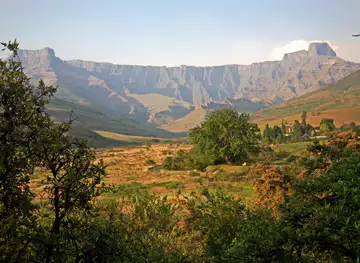
The Free State’s attractions are shaped by open space and contrast. Golden Gate Highlands National Park is the province’s best-known natural destination, combining highland grassland, sandstone cliffs, hiking routes and wildlife viewing beneath the eastern escarpment. Nearby Clarens adds galleries, cafés and a base for exploring the surrounding mountains, while the QwaQwa area offers opportunities to learn about Basotho heritage and the region’s borderland history. Around Parys, the Free State side of the Vredefort Dome provides rocky landscapes, river activities and outdoor adventures associated with the geological impact structure. Gariep Dam is suited to boating, fishing and relaxed waterside recreation, and the Orange River scenery changes markedly from the dry interior plains. Bloemfontein provides museums, galleries, gardens and historic institutions, while smaller towns preserve churches, civic buildings and local museums. Wildlife reserves and farm-based activities offer more intimate encounters with grassland environments, although facilities and access vary. The province is best explored as a series of distinct areas rather than as one concentrated sightseeing circuit.
-
Botanical garden
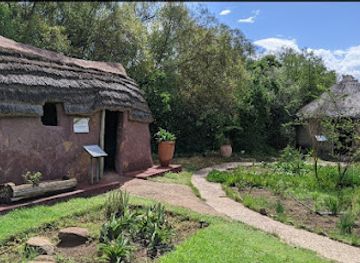
Free State National Botanical Garden
Explore the Free State National Botanical Garden, a breathtaking haven of indigenous plants and serene landscapes in Bloemfontein, South Africa.
-
War museum
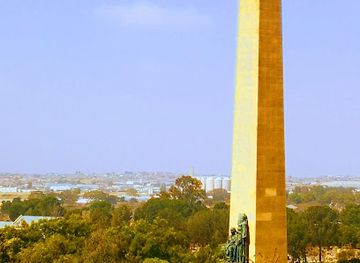
War Museum of the Boer Republics Bloemfontein
Explore the rich history of the Boer War at the War Museum of the Boer Republics in Bloemfontein, a captivating historical landmark and tourist attraction.
-
Tourist attraction
Nelson Mandela Statue
Discover the powerful legacy of Nelson Mandela at his statue on Naval Hill, Bloemfontein, a symbol of freedom and hope.
-
Natural history museum
National Museum Bloemfontein
Explore South Africa's natural wonders at the National Museum Bloemfontein, a treasure trove of fossils and cultural artifacts in a stunning setting.


Best landmarks in Free State
Bloemfontein’s Raadsaal, the historic seat of the former Orange Free State legislature, is an important reminder of the province’s republican and political past, while the city’s sandstone churches and civic buildings reflect the architectural language of the central interior. The sandstone cliffs and formations of Golden Gate Highlands National Park are the Free State’s most recognisable natural landmarks, changing colour with the movement of the sun across the grasslands. In the east, the Maloti foothills and QwaQwa landscapes carry strong geographical and cultural significance, linking the province to Basotho history. The Vredefort Dome, represented on the Free State side around Parys and the Vaal River, is a major geological landmark created by an ancient meteorite impact. Gariep Dam is another defining structure, its vast reservoir transforming the Orange River valley into a destination for water-based recreation. Across the province, historic sandstone churches, railway-era buildings and farmsteads provide a quieter architectural record of settlement, agriculture and the growth of inland towns.
-
National park
Golden Gate Highlands National Park
Explore the stunning landscapes of Golden Gate Highlands National Park, where adventure meets breathtaking natural beauty in the heart of South Africa.
-
Botanical garden
Free State National Botanical Garden
Explore the breathtaking Free State National Botanical Garden, a serene oasis in Bloemfontein showcasing South Africa's indigenous plant life and stunning landscapes.
-
War museum
War Museum of the Boer Republics Bloemfontein
Discover the rich military history at the War Museum of the Boer Republics in Bloemfontein, where the past comes alive through engaging exhibits.
-
Natural history museum
National Museum Bloemfontein
Explore the National Museum Bloemfontein, a captivating journey through South Africa's natural history and cultural richness, perfect for all tourists.

Explore Free State on the map
Plan your trip on one map. See where the top cities, national parks and sights are, and book hotels and experiences in a few clicks.
Best hotels in Free State
Best restaurants in Free State
Free State dining reflects the agricultural character of South Africa’s interior, with grilled meat, stews, maize-based dishes, fresh bread, seasonal vegetables and farm produce appearing regularly on menus. Bloemfontein has the broadest choice, from cafés and contemporary restaurants to traditional South African cooking, while Clarens is known for a small-town dining scene linked to galleries, tourism and nearby farms. Country restaurants and guest farms may offer lamb, beef, preserves and baked goods, although menus and opening arrangements vary. In the eastern Free State, Basotho culinary traditions provide an important regional dimension, with dishes based on sorghum, maize, beans, vegetables and meat found in homes and community settings rather than uniformly in formal restaurants. Parys and the Gariep Dam area cater to visitors with cafés, casual dining and outdoor-oriented venues. Farmers’ markets are useful for local cheese, bread, chutneys and seasonal produce, and visitors should distinguish genuinely regional products from foods common across South Africa.
-
Steak
New York Restaurant Bloemfontein
Discover exquisite steaks and fine dining at New York Restaurant Bloemfontein, where culinary excellence meets warm hospitality.
-
Restaurant
Longhorn Bloemfontein
Experience authentic South African cuisine at Longhorn Bloemfontein - where every meal is a celebration of flavor and tradition.
-
Restaurant
Copper Clover
Discover the culinary delights of Copper Clover in Bloemfontein – where local flavors meet global inspiration in a welcoming atmosphere.
-
Family-friendly
Burning Spear Spur Steak Ranch
Experience family-friendly dining at Burning Spear Spur Steak Ranch in Bloemfontein - where delicious steaks meet warm hospitality.


Best bars in Free State
Nightlife in the Free State is generally centred on pubs, restaurants, hotel bars and live entertainment rather than a large club circuit. Bloemfontein has the widest evening choice, including student-oriented areas, contemporary bars, music venues and restaurants, though the atmosphere varies by neighbourhood and day of the week. Clarens offers a quieter evening scene built around cafés, inns, restaurants, craft beverages and occasional live music, while Parys combines dining with relaxed bars and weekend leisure. In smaller agricultural towns, local pubs and hotel lounges are often the main social venues, and evenings can be subdued outside busy periods. Welkom has a more urban entertainment offering associated with its larger population and mining-town history. Rural lodges and guest farms may provide dinners and informal evening gatherings, but visitors should confirm arrangements in advance and avoid driving after drinking. Seasonal events can alter the atmosphere without defining the province’s everyday nightlife.
-
Restaurant
Famous Brew & Still
Discover the culinary delights of Famous Brew & Still in Bloemfontein, where local flavors and craft brews come together in a vibrant atmosphere.
-
Bar
The Staffy
Experience the vibrant atmosphere of The Staffy, Bloemfontein's premier bar, where locals and tourists mingle over delicious drinks and live entertainment.
-
Bar
Chicago Lounge and Bar
Experience the vibrant nightlife at Chicago Lounge and Bar in Bloemfontein, where good vibes, creative cocktails, and live entertainment await you.
-
Bar
BushPub Family Restaurant
Discover the charm of South African cuisine at BushPub Family Restaurant in Bloemfontein, where great food meets a vibrant atmosphere.


Best nightclubs in Free State
Nightlife in the Free State is generally centred on pubs, restaurants, hotel bars and live entertainment rather than a large club circuit. Bloemfontein has the widest evening choice, including student-oriented areas, contemporary bars, music venues and restaurants, though the atmosphere varies by neighbourhood and day of the week. Clarens offers a quieter evening scene built around cafés, inns, restaurants, craft beverages and occasional live music, while Parys combines dining with relaxed bars and weekend leisure. In smaller agricultural towns, local pubs and hotel lounges are often the main social venues, and evenings can be subdued outside busy periods. Welkom has a more urban entertainment offering associated with its larger population and mining-town history. Rural lodges and guest farms may provide dinners and informal evening gatherings, but visitors should confirm arrangements in advance and avoid driving after drinking. Seasonal events can alter the atmosphere without defining the province’s everyday nightlife.
-
Night club
Club House
Discover the vibrant nightlife of Bloemfontein at Club House, a premier night club and bar offering great music and an electrifying atmosphere.
-
Night club
Thoughts Lounge
Discover the energetic nightlife of Thoughts Lounge in Mangaung, where local culture meets vibrant entertainment and unforgettable experiences.
-
 Night club
Club 4
Dive into the heart of Bloemfontein's nightlife at Club 4, where music, dance, and vibrant culture come alive in an unforgettable experience.
-
Night club
Karma Chameleon
Experience the vibrant nightlife at Karma Chameleon, Bloemfontein’s premier night club, where music and fun never stop.


Best shops in Free State
Shopping in the Free State is strongest in its market towns and larger urban centres rather than in dedicated luxury districts. Bloemfontein offers established shopping centres, high-street retailers, bookshops, galleries and craft outlets, with the city providing the broadest choice for practical purchases. Clarens is noted for independent galleries, pottery, paintings, jewellery, textiles and locally made gifts, reflecting its arts-oriented visitor economy. Parys combines antiques, cafés, galleries and small shops along its historic commercial streets, while Bethlehem and other eastern towns serve as useful places to buy provisions, crafts and regional food. Farmers’ markets and farm stalls may offer preserves, bread, dried meat, cheese, sweets and seasonal produce, though trading days change. Around the Goldfields, Welkom provides larger-scale retail and everyday services. Visitors should look for responsibly made Basotho-inspired crafts and ask about provenance, rather than assuming that every locally styled product was made in the region.
-
Shopping mall
Mimosa Mall Bloemfontein
Experience the lively shopping, dining, and entertainment at Mimosa Mall, Bloemfontein's premier destination for tourists and locals alike.
-
Shopping mall
Goldfields Mall
Discover a world of shopping, dining, and entertainment at Goldfields Mall, Welkom's premier shopping destination offering something for everyone.
-
Shopping mall
Loch Logan Waterfront
Discover Loch Logan Waterfront in Bloemfontein: an enchanting shopping mall with stunning waterfront views, diverse dining, and family-friendly activities.
-
Department store
Makro Bloemfontein
Explore the vibrant Makro Bloemfontein for an extensive range of products and an authentic South African shopping experience.


Get your free copy of our complete guide to Free State, delivered straight to you.
Everything on this page, from attractions and restaurants to essentials and local phrases, in one PDF you can read offline, print or share.
Already have an account? Sign in
Your Free State guide is ready.
We'll send it to · Not you? Sign out

Getting your guide ready…
We are putting together a fresh copy of the Free State guide. This can take up to a minute.
This can take a few moments. If your browser asks, choose Allow so the download can start. You'll find the guide in your Downloads folder.
Nothing happened? Download it again
Sorry, the guide is taking longer than usual. Please try again in a minute, or get it by email instead.
Free State essentials
Currency and Payment
Safety
Emergency Situations
Do's and Don'ts
Local Tips
From Eve
Local phrases worth knowing
You don't need to get them perfect. A few words go a long way, and locals appreciate the effort.
Basics
| English | Local | Say it |
|---|---|---|
| Hello | Hello | [həˈloʊ] |
| Goodbye | Goodbye | [ɡʊdˈbaɪ] |
| Yes | Yes | [jɛs] |
| No | No | [noʊ] |
| Please/You're welcome | Please/You're welcome | [pliːz/ jʊər ˈwɛlkəm] |
| Thank you | Thank you | [θæŋk juː] |
| Excuse me/Sorry | Excuse me/Sorry | [ɪkˈskjus mi/ˈsɔri] |
| How are you? | How are you? | [haʊ ɑr juː] |
| Fine. And you? | Fine. And you? | [faɪn. ənd juː] |
| Do you speak English? | Do you speak English? | [duː juː spiːk ˈɪŋɡlɪʃ] |
| I don't understand | I don't understand | [aɪ doʊnt ˌʌndərˈstænd] |
Eating & Drinking
| English | Local | Say it |
|---|---|---|
| I'd like to see the menu, please | I'd like to see the menu, please | [aɪd laɪk tuː siː ðə ˈmɛnjuː, pliːz] |
| I don't eat meat | I don't eat meat | [aɪ doʊnt iːt miːt] |
| Cheers! | Cheers! | [tʃɪrz] |
| I would like to pay, please | I would like to pay, please | [aɪ wʊd laɪk tuː peɪ, pliːz] |
Emergencies
| English | Local | Say it |
|---|---|---|
| Help! | Help! | [hɛlp] |
| Go away! | Go away! | [ɡoʊ əˈweɪ] |
| Call the Police! | Call the Police! | [kɔːl ðə pəˈliːs] |
| Call a doctor! | Call a doctor! | [kɔːl ə ˈdɑːktər] |
| I'm lost | I'm lost | [aɪm lɔst] |
| I'm ill | I'm ill | [aɪm ɪl] |
Shopping
| English | Local | Say it |
|---|---|---|
| I'd like to buy... | I'd like to buy... | [aɪd laɪk tuː baɪ...] |
| I'm just looking | I'm just looking | [aɪm dʒʌst ˈlʊkɪŋ] |
| How much is it? | How much is it? | [haʊ mʌtʃ ɪz ɪt] |
| That's too expensive | That's too expensive | [ðæts tuː ɪkˈspɛnsɪv] |
| Can you lower the price? | Can you lower the price? | [kæn juː ˈloʊər ðə praɪs] |
Time & Numbers
| English | Local | Say it |
|---|---|---|
| What time is it? | What time is it? | [wʌt taɪm ɪz ɪt] |
| It's one o'clock | It's one o'clock | [ɪts wʌn əˈklɑk] |
| Half past (10) | Half past (10) | [hæf pæst (10)] |
| Morning | Morning | [ˈmɔrnɪŋ] |
| Afternoon | Afternoon | [ˌæftərˈnun] |
| Evening | Evening | [ˈivnɪŋ] |
| Yesterday | Yesterday | [ˈjɛstərˌdeɪ] |
| Today | Today | [təˈdeɪ] |
| Tomorrow | Tomorrow | [təˈmɔroʊ] |
| 1 | 1 | [wʌn] |
| 2 | 2 | [tuː] |
| 3 | 3 | [θriː] |
| 4 | 4 | [fɔr] |
| 5 | 5 | [faɪv] |
| 6 | 6 | [sɪks] |
| 7 | 7 | [sɛvən] |
| 8 | 8 | [eɪt] |
| 9 | 9 | [naɪn] |
| 10 | 10 | [tɛn] |
Transport & Directions
| English | Local | Say it |
|---|---|---|
| Where's a/the...? | Where's a/the...? | [wɛrz ə/ðə...?] |
| What's the address? | What's the address? | [wʌts ði ˈædrɛs] |
| Can you show me (on the map)? | Can you show me (on the map)? | [kæn juː ʃoʊ mi (ɑn ðə mæp)?] |
| When's the next (bus)? | When's the next (bus)? | [wɛnʤ ðə nɛkst (bʌs)?] |
| A ticket (to ....) | A ticket (to ....) | [ə ˈtɪkɪt (tuː ....)] |
History of Free State
Early Peoples and San Rock Art
The Free State’s earliest human history is represented by Stone Age archaeological evidence and rock art associated with San hunter-gatherer communities. Later, farming communities speaking Bantu languages lived across the interior, cultivated crops, kept livestock and developed regional networks of exchange. Rock paintings and engravings survive in parts of the province, particularly in sandstone country, although their interpretation requires care and respect for living cultural connections. These remains establish that the Free State was not an empty frontier before colonial settlement: its grasslands, rivers and mountain valleys supported movement, adaptation and social interaction over many centuries.
Basotho Expansion and the Highveld Frontier
During the early nineteenth century, the upheavals often called the Difaqane or Mfecane reshaped political power across southern Africa. Moshoeshoe I established a strong Basotho polity in the mountain country to the east, attracting communities seeking security and bringing the region into a complex relationship with neighbouring African kingdoms, colonial authorities and Boer settlers. The modern Free State lies on both the former Highveld frontier and the approaches to Lesotho, and this history remains especially important around QwaQwa and Phuthaditjhaba. Borders created later did not erase older cultural, family and trading connections across the mountains.
The Orange Free State Republic, 1854–1900
The Orange Free State became an independent Boer republic in 1854 after Britain recognised the territory between the Orange and Vaal rivers. Its economy was based largely on pastoral farming and agriculture, while towns and administrative centres gradually developed across the grasslands. Bloemfontein became the political capital and acquired civic buildings, churches and institutions associated with the republic. The period also involved contested land ownership, labour systems and relations with African communities, so its architectural legacy should be understood alongside the unequal political order that shaped the interior.
Diamonds, Railways and the Anglo-Boer War
The discovery of diamonds at Kimberley, just west of the Free State border, transformed the surrounding region during the late nineteenth century and increased the strategic importance of routes across the province. Railways linked interior towns with markets and ports, accelerating migration, commerce and military movement. During the Anglo-Boer War of 1899–1902, the Free State became a major theatre of conflict, with battles, sieges, farm burnings and concentration camps leaving a painful legacy. Bloemfontein hosted the negotiations that preceded the Treaty of Vereeniging in 1902, which ended the war and brought the former republics under British rule.
Union, Farming and Urban Development
After the creation of the Union of South Africa in 1910, the Free State developed as an important agricultural province within a centralised state. Sheep, cattle, maize and wheat farming shaped much of the economy, while railways supported the growth of towns such as Bethlehem, Kroonstad and Bloemfontein. The province also became associated with education, the courts and political institutions. These developments brought infrastructure and commercial growth but occurred within a segregationist system that restricted land ownership, movement and political rights for most Black South Africans.
Gold Mining and the Growth of Welkom
The discovery of gold in the northern Free State after the Second World War led to the planned development of the Goldfields, with Welkom emerging as the leading mining town. Its wide roads and modernist planning reflected the ambitions of a rapidly expanding industrial settlement, while nearby communities supplied labour and services under apartheid’s racially unequal system. Mining brought prosperity to some sectors but also created environmental pressures and deep social divisions. Although the industry has changed considerably, the urban landscape around Welkom and the wider Goldfields retains evidence of this twentieth-century transformation.
Apartheid, Resistance and Democratic South Africa
The Free State was deeply affected by apartheid legislation, including forced removals, racially separated urban planning and restrictions on political organisation. The eastern province was also connected to the homeland system through QwaQwa, which was designated a nominally self-governing and later nominally independent territory under apartheid. Resistance developed through communities, churches, workers’ organisations and political movements, with repression and conflict intensifying during the final decades of apartheid. In 1994 the province became part of the democratic Republic of South Africa, and its administration, towns and public institutions were reorganised within the new constitutional order.
Free State in Photos
Browse through our photo collection highlighting the charm and character of the destination.
Neighbouring regions of Free State
The closest regions to Free State, if you have time for more than one.
-

-

-

-
-


Swipe for more regions
Explore more

Explore more of South Africa
Discover South Africa: A land of breathtaking landscapes, rich history, and diverse cultures, from bustling cities to world-renowned wildlife reserves.
Explore South Africa