

Free Gauteng Travel Guide & Mobile App
Explore Gauteng with free travel guides. Discover regional history, expert tips, proposed trips, and audio guides on web or mobile app.


Explore Gauteng for Johannesburg’s culture, Pretoria’s heritage, gold-mining history, township life and the Cradle of Humankind.
Read more about Gauteng
When is the best time to visit Gauteng?
Best: August–October · 20–27°C| Month | High (°C) | Rainfall (mm) |
|---|---|---|
| January | 26 | 110 |
| February | 26 | 100 |
| March | 24 | 90 |
| April | 21 | 50 |
| May | 18 | 20 |
| June | 16 | 10 |
| July | 17 | 6 |
| August (best) | 20 | 10 |
| September (best) | 25 | 30 |
| October (best) | 27 | 60 |
| November | 26 | 80 |
| December | 28 | 100 |
Getting to and around Gauteng
How to get there
Transportation
Top city travel guides in Gauteng
The cities of Gauteng, and the easiest places to base yourself.
-

-


Swipe for more cities
Destinations in Gauteng
Resorts, valleys and scenic spots worth a trip of their own.

Swipe for more destinations
Best attractions in Gauteng
Gauteng’s attractions range from major urban museums to open Highveld landscapes. In Johannesburg, the Apartheid Museum, Constitution Hill, Gold Reef City and cultural districts in the inner city explore political history, mining and contemporary urban life, while Soweto offers guided heritage experiences connected with the struggle against apartheid. Pretoria provides museums, gardens and national monuments, including the South African National Zoological Gardens, the Pretoria National Botanical Garden and institutions around the city’s historic centre. The Cradle of Humankind is the province’s most distinctive archaeological and scientific destination, with Maropeng and guided access to fossil-bearing cave areas such as Sterkfontein. Ekurhuleni adds aviation, railway and industrial stories alongside lakes and suburban nature spaces. Visitors seeking open-air recreation can find walking, birdwatching and wildlife encounters in provincial reserves and botanical gardens, including the Walter Sisulu National Botanical Garden and private reserves near the metropolitan edge. Because many sites are separated by busy roads and broad suburbs, an itinerary organised by area works better than attempting to cross Gauteng repeatedly in a single day.
-
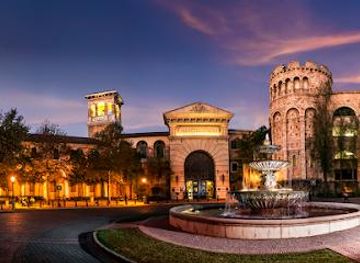
Casino
Montecasino
Experience the excitement of Montecasino in Johannesburg, a vibrant hub for gaming, dining, and live entertainment suitable for all ages.
-
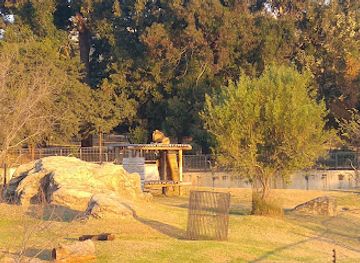
Zoo
Johannesburg Zoo
Discover Johannesburg Zoo: A vibrant wildlife sanctuary in the heart of the city, showcasing diverse species and conservation efforts.
-
Mountain cable car
Aerial Cableway Hartbeespoort
Discover breathtaking views and adventure at Aerial Cableway Hartbeespoort, a top tourist attraction soaring above stunning landscapes.
-
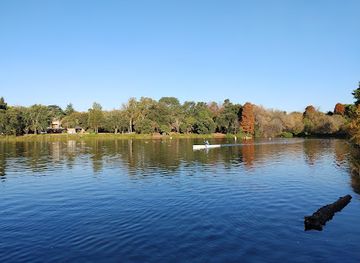
Botanical garden
Johannesburg Botanical Gardens
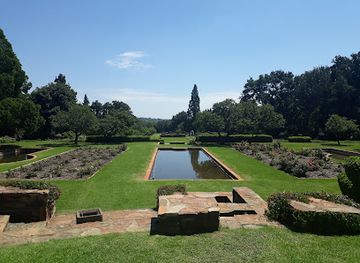
Explore the Johannesburg Botanical Gardens: a lush, vibrant haven for nature lovers and a must-visit tourist attraction in the heart of the city.

Best landmarks in Gauteng
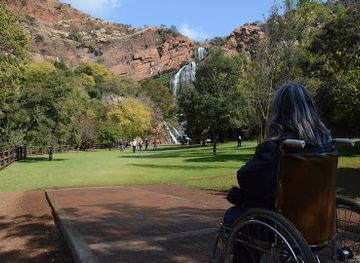
Johannesburg’s skyline and mine-dump landscapes embody the city’s rise from the 1886 gold discovery, while Constitution Hill remains a powerful architectural and political landmark built around a former prison complex and later constitutional institutions. In Soweto, Vilakazi Street is associated with two Nobel Peace Prize laureates, Nelson Mandela and Desmond Tutu, and the Hector Pieterson Memorial commemorates the 1976 student uprising. Pretoria’s Union Buildings dominate a hill above the capital and remain a major symbol of national government, while the Voortrekker Monument presents a particular Afrikaner interpretation of nineteenth-century history that should be read alongside other perspectives. Freedom Park offers a broader memorial landscape connected with the country’s long historical narrative. Far older than the cities, the cave systems and fossil sites of the Cradle of Humankind are landmarks of global scientific significance. The Walter Sisulu National Botanical Garden’s waterfall and quartzite cliffs provide a notable natural counterpoint to Gauteng’s built environment.
-
Botanical garden
Walter Sisulu National Botanical Garden
Explore the beauty of indigenous flora at Walter Sisulu National Botanical Garden, a peaceful retreat in Roodepoort offering hiking trails and cultural events.
-
Botanical garden
Johannesburg Botanical Gardens
Discover the tranquility and beauty of the Johannesburg Botanical Gardens, a lush sanctuary in the heart of Randburg, showcasing a diverse array of flora.
-
Historical landmark
Gandhi Square Precinct
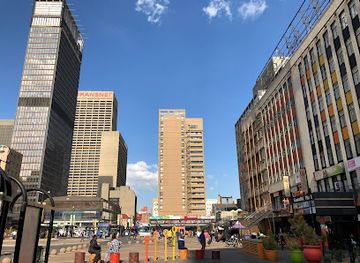
Explore the vibrant historical essence of Johannesburg at Gandhi Square Precinct, a cultural hub alive with art, heritage, and local cuisine.
-
Monument
Voortrekker Monument
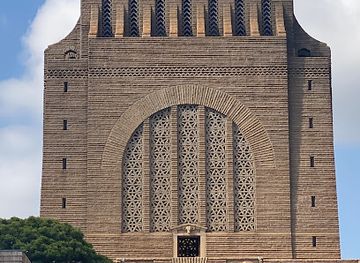
Explore the Voortrekker Monument, a magnificent tribute to Afrikaner history and culture nestled in the heart of Pretoria's beautiful landscape.
Explore Gauteng on the map
Plan your trip on one map. See where the top cities, national parks and sights are, and book hotels and experiences in a few clicks.
Best hotels in Gauteng
Best restaurants in Gauteng
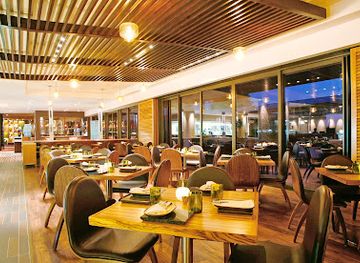
Gauteng’s dining scene reflects the province’s migration, mining and metropolitan history. Johannesburg and Pretoria offer South African cooking alongside Indian, pan-African, Middle Eastern, European and contemporary international influences, with formal restaurants concentrated in business, cultural and affluent suburban districts. Traditional dishes such as pap with meat or relish, chakalaka, stews, grilled meats and township-style plates appear alongside modern interpretations, while bakeries and cafés provide everyday urban dining. Ekurhuleni and the Vaal area add neighbourhood restaurants, family venues and informal food traditions shaped by diverse communities. Farmers’ markets and carefully selected local markets are useful places to encounter seasonal produce, baked goods and prepared food, although standards vary and visitors should choose busy, well-managed stalls. South African wines, craft beer and locally produced spirits are widely available, but the province’s culinary identity is better understood through its varied people and foodways than through a single signature dish.
-
Restaurant
Irene Farm
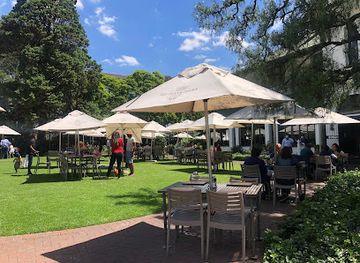
Working dairy farm in Centurion blending farm-fresh dining, calf-feeding fun, and oak-shaded serenity for unforgettable family escapes amid Holstein pastures.
-
South African
Mikes Heritage House
Discover authentic South African cuisine and cultural experiences at Mike's Heritage House in Parktown, Johannesburg.
-
South African
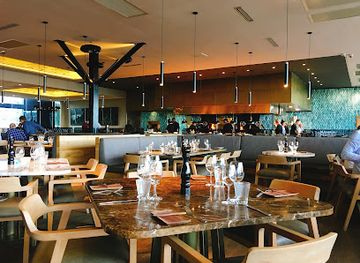
Marble Restaurant
Experience exquisite South African cuisine with breathtaking views at Marble Restaurant in Johannesburg's vibrant Rosebank district.
-
Restaurant
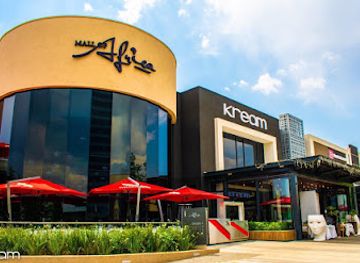
Kream Restaurant Mall of Africa
Discover Kream Restaurant at Mall of Africa: where fine dining meets Middle Eastern flair in an exquisite setting.

Best bars in Gauteng
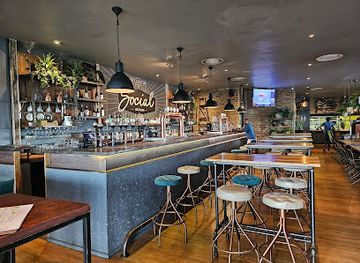
Evening life is concentrated in Johannesburg, Pretoria and selected suburban centres rather than spread evenly across Gauteng. Johannesburg offers cocktail bars, breweries, restaurants, live music, comedy, theatres and late-night clubs, particularly around established entertainment and cultural districts, although venues and atmospheres change frequently. Pretoria combines student and professional nightlife with restaurants, pubs, live music and more relaxed evening venues. Soweto has a strong culture of music, social clubs and locally rooted dining, best experienced through reputable local recommendations or organised events. Ekurhuleni’s evening scene is more dispersed, with neighbourhood pubs, sports bars, restaurants and occasional live entertainment. Outside the metropolitan areas, evenings generally centre on guest-lodge dining, country venues and traditional pubs rather than large clubs. Check current arrangements and use trusted transport after dark, especially when travelling between suburbs.
-
Grill
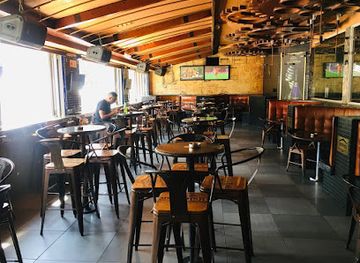
Eastwoods
Experience the vibrant culinary scene at Eastwoods in Pretoria, a premier destination for grill lovers and sports fans alike.
-
Bar
Blue Room Hatfield
Discover the vibrant nightlife at Blue Room Hatfield, where cocktails, live music, and a lively atmosphere await you in Pretoria.
-
Grill
San Deck, Bar & Restaurant
Savor exquisite grilled dishes and refreshing cocktails at San Deck, Bar & Restaurant in Sandton, a culinary gem for every traveler.
-
Bar
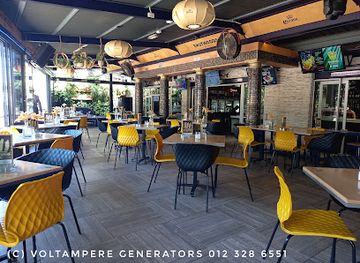
Social On Main - Bryanston
Indulge in a delightful culinary adventure at Social On Main, the vibrant bar and restaurant in Bryanston known for its tapas, cocktails, and live music.
Best nightclubs in Gauteng
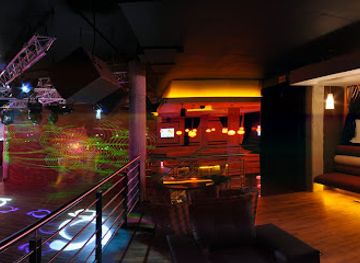
Evening life is concentrated in Johannesburg, Pretoria and selected suburban centres rather than spread evenly across Gauteng. Johannesburg offers cocktail bars, breweries, restaurants, live music, comedy, theatres and late-night clubs, particularly around established entertainment and cultural districts, although venues and atmospheres change frequently. Pretoria combines student and professional nightlife with restaurants, pubs, live music and more relaxed evening venues. Soweto has a strong culture of music, social clubs and locally rooted dining, best experienced through reputable local recommendations or organised events. Ekurhuleni’s evening scene is more dispersed, with neighbourhood pubs, sports bars, restaurants and occasional live entertainment. Outside the metropolitan areas, evenings generally centre on guest-lodge dining, country venues and traditional pubs rather than large clubs. Check current arrangements and use trusted transport after dark, especially when travelling between suburbs.
-
Night club
Presley's
Discover the vibrant nightlife of Pretoria at Presley's, a premier night club offering electrifying music and a lively atmosphere.
-
Night club
Taboo Night Club
Discover the heart of Sandton's nightlife at Taboo Night Club, where music, style, and excitement blend for an unforgettable experience.
-
Night club
Truth Night Club
Discover the electrifying nightlife at Truth Night Club in Midrand, a must-visit for music lovers and party enthusiasts.
-
Disco club
The Sound Room
Experience Johannesburg's nightlife at The Sound Room, a vibrant disco club and event venue, perfect for unforgettable nights of music and dance.


Best shops in Gauteng
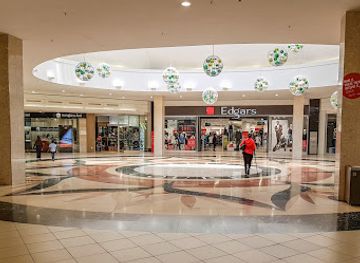
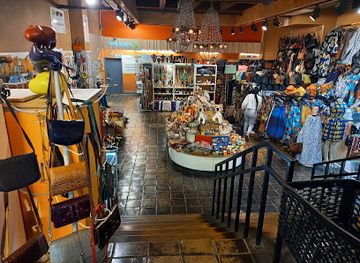
Shopping in Gauteng is varied because the province combines major commercial centres with traditional high streets, craft markets and informal trading areas. Johannesburg’s established districts and shopping malls provide fashion, design, books, art and international brands, while neighbourhood markets are better for locally made jewellery, ceramics, textiles, food and contemporary craft. Pretoria offers independent shops, galleries, antique dealers and speciality food retailers alongside large malls, with different districts having distinct commercial characters. Ekurhuleni has substantial suburban shopping centres and local markets serving its many communities. Visitors looking for South African gifts can consider beadwork, wire art, woven goods, ceramics, leatherwork, locally produced food and books on the country’s history, but should check provenance and buy from responsible sellers. At informal markets, ask permission before photographing goods or people, compare prices courteously and carry purchases discreetly. Retail opening arrangements vary, particularly for smaller independent businesses and weekend markets.
-
Store
Mall of Africa
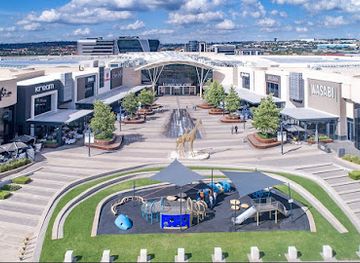
Discover the ultimate shopping and entertainment experience at the Mall of Africa, a premier destination in Midrand with over 300 stores and diverse dining options.
-
Shopping mall
Sandton City
Explore Sandton City, a premier shopping destination in South Africa with luxury brands, diverse dining, and vibrant entertainment options for all ages.
-
Shopping mall
Eastgate Shopping Centre
Explore Eastgate Shopping Centre: A Premier Shopping and Entertainment Destination with a Diverse Range of Retail and Dining Options.
-
Shopping mall
Rosebank Mall
Discover the ultimate shopping experience at Rosebank Mall in Johannesburg, where luxury meets local craftsmanship in a vibrant atmosphere.

Get your free copy of our complete guide to Gauteng, delivered straight to you.
Everything on this page, from attractions and restaurants to essentials and local phrases, in one PDF you can read offline, print or share.
Already have an account? Sign in
Your Gauteng guide is ready.
We'll send it to · Not you? Sign out

Getting your guide ready…
We are putting together a fresh copy of the Gauteng guide. This can take up to a minute.
This can take a few moments. If your browser asks, choose Allow so the download can start. You'll find the guide in your Downloads folder.
Nothing happened? Download it again
Sorry, the guide is taking longer than usual. Please try again in a minute, or get it by email instead.
Gauteng essentials
Currency and Payment
Safety
Emergency Situations
Do's and Don'ts
Local Tips
From Eve
Local phrases worth knowing
You don't need to get them perfect. A few words go a long way, and locals appreciate the effort.
Basics
| English | Local | Say it |
|---|---|---|
| Hello | Hallo | [ha-lo] |
| Goodbye | Totsiens | [tot-see-ens] |
| Yes | Ja | [ya] |
| No | Nee | [nee] |
| Please/You're welcome | Asseblief/Geen probleem | [as-se-bleef/gein pro-bleem] |
| Thank you | Dankie | [dahn-kee] |
| Excuse me/Sorry | Verskoon my/ Jammer | [ver-skohn mai/yah-mer] |
| How are you? | Hoe gaan dit? | [hoo gahn dit] |
| Fine. And you? | Goed. En jy? | [khoot. en yay] |
| Do you speak English? | Praat jy Engels? | [praat yay eng-els] |
| I don't understand | Ek verstaan nie | [ek fer-stahn nee] |
Eating & Drinking
| English | Local | Say it |
|---|---|---|
| I'd like to see the menu, please | Ek wil graag die spyskaart sien, asseblief | [ek vil khrahg dee spies-kart seen, as-se-bleef] |
| I don't eat meat | Ek eet nie vleis nie | [ek eet nee flys nee] |
| Cheers! | Gesondheid! | [ge-son-dheid] |
| I would like to pay, please | Ek wil graag betaal, asseblief | [ek vil khrahg be-taal, as-se-bleef] |
Emergencies
| English | Local | Say it |
|---|---|---|
| Help! | Help! | [help] |
| Go away! | Gaan weg! | [khaan vek] |
| Call the Police! | Bel die Polisie! | [bel dee po-lee-sie] |
| Call a doctor! | Bel 'n dokter! | [bel 'n dok-ter] |
| I'm lost | Ek is verlore | [ek is fer-lo-re] |
| I'm ill | Ek is siek | [ek is seek] |
Shopping
| English | Local | Say it |
|---|---|---|
| I'd like to buy... | Ek wil graag koop... | [ek vil khrahg koop] |
| I'm just looking | Ek kyk net | [ek kike net] |
| How much is it? | Hoeveel kos dit? | [hoo-feel kos dit] |
| That's too expensive | Dit is te duur | [dit is te dur] |
| Can you lower the price? | Kan jy die prys verlaag? | [kan yay dee prys fer-lahg] |
Time & Numbers
| English | Local | Say it |
|---|---|---|
| What time is it? | Hoe laat is dit? | [hoo laat is dit] |
| It's one o'clock | Dit is een uur | [dit is een oor] |
| Half past (10) | Half 10 | [half 10] |
| Morning | Oggend | [oh-ghend] |
| Afternoon | Middag | [mi-dahg] |
| Evening | Aand | [ahnd] |
| Yesterday | Gister | [ghis-ter] |
| Today | Vandag | [van-dahg] |
| Tomorrow | Môre | [more-eh] |
| 1 | Een | [een] |
| 2 | Twee | [twee] |
| 3 | Drie | [dree] |
| 4 | Vier | [veer] |
| 5 | Vyf | [fife] |
| 6 | Ses | [ses] |
| 7 | Sewe | [seh-we] |
| 8 | Agt | [acht] |
| 9 | Nege | [nee-geh] |
| 10 | Tien | [teen] |
Transport & Directions
| English | Local | Say it |
|---|---|---|
| Where's a/the...? | Waar is 'n die...? | [vaar is 'n dee] |
| What's the address? | Wat is die adres? | [vat is dee a-dres] |
| Can you show me (on the map)? | Kan jy my wys (op die kaart)? | [kan yay mai vays (op dee kart)] |
| When's the next (bus)? | Wanneer is die volgende (bus)? | [van-heer is dee fol-gende (bus)] |
| A ticket (to ....) | ‘n Teken (na ...) | [‘n tee-ken (na ...)] |
History of Gauteng
Early Hominin Heritage
The limestone cave systems west and north-west of Johannesburg preserve some of the most important evidence in the study of human evolution. Sites including Sterkfontein, Kromdraai and Malapa have produced hominin fossils spanning millions of years, helping scientists investigate the development of early human relatives. The wider Cradle of Humankind was recognised by UNESCO for its exceptional palaeoanthropological importance. Visitor centres and guided experiences interpret this scientific legacy, while the surrounding landscape retains a rural character despite its proximity to Gauteng’s metropolitan areas.
Iron Age and Precolonial Communities
Before the rise of modern cities and mining, the Gauteng region was inhabited and used by communities associated with farming, cattle keeping, metalworking and trade. Sotho-Tswana-speaking groups, Ndebele communities and other peoples shaped the region’s settlement patterns and cultural history. Archaeological evidence, oral traditions and surviving cultural practices provide a more complex picture than the later colonial narratives that often dominated South African history. The region’s present-day cultural diversity reflects these earlier communities as well as later migration and urbanisation.
Nineteenth-Century Boer Republics
During the nineteenth century, the interior Highveld became a centre of settlement by voortrekkers and the developing Boer republics. Pretoria was founded in 1855 and became the capital of the South African Republic, also known as the Transvaal Republic. The period brought new towns, farms, churches and administrative institutions, while also involving conflict, displacement and changing relations with African communities. Historic buildings and monuments in Pretoria and nearby settlements preserve parts of this contested political history.
The Gold Rush and Johannesburg’s Founding
The discovery of gold on the Witwatersrand in 1886 transformed the region from a sparsely settled farming landscape into the industrial heart of southern Africa. Johannesburg grew rapidly as prospectors, financiers, engineers, labourers and traders arrived from many parts of the world. Deep-level mining created immense wealth and a powerful infrastructure of railways, processing plants and company towns, but it also depended on racially unequal labour systems that shaped urban segregation. Mine dumps, historic districts and museums continue to reveal the consequences of the gold economy.
War, Union and Industrial Expansion
The South African War of 1899–1902 was fought partly over control of the Transvaal and its strategic mineral wealth. Pretoria was occupied by British forces in 1900, and the war left lasting political and social scars across the region. After the creation of the Union of South Africa in 1910, Johannesburg and the surrounding mining belt expanded as industrial, financial and transport centres. Ekurhuleni’s later development was closely connected with railways, manufacturing, aviation and the infrastructure supporting the Witwatersrand economy.
Apartheid and the Soweto Uprising
Racial segregation and apartheid profoundly shaped Gauteng’s towns, employment patterns and residential geography. Johannesburg’s townships grew as Black workers were restricted by discriminatory laws, while forced removals and unequal services altered communities across the province. On 16 June 1976, students in Soweto protested against the compulsory use of Afrikaans in schools; the uprising became a national and international symbol of resistance to apartheid. Sites such as the Hector Pieterson Memorial, Constitution Hill and the Apartheid Museum help visitors understand this history through personal testimony and documentary evidence.
Democratic Gauteng and Metropolitan Growth
South Africa’s transition to democracy in 1994 reshaped Gauteng’s institutions and public identity. The province was created in its modern form in 1994 and became the country’s principal administrative, financial and commercial centre. Johannesburg, Pretoria and Ekurhuleni have since expanded through migration, investment, new transport links and large-scale residential development, while inequality and service pressures remain important realities. Contemporary Gauteng combines museums and memorials dedicated to democratic change with thriving creative industries, universities, technology businesses and increasingly diverse cultural precincts.
Gauteng in Photos
Browse through our photo collection highlighting the charm and character of the destination.
Neighbouring regions of Gauteng
The closest regions to Gauteng, if you have time for more than one.
-

-

-

-

-


Swipe for more regions
Explore more

Explore more of South Africa
Discover South Africa: A land of breathtaking landscapes, rich history, and diverse cultures, from bustling cities to world-renowned wildlife reserves.
Explore South Africa