

Free Waterberg Travel Guide & Mobile App
Explore Waterberg with free travel guides. Discover regional history, expert tips, proposed trips, and audio guides on web or mobile app.


Explore Waterberg in Limpopo for Big Five reserves, ancient archaeological sites, thermal springs, bird-rich wetlands and wide-open bushveld landscapes.
Read more about Waterberg
When is the best time to visit Waterberg?
Best: April, August–September · 22–25°C| Month | High (°C) | Rainfall (mm) |
|---|---|---|
| January | 29 | 100 |
| February | 29 | 90 |
| March | 28 | 80 |
| April (best) | 25 | 60 |
| May | 22 | 35 |
| June | 19 | 20 |
| July | 19 | 20 |
| August (best) | 22 | 20 |
| September (best) | 25 | 35 |
| October | 28 | 60 |
| November | 28 | 80 |
| December | 29 | 90 |
Getting to and around Waterberg
How to get there
Transportation
Best attractions in Waterberg
Waterberg’s attractions are spread through a large plateau rather than concentrated in one resort centre. Wildlife reserves form the core of the visitor economy: Marakele National Park offers mountain scenery, bushveld and game viewing, while private reserves around Vaalwater, Bela-Bela and the wider plateau provide guided drives, walking safaris and birding. Nylsvley Nature Reserve near Modimolle is a major wetland destination, particularly valuable for observing waterbirds and seasonal floodplain habitats. The archaeological landscape around Makapan Valley near Mokopane adds a very different dimension, with cave sites and evidence of deep human history. Bela-Bela’s thermal springs provide a more leisurely counterpoint to safari activities, while hiking, mountain biking, photography and stargazing are available at selected lodges and reserves. Thabazimbi combines access to Marakele with Waterberg mountain country and a mining-town history, whereas the northern bushveld around Lephalale has a hotter, more open character. Visit arrangements vary widely, so visitors should confirm permits, guided access, road conditions and seasonal restrictions before setting out.
-
Wildlife and safari park
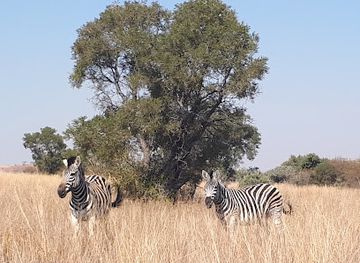
Dinokeng Game Reserve
Discover the beauty and thrill of wildlife at Dinokeng Game Reserve, a top destination for nature lovers and adventure seekers in South Africa.
-
Self-catering accommodation
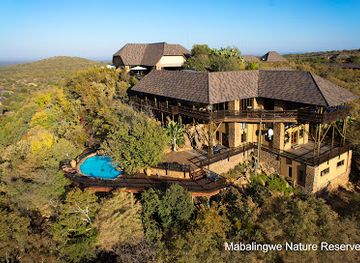
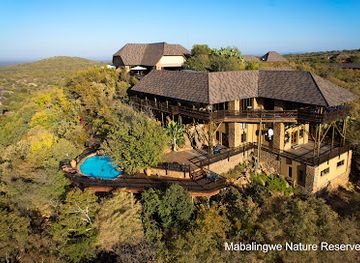
Mabalingwe Nature Reserve
Discover the beauty and tranquility of Mabalingwe Nature Reserve, a premier destination for wildlife enthusiasts and nature lovers in South Africa.
-
Casino
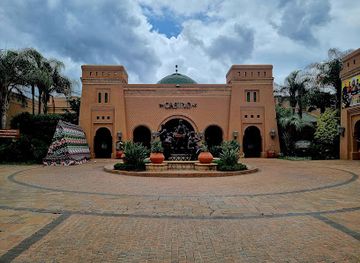
Meropa Casino & Entertainment World
Discover a vibrant blend of gaming, dining, and entertainment at Meropa Casino & Entertainment World in Polokwane, South Africa.
-
Tourist attraction
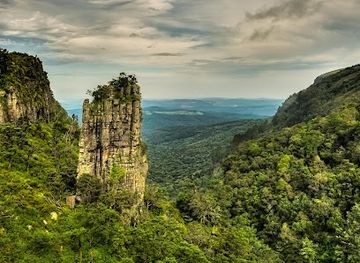
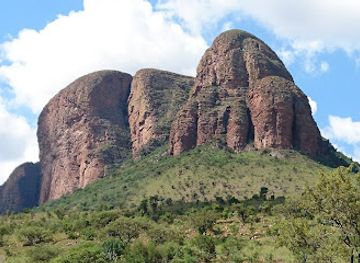
The Pinnacle Rock
Discover the breathtaking beauty of The Pinnacle Rock—a premier hiking destination in South Africa, offering stunning views and unforgettable outdoor adventures.
Best landmarks in Waterberg
The Waterberg’s most recognisable landmarks are formed by its plateau edges, sandstone hills and protected valleys. The mountainous landscapes of Marakele National Park near Thabazimbi provide the region’s strongest visual identity, with steep escarpments rising above bushveld and game country. Makapan Valley near Mokopane is both a natural and archaeological landmark: its limestone caves and surrounding terrain preserve an unusually long record of human occupation and scientific discovery. Nylsvley’s broad wetland is a less dramatic but highly significant landmark, defined by seasonal water, reedbeds and open floodplain rather than cliffs or buildings. Bela-Bela’s thermal springs represent an important geological feature and have shaped the town’s modern identity. In the settled landscape, the older civic and commercial buildings of Waterberg towns, railway-era infrastructure and mining-related landscapes help explain how transport, agriculture and mineral extraction influenced the region. Together these places show that Waterberg’s identity rests on geology, deep time, wildlife conservation and working rural communities rather than on one monumental structure.
-
Self-catering accommodation
Mabalingwe Nature Reserve
Explore the wonders of Mabalingwe Nature Reserve in South Africa, where wildlife encounters and self-catering comfort come together in a breathtaking natural setting.
-
National park
Marakele National Park
Explore the wildlife-rich Marakele National Park nestled in the spectacular Waterberg mountain range, a haven for nature lovers and adventurers.
-
 Resort hotel
Waterberg Game Park
Experience the tranquility and adventure of Waterberg Game Park, where luxury meets nature in the heart of South Africa.
-
Nature preserve
Sondela Nature Reserve & Spa Bela Bela
Experience the perfect blend of adventure and relaxation at Sondela Nature Reserve & Spa in Bela Bela, South Africa, a haven for nature lovers and luxury seekers alike.
Explore Waterberg on the map
Plan your trip on one map. See where the top cities, national parks and sights are, and book hotels and experiences in a few clicks.
Best hotels in Waterberg
Best restaurants in Waterberg
Dining in Waterberg is closely linked to lodges, guest farms, country hotels and the restaurants of regional towns rather than a single defined culinary capital. Safari accommodation commonly serves South African dishes alongside international food, with menus shaped by seasonal produce, grilled meat, vegetables and traditional braai-style cooking. In towns such as Bela-Bela, Modimolle, Mokopane and Lephalale, visitors will find everyday cafés, bakeries, family restaurants and takeaway food, while rural establishments may offer farm-style meals by arrangement. Local shopping can provide biltong, dried meat, preserves, fresh produce and other South African provisions for self-catering or road journeys. Game meat appears on some menus but is not universal, and visitors should ask about provenance and preparation rather than assume it is a regional speciality. Dining at remote lodges usually requires advance notice, particularly for guests who are not staying overnight.
-
Family-friendly
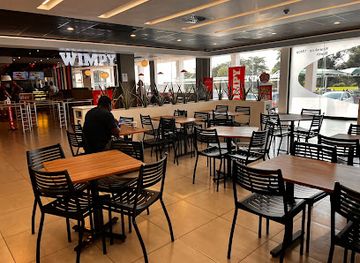
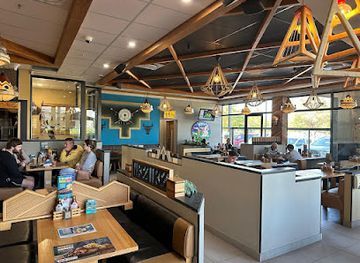
Wimpy Engen 1 Stop Kranskop South
Discover family-friendly dining at Wimpy Engen 1 Stop Kranskop South with delicious fast food options perfect for travelers.
-
Family-friendly
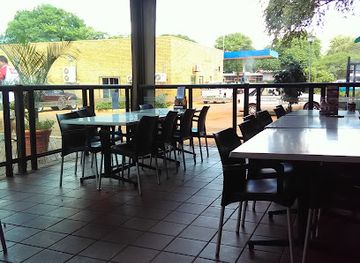
Lone Bear Spur Steak Ranch
Experience family-friendly dining at Lone Bear Spur Steak Ranch, where delicious meals meet warm hospitality in Modimolle.
-
Family-friendly
Eagle Mountain Spur Steak Ranch
Discover family-friendly dining at Eagle Mountain Spur Steak Ranch in Thabazimbi – where delicious steaks and warm hospitality await!
-
Restaurant
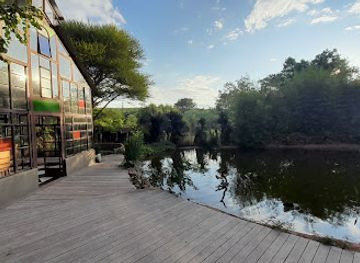
Shangri-La Country Hotel & Spa
Experience luxury and tranquility at Shangri-La Country Hotel & Spa in Modimolle - perfect for relaxation or adventure amidst stunning landscapes.
Best bars in Waterberg
Evening life in Waterberg is generally quiet and accommodation-led. Country pubs, lodge bars and restaurants provide places to talk, watch sunset and enjoy South African wines, beers or non-alcoholic drinks after a game drive, while larger towns such as Bela-Bela, Modimolle, Mokopane and Lephalale have more conventional cafés, bars and occasional live entertainment. This is not a region known for a concentrated nightclub circuit; rural properties prioritise early starts, guided drives and outdoor activities over late-night venues. Some lodges offer informal fireside gatherings or astronomy experiences, but arrangements differ and should be confirmed when booking. Visitors should drink responsibly, arrange transport in advance and avoid driving on unfamiliar rural roads after dark, when livestock, pedestrians and wildlife may be difficult to see.
-
Bar
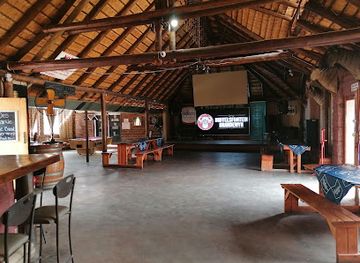
Kalahari Oasis Bush Pub
Discover the vibrant atmosphere and unique charm of Kalahari Oasis Bush Pub in Bela-Bela, where African culture meets modern relaxation.
-
Bar
Jagkamp Pub & Grill
Discover the lively atmosphere of Jagkamp Pub & Grill in Modimolle, featuring delicious food, refreshing drinks, and local entertainment.
-
Bar
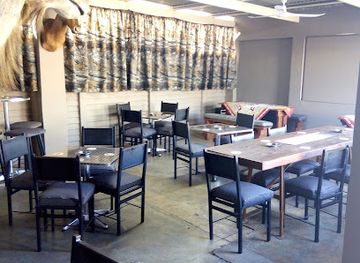
Watergat Pub & grill modimolle
Discover Watergat Pub & Grill in Modimolle, where culinary delights meet a vibrant atmosphere for a unique dining experience.
-
Restaurant
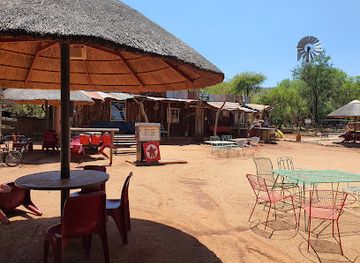
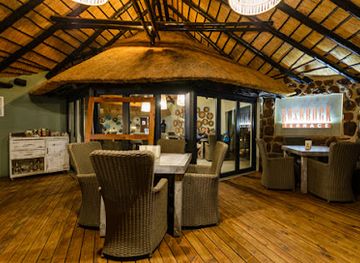
Thirsty Warthog
Experience the perfect blend of nature and cuisine at Thirsty Warthog, located in the heart of Waterberg Game Park.
Best nightclubs in Waterberg
Evening life in Waterberg is generally quiet and accommodation-led. Country pubs, lodge bars and restaurants provide places to talk, watch sunset and enjoy South African wines, beers or non-alcoholic drinks after a game drive, while larger towns such as Bela-Bela, Modimolle, Mokopane and Lephalale have more conventional cafés, bars and occasional live entertainment. This is not a region known for a concentrated nightclub circuit; rural properties prioritise early starts, guided drives and outdoor activities over late-night venues. Some lodges offer informal fireside gatherings or astronomy experiences, but arrangements differ and should be confirmed when booking. Visitors should drink responsibly, arrange transport in advance and avoid driving on unfamiliar rural roads after dark, when livestock, pedestrians and wildlife may be difficult to see.
-
Resort hotel
Waterberg Game Park
Experience the beauty of nature at Waterberg Game Park, a premier resort hotel offering wildlife encounters and luxurious accommodations.
-
Bar
Shangri-La Country Hotel & Spa
Experience luxury and tranquility at Shangri-La Country Hotel & Spa, a serene retreat in Modimolle's lush landscapes, perfect for relaxation and adventure.
-
Bar
Hapido Cafe
Experience the lively ambiance and delicious offerings at Hapido Cafe, a must-visit bar in Phagameng.
-
Bar
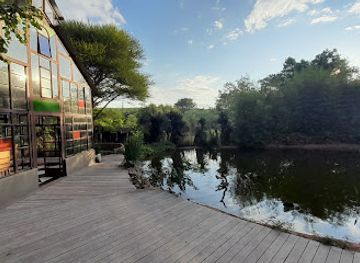
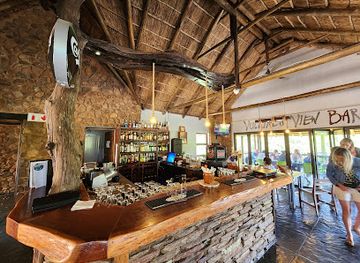
Vulture's View Bar Mabalingwe
Discover breathtaking views and a delightful drink selection at Vulture's View Bar Mabalingwe in Bela-Bela, South Africa.
Best shops in Waterberg
Shopping in Waterberg is practical and town-based, with the largest choice of supermarkets, pharmacies, fuel stations and general supplies in Bela-Bela, Modimolle, Mokopane and Lephalale. Independent shops and small shopping centres serve local residents, while farm stalls and roadside sellers may offer seasonal fruit, vegetables, preserves and other provisions, although availability changes. Visitors staying in safari country can look for locally produced crafts, beadwork, textiles, wildlife photography, books and conservation-related gifts at established lodges or visitor facilities, but selection varies considerably. Markets and craft outlets should be treated as local opportunities rather than guaranteed daily attractions. For a durable regional memento, consider South African food products, locally made craftwork or a well-sourced book about Limpopo’s archaeology and wildlife. Buy fossils, stones, animal products and cultural objects only from legitimate sellers, and never remove natural or archaeological material from reserves or heritage sites.
-
Shopping mall
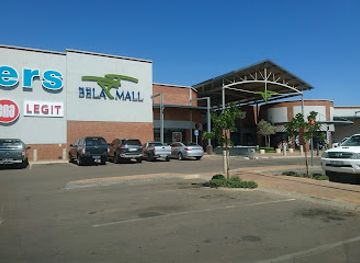
Bela Mall
Experience the essence of Bela-Bela at Bela Mall – your one-stop shopping and dining destination in South Africa.
-
Shopping mall
Steilloop cash and carry
Explore Steilloop Cash and Carry: A vibrant shopping mall in South Africa, perfect for discovering local products and enjoying a unique shopping experience.
-
Grocery store
Spar Vaalwater
Experience the essence of South African cuisine at Spar Vaalwater, your one-stop grocery store for local delights and fresh produce.
-
Grocery store
fashion & decor
Discover the essence of Modimolle at Fashion & Decor, where local flavors meet unique grocery finds in a welcoming atmosphere.


Get your free copy of our complete guide to Waterberg, delivered straight to you.
Everything on this page, from attractions and restaurants to essentials and local phrases, in one PDF you can read offline, print or share.
Already have an account? Sign in
Your Waterberg guide is ready.
We'll send it to · Not you? Sign out

Getting your guide ready…
We are putting together a fresh copy of the Waterberg guide. This can take up to a minute.
This can take a few moments. If your browser asks, choose Allow so the download can start. You'll find the guide in your Downloads folder.
Nothing happened? Download it again
Sorry, the guide is taking longer than usual. Please try again in a minute, or get it by email instead.
Waterberg essentials
Currency and Payment
Safety
Emergency Situations
Do's and Don'ts
Local Tips
From Eve
Local phrases worth knowing
You don't need to get them perfect. A few words go a long way, and locals appreciate the effort.
Basics
| English | Local | Say it |
|---|---|---|
| Hello | Hello | [Heh-loh] |
| Goodbye | Goodbye | [Good-bye] |
| Yes | Yes | [Yes] |
| No | No | [No] |
| Please/You're welcome | Please/You're welcome | [Pleez/Yo're wel-kum] |
| Thank you | Thank you | [Thangk yoo] |
| Excuse me/Sorry | Excuse me/Sorry | [Ex-kyoos mee/Saw-ree] |
| How are you? | How are you? | [How ar yoo?] |
| Fine. And you? | Fine. And you? | [Fine. And yoo?] |
| Do you speak English? | Do you speak English? | [Doo yoo speek Ing-glish?] |
| I don't understand | I don't understand | [I dont un-der-stand] |
Eating & Drinking
| English | Local | Say it |
|---|---|---|
| I'd like to see the menu, please | I'd like to see the menu, please | [I'd lyk to see the men-yoo, pleez] |
| I don't eat meat | I don't eat meat | [I dont eet meet] |
| Cheers! | Cheers! | [Cheerz!] |
| I would like to pay, please | I would like to pay, please | [I wood lyk to pay, pleez] |
Emergencies
| English | Local | Say it |
|---|---|---|
| Help! | Help! | [Help!] |
| Go away! | Go away! | [Go aw-ay!] |
| Call the Police! | Call the Police! | [Kol the Po-lees!] |
| Call a doctor! | Call a doctor! | [Kol a dok-tor!] |
| I'm lost | I'm lost | [I'm lost] |
| I'm ill | I'm ill | [I'm il] |
Shopping
| English | Local | Say it |
|---|---|---|
| I'd like to buy... | I'd like to buy... | [I'd lyk to buy...] |
| I'm just looking | I'm just looking | [I'm just luk-ing] |
| How much is it? | How much is it? | [How much iz it?] |
| That's too expensive | That's too expensive | [That's too expen-siv] |
| Can you lower the price? | Can you lower the price? | [Kan yoo loh-er the prys?] |
Time & Numbers
| English | Local | Say it |
|---|---|---|
| What time is it? | What time is it? | [What tym iz it?] |
| It's one o'clock | It's one o'clock | [It's wun o'clock] |
| Half past (10) | Half past (10) | [Haf past (10)] |
| Morning | Morning | [Morn-ing] |
| Afternoon | Afternoon | [Af-ter-noon] |
| Evening | Evening | [Eve-ning] |
| Yesterday | Yesterday | [Yes-ter-day] |
| Today | Today | [To-day] |
| Tomorrow | Tomorrow | [To-mor-row] |
| 1 | 1 | [One] |
| 2 | 2 | [Two] |
| 3 | 3 | [Three] |
| 4 | 4 | [Four] |
| 5 | 5 | [Five] |
| 6 | 6 | [Six] |
| 7 | 7 | [Seven] |
| 8 | 8 | [Eight] |
| 9 | 9 | [Nine] |
| 10 | 10 | [Ten] |
Transport & Directions
| English | Local | Say it |
|---|---|---|
| Where's a/the...? | Where's a/the...? | [Wheh's a/the...?] |
| What's the address? | What's the address? | [What's the ad-dress?] |
| Can you show me (on the map)? | Can you show me (on the map)? | [Kan yoo sho mee (on the map)?] |
| When's the next (bus)? | When's the next (bus)? | [When's the next (bus)?] |
| A ticket (to ....) | A ticket (to ....) | [A tik-it (to....)] |
History of Waterberg
Early human occupation and the Makapan Valley
The limestone caves and historic shelters of Makapan Valley, near Mokopane, preserve an exceptionally long record of human and hominin occupation. Fossil discoveries and archaeological deposits from the area have contributed to scientific understanding of human evolution, stone-tool use and changing environments over hundreds of thousands of years. Later deposits record the activities of early farming communities. The valley’s significance lies not in one isolated find but in the depth of evidence accumulated across its caves and surrounding landscape, which connects the modern Waterberg to some of the earliest chapters of southern African prehistory.
Iron Age farming communities
From the first millennium CE, farming and herding communities occupied parts of the Waterberg, using local soils, watercourses and ironworking knowledge to establish settled societies. Iron tools and agricultural production changed patterns of land use and exchange, while cattle became important economically and socially. Archaeological sites across Limpopo show that these communities were connected to wider networks rather than isolated settlements. Their legacy survives in the region’s archaeological landscape and in the long history of African settlement that predates colonial expansion.
Northern Sotho and neighbouring African polities
The Waterberg has long been a meeting ground for communities speaking related Northern Sotho languages, as well as other groups whose territories and influence shifted over time. Political authority was organised through chiefly systems, kinship and control of land, water and livestock. The nineteenth century brought intensified movement, conflict and competition as the effects of regional upheavals, migrant settlement and colonial expansion reached the plateau. Modern communities in Limpopo retain diverse cultural and linguistic identities shaped by these earlier histories.
Frontier expansion and the nineteenth century
European settlement expanded into the Waterberg during the nineteenth century, bringing Boer farming communities, mission activity, new forms of land ownership and conflict with established African societies. The plateau’s difficult terrain and seasonal water sources influenced where farms, roads and settlements developed. Encounters between African polities, Voortrekker groups and later colonial authorities were not a single event but a prolonged process of political pressure and dispossession. Many present-day farms, towns and boundaries reflect this period of frontier transformation.
The Anglo-Boer War and changing administration
The Waterberg was affected by the wider Anglo-Boer War of 1899–1902, including military movement, rural disruption and the extension of British control over the former Boer republics. Its scattered farms and difficult terrain made the district relevant to communications and local campaigns, while civilians experienced displacement and economic hardship. After the war, administrative systems, commercial farming and transport links were reorganised. The period helped consolidate South Africa’s twentieth-century political geography, although its consequences were experienced differently by settler and African communities.
Mining, railways and modern economic change
The Waterberg’s economy diversified during the twentieth century through improved roads and rail connections, commercial agriculture, tourism and mineral extraction. Iron ore became particularly important around Thabazimbi, while coal and energy development shaped the Lephalale area. Mining brought employment and infrastructure but also altered landscapes and created long-term environmental and social pressures. Other parts of the plateau increasingly turned towards private wildlife conservation and safari tourism, producing a region where extractive industries, farming and protected areas exist alongside one another.
Conservation and the Waterberg Biosphere
Late twentieth-century conservation brought a major change in the Waterberg’s public identity. National and private reserves expanded, landowners restored wildlife populations and tourism became an important economic activity. The Waterberg Biosphere, recognised by UNESCO’s Man and the Biosphere Programme, reflects the region’s combination of ecological value, cultural history and working landscapes. Conservation has not erased competing land uses or historical inequalities, but it has encouraged a broader approach in which wildlife protection, research, community interests and sustainable tourism are considered across the plateau.
Waterberg in Photos
Browse through our photo collection highlighting the charm and character of the destination.
Neighbouring regions of Waterberg
The closest regions to Waterberg, if you have time for more than one.
-

-

-

-

-


Swipe for more regions
Explore more

Explore more of South Africa
Discover South Africa: A land of breathtaking landscapes, rich history, and diverse cultures, from bustling cities to world-renowned wildlife reserves.
Explore South Africa