

Free Bushveld Travel Guide & Mobile App
Explore Bushveld with free travel guides. Discover regional history, expert tips, proposed trips, and audio guides on web or mobile app.


Explore South Africa’s Bushveld for wildlife reserves, Waterberg mountains, cultural heritage, birding, stargazing and warm savanna landscapes.
Read more about Bushveld
When is the best time to visit Bushveld?
Best: April–May, September · 22–26°C| Month | High (°C) | Rainfall (mm) |
|---|---|---|
| January | 30 | 80 |
| February | 30 | 70 |
| March | 29 | 60 |
| April (best) | 26 | 40 |
| May (best) | 22 | 20 |
| June | 18 | 10 |
| July | 18 | 10 |
| August | 21 | 20 |
| September (best) | 25 | 30 |
| October | 28 | 40 |
| November | 29 | 60 |
| December | 30 | 70 |
Getting to and around Bushveld
How to get there
Transportation
Top city travel guides in Bushveld
The cities of Bushveld, and the easiest places to base yourself.
-

-

-

-


Swipe for more cities
Destinations in Bushveld
Resorts, valleys and scenic spots worth a trip of their own.
-

-
-

-

-


Swipe for more destinations
Best attractions in Bushveld
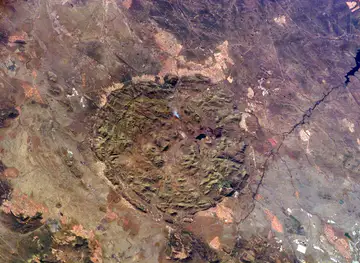
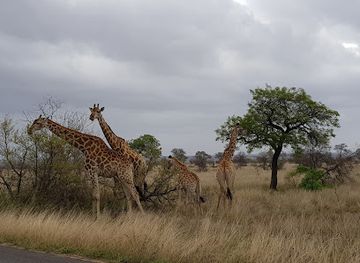
Bushveld attractions are organised around landscape, wildlife and the experience of travelling through a large savanna region. Pilanesberg National Park in North West occupies an extinct volcanic complex whose hills and open valleys create varied game-viewing terrain, while Madikwe Game Reserve provides a more expansive, remote-feeling safari setting near the Botswana border. In Limpopo, the Waterberg’s sandstone ridges support guided drives, walking activities, birding and conservation-focused stays. Parts of the Soutpansberg and the wooded country around Tzaneen offer mountain scenery, farms, forested valleys and a cooler contrast to the open thornveld. Cultural and archaeological interests include San rock art, Iron Age evidence, local heritage projects and historic mission or frontier sites, although access may require a guide or prior arrangement. Birdwatching is rewarding around rivers, dams and seasonal wetlands, and stargazing benefits from low levels of artificial light. Rather than concentrating on a single flagship attraction, a Bushveld itinerary works best when it combines wildlife with landscape interpretation, local food, walking, photography and time in the small towns and rural communities between reserves.
-
National park
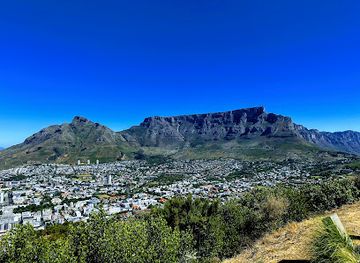
Table Mountain National Park
Discover the breathtaking beauty and rich biodiversity of Table Mountain National Park, a must-visit destination in Cape Town, South Africa.
-
Tourist attraction
Valley of Waves
Experience the ultimate water adventure at the Valley of Waves, Sun City's premier water park, featuring thrilling slides, a massive wave pool, and serene relaxation.
-
Tourist attraction
Pilanesberg National Park
Explore Pilanesberg National Park: A breathtaking wildlife reserve in South Africa, offering diverse landscapes and incredible safari experiences.
-
Tourist attraction
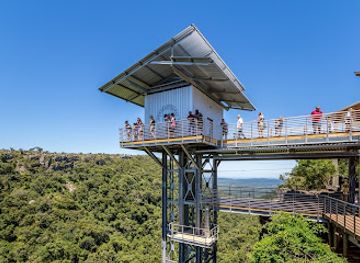
Graskop Gorge Lift Co.
Discover the breathtaking Graskop Gorge Lift Co., where stunning views and thrilling experiences await in the heart of South Africa's scenic Panorama Route.


Best landmarks in Bushveld
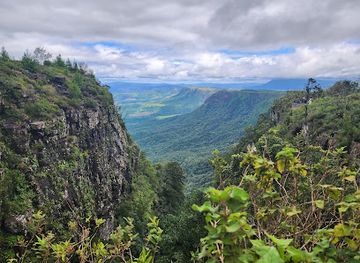
The Waterberg’s sandstone escarpments and folded ridges form one of the Bushveld’s most recognisable natural landscapes, with prominent viewpoints and valleys around the Limpopo district of the biosphere reserve. Farther north, the Soutpansberg creates a long mountainous horizon and a strong geographical identity for the surrounding countryside. Pilanesberg’s circular volcanic hills are an important geological landmark as well as the setting for its national park, their origins visible in the unusual arrangement of ridges and valleys. The Marico and Limpopo river systems, seasonal streams and bushveld dams provide defining features in otherwise dry country. In the broader heritage landscape, San rock-art shelters and archaeological settlement sites preserve evidence of long occupation, while historic mission buildings, forts and old mining or farming structures reflect later periods of frontier expansion and economic change. Landmark significance in the Bushveld is therefore often spread across geology, ecology and cultural history rather than concentrated in grand urban architecture. Access to sensitive archaeological and rock-art sites should be arranged through recognised guides or site authorities.
-
Shopping mall
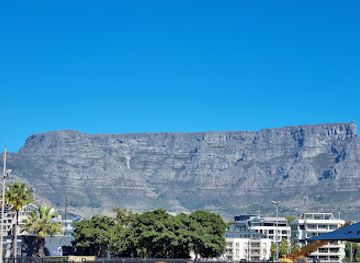
V&A Waterfront
Discover the vibrant V&A Waterfront in Cape Town - a cultural and shopping haven with stunning views and diverse attractions.
-
National park
Kruger National Park
Explore the wonders of Kruger National Park, where breathtaking wildlife encounters and stunning landscapes await every traveler in South Africa's iconic safari destination.
-
Tourist attraction
God’s Window
Experience the awe-inspiring views and rich biodiversity at God's Window, a spectacular scenic spot in Ehlanzeni, South Africa.
-
Nature preserve
Dinokeng Game Reserve
Discover the thrill of wildlife encounters and breathtaking landscapes at Dinokeng Game Reserve, a premier nature preserve in South Africa.

Explore Bushveld on the map
Plan your trip on one map. See where the top cities, national parks and sights are, and book hotels and experiences in a few clicks.
Best hotels in Bushveld
Best restaurants in Bushveld
Dining in the Bushveld is closely linked to lodges, guest farms, country hotels and the restaurants of regional towns. Menus commonly draw on South African braai traditions, locally sourced beef, chicken and vegetables, with game meat appearing in some licensed establishments; visitors should ask about provenance and preparation rather than assume that every lodge serves it. Limpopo contributes citrus, mangoes, avocados and other subtropical produce, while bushveld areas also support farm stalls and seasonal roadside sellers. Traditional foods such as pap, chakalaka, pumpkin and grilled meat reflect the wider culinary culture of northern South Africa, and mopane worms, or phane, may be available seasonally in parts of Limpopo. Cafés in larger towns provide practical daytime meals, while lodge dining often follows set mealtimes and requires advance notice of dietary needs. Local beer, South African wine and rooibos-based drinks are widely encountered, but food traditions differ between communities and should not be reduced to safari cuisine.
-
Restaurant
Buffelsfontein Beesboerdery
Experience authentic South African flavors at Buffelsfontein Beesboerdery in Menlo Park – where nature meets exquisite dining.
-
Restaurant
Tindlovu Boskombuis @ Afsaal Picnic Site
Discover Tindlovu Boskombuis: A delightful restaurant nestled in nature offering authentic South African cuisine at Afsaal Picnic Site.
-
Restaurant
Amazing Kruger View Restaurant
Dine amidst breathtaking views at Amazing Kruger View Restaurant in Marloth Park – where culinary delights meet stunning African sunsets.
-
Restaurant
Crawdaddy's Restaurant
Discover the vibrant flavors of Crawdaddy's Restaurant in Tzaneen—where fresh ingredients meet a welcoming atmosphere for unforgettable meals.


Best bars in Bushveld
Evening life in the Bushveld is generally low-key and shaped by distance, conservation rules and the rural setting. Lodges and guest farms often provide a bar, outdoor seating, fireside conversations and occasional guided stargazing, while pubs and casual restaurants in towns such as Bela-Bela, Thabazimbi, Modimolle, Lephalale, Tzaneen and Rustenburg serve local residents and travellers. Pilanesberg and Madikwe are not nightclub destinations; after dark, the focus is more likely to be a night drive, dinner or listening to wildlife around a camp. Larger towns in North West and Limpopo have more conventional bars and occasional live music, though venues and opening arrangements change. Drink responsibly, arrange transport before leaving rural accommodation and never drive after drinking. Some lodges restrict outdoor movement at night because of wildlife, so follow their instructions rather than treating the grounds like an urban entertainment area.
-
Bar
The Gin Bar
Experience the vibrant atmosphere and exquisite gin selection at The Gin Bar in the heart of Cape Town City Centre.
-
Cocktail bar
Cause Effect Cocktail Kitchen
Discover innovative cocktails and delightful dishes at Cause Effect Cocktail Kitchen, the premier cocktail bar in Cape Town's vibrant Waterfront.
-
Bar
Kalahari Oasis Bush Pub
Discover the charm of Kalahari Oasis Bush Pub in Bela-Bela, where nature meets a vibrant bar experience in a serene bushveld setting.
-
Restaurant
Tanks Bush Pub
Experience the flavors of Hazyview at Tanks Bush Pub, a family-friendly bar & grill offering delightful meals and refreshing drinks in a scenic setting.


Best nightclubs in Bushveld
Evening life in the Bushveld is generally low-key and shaped by distance, conservation rules and the rural setting. Lodges and guest farms often provide a bar, outdoor seating, fireside conversations and occasional guided stargazing, while pubs and casual restaurants in towns such as Bela-Bela, Thabazimbi, Modimolle, Lephalale, Tzaneen and Rustenburg serve local residents and travellers. Pilanesberg and Madikwe are not nightclub destinations; after dark, the focus is more likely to be a night drive, dinner or listening to wildlife around a camp. Larger towns in North West and Limpopo have more conventional bars and occasional live music, though venues and opening arrangements change. Drink responsibly, arrange transport before leaving rural accommodation and never drive after drinking. Some lodges restrict outdoor movement at night because of wildlife, so follow their instructions rather than treating the grounds like an urban entertainment area.
-
Night club
Europa Lounge
Discover the vibrant nightlife at Europa Lounge, a premier night club in Pretoria, offering great food, drinks, and live entertainment for all.
-
Night club
Channel M Night Club
Discover Pretoria's ultimate nightlife experience at Channel M Night Club - where live music and vibrant energy come together for unforgettable nights.
-
Night club
Taboo Night Club
Discover the vibrant nightlife of Sandton at Taboo Night Club, where electrifying beats and stylish vibes create unforgettable experiences.
-
Night club
Truth Night Club
Discover the heart of Midrand's nightlife at Truth Night Club, where unforgettable music and vibrant energy await every weekend.


Best shops in Bushveld
Shopping in the Bushveld is practical and locally oriented, with larger towns supplying supermarkets, fuel, outdoor equipment and everyday goods for residents and safari travellers. Bela-Bela, Modimolle, Thabazimbi, Rustenburg, Polokwane, Tzaneen and other regional centres have differing mixes of shopping centres, high-street businesses and independent services, but the area is not primarily a luxury retail destination. Farm stalls and roadside shops are useful for seasonal fruit, preserves, biltong, nuts and baked goods, particularly in agricultural districts of Limpopo. Visitors may find locally made beadwork, baskets, leather goods, woodwork, textiles and artwork through craft markets, galleries, lodge shops and community projects; quality and provenance vary, so buy directly from makers where possible. South African wine, rooibos, coffee, spices and regional foods make more practical souvenirs than fragile wildlife products. Do not purchase items made from protected species or archaeological material, and check customs and airline restrictions before transporting food, plants or animal-derived goods.
-
Shopping mall
Dunns Lowveld Mall Hazyview
Explore Dunns Lowveld Mall in Hazyview for a delightful shopping experience filled with fashion, dining, and local flair.
-
Store
Biltong Plek
Discover the authentic taste of South Africa at Biltong Plek, where every bite of biltong is a flavorful journey into local culinary traditions.
-
Clothing store
Bushveld Camo Clothing Store
Shop unique camouflage clothing at Bushveld Camo Clothing Store in Hartbeespoort, a must-visit for outdoor enthusiasts and fashion lovers.
-
Gift shop
African Meraki, Gifts Curios Clothing
Discover unique gifts and local crafts at African Meraki, a delightful gift shop in Hoedspruit, perfect for tourists seeking authentic souvenirs.


Get your free copy of our complete guide to Bushveld, delivered straight to you.
Everything on this page, from attractions and restaurants to essentials and local phrases, in one PDF you can read offline, print or share.
Already have an account? Sign in
Your Bushveld guide is ready.
We'll send it to · Not you? Sign out

Getting your guide ready…
We are putting together a fresh copy of the Bushveld guide. This can take up to a minute.
This can take a few moments. If your browser asks, choose Allow so the download can start. You'll find the guide in your Downloads folder.
Nothing happened? Download it again
Sorry, the guide is taking longer than usual. Please try again in a minute, or get it by email instead.
Bushveld essentials
Currency and Payment
Safety
Emergency Situations
Do's and Don'ts
Local Tips
From Eve
Local phrases worth knowing
You don't need to get them perfect. A few words go a long way, and locals appreciate the effort.
Basics
| English | Local | Say it |
|---|---|---|
| Hello | Howzit | [How-zit] |
| Goodbye | Totsiens | [Toe-tsiens] |
| Yes | Ja | [Yah] |
| No | Nee | [Nee] |
| Please/You're welcome | Asseblief | [Ah-seh-bleef] |
| Thank you | Dankie | [Dahn-kee] |
| Excuse me/Sorry | Jammer | [Yah-mer] |
| How are you? | Hoe gaan dit? | [Hoo gahn dit] |
| Fine. And you? | Goed. En jy? | [Hoot. En yay?] |
| Do you speak English? | Praat jy Engels? | [Prah-t yay Eng-els?] |
| I don't understand | Ek verstaan nie | [Ek fer-stahn nee] |
Eating & Drinking
| English | Local | Say it |
|---|---|---|
| I'd like to see the menu, please | Ek wil graag die spyskaart sien, asseblief | [Ek vil graahg dee spies-kart seen, ah-seh-bleef] |
| I don't eat meat | Ek eet nie vleis nie | [Ek eet nee flays nee] |
| Cheers! | Gesondheid! | [Geh-sont-hayt] |
| I would like to pay, please | Ek wil graag betaal, asseblief | [Ek vil graahg beh-tahl, ah-seh-bleef] |
Emergencies
| English | Local | Say it |
|---|---|---|
| Help! | Help! | [Help!] |
| Go away! | Gaan weg! | [Gah-n vek!] |
| Call the Police! | Bel die Polisiemag! | [Bell dee Poh-lee-see-mahg!] |
| Call a doctor! | Bel 'n dokter! | [Bell 'n dock-ter!] |
| I'm lost | Ek is verlore | [Ek is fer-lore] |
| I'm ill | Ek is siek | [Ek is seek] |
Shopping
| English | Local | Say it |
|---|---|---|
| I'd like to buy... | Ek wil graag koop... | [Ek vil graahg koop...] |
| I'm just looking | Ek kyk net | [Ek kike net] |
| How much is it? | Hoeveel kos dit? | [Hoo-feel kos dit?] |
| That's too expensive | Dit is te duur | [Dit is teh dewr] |
| Can you lower the price? | Kan jy die prys verlaag? | [Kan yay dee prays fer-lahg?] |
Time & Numbers
| English | Local | Say it |
|---|---|---|
| What time is it? | Hoe laat is dit? | [Hoo laat is dit?] |
| It's one o'clock | Dis een uur | [Dis een oar] |
| Half past (10) | Halfuur (10) | [Half-oar (10)] |
| Morning | Oggend | [Okh-gent] |
| Afternoon | Namiddag | [Nah-mid-dahg] |
| Evening | Aand | [Ahn-d] |
| Yesterday | Gister | [Giss-ter] |
| Today | Vandag | [Vahn-dahg] |
| Tomorrow | Môre | [Maw-reh] |
| 1 | Een | [Een] |
| 2 | Twee | [Twee] |
| 3 | Drie | [Dree] |
| 4 | Vier | [Veer] |
| 5 | Vyf | [Fife] |
| 6 | Ses | [Ses] |
| 7 | Sewe | [Seh-weh] |
| 8 | Agt | [Aght] |
| 9 | Nege | [Neh-heh] |
| 10 | Tien | [Teen] |
Transport & Directions
| English | Local | Say it |
|---|---|---|
| Where's a/the...? | Waar is 'n ...? | [Vahr is 'n ...?] |
| What's the address? | Wat is die adres? | [Waht is dee ah-dres?] |
| Can you show me (on the map)? | Kan jy my wys (op die kaart)? | [Kan yay my vise (op dee kart)?] |
| When's the next (bus)? | Wanneer is die volgende (bus)? | [Vahn-heer is dee fol-gend-e (bus)?] |
| A ticket (to ....) | ‘n kaartjie (na ...) | [‘n kart-kee (nah ...)] |
History of Bushveld
San Rock Art and Early Settlement
The Bushveld has been occupied for thousands of years, and rock shelters, paintings and artefacts provide evidence of early hunter-gatherer communities. San rock art survives in parts of Limpopo and the Waterberg, although individual sites vary in accessibility and interpretation. These images are not simply decorative records: they offer insight into spiritual beliefs, animals, hunting and changing relationships with the landscape. Visitors should approach rock-art locations with care, never touching painted surfaces or removing stones and artefacts.
Iron Age Communities and Trade
From the first millennium CE, farming and metalworking communities established settlements across the wider Bushveld. Iron production, cattle keeping, agriculture and long-distance exchange connected the region to wider southern African networks. Archaeological sites such as Mapungubwe, outside the central Bushveld in South Africa’s far north, illuminate the broader regional context, while settlement remains and artefacts in Limpopo show the development of complex societies closer to the modern Bushveld. These communities laid foundations for later languages, political traditions and farming systems.
Tswana and Pedi Political Traditions
Before and during colonial expansion, Tswana-speaking communities shaped much of the western Bushveld, while Pedi political history is especially significant in parts of Limpopo. Chiefly authority, cattle ownership, farming, trade and changing alliances influenced settlement patterns and control of land. The nineteenth century brought intensified upheaval as communities responded to regional conflict, migration and pressure from expanding colonial interests. The cultural landscapes of villages, historic settlement areas and living traditions remain important to understanding the Bushveld beyond its wildlife reserves.
Colonial Expansion and Frontier Conflict
European farmers, missionaries and soldiers moved into Bushveld districts during the nineteenth century, competing with established communities for land, water and political control. The South African Republic and later British administration extended authority through treaties, armed conflict and new institutions. Frontier forts and mission stations, where preserved, reflect this contested period, but they represent only one perspective on a much wider history of dispossession and adaptation. Present-day interpretation is strongest when it acknowledges African agency and the consequences of colonial occupation.
Mining, Railways and Commercial Farming
The discovery and development of mineral resources, including platinum in the western Bushveld and coal in parts of the wider northern interior, transformed transport, labour and settlement. Railways and roads connected rural districts to markets, while commercial cattle ranching, citrus, tropical fruit and other agriculture developed according to local soils and water supplies. Mining remains economically important in parts of North West and Limpopo, bringing employment and infrastructure as well as environmental and social pressures that continue to influence the region.
Segregation, Apartheid and Rural Change
Twentieth-century segregation and apartheid reorganised land ownership, labour and movement across the Bushveld. Many African communities experienced removals, restricted access to land and dependence on migrant labour, while white-owned farms and designated homeland areas were managed through unequal laws. The legacy is visible in settlement patterns, land claims and economic disparities. Since 1994, land reform, community conservancies, tourism partnerships and changing municipal structures have attempted, with varying results, to address these historic inequalities.
The Rise of Modern Conservation
Wildlife protection expanded during the twentieth century as private reserves, provincial parks and national conservation bodies developed new approaches to managing habitat and game. Pilanesberg National Park, established in a former homeland area in North West, became a prominent example of intensive wildlife reintroduction and landscape restoration. The Waterberg and other Bushveld districts have also seen private reserves and community-linked conservation projects grow. Modern conservation increasingly considers local livelihoods, ecological connectivity and the rights of communities living beside protected areas.
Bushveld in Photos
Browse through our photo collection highlighting the charm and character of the destination.
Neighbouring regions of Bushveld
The closest regions to Bushveld, if you have time for more than one.
-

-

-

-

-


Swipe for more regions
Explore more

Explore more of South Africa
Discover South Africa: A land of breathtaking landscapes, rich history, and diverse cultures, from bustling cities to world-renowned wildlife reserves.
Explore South Africa