

Limpopo, South Africa Travel Guide
Explore Limpopo: A land of diverse landscapes, rich cultural heritage, and thrilling wildlife adventures in the heart of South Africa.
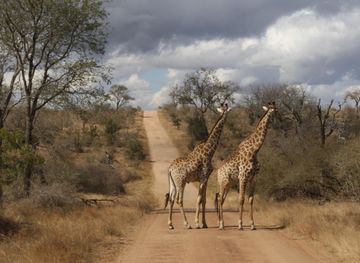
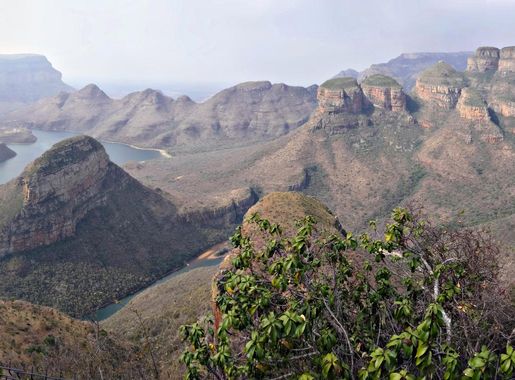
Limpopo, South Africa's northernmost province, is a treasure trove of natural beauty and cultural richness. Known for its diverse landscapes, Limpopo offers everything from majestic mountains and lush forests to sprawling savannas teeming with wildlife. This region is home to several renowned nature reserves and national parks, including the famous Kruger National Park, where visitors can enjoy thrilling safaris and witness the Big Five in their natural habitat. The province is also steeped in history and culture. Visitors can explore ancient archaeological sites like Mapungubwe, a UNESCO World Heritage Site, which provides a glimpse into the area's rich past and the once flourishing kingdom that existed there. The local Venda, Tsonga, and Northern Sotho cultures add to the vibrant tapestry of Limpopo, offering unique crafts, music, and traditions for tourists to experience. For those seeking adventure, Limpopo does not disappoint. The Waterberg Biosphere offers hiking trails with breathtaking views, while the Limpopo River provides opportunities for fishing and boating. The province's hot springs and wellness resorts, such as the Bela-Bela Warmbaths, offer relaxation and rejuvenation amidst beautiful natural settings.

Know before you go
Hi, I'm Eve. Here are a few practical things to know before exploring Limpopo.
- Best time to visit is during the dry season from May to September for optimal wildlife viewing.
- Carry light and breathable clothing, but pack layers for cooler mornings and evenings.
- Don't miss the cultural villages to learn about the local traditions and pick up unique souvenirs.
- Book safaris and accommodations well in advance, especially during peak seasons.
- Be sure to have a good camera and binoculars for wildlife viewing and photography.
Top City Travel Guides in Limpopo
The cities of Limpopo, and the easiest places to base yourself.


Destinations in Limpopo
Resorts, valleys and scenic spots worth a trip of their own.


Explore Limpopo: Things to Do, Places to Eat, Hotels & More
Handpicked recommendations for top attractions, local dining, accommodations, and more

Top Attractions & Sightseeing in Limpopo
Top-rated picks
Best Attractions

Meropa Casino & Entertainment World
Experience the vibrant blend of gaming, dining, and entertainment at Meropa Casino & Entertainment World in Polokwane, South Africa.

Splash Polokwane
Experience the thrill of Splash Polokwane, Limpopo's premier water park, featuring exciting slides, pools, and family-friendly attractions.

Polokwane Nature Reserve
Explore the lush landscapes and diverse wildlife of Polokwane Nature Reserve, a serene escape for nature lovers in South Africa.

Polokwane Art Museum
Discover the vibrant artistic heritage of South Africa at the Polokwane Art Museum, where creativity and culture converge in a stunning setting.


Best restaurants in Limpopo
Top-rated picks
Best Restaurants

Nguni Grill
Discover the flavors of South Africa at Nguni Grill in Polokwane - where traditional meets contemporary in every bite.

Chesa Nyama Waterland
Experience authentic South African cuisine at Chesa Nyama Waterland in Polokwane - where delicious flavors meet vibrant atmosphere.

RocoMamas Polokwane
Discover mouthwatering gourmet burgers at RocoMamas Polokwane—where flavor meets fun in the heart of South Africa.

Ambiance Restaurant
Discover culinary excellence at Ambiance Restaurant in Polokwane - where local flavors meet global cuisine in a cozy atmosphere.

Best bars in Limpopo
Top-rated picks
Best Bars

Grounded Container Bar & Cafe
Experience the vibrant flavors and lively atmosphere at Grounded Container Bar & Cafe in Polokwane, where culinary creativity meets social enjoyment.

Chesa Nyama Waterland
Experience the flavors of South Africa at Chesa Nyama Waterland, a vibrant bar and restaurant in Polokwane, perfect for culinary adventures.

Sweetphops Lifestyle
Discover Sweetphops Lifestyle: A vibrant bar and restaurant where you can indulge in local flavors and enjoy a lively atmosphere in South Africa.

Zwakala Brewery
Discover the art of brewing at Zwakala Brewery in Magoebaskloof, where craft beer meets delicious grill delights amidst stunning scenery.

Best nightclubs in Limpopo
Top-rated picks
Best Nightclubs

SLAGENG
Experience the vibrant nightlife of Polokwane at SLAGENG, where great music and a lively atmosphere await you.

Monaqua Lifestyle
Discover the electrifying nightlife of Polokwane at Monaqua Lifestyle, the premier night club for unforgettable dance and entertainment experiences.

Jembe Tavern - Meropa casino
Experience the vibrant nightlife of Polokwane at Jembe Tavern, where entertainment meets delicious cuisine in a lively atmosphere.

Essence Premium Lifestyle
Essence Premium Lifestyle: Revel in the heart of Polokwane's nightlife with electrifying music, vibrant atmosphere, and unforgettable experiences.

Best shops in Limpopo
Top-rated picks
Best Shops

Mall of the North
Discover the vibrant shopping experience at Mall of the North, the premier shopping destination in Polokwane, featuring diverse stores, dining, and entertainment.

Savannah Mall
Discover the heart of shopping and dining at Savannah Mall, Polokwane’s vibrant retail center offering endless choices and entertainment.

Limpopo Mall Polokwane
Experience shopping, dining, and local culture at Limpopo Mall in Polokwane, the ultimate retail destination for tourists.

Makro Polokwane
Discover Makro Polokwane: A diverse department store perfect for tourists seeking local products and unique shopping experiences.

Explore Limpopo on the Map
A handpicked selection of must-see spots in Limpopo, mapped for you.
Limpopo Essentials
-
Limpopo is accessible via several modes of transportation. The nearest international airports are O.R. Tambo International Airport in Johannesburg and Polokwane International Airport in Polokwane. From Johannesburg, you can take a domestic flight to Polokwane or opt for a road trip, which takes approximately 3 to 4 hours by car. Alternatively, bus services such as Greyhound and Intercape connect major South African cities to Limpopo. Train services, though less frequent, also connect Johannesburg to Polokwane.
-
Getting around Limpopo is best done by car, as it offers flexibility and convenience. Car rental services are available at airports and in major towns. Public transportation options include minibus taxis that operate between towns and cities, but they can be crowded and less reliable. For shorter distances within towns, metered taxis and ride-sharing services like Uber are available. Some areas, particularly rural ones, may have limited public transport options.
-
The official currency in South Africa is the South African Rand (ZAR). Credit and debit cards are widely accepted in hotels, restaurants, and shops, but it's advisable to carry some cash for smaller establishments and rural areas. ATMs are available in most towns, but ensure you have enough cash if you plan to visit remote places. Currency exchange services are available at airports and major banks.
-
Limpopo is generally safe for tourists, but like any travel destination, it is important to exercise caution. Avoid walking alone at night, particularly in unfamiliar or poorly lit areas. Areas with higher crime rates targeting tourists include certain parts of Polokwane and Thohoyandou. Keep your belongings secure and be cautious when using ATMs. Avoid displaying valuables openly.
-
In case of emergency, dial 10111 for police assistance and 112 for medical emergencies. Hospitals and clinics are available in major towns like Polokwane, Thohoyandou, and Tzaneen. It is advisable to have travel insurance that covers medical emergencies. Pharmacies are widely available for minor health issues and over-the-counter medications.
-
Fashion: Do dress modestly, especially in rural and traditional areas. Avoid overly revealing clothing. Religion: Do respect local customs and traditions. When visiting religious sites, dress conservatively and remove your shoes if required. Public Transport: Do be patient and courteous. Minibus taxis can be crowded and may not adhere to strict schedules. Greetings: Do greet people with a handshake and a smile. In rural areas, a slight bow or nod of the head is appreciated. Eating & Drinking: Do try local dishes such as biltong, pap, and chakalaka. Don't refuse food or drink offered as hospitality, as it can be considered impolite.
-
To experience Limpopo like a local, visit the local markets where you can buy fresh produce and traditional crafts. Engage with locals, as they are often friendly and eager to share their culture and history. Don't miss the opportunity to explore the natural beauty of Limpopo, including the Kruger National Park, Mapungubwe National Park, and the Waterberg Biosphere. For a unique experience, attend a traditional dance or music performance, and try to learn a few phrases in the local languages, such as Sepedi or Tshivenda.
When is the best time to visit Limpopo?
Useful Local Phrases for Limpopo
You don't need to speak the language perfectly. Even learning a few simple words can make conversations warmer—and locals usually appreciate the effort.
— Eve

Here are the phrases I use most often in Limpopo. Try a few—you'll be surprised how far they go! 😊
❤️
-
- HelloDumela
[Doo-meh-lah] - GoodbyeTsamaya sentle
[Tsah-mah-yah sen-tleh] - YesEe
[Ee] - NoAowa
[Ah-oh-wah] - Please/You’re welcomeO kgotso
[Oh kho-tso] - Thank youKe a leboga
[Keh ah leh-boh-gah] - Excuse me/SorryNtšhwarelo
[Nts-hwa-reh-lo] - How are you?O kae?
[Oh kah-eh?] - Fine. And you?Ke teng. Wena o kae?
[Keh teng. Weh-nah oh kah-eh?] - Do you speak English?A o bua Seesimane?
[Ah oh boo-ah Seh-see-mah-neh?] - I don't understandKe sitwa go tlhaloganya
[Keh sit-wah go tlhah-loh-gah-nyah]
- HelloDumela
-
- I’d like to see the menu, pleaseKe kopa go bona menyu
[Keh koh-pah go boh-nah meh-nyoo] - I don’t eat meatKe sitwa go ja nama
[Keh sit-wah go jah nah-mah] - Cheers!Tsamaya sentle!
[Tsah-mah-yah sen-tleh!] - I would like to pay, pleaseKe kopa go lefa
[Keh koh-pah go leh-fah]
- I’d like to see the menu, pleaseKe kopa go bona menyu
-
- Help!Thusa!
[Thoo-sah!] - Go away!Tlhola!
[Tlh-oh-lah!] - Call the Police!Calla mapolesa!
[Kah-lah mah-poh-leh-sah!] - Call a doctor!Calla ngaka!
[Kah-lah ngah-kah!] - I’m lostKe sitwa go fola
[Keh sit-wah go foh-lah] - I’m illKe a kgathaleha
[Keh ah kah-thah-leh-hah]
- Help!Thusa!
-
- I’d like to buy...Ke kopa go reka...
[Keh koh-pah go reh-kah...] - I’m just lookingKe lebeletse fela
[Keh leh-beh-leh-tseh feh-lah] - How much is it?Ke bokae?
[Keh boh-kah-eh?] - That’s too expensiveSeo se phadileng
[Sey-oh seh pah-di-leng] - Can you lower the price?O ka nolofatsa theko?
[Oh kah noh-loh-fah-tsah teh-koh?]
- I’d like to buy...Ke kopa go reka...
-
- What time is it?Ke nako e kae?
[Keh nah-koh eh kah-eh?] - It’s one o’clockKe ngwaga ya borai
[Keh ng-wah-gah yah boh-rah-ee] - Half past (10)Nako e le bo10
[Nah-koh eh leh boh-10] - MorningMosong
[Moh-soh-ng] - AfternoonMantsibanye
[Mah-n-tsi-bah-nyay] - EveningMantswe
[Mah-n-tsweh] - YesterdayMaabane
[Mah-ah-bah-neh] - TodayKajeno
[Kah-yeh-noh] - TomorrowKamoso
[Kah-moh-soh] - 1Nngwe
[Nngwe] - 2Pedi
[Pe-di] - 3Tharo
[Thah-roh] - 4Nne
[Nneh] - 5Tshemo
[Tseh-mo] - 6Tlhano
[Tlah-noh] - 7Ntshebe
[N-tsheh-beh] - 8Borai
[Boh-rah-ee] - 9Borai
[Boh-rah-ee] - 10Lesome
[Leh-soh-meh]
- What time is it?Ke nako e kae?
-
- Where's a/the...?E kae...?
[Eh kah-eh...?] - What's the address?Address ke efe?
[Ah-drehs keh eh-feh?] - Can you show me (on the map)?O ka nthusa go bontsha (map)?
[Oh kah n-thoo-sah go bon-chah (map)?] - When's the next (bus)?Nako e kae ya (buses)?
[Nah-koh eh kah-eh yah (boo-ses)?] - A ticket (to ....)Tiket (go ....)
[Tee-ket (goh ....)]
- Where's a/the...?E kae...?
History of Limpopo
-
Limpopo is home to some of the most significant archaeological sites in South Africa, reflecting a rich tapestry of ancient civilizations. The Makapansgat Valley, for instance, boasts evidence of human habitation dating back over three million years. The valley is part of the Cradle of Humankind, a UNESCO World Heritage Site, and includes the famous Makapansgat Limeworks, where significant fossil discoveries have been made. Additionally, the Mapungubwe National Park and World Heritage Site is another jewel in Limpopo's historical crown, showcasing the remnants of the Kingdom of Mapungubwe, one of the most powerful pre-colonial states in Southern Africa, dating back to the 11th century.
-
The Kingdom of Mapungubwe, which thrived between 900 and 1300 AD, is one of Limpopo's most intriguing historical narratives. Located at the confluence of the Limpopo and Shashe rivers, this ancient kingdom was a major trading hub, dealing in gold and ivory with civilizations as far afield as China and India. The discovery of the famous golden rhinoceros, a symbol of leadership and power, at Mapungubwe Hill is a testament to the kingdom's wealth and sophistication. The archaeological finds from Mapungubwe provide invaluable insights into the social, political, and economic structures of early African societies.
-
In the 19th century, Limpopo became a significant region for the Voortrekkers, Dutch-speaking settlers who embarked on the Great Trek from the Cape Colony. The Voortrekkers established several settlements in Limpopo, including the town of Pietersburg, now known as Polokwane. The Voortrekker Monument and various Voortrekker homesteads, such as the Schoemansdal Open-Air Museum, offer a glimpse into the trials and tribulations of these early pioneers as they navigated the challenges of the South African interior.
-
The Anglo-Boer War (1899-1902) left an indelible mark on Limpopo's history. The region was a strategic location during the conflict between the British Empire and the Boer republics. Numerous battles and skirmishes took place in Limpopo, and the area is dotted with war memorials, cemeteries, and battle sites. The Siege of Fort Edward in the town of Louis Trichardt is one notable event, where Boer forces successfully held off British troops for a significant period. The war's impact is still visible today, with many descendants of the participants living in the region.
-
Limpopo is a melting pot of cultures, with a rich heritage that includes the Bantu-speaking groups such as the Pedi, Tsonga, and Venda. Each of these groups has its own unique traditions, languages, and customs. The vibrant cultural festivals, traditional dances, and crafts of these communities are an integral part of Limpopo's cultural landscape. The Rain Queen Modjadji, a significant figure among the Balobedu people, is believed to have the power to control the rain. The Modjadji Royal Kraal and the Modjadji Cycad Reserve are key attractions that offer insight into this unique cultural heritage.
-
The end of apartheid in 1994 marked a new chapter in Limpopo's history. The region has since undergone significant political, social, and economic changes. Efforts have been made to address the inequalities of the past, with a focus on improving infrastructure, education, and healthcare. The establishment of the University of Limpopo and the growth of Polokwane as a major urban center are indicative of the region's progress. Today, Limpopo is celebrated for its natural beauty, wildlife, and cultural heritage, attracting tourists from around the world.
Neighbouring Regions of Limpopo
The closest regions to Limpopo, if you have time for more than one.




Your all‑in‑one travel companion app
Explore expert travel guides, compare and book tours, experiences, hotels, and more—all from the palm of your hand. Download now for seamless trip planning wherever your wanderlust takes you.


Explore More of South Africa

Looking beyond Limpopo? Discover South Africa for broader travel guides, local hot-spots, and regional highlights.
Explore South AfricaLimpopo in Photos
Browse through our photo collection highlighting the charm and character of the destination.


Discover the Wild and Scenic Beauty of Limpopo
Limpopo, South Africa's northernmost province, is a treasure trove of natural beauty and cultural richness. Known for its diverse landscapes, Limpopo offers everything from majestic mountains and lush forests to sprawling savannas teeming with wildlife. This region is home to several renowned nature reserves and national parks, including the famous Kruger National Park, where visitors can enjoy thrilling safaris and witness the Big Five in their natural habitat. The province is also steeped in history and culture. Visitors can explore ancient archaeological sites like Mapungubwe, a UNESCO World Heritage Site, which provides a glimpse into the area's rich past and the once flourishing kingdom that existed there. The local Venda, Tsonga, and Northern Sotho cultures add to the vibrant tapestry of Limpopo, offering unique crafts, music, and traditions for tourists to experience. For those seeking adventure, Limpopo does not disappoint. The Waterberg Biosphere offers hiking trails with breathtaking views, while the Limpopo River provides opportunities for fishing and boating. The province's hot springs and wellness resorts, such as the Bela-Bela Warmbaths, offer relaxation and rejuvenation amidst beautiful natural settings.