

Free Elephant Coast Travel Guide & Mobile App
Explore Elephant Coast with free travel guides. Discover regional history, expert tips, proposed trips, and audio guides on web or mobile app.


Explore South Africa’s Elephant Coast for iSimangaliso wetlands, coral reefs, wildlife, turtle beaches and Zulu and Thonga heritage.
Read more about Elephant Coast
When is the best time to visit Elephant Coast?
Best: May, September–October · 23–26°C| Month | High (°C) | Rainfall (mm) |
|---|---|---|
| January | 29 | 111 |
| February | 29 | 121 |
| March | 29 | 116 |
| April | 26 | 106 |
| May (best) | 23 | 91 |
| June | 21 | 81 |
| July | 20 | 76 |
| August | 21 | 81 |
| September (best) | 24 | 91 |
| October (best) | 26 | 101 |
| November | 27 | 106 |
| December | 29 | 111 |
Getting to and around Elephant Coast
How to get there
Transportation
Destinations in Elephant Coast
Resorts, valleys and scenic spots worth a trip of their own.
-
-


Swipe for more destinations
Best attractions in Elephant Coast
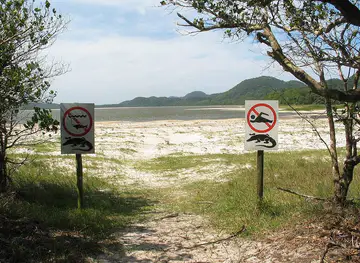
The Elephant Coast’s attractions are defined by the meeting of marine, wetland and savanna environments. iSimangaliso Wetland Park forms the central experience, combining the St Lucia Estuary, forested dunes, freshwater lakes, beaches and wildlife habitats. Boat cruises offer sightings of hippos, crocodiles and waterbirds, while guided coastal excursions can include Cape Vidal and the eastern shoreline. North of St Lucia, Sodwana Bay is a major base for scuba diving, snorkelling and ocean activities around warm-water reefs, subject to sea conditions and responsible marine practices. Kosi Bay offers a quieter network of lakes, channels and coastal forest best explored with a knowledgeable local guide. Inland, Hluhluwe–iMfolozi Park provides game drives and rhino conservation experiences, although it requires separate planning because of the distance from the coast. Birdwatching, kayaking, fishing, walking, turtle monitoring and photography are important throughout the region. Visitors should distinguish between activities within protected areas, which follow strict permits and access rules, and commercial excursions based in settlements such as St Lucia and Sodwana Bay. The attraction landscape rewards several bases rather than a rushed circuit.
-
Tourist attraction
iSimangaliso Wetland Park
Explore the breathtaking iSimangaliso Wetland Park, a UNESCO World Heritage Site filled with diverse ecosystems and thrilling wildlife adventures.
-
Tourist attraction
Cape Vidal Beach & Launch Site
Experience the natural beauty and adventure at Cape Vidal Beach, a hidden paradise in South Africa's stunning coastal region.
-
Zoo
Crocodile Centre St Lucia
Discover the fascinating world of crocodiles and other reptiles at the Crocodile Centre St Lucia, a unique zoo experience in South Africa.
-
andBeyond Phinda Private Game Reserve
Experience the breathtaking wildlife and luxury at andBeyond Phinda Private Game Reserve, a premier nature preserve in South Africa.

Best landmarks in Elephant Coast
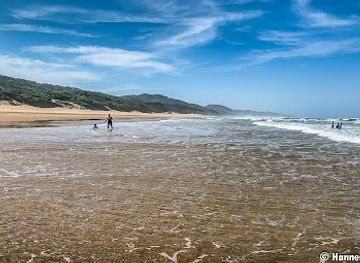
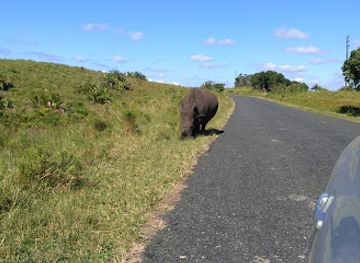
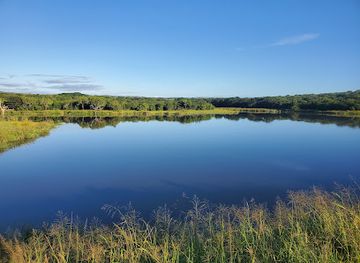
The St Lucia Estuary is the defining natural landmark of the southern Elephant Coast, where freshwater and marine influences meet across a broad system of channels, reed beds and mudflats. Its hippos, crocodiles and birdlife have made it a visual symbol of the region and an important part of iSimangaliso Wetland Park. The long beaches and forested dune system around Cape Vidal create another recognisable landscape, with the Indian Ocean separated from inland wetlands by shifting sand and coastal vegetation. Sodwana Bay is distinguished by its warm-water reef environment and gently curving shoreline, while the Kosi Bay lakes form a complex of linked waters close to the Mozambique border. Inland, the Hluhluwe–iMfolozi landscape is marked by rolling savanna, wooded valleys and protected wildlife habitat, including areas associated with the recovery of white rhinoceros. Historic and cultural landmarks are less monumental than the region’s natural features, but traditional fishing structures, rural settlement patterns and community landscapes provide important evidence of living heritage. Together these places show why the Elephant Coast is valued not simply for scenery, but for the relationship between water, wildlife, people and conservation.
-
Nature preserve
iSimangaliso Wetland Park
Discover the stunning biodiversity and breathtaking landscapes of iSimangaliso Wetland Park, a UNESCO World Heritage Site in South Africa.
-
Nature preserve
Hluhluwe–iMfolozi Park
Explore Hluhluwe–iMfolozi Park, a stunning nature preserve in South Africa offering incredible wildlife sightings and breathtaking landscapes for an unforgettable adventure.
-
Resort hotel
Cape Vidal
Explore Cape Vidal: A coastal paradise within Isimangaliso Wetland Park, blending stunning beaches, diverse wildlife, and thrilling outdoor adventures.
-
Beach
Sodwana Bay
Discover the tranquil beauty and vibrant marine life at Sodwana Bay, a hidden gem on South Africa's stunning coastline.
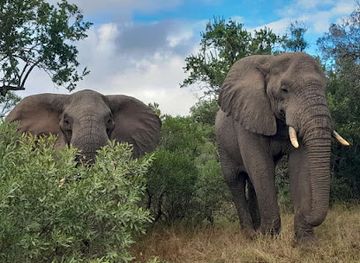
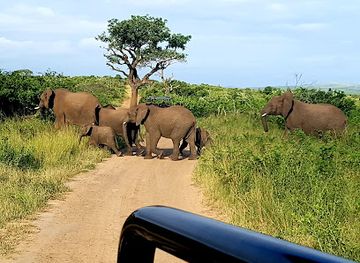
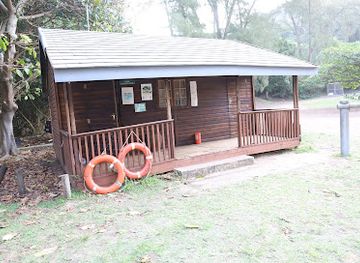
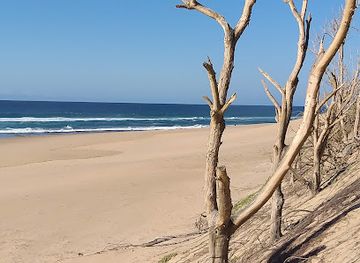
Explore Elephant Coast on the map
Plan your trip on one map. See where the top cities, national parks and sights are, and book hotels and experiences in a few clicks.
Best hotels in Elephant Coast
Best restaurants in Elephant Coast
Dining on the Elephant Coast reflects its subtropical climate, coastal position and links to KwaZulu-Natal’s wider food culture. Seafood features prominently in visitor centres, with fish, prawns and other locally sourced catches appearing alongside salads, rice, chips and spicy sauces, although availability depends on season and supply. Restaurants, guesthouses and lodges around St Lucia provide the widest range of evening meals, from casual cafés and pub food to more carefully prepared regional and international dishes. Sodwana Bay has a relaxed, activity-oriented dining scene, while rural areas are more dependent on lodges, small eateries and community enterprises. Look for tropical fruit, including pineapple and locally grown citrus, as well as curries, grilled meats, maize-based accompaniments and baked goods associated with KwaZulu-Natal. Farmers’ and craft markets can provide produce and prepared food, but standards and trading days vary. South African wines, beers and soft drinks are widely available, while responsible restaurants increasingly highlight conservation, seasonal sourcing and community links rather than presenting the coast solely as a seafood destination.
-
Seafood
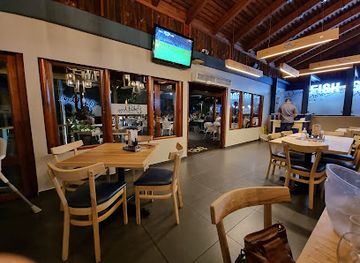
John Dory's St Lucia
Discover the best seafood dining at John Dory's St Lucia – where fresh flavors meet family-friendly fun.
-
Family-friendly
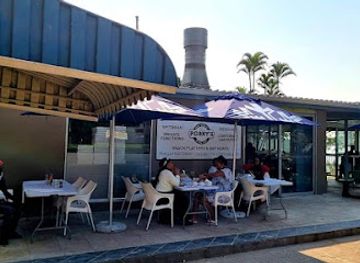
Porkys at The Lake
Experience delightful family dining with breathtaking views at Porkys at The Lake in Richards Bay.
-
Restaurant
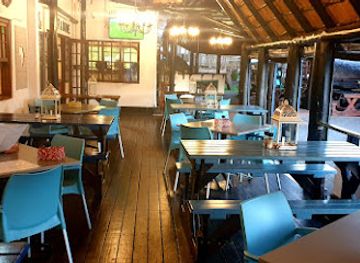
Reef & Dune
Experience authentic South African cuisine at Reef & Dune in St Lucia—where every meal is paired with breathtaking views and local flavors.
-
Restaurant
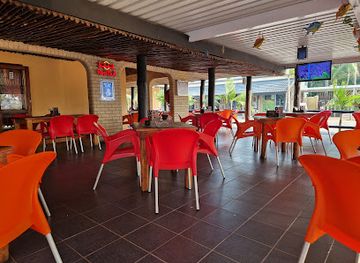
Barraca Restaurant
Experience authentic Italian and Portuguese cuisine at Barraca Restaurant in St Lucia - a must-visit culinary destination!
Best bars in Elephant Coast
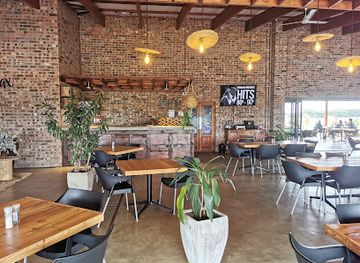
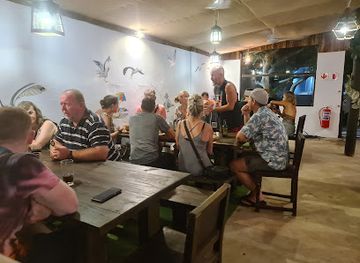
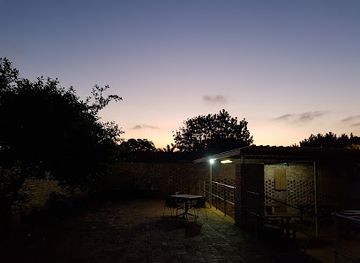
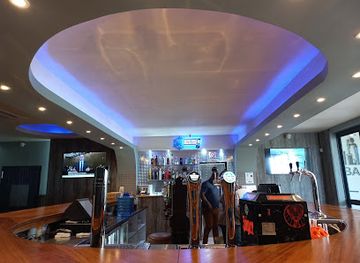
Evening life on the Elephant Coast is generally low-key and concentrated in St Lucia, Sodwana Bay and accommodation centres rather than in large nightclub districts. St Lucia has the broadest choice of pubs, casual bars, restaurants and venues where visitors can have a drink after an estuary cruise or wildlife drive. Sodwana Bay’s evening atmosphere is closely connected to diving, fishing and beach holidays, with informal bars and lodge-based entertainment rather than a major late-night scene. In rural and protected areas, evenings are shaped by lodge dining, campfires, guided walks where permitted and the sounds of the bush, not by commercial nightlife. Some establishments offer live music or seasonal events, but opening arrangements can change, particularly outside holiday periods. Drink responsibly, arrange transport before going out and avoid walking alone in poorly lit or isolated areas. The region’s nocturnal appeal is often better experienced through authorised wildlife activities or quiet observation than through late-night entertainment.
-
American
Delishh Restaurant
Delishh Restaurant in Hluhluwe offers a delightful taste of American cuisine in a vibrant atmosphere perfect for all food lovers.
-
Bar
The Tree Pub & Kitchen
Discover the lively ambiance and delicious BBQ delights at The Tree Pub & Kitchen, a family-friendly bar and restaurant in Thungwini.
-
Bar
Huletts Bar
Discover the lively charm of Huletts Bar in Empangeni, where local flavors meet a vibrant atmosphere for an unforgettable night out.
-
Bar
Spiller Bar Pongola
Discover the vibrant atmosphere of Spiller Bar in Pongola, where friendly faces, refreshing drinks, and local culture await every visitor.
Best nightclubs in Elephant Coast
Evening life on the Elephant Coast is generally low-key and concentrated in St Lucia, Sodwana Bay and accommodation centres rather than in large nightclub districts. St Lucia has the broadest choice of pubs, casual bars, restaurants and venues where visitors can have a drink after an estuary cruise or wildlife drive. Sodwana Bay’s evening atmosphere is closely connected to diving, fishing and beach holidays, with informal bars and lodge-based entertainment rather than a major late-night scene. In rural and protected areas, evenings are shaped by lodge dining, campfires, guided walks where permitted and the sounds of the bush, not by commercial nightlife. Some establishments offer live music or seasonal events, but opening arrangements can change, particularly outside holiday periods. Drink responsibly, arrange transport before going out and avoid walking alone in poorly lit or isolated areas. The region’s nocturnal appeal is often better experienced through authorised wildlife activities or quiet observation than through late-night entertainment.
-
Hotel
Ghost Mountain Inn & Safaris
Discover tranquility and adventure at Ghost Mountain Inn & Safaris, your gateway to the beauty of Mkuze, South Africa.
-
 Hotel
HotelElephant Lake Hotel
Discover the beauty of St Lucia at Elephant Lake Hotel, where comfort meets adventure amidst breathtaking natural landscapes.
-
Resort hotel
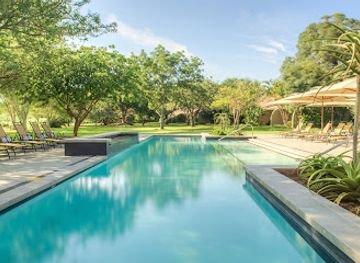
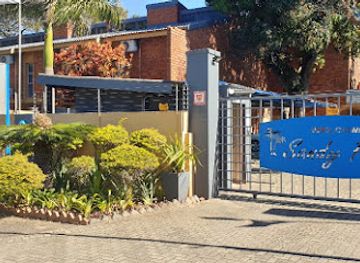
Sandy Place
Discover the serene beauty of Sandy Place in St Lucia, a tropical resort hotel offering comfort and adventure in South Africa's stunning landscapes.
-
Lodging
Elephant Coast Guesthouse
Experience the serene beauty of St Lucia at Elephant Coast Guesthouse, your cozy retreat for unforgettable wildlife adventures.
Best shops in Elephant Coast
Shopping on the Elephant Coast is practical, local and closely tied to its rural and conservation-based economy. St Lucia offers the broadest choice of small shops, galleries, craft outlets, food suppliers and visitor essentials, while Sodwana Bay is oriented towards diving, beach equipment, casual clothing and lodge-related purchases. In smaller settlements, look for locally made baskets, beadwork, woodwork, textiles and decorative items, buying through reputable traders or community enterprises where possible. Markets and roadside stalls may sell seasonal fruit, nuts and other produce, but locations and trading days are not always fixed. Regional food products, South African wine, biltong, preserves and spices make more dependable gifts than fragile natural items. Never buy shells, coral, feathers, protected plants, archaeological objects or products made from threatened wildlife. Larger retail centres and comprehensive supermarkets are more readily available in towns such as Richards Bay and Hluhluwe, outside or on the edge of the core coastal experience. Visitors heading into remote areas should purchase fuel, medication, groceries and cash before leaving the main service towns.
-
Fresh food market
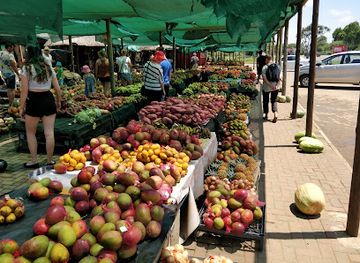
Zamimpilo Market
Experience the vibrant culture and flavors of South Africa at Zamimpilo Market in Ophondweni, where fresh produce and handmade crafts abound.
-
Supermarket
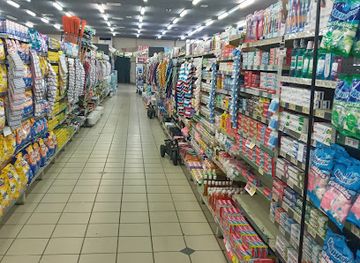
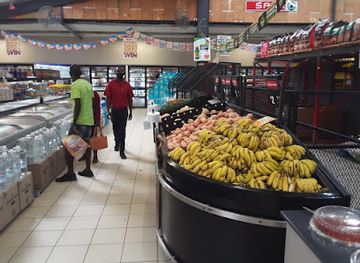
SPAR Kosi Bay Supatrade
Discover local flavors and essentials at SPAR Kosi Bay Supatrade, the friendly supermarket in Manguzi perfect for travelers and locals alike.
-
Clothing store
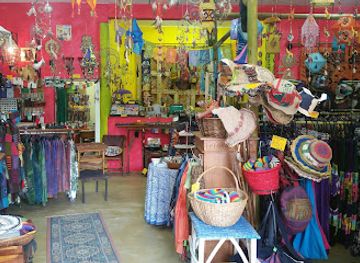
TASPA The Hippie Shop
Explore TASPA The Hippie Shop in Ballito, where bohemian fashion meets local artistry in a vibrant, laid-back shopping experience.
-
Supermarket
SPAR Supatrade Ephondweni
Discover the local flavors at SPAR Supatrade Ephondweni, your go-to supermarket for fresh produce and South African delicacies!
Get your free copy of our complete guide to Elephant Coast, delivered straight to you.
Everything on this page, from attractions and restaurants to essentials and local phrases, in one PDF you can read offline, print or share.
Already have an account? Sign in
Your Elephant Coast guide is ready.
We'll send it to · Not you? Sign out

Getting your guide ready…
We are putting together a fresh copy of the Elephant Coast guide. This can take up to a minute.
This can take a few moments. If your browser asks, choose Allow so the download can start. You'll find the guide in your Downloads folder.
Nothing happened? Download it again
Sorry, the guide is taking longer than usual. Please try again in a minute, or get it by email instead.
Elephant Coast essentials
Currency and Payment
Safety
Emergency Situations
Do's and Don'ts
Local Tips
From Eve
Local phrases worth knowing
You don't need to get them perfect. A few words go a long way, and locals appreciate the effort.
Basics
| English | Local | Say it |
|---|---|---|
| Hello | Hello | [həˈloʊ] |
| Goodbye | Goodbye | [ɡʊdˈbaɪ] |
| Yes | Yes | [jɛs] |
| No | No | [noʊ] |
| Please/You're welcome | Please/You're welcome | [pliz/jʊr ˈwɛlkəm] |
| Thank you | Thank you | [θæŋk ju] |
| Excuse me/Sorry | Excuse me/Sorry | [ɪkˈskjus mi/ˈsɔri] |
| How are you? | How are you? | [haʊ ɑr ju] |
| Fine. And you? | Fine. And you? | [faɪn. ənd ju] |
| Do you speak English? | Do you speak English? | [du jʊ spiːk ˈɪŋɡlɪʃ] |
| I don't understand | I don't understand | [aɪ doʊnt ˌʌndərˈstænd] |
Eating & Drinking
| English | Local | Say it |
|---|---|---|
| I'd like to see the menu, please | I'd like to see the menu, please | [aɪd laɪk tə si ðə ˈmɛnjuː, pliz] |
| I don't eat meat | I don't eat meat | [aɪ doʊnt it miːt] |
| Cheers! | Cheers! | [tʃɪrz] |
| I would like to pay, please | I would like to pay, please | [aɪ wʊd laɪk tə peɪ, pliz] |
Emergencies
| English | Local | Say it |
|---|---|---|
| Help! | Help! | [hɛlp] |
| Go away! | Go away! | [ɡoʊ əˈweɪ] |
| Call the Police! | Call the Police! | [kɔl ðə pəˈliːs] |
| Call a doctor! | Call a doctor! | [kɔl ə ˈdɑktər] |
| I'm lost | I'm lost | [aɪm lɔst] |
| I'm ill | I'm ill | [aɪm ɪl] |
Shopping
| English | Local | Say it |
|---|---|---|
| I'd like to buy... | I'd like to buy... | [aɪd laɪk tə baɪ...] |
| I'm just looking | I'm just looking | [aɪm dʒʌst ˈlʊkɪŋ] |
| How much is it? | How much is it? | [haʊ mʌtʃ ɪz ɪt] |
| That's too expensive | That's too expensive | [ðæts tu ɪkˈspɛnsɪv] |
| Can you lower the price? | Can you lower the price? | [kæn jʊ ˈloʊər ðə praɪs] |
Time & Numbers
| English | Local | Say it |
|---|---|---|
| What time is it? | What time is it? | [wʌt taɪm ɪz ɪt] |
| It's one o'clock | It's one o'clock | [ɪts wʌn əˈklɒk] |
| Half past (10) | Half past (10) | [hæf pæst (10)] |
| Morning | Morning | [ˈmɔrnɪŋ] |
| Afternoon | Afternoon | [ˌæftərˈnuːn] |
| Evening | Evening | [ˈiːvnɪŋ] |
| Yesterday | Yesterday | [ˈjɛstərdeɪ] |
| Today | Today | [təˈdeɪ] |
| Tomorrow | Tomorrow | [təˈmɔːroʊ] |
| 1 | 1 | [wʌn] |
| 2 | 2 | [tu] |
| 3 | 3 | [θri] |
| 4 | 4 | [fɔr] |
| 5 | 5 | [faɪv] |
| 6 | 6 | [sɪks] |
| 7 | 7 | [sɛvən] |
| 8 | 8 | [eɪt] |
| 9 | 9 | [naɪn] |
| 10 | 10 | [tɛn] |
Transport & Directions
| English | Local | Say it |
|---|---|---|
| Where's a/the...? | Where's a/the...? | [wɛrz ə/ðə...?] |
| What's the address? | What's the address? | [wɑts ði əˈdrɛs] |
| Can you show me (on the map)? | Can you show me (on the map)? | [kæn jʊ ʃoʊ mi (ɔːn ðə mæp)?] |
| When's the next (bus)? | When's the next (bus)? | [wɛn ɪz ðə nɛkst (bʌs)?] |
| A ticket (to ....) | A ticket (to ....) | [ə ˈtɪkɪt (tə ....)] |
History of Elephant Coast
Early San and Nguni settlement
The coastal lakes, estuaries and forests of the region supported human communities long before modern tourism or formal conservation. San hunter-gatherers used the wider landscape, while later Nguni-speaking communities established more settled farming, fishing and cattle-keeping patterns. Shell middens, changing settlement evidence and surviving knowledge of plants and waterways reveal a long relationship with the coast. These early histories are important because the wetlands were not an empty wilderness before protected areas were created.
Thonga coastal traditions
In the northern part of the Elephant Coast, Thonga communities developed detailed knowledge of the lakes, channels, forests and shorelines around Kosi Bay and the broader Maputaland coast. Fishing systems, basketry, plant use and oral traditions connected households to particular waters and resources. Local fishing practices, including the use of carefully constructed fish traps, remain part of the region’s cultural landscape, although contemporary conservation rules regulate how and where resources may be harvested.
The rise of the Zulu kingdom
During the early nineteenth century, the consolidation of the Zulu kingdom transformed political relationships across KwaZulu-Natal. The northern coastal and inland districts were drawn into wider systems of authority, tribute and military organisation associated with King Shaka and his successors. Later conflicts and political changes affected communities throughout the region. Although many visible tourist sites are natural rather than monumental, the contemporary cultural landscape remains closely connected to the history of the Zulu kingdom and its aftermath.
Colonial boundaries and plantation development
From the nineteenth century, colonial authorities imposed new boundaries and administrative systems across the coastal north. Commercial agriculture expanded in suitable areas, including sugar production around parts of KwaZulu-Natal, while ports, roads and rail connections linked local economies to larger South African markets. These developments altered land ownership and patterns of labour, often at the expense of established communities. The region’s present mixture of rural settlements, commercial farms, conservation land and transport corridors reflects this layered colonial history.
Early wildlife protection
Formal wildlife conservation developed during the twentieth century as authorities established protected areas to safeguard declining animal populations and distinctive wetland habitats. The creation and expansion of reserves such as Hluhluwe and Umfolozi helped protect rhinoceroses and other large mammals, while coastal reserves preserved dunes, lakes and estuaries. Conservation brought international attention and important ecological gains, but also involved removals, restricted access and tensions with communities whose livelihoods depended on land and natural resources.
The making of iSimangaliso Wetland Park
The coastal protected areas were brought together as the Greater St Lucia Wetland Park in the late twentieth century and later renamed iSimangaliso Wetland Park. Its inscription as a UNESCO World Heritage Site in 1999 recognised the unusual concentration of wetlands, beaches, forests, estuaries, lakes and marine environments. The park’s development shifted the region towards nature-based tourism while also encouraging more integrated approaches to conservation, community participation and sustainable use.
Post-apartheid conservation and regional tourism
Since 1994, land reform, community participation and conservation partnerships have become central issues in the Elephant Coast. Tourism now connects wildlife reserves, wetland towns, diving centres, cultural enterprises and rural accommodation, but benefits remain uneven and environmental pressures continue. Changing approaches to protected-area management recognise that residents, traditional authorities, fishers and conservation organisations all have a stake in the future of the coast. The region’s modern identity is therefore shaped as much by negotiation over land and livelihoods as by its wildlife.
Elephant Coast in Photos
Browse through our photo collection highlighting the charm and character of the destination.
Neighbouring regions of Elephant Coast
The closest regions to Elephant Coast, if you have time for more than one.
-

-

-

-

-


Swipe for more regions
Explore more

Explore more of South Africa
Discover South Africa: A land of breathtaking landscapes, rich history, and diverse cultures, from bustling cities to world-renowned wildlife reserves.
Explore South Africa