

Edisto Island Travel Guide - Free Web & App
Your ultimate guide to Edisto Island. Discover top landmarks, proposed trips, and local tips. Free on the web or via the Evendo companion app.


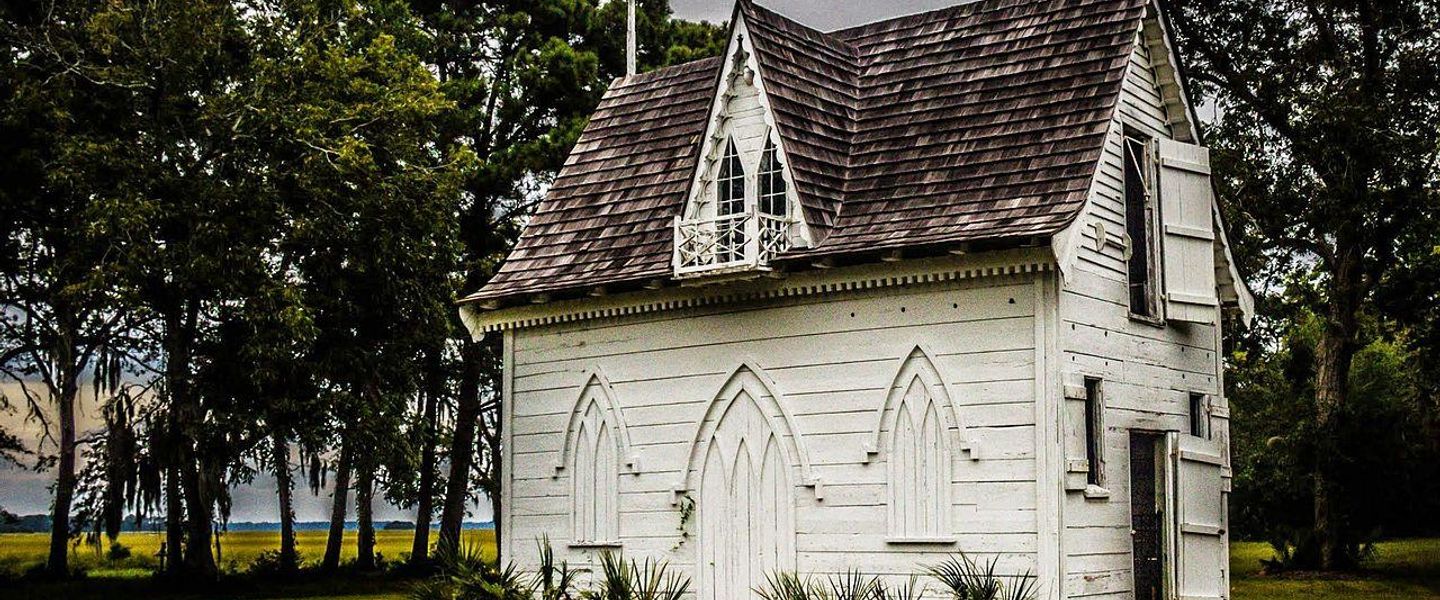


Edisto Island, South Carolina, offers quiet beaches, sea-island history, wildlife, Botany Bay, state-park trails and Lowcountry seafood near Charleston.
A Lowcountry Island Landscape
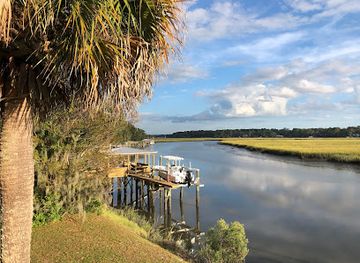
Edisto Island lies along South Carolina’s Atlantic coast, roughly south-west of Charleston, reached by the long approach of South Carolina Highway 174 across tidal creeks and marshland. It is a comparatively quiet Sea Island, shaped by broad salt marshes, maritime forest, tidal rivers and the open Atlantic. The developed community of Edisto Beach occupies the island’s southern shore, while much of the interior remains rural, wooded or associated with former plantations and conservation land.Read more about Edisto Island
Beaches, Marshes and Wildlife
History and Island Character
When is the best time to visit Edisto Island?
Best: April, October–November · 20–27°C| Month | High (°C) | Rainfall (mm) |
|---|---|---|
| January | 15 | 89 |
| February | 17 | 94 |
| March | 21 | 104 |
| April (best) | 26 | 90 |
| May | 30 | 95 |
| June | 33 | 127 |
| July | 34 | 160 |
| August | 34 | 161 |
| September | 31 | 145 |
| October (best) | 27 | 107 |
| November (best) | 20 | 80 |
| December | 15 | 87 |
Getting to and around Edisto Island
How to get there
Transportation
Best attractions in Edisto Island
Edisto Beach State Park is the island’s principal public recreation area, combining an Atlantic shoreline with maritime forest, nature trails, camping and interpretation of the coastal environment. At the northern end, Botany Bay Plantation Heritage Preserve and Wildlife Management Area is known for its tidal landscape, wooded approaches, historic plantation remnants and distinctive beach, although access and conditions should be checked before visiting. The Edisto Island Museum presents local history, including Indigenous heritage, plantation agriculture and African American community life, while the Edisto Island Serpentarium offers an indoor and outdoor attraction focused on reptiles and amphibians. Along the island’s roads, live-oak canopies, old fields, churches, cemeteries and water views reveal a dispersed cultural landscape rather than a single historic centre. Kayaking, boating and wildlife observation are associated with the surrounding creeks and marshes, but routes and permissions depend on tides, weather and local providers.
-
State park
Edisto Beach State Park
Explore the natural beauty of Edisto Beach State Park, a coastal paradise in South Carolina filled with wildlife, outdoor activities, and stunning views.
-
Tourist attraction
Edisto Island Serpentarium
Experience the enchanting world of reptiles at Edisto Island Serpentarium, a must-visit destination for families and nature enthusiasts alike.
-
Nature preserve
Botany Bay Heritage Preserve/Wildlife Management Area
Explore the untouched beauty of Botany Bay Heritage Preserve, a coastal gem on Edisto Island, teeming with wildlife and rich history.
-
Park
Driftwood Beach
Discover the breathtaking beauty of Driftwood Beach on Edisto Island, where stunning driftwood sculptures meet pristine sands and serene ocean views.
Best landmarks in Edisto Island
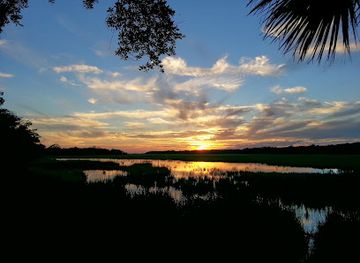
Edisto’s most recognisable landmarks are largely natural and environmental. The island’s Atlantic beach and maritime forest at Edisto Beach State Park express the meeting of ocean, dunes and coastal woodland, while Botany Bay’s shoreline, tidal wetlands and weathered plantation remnants create a landmark landscape where natural processes and human history are closely intertwined. Live-oak-lined roads, historic churches, cemeteries and surviving plantation structures reflect the island’s agricultural past, although many sites are private, fragile or subject to access controls. The Edisto Island Museum is an important cultural landmark for interpreting the area’s Indigenous, colonial, plantation and African American histories. Tidal creeks and marshes surrounding the island are equally significant: they shaped transport, rice cultivation, fishing and wildlife habitat, and remain central to Edisto’s visual character and environmental identity.
-
State park
Edisto Beach State Park
Explore the natural beauty and tranquility of Edisto Beach State Park, a hidden gem on the South Carolina coast perfect for nature lovers and beachgoers.
-
Seafood
SeaCow Eatery
Experience the taste of Edisto Island at SeaCow Eatery, where fresh seafood and American classics meet warm Southern hospitality.
-
Seafood
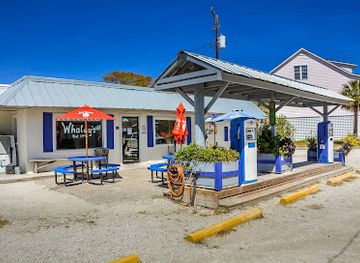
Whaley's Store
Discover the charm of Whaley's Store on Edisto Island, where fresh seafood meets a cozy bar atmosphere for an unforgettable culinary experience.
-
Seafood
McConkey's Jungle Shack
Experience the vibrant flavors of the Lowcountry at McConkey's Jungle Shack, a seafood haven on Edisto Island, perfect for family dining and local tastes.
Explore Edisto Island on the map
Plan your trip on one map. See where the top attractions, landmarks, restaurants and hotels are, and book hotels and experiences in a few clicks.
Best hotels in Edisto Island
Best restaurants in Edisto Island
Dining on Edisto Island is concentrated around Edisto Beach and the main corridor of Palmetto Boulevard and Highway 174 rather than spread evenly through the rural interior. Seafood and Lowcountry cooking are central to the local food identity, with regional menus often drawing on shrimp, oysters, fish, crab, rice and seasonal produce, although individual offerings change. Casual restaurants, cafés, takeaway counters and traditional pub-style venues provide practical choices for beach days, while groceries and provisions are useful for self-catering accommodation. Visitors should distinguish island establishments from the larger dining scenes of Charleston and nearby mainland towns, as Edisto has a modest year-round population and a strongly seasonal visitor economy. Farm stands and small local food businesses may appear along the approach roads, but opening patterns and product availability should be checked locally rather than assumed.
-
Seafood
SeaCow Eatery
Discover the culinary delights of SeaCow Eatery - Edisto Island's premier seafood destination offering fresh flavors in a welcoming atmosphere.
-
Seafood
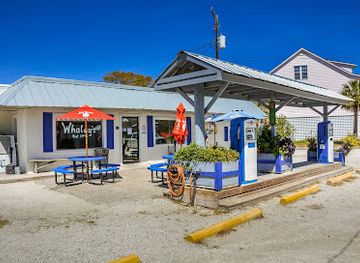
Whaley's Store
Experience the best of coastal dining at Whaley's Store on Edisto Island - where fresh seafood meets Southern charm.
-
Seafood
McConkey's Jungle Shack
Discover McConkey's Jungle Shack on Edisto Island for fresh seafood and American cuisine amidst vibrant jungle-themed decor.
-
Grill
Coot's Bar & Grill
Discover fresh seafood and hearty grill options at Coot's Bar & Grill on Edisto Island - where coastal charm meets delightful cuisine.
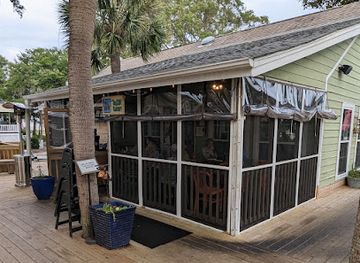
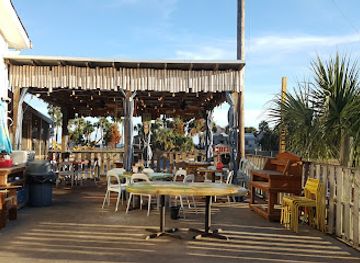
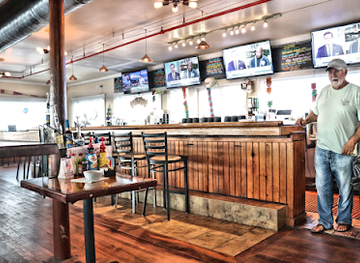
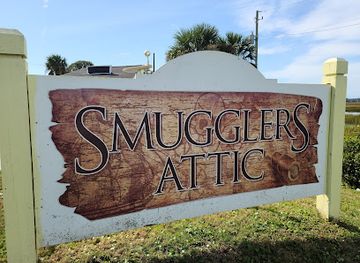
Best bars in Edisto Island
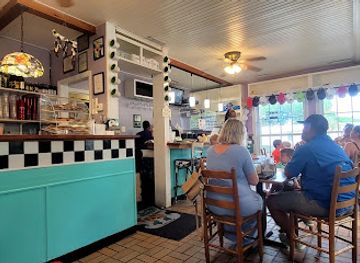
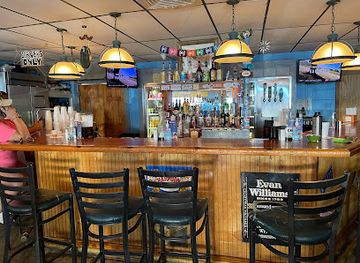
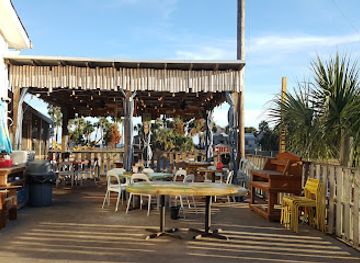
Edisto Island is not a nightclub destination, and evening entertainment is generally low-key, seasonal and centred on restaurants, casual bars and welcoming local establishments around Edisto Beach. Visitors are more likely to find a drink with dinner, conversation on a porch or an occasional community or live-music event than a late-night entertainment district. The island’s rural roads are dark outside the settled areas, so arrange a safe return before drinking and avoid assuming that taxis or ride services will be readily available. Charleston offers a much broader choice of bars, music and nightlife, but it is a separate destination reached by road. At Edisto, evening appeal lies chiefly in the quieter coastal atmosphere, warm-weather gatherings and the chance to experience a small Sea Island community after the beaches have emptied.
-
Seafood
SeaCow Eatery
Experience the best of coastal dining at SeaCow Eatery in Edisto Island, where fresh seafood and American classics come together in a charming atmosphere.
-
Seafood
Whaley's Store
Experience the best of Edisto Island's seafood at Whaley's Store, a unique restaurant in a charming old gas station.
-
Seafood
McConkey's Jungle Shack
Experience the vibrant flavors and unique ambiance of McConkey's Jungle Shack, Edisto Island's premier seafood and American restaurant.
-
American
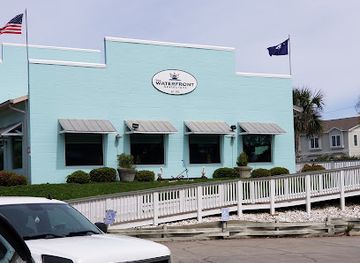
The Waterfront Restaurant
Experience the best of American and seafood cuisine at The Waterfront Restaurant, nestled in beautiful Edisto Beach, South Carolina.
Best nightclubs in Edisto Island
Edisto Island is not a nightclub destination, and evening entertainment is generally low-key, seasonal and centred on restaurants, casual bars and welcoming local establishments around Edisto Beach. Visitors are more likely to find a drink with dinner, conversation on a porch or an occasional community or live-music event than a late-night entertainment district. The island’s rural roads are dark outside the settled areas, so arrange a safe return before drinking and avoid assuming that taxis or ride services will be readily available. Charleston offers a much broader choice of bars, music and nightlife, but it is a separate destination reached by road. At Edisto, evening appeal lies chiefly in the quieter coastal atmosphere, warm-weather gatherings and the chance to experience a small Sea Island community after the beaches have emptied.
-
Bar
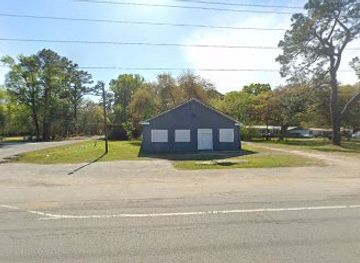
Edisto Social Lounge
Discover Edisto Social Lounge, a lively bar on Edisto Island, blending refreshing cocktails with a vibrant coastal atmosphere.
Best shops in Edisto Island
Shopping on Edisto Island is modest and practical, with the main concentration around Edisto Beach and along the island’s principal roads. Visitors can find beach supplies, groceries, books, gifts, artwork and locally themed merchandise, while galleries and small independent businesses may offer coastal art, photography, crafts and handmade goods. Food provisions are particularly useful for cottages and holiday homes, as the island’s rural areas have few retail services and larger shopping trips are better planned before arrival or made on the mainland. Regional products may include Lowcountry foods, locally inspired artwork and crafts associated with the wider coastal culture, but stock and opening patterns vary by season. Charleston provides a far broader retail selection; Edisto’s shopping character is instead tied to everyday island needs, beach life and small-scale local enterprise.
-
Farmers' market
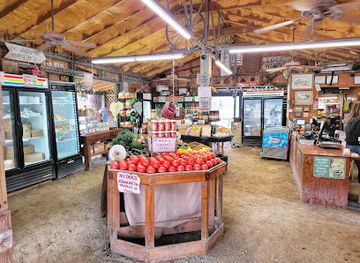
King's Farm Market
Explore the vibrant King's Farm Market in Edisto Island for fresh produce, local crafts, and a taste of South Carolina's agricultural charm.
-
Gift shop
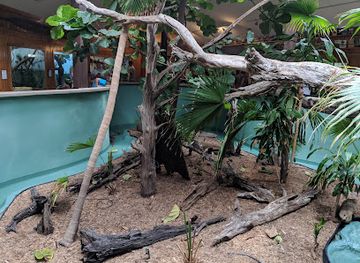
Edisto Island Serpentarium
Discover the Edisto Island Serpentarium: A unique gift shop and zoo featuring fascinating reptiles in a beautiful coastal setting.
-
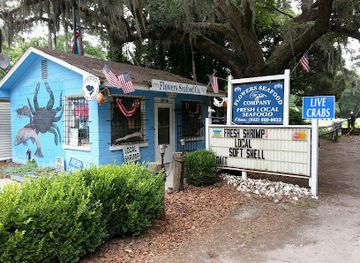
Seafood
Flowers Seafood Co
Experience the freshest seafood on Edisto Island at Flowers Seafood Co, where local flavors and friendly service meet in a charming coastal setting.
-
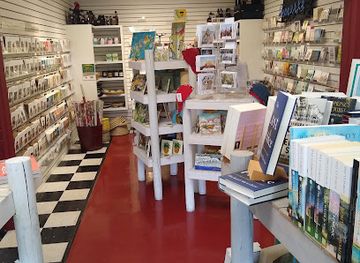
Book store
Edisto Island Bookstore
Explore Edisto Island Bookstore, a charming retreat for book lovers featuring a diverse selection of titles and local gifts in a cozy atmosphere.
Get your free copy of our complete guide to Edisto Island, delivered straight to you.
Everything on this page, from attractions and restaurants to essentials and local phrases, in one PDF you can read offline, print or share.
Already have an account? Sign in
Your Edisto Island guide is ready.
We'll send it to · Not you? Sign out

Getting your guide ready…
We are putting together a fresh copy of the Edisto Island guide. This can take up to a minute.
This can take a few moments. If your browser asks, choose Allow so the download can start. You'll find the guide in your Downloads folder.
Nothing happened? Download it again
Sorry, the guide is taking longer than usual. Please try again in a minute, or get it by email instead.
Edisto Island essentials
Currency and Payment
Safety
Emergency Situations
Do's and Don'ts
Local Tips
From Eve
Local phrases worth knowing
You don't need to get them perfect. A few words go a long way, and locals appreciate the effort.
Basics
| English | Local | Say it |
|---|---|---|
| Hello | Howdy | [haw-dee] |
| Goodbye | So long | [so long] |
| Yes | Yeah | [yeh] |
| No | Nah | [nah] |
| Please/You're welcome | Please/No worries | [pleez / no wuhr-eez] |
| Thank you | Thank ya | [thank ya] |
| Excuse me/Sorry | Pardon me | [par-dun me] |
| How are you? | How y'all doin'? | [haw yawl doin] |
| Fine. And you? | Fine. You? | [fine. yoo] |
| Do you speak English? | Ya speak English? | [ya speak ing-glish] |
| I don't understand | I don't git it | [ah don't git it] |
Eating & Drinking
| English | Local | Say it |
|---|---|---|
| I'd like to see the menu, please | I wanna check out the menu, pleez | [ah wanna chek out the menu, pleez] |
| I don't eat meat | Ah don't eat meat | [ah don't eat meat] |
| Cheers! | Cheers! | [cheers] |
| I would like to pay, please | I wanna settle up, pleez | [ah wanna set-ul up, pleez] |
Emergencies
| English | Local | Say it |
|---|---|---|
| Help! | Help! | [help] |
| Go away! | Git gone! | [git gawn] |
| Call the Police! | Call the Law! | [call the law] |
| Call a doctor! | Get a doc! | [get a dock] |
| I'm lost | Ah'm turned around | [ahm turned a-round] |
| I'm ill | Ah ain't feelin' right | [ah ent feel-in rite] |
Shopping
| English | Local | Say it |
|---|---|---|
| I'd like to buy... | I wanna buy... | [ah wanna buy] |
| I'm just looking | Ah'm just browsin' | [ahm just brow-zin] |
| How much is it? | How much does it cost? | [how much duz it cost] |
| That's too expensive | That's mighty pricey | [that's my-tee prah-sy] |
| Can you lower the price? | Can ya bring down the price? | [can ya bring down the prah-s] |
Time & Numbers
| English | Local | Say it |
|---|---|---|
| What time is it? | What time ya got? | [what time ya got] |
| It's one o'clock | It's one | [its one] |
| Half past (10) | Ten-thirty | [ten-thur-tee] |
| Morning | Mornin' | [mor-nin] |
| Afternoon | Afternoon | [after-noon] |
| Evening | Evenin' | [eve-nin] |
| Yesterday | Yestiddy | [yes-tid-dee] |
| Today | Today | [to-day] |
| Tomorrow | Tomorrer | [tom-or-er] |
| 1 | One | [wun] |
| 2 | Two | [too] |
| 3 | Three | [three] |
| 4 | Four | [fore] |
| 5 | Five | [fahv] |
| 6 | Six | [siks] |
| 7 | Seven | [sev-in] |
| 8 | Eight | [ate] |
| 9 | Nine | [nine] |
| 10 | Ten | [ten] |
Transport & Directions
| English | Local | Say it |
|---|---|---|
| Where's a/the...? | Where's the... at? | [wheres the at] |
| What's the address? | What's the street? | [whats the street] |
| Can you show me (on the map)? | Can ya point it out (on the map)? | [can ya point it out on the map] |
| When's the next (bus)? | When's the next (bus) comin'? | [whens the next bus com-in] |
| A ticket (to ....) | A ticket (to ....) | [a ticket to] |
History of Edisto Island
The Edisto People and the Island Name
Edisto Island takes its name from the Edistow, an Indigenous people associated with the South Carolina Lowcountry and nearby waterways. European colonisation brought profound changes to the region through land claims, disease, conflict and the expansion of plantation agriculture. The island’s name remains one of the clearest reminders that its history began long before the colonial settlement visible in later buildings and landscapes.
Colonial Settlement and Plantation Agriculture
During the colonial period, Edisto became part of the plantation economy that developed across the Sea Islands. Early rice cultivation was followed by the production of Sea Island cotton, a fine-fibred crop suited to the coastal climate and highly dependent on enslaved African labour. Wealth generated by plantation agriculture shaped the island’s roads, houses, churches and fields, while tidal creeks and rivers provided transport through a landscape that was difficult to cross by land.
Enslavement, Civil War and Emancipation
The island’s plantation society was sustained by enslaved people whose labour, knowledge and cultural traditions formed the foundations of Edisto’s later African American communities. During the Civil War, many white plantation owners left coastal islands as Union forces gained control of the region, while formerly enslaved people remained and established new patterns of work, family life and landholding. The transition from slavery to freedom transformed Edisto’s economy and social geography, although the unequal legacy of plantation ownership continued.
Sea Island Communities and Cultural Continuity
After emancipation, African American landowners, farmers, fishermen and labourers continued to shape Edisto’s identity. Sea Island cultural traditions, including distinctive foodways, craftsmanship, religious life and knowledge of the coastal environment, developed through generations of adaptation. The island’s historic churches, family cemeteries, rural roads and surviving buildings offer material evidence of these communities, while local historical organisations preserve stories that are not fully represented by the plantation-era houses and ruins.
Conservation and the Growth of Edisto Beach
Edisto’s modern visitor identity grew gradually around its beaches, vacation homes and coastal recreation rather than through large-scale resort development. Edisto Beach State Park helped protect a substantial portion of the island’s shoreline and maritime environment, while Botany Bay Plantation Heritage Preserve and Wildlife Management Area conserved a different mixture of wetlands, forest, beach and historic remains. Today, tourism exists alongside residential life, conservation management and continuing efforts to interpret the island’s Indigenous, plantation, African American and environmental histories.
Edisto Island in Photos
Browse through our photo collection highlighting the charm and character of the destination.
Neighbouring destination travel guides
The closest destinations to Edisto Island, if you have time for more than one.
-

-

-

-

-


Swipe for more destinations
Explore more

Explore more of Sea Islands
Explore South Carolina’s Sea Islands for tidal marshes, barrier beaches, Gullah Geechee culture, seafood and Lowcountry landscapes shaped by the sea.
Explore Sea Islands
Explore more of South Carolina
Explore South Carolina: A blend of historic charm, natural beauty, and southern hospitality. From Charleston's cobblestone streets to Myrtle Beach's sandy shores, adventure awaits.
Explore South Carolina