

Free Missouri River Valley Travel Guide & Mobile App
Explore Missouri River Valley with free travel guides. Discover regional history, expert tips, proposed trips, and audio guides on web or mobile app.


Explore South Dakota’s Missouri River Valley for reservoir landscapes, Indigenous heritage, river towns, fishing, boating and wide-open prairie views.
Read more about Missouri River Valley
Getting to and around Missouri River Valley
How to get there
Transportation
Best attractions in Missouri River Valley
The Missouri River Valley’s attractions range from state history and Indigenous cultural interpretation to large-scale water recreation. Pierre combines the South Dakota State Capitol and Cultural Heritage Center with riverfront walks and access to Lake Oahe, while nearby Fort Pierre adds frontier, trading and rodeo heritage. Around Chamberlain, the Akta Lakota Museum & Cultural Center and the Dignity sculpture offer important perspectives on Lakota and Dakota culture, alongside high bluffs overlooking Lake Francis Case. Farther south, Fort Randall Dam, the surrounding recreation area and the free-flowing sections of the Missouri National Recreational River provide opportunities for boating, fishing, birdwatching and shoreline exploration. Lewis and Clark Recreation Area near Yankton is a major outdoor destination, with camping, trails and water-based activities. Rural attractions include prairie scenery, wildlife habitat, historic sites and reservoir overlooks rather than dense clusters of formal visitor facilities, so route planning and seasonal conditions are part of the experience.
-
Memorial park
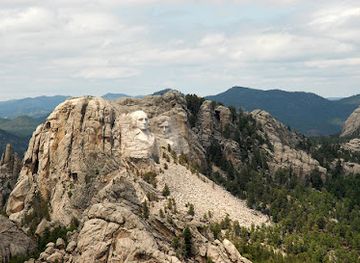
Mount Rushmore National Memorial
Explore the grandeur and history at Mount Rushmore National Memorial, where the faces of four U.S. presidents rise majestically from the Black Hills of South Dakota.
-
National park
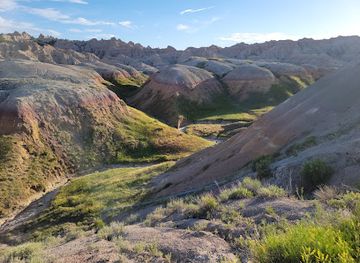
Badlands National Park
Explore the stunning landscapes, unique geology, and diverse wildlife of Badlands National Park, a true gem of South Dakota's natural beauty.
-
Park
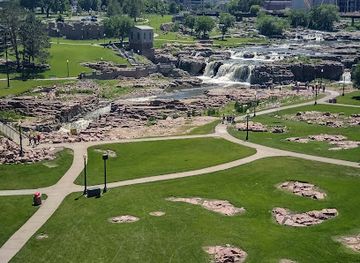
Falls Park
Falls Park: A breathtaking natural wonder in Sioux Falls, SD, featuring stunning waterfalls, scenic trails, and vibrant green spaces for outdoor adventures.
-
State park
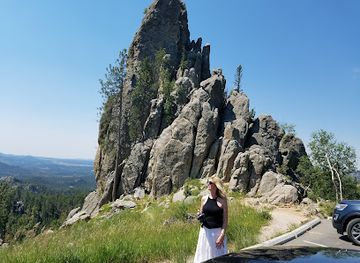
Custer State Park
Discover the natural beauty and diverse wildlife of Custer State Park in South Dakota, a top destination for outdoor adventures and breathtaking scenery.
Best landmarks in Missouri River Valley
The Missouri River Valley’s most recognisable landmarks express its political, cultural and engineered landscapes. In Pierre, the South Dakota State Capitol is a prominent civic building, while the nearby Cultural Heritage Center helps place the state’s history within a broader regional context. Across the river, Fort Pierre’s historic identity recalls the trading and transport networks that developed along the Missouri. The Dignity sculpture above Chamberlain is one of the valley’s most visible contemporary markers, honouring the heritage and resilience of the Lakota and Dakota peoples against a wide reservoir and prairie backdrop. Farther south, the massive structures of Fort Randall Dam and the Big Bend Dam illustrate the twentieth-century transformation of the river, while Oahe Dam is among the largest engineering works on the South Dakota stretch. The bluffs, cottonwood islands and comparatively free-flowing Missouri near Yankton and the Missouri National Recreational River are natural landmarks as significant as any building, showing what parts of the pre-dam river corridor looked like.
-
Monument
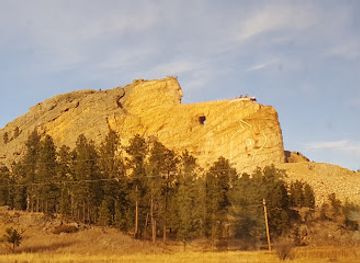
Crazy Horse Memorial
Discover the Crazy Horse Memorial, a breathtaking tribute to Native American heritage set against the stunning backdrop of South Dakota's Black Hills.
-
Visitor center
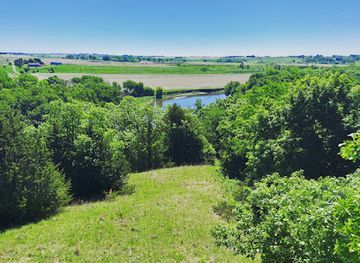
Good Earth State Park Visitor Center
Explore Good Earth State Park Visitor Center in South Dakota – a natural retreat rich in history, breathtaking views, and wildlife adventures.
-
Historical landmark
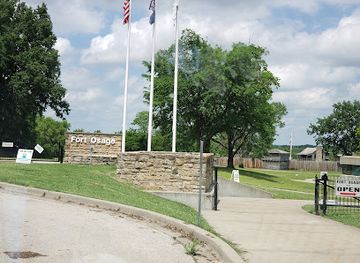
Fort Osage National Historic Landmark
Explore the rich history and cultural significance of Fort Osage National Historic Landmark in Sibley, Missouri, a key site in America's westward expansion.
-
Local history museum
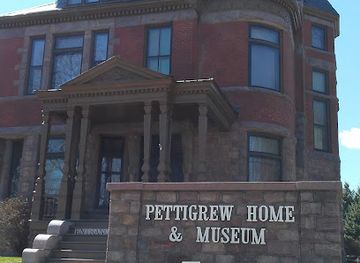
Pettigrew Home & Museum
Explore the Pettigrew Home & Museum in Sioux Falls, SD for a unique blend of local history, beautiful architecture, and engaging exhibits that honor the past.
Explore Missouri River Valley on the map
Plan your trip on one map. See where the top cities, national parks and sights are, and book hotels and experiences in a few clicks.
Best hotels in Missouri River Valley
Best restaurants in Missouri River Valley
Dining in the valley reflects South Dakota’s agricultural setting, river recreation and small-town character. Pierre, Chamberlain and Yankton offer the broadest choice of cafés, family restaurants, grills, bakeries and pubs, while rural communities are more likely to centre on a café, diner or traditional tavern. Menus commonly draw on beef, bison, poultry, freshwater fish and practical Midwestern cooking, with locally produced grains and seasonal vegetables appearing alongside familiar American dishes. Walleye and other freshwater fish may be available in fishing communities, although supply and menus vary. Visitors can also encounter dishes associated with Native American and Great Plains foodways at cultural events or specialist venues, including preparations using bison, corn and regional berries. Farmers’ markets and farm stands are most useful in the warmer months, while coffee and baked goods are dependable stops during long drives. Tipping follows standard United States practice in table-service restaurants.
-
Inn
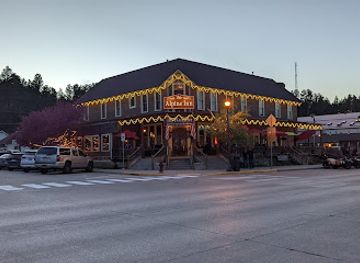
Alpine Inn
Discover the charm of Hill City at Alpine Inn – your cozy retreat with exquisite dining options amidst stunning Black Hills scenery.
-
American
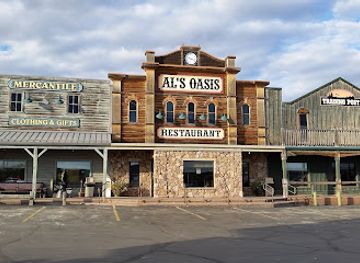
Al’s Oasis
Discover Al's Oasis in Oacoma, SD - where delicious American cuisine meets unique shopping experiences in a welcoming atmosphere.
-
Breakfast
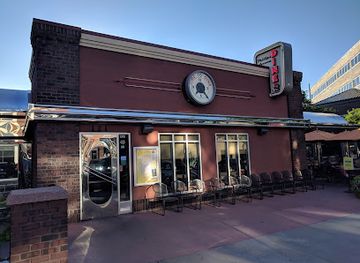
Phillips Avenue Diner
Discover Phillips Avenue Diner in Sioux Falls - where delicious breakfasts meet family-friendly charm in a vibrant downtown setting.
-
American
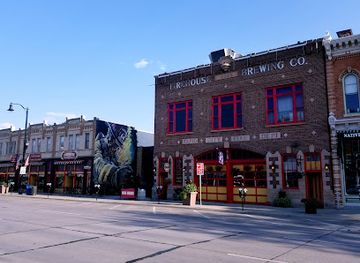
Tally's Silver Spoon
Experience exquisite American cuisine at Tally's Silver Spoon in Rapid City – where every meal is a delightful culinary journey.
Best bars in Missouri River Valley
Evening life in the Missouri River Valley is concentrated in Pierre, Chamberlain, Yankton and the smaller county-seat communities rather than in dedicated club districts. Traditional bars, breweries, restaurants and taverns provide the main social settings, with live music, televised sport and community events appearing on selected evenings. Yankton generally offers the broadest choice of bars and restaurants in the southern part of the corridor, while Pierre’s evening scene is shaped by its role as the state capital and by seasonal visitors. Around the reservoirs, evenings may be spent at campgrounds, lodges or waterfront restaurants rather than in nightlife venues. Summer boating and holiday periods can make recreation areas busier, but opening arrangements vary and many rural places close relatively early. Carry identification, arrange a safe journey after drinking and remember that alcohol laws and age restrictions are enforced throughout South Dakota.
-
Bar
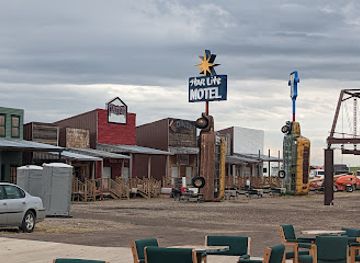
Full Throttle Saloon
Experience the thrill of motorcycle culture at Full Throttle Saloon in South Dakota, where live music, delicious food, and adventure await.
-
Bar
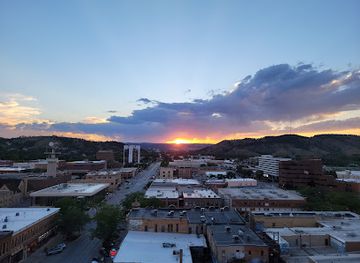
Juniper at Vertex Sky Bar
Discover the breathtaking views and exquisite culinary delights at Juniper at Vertex Sky Bar in Rapid City, SD - a perfect dining experience.
-
Bar
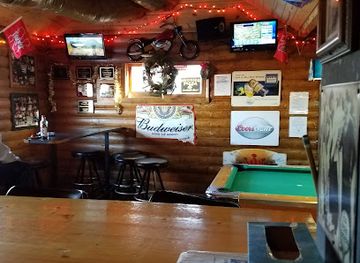
The Log Cabin
Experience the charming ambiance of The Log Cabin, a cozy bar in Sioux Falls known for its great drinks and lively atmosphere.
-
Grill
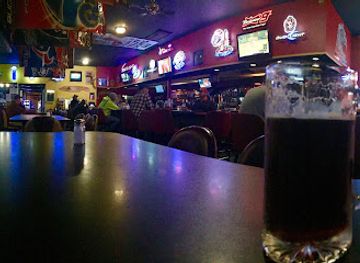
Valley Sports Bar & Grill
Experience the lively atmosphere and delicious American grill fare at Valley Sports Bar & Grill in Rapid City.
Best nightclubs in Missouri River Valley
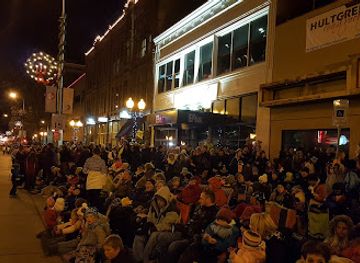
Evening life in the Missouri River Valley is concentrated in Pierre, Chamberlain, Yankton and the smaller county-seat communities rather than in dedicated club districts. Traditional bars, breweries, restaurants and taverns provide the main social settings, with live music, televised sport and community events appearing on selected evenings. Yankton generally offers the broadest choice of bars and restaurants in the southern part of the corridor, while Pierre’s evening scene is shaped by its role as the state capital and by seasonal visitors. Around the reservoirs, evenings may be spent at campgrounds, lodges or waterfront restaurants rather than in nightlife venues. Summer boating and holiday periods can make recreation areas busier, but opening arrangements vary and many rural places close relatively early. Carry identification, arrange a safe journey after drinking and remember that alcohol laws and age restrictions are enforced throughout South Dakota.
-
Bar
PAve
Discover the lively atmosphere of PAve, a premier bar and nightclub in downtown Sioux Falls, featuring great drinks and live entertainment.
-
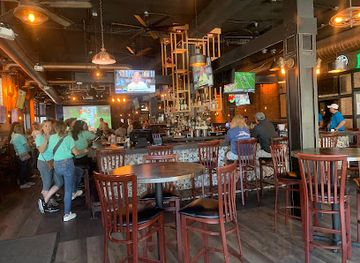
Grill
Wileys Bar
Discover the vibrant atmosphere of Wileys Bar, a top grill and live music venue in downtown Sioux Falls, perfect for food and entertainment lovers.
-
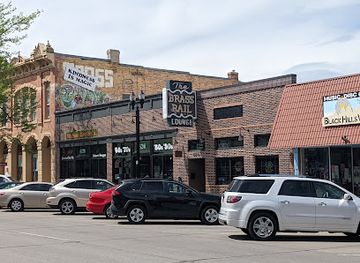
Bar
Brass Rail Lounge
Discover the lively Brass Rail Lounge in Rapid City, where great drinks, friendly service, and a vibrant atmosphere await every visitor.
-
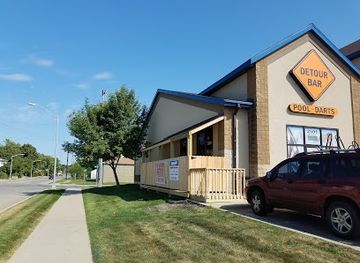
Bar
Detour Bar
Discover the vibrant Detour Bar in Sioux Falls, where great drinks meet an inviting atmosphere for a memorable night out.
Best shops in Missouri River Valley
Shopping is practical and locally focused rather than metropolitan. Pierre, Chamberlain and Yankton have the largest concentrations of independent shops, galleries, outfitters, bookshops, antique dealers and everyday services, with high streets and small commercial districts reflecting their roles as regional centres. Visitors may find Native American art, beadwork, jewellery, pottery and other crafted goods through reputable galleries and cultural institutions; provenance and respectful purchasing matter, particularly for items represented as Native-made. Western clothing, outdoor equipment, books on Plains history, fishing supplies and locally produced food are useful regional purchases. Seasonal farmers’ markets and farm stands offer produce, baked goods and preserves, although locations and dates change during the year. Souvenirs connected with the Missouri, Lewis and Clark history, state government and prairie wildlife are widely available, while larger-scale retail shopping is limited. Plan essential purchases before travelling into the more remote reservoir country.
-
Shopping mall
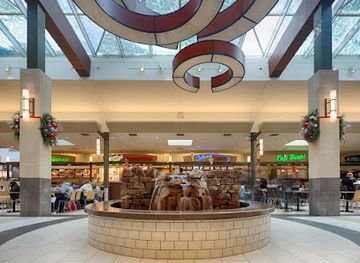
The Empire Mall
Discover the ultimate shopping experience at The Empire Mall in Sioux Falls, South Dakota, where fashion, food, and fun come together.
-
Book store
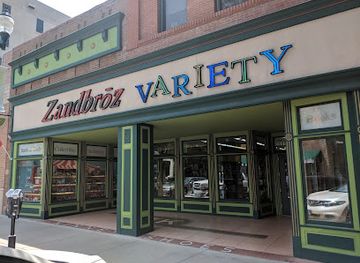
Zandbroz Variety
Explore Zandbroz Variety in Sioux Falls for a unique selection of books, gifts, and a charming atmosphere that celebrates local culture.
-
Rock shop
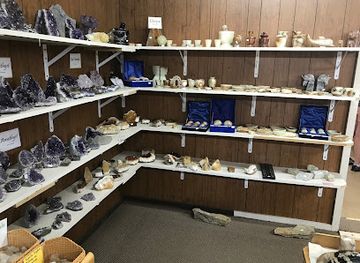
Dave's Rock Shop
Explore the wonders of nature at Dave's Rock Shop in Custer, SD, where unique rocks, minerals, and gifts await every visitor.
-
General store
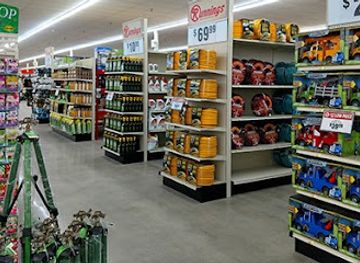
Runnings
Discover the heart of Mobridge at Runnings, your go-to general store for outdoor gear, clothing, and local treasures.
Get your free copy of our complete guide to Missouri River Valley, delivered straight to you.
Everything on this page, from attractions and restaurants to essentials and local phrases, in one PDF you can read offline, print or share.
Already have an account? Sign in
Your Missouri River Valley guide is ready.
We'll send it to · Not you? Sign out

Getting your guide ready…
We are putting together a fresh copy of the Missouri River Valley guide. This can take up to a minute.
This can take a few moments. If your browser asks, choose Allow so the download can start. You'll find the guide in your Downloads folder.
Nothing happened? Download it again
Sorry, the guide is taking longer than usual. Please try again in a minute, or get it by email instead.
Missouri River Valley essentials
Currency and Payment
Safety
Emergency Situations
Do's and Don'ts
Local Tips
From Eve
Local phrases worth knowing
You don't need to get them perfect. A few words go a long way, and locals appreciate the effort.
Basics
| English | Local | Say it |
|---|---|---|
| Hello | Howdy | [How-dee] |
| Goodbye | See you later | [See ya lay-ter] |
| Yes | Yep | [Yep] |
| No | Nope | [Nope] |
| Please/You're welcome | Sure thing | [Shur thing] |
| Thank you | Thanks a bunch | [Thanks a bunch] |
| Excuse me/Sorry | Pardon me | [Pardon me] |
| How are you? | How ya doin'? | [How ya doin'?] |
| Fine. And you? | Good, and you? | [Good, an' you?] |
| Do you speak English? | You speakin' English? | [Ya speakin' English?] |
| I don't understand | I'm not following | [I'm not followin'] |
Eating & Drinking
| English | Local | Say it |
|---|---|---|
| I'd like to see the menu, please | Can I see the menu? | [Can I see th' menu?] |
| I don't eat meat | I don't do meat | [I don't do meat] |
| Cheers! | Cheers! | [Cheers!] |
| I would like to pay, please | Can I get the check? | [Can I get th' check?] |
Emergencies
| English | Local | Say it |
|---|---|---|
| Help! | Help! | [Help!] |
| Go away! | Leave me be! | [Leave me be!] |
| Call the Police! | Get the cops! | [Get th' cops!] |
| Call a doctor! | Get a doctor! | [Get a doctor!] |
| I'm lost | I'm turned around | [I'm turned around] |
| I'm ill | I'm not feelin' good | [I'm not feelin' good] |
Shopping
| English | Local | Say it |
|---|---|---|
| I'd like to buy... | I wanna buy... | [I wanna buy...] |
| I'm just looking | Just browsing | [Just browsin'] |
| How much is it? | What’s the price? | [What’s th' price?] |
| That's too expensive | That's a bit much | [That's a bit much] |
| Can you lower the price? | Can ya knock down the price? | [Can ya knock down th' price?] |
Time & Numbers
| English | Local | Say it |
|---|---|---|
| What time is it? | What time ya got? | [What time ya got?] |
| It's one o'clock | It's one o'clock | [It's one o'clock] |
| Half past (10) | Half past ten | [Half past ten] |
| Morning | Mornin' | [Mornin'] |
| Afternoon | Afternoon | [Afternoon] |
| Evening | Evenin' | [Evenin'] |
| Yesterday | Yesterday | [Yesterday] |
| Today | Today | [Today] |
| Tomorrow | Tomorrow | [Tomorrow] |
| 1 | One | [One] |
| 2 | Two | [Two] |
| 3 | Three | [Three] |
| 4 | Four | [Four] |
| 5 | Five | [Five] |
| 6 | Six | [Six] |
| 7 | Seven | [Seven] |
| 8 | Eight | [Eight] |
| 9 | Nine | [Nine] |
| 10 | Ten | [Ten] |
Transport & Directions
| English | Local | Say it |
|---|---|---|
| Where's a/the...? | Where's the...? | [Where's th'...?] |
| What's the address? | What's the address? | [What's th' address?] |
| Can you show me (on the map)? | Can ya show me on the map? | [Can ya show me on th' map?] |
| When's the next (bus)? | When's the next bus? | [When's th' next bus?] |
| A ticket (to ....) | A ticket to ... | [A ticket to ...] |
History of Missouri River Valley
Indigenous River Societies Before European Contact
The Missouri corridor has supported Indigenous communities for thousands of years, with archaeological evidence of villages, hunting, fishing, agriculture and long-distance exchange. Different nations and communities used distinct parts of the river over time, including Dakota and Lakota peoples and earlier village traditions associated with the Arikara and other Plains groups. The river provided fertile land, timber, water and a transport route through the prairie. This history remains visible in archaeological collections, cultural institutions and the continuing presence of Native nations, rather than belonging only to the distant past.
The Lewis and Clark Expedition, 1804–1806
The Corps of Discovery travelled up the Missouri through present-day South Dakota in 1804 and returned along the river in 1806. The expedition encountered established Indigenous nations, recorded the landscape and helped bring the region to wider American attention, although its journals represent an outsider perspective on a much older cultural geography. Locations around the Pierre, Chamberlain and Yankton sections of the river are associated with the expedition’s passage and with later interpretation. Its journey also formed part of a broader process of expanding United States claims and influence across the Great Plains.
Fur Trade and Fort Pierre
During the nineteenth century, the Missouri became a major artery for the fur trade and frontier commerce. Fort Pierre developed as an important trading centre, linking river transport with routes across the northern Plains. Established trading posts served Indigenous customers, hunters, trappers and commercial networks, while steamboats connected the settlement with towns farther downriver. The trade economy depended heavily on Native knowledge and relationships, even as commercial expansion, disease and United States policy placed increasing pressure on Indigenous communities.
Treaties, Military Expansion and Settlement
The nineteenth century brought treaties, military expeditions, missions, land surveys and growing settler migration to the Missouri Valley. Agreements between Native nations and the United States were repeatedly altered or undermined as government policy sought land and control, contributing to displacement and the confinement of Indigenous peoples to reservations. Military posts and river settlements supported this expansion, while later homesteaders and agricultural communities transformed the bottomlands and adjacent prairie. The region’s modern reservation boundaries and cultural institutions must be understood within this difficult history.
South Dakota Statehood and Pierre’s Capital Role, 1889
South Dakota entered the Union in 1889, and Pierre became the state capital, partly because of its central position and its location on the Missouri River. The capital brought government offices, roads, bridges and continuing civic importance to the river community. Across the valley, rail connections and improving land transport gradually reduced the Missouri’s role as a commercial highway, but river towns remained important centres for ranching, farming, administration and regional trade. The state capitol and Pierre’s museums embody this political and institutional legacy.
The Pick-Sloan Dams and the Remade River
From the mid-twentieth century, large federal dam projects fundamentally changed the Missouri in South Dakota. Fort Randall, Big Bend, Oahe and related works created major reservoirs for flood control, power generation, irrigation and navigation. The projects also flooded bottomlands, archaeological sites, transport routes and established communities, and caused serious disruption to Native nations whose lands and economies were affected. Today’s Lake Oahe, Lake Sharpe, Lake Francis Case and Lewis and Clark Lake support recreation and wildlife habitat, but their history includes substantial social and environmental costs.
A Contemporary River Economy
The modern valley combines government, agriculture, ranching, tourism, outdoor recreation and Indigenous cultural life. Reservoir fishing and boating became important seasonal industries, while towns such as Pierre, Chamberlain and Yankton developed visitor services around museums, riverfronts and heritage sites. Conservation initiatives, including the Missouri National Recreational River, protect comparatively free-flowing sections in the south. Current debates about water management, fisheries, shoreline development and cultural interpretation reflect the continuing importance of the Missouri to communities throughout South Dakota.
Missouri River Valley in Photos
Browse through our photo collection highlighting the charm and character of the destination.
Neighbouring regions of Missouri River Valley
The closest regions to Missouri River Valley, if you have time for more than one.
-

-

-

-

-


Swipe for more regions
Explore more

Explore more of South Dakota
Discover South Dakota: From the iconic Mount Rushmore and Crazy Horse Memorial to the stunning Badlands and charming small towns, it's a land of history and natural beauty.
Explore South Dakota