

Free Rosebud Travel Guide & Mobile App
Explore Rosebud with free travel guides. Discover regional history, expert tips, proposed trips, and audio guides on web or mobile app.


Rosebud, South Dakota offers Sicangu Lakota heritage, prairie landscapes, living culture and spacious roads through south-central Indian Country.
Read more about Rosebud
Getting to and around Rosebud
How to get there
Transportation
Best attractions in Rosebud
Rosebud’s attractions are primarily cultural, historical and landscape-based. In Mission, institutions associated with Sinte Gleska University provide an important setting for learning about Sicangu Lakota history, education and contemporary community life. St Francis Mission, in the community of St Francis, offers religious and historical interest, while its museum collections help place local objects and stories within the wider history of the reservation. Access arrangements and opening times should be checked before travelling. The region’s broad grasslands and White River country appeal to visitors interested in birdwatching, photography, wildlife observation and quiet rural driving rather than heavily developed recreation. Community gatherings, powwows and the Rosebud Fair can be significant cultural experiences when visitors attend as guests and comply with organisers’ guidance. There are also opportunities to appreciate ranching landscapes, prairie skies and the changing character of the river valleys. Much of the reservation is not a conventional attraction and should not be entered without permission; its value lies in encountering an active Indigenous community and understanding the landscape through its history. Rosebud works best as a deliberate, well-prepared destination rather than a stop built around a long list of commercial amusements.
-
Park
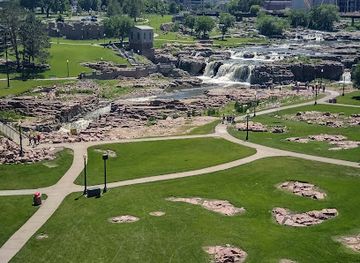
Falls Park
Explore the breathtaking Falls Park in Sioux Falls, SD, home to stunning waterfalls, lush trails, and vibrant events year-round.
-
State park
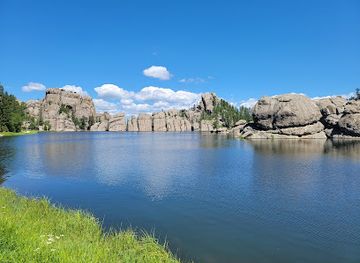
Custer State Park
Explore Custer State Park: a natural sanctuary in South Dakota with breathtaking landscapes, diverse wildlife, and endless outdoor activities.
-
Tourist attraction
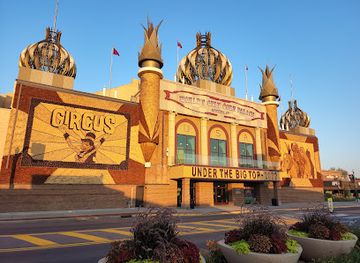
The World's Only Corn Palace
Discover the charm of South Dakota at The World's Only Corn Palace, a colorful testament to local agriculture and creativity.
-
Monument
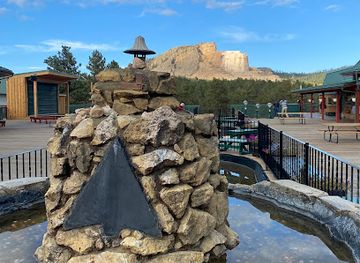
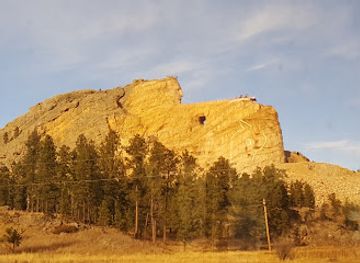
Crazy Horse Memorial
Explore the inspiring Crazy Horse Memorial, a monumental tribute to Native American culture and heritage in the stunning Black Hills of South Dakota.
Best landmarks in Rosebud
St Francis Mission is one of Rosebud’s most recognisable built landmarks. Its church and associated grounds represent the long history of Catholic mission activity in Sicangu Lakota country, while the site also prompts reflection on the complex legacy of religious education and boarding-school policies. In Rosebud, the headquarters of the Rosebud Sioux Tribe is a significant civic landmark because it represents the continuing political sovereignty and administration of the Sicangu Lakota community. Mission is associated with Sinte Gleska University, whose campus carries educational and cultural importance beyond its academic role. The White River and its valley form a natural landmark of the area, contrasting with the broad, elevated grasslands and shallow prairie draws that dominate much of the reservation. Rural churches, cemeteries, ranch buildings and community spaces also contribute to the region’s visual character, although many are private or sensitive places rather than visitor sites. The most meaningful landmarks here are therefore not isolated monuments but places where landscape, Indigenous governance, religious history and contemporary community life remain closely connected.
-
Memorial park
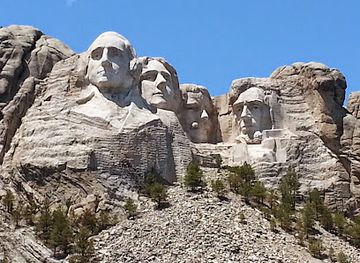
Mount Rushmore National Memorial
Explore the majestic Mount Rushmore National Memorial, a remarkable tribute to American leadership and history, surrounded by the beauty of South Dakota's Black Hills.
-
Cultural landmark
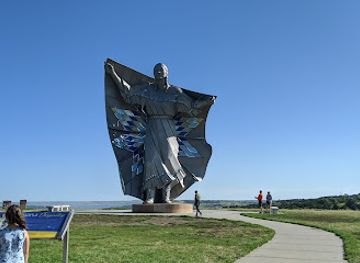
Dignity of Earth and Sky
Experience the Dignity of Earth and Sky, a stunning cultural landmark in Chamberlain, South Dakota, celebrating Native American heritage and artistry.
-
Monument
Crazy Horse Memorial
Explore the Crazy Horse Memorial: A monumental tribute to Native American heritage set in the stunning Black Hills of South Dakota.
-
National park
Wind Cave National Park
Explore the stunning landscapes and extraordinary cave formations of Wind Cave National Park in South Dakota, a must-visit destination for nature enthusiasts.
Explore Rosebud on the map
Plan your trip on one map. See where the top cities, national parks and sights are, and book hotels and experiences in a few clicks.
Best hotels in Rosebud
Best restaurants in Rosebud
Dining in Rosebud is modest and dispersed, with options concentrated in the larger communities and around established services rather than in a defined restaurant district. Travellers should expect straightforward American meals, café-style food, takeaway options and community-event concessions, while availability and opening arrangements can vary. In local homes and gatherings, food may reflect both contemporary South Dakota cooking and Lakota traditions, including soups, stews, breads and dishes prepared for communal occasions; visitors should not assume that ceremonial or family food is available commercially. The wider prairie setting also connects local eating with ranching, home cooking and seasonal community events. Supermarkets and convenience shops in larger settlements are useful for provisions, especially for those travelling rural roads or staying in self-catering accommodation. Because late-night choices are limited, plan meals before long drives and carry water and snacks. If invited to a local gathering, accept hospitality graciously, follow the host’s lead and ask before photographing food or people.
-
Inn
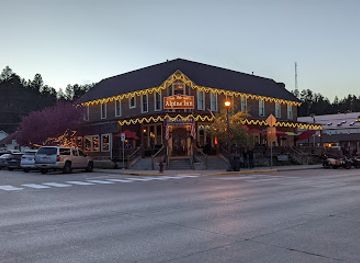
Alpine Inn
Discover cozy lodging and delightful dining at Alpine Inn in Hill City - your perfect getaway in South Dakota's Black Hills.
-
Breakfast
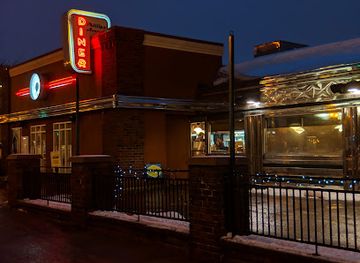
Phillips Avenue Diner
Experience the charm of Phillips Avenue Diner in Sioux Falls - your go-to spot for delicious breakfasts and delightful ice cream treats.
-
American
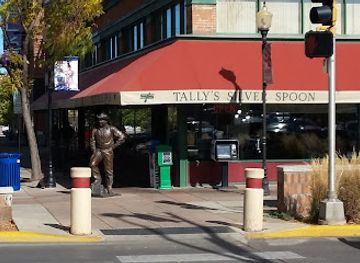
Tally's Silver Spoon
Discover the delightful flavors of American cuisine at Tally's Silver Spoon in Rapid City – where fresh ingredients meet creative cooking.
-
Restaurant
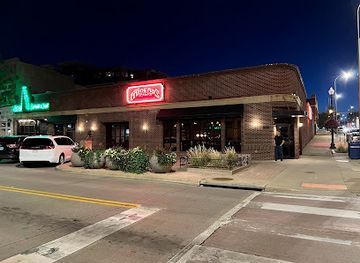
Minervas Restaurant
Discover culinary excellence at Minervas Restaurant in Sioux Falls, where fine dining meets exceptional service in a vibrant atmosphere.
Best bars in Rosebud
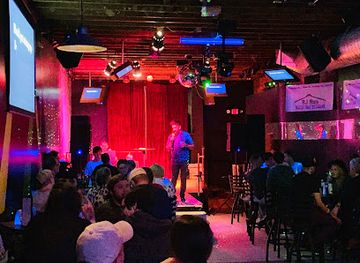
Rosebud does not have a major nightclub scene or a concentrated late-night entertainment district. Evening life is more likely to centre on homes, community gatherings, restaurants, local events and modest social venues in the larger settlements. During powwows, the Rosebud Fair and other scheduled occasions, music and community activity can continue later than on an ordinary rural evening, but arrangements vary and should be checked locally. Visitors should not expect a wide choice of cocktail bars, live-music rooms or clubs, and alcohol regulations and availability may differ between tribal jurisdiction and neighbouring South Dakota communities. The most rewarding evening experiences are often informal: watching the prairie light fade, attending a public cultural event respectfully or sharing conversation at an appropriate local venue. Do not photograph people or gatherings without consent, and avoid treating social or ceremonial events as nightlife attractions.
-
Bar
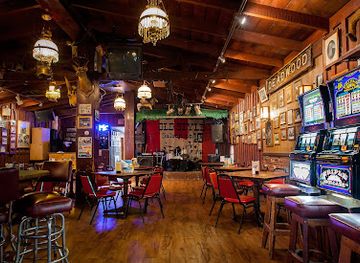
Saloon No. 10
Discover the historic Saloon No. 10 in Deadwood, where delicious steaks and vibrant Wild West ambiance await you.
-
Bar
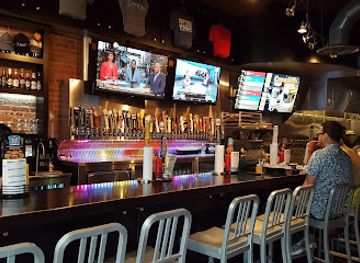
JL Beers
Experience the flavorful burgers and craft beers at JL Beers, a must-visit bar and grill in Sioux Falls, South Dakota.
-
Grill
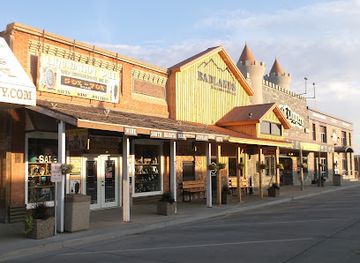
Badlands Saloon & Grille
Experience the best of South Dakota dining at Badlands Saloon & Grille, where delicious food meets rustic charm in a vibrant setting.
-
Grill
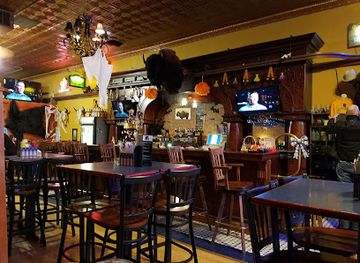
Bumpin Buffalo Bar and Grill
Experience the flavors of Hill City at Bumpin Buffalo Bar and Grill, a family-friendly restaurant and wine bar offering mouthwatering grilled dishes and local charm.
Best nightclubs in Rosebud
Rosebud does not have a major nightclub scene or a concentrated late-night entertainment district. Evening life is more likely to centre on homes, community gatherings, restaurants, local events and modest social venues in the larger settlements. During powwows, the Rosebud Fair and other scheduled occasions, music and community activity can continue later than on an ordinary rural evening, but arrangements vary and should be checked locally. Visitors should not expect a wide choice of cocktail bars, live-music rooms or clubs, and alcohol regulations and availability may differ between tribal jurisdiction and neighbouring South Dakota communities. The most rewarding evening experiences are often informal: watching the prairie light fade, attending a public cultural event respectfully or sharing conversation at an appropriate local venue. Do not photograph people or gatherings without consent, and avoid treating social or ceremonial events as nightlife attractions.
-
Night club
Club David
Discover the energetic nightlife at Club David, a top night club in Sioux Falls offering great music, drinks, and unforgettable experiences.
-
Night club
The Wild Hare
Discover The Wild Hare, Brookings' premier night club and bar, where the energy is high and the drinks are flowing.
-
Adult entertainment club
Cockatoo Club
Cockatoo Club is Yankton's top adult entertainment destination, blending a lively bar and casino for an exceptional night out.

Best shops in Rosebud
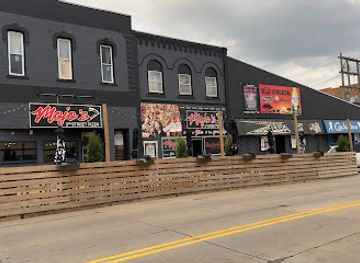
Shopping in Rosebud is practical and locally focused rather than centred on malls or extensive retail streets. The larger settlements provide everyday provisions, fuel and basic supplies, while community events may offer food, clothing, artwork and other goods from local vendors. Visitors may find locally made beadwork, paintings, jewellery, clothing and crafts associated with Lakota artistic traditions, but quality and availability vary, so buy directly from artists or established sellers and ask about the maker and appropriate use of designs. Regional food products and handmade items can also appear at fairs, powwows and community markets when scheduled. Mission, Rosebud and nearby communities are useful places to enquire about legitimate local purchasing opportunities, though opening arrangements may be informal. Carry cash as well as cards for small vendors, and never remove cultural objects, plants or artefacts from the landscape. The most appropriate souvenirs are authenticated, ethically sourced works that support local artists and reflect the region without reducing Sicangu Lakota culture to a decorative theme.
-
General store
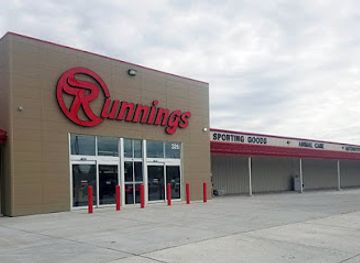
Runnings
Discover Runnings in Winner, SD: A general store offering clothing, hunting gear, pet supplies, and more for your shopping pleasure.
-
Supermarket
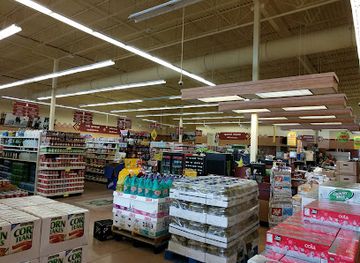
Turtle Creek Crossing Super Foods
Discover fresh produce, gourmet groceries, and delightful baked goods at Turtle Creek Crossing Super Foods in Mission, SD - a foodie’s paradise.
-
Grocery store
Buche Foods Mission
Discover authentic flavors and local ingredients at Buche Foods Mission, your go-to grocery store in South Dakota.
-
Antique store
Antique Emporium
Explore the Antique Emporium in Deadwood, SD, for unique vintage finds and a charming glimpse into the past.
Get your free copy of our complete guide to Rosebud, delivered straight to you.
Everything on this page, from attractions and restaurants to essentials and local phrases, in one PDF you can read offline, print or share.
Already have an account? Sign in
Your Rosebud guide is ready.
We'll send it to · Not you? Sign out

Getting your guide ready…
We are putting together a fresh copy of the Rosebud guide. This can take up to a minute.
This can take a few moments. If your browser asks, choose Allow so the download can start. You'll find the guide in your Downloads folder.
Nothing happened? Download it again
Sorry, the guide is taking longer than usual. Please try again in a minute, or get it by email instead.
Rosebud essentials
Currency and Payment
Safety
Emergency Situations
Do's and Don'ts
Local Tips
From Eve
Local phrases worth knowing
You don't need to get them perfect. A few words go a long way, and locals appreciate the effort.
Basics
| English | Local | Say it |
|---|---|---|
| Hello | Hé | [Hay] |
| Goodbye | T’áá shí éí | [Tah shee eh] |
| Yes | Áá | [Ah] |
| No | Dóó | [Doh] |
| Please/You're welcome | T’áá shí éí/Éí shí éí | [Tah shee eh/Eh shee eh] |
| Thank you | Pilamaya | [Pee-lah-mah-yah] |
| Excuse me/Sorry | Nááts’íilid | [Nah-ts'ee-lid] |
| How are you? | Nééz nízhóní? | [Nayz nee-zho-nee] |
| Fine. And you? | Nizhoní. Naashá? | [Nih-zho-nee. Nah-shah?] |
| Do you speak English? | Nízhónígo bee hólǫ́? | [Nih-zho-nee-go beh ho-lo] |
| I don't understand | Nizhéézh naashá | [Nih-zheh-zh nah-shah] |
Eating & Drinking
| English | Local | Say it |
|---|---|---|
| I'd like to see the menu, please | T’áá shí éí menu bee hólǫ́. | [Tah shee eh meh-noo beh ho-lo] |
| I don't eat meat | Nizhéézh ályéé’ | [Nih-zheh-zh ah-lee-yeh] |
| Cheers! | K’ééshjéé | [K'eh-shee] |
| I would like to pay, please | T’áá shí éí ádíízh bee hólǫ́. | [Tah shee eh ah-dee-zh beh ho-lo] |
Emergencies
| English | Local | Say it |
|---|---|---|
| Help! | T’áá shí éí yáh! | [Tah shee eh yah] |
| Go away! | Nááts’íilid t’áá shí éí! | [Nah-ts'ee-lid tah shee eh!] |
| Call the Police! | Nááts’íilid Police bee hólǫ́! | [Nah-ts'ee-lid Pol-ee-ce beh ho-lo] |
| Call a doctor! | Nááts’íilid doctor bee hólǫ́! | [Nah-ts'ee-lid doc-tor beh ho-lo] |
| I'm lost | Nizhéézh t’áá shí éí k’ááyí? | [Nih-zheh-zh tah shee eh kah-yee?] |
| I'm ill | Nizhéézh t’áá shí éí hólǫ́ | [Nih-zheh-zh tah shee eh ho-lo] |
Shopping
| English | Local | Say it |
|---|---|---|
| I'd like to buy... | T’áá shí éí ... háázh. | [Tah shee eh ... hah-zh] |
| I'm just looking | Nizhéézh t’áá shí éí doo | [Nih-zheh-zh tah shee eh doo] |
| How much is it? | Háásh éí t’áá shí éí? | [Hah-sh eh tah shee eh?] |
| That's too expensive | T’áá shí éí doo ályéé’ | [Tah shee eh doo ah-lee-yeh] |
| Can you lower the price? | Nááts’íilid hólǫ́ t’áá shí éí? | [Nah-ts'ee-lid ho-lo tah shee eh?] |
Time & Numbers
| English | Local | Say it |
|---|---|---|
| What time is it? | Nééz t’áá shí éí? | [Nayz tah shee eh?] |
| It's one o'clock | Dóó shí éí t’áá shí éí | [Doh shee eh tah shee eh] |
| Half past (10) | Nééz t’áá shí éí (10) | [Nayz tah shee eh (10)] |
| Morning | Yá’át’éeh | [Yah-at-teh] |
| Afternoon | Néézáá | [Nay-zah] |
| Evening | Yá’át’éeh t’áá shí éí | [Yah-at-teh tah shee eh] |
| Yesterday | Nééz t’áá shí éí | [Nayz tah shee eh] |
| Today | T’áá shí éí | [Tah shee eh] |
| Tomorrow | T’áá shí áda | [Tah shee ah-dah] |
| 1 | Dóó | [Doh] |
| 2 | Nééz | [Nayz] |
| 3 | T’áá | [Tah] |
| 4 | Dóósh | [Doh-sh] |
| 5 | Naaki | [Nah-kee] |
| 6 | Naak’ó | [Nah-koh] |
| 7 | Náh | [Nah] |
| 8 | T’ááh | [Tahh] |
| 9 | Naaki t’ááh | [Nah-kee tahh] |
| 10 | Dóó t’ááh | [Doh tahh] |
Transport & Directions
| English | Local | Say it |
|---|---|---|
| Where's a/the...? | Nééz t’áá shí éí ...? | [Nayz tah shee eh ...?] |
| What's the address? | Nééz t’áá shí éí hólǫ́? | [Nayz tah shee eh ho-lo?] |
| Can you show me (on the map)? | Nááts’íilid hólǫ́ bee hólǫ́? | [Nah-ts'ee-lid ho-lo beh ho-lo?] |
| When's the next (bus)? | Nééz t’áá shí éí (bus) hólǫ́? | [Nayz tah shee eh (bus) ho-lo?] |
| A ticket (to ....) | T’áá shí éí ticket (to ...) | [Tah shee eh tick-it (to ...)] |
History of Rosebud
Sicangu Lakota Homeland and the Great Sioux Reservation
The Rosebud area is part of the traditional homeland of the Sicangu Lakota, whose communities used the surrounding plains through seasonal movement, hunting, trade and relationships with neighbouring nations. The Fort Laramie Treaty of 1868 established the Great Sioux Reservation, although its promises were later undermined by United States policy and pressure for land cessions. The reservation system that followed divided a much larger territory into smaller reservations, including Rosebud, and created political boundaries that continue to shape life in south-central South Dakota.
Creation of the Rosebud Reservation, 1889
In 1889 the Great Sioux Reservation was divided and substantially reduced, creating the Rosebud Reservation for Sicangu Lakota communities. Rosebud became an enduring centre of tribal government and community life. The new reservation brought externally imposed boundaries and federal administration, but it did not erase Indigenous political identity, family networks or cultural relationships with the land. Many of the region’s present-day institutions and settlements developed within this difficult historical framework.
Missions, Allotment and Boarding-School Policies
Catholic missionaries established St Francis Mission in the 1880s, and the mission became a major religious and educational institution in the region. At the same time, the Dawes Act of 1887 and subsequent allotment policies divided collectively held reservation land into individual parcels, transferring substantial areas out of Indigenous control. Mission and federal boarding-school systems sought to replace Lakota language and cultural practices with outside religious and educational models. Their effects remain part of the historical memory of Rosebud and of wider discussions about Indigenous education and resilience.
Sicangu Lakota Governance and Community Institutions
During the twentieth century, Rosebud communities developed and maintained institutions that combined tribal governance with education, health, religious life and local administration. The Rosebud Sioux Tribe, headquartered at Rosebud, represents the political sovereignty of the Sicangu Lakota within the United States. Sinte Gleska University, founded in Mission in 1971, became an important centre for higher education grounded in Sicangu Lakota culture and community priorities. These institutions show that the region’s history is not only one of imposed change but also of organised continuity and renewal.
Sicangu Lakota Cultural Renewal
The later twentieth century saw renewed efforts to strengthen Lakota language, ceremony, arts, historical education and Indigenous approaches to teaching. Tribal colleges, cultural programmes, museums and community events have helped preserve knowledge that earlier policies attempted to suppress. Powwows and other gatherings are contemporary expressions of community, not staged historical performances. Visitors who encounter these events should follow organisers’ instructions, observe photography rules and understand that some elements are private or ceremonial.
Rosebud in Contemporary South Dakota
Today the Rosebud Indian Reservation remains a sovereign tribal community within South Dakota, with its own governmental institutions, schools, businesses and cultural organisations. It also faces the practical challenges common to many remote rural areas, including long travel distances and limited commercial services. Contemporary Rosebud is therefore best understood through both its historical depth and its present-day life: ranching, education, public administration, community gatherings and cultural work all contribute to the region’s character.
Rosebud in Photos
Browse through our photo collection highlighting the charm and character of the destination.
Neighbouring regions of Rosebud
The closest regions to Rosebud, if you have time for more than one.
-

-

-

-

-


Swipe for more regions
Explore more

Explore more of South Dakota
Discover South Dakota: From the iconic Mount Rushmore and Crazy Horse Memorial to the stunning Badlands and charming small towns, it's a land of history and natural beauty.
Explore South Dakota