

Free Great Plains Travel Guide & Mobile App
Explore Great Plains with free travel guides. Discover regional history, expert tips, proposed trips, and audio guides on web or mobile app.


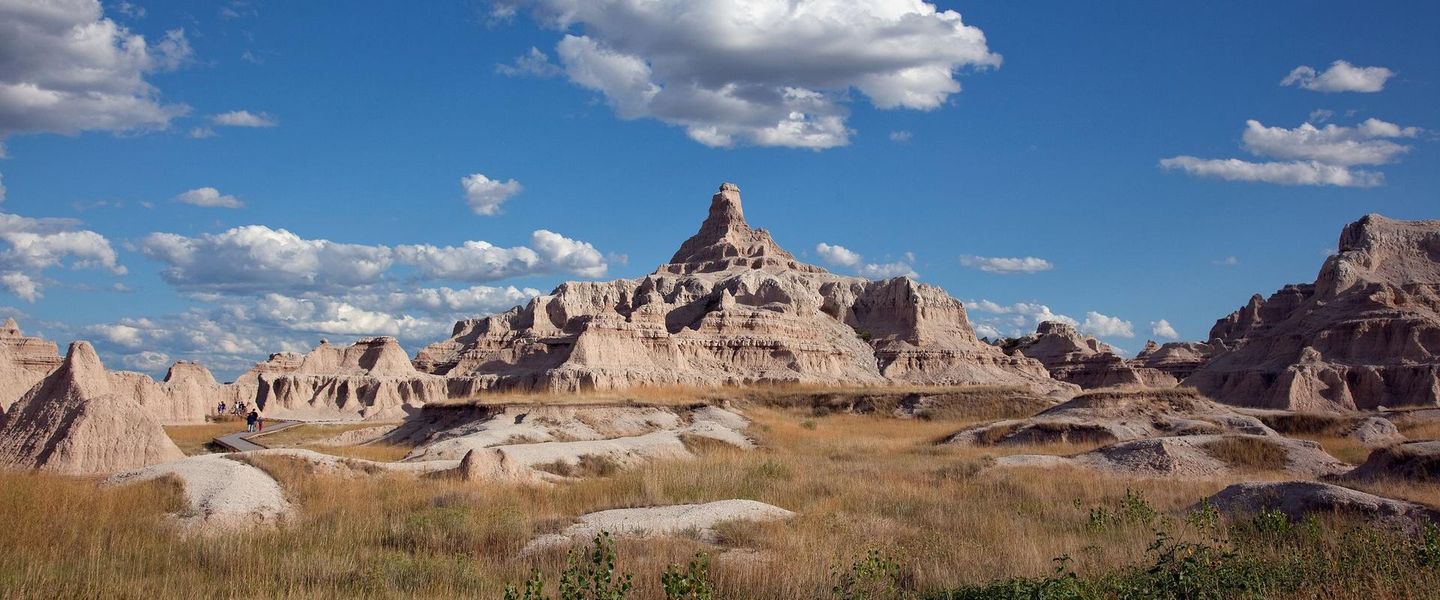


Explore South Dakota’s Great Plains for Missouri River landscapes, prairie history, Badlands geology, Indigenous culture and wide-open road journeys.
Read more about Great Plains
Getting to and around Great Plains
How to get there
Transportation
Top city travel guides in Great Plains
The cities of Great Plains, and the easiest places to base yourself.
-

-

-

-

-

-


Swipe for more cities
Destinations in Great Plains
Resorts, valleys and scenic spots worth a trip of their own.
-

-

-

-

-

-


Swipe for more destinations
Best attractions in Great Plains
South Dakota’s Great Plains offer a varied group of attractions rather than a single concentrated tourism circuit. The Missouri River and Lake Oahe provide opportunities for boating, fishing, camping and shoreline walks, with Pierre and Fort Pierre serving as useful centres for exploring the central river landscape. Museums and civic attractions add context: the South Dakota Cultural Heritage Center in Pierre interprets the state’s history, while Mitchell’s Corn Palace reflects the agricultural identity of the eastern plains through its changing exterior murals. In the west, Badlands National Park presents a dramatic contrast to the open grassland, with trails, overlooks and wildlife viewing among eroded formations. Minuteman Missile National Historic Site preserves Cold War launch and control facilities near the Badlands. Tribal museums and cultural institutions, including the Akta Lakota Museum and Cultural Center in Chamberlain, provide perspectives essential to the region’s history, though visitors should approach Indigenous places as living cultural settings. Scattered wildlife areas, reservoirs, small museums and historic communities reward slower road journeys, while the prairie itself is an attraction through birdwatching, photography, stargazing and long-distance scenic driving.
-
Park
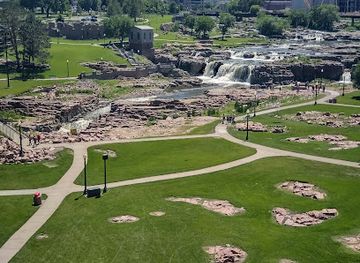
Falls Park
Explore the breathtaking beauty and rich history of Falls Park, a must-see destination in Sioux Falls, South Dakota, with stunning waterfalls and lush landscapes.
-
National forest
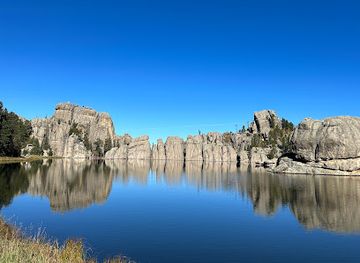
Black Hills National Forest
Discover the breathtaking beauty of Black Hills National Forest, a premier destination for nature lovers and adventure seekers in South Dakota.
-
Tourist attraction
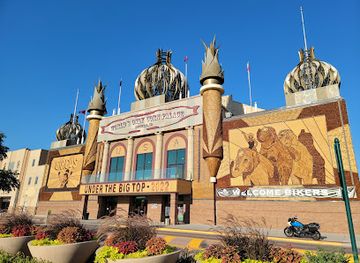
The World's Only Corn Palace
Explore the whimsical World's Only Corn Palace in Mitchell, South Dakota – a unique tribute to local agriculture and creativity with stunning corn murals.
-
Monument
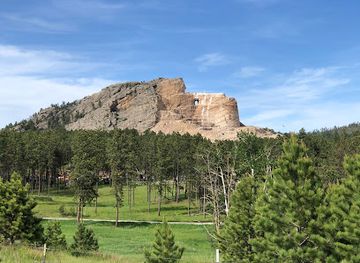
Crazy Horse Memorial
Discover the awe-inspiring Crazy Horse Memorial, a monumental tribute to Native American culture and history in the stunning Black Hills of South Dakota.
Best landmarks in Great Plains
The Missouri River is the defining natural landmark of South Dakota’s Great Plains, and the Oahe Dam and Lake Oahe demonstrate how twentieth-century engineering reshaped the river into a vast reservoir. Pierre’s South Dakota State Capitol is a prominent civic landmark, while the nearby Cultural Heritage Center provides context for the state’s political and cultural history. In Mitchell, the Corn Palace is an unusual piece of vernacular civic architecture whose exterior murals are renewed with agricultural materials, making it a symbol of the town’s relationship with farming. Fort Pierre’s historic association with river trade and frontier exchange reflects the Missouri corridor’s older importance. Farther west, the eroded buttes and pinnacles of Badlands National Park form the region’s most recognisable geological landscape. Minuteman Missile National Historic Site adds a stark Cold War landmark: launch and control installations preserved among working prairie and ranchland. The Akta Lakota Museum and Cultural Center in Chamberlain is also significant, presenting Indigenous art and history within the living context of the Oceti Sakowin.
-
Memorial park
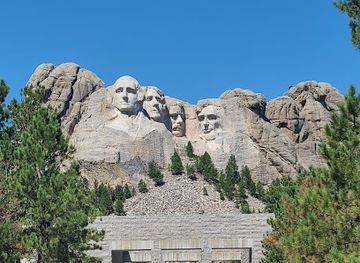
Mount Rushmore National Memorial
Experience the iconic Mount Rushmore National Memorial, a monumental tribute to American history and culture in the stunning Black Hills of South Dakota.
-
National park
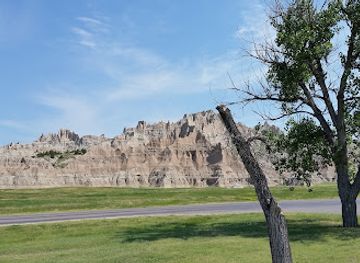
Badlands National Park
Discover the stunning landscapes and rich wildlife of Badlands National Park, a natural wonder in South Dakota that beckons outdoor enthusiasts and nature lovers.
-
Park
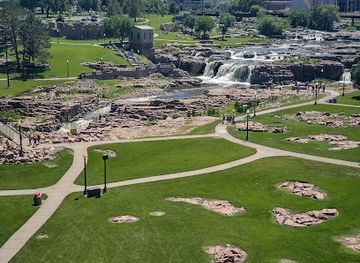
Falls Park
Experience the breathtaking beauty and tranquility of Falls Park in Sioux Falls, SD - a perfect blend of nature, history, and community events.
-
State park
Custer State Park
Explore the breathtaking landscapes and diverse wildlife of Custer State Park, a must-visit destination for nature lovers in South Dakota.
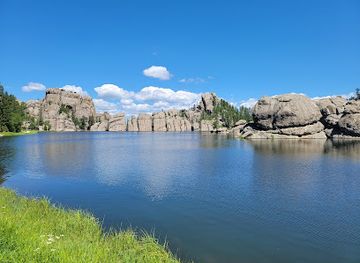
Explore Great Plains on the map
Plan your trip on one map. See where the top cities, national parks and sights are, and book hotels and experiences in a few clicks.
Best hotels in Great Plains
Best restaurants in Great Plains
Dining across the Great Plains of South Dakota is shaped by agricultural production, working towns and the practical demands of long-distance travel. In Pierre, Mitchell, Chamberlain, Rapid City’s nearby western gateway and other larger communities, visitors will find cafés, family restaurants, grills and contemporary dining alongside familiar American chains. Rural towns often rely on independent cafés, bakeries, diners and taverns where breakfast and hearty midday meals are important parts of the local rhythm. Beef, bison, poultry, sweetcorn, wheat-based baking and seasonal produce reflect the state’s farming and ranching economy, while freshwater fish from the Missouri River and reservoirs may appear on local menus. Chislic, cubes of seasoned red meat traditionally associated with South Dakota, is a regional food worth seeking, although recipes and preparation vary. Farmers’ markets and farm shops can offer honey, preserves, baked goods and locally produced meat when operating seasonally. Dining options become sparse between settlements, so road travellers should plan meals and opening times rather than relying on finding a restaurant at every stop.
-
Inn
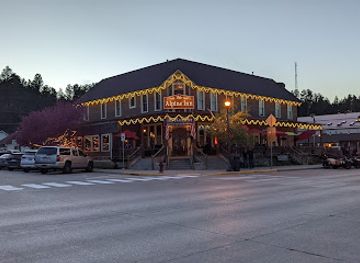
Alpine Inn
Discover unparalleled comfort and delightful dining at Alpine Inn in Hill City, South Dakota – your gateway to Black Hills adventures.
-
Breakfast
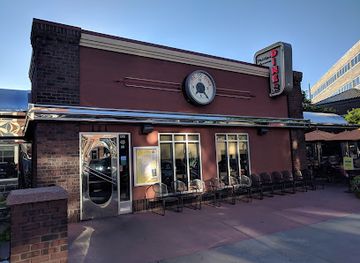
Phillips Avenue Diner
Experience classic American breakfasts at Phillips Avenue Diner in downtown Sioux Falls - a local favorite with delicious food and inviting charm.
-
American
Tally's Silver Spoon
Experience the best of American dining at Tally's Silver Spoon in Rapid City - where fresh ingredients meet exceptional flavors.
-
Restaurant
Minervas Restaurant
Discover fine dining at Minervas Restaurant in Sioux Falls – where exquisite flavors meet exceptional service.
Best bars in Great Plains
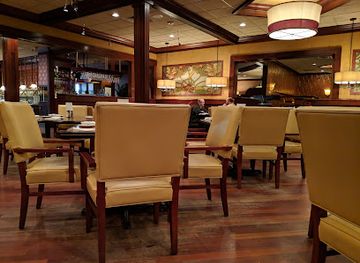
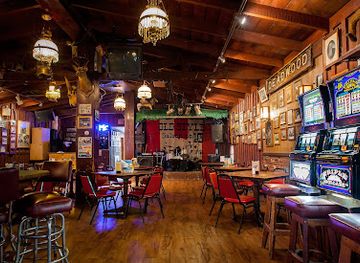
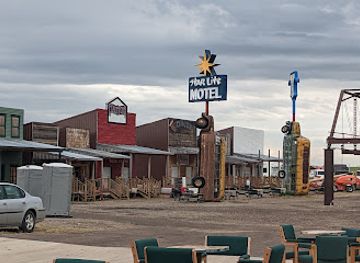
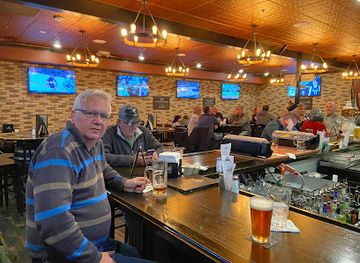
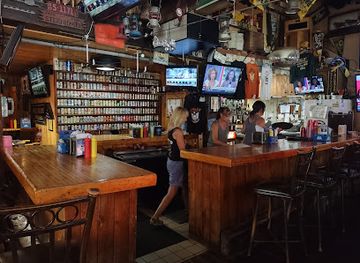
Evening life in South Dakota’s Great Plains is generally centred on traditional bars, restaurants, cafés, community events and live music rather than a large nightclub scene. Pierre, Mitchell, Chamberlain and Sioux Falls on the eastern edge offer the broadest choice of pubs, sports bars, breweries, theatre or music programming, while smaller prairie towns tend to have a handful of long-established local venues. In ranching and farming communities, bars can function as informal meeting places, but visitors should respect local privacy and avoid treating them as staged cultural attractions. Summer concerts, county fairs and seasonal community gatherings may bring more evening activity, though schedules vary from year to year. Around Lake Oahe, evenings often focus on campsites, boating and stargazing rather than organised nightlife. Alcohol service follows South Dakota law, and responsible driving is particularly important because distances between settlements can be substantial.
-
Bar
Saloon No. 10
Visit Saloon No. 10 in Deadwood for a genuine Old West experience with delicious steaks, lively music, and rich historical ambiance.
-
Bar
Full Throttle Saloon
Discover the vibrant atmosphere of Full Throttle Saloon, where live music, delicious food, and motorcycle culture come together in South Dakota.
-
Pub
Blarney Stone Pub - Sioux Falls
Experience the essence of Ireland at Blarney Stone Pub in Sioux Falls, offering authentic cuisine, craft beers, and live music in a vibrant atmosphere.
-
Bar
Lewie's Burgers & Brews
Experience the best burgers and brews in Lead, South Dakota, at Lewie's Burgers & Brews, where flavor meets fun in a vibrant atmosphere.
Best nightclubs in Great Plains
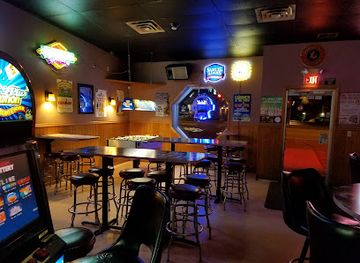
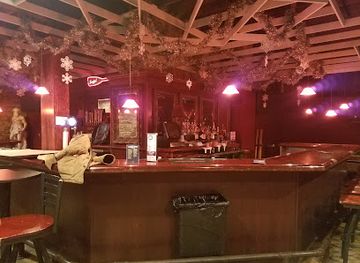
Evening life in South Dakota’s Great Plains is generally centred on traditional bars, restaurants, cafés, community events and live music rather than a large nightclub scene. Pierre, Mitchell, Chamberlain and Sioux Falls on the eastern edge offer the broadest choice of pubs, sports bars, breweries, theatre or music programming, while smaller prairie towns tend to have a handful of long-established local venues. In ranching and farming communities, bars can function as informal meeting places, but visitors should respect local privacy and avoid treating them as staged cultural attractions. Summer concerts, county fairs and seasonal community gatherings may bring more evening activity, though schedules vary from year to year. Around Lake Oahe, evenings often focus on campsites, boating and stargazing rather than organised nightlife. Alcohol service follows South Dakota law, and responsible driving is particularly important because distances between settlements can be substantial.
-
Night club
PAve
Discover the electrifying nightlife of Sioux Falls at PAve, where great food meets an unforgettable dance experience in a vibrant atmosphere.
-
Bar
Crow Bar & Casino Lounge
Discover the lively ambiance of Crow Bar & Casino Lounge in Sioux Falls, where great drinks, gaming, and entertainment come together for an unforgettable experience.
-
Night club
Club David
Dive into the vibrant nightlife of Sioux Falls at Club David, where music, drinks, and energy create unforgettable nights.
-
Night club
Scarlett O'Haras Gentlemen's Club
Discover the vibrant nightlife at Scarlett O'Hara's Gentlemen's Club in Sioux Falls, where entertainment, dance, and excitement await you.


Best shops in Great Plains
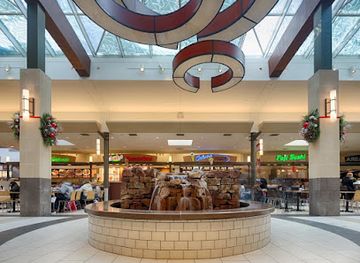
Shopping in the Great Plains is concentrated in small-town main streets, regional service centres, visitor institutions and seasonal markets rather than extensive retail districts. Pierre and Mitchell offer the broadest everyday choice, including clothing, books, outdoor equipment, art, gifts and practical supplies for road journeys. The Corn Palace and other established attractions sell locally themed souvenirs, while museums and cultural centres can provide more considered sources of books, artwork and educational material. Look for beadwork, prints, pottery, textiles and contemporary Indigenous art through reputable tribal institutions and artists, taking care not to buy falsely labelled or mass-produced items presented as Native-made. Farmers’ markets and farm shops may offer honey, preserves, baked goods, meat and seasonal produce, particularly in warmer months. Along the Missouri River and near the Badlands, independent galleries, craft outlets and outdoor shops reflect the landscape and recreation economy. Retail hours can be limited outside larger towns, and many rural businesses operate seasonally, so purchase essentials before leaving a regional centre.
-
Shopping mall
The Empire Mall
Explore The Empire Mall in Sioux Falls - the ultimate shopping destination with diverse stores, dining options, and entertainment for all ages.
-
Zoo
Great Plains Zoo
Experience the beauty of wildlife and family fun at Great Plains Zoo, a premier destination in Sioux Falls, South Dakota.
-
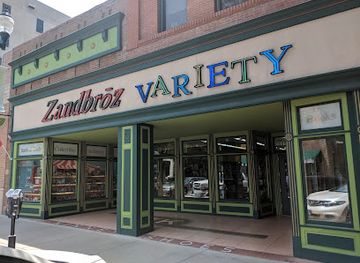
Book store
Zandbroz Variety
Discover unique books and local treasures at Zandbroz Variety, a charming bookstore in downtown Sioux Falls, South Dakota.
-
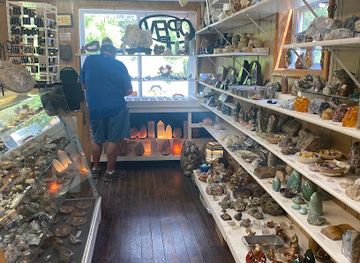
Rock shop
Rock Shed
Explore Rock Shed, a gem-filled rock shop in Keystone, SD, where geology enthusiasts and casual visitors alike can find unique treasures from nature.
Get your free copy of our complete guide to Great Plains, delivered straight to you.
Everything on this page, from attractions and restaurants to essentials and local phrases, in one PDF you can read offline, print or share.
Already have an account? Sign in
Your Great Plains guide is ready.
We'll send it to · Not you? Sign out

Getting your guide ready…
We are putting together a fresh copy of the Great Plains guide. This can take up to a minute.
This can take a few moments. If your browser asks, choose Allow so the download can start. You'll find the guide in your Downloads folder.
Nothing happened? Download it again
Sorry, the guide is taking longer than usual. Please try again in a minute, or get it by email instead.
Great Plains essentials
Currency and Payment
Safety
Emergency Situations
Do's and Don'ts
Local Tips
From Eve
Local phrases worth knowing
You don't need to get them perfect. A few words go a long way, and locals appreciate the effort.
Basics
| English | Local | Say it |
|---|---|---|
| Hello | Howdy | [haʊdi] |
| Goodbye | See you later | [si ju ˈleɪtər] |
| Yes | Yep | [jɛp] |
| No | Nah | [nɑ] |
| Please/You're welcome | No problem | [noʊ ˈprɑbləm] |
| Thank you | Thanks | [θæŋks] |
| Excuse me/Sorry | Pardon me | [ˈpɑrdən mi] |
| How are you? | How's it going? | [haʊz ɪt ˈgoʊɪŋ] |
| Fine. And you? | Good. You? | [gʊd. ju?] |
| Do you speak English? | Do ya speak English? | [du jə spiːk ˈɪŋɡlɪʃ] |
| I don't understand | I don't get it | [aɪ doʊnt ɡɛt ɪt] |
Eating & Drinking
| English | Local | Say it |
|---|---|---|
| I'd like to see the menu, please | Can I see the menu? | [kæn aɪ si ðə ˈmɛnju] |
| I don't eat meat | I'm a vegetarian | [aɪm ə ˌvɛdʒəˈtɛriən] |
| Cheers! | Cheers! | [ʧɪrz] |
| I would like to pay, please | Can I get the check? | [kæn aɪ ɡɛt ðə ʧɛk] |
Emergencies
| English | Local | Say it |
|---|---|---|
| Help! | Help! | [hɛlp] |
| Go away! | Get lost! | [ɡɛt lɔst] |
| Call the Police! | Call the cops! | [kɔl ðə kɑps] |
| Call a doctor! | Get me a doctor! | [ɡɛt mi ə ˈdɑktər] |
| I'm lost | I'm lost | [aɪm lɔst] |
| I'm ill | I'm not feeling well | [aɪm nɑt ˈfiːlɪŋ wɛl] |
Shopping
| English | Local | Say it |
|---|---|---|
| I'd like to buy... | I wanna buy... | [aɪ ˈwɑnə baɪ] |
| I'm just looking | Just browsing | [dʒʌst ˈbraʊzɪŋ] |
| How much is it? | What's the price? | [wʌts ðə praɪs] |
| That's too expensive | That's pricey | [ðæts ˈpraɪsi] |
| Can you lower the price? | Can ya give me a deal? | [kæn jə ɡɪv mi ə diːl] |
Time & Numbers
| English | Local | Say it |
|---|---|---|
| What time is it? | What's the time? | [wʌts ðə taɪm] |
| It's one o'clock | It's one | [ɪts wʌn] |
| Half past (10) | Half past ten | [hæf pæst tɛn] |
| Morning | Morning | [ˈmɔrnɪŋ] |
| Afternoon | Afternoon | [ˌæftərˈnun] |
| Evening | Evening | [ˈivnɪŋ] |
| Yesterday | Yesterday | [ˈjɛstərdeɪ] |
| Today | Today | [təˈdeɪ] |
| Tomorrow | Tomorrow | [təˈmɔroʊ] |
| 1 | One | [wʌn] |
| 2 | Two | [tu] |
| 3 | Three | [θri] |
| 4 | Four | [fɔr] |
| 5 | Five | [faɪv] |
| 6 | Six | [sɪks] |
| 7 | Seven | [ˈsɛvən] |
| 8 | Eight | [eɪt] |
| 9 | Nine | [naɪn] |
| 10 | Ten | [tɛn] |
Transport & Directions
| English | Local | Say it |
|---|---|---|
| Where's a/the...? | Where's the...? | [wɛrz ðə...?] |
| What's the address? | What's the address? | [wʌts ði əˈdrɛs] |
| Can you show me (on the map)? | Can you point it out? | [kæn jə pɔɪnt ɪt aʊt] |
| When's the next (bus)? | When's the next bus? | [wɛn'z ðə nɛkst bʌs] |
| A ticket (to ....) | A ticket to... | [ə ˈtɪkɪt tʊ...] |
History of Great Plains
Ancient Plains and Indigenous Homelands
Archaeological evidence records thousands of years of human presence across South Dakota’s plains, including hunting, gathering and later farming communities shaped by the Missouri River and its tributaries. In historic times the region became central to the homelands of Dakota, Lakota and Nakota peoples, collectively known as the Oceti Sakowin. Their relationships with bison, rivers and grasslands remain essential to understanding the region. Indigenous history is not confined to the past: tribal governments, communities, languages, religious traditions and cultural institutions continue to shape South Dakota’s Great Plains today.
The Missouri River and Early Encounters
The Missouri River served as a major corridor for Indigenous diplomacy, trade and travel before European-American expansion. The Lewis and Clark expedition passed through the region in 1804 and 1806, recording landscapes and encounters that later influenced United States policy, though its journey took place within already inhabited Indigenous territories. Fur traders, military expeditions and government officials subsequently used the river route. Fort Pierre developed near an important trading area, reflecting the river’s continuing importance as a meeting point between Indigenous communities and newcomers.
Treaties, Conflict and Territorial Change
During the nineteenth century, United States expansion brought treaty negotiations, military conflict and the progressive loss of Indigenous land. The Fort Laramie treaties and later federal actions profoundly affected the Lakota and other Oceti Sakowin nations, while the Black Hills gold rush intensified pressure across the wider region. South Dakota’s Great Plains also formed part of the setting for the Indian Wars and the violent suppression of Indigenous resistance. The consequences remain visible in reservation geography, legal disputes, memorial landscapes and the political life of tribal nations.
Dakota Territory, Railways and Homesteading
The creation of Dakota Territory in 1861 and the arrival of railways accelerated non-Indigenous settlement across the plains. Rail connections opened markets for grain, livestock and manufactured goods, while federal homestead policies encouraged farming on land whose ownership and availability were contested. Towns such as Mitchell expanded as agricultural and transport centres, and Pierre gained political importance when South Dakota became a state in 1889. The resulting settlement pattern—small towns, isolated farms, ranches and long road links—still defines much of the region.
Agriculture, Ranching and Prairie Adaptation
Wheat, corn, cattle and other agricultural activities became central to the economy of the South Dakota plains, but farming was always shaped by drought, harsh winters, erosion and fluctuating commodity prices. The Dust Bowl era of the 1930s exposed the vulnerability of poorly protected soils and contributed to major changes in land management. Shelterbelts, conservation practices and adjustments in livestock and crop production helped communities adapt. Today, large-scale agriculture coexists with family farms, ranches, wildlife habitat and recreation around the Missouri River reservoirs.
Dams, Reservoirs and the Missouri River
The large dams built on the Missouri River during the twentieth century transformed transport, flood management, power generation and local economies. The Oahe Dam, completed in the 1960s north of Pierre, created Lake Oahe, one of the country’s major reservoirs. These projects also submerged landscapes, altered river ecology and affected Indigenous communities whose treaty rights and lands were already under pressure. The reservoir shoreline now supports fishing, boating and camping, while the river’s engineered history remains an important part of South Dakota’s modern development.
The Cold War on the High Prairie
From the 1960s until the end of the Cold War, underground missile facilities and launch-control sites formed part of the United States’ nuclear deterrent across the northern Great Plains. Minuteman Missile National Historic Site preserves a launch facility and a former missile field near the South Dakota Badlands, interpreting the extraordinary contrast between quiet ranch country and the global tension of the period. Its surviving structures demonstrate how remote prairie locations became strategically significant in twentieth-century international politics.
Great Plains in Photos
Browse through our photo collection highlighting the charm and character of the destination.
Neighbouring regions of Great Plains
The closest regions to Great Plains, if you have time for more than one.
-

-

-

-

-


Swipe for more regions
Explore more

Explore more of South Dakota
Discover South Dakota: From the iconic Mount Rushmore and Crazy Horse Memorial to the stunning Badlands and charming small towns, it's a land of history and natural beauty.
Explore South Dakota