

Free James River Valley Travel Guide & Mobile App
Explore James River Valley with free travel guides. Discover regional history, expert tips, proposed trips, and audio guides on web or mobile app.


Explore South Dakota’s James River Valley for prairie landscapes, river towns, Native and territorial history, museums, fairs and open-road travel.
Read more about James River Valley
Getting to and around James River Valley
How to get there
Transportation
Top city travel guides in James River Valley
The cities of James River Valley, and the easiest places to base yourself.
-

-

-

-

-


Swipe for more cities
Destinations in James River Valley
Resorts, valleys and scenic spots worth a trip of their own.
-
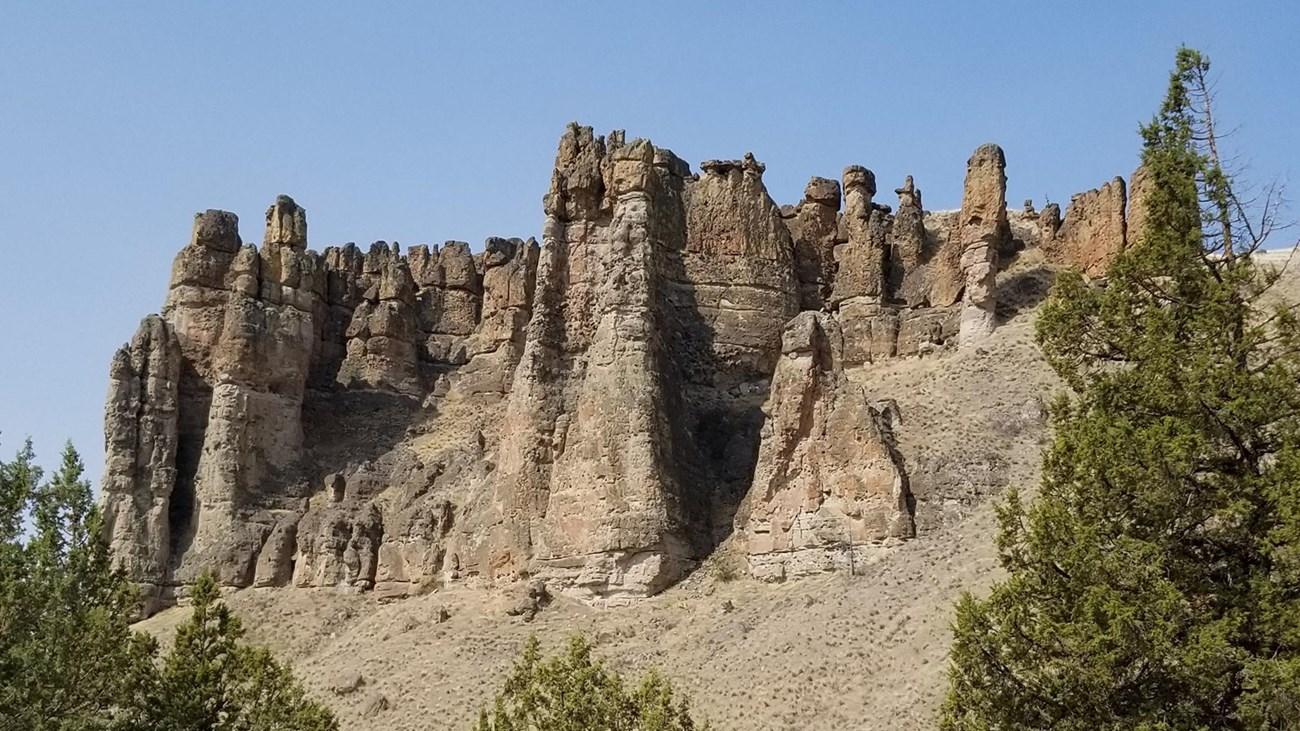 Palisades State Park
 in South Dakota features quartzite cliffs, the Split Rock River, hiking, camping, climbing and scenic landscapes near Garretson and Sioux Falls.
Palisades State Park
Palisades State Park in South Dakota features quartzite cliffs, the Split Rock River, hiking, camping, climbing and scenic landscapes near Garretson and Sioux Falls.
-

-

-

-

-


Swipe for more destinations
Best attractions in James River Valley
Attractions in the James River Valley combine regional history with outdoor landscapes and the civic institutions of prairie towns. Mitchell’s Corn Palace is the best-known stop, its changing agricultural murals making it both a public building and a statement of local identity. Huron’s South Dakota State Fairgrounds become a major focus during the annual fair, while museums and historic districts across the valley explain settlement, transport, farming and community life. Yankton offers riverfront recreation and access to the Missouri River landscape, although the city’s historical importance is also a reason to visit. In the northern valley, Aberdeen provides museums, galleries, parks and cultural venues suited to a longer stay. Between the towns, the James River corridor supports fishing, boating, birdwatching, photography and quiet drives through open farmland. Wetlands, shelterbelts and wooded river margins are especially valuable for observing prairie wildlife, but access varies by ownership and season. The region is less about a dense concentration of ticketed attractions than about connecting museums, fairgrounds, river parks and small-town heritage into a practical road itinerary.
-
Tourist attraction
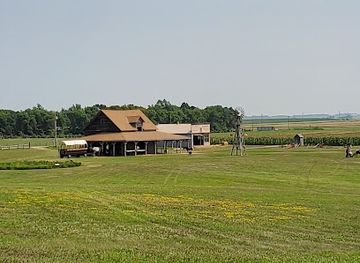
Ingalls Homestead
Explore the enchanting Ingalls Homestead in De Smet, SD, a historical gem celebrating the life of Laura Ingalls Wilder and pioneer heritage.
-
Tourist attraction
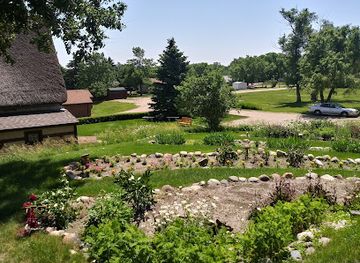
Shakespeare Garden & Anne Hathaway Cottage
Discover the beauty of nature and literature at the Shakespeare Garden & Anne Hathaway Cottage in Wessington Springs, SD.
Best landmarks in James River Valley
The Corn Palace in Mitchell is the James River Valley’s most recognisable landmark. Its elaborate exterior decoration, renewed periodically with corn, grain and other natural materials, expresses the agricultural identity of the town while functioning as a civic and entertainment venue. In Yankton, the Meridian Bridge is a prominent historic crossing of the Missouri River and a reminder of the transport links that connected southeastern South Dakota with neighbouring states; the city’s historical importance also appears in its older civic and commercial buildings. Huron’s grain elevators and fairground landscape reflect the town’s role in farming and regional events, while Aberdeen’s historic downtown and public institutions mark its position as a northern commercial centre. Along the river itself, the most characteristic landmarks are often natural: wooded bends, low floodplain horizons, wetlands and bridges reached by country roads. These features lack the monumentality of a castle or mountain, but they explain the valley’s geography and the way its settlements developed.
-
National reserve
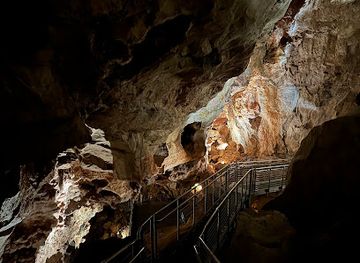
Jewel Cave National Monument
Explore the captivating Jewel Cave National Monument in South Dakota, a geological wonder with stunning formations and scenic trails perfect for adventurers.
-
Tourist attraction
Ingalls Homestead
Explore the historical Ingalls Homestead and experience the life of Laura Ingalls Wilder in the heart of South Dakota's prairie landscape.
-
Tourist attraction
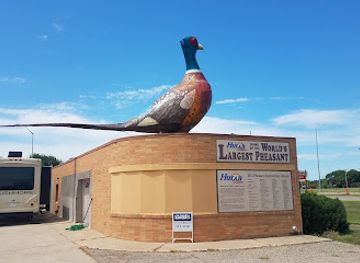
World's Largest Pheasant
Discover the quirky charm of the World's Largest Pheasant in Huron, South Dakota—an iconic roadside attraction celebrating local culture and heritage.
-
 Historical landmark
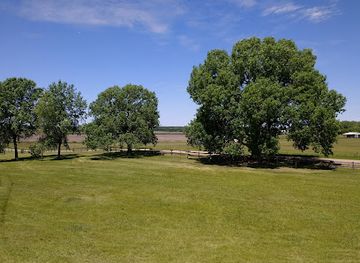
James River @ The Border of North and South Dakota
Explore the historical significance and natural beauty of the James River, a serene landmark at the border of North and South Dakota.
Explore James River Valley on the map
Plan your trip on one map. See where the top cities, national parks and sights are, and book hotels and experiences in a few clicks.
Best hotels in James River Valley
Best restaurants in James River Valley
Dining in the James River Valley reflects South Dakota’s agricultural setting and the practical role of its towns as service centres. Mitchell, Huron, Yankton and Aberdeen offer the broadest choice, from family restaurants, cafés and bakeries to steakhouses, contemporary dining rooms and international cuisines. Local menus commonly draw on beef, pork, poultry, potatoes, corn and other products associated with the northern Great Plains, while breakfast cafés and traditional American diners remain useful for travellers on the road. Seasonal fairs and community events may bring food stalls, baked goods and locally produced items, and farmers’ markets can provide a more direct connection with regional growers when operating. The valley is not a single food destination with one defining dish; its culinary character lies in the relationship between farm production, long-established town restaurants and modern businesses serving residents, students, workers and visitors. Portions, service customs and tipping follow wider United States practice.
-
Bar
JL Beers
Discover JL Beers: A lively bar & grill in Sioux Falls offering gourmet burgers and an impressive craft beer selection.
-
American
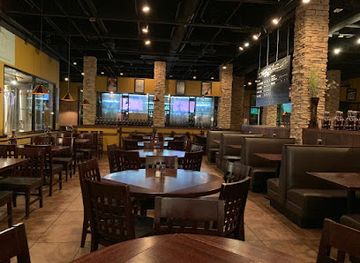
Granite City Food & Brewery
Discover the vibrant atmosphere and delicious American cuisine at Granite City Food & Brewery in Sioux Falls.

Best bars in James River Valley
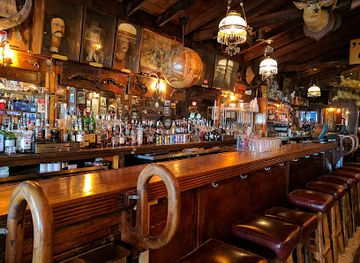
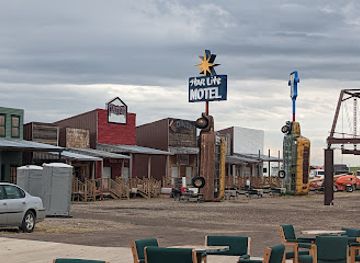
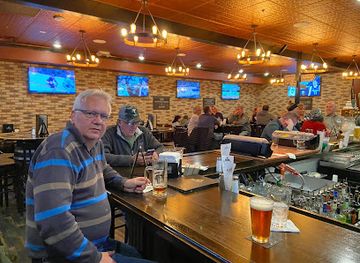
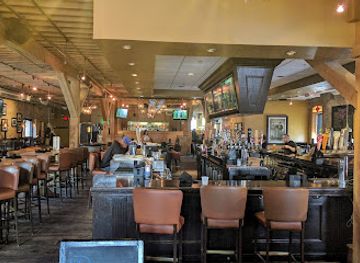
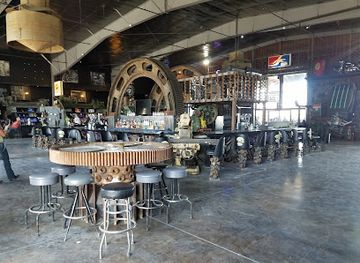
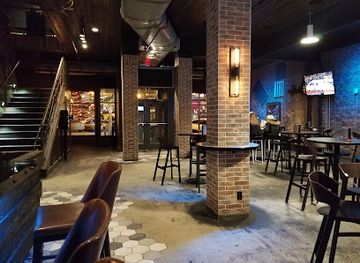
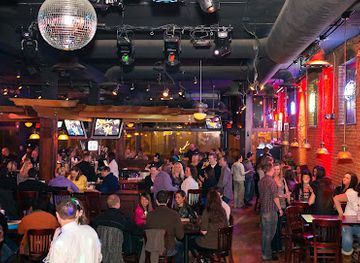
Evening life in the James River Valley is centred on town restaurants, traditional bars, breweries where available, live music, sporting events and community gatherings rather than a large nightclub circuit. Yankton has the strongest river-town leisure setting, while Mitchell, Huron and Aberdeen provide the widest range of established pubs, casual bars and evening dining. Aberdeen’s student population contributes to a more active late-evening scene during the academic year, although the atmosphere remains that of a regional South Dakota city rather than a major entertainment centre. Smaller communities generally rely on local bars, social clubs and seasonal events, and closing times and programmes vary. Visitors should check current arrangements locally rather than assume that a venue or event operates year-round. Responsible drinking, a designated driver and advance planning are particularly important when accommodation lies outside the main town.
-
Bar
Saloon No. 10
Discover the Old West at Saloon No. 10, a lively bar and steakhouse in Deadwood, where history meets hearty meals and live entertainment.
-
Bar
Full Throttle Saloon
Discover the exhilarating atmosphere of Full Throttle Saloon, where live music, great food, and motorcycle culture come together in South Dakota.
-
Pub
Blarney Stone Pub - Sioux Falls
Discover the vibrant atmosphere of Blarney Stone Pub in Sioux Falls, where authentic Irish cuisine meets a lively social scene.
-
Bar
Murphy's Pub & Grill
Experience local flavors and vibrant atmosphere at Murphy's Pub & Grill in Rapid City, your go-to destination for delicious pub fare and craft drinks.
Best nightclubs in James River Valley
-
Bar
Full Throttle Saloon
Discover the vibrant spirit of motorcycle culture at Full Throttle Saloon in Vale, South Dakota, where music, food, and fun unite.
-
Night club
PAve
Discover the heart of Sioux Falls nightlife at PAve, where bar, restaurant, and club converge for an unforgettable experience.
-
Night club
Wileys Bar
Experience the vibrant nightlife at Wileys Bar in Sioux Falls, where live music, delicious food, and a lively atmosphere await.
-
Night club
Lucky's
Discover Lucky's, the ultimate night club in Sioux Falls, where fun, delicious pizza, and vibrant nightlife come together for an unforgettable experience.
Best shops in James River Valley
Shopping in the James River Valley is concentrated in the principal towns, where visitors will find practical retail, independent businesses, antique shops, galleries, bookstores, supermarkets and locally oriented gift shops. Mitchell’s Corn Palace provides the most obvious source of themed souvenirs, while Huron, Yankton and Aberdeen have distinct downtown and commercial areas suited to browsing between other stops. Farmers’ markets and seasonal community events may offer produce, preserves, baked goods, crafts and handmade items, but their dates and scale vary through the year. Regional purchases often include South Dakota-themed goods, Native-inspired products from reputable sellers, prairie artwork, local food products, books about Dakota and territorial history, and practical outdoor clothing. Rural communities are better for occasional specialist finds than for extensive retail, so visitors should buy essentials in the larger towns and check opening arrangements before detouring to a small market or independent shop.
-
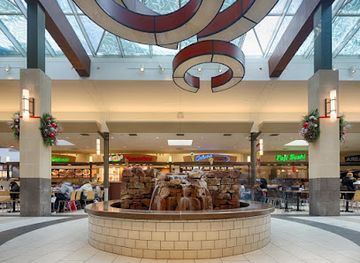
Shopping mall
The Empire Mall
Discover the ultimate shopping experience at The Empire Mall in Sioux Falls, featuring over 150 stores, dining options, and entertainment for the whole family.
-
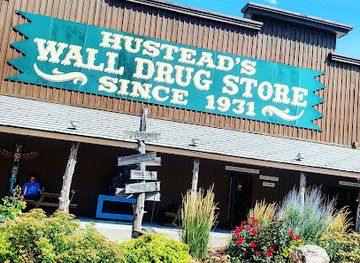
Gift shop
Wall Drug Store
Experience the charm and quirkiness of Wall Drug Store in South Dakota, a unique blend of shopping, dining, and cultural attractions that delight all visitors.
-
Department store
Walmart Supercenter
Discover Walmart Supercenter in Mitchell, SD – your ultimate shopping destination for groceries, clothing, electronics, and more at unbeatable prices.
-
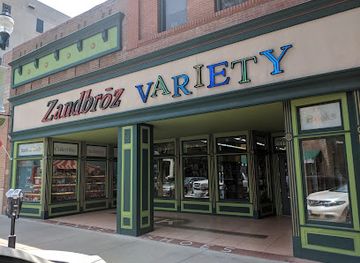
Book store
Zandbroz Variety
Explore the charm of Zandbroz Variety, a unique bookstore in downtown Sioux Falls that offers a wide range of books, gifts, and local art.
Get your free copy of our complete guide to James River Valley, delivered straight to you.
Everything on this page, from attractions and restaurants to essentials and local phrases, in one PDF you can read offline, print or share.
Already have an account? Sign in
Your James River Valley guide is ready.
We'll send it to · Not you? Sign out

Getting your guide ready…
We are putting together a fresh copy of the James River Valley guide. This can take up to a minute.
This can take a few moments. If your browser asks, choose Allow so the download can start. You'll find the guide in your Downloads folder.
Nothing happened? Download it again
Sorry, the guide is taking longer than usual. Please try again in a minute, or get it by email instead.
James River Valley essentials
Currency and Payment
Safety
Emergency Situations
Do's and Don'ts
Local Tips
From Eve
Local phrases worth knowing
You don't need to get them perfect. A few words go a long way, and locals appreciate the effort.
Basics
| English | Local | Say it |
|---|---|---|
| Hello | Howdy | [haʊ.di] |
| Goodbye | See ya later | [si jə ˈleɪ.tər] |
| Yes | Yup | [jʌp] |
| No | Nope | [noʊp] |
| Please/You're welcome | Please/No problem | [pliz/ˈnoʊ ˈprɑː.bləm] |
| Thank you | Thanks a lot | [θæŋks ə lɑt] |
| Excuse me/Sorry | Pardon me/Sorry | [ˈpɑːr.dən mi/ˈsɔːr.i] |
| How are you? | How's it going? | [haʊz ɪt ˈgoʊ.ɪŋ] |
| Fine. And you? | Good. And you? | [gʊd/ænd ju] |
| Do you speak English? | Do ya speak English? | [du jə spiːk ˈɪŋ.ɡlɪʃ] |
| I don't understand | I ain't following | [aɪ eɪnt ˈfɑː.loʊ.ɪŋ] |
Eating & Drinking
| English | Local | Say it |
|---|---|---|
| I'd like to see the menu, please | Can I see the menu, please? | [kæn aɪ si ðə ˈmɛn.ju pliz] |
| I don't eat meat | I don't do meat | [aɪ doʊnt du miːt] |
| Cheers! | Cheers! | [tʃɪrz] |
| I would like to pay, please | Can I get the check, please? | [kæn aɪ gɛt ðə tʃɛk pliz] |
Emergencies
| English | Local | Say it |
|---|---|---|
| Help! | Help! | [hɛlp] |
| Go away! | Leave me alone! | [liːv mi əˈloʊn] |
| Call the Police! | Call the cops! | [kɔl ðə kɑps] |
| Call a doctor! | Get a doctor! | [ɡɛt ə ˈdɒk.tər] |
| I'm lost | I'm turned around | [aɪm tɜrnd əˈraʊnd] |
| I'm ill | I'm not feeling well | [aɪm nɑt ˈfiː.lɪŋ wɛl] |
Shopping
| English | Local | Say it |
|---|---|---|
| I'd like to buy... | I want to buy... | [aɪ wɑnt tu baɪ] |
| I'm just looking | Just browsing | [dʒʌst ˈbraʊ.zɪŋ] |
| How much is it? | What's the price? | [wʌts ðə praɪs] |
| That's too expensive | That's a bit pricey | [ðæts ə bɪt ˈpraɪ.si] |
| Can you lower the price? | Can ya bring the price down? | [kæn jə brɪŋ ðə praɪs daʊn] |
Time & Numbers
| English | Local | Say it |
|---|---|---|
| What time is it? | What time ya got? | [wʌt taɪm jə ɡɑt] |
| It's one o'clock | It's one | [ɪts wʌn] |
| Half past (10) | Half past ten | [hæf pæst tɛn] |
| Morning | Morning | [ˈmɔːrnɪŋ] |
| Afternoon | Afternoon | [ˌæf.təˈnuːn] |
| Evening | Evening | [ˈiːv.nɪŋ] |
| Yesterday | Yesterday | [ˈjɛs.tər.deɪ] |
| Today | Today | [təˈdeɪ] |
| Tomorrow | Tomorrow | [təˈmɔː.roʊ] |
| 1 | One | [wʌn] |
| 2 | Two | [tuː] |
| 3 | Three | [θriː] |
| 4 | Four | [fɔːr] |
| 5 | Five | [faɪv] |
| 6 | Six | [sɪks] |
| 7 | Seven | [ˈsɛv.ən] |
| 8 | Eight | [eɪt] |
| 9 | Nine | [naɪn] |
| 10 | Ten | [tɛn] |
Transport & Directions
| English | Local | Say it |
|---|---|---|
| Where's a/the...? | Where's the...? | [wɛrz ðə] |
| What's the address? | What's the address? | [wʌts ði ˈæd.res] |
| Can you show me (on the map)? | Can ya point it out? | [kæn jə pɔɪnt ɪt aʊt] |
| When's the next (bus)? | When's the next bus? | [wɛn's ðə nɛkst bʌs] |
| A ticket (to ....) | A ticket to ... | [ə ˈtɪk.ɪt tu] |
History of James River Valley
Dakota Homelands and River Connections
The James River Valley lies within the historic homelands of Dakota peoples, whose communities, travel routes and seasonal economies were connected to the river, prairie and surrounding waterways. The river’s Dakota name, Inyan Wakpa, is commonly translated as Stone River. Hunting, gathering, agriculture and trade all formed part of life on the plains, and the valley’s geography remained important long before American settlement. Visitors should understand the region not simply as an empty frontier later occupied by newcomers, but as a landscape with deep Indigenous history that continues through Dakota communities and cultural traditions in South Dakota.
The Lewis and Clark Era, 1804–1806
The lower James River Valley became part of the wider story of the Lewis and Clark Expedition, which travelled the Missouri River during its exploration of the newly acquired western territories. The expedition’s encounters with Dakota leaders and communities reflected the diplomatic and commercial importance of the Missouri corridor. Modern Yankton and the surrounding river country are therefore associated with early nineteenth-century American exploration, although the expedition’s route followed the Missouri rather than travelling through the entire James River Valley. Its legacy is interpreted through regional heritage sites and the broader Missouri River landscape.
Treaties and the Creation of Dakota Territory
Treaty-making and federal expansion transformed the political geography of the region during the nineteenth century. The Treaty of 1858 with Yankton Dakota leaders preceded the opening of much of the surrounding area to non-Indigenous settlement, while the Dakota Territory was organised in 1861. Yankton became the territorial capital and an important administrative centre before the capital moved to Bismarck in 1883. These changes brought courts, land offices, military authority and increasing pressure on Indigenous lands, leaving a complex legacy that remains essential to understanding the valley’s early settlement history.
Railways and Prairie Towns
Railway construction in the late nineteenth century encouraged the growth of towns along and near the James River. Rail connections made it easier to move settlers, machinery, grain and livestock, and they established the commercial pattern still visible in many valley communities. Yankton, Mitchell, Huron and Aberdeen developed as service, trading or administrative centres, while smaller settlements depended on depots, elevators, general stores and agricultural businesses. Main Streets, former railway corridors, grain facilities and early civic buildings provide reminders of the period when rail access determined whether a prairie settlement expanded or declined.
Agriculture and the Settled Prairie
Agriculture became the enduring economic foundation of the James River Valley. Wheat, corn, soybeans, livestock and hay have all contributed to the region’s rural economy, with production shaped by rainfall, soils, market prices and advances in machinery. The valley’s towns grew as places where farmers obtained supplies, sold produce, attended schools and participated in civic organisations. Its landscape of large fields, shelterbelts, farmsteads and grain infrastructure is therefore not incidental scenery but the visible result of more than a century of settlement and adaptation on the northern Great Plains.
Floods, Water Management and the Modern Valley
The James River is a relatively slow-moving prairie river, and flooding has periodically affected communities, farmland and transport routes. The twentieth century brought improved forecasting, drainage works, reservoirs and other efforts to manage water, while severe floods demonstrated the limits of engineering on a broad, low-gradient river. Today the valley continues to balance agricultural production, wildlife habitat, recreation and flood management. Public parks, wetlands and river corridors offer opportunities for fishing and birdwatching, while changing weather patterns keep water and seasonal conditions central to local planning.
Public Festivals and Regional Cultural Life
Community events became important expressions of identity as the valley’s towns matured. Mitchell’s Corn Palace, first developed in the late nineteenth century and repeatedly rebuilt, turned agricultural display into an architectural and civic tradition. Huron’s South Dakota State Fair became a major annual gathering focused on agriculture, livestock, entertainment and South Dakota community life. These institutions show how local culture has combined practical rural concerns with public spectacle, helping the James River Valley maintain a strong regional identity in a state where towns are widely separated.
James River Valley in Photos
Browse through our photo collection highlighting the charm and character of the destination.
Neighbouring regions of James River Valley
The closest regions to James River Valley, if you have time for more than one.
-

-

-

-

-


Swipe for more regions
Explore more

Explore more of South Dakota
Discover South Dakota: From the iconic Mount Rushmore and Crazy Horse Memorial to the stunning Badlands and charming small towns, it's a land of history and natural beauty.
Explore South Dakota