

Free Badlands Travel Guide & Mobile App
Explore Badlands with free travel guides. Discover regional history, expert tips, proposed trips, and audio guides on web or mobile app.


Explore South Dakota’s Badlands for layered rock formations, fossil history, prairie wildlife, dark skies and memorable drives near the Black Hills.
Read more about Badlands
Getting to and around Badlands
How to get there
Transportation
Destinations in Badlands
Resorts, valleys and scenic spots worth a trip of their own.

Swipe for more destinations
Best attractions in Badlands
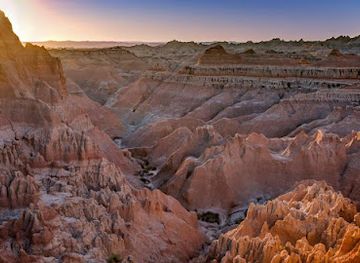
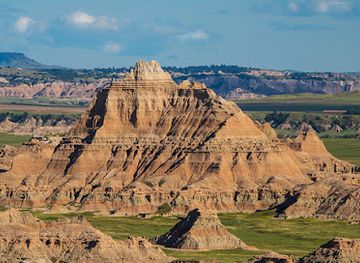
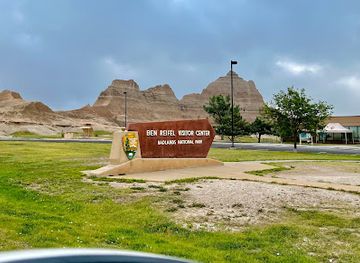
The principal attraction is Badlands National Park, whose Loop Road links a succession of overlooks, trailheads and short walks through sharply eroded formations. Door, Window, Notch and Castle trails reveal different aspects of the terrain, while the Fossil Exhibit Trail interprets the extinct animals preserved in the exposed sediments. The Ben Reifel Visitor Center provides geological and palaeontological context during its operating season. Wildlife watching is a major part of the experience: bison, bighorn sheep, pronghorn, coyotes and prairie dogs inhabit the park and surrounding grasslands, although sightings are never guaranteed. Buffalo Gap National Grassland extends the open-country experience beyond the park, with fewer facilities and a stronger sense of working prairie. The Stronghold Unit offers a more remote landscape and important Indigenous associations, but visitors should prepare carefully and confirm access information. Near the park, the Minuteman Missile National Historic Site is outside the Badlands region in a precise geographical sense, yet is a highly relevant nearby excursion for understanding the Cold War landscape. Stargazing, photography, birdwatching and scenic driving are especially rewarding because development and artificial light remain limited.
-
Tourist attraction
Badlands National Park
Explore the breathtaking landscapes and rich wildlife of Badlands National Park in South Dakota, an essential stop for nature lovers and adventure seekers alike.
-
Tourist attraction
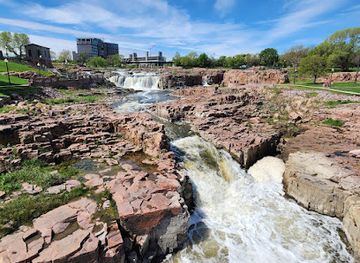
Falls Park
Discover the breathtaking waterfalls and lush landscapes of Falls Park, a premier tourist attraction in Sioux Falls, South Dakota.
-
Tourist attraction
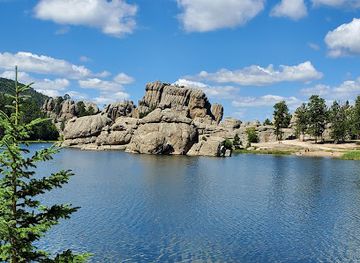
Custer State Park
Discover the breathtaking beauty of Custer State Park, a premier destination for wildlife viewing, hiking, and scenic drives in South Dakota.
-
Tourist attraction
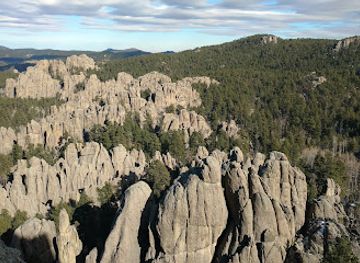
Black Hills National Forest
Explore the breathtaking landscapes and rich history of Black Hills National Forest, a natural wonder in South Dakota perfect for outdoor adventures.
Best landmarks in Badlands
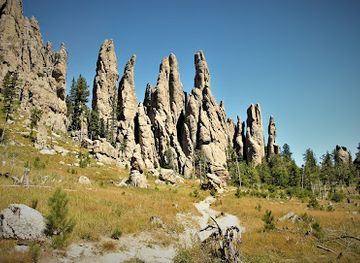
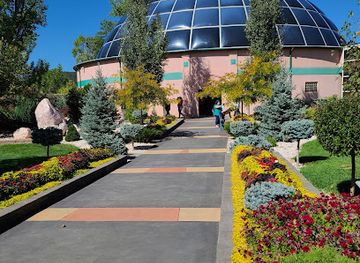
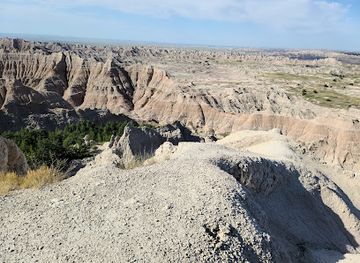
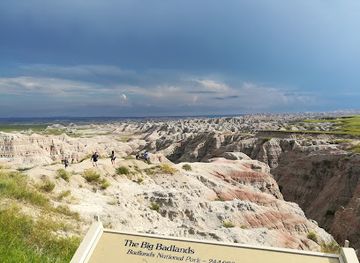
The Wall of the Badlands is the region’s defining natural landmark: a long escarpment of eroded sediment that rises visibly from the surrounding prairie and gives the area its name. Within Badlands National Park, the Pinnacles Overlook, Yellow Mounds, Big Badlands Overlook and Cedar Pass reveal contrasting formations, from narrow ridges to rounded hills coloured by mineral-rich layers. The Door and Window formations are recognisable breaks in the eroded wall, while the sharply cut contours near the Notch area emphasise the instability and scale of the terrain. The Ben Reifel Visitor Center is an important interpretive landmark rather than a grand architectural monument, helping visitors understand the fossils and geological processes exposed nearby. South of the park, the Stronghold Unit marks a more secluded and culturally significant part of the Badlands landscape. Beyond the park, the dispersed missile structures preserved at Minuteman Missile National Historic Site are nearby but outside the Badlands themselves; they provide a man-made counterpoint to the region’s ancient rock formations and demonstrate how the prairie became strategically important in the twentieth century.
-
Tourist attraction
Badlands National Park
Explore the breathtaking landscapes and diverse wildlife of Badlands National Park, a stunning natural treasure in South Dakota.
-
State park
Custer State Park
Explore Custer State Park in South Dakota, a stunning state park known for its breathtaking landscapes, diverse wildlife, and outdoor adventures.
-
Tourist attraction
Black Hills National Forest
Discover the stunning landscapes and rich history of Black Hills National Forest, a paradise for outdoor enthusiasts and nature lovers in South Dakota.
-
Tourist attraction
Reptile Gardens
Explore the captivating world of reptiles and lush botanical gardens at Reptile Gardens in Rapid City, South Dakota – a must-visit for nature lovers and families.
Explore Badlands on the map
Plan your trip on one map. See where the top cities, national parks and sights are, and book hotels and experiences in a few clicks.
Best hotels in Badlands
Best restaurants in Badlands
Dining in the Badlands is shaped by distance, ranching country and a small number of visitor-service communities rather than by a concentrated restaurant scene. Wall provides the broadest choice of casual meals, cafés, bakeries and provisions near the park’s northern approach, while smaller settlements offer more limited options and seasonal services. Expect familiar American road food alongside burgers, steaks, sandwiches, breakfast dishes and ice cream, with beef and other ranch-linked products prominent in the wider South Dakota setting. Visitors staying in lodges or campgrounds should plan provisions in advance, particularly for early starts and evening meals. The region is not chiefly known for a distinctive set of Badlands-only dishes, but local dining connects to Great Plains traditions and practical roadside hospitality. Farmers’ markets and independent food businesses may appear seasonally in nearby communities, while Rapid City, outside the region, offers the widest range of contemporary restaurants and international cuisines.
-
Tourist attraction
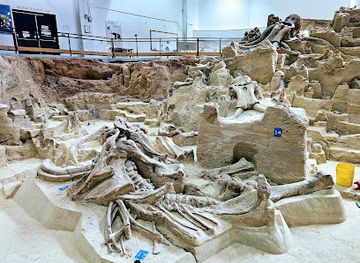
The Mammoth Site
Discover prehistoric giants at The Mammoth Site in Hot Springs, SD – a unique museum showcasing mammoth fossils and ongoing paleontological research.
-
Restaurant
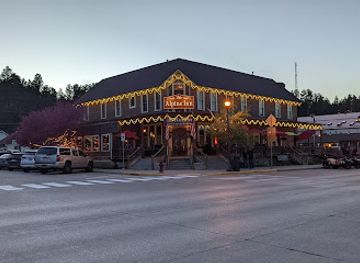
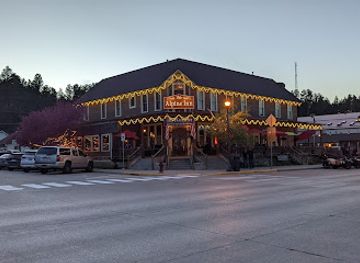
Alpine Inn
Discover Alpine Inn: A perfect blend of rustic charm and culinary delight in Hill City, South Dakota.
-
Tourist attraction
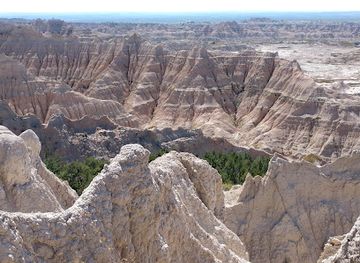
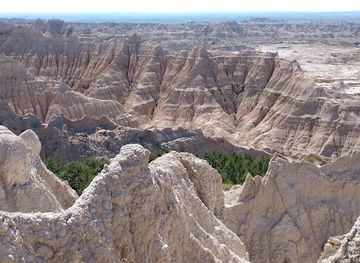
Pinnacles Overlook
Experience breathtaking views at Pinnacles Overlook in Badlands National Park - a scenic gem showcasing nature's vibrant artistry.
-
American
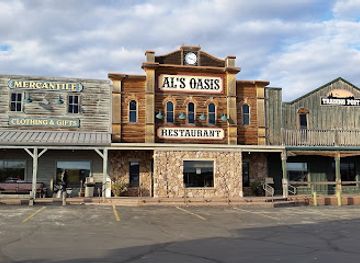
Al’s Oasis
Explore Al’s Oasis: Your go-to destination in Oacoma for delicious American cuisine and unique shopping experiences.
Best bars in Badlands
Evening life in the Badlands is low-key and dispersed. Wall and other nearby communities have the region’s principal bars, casual restaurants and traditional American gathering places, while ranching areas generally close early and offer little organised nightlife. Visitors are more likely to spend the evening around a campsite, at a lodge, or watching the changing colours of the formations than in a nightclub. Some accommodation and dining venues serve beer, wine or spirits, but opening arrangements vary by business and season. The area’s dark skies make stargazing a major after-dark activity, and visitors should drive cautiously because wildlife and livestock may be near roads. Rapid City, outside the Badlands and roughly an hour or more away depending on the destination, provides the nearest broader choice of live music, bars and late-night entertainment.
-
Restaurant
Alpine Inn
Experience the warmth of hospitality and delightful local cuisine at Alpine Inn, the perfect retreat in Hill City, South Dakota.
-
Bar
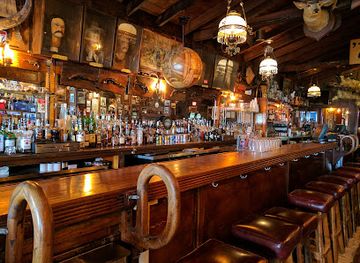
Saloon No. 10
Discover the Wild West at Saloon No. 10, where delicious steaks and vibrant nightlife come together in the heart of Deadwood, South Dakota.
-
Tourist attraction
Pinnacles Overlook
Explore the stunning vistas of Pinnacles Overlook, a scenic gem in South Dakota's Badlands National Park, where nature's beauty captivates every visitor.
-
Bar
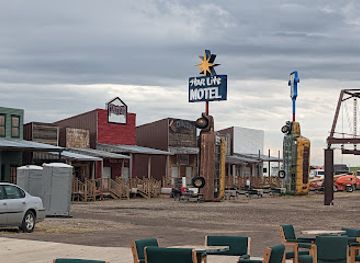
Full Throttle Saloon
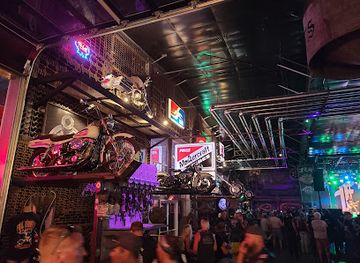
Experience the ultimate blend of live music, camping, and nightlife at Full Throttle Saloon in South Dakota.
Best nightclubs in Badlands
Evening life in the Badlands is low-key and dispersed. Wall and other nearby communities have the region’s principal bars, casual restaurants and traditional American gathering places, while ranching areas generally close early and offer little organised nightlife. Visitors are more likely to spend the evening around a campsite, at a lodge, or watching the changing colours of the formations than in a nightclub. Some accommodation and dining venues serve beer, wine or spirits, but opening arrangements vary by business and season. The area’s dark skies make stargazing a major after-dark activity, and visitors should drive cautiously because wildlife and livestock may be near roads. Rapid City, outside the Badlands and roughly an hour or more away depending on the destination, provides the nearest broader choice of live music, bars and late-night entertainment.
-
Tourist attraction
Pinnacles Overlook
Discover the stunning vistas of Pinnacles Overlook in Badlands National Park, where rugged landscapes meet breathtaking views.
-
Night club
Full Throttle Saloon
Discover the exhilarating atmosphere of Full Throttle Saloon, the ultimate nightlife experience in South Dakota, featuring live music, great food, and a welcoming vibe.
-
Tourist attraction
Big Badlands Overlook
Discover breathtaking views and unique geological formations at Big Badlands Overlook, a top scenic spot in South Dakota's Badlands National Park.
-
Grill
Badlands Saloon & Grille
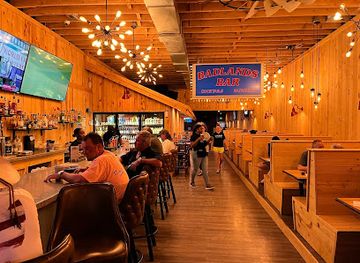
Experience the Best of American Cuisine at Badlands Saloon & Grille in Wall, SD - Where Every Meal is a Flavorful Adventure.
Best shops in Badlands
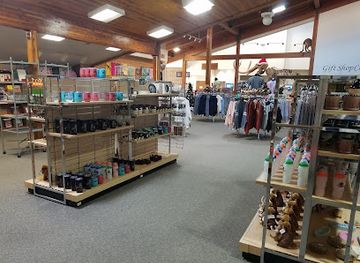
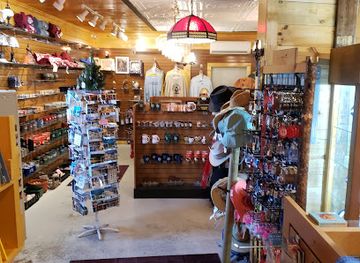
Shopping in the Badlands is concentrated in small visitor-service communities rather than in established retail districts. Wall, outside the national park’s boundaries, has the area’s most recognisable cluster of souvenir shops and roadside businesses, offering Western-themed goods, books, clothing, artwork, snacks and practical supplies. Park stores and visitor centres, where operating, are useful for geology, wildlife and regional-history publications, maps and educational items. In smaller settlements, retail choice is limited, so fuel, food and basic outdoor equipment should be bought when available rather than assumed to be accessible later. Appropriate mementoes include locally themed books, prints, beadwork or crafts purchased from legitimate sellers, and products made by recognised Indigenous artists when provenance is clear. Do not collect fossils, stones, plants or historic objects from public land. Rapid City, outside the region, has the nearest wider selection of galleries, specialist shops and mainstream retail.
-
Museum
The Mammoth Site
Discover the Ice Age at The Mammoth Site, a premier museum in South Dakota featuring remarkable mammoth fossils and engaging exhibits for all ages.
-
Drug store
Wall Drug Store
Discover the unique charm of Wall Drug Store, a legendary stop in South Dakota, with art, food, and fun at every turn.
-
History museum
1880 Town
Experience the Old West at 1880 Town, where history comes alive with authentic buildings and engaging activities for all ages.
-
Visitor center
Ben Reifel Visitor Center
Discover the Ben Reifel Visitor Center, your gateway to the breathtaking landscapes and rich history of Badlands National Park in South Dakota.

Get your free copy of our complete guide to Badlands, delivered straight to you.
Everything on this page, from attractions and restaurants to essentials and local phrases, in one PDF you can read offline, print or share.
Already have an account? Sign in
Your Badlands guide is ready.
We'll send it to · Not you? Sign out

Getting your guide ready…
We are putting together a fresh copy of the Badlands guide. This can take up to a minute.
This can take a few moments. If your browser asks, choose Allow so the download can start. You'll find the guide in your Downloads folder.
Nothing happened? Download it again
Sorry, the guide is taking longer than usual. Please try again in a minute, or get it by email instead.
Badlands essentials
Currency and Payment
Safety
Emergency Situations
Do's and Don'ts
Local Tips
From Eve
Local phrases worth knowing
You don't need to get them perfect. A few words go a long way, and locals appreciate the effort.
Basics
| English | Local | Say it |
|---|---|---|
| Hello | Howdy | [How-dee] |
| Goodbye | See ya later | [See ya lay-ter] |
| Yes | Yep | [Yep] |
| No | Nah | [Nah] |
| Please/You're welcome | No problem | [No prob-lem] |
| Thank you | Thanks a lot | [Thanks a lot] |
| Excuse me/Sorry | Pardon me | [Par-don me] |
| How are you? | How ya doin'? | [How ya doin'?] |
| Fine. And you? | Good. You? | [Good. You?] |
| Do you speak English? | Do ya talk English? | [Do ya talk English?] |
| I don't understand | I ain't gettin' it | [I ain't gettin' it] |
Eating & Drinking
| English | Local | Say it |
|---|---|---|
| I'd like to see the menu, please | Can I see the menu? | [Can I see the menu?] |
| I don't eat meat | I ain't eatin' meat | [I ain't eatin' meat] |
| Cheers! | Cheers! | [Cheers!] |
| I would like to pay, please | I'd like to settle up | [I'd like to settle up] |
Emergencies
| English | Local | Say it |
|---|---|---|
| Help! | Help! | [Help!] |
| Go away! | Shoo! | [Shoo!] |
| Call the Police! | Call the cops! | [Call the cops!] |
| Call a doctor! | Get a doctor! | [Get a doctor!] |
| I'm lost | I’m turned around | [I’m turned around] |
| I'm ill | I ain't feelin' good | [I ain't feelin' good] |
Shopping
| English | Local | Say it |
|---|---|---|
| I'd like to buy... | I wanna buy... | [I wanna buy...] |
| I'm just looking | Just browsin' | [Just browsin'] |
| How much is it? | What’s the price? | [What’s the price?] |
| That's too expensive | That’s too pricey | [That’s too pricey] |
| Can you lower the price? | Can ya cut the price? | [Can ya cut the price?] |
Time & Numbers
| English | Local | Say it |
|---|---|---|
| What time is it? | What time ya got? | [What time ya got?] |
| It's one o'clock | It’s one | [It’s one] |
| Half past (10) | Half past ten | [Half past ten] |
| Morning | Mornin' | [Mornin'] |
| Afternoon | Afternoon | [Afternoon] |
| Evening | Evening | [Evening] |
| Yesterday | Yesterday | [Yesterday] |
| Today | Today | [Today] |
| Tomorrow | Tomorrow | [Tomorrow] |
| 1 | One | [One] |
| 2 | Two | [Two] |
| 3 | Three | [Three] |
| 4 | Four | [Four] |
| 5 | Five | [Five] |
| 6 | Six | [Six] |
| 7 | Seven | [Seven] |
| 8 | Eight | [Eight] |
| 9 | Nine | [Nine] |
| 10 | Ten | [Ten] |
Transport & Directions
| English | Local | Say it |
|---|---|---|
| Where's a/the...? | Where's the...? | [Where's the...?] |
| What's the address? | What’s the address? | [What’s the address?] |
| Can you show me (on the map)? | Can ya show me on the map? | [Can ya show me on the map?] |
| When's the next (bus)? | When's the next bus? | [When's the next bus?] |
| A ticket (to ....) | A ticket to... | [A ticket to...] |
History of Badlands
Ancient Landscapes and Fossil Beds
The strata exposed in the Badlands were deposited over millions of years by rivers, floodplains and volcanic ash in environments that differed greatly from today’s dry prairie. Later erosion cut through these relatively soft sediments, revealing fossils of ancient mammals, including extinct rhinoceroses, three-toed horses and oreodonts. The White River Badlands became an important field of study for American palaeontologists during the nineteenth and twentieth centuries. Their scientific value remains central to the region, and fossil collecting within Badlands National Park is prohibited.
Lakota Homeland and Indigenous Connections
The Badlands form part of the broader homeland of the Lakota people, whose history, cultural knowledge and continuing presence are essential to understanding western South Dakota. The region was affected by the expansion of the United States, warfare, treaty-making and the confinement of Lakota communities to reservations during the nineteenth century. The park’s Stronghold Unit is associated with the Pine Ridge Indian Reservation and has particular cultural significance. Indigenous history is not confined to the distant past; it continues to shape the region’s identity and interpretation.
Fur Trade, Exploration and U.S. Expansion
During the eighteenth and nineteenth centuries, the northern Great Plains were connected to wider networks of Indigenous trade, travel and diplomacy. Fur traders, military expeditions, surveyors and emigrants later entered the area as the United States extended control westwards. The Badlands’ difficult terrain made travel demanding, while nearby grasslands supported Indigenous economies and later ranching. The region’s history therefore reflects both long-established Lakota use of the landscape and the disruptive consequences of American settlement and federal expansion.
Ranching and the Open Range
As non-Indigenous settlement expanded, cattle ranching became a lasting part of the economy around the Badlands. The surrounding grasslands offered forage but required careful management because drought, harsh winters and limited water could quickly affect herds. Homesteaders and ranching families established dispersed operations, while small communities developed along roads and rail connections. The working landscape remains visible beyond the national park, where fenced pasture, stock facilities and broad areas of federal grassland sit alongside protected geological formations.
Badlands National Monument and Park Protection
Federal recognition of the Badlands’ geological and fossil resources culminated in the creation of Badlands National Monument in 1939. The area was later redesignated Badlands National Park in 1978, strengthening its status as a nationally protected landscape. Conservation has preserved the formations, prairie habitat and fossil record while allowing roads, viewpoints and trails to provide public access. The park’s boundaries and associated units also reflect the complicated relationship between federal conservation, Indigenous land and surrounding working landscapes.
Cold War Missile Country
The wider Badlands area became part of the United States’ nuclear deterrence system during the Cold War. Minuteman II intercontinental ballistic missiles were deployed in underground launch facilities across the South Dakota prairie from the 1960s until the early 1990s. Minuteman Missile National Historic Site, located near the Badlands but outside the national park, preserves a launch control facility and a missile silo as evidence of that period. Its presence adds a modern military layer to a landscape usually associated with fossils and prehistory.
Badlands in Photos
Browse through our photo collection highlighting the charm and character of the destination.
Neighbouring regions of Badlands
The closest regions to Badlands, if you have time for more than one.
-

-

-

-

-


Swipe for more regions
Explore more

Explore more of South Dakota
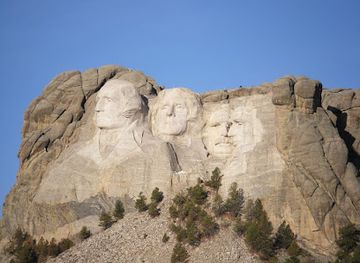
Discover South Dakota: From the iconic Mount Rushmore and Crazy Horse Memorial to the stunning Badlands and charming small towns, it's a land of history and natural beauty.
Explore South Dakota