

Free West River Travel Guide & Mobile App
Explore West River with free travel guides. Discover regional history, expert tips, proposed trips, and audio guides on web or mobile app.


West River South Dakota combines Lakota heritage, Black Hills forests, Badlands geology, wildlife, historic towns and wide-open prairie road trips.
Read more about West River
Getting to and around West River
How to get there
Transportation
Top city travel guides in West River
The cities of West River, and the easiest places to base yourself.
-

-

-

-

-

-


Swipe for more cities
Destinations in West River
Resorts, valleys and scenic spots worth a trip of their own.
-

-

-

-

-

-


Swipe for more destinations
Best attractions in West River
West River’s attractions range from major national monuments to vast landscapes that reward unhurried exploration. In the Black Hills, Mount Rushmore National Memorial provides a powerful, contested symbol of United States history, while Crazy Horse Memorial presents a different and unfinished monumental vision rooted in Native American identity. Custer State Park combines granite outcrops, forested roads, hiking trails and abundant wildlife, including bison. Wind Cave National Park and Jewel Cave National Monument protect two extensive cave systems, each offering a distinct underground experience. Badlands National Park, east of the hills, is known for eroded formations, fossil resources, prairie wildlife and viewpoints along the park road. Historic Deadwood interprets the gold-rush era, and nearby Lead preserves the memory of hard-rock mining. Spearfish Canyon offers a cooler, wooded contrast to the open prairie, with waterfalls, cliffs and routes for walking and scenic driving. Rapid City supplies museums, galleries and family-oriented activities, while Pine Ridge and Rosebud offer opportunities to learn about contemporary Lakota communities when visited respectfully and with appropriate local guidance.
-
Cultural landmark
Dignity of Earth and Sky
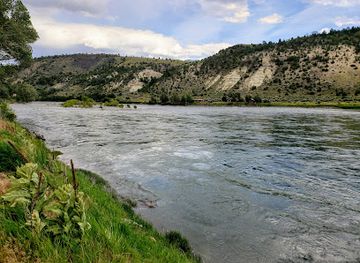
Discover the Dignity of Earth and Sky, a towering homage to Native American culture with stunning views of the Missouri River, located in Chamberlain, South Dakota.
-
Tourist attraction
The World's Only Corn Palace
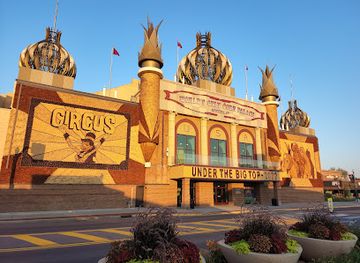
Experience the vibrant artistry and community spirit at The World's Only Corn Palace in Mitchell, South Dakota, a unique must-see tourist destination.
-
 Monument
Crazy Horse Memorial
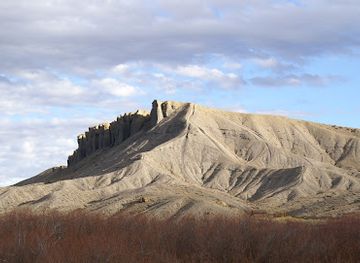
Experience the awe-inspiring Crazy Horse Memorial, a monumental tribute to Native American culture and the spirit of resilience in South Dakota.
-
Museum
The Mammoth Site
Explore the prehistoric world at The Mammoth Site, a fascinating museum showcasing mammoth fossils and engaging exhibits in Hot Springs, South Dakota.
Best landmarks in West River
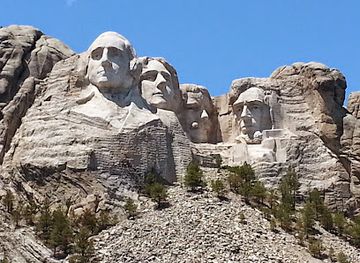
Mount Rushmore is West River’s most recognisable landmark: the immense presidential carvings are visually dominant, historically controversial and inseparable from the wider story of the Black Hills. Nearby, the unfinished Crazy Horse Memorial represents a separately developed Native American monumental project and remains one of the region’s most distinctive silhouettes. The granite spires and narrow passages of Custer State Park’s Needles area express the geological character of the hills, while the winding cliffs of Spearfish Canyon form a natural landmark in the north. In the east, the sharply folded ridges and pinnacles of Badlands National Park mark the transition from the plains to an eroded highland landscape. Deadwood’s preserved historic streets and buildings recall the gold rush, whereas the mineshafts and industrial remains around Lead reveal the scale of hard-rock mining. Wounded Knee on Pine Ridge is a place of profound historical and cultural significance rather than a conventional sightseeing monument; visitors should observe local sensitivities and seek guidance before visiting associated sites.
-
Memorial park
Mount Rushmore National Memorial
Explore the iconic Mount Rushmore National Memorial, a tribute to American history and artistry in the stunning Black Hills of South Dakota.
-
National park
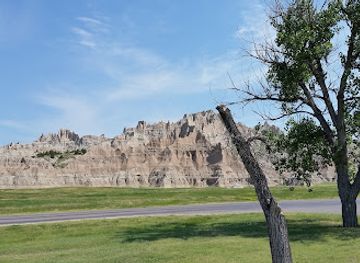
Badlands National Park
Explore the stunning landscapes and unique wildlife of Badlands National Park, an iconic natural wonder in South Dakota that captivates every visitor.
-
Park
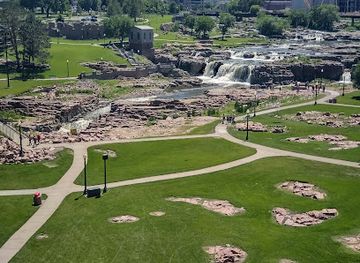
Falls Park
Explore the breathtaking beauty and rich history of Falls Park, Sioux Falls' premier natural attraction with stunning waterfalls and scenic trails.
-
State park
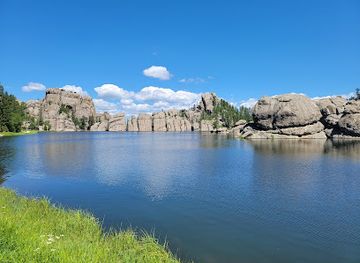
Custer State Park
Explore the stunning landscapes and diverse wildlife of Custer State Park, South Dakota's premier destination for nature lovers and adventure seekers.
Explore West River on the map
Plan your trip on one map. See where the top cities, national parks and sights are, and book hotels and experiences in a few clicks.
Best hotels in West River
Best restaurants in West River
Dining in West River reflects ranching, Native food traditions, outdoor tourism and the practical cooking of small-town South Dakota. Rapid City has the region’s broadest choice of restaurants, from cafés and breweries to steakhouses and contemporary kitchens, while Custer, Hill City, Spearfish and Deadwood provide restaurants, bakeries, diners and historic-town pubs. Beef and bison are prominent, and chislic, usually small pieces of grilled or fried meat, is strongly associated with South Dakota, particularly its western communities. Trout from the Black Hills, chokecherry preserves, locally produced honey and regional baked goods are also common themes. Reservation communities and Native-owned enterprises may offer food and cultural experiences that should be approached on their own terms rather than treated as informal tourist attractions. Farmers’ markets and independent food shops are useful places to find seasonal produce, preserves and locally made products, although availability varies by town and time of year.
-
American
Ode to Food and Drinks
Discover the essence of American cuisine at Ode to Food and Drinks - where every bite tells a story of flavor and tradition.
-
American
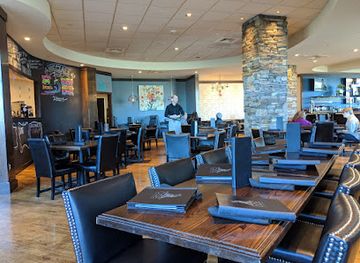
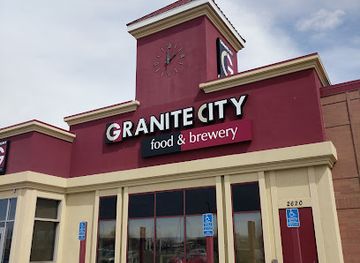
Granite City Food & Brewery
Experience the vibrant flavors of America at Granite City Food & Brewery in Sioux Falls – where craft beer meets delicious dining.
-
Restaurant
Great Shots
Experience the ultimate fusion of golf and dining at Great Shots in Sioux Falls - where every swing meets culinary delight.
-
Fast Food
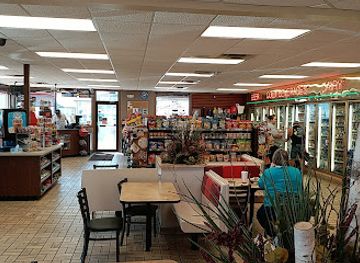
Arby's
Discover the savory delights of Arby's in Oacoma, where fast food meets hearty American flavors in a welcoming atmosphere.
Best bars in West River
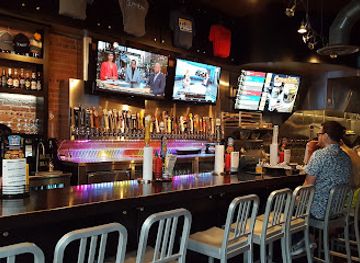
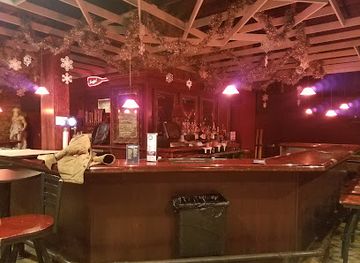
West River’s evening life is concentrated in a few towns rather than spread across a large metropolitan nightlife district. Rapid City has the widest selection of bars, breweries, live-music venues, restaurants and late-evening entertainment, with a generally relaxed atmosphere suited to visitors staying in the city. Deadwood combines historic saloons, gaming venues, restaurants and seasonal events, while Spearfish, Hill City and Custer rely more on pubs, breweries, cafés and live music than on nightclubs. In the northern Black Hills, the Sturgis Motorcycle Rally creates an exceptionally busy, event-driven atmosphere for a limited period each August. Elsewhere, evenings are shaped by distance, small populations and dark skies: a meal, a local drink, outdoor music or quiet time at a lodge may be more typical than clubbing. Check current arrangements locally, particularly outside the main visitor season.
-
Bar
Full Throttle Saloon
Experience the thrill of Full Throttle Saloon, where live music, hearty meals, and a vibrant motorcycle culture come together in South Dakota.
-
Bar
JL Beers
Discover JL Beers in Sioux Falls, where gourmet burgers and craft beers create an unforgettable dining experience in a vibrant bar atmosphere.
-
Bar
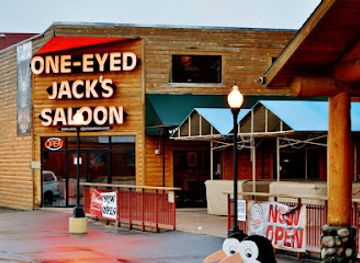
One Eyed Jacks Saloon
Discover the lively atmosphere and delicious barbecue at One Eyed Jacks Saloon in Sturgis, SD, where good food meets great company.
-
Fast Food
Arby's
Discover delicious fast food at Oacoma's Arby's, home of the iconic roast beef sandwiches and fast service for travelers.
Best nightclubs in West River
West River’s evening life is concentrated in a few towns rather than spread across a large metropolitan nightlife district. Rapid City has the widest selection of bars, breweries, live-music venues, restaurants and late-evening entertainment, with a generally relaxed atmosphere suited to visitors staying in the city. Deadwood combines historic saloons, gaming venues, restaurants and seasonal events, while Spearfish, Hill City and Custer rely more on pubs, breweries, cafés and live music than on nightclubs. In the northern Black Hills, the Sturgis Motorcycle Rally creates an exceptionally busy, event-driven atmosphere for a limited period each August. Elsewhere, evenings are shaped by distance, small populations and dark skies: a meal, a local drink, outdoor music or quiet time at a lodge may be more typical than clubbing. Check current arrangements locally, particularly outside the main visitor season.
-
Bar
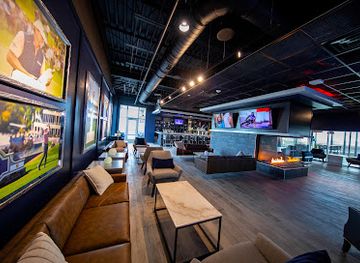
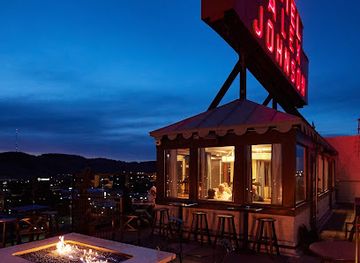
Juniper at Vertex Sky Bar
Discover the elegance of Juniper at Vertex Sky Bar, where stunning views and exquisite cocktails create the perfect evening escape in Rapid City.
-
Bar
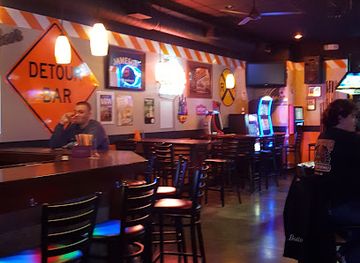
Detour Bar
Experience the vibrant nightlife of Sioux Falls at Detour Bar, where fun meets affordability in a cozy atmosphere.
-
Night club
Club David
Discover the vibrant nightlife at Club David in Sioux Falls, a premier night club and bar offering great music and a lively atmosphere.
-
Bar
Vinyl Social Club
Discover the vibrant atmosphere and unique charm of Vinyl Social Club, where music and community come together in Sioux Falls.

Best shops in West River
Shopping in West River is centred on practical market towns, historic main streets, galleries and locally produced food rather than large-scale retail districts. Rapid City offers the broadest range, including independent shops, galleries, outdoor equipment, books, Native-inspired arts and crafts, and everyday services. Deadwood, Hill City, Custer and Spearfish have compact visitor-oriented centres with antiques, jewellery, artwork, clothing, souvenirs and locally made foods. Black Hills products may include woodwork, pottery, leather goods, photography, regional prints, chokecherry preserves and bison or beef products. Visitors should distinguish genuinely Native-made art from generic items using Native imagery and ask sellers about provenance where authenticity matters. Farmers’ markets and seasonal craft fairs vary by community and date, while reservation-based enterprises may offer distinctive work by local artists. Shopping options become much more limited once travelling into remote prairie areas, so stock up on essentials in the larger towns.
-
Cultural landmark
Dignity of Earth and Sky
Experience the majesty of Dignity of Earth and Sky, a stunning cultural landmark that honors Native American heritage in the heart of South Dakota.
-
Drug store
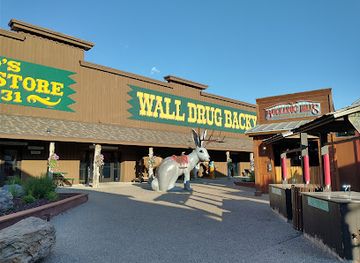
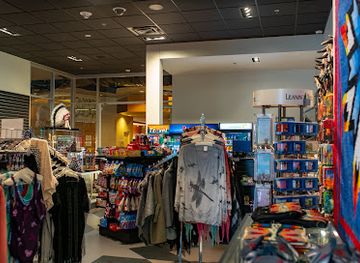
Wall Drug Store
Experience the iconic Wall Drug Store in South Dakota, where western charm meets eclectic shopping and delicious dining.
-
Casino
Royal River Casino & Hotel
Discover the excitement of gaming, dining, and relaxation at Royal River Casino & Hotel - a premier destination in Flandreau, South Dakota.
-
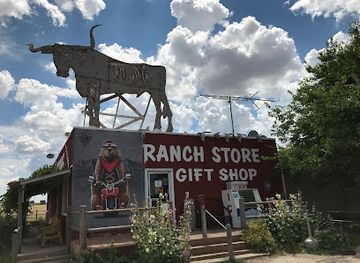
Store
Badlands Ranch Store
Explore the Badlands Ranch Store: Your one-stop destination for unique local goods and authentic souvenirs in South Dakota's stunning Badlands.

Get your free copy of our complete guide to West River, delivered straight to you.
Everything on this page, from attractions and restaurants to essentials and local phrases, in one PDF you can read offline, print or share.
Already have an account? Sign in
Your West River guide is ready.
We'll send it to · Not you? Sign out

Getting your guide ready…
We are putting together a fresh copy of the West River guide. This can take up to a minute.
This can take a few moments. If your browser asks, choose Allow so the download can start. You'll find the guide in your Downloads folder.
Nothing happened? Download it again
Sorry, the guide is taking longer than usual. Please try again in a minute, or get it by email instead.
West River essentials
Currency and Payment
Safety
Emergency Situations
Do's and Don'ts
Local Tips
From Eve
Local phrases worth knowing
You don't need to get them perfect. A few words go a long way, and locals appreciate the effort.
Basics
| English | Local | Say it |
|---|---|---|
| Hello | Howdy | [hau-dee] |
| Goodbye | See you later | [see yuh lay-ter] |
| Yes | Yep | [yep] |
| No | Nope | [nohp] |
| Please/You're welcome | Please | [pleez] |
| Thank you | Thanks a lot | [thangs uh lot] |
| Excuse me/Sorry | Excuse me | [ex-kyoos mee] |
| How are you? | How ya doin'? | [how yah doin'?] |
| Fine. And you? | Good. And you? | [good. And yuh?] |
| Do you speak English? | You speakin' English? | [yuh speekin' ing-glish?] |
| I don't understand | I ain't gettin' it | [I ain't gettin' it] |
Eating & Drinking
| English | Local | Say it |
|---|---|---|
| I'd like to see the menu, please | Can I see the menu? | [can I see the men-yoo?] |
| I don't eat meat | I don't eat meat | [I don't eat meat] |
| Cheers! | Cheers! | [cheers] |
| I would like to pay, please | Can I get the check? | [can I get the chek?] |
Emergencies
| English | Local | Say it |
|---|---|---|
| Help! | Help! | [help] |
| Go away! | Get lost! | [get lost] |
| Call the Police! | Call the cops! | [call the cops] |
| Call a doctor! | Get a doctor! | [get a doctor] |
| I'm lost | I'm lost | [I'm lost] |
| I'm ill | I'm not feelin' well | [I'm not feelin' well] |
Shopping
| English | Local | Say it |
|---|---|---|
| I'd like to buy... | I want to buy... | [I want to buy...] |
| I'm just looking | Just lookin' | [just lookin'] |
| How much is it? | What’s the price? | [what's the price?] |
| That's too expensive | That costs too much | [that costs too much] |
| Can you lower the price? | Can you knock it down? | [can you knock it down?] |
Time & Numbers
| English | Local | Say it |
|---|---|---|
| What time is it? | What time ya got? | [what time yah got?] |
| It's one o'clock | It's one o'clock | [it's one o'clock] |
| Half past (10) | Half past ten | [half past ten] |
| Morning | Mornin' | [mornin'] |
| Afternoon | Afternoon | [afternoon] |
| Evening | Evenin' | [evenin'] |
| Yesterday | Yesterday | [yesterday] |
| Today | Today | [today] |
| Tomorrow | Tomorrow | [tomorrow] |
| 1 | One | [one] |
| 2 | Two | [two] |
| 3 | Three | [three] |
| 4 | Four | [four] |
| 5 | Five | [five] |
| 6 | Six | [six] |
| 7 | Seven | [seven] |
| 8 | Eight | [eight] |
| 9 | Nine | [nine] |
| 10 | Ten | [ten] |
Transport & Directions
| English | Local | Say it |
|---|---|---|
| Where's a/the...? | Where’s the ...? | [where's the ...?] |
| What's the address? | What's the address? | [what's the address?] |
| Can you show me (on the map)? | Can you show me on the map? | [can you show me on the map?] |
| When's the next (bus)? | When's the next bus? | [when's the next bus?] |
| A ticket (to ....) | A ticket to ... | [a ticket to ...] |
History of West River
Lakota Homelands and Earlier Peoples
West River is part of the northern Great Plains homeland of the Lakota, whose communities developed deep cultural, political and spiritual relationships with the prairie, Black Hills and surrounding rivers. Earlier peoples also left archaeological evidence across the region, including sites associated with long-term bison hunting and habitation. The Black Hills, known to the Lakota as Paha Sapa, hold particular spiritual importance. Any account of the region’s past therefore extends beyond the later arrival of United States settlers and mining enterprises.
The Black Hills Treaty and Its Violation
The 1868 Fort Laramie Treaty recognised the Great Sioux Reservation, including the Black Hills, for the Oceti Sakowin, commonly known as the Great Sioux Nation. Gold discoveries during the 1870s brought prospectors and military pressure into the treaty-protected area. The United States subsequently took control of the Black Hills, a seizure later challenged in the courts. The unresolved significance of this history remains central to Lakota political and cultural life in South Dakota.
Gold Mining and the Rise of Deadwood
The Black Hills gold rush of the 1870s transformed the region. Mining camps rapidly developed around strikes in the northern hills, and Deadwood became a major settlement associated with prospecting, gambling, saloons and frontier commerce. Towns such as Lead and Hill City also grew around mineral extraction. The rush brought railways, businesses and government institutions, but it displaced Native communities and created lasting environmental and social pressures. Preserved commercial buildings and mine landscapes still convey this period.
The 1890 Wounded Knee Massacre
On 29 December 1890, United States troops killed many Miniconjou Lakota and other people at Wounded Knee on Pine Ridge Indian Reservation. The exact number of dead remains disputed, but the event is widely regarded as the final major armed confrontation of the Indian Wars. Wounded Knee is not simply a frontier battlefield; it is a place of mourning, memory and continuing importance to the Oglala Lakota and other Native communities. Visitors should behave respectfully and follow local guidance.
Ranching, Homesteading and Reservation Change
During the late nineteenth and early twentieth centuries, federal land policies, rail connections and settler migration reshaped West River. Ranching became a defining land use across the plains, while homesteads and small agricultural communities developed where water and soil permitted. Native reservations were reduced and subjected to federal administrative policies that disrupted communal landholding and cultural institutions. The region’s present landscape, including large ranches and reservation communities, reflects both adaptation and the consequences of these policies.
Monuments and the Growth of Tourism
Twentieth-century tourism turned the Black Hills into one of South Dakota’s principal visitor regions. Mount Rushmore, carved between 1927 and 1941, became the most recognisable symbol of the state, although its location within the Black Hills is also bound to the unresolved Lakota claim to the land. The development of highways, state parks and cave tourism broadened access to the hills and Badlands. Modern tourism remains economically important but increasingly exists alongside efforts to interpret Native history more fully.
Contemporary Tribal and Regional Identity
West River today includes sovereign tribal nations, rural ranching communities, historic mining towns and growing tourism centres. The Oglala Lakota, Sicangu Lakota and other Native communities continue to maintain governments, cultural practices and claims connected to land and treaty rights. Rapid City and the Black Hills have expanded as service and recreation centres, while the plains remain sparsely settled. Contemporary interpretation increasingly places Indigenous voices, conservation and the environmental legacy of extraction alongside familiar frontier narratives.
West River in Photos
Browse through our photo collection highlighting the charm and character of the destination.
Neighbouring regions of West River
The closest regions to West River, if you have time for more than one.
-

-

-

-

-


Swipe for more regions
Explore more

Explore more of South Dakota
Discover South Dakota: From the iconic Mount Rushmore and Crazy Horse Memorial to the stunning Badlands and charming small towns, it's a land of history and natural beauty.
Explore South Dakota