

Free Canary Islands Travel Guide & Mobile App
Explore Canary Islands with free travel guides. Discover regional history, expert tips, proposed trips, and audio guides on web or mobile app.


Explore Spain’s Canary Islands for volcanic parks, Atlantic beaches, island cuisine, historic towns, forested trails and exceptional stargazing.
Read more about Canary Islands
When is the best time to visit Canary Islands?
Best: May–July · 23–27°C| Month | High (°C) | Rainfall (mm) |
|---|---|---|
| January | 21 | 25 |
| February | 21 | 20 |
| March | 22 | 15 |
| April | 23 | 10 |
| May (best) | 23 | 5 |
| June (best) | 25 | 1 |
| July (best) | 27 | 0 |
| August | 28 | 1 |
| September | 27 | 10 |
| October | 25 | 20 |
| November | 23 | 25 |
| December | 21 | 30 |
Getting to and around Canary Islands
How to get there
Transportation
Best attractions in Canary Islands
The Canary Islands offer a broad range of attractions, from high volcanic summits and lava fields to beaches, forests and historic towns. Teide National Park on Tenerife centres on a high-altitude volcanic landscape, while Timanfaya National Park on Lanzarote presents a remarkably coherent field of recent volcanic cones and dark terrain. Gran Canaria’s central mountains and ravines contrast with its developed southern coast, and Fuerteventura combines long sandy shores with dry interior landscapes. La Palma, La Gomera and El Hierro are particularly suited to walking, scenic drives and nature-based travel, with laurel forests, deep valleys and viewpoints shaped by steep island terrain. Museums and archaeological sites such as Cueva Pintada in Gran Canaria interpret pre-Hispanic society, while historic quarters in La Laguna, La Orotava, Teguise and Santa Cruz de La Palma provide architecture and cultural history. Beaches support swimming, surfing, windsurfing and diving where conditions permit, and marine excursions offer opportunities to observe whales, dolphins and seabirds. The islands also have botanical gardens, art institutions, family attractions and observatories, although access and conditions vary considerably between islands.
-
Amusement park
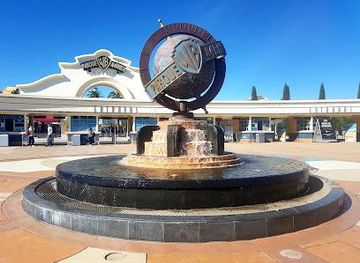
Parque Warner Madrid
Discover the excitement of Parque Warner Madrid, where thrilling rides and beloved characters come together for an unforgettable day of family fun.
-
Space of remembrance
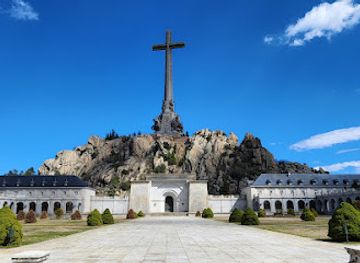
Cuelgamuros Valley
Discover the historical significance and serene beauty of Cuelgamuros Valley, a tribute to Spain's past nestled in the stunning landscapes of Madrid.
-
Park
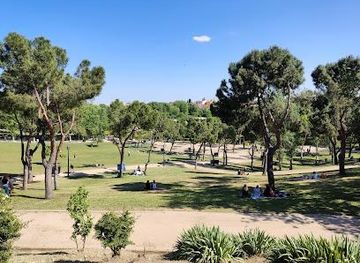
Saint Isidore Park
Explore the lush landscapes and vibrant atmosphere of Saint Isidore Park, a serene retreat in Madrid's Carabanchel district.
-
Tourist attraction
Sweet Space Museum
Explore Sweet Space Museum in Madrid - where art meets the whimsical world of sweets, perfect for a delightful family adventure.
Best landmarks in Canary Islands
Mount Teide is the archipelago’s most recognisable natural landmark and dominates Tenerife’s interior from its high volcanic plateau, although access to the summit and upper elevations is regulated. Lanzarote’s Timanfaya landscape is another defining sight, with broad fields of lava and volcanic cones that reflect eruptions in the eighteenth and nineteenth centuries. On Gran Canaria, the Roque Nublo monolith has become an emblem of the island’s mountainous centre, while the Maspalomas dunes form a distinctive coastal landscape in the south. La Gomera’s Garajonay mountains mark the survival of ancient laurel forest, and La Palma’s Caldera de Taburiente is a major geological feature surrounded by steep volcanic terrain. Historic landmarks include the colonial streets and buildings of San Cristóbal de La Laguna, the balconies and churches of La Orotava, Vegueta’s early urban fabric in Las Palmas de Gran Canaria, and the waterfront fortifications of Santa Cruz de La Palma. These places express the islands’ combined geological, maritime and cultural identity rather than a single architectural style.
-
Historical landmark
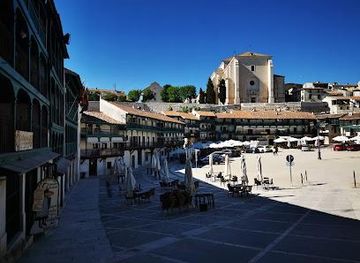
Plaza Mayor de Chinchón
Experience the vibrant charm of Plaza Mayor de Chinchón, a historical landmark in Madrid that captures the essence of Spanish culture and hospitality.
-
Catholic church
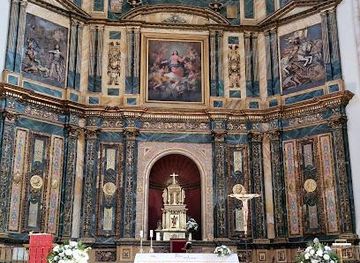
Iglesia de Nuestra Señora de la Asunción
Explore the captivating beauty of Iglesia de Nuestra Señora de la Asunción, a cultural landmark in Chinchón rich in history and stunning architecture.
-
Historical landmark
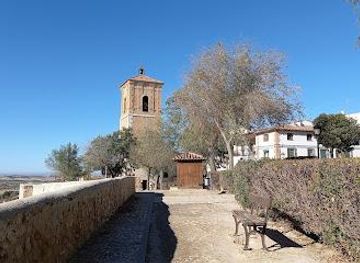
Torre del Reloj
Discover the rich history and stunning architecture of Torre del Reloj, a must-visit historical landmark in Chinchón, Madrid.
-
Historical landmark
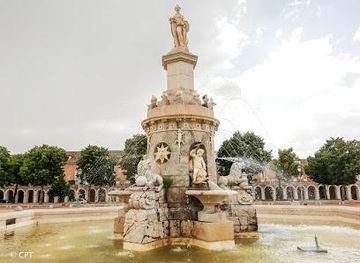
Emprende digital
Explore Emprende Digital in Aranjuez: A historical landmark blending culture, innovation, and breathtaking scenery in Spain's royal town.
Explore Canary Islands on the map
Plan your trip on one map. See where the top cities, national parks and sights are, and book hotels and experiences in a few clicks.
Best hotels in Canary Islands
Best restaurants in Canary Islands
Canarian food is defined by straightforward island produce and strong links to the Atlantic. Papas arrugadas, small potatoes boiled in salted water and served with mojo sauces, are a familiar staple, while gofio, a toasted cereal flour, appears in dishes ranging from breakfasts to desserts. Fresh fish and seafood are important in coastal communities, and goat’s cheese is especially associated with Fuerteventura and other islands. Look for local stews, grilled meats, wrinkled potatoes, seasonal fruit and breads made with island grains, alongside wines from Tenerife, Lanzarote, La Palma and other volcanic growing areas. In towns and villages, traditional cafés, family restaurants and taverns often provide a more distinctly Canarian meal than resort buffets. Farmers’ markets are useful for fruit, cheese, sweets and preserves, while larger cities offer contemporary restaurants influenced by mainland Spain, Latin America and wider Atlantic cuisine. Dining times broadly follow Spanish patterns, though resort areas often serve food throughout the day for international visitors.
-
Mediterranean
Restaurante La Esperanza
Retro Madrid barrio gem fusing Mediterranean tapas with 70s vibes in Barrio de las Letras—perfect for sharing plates, vermut, and cultural evenings behind Cines Doré.
-
Restaurant
El Escaldón Gastronomía Canaria
Experience authentic Canarian cuisine at El Escaldón Gastronomía Canaria in Madrid—where tradition meets modern dining.

Best bars in Canary Islands
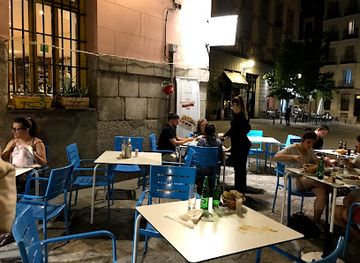
Evening life varies sharply between the islands and between resort and residential areas. In Las Palmas de Gran Canaria and Santa Cruz de Tenerife, visitors will find a wider range of cocktail bars, live music, theatres and late venues, while university populations and cultural programmes add variety at certain times of year. Resort areas in southern Tenerife, Gran Canaria, Lanzarote and Fuerteventura have bars, entertainment venues and clubs aimed at international visitors, though their character is concentrated rather than representative of the whole archipelago. In smaller towns and on La Palma, La Gomera and El Hierro, nightlife is more likely to centre on local bars, cafés, restaurants, festivals and occasional live music. Traditional establishments may serve Canarian wine, beer and simple food, and some villages remain quiet after dinner. Visitors should distinguish seasonal entertainment from permanent local nightlife and check current arrangements rather than relying on old listings.
-
Restaurant
El Escaldón Gastronomía Canaria
Experience the vibrant tastes of the Canary Islands at El Escaldón Gastronomía Canaria in Madrid's Centro district, a culinary delight for every palate.
-
Tapas Bar
Latazo
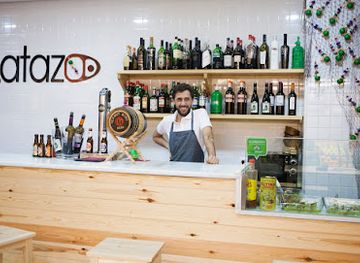
Discover the vibrant flavors of authentic Spanish tapas at Latazo, a top-rated bar in Madrid's Mercado Anton Martín.
-
Bar
Pepa y Josefa
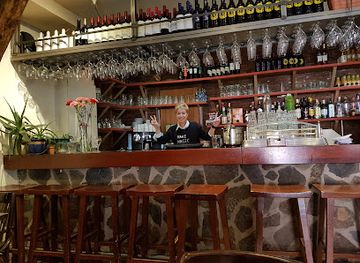
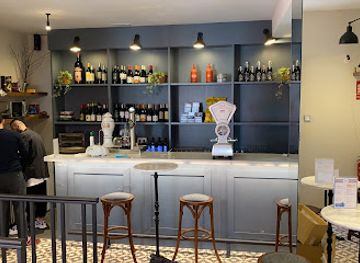
Discover the vibrant charm of Pepa y Josefa, a delightful bar in the heart of Madrid, offering an extensive drink menu and a welcoming atmosphere.
Best nightclubs in Canary Islands
Evening life varies sharply between the islands and between resort and residential areas. In Las Palmas de Gran Canaria and Santa Cruz de Tenerife, visitors will find a wider range of cocktail bars, live music, theatres and late venues, while university populations and cultural programmes add variety at certain times of year. Resort areas in southern Tenerife, Gran Canaria, Lanzarote and Fuerteventura have bars, entertainment venues and clubs aimed at international visitors, though their character is concentrated rather than representative of the whole archipelago. In smaller towns and on La Palma, La Gomera and El Hierro, nightlife is more likely to centre on local bars, cafés, restaurants, festivals and occasional live music. Traditional establishments may serve Canarian wine, beer and simple food, and some villages remain quiet after dinner. Visitors should distinguish seasonal entertainment from permanent local nightlife and check current arrangements rather than relying on old listings.
-
Restaurant
El Escaldón Gastronomía Canaria
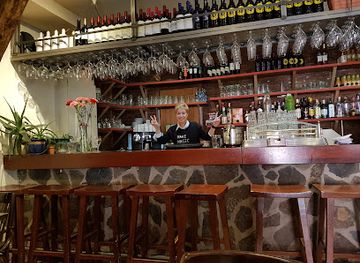
Experience the authentic Canarian flavors at El Escaldón Gastronomía Canaria, a culinary treasure in Madrid offering diverse and inclusive dining options.
Best shops in Canary Islands
Shopping in the Canary Islands ranges from urban high streets and department stores to village markets, craft workshops and produce stalls. Las Palmas de Gran Canaria and Santa Cruz de Tenerife offer the broadest selection of fashion, books, design, food shops and independent retailers, while resort areas have strong concentrations of visitor-oriented stores. Historic towns such as Teguise, La Orotava, La Laguna and Santa Cruz de La Palma are better suited to browsing small shops, galleries and craft outlets. Regional purchases may include island cheese, mojo, gofio, sweets, local wine and preserves, though food products should be packed according to airline and destination rules. Pottery, woven goods, woodwork and jewellery can be found in craft centres and markets, but quality and provenance vary, so ask where an item was made. Weekly markets differ by municipality and season; check locally for current days and locations rather than assuming that a market operates daily.
-
Shopping mall
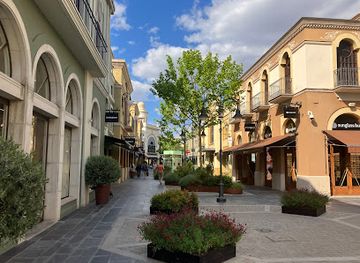
Las Rozas Village
Discover designer brands at unbeatable prices in the charming Las Rozas Village, a must-visit shopping destination near Madrid.
-
Shopping mall
La Cañada Shopping Center
Discover the ultimate shopping experience at La Cañada Shopping Center, Marbella's vibrant hub for fashion, dining, and entertainment.
-
Shopping mall
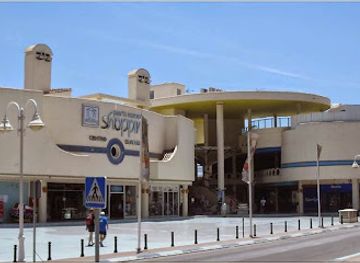
Puerto Marina Shopping
Experience the best of shopping, dining, and entertainment at Puerto Marina Shopping in Benalmádena, a vibrant gem on the Costa del Sol.
-
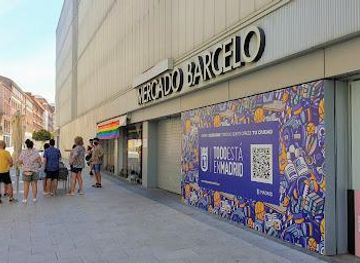
Market
Mercado Barceló
Experience the authentic flavors of Madrid at Mercado Barceló, a bustling market filled with local delicacies and vibrant culture.
Get your free copy of our complete guide to Canary Islands, delivered straight to you.
Everything on this page, from attractions and restaurants to essentials and local phrases, in one PDF you can read offline, print or share.
Already have an account? Sign in
Your Canary Islands guide is ready.
We'll send it to · Not you? Sign out

Getting your guide ready…
We are putting together a fresh copy of the Canary Islands guide. This can take up to a minute.
This can take a few moments. If your browser asks, choose Allow so the download can start. You'll find the guide in your Downloads folder.
Nothing happened? Download it again
Sorry, the guide is taking longer than usual. Please try again in a minute, or get it by email instead.
Canary Islands essentials
Currency and Payment
Safety
Emergency Situations
Do's and Don'ts
Local Tips
From Eve
Local phrases worth knowing
You don't need to get them perfect. A few words go a long way, and locals appreciate the effort.
Basics
| English | Local | Say it |
|---|---|---|
| Hello | Hola | [OH-lah] |
| Goodbye | Adiós | [ah-DYOS] |
| Yes | Sí | [SEE] |
| No | No | [NO] |
| Please/You're welcome | Por favor / De nada | [por fah-BOR / de NAH-dah] |
| Thank you | Gracias | [GRAH-syahs] |
| Excuse me/Sorry | Perdón | [per-DON] |
| How are you? | ¿Cómo estás? | [KOH-moh es-TAS] |
| Fine. And you? | Bien. ¿Y tú? | [BYEN. ee TOO?] |
| Do you speak English? | ¿Hablas inglés? | [AH-blas een-GLES?] |
| I don't understand | No entiendo | [NO en-TYEN-doh] |
Eating & Drinking
| English | Local | Say it |
|---|---|---|
| I'd like to see the menu, please | Me gustaría ver el menú, por favor | [meh goos-tah-RIA ver el meh-NOO, por fah-BOR] |
| I don't eat meat | No como carne | [NO KOH-mo KAR-neh] |
| Cheers! | ¡Salud! | [sah-LOOD] |
| I would like to pay, please | Me gustaría pagar, por favor | [meh goos-tah-RIA pah-GAR, por fah-BOR] |
Emergencies
| English | Local | Say it |
|---|---|---|
| Help! | ¡Ayuda! | [ah-YOO-dah] |
| Go away! | ¡Vete! | [VEH-teh] |
| Call the Police! | ¡Llama a la policía! | [YAH-mah ah lah poh-lee-SEE-ah] |
| Call a doctor! | ¡Llama a un doctor! | [YAH-mah ah oon dok-TOR] |
| I'm lost | Estoy perdido/a | [es-TOY per-DI-doh/dah] |
| I'm ill | Estoy enfermo/a | [es-TOY en-FER-mo/mah] |
Shopping
| English | Local | Say it |
|---|---|---|
| I'd like to buy... | Me gustaría comprar... | [meh goos-tah-RIA kom-PRAR] |
| I'm just looking | Solo estoy mirando | [SO-lo es-TOY mee-RAN-doh] |
| How much is it? | ¿Cuánto cuesta? | [KWAN-toh KWES-tah?] |
| That's too expensive | Eso es muy caro | [EH-so es MOO-ee KAH-roh] |
| Can you lower the price? | ¿Puedes bajar el precio? | [PWEH-des bah-HAR el PREH-syo?] |
Time & Numbers
| English | Local | Say it |
|---|---|---|
| What time is it? | ¿Qué hora es? | [KEH OH-rah es?] |
| It's one o'clock | Es la una | [es lah OO-nah] |
| Half past (10) | Y media (10) | [ee MEH-diah (diez)] |
| Morning | Mañana | [mah-NYAH-nah] |
| Afternoon | Tarde | [TAR-deh] |
| Evening | Noche | [NOH-cheh] |
| Yesterday | Ayer | [ah-YER] |
| Today | Hoy | [OY] |
| Tomorrow | Mañana | [mah-NYAH-nah] |
| 1 | Uno | [OO-no] |
| 2 | Dos | [DOS] |
| 3 | Tres | [TRES] |
| 4 | Cuatro | [KWAT-roh] |
| 5 | Cinco | [SEEN-koh] |
| 6 | Seis | [SAYS] |
| 7 | Siete | [SYEH-teh] |
| 8 | Ocho | [OH-choh] |
| 9 | Nueve | [NWEH-veh] |
| 10 | Diez | [DYEZ] |
Transport & Directions
| English | Local | Say it |
|---|---|---|
| Where's a/the...? | ¿Dónde está un/una...? | [DON-deh es-TAH oon/OO-nah...?] |
| What's the address? | ¿Cuál es la dirección? | [KWAL es lah dee-rek-SYON?] |
| Can you show me (on the map)? | ¿Puedes mostrarme (en el mapa)? | [PWEH-des mos-TRAR-meh (en el MAH-pah)?] |
| When's the next (bus)? | ¿Cuándo llega el próximo (autobús)? | [KWAN-doh YEH-gah el PROK-see-mo (ow-toh-BOOS)?] |
| A ticket (to ....) | Un billete (a ....) | [oon bee-YET-eh (ah ....)] |
History of Canary Islands
Pre-Hispanic Island Societies
Before Castilian conquest, the islands were inhabited by distinct Indigenous communities, commonly grouped under names such as Guanches in Tenerife, although identities and lifeways varied from island to island. These societies practised herding, farming, fishing and craft production, adapting to sharply different volcanic environments. Cave dwellings, rock art, burial sites and archaeological collections preserve evidence of these cultures, though much knowledge was later filtered through European accounts. Sites such as the Cueva Pintada archaeological park on Gran Canaria and other island museums help explain the social organisation, beliefs and material culture of the archipelago before Spanish rule.
Castilian Conquest, Fourteenth to Fifteenth Centuries
European contact increased during the later medieval period as merchants, sailors and missionaries reached the Atlantic islands. The Castilian conquest unfolded unevenly from the fifteenth century, involving warfare, alliances, enslavement and the incorporation of the islands into the Spanish Crown. Tenerife, Gran Canaria and La Palma were among the last major islands to be conquered. The process caused profound demographic and cultural disruption for Indigenous communities, while European settlement introduced new institutions, languages, religions and landholding patterns that shaped the islands for centuries.
Sugar, Wine and Atlantic Trade
After conquest, plantation agriculture and maritime commerce connected the Canary Islands to European, African and American markets. Sugar was an important early export, relying heavily on coerced labour, while wine later became especially significant. Ports including Las Palmas, Santa Cruz de Tenerife and Santa Cruz de La Palma served ships crossing the Atlantic, and island merchants participated in networks linking Spain, the Caribbean and the Americas. This commercial role brought wealth to selected towns and families, leaving churches, manor houses, port architecture and historic street plans as visible reminders of the islands’ place in Atlantic history.
Piracy, Fortifications and Maritime Defence
The islands’ position on Atlantic routes made them vulnerable to raids and rival imperial powers. Coastal towns developed defensive walls, castles and fortified towers, while ports became strategically important stopping points for long-distance shipping. Attacks on settlements such as Las Palmas and Santa Cruz de La Palma reinforced the importance of harbour defences. Surviving fortifications, including Castillo de la Luz in Las Palmas and Castillo de la Real Fuerza in Santa Cruz de La Palma, illustrate how commerce and military security were closely linked in the early modern archipelago.
Nineteenth-Century Ports and Agricultural Change
During the nineteenth century, the Canary Islands’ economy shifted as new port arrangements and export crops altered the balance between islands and towns. Cochineal, grown for its red dye, briefly prospered before synthetic dyes reduced its importance; bananas, tomatoes and other produce later became major exports. Improvements to harbours strengthened the commercial role of Las Palmas and Santa Cruz de Tenerife, while migration to Cuba, Venezuela and other parts of Latin America created enduring family and cultural connections. The period also encouraged urban growth and new civic architecture.
Tourism and Modernisation in the Twentieth Century
Mass tourism transformed the islands from the mid-twentieth century onwards. Improved air travel, road building and resort construction brought large numbers of visitors, especially to southern Tenerife, southern Gran Canaria, Lanzarote and Fuerteventura. Tourism created employment and infrastructure but also placed pressure on coastlines, water supplies, housing and landscapes. At the same time, the islands developed airports, universities, cultural institutions and stronger regional political structures. Modern Canary Islands society therefore combines an internationally connected service economy with agriculture, fishing, public administration and communities shaped by long-standing island traditions.
Autonomy and Contemporary Canarian Identity
The Canary Islands became an autonomous community of Spain under the constitutional arrangements of the late twentieth century, with its own parliament and government. Contemporary identity draws on local island loyalties, Spanish citizenship, Atlantic connections and renewed interest in Indigenous heritage. Environmental protection has become increasingly important, with extensive areas designated as national parks, biosphere reserves or other protected landscapes. The islands now face the challenges of managing tourism, climate change, water resources and uneven development while preserving distinctive ecosystems and cultural traditions.
Canary Islands in Photos
Browse through our photo collection highlighting the charm and character of the destination.
Neighbouring regions of Canary Islands
The closest regions to Canary Islands, if you have time for more than one.
-

-

-

-

-


Swipe for more regions
Explore more

Explore more of Spain
Discover Spain: A vibrant tapestry of culture, history, and breathtaking landscapes, where every city offers a unique adventure and unforgettable experiences.
Explore Spain