

Free Murcia Region Travel Guide & Mobile App
Explore Murcia Region with free travel guides. Discover regional history, expert tips, proposed trips, and audio guides on web or mobile app.


Explore Murcia Region for Roman Cartagena, huerta cuisine, mountain landscapes, Jumilla wines and the lagoon shores of the Mar Menor.
Read more about Murcia Region
When is the best time to visit Murcia Region?
Best: April–May, October · 23–27°C| Month | High (°C) | Rainfall (mm) |
|---|---|---|
| January | 16 | 21 |
| February | 17 | 22 |
| March | 20 | 23 |
| April (best) | 23 | 25 |
| May (best) | 27 | 20 |
| June | 32 | 8 |
| July | 34 | 2 |
| August | 34 | 6 |
| September | 31 | 20 |
| October (best) | 25 | 30 |
| November | 19 | 28 |
| December | 16 | 24 |
Getting to and around Murcia Region
How to get there
Transportation
Top city travel guides in Murcia Region
The cities of Murcia Region, and the easiest places to base yourself.
-

-


Swipe for more cities
Destinations in Murcia Region
Resorts, valleys and scenic spots worth a trip of their own.

Swipe for more destinations
Best attractions in Murcia Region
Murcia Region’s attractions range from archaeological cities and baroque heritage to wetlands, vineyards and mountain landscapes. Cartagena is the leading urban history destination, with its Roman Theatre Museum, Punic and Roman remains, maritime museums and hilltop viewpoints; Murcia offers cathedral architecture, the Real Casino and museums within a compact historic centre. Lorca’s castle and historic buildings explain the strategic and artistic importance of the city, while Caravaca de la Cruz combines religious heritage with a substantial old quarter. Outdoors, Sierra Espuña provides marked walking routes, pine forests and ravines, and the Regional Park of Calblanque protects beaches, dunes, salt flats and dry Mediterranean hills. The Salinas y Arenales de San Pedro del Pinatar are important for birdlife and traditional salt production. Around the Mar Menor and Cabo de Palos, visitors can swim, sail, dive or explore the coast, subject to seasonal conditions and environmental guidance. Archaeological sites near Totana and other inland towns add depth to the region’s very old settlement history, while Jumilla and Yecla offer wine-focused excursions and rural scenery.
-
Historical landmark
Roman Theater of Cartagena
Explore the Roman Theater of Cartagena, a stunning historical landmark showcasing ancient Roman architecture and rich cultural heritage.
-
Ecological park
Salinas y Arenales de San Pedro del Pinatar
Explore the breathtaking Salinas y Arenales de San Pedro del Pinatar, a natural haven of salt flats and diverse wildlife in the heart of Murcia, Spain.
-
Botanical garden
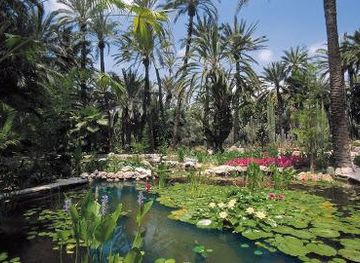
Huerto del Cura
Explore Huerto del Cura, a stunning botanical garden in Elche, rich in flora and history, perfect for a tranquil escape into nature.
-
Tourist attraction
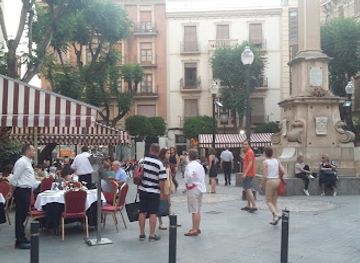
Plaza de Las Flores
Discover the vibrant Plaza de Las Flores in Murcia: a cultural gem adorned with flowers, history, and local flavors.

Best landmarks in Murcia Region
Murcia Cathedral is the region’s most recognisable ecclesiastical landmark, its predominantly Gothic structure carrying later Renaissance and baroque additions and a prominent bell tower above the city centre. Nearby, the Real Casino de Murcia combines nineteenth-century interiors with architectural influences from different periods. Cartagena’s Roman Theatre, set below the old city, is a defining archaeological monument, while the Castillo de la Concepción occupies a strategic hill above the harbour and historic streets. Lorca’s Fortaleza del Sol recalls the city’s medieval frontier role, and its skyline is complemented by churches and baroque civic architecture. In Caravaca de la Cruz, the Basilica-Santuario de la Vera Cruz dominates the hilltop and expresses the city’s religious importance. The Mar Menor and La Manga form a major geographical landmark rather than a single monument, contrasting a shallow lagoon with the open Mediterranean. Cabo de Palos adds a maritime landmark of rocky headlands and lighthouse views, while the mining landscapes of the Sierra Minera preserve visible evidence of the industrial transformation around La Unión and Cartagena.
-
Cathedral
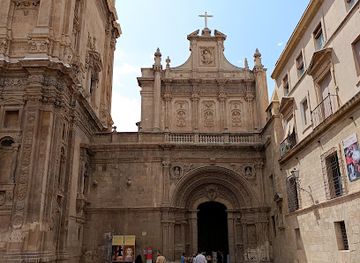
Catedral de Murcia
Discover the stunning Catedral de Murcia, a Gothic architectural wonder in the heart of Spain, rich in history and cultural significance.
-
Museum
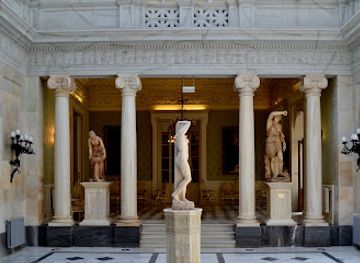
Real Casino de Murcia
Discover the enchanting Real Casino de Murcia, an architectural marvel and cultural hub that showcases the rich history of the city.
-
Garden
Jardín de Floridablanca
Explore the tranquility of Jardín de Floridablanca, Spain's first public garden, a lush and serene escape in the heart of Murcia.
-
Castle
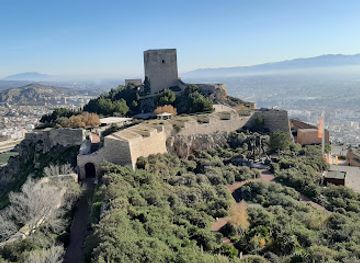
Castle of Lorca
Discover the enchanting Castle of Lorca, a historical gem in Murcia, where centuries of history come alive through stunning architecture and breathtaking views.
Explore Murcia Region on the map
Plan your trip on one map. See where the top cities, national parks and sights are, and book hotels and experiences in a few clicks.
Best hotels in Murcia Region
Best restaurants in Murcia Region
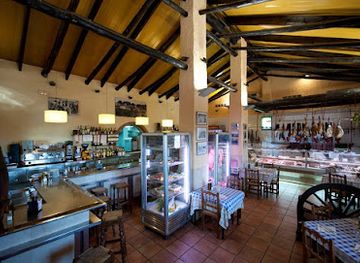
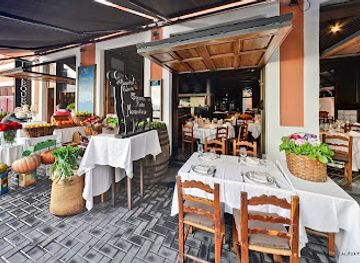
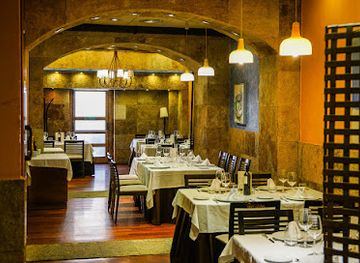
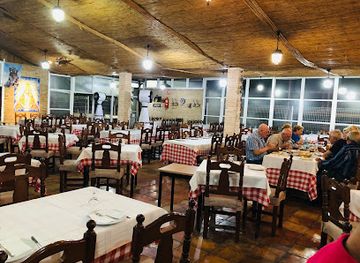
Murcian cooking reflects the contrast between the irrigated huerta, inland drylands and Mediterranean coast. Local menus often feature seasonal vegetables, pulses, rice, almonds, citrus fruit and artichokes, with meat dishes and stews providing a heartier inland tradition. Caldero, a rice and fish dish associated particularly with the Mar Menor and nearby fishing communities, is commonly served in coastal restaurants, while michirones is a substantial preparation of dried broad beans found across the region. Pastel de carne, a pastry filled with meat, is associated with Murcia city, and paparajotes use citrus leaves in a traditional sweet preparation. Cartagena and the lagoon towns offer fish and seafood, though menus also include the wider Spanish repertoire. Look for market produce, huerta vegetables, local cheeses and wines from Jumilla and Yecla in restaurants, tapas bars and traditional cafés. Dining patterns generally follow Spain’s later lunch and dinner hours, while rural inns and village establishments may have more limited or seasonal service.
-
Restaurant
Restaurante Torremolinos
Discover authentic Spanish cuisine at Restaurante Torremolinos in Churra - where every meal is a celebration of flavor.
-
Restaurant
Restaurante La Pequeña Taberna
Discover authentic Mediterranean flavors at Restaurante La Pequeña Taberna in Murcia, where every dish tells a story of tradition and taste.
-
Restaurant
Restaurante El Churra
Experience authentic Mediterranean flavors at Restaurante El Churra in Murcia - where every dish tells a story.
-
Spanish
Restaurante El Molinero
Experience authentic Spanish cuisine at Restaurante El Molinero in Murcia – where tradition meets flavor in every dish.
Best bars in Murcia Region
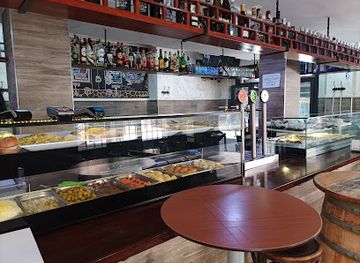
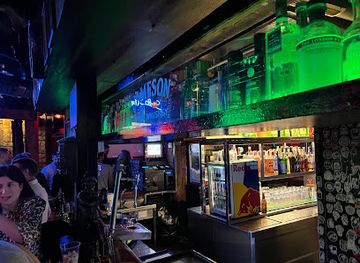
Evening life in Murcia Region varies considerably between the capital, university towns, historic cities and seasonal coastal resorts. Murcia city has the broadest choice of tapas bars, cafés, cocktail venues and live-music spaces, particularly around the central streets and squares, while Cartagena combines traditional bars with cultural venues and restaurants near its historic centre. Lorca and Caravaca de la Cruz are quieter, with evenings usually centred on plazas, cafés, local bars and dining rather than large clubs. Around the Mar Menor and La Manga, nightlife becomes more seasonal, with a greater concentration of beach bars, restaurants and late venues during the summer period. Traditional Spanish pubs and wine bars provide opportunities to sample regional wines from Jumilla and Yecla, and some breweries and contemporary venues add variety. Opening patterns and venue status can change, so current local information is important, particularly outside the main cities and in winter.
-
Tapas Bar
Bar Los Zagales
Discover the vibrant flavors of Spain at Bar Los Zagales, a beloved tapas bar in the heart of Murcia, offering a delightful culinary experience.
-
Tapas Bar
El Togo II
Discover the vibrant flavors of Murcia at El Togo II, a must-visit tapas bar offering a delightful selection of traditional Spanish dishes.
-
Bar
Sala Revolver
Discover the lively nightlife of Murcia at Sala Revolver, a vibrant bar and café offering great drinks and live music in an inviting atmosphere.
-
Pub
Alter Ego
Experience the vibrant nightlife of Murcia at Alter Ego, a lively pub offering a wide selection of drinks and a welcoming atmosphere.


Best nightclubs in Murcia Region
Evening life in Murcia Region varies considerably between the capital, university towns, historic cities and seasonal coastal resorts. Murcia city has the broadest choice of tapas bars, cafés, cocktail venues and live-music spaces, particularly around the central streets and squares, while Cartagena combines traditional bars with cultural venues and restaurants near its historic centre. Lorca and Caravaca de la Cruz are quieter, with evenings usually centred on plazas, cafés, local bars and dining rather than large clubs. Around the Mar Menor and La Manga, nightlife becomes more seasonal, with a greater concentration of beach bars, restaurants and late venues during the summer period. Traditional Spanish pubs and wine bars provide opportunities to sample regional wines from Jumilla and Yecla, and some breweries and contemporary venues add variety. Opening patterns and venue status can change, so current local information is important, particularly outside the main cities and in winter.
-
Disco club
Luminata Disco
Discover the electrifying nightlife of Murcia at Luminata Disco, where vibrant music and unforgettable moments await every night.
-
Disco club
Guru Dance Club
Discover the pulsating nightlife at Guru Dance Club in Murcia, where every beat invites you to dance the night away in an electric atmosphere.
-
Disco club
Ibiza Latina
Discover the electrifying nightlife of Ibiza Latina, Murcia's premier disco club, where music and dance come alive in an unforgettable atmosphere.
-
Disco club
Dubai Discoteca De Menores
Dive into the electrifying nightlife at Dubai Discoteca De Menores, Murcia's premier disco club where music and dance unite.




Best shops in Murcia Region
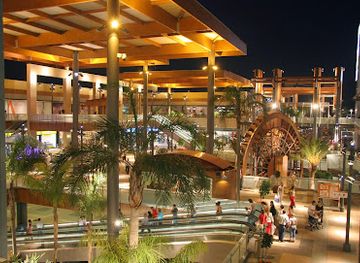
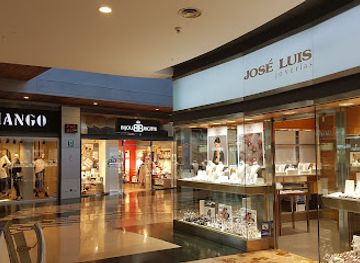
Shopping in Murcia Region is strongest in its historic cities and market towns rather than in a single region-wide retail district. Murcia’s central streets combine national retailers with independent food shops, delicatessens, bakeries and traditional stores, while its markets are useful for seeing the region’s huerta produce. Cartagena offers shops and galleries around the historic centre, with food products, books, crafts and maritime-themed purchases complementing ordinary retail. Lorca and Caravaca de la Cruz have smaller-scale high streets where visitors can look for ceramics, religious objects, locally made foods and regional gifts. In Jumilla and Yecla, wine is the most distinctive practical souvenir, alongside olive oil, almonds and other agricultural products; buy from reputable producers and check transport requirements for bottles. Coastal resorts concentrate on beachwear and seasonal retail, whereas inland towns are better for local produce and everyday markets. Ceramics, woven goods, confectionery and packaged regional foods can make more meaningful purchases than generic souvenirs, and market days vary between municipalities, so confirm arrangements locally.
-
Shopping mall
Centro Comercial Nueva Condomina
Explore the dynamic Centro Comercial Nueva Condomina, a shopping and entertainment hub in Murcia with diverse shops, dining options, and family-friendly activities.
-
Shopping mall
Centro Comercial Thader
Discover the ultimate shopping and entertainment experience at Centro Comercial Thader in Murcia, featuring diverse stores, dining options, and a cinema.
-
Shopping mall
CC Espacio Mediterráneo
Discover a world of shopping and dining at CC Espacio Mediterráneo, Cartagena's premier shopping mall with something for everyone.
-
Furniture store
IKEA Murcia
Explore IKEA Murcia for stylish furniture, home goods, and a unique shopping experience in the heart of Murcia.


Get your free copy of our complete guide to Murcia Region, delivered straight to you.
Everything on this page, from attractions and restaurants to essentials and local phrases, in one PDF you can read offline, print or share.
Already have an account? Sign in
Your Murcia Region guide is ready.
We'll send it to · Not you? Sign out

Getting your guide ready…
We are putting together a fresh copy of the Murcia Region guide. This can take up to a minute.
This can take a few moments. If your browser asks, choose Allow so the download can start. You'll find the guide in your Downloads folder.
Nothing happened? Download it again
Sorry, the guide is taking longer than usual. Please try again in a minute, or get it by email instead.
Murcia Region essentials
Currency and Payment
Safety
Emergency Situations
Do's and Don'ts
Local Tips
From Eve
Local phrases worth knowing
You don't need to get them perfect. A few words go a long way, and locals appreciate the effort.
Basics
| English | Local | Say it |
|---|---|---|
| Hello | Hola | [OH-lah] |
| Goodbye | Adiós | [ah-DYOS] |
| Yes | Sí | [SEE] |
| No | No | [NO] |
| Please/You're welcome | Por favor | [por fah-VOR] |
| Thank you | Gracias | [GRAH-thi-as] |
| Excuse me/Sorry | Perdón | [per-DON] |
| How are you? | ¿Cómo estás? | [KOH-moh es-TAS] |
| Fine. And you? | Bien. ¿Y tú? | [BYEN. ee TOO] |
| Do you speak English? | ¿Hablas inglés? | [AH-blas een-GLEHS] |
| I don't understand | No entiendo | [NO en-TYEN-do] |
Eating & Drinking
| English | Local | Say it |
|---|---|---|
| I'd like to see the menu, please | Me gustaría ver el menú, por favor | [meh goos-tah-REE-ah BEHR el meh-NOO, por fah-VOR] |
| I don't eat meat | No como carne | [NO KOH-mo KAR-neh] |
| Cheers! | ¡Salud! | [sah-LOOD] |
| I would like to pay, please | Quisiera pagar, por favor | [kee-SYEH-rah pah-GAR, por fah-VOR] |
Emergencies
| English | Local | Say it |
|---|---|---|
| Help! | ¡Ayuda! | [ah-YOO-dah] |
| Go away! | ¡Vete! | [VEH-teh] |
| Call the Police! | ¡Llama a la policía! | [YAH-ma ah lah poh-lee-SIA] |
| Call a doctor! | ¡Llama a un médico! | [YAH-ma ah oon MEH-di-ko] |
| I'm lost | Estoy perdido | [es-TOY per-DI-do] |
| I'm ill | Estoy enfermo | [es-TOY en-FER-mo] |
Shopping
| English | Local | Say it |
|---|---|---|
| I'd like to buy... | Quisiera comprar... | [kee-SYEH-rah kom-PRAR] |
| I'm just looking | Solo estoy mirando | [SO-lo es-TOY mee-RAN-do] |
| How much is it? | ¿Cuánto cuesta? | [KWAN-to KWE-sta] |
| That's too expensive | Es demasiado caro | [es de-ma-SYAH-do KAR-o] |
| Can you lower the price? | ¿Puedes bajar el precio? | [PWE-des ba-HAR el PREH-syo] |
Time & Numbers
| English | Local | Say it |
|---|---|---|
| What time is it? | ¿Qué hora es? | [KEH OH-rah es] |
| It's one o'clock | Es la una | [es lah OO-nah] |
| Half past (10) | Y media (10) | [ee MEH-diah (10)] |
| Morning | Mañana | [ma-NYAH-nah] |
| Afternoon | Tarde | [TAR-deh] |
| Evening | Noche | [NO-cheh] |
| Yesterday | Ayer | [ah-YER] |
| Today | Hoy | [OY] |
| Tomorrow | Mañana | [ma-NYAH-nah] |
| 1 | Uno | [OO-no] |
| 2 | Dos | [DOS] |
| 3 | Tres | [TRES] |
| 4 | Cuatro | [KWAT-ro] |
| 5 | Cinco | [SEEN-ko] |
| 6 | Seis | [SAYS] |
| 7 | Siete | [SYEH-teh] |
| 8 | Ocho | [OH-cho] |
| 9 | Nueve | [NWEH-beh] |
| 10 | Diez | [DYEZ] |
Transport & Directions
| English | Local | Say it |
|---|---|---|
| Where's a/the...? | ¿Dónde está...? | [DON-deh es-TAH] |
| What's the address? | ¿Cuál es la dirección? | [KWAL es lah dee-rek-SYON] |
| Can you show me (on the map)? | ¿Puedes mostrarme (en el mapa)? | [PWE-des mos-TRAR-me (en el MAH-pah)] |
| When's the next (bus)? | ¿Cuándo es el próximo (autobús)? | [KWAN-do es el PROH-ksimo (ow-toh-BOOS)] |
| A ticket (to ....) | Un billete (a ....) | [OON bee-YEH-teh (ah ....)] |
History of Murcia Region
The Argaric and Iberian Past
The region contains important evidence of prehistoric communities, particularly from the Bronze Age Argaric culture, which flourished across parts of southeastern Iberia from roughly the third to the early second millennium BCE. Settlements such as La Bastida near Totana reveal planned habitation, defensive structures and complex social organisation. Later Iberian communities occupied hilltop sites and maintained links with Mediterranean trade networks. These archaeological remains show that Murcia’s dry landscapes were not peripheral wastelands but long-inhabited territories shaped by farming, metallurgy, exchange and control of strategic routes.
Carthago Nova and Roman Mining
Cartagena, ancient Carthago Nova, became a major Mediterranean centre after its foundation by the Carthaginians in the third century BCE and its capture by Rome during the Second Punic War. The Romans developed the harbour, urban infrastructure and surrounding mineral resources, especially silver and lead from the Sierra Minera around present-day La Unión and nearby areas. Roman influence extended through roads, agriculture, administration and monumental building. Cartagena’s theatre, forum remains and other archaeological sites preserve the memory of a city whose prosperity depended on both maritime position and extractive industries.
Islamic Mursiya and Irrigated Agriculture
Muslim rule transformed the region from the early eighth century, and the city of Murcia was founded in 825 under the Emir of Córdoba. Mursiya grew as an administrative, commercial and agricultural centre, supported by irrigation technology that expanded cultivation in the Segura valley. Orchards, vegetable plots and networks of channels established patterns that continued, with major changes, after the Christian conquest. The Islamic period also left traces in urban layouts, water management and place names, even though later rebuilding altered much of the visible city.
Castilian Conquest and the Kingdom of Murcia
Castile took control of the Muslim-ruled taifa of Murcia in the thirteenth century, following agreements that were later replaced by direct Christian rule. Murcia became a frontier territory between Castile and the Nasrid kingdom of Granada, which gave strategic importance to castles and fortified settlements such as Lorca and Caravaca. Christian repopulation, ecclesiastical foundations and new political institutions changed the social landscape, while the region’s agricultural systems remained essential. The legacy of this period is particularly visible in castles, churches, city walls and the historic centres of Murcia, Lorca and Caravaca.
Early Modern Agriculture and Religious Culture
From the sixteenth to the eighteenth centuries, Murcia’s economy continued to depend heavily on irrigated farming, livestock and regional commerce. The Segura valley produced silk, fruit and vegetables, while towns and religious institutions sponsored churches, convents and civic buildings. Murcia’s cathedral was expanded and enriched over several centuries, and Lorca developed the baroque architecture for which parts of its centre are known. Caravaca’s religious importance also grew around devotion to the Vera Cruz. Floods, droughts and changing political conditions repeatedly tested communities dependent on the river and its irrigation network.
Mining, Railways and Industrial Change
The nineteenth century brought major expansion in mining around Cartagena, La Unión and the Sierra Minera. Lead, silver and other minerals attracted capital, labour and transport investment, while railways connected mining districts with port facilities. The boom created wealth but also severe environmental damage and difficult working conditions. Mining declined during the twentieth century, leaving altered hillsides, industrial structures and museums as reminders of the region’s industrial past. At the same time, agriculture modernised and Cartagena consolidated its role as a naval and industrial port.
Modern Agriculture, Tourism and Environmental Pressure
During the twentieth century, irrigation expansion, mechanised farming and improved transport helped Murcia become one of Spain’s important fruit and vegetable-producing regions. Coastal tourism developed around the Mar Menor and La Manga, bringing extensive construction and seasonal population growth. These changes created employment and infrastructure but also heightened pressure on water resources, coastal habitats and the lagoon’s ecological condition. Today the region combines export agriculture, heritage tourism, wine production, industry and beach travel while facing the continuing challenge of balancing economic activity with conservation and water management.
Murcia Region in Photos
Browse through our photo collection highlighting the charm and character of the destination.
Neighbouring regions of Murcia Region
The closest regions to Murcia Region, if you have time for more than one.
-

-

-

-
-


Swipe for more regions
Explore more

Explore more of Spain
Discover Spain: A vibrant tapestry of culture, history, and breathtaking landscapes, where every city offers a unique adventure and unforgettable experiences.
Explore Spain