A Celestial Escape: The Royal Observatory of Madrid
Explore the cosmos at the Royal Observatory of Madrid, a historical landmark offering educational exhibits and stunning views of the city.
The Royal Observatory of Madrid, a historical landmark nestled in the heart of Retiro, invites tourists to explore the wonders of astronomy. With its stunning architecture and rich history, this observatory is a must-visit for anyone interested in the cosmos. The observatory not only offers fascinating exhibitions but also provides breathtaking views of the Madrid skyline, making it a perfect spot for both education and leisure.
A brief summary to Royal Observatory of Madrid
- C. de Alfonso XII, 3, Madrid, Retiro, Madrid, 28014, ES
- +34915979564
- Visit website
- Friday 4:30 pm-6 pm
- Saturday 12 pm-2 pm
- Sunday 10 am-2:30 pm
Local tips
- Visit during weekdays for a quieter experience and more personalized attention during guided tours.
- Check the observatory's website for any special events or night sky observation sessions that may be available during your visit.
- Bring a camera to capture the beautiful architecture and scenic views of Retiro Park from the observatory.
- Plan your visit around the afternoon hours for a chance to enjoy the sunset over Madrid from the observatory.
- Don’t miss the gift shop, which offers unique astronomy-themed souvenirs and books.

Getting There
-
Metro
If you're in central Madrid, take Line 2 (the red line) and get off at the 'Retiro' station. From the station, head south on Calle de Ibiza until you reach the intersection with Calle de Alfonso XII. Turn left onto Calle de Alfonso XII, and you'll find the Royal Observatory of Madrid at number 3, just a short walk away.
-
Bus
You can take the EMT bus line 26, 32, or 163 to 'Retiro' stop. Once you get off, walk a short distance along Calle de Alfonso XII heading towards the south. The Royal Observatory is located at number 3, which is just a few minutes' walk from the bus stop.
-
Walking
If you're already in the Retiro Park area, simply walk towards the east side of the park. Exit the park through the south gate and head towards Calle de Alfonso XII. The Royal Observatory is located at number 3, directly across the street from the park's exit.
-
Taxi
You can easily hail a taxi from anywhere in Madrid. Just tell the driver 'Real Observatorio de Madrid en Calle de Alfonso XII, 3'. The taxi will drop you off right at the entrance of the observatory.
Discover more about Royal Observatory of Madrid
Iconic landmarks you can’t miss

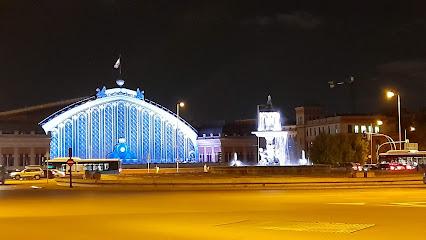
Pl. del Emperador Carlos V
0.4 km
Experience the vibrant cultural hub of Pl. del Emperador Carlos V, where history and modern life blend seamlessly in the heart of Madrid.
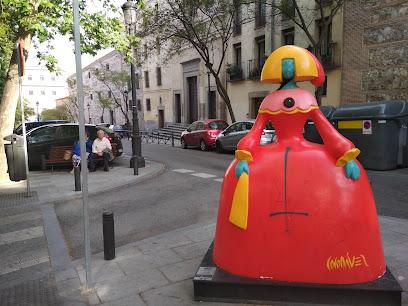
C. de Sta. Isabel, 52
0.6 km
Discover the architectural beauty and historical significance of C. de Sta. Isabel, a must-see landmark in the heart of Madrid's vibrant Centro district.
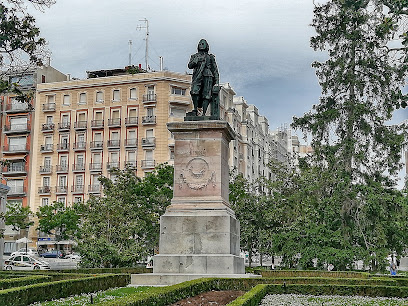
Monumento a Murillo
0.6 km
Discover the artistic legacy of Bartolomé Esteban Murillo at the stunning Monumento a Murillo in Madrid's Retiro district, a tribute to creativity and culture.
Monumento a Ricardo Codorníu
0.7 km
Discover the serene beauty and historical significance of the Monumento a Ricardo Codorníu in Madrid's enchanting Retiro Park.
Monumento a Velázquez
0.7 km
Explore the Monumento a Velázquez, a magnificent tribute to Spain's artistic heritage situated near the iconic Prado Museum in Madrid.
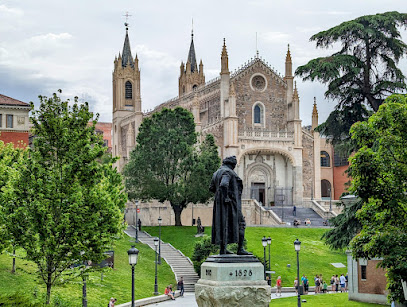
P.º del Prado
0.8 km
Discover the cultural heartbeat of Madrid at Paseo del Prado, where art, history, and vibrant city life converge in stunning harmony.
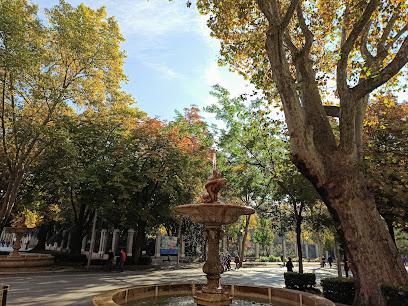
Dante Gate
0.8 km
Discover the architectural beauty and historical significance of Dante Gate, a must-visit landmark in Madrid's Retiro Park.
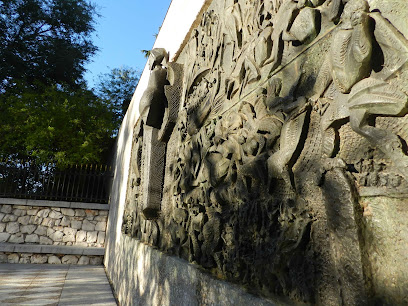
Madrid City Tour
0.9 km
Discover the rich history and vibrant culture of Madrid with engaging tours that showcase the city's iconic attractions and hidden gems.
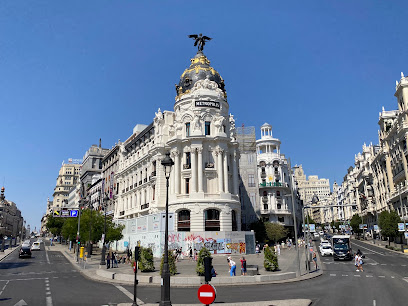
Monumento a los Caídos por España
1.0 km
Explore the Monument to the Fallen for Spain, a stunning sculpture in Retiro Park honoring the brave souls who sacrificed for their nation.
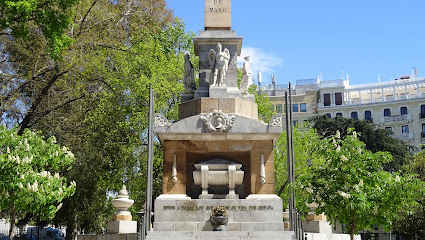
Pl. de las Cortes
1.1 km
Experience the vibrant culture and rich history of Madrid at Plaza de las Cortes, a must-visit landmark in the heart of the city.
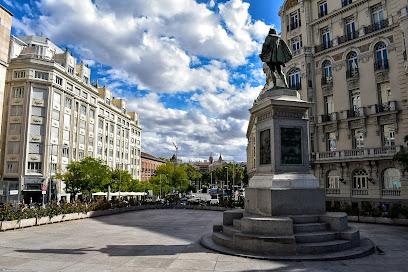
Plaza de las Cortes
1.1 km
Discover the historical significance and stunning architecture of Plaza de las Cortes, the political heart of Madrid, steeped in rich cultural heritage.
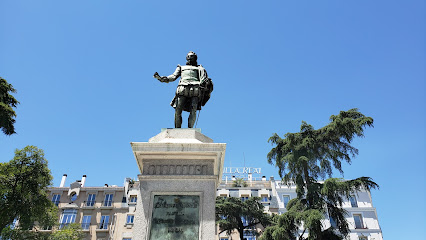
Statue of Miguel de Cervantes
1.1 km
Explore the Statue of Miguel de Cervantes in Madrid, a stunning tribute to literary brilliance surrounded by vibrant culture and history.
Casa Miguel de Cervantes (vivió y murió)
1.1 km
Discover the life of Miguel de Cervantes in his historical home in Madrid, enriching your understanding of literary heritage in a beautiful setting.
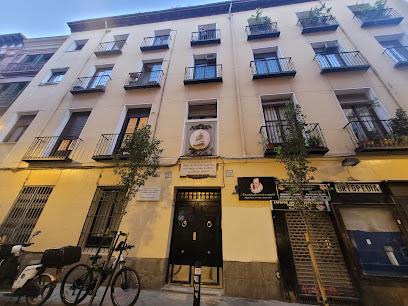
Prado Boulevard
1.1 km
Discover the serene beauty of Prado Boulevard, a lush city park in Madrid, where nature meets culture in the heart of Spain's vibrant capital.
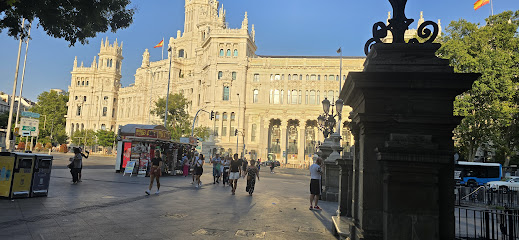
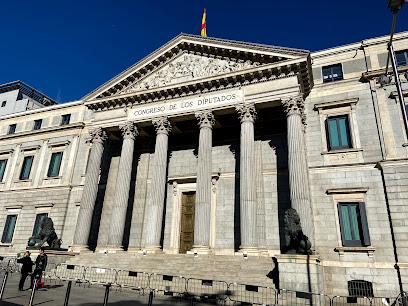
Congreso de los Diputados
1.2 km
Explore the majestic Congreso de los Diputados in Madrid, a stunning neoclassical building that embodies Spain's democratic spirit and rich history.
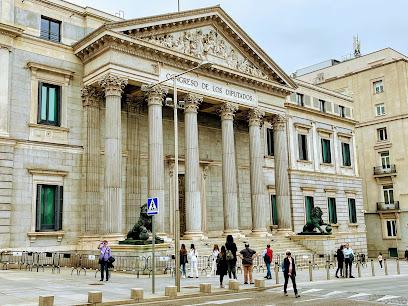
Unmissable attractions to see

Replica of the Fountain of the Artichoke
0.4 km
Discover the beauty and serenity of the Replica of the Fountain of the Artichoke in Madrid's Arganzuela district, a stunning blend of history and artistry.
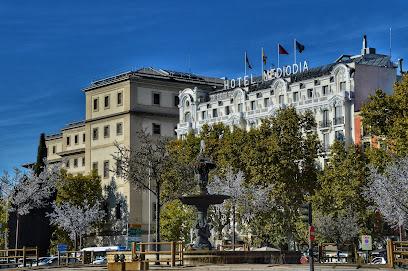
Real Jardín Botánico
0.4 km
Explore the lush landscapes and rich biodiversity of Real Jardín Botánico, a serene botanical garden in the heart of Madrid.
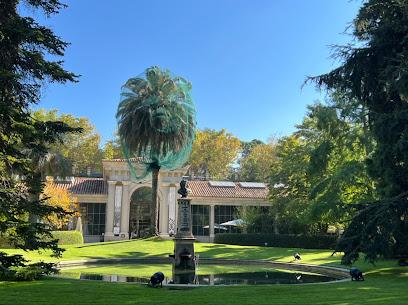
Kapital
0.5 km
Discover the ultimate nightlife experience at Kapital, Madrid's iconic disco club with seven floors of music, dance, and vibrant energy.

CaixaForum Madrid
0.6 km
Explore CaixaForum Madrid, a cultural center where stunning architecture meets inspiring art exhibits, concerts, and educational programs in the heart of the city.
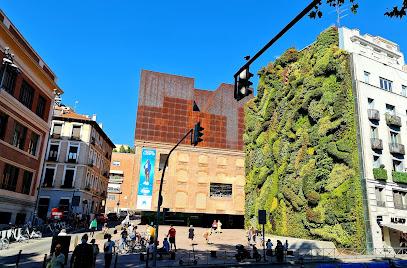
Museo Nacional Centro de Arte Reina Sofía
0.6 km
Explore the masterpieces of modern art at Museo Nacional Centro de Arte Reina Sofía, Madrid's iconic cultural gem featuring Picasso, Dalí, and more.
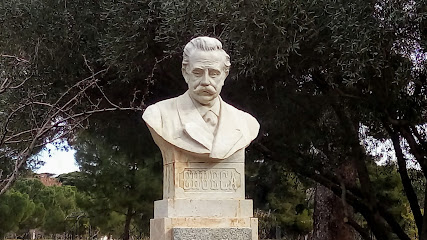
Monument to Federico Chueca
0.6 km
Experience the beauty and cultural significance of the Monument to Federico Chueca in Madrid's enchanting Parque del Retiro, a must-see for all visitors.
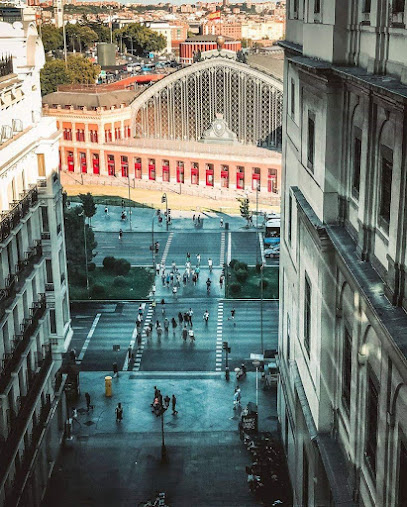
Atocha
0.7 km
Explore the vibrant Atocha district in Arganzuela, Madrid, where history, culture, and culinary delights meet in a bustling urban landscape.

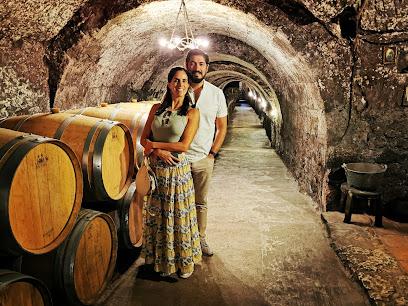
Wine Tour Madrid
0.7 km
Explore the exquisite Ribera del Duero wines with Wine Tour Madrid, your gateway to an authentic Spanish wine tasting experience.
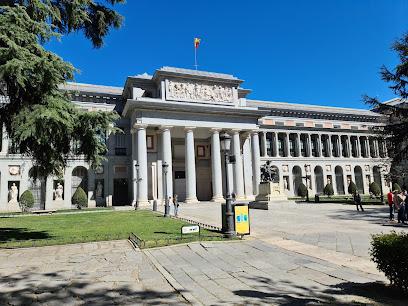
Museo Nacional del Prado
0.7 km
Explore the Museo Nacional del Prado, Madrid's premier art museum, showcasing masterpieces from the greats of European art history.
Fox in a Box Madrid Escape Room Madrid Centro
0.7 km
Experience the thrill of adventure at Fox in a Box Madrid, where teamwork and mystery come together in an unforgettable escape room experience.

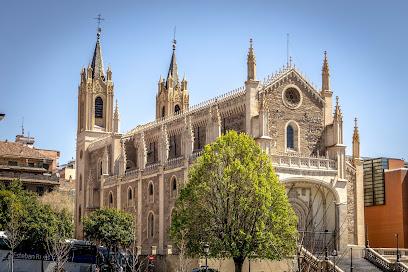
Church of San Jerónimo el Real
0.7 km
Explore the stunning architecture and rich history of the Church of San Jerónimo el Real in Madrid, a captivating destination for spiritual and cultural enthusiasts.
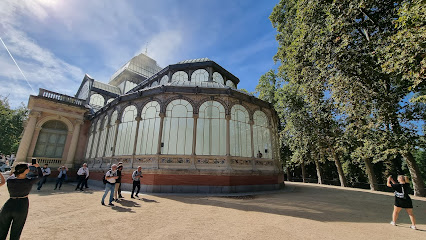
Palacio de Cristal
0.7 km
Explore the iconic Palacio de Cristal in Madrid, a breathtaking museum and event venue surrounded by nature, where art and architecture come alive.
Rent & Roll Madrid
0.8 km
Discover the charm of Madrid on two wheels with Rent & Roll - your go-to bicycle rental service in the heart of the city.

Puerta de Felipe IV
0.8 km
Explore the historical Puerta de Felipe IV in Retiro Park, Madrid—a stunning architectural gem surrounded by lush gardens and vibrant city life.
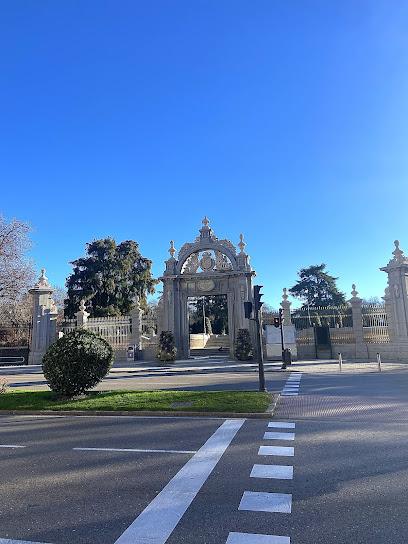
El Casón del Buen Retiro
0.8 km
Explore El Cason del Buen Retiro, a cultural gem in Madrid's Retiro Park, where art, history, and tranquility come together in perfect harmony.
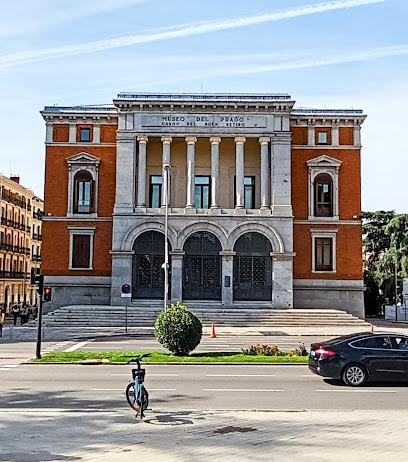
Essential places to dine

Bodega de los Secretos
0.7 km
Discover the enchanting flavors of Mediterranean cuisine at Bodega de los Secretos in the heart of Madrid.
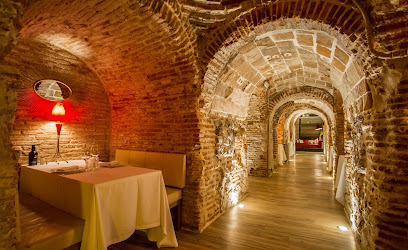
Taberna El Alambique
0.8 km
Experience authentic Spanish cuisine in the cozy atmosphere of Taberna El Alambique, located in the heart of Madrid's vibrant Centro district.
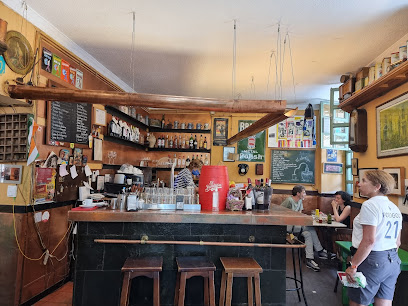
Moratin
0.8 km
Discover Moratin in Madrid - where exquisite wines meet authentic Spanish cuisine in a cozy setting.
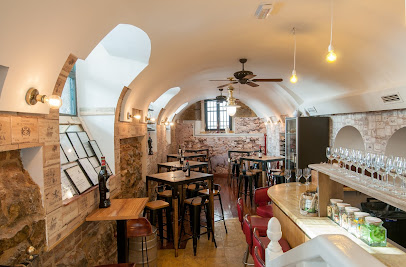
Mas Al Sur
0.8 km
Discover Mas Al Sur: A vibrant tapas bar in Madrid offering delicious Spanish cuisine and creative cocktails in a lively atmosphere.
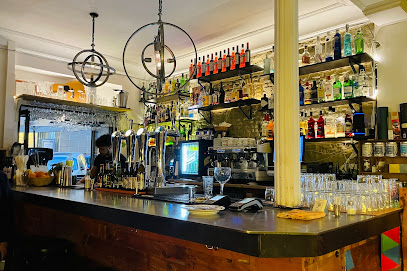
Los Gatos
0.9 km
Discover authentic Spanish tapas at Los Gatos in Madrid's vibrant Centro district—where every bite tells a story.
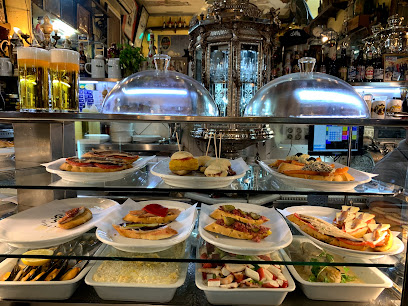
Restaurante Cazorla
1.0 km
Experience authentic Spanish cuisine at Restaurante Cazorla, where every dish tells a story of tradition and flavor in the heart of Madrid.

Taberna El Sur
1.0 km
Savor authentic Spanish tapas at Taberna El Sur in Madrid's vibrant Centro district – a culinary gem where tradition meets flavor.
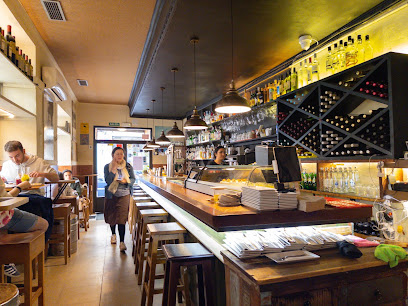
Restaurante Alabaster
1.1 km
Experience authentic Galician flavors at Restaurante Alabaster in Madrid - where tradition meets culinary innovation in every exquisite dish.
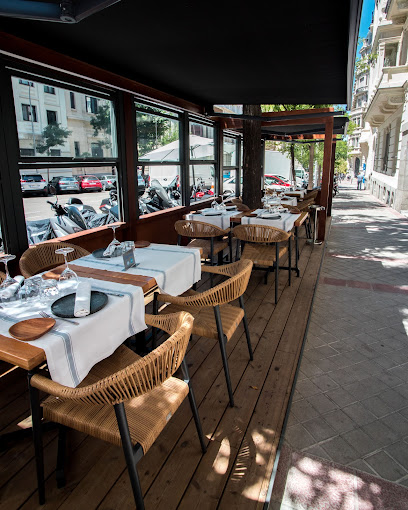
East 47 Restaurant-Bar
1.1 km
Discover the culinary delights at East 47 Restaurant-Bar in Madrid - where Mediterranean flavors meet vibrant ambiance.
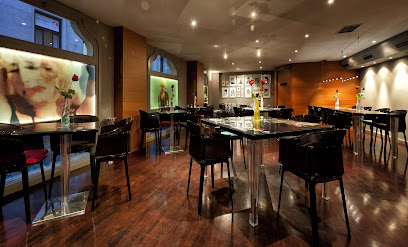
Restaurante Vinoteca García de la Navarra
1.1 km
Discover authentic Spanish cuisine at Restaurante Vinoteca García de la Navarra in Madrid's Retiro district, where tradition meets modern culinary art.
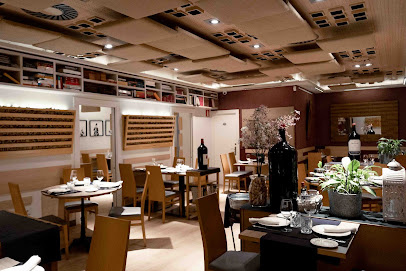
Taberna el Sur de Huertas
1.2 km
Experience authentic Spanish flavors at Taberna el Sur de Huertas in Madrid's vibrant Centro district.
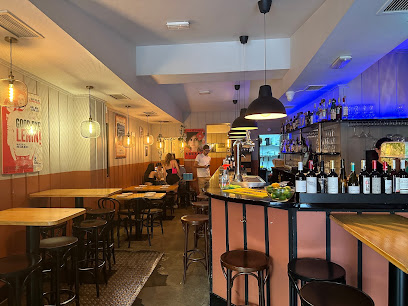
Restaurante La Gamella
1.2 km
Experience authentic Spanish cuisine at Restaurante La Gamella in Madrid's Retiro district - where tradition meets modernity.
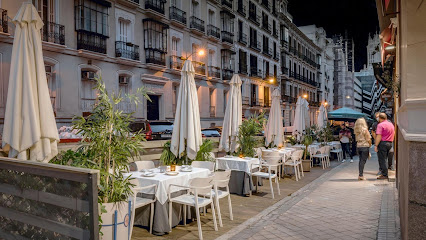
El RINCÓN DE ESTEBAN
1.2 km
Discover authentic Mediterranean cuisine at El RINCÓN DE ESTEBAN, where every meal is a celebration of flavor and tradition in the heart of Madrid.
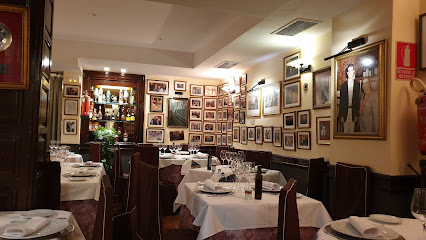
Uskar
1.2 km
Discover Uskar in Madrid: A delightful restaurant serving Mediterranean cuisine with a cozy atmosphere perfect for any occasion.
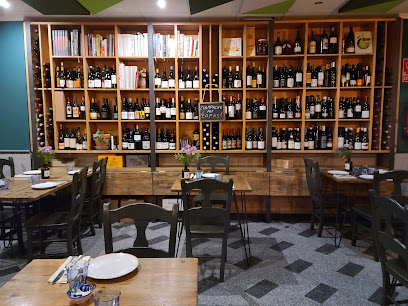
Vi Cool
1.3 km
Discover the essence of Spanish cuisine at Vi Cool, where modern tapas meet traditional flavors in the heart of Madrid's vibrant Centro district.
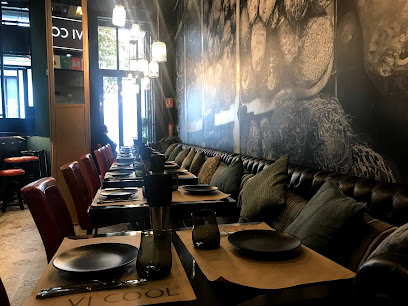
Markets, malls and hidden boutiques

Yo Me Voy de Compras
0.9 km
Explore the latest fashion trends and unique dress styles at Yo Me Voy de Compras in the heart of Madrid's Retiro district.

Artestilo
0.9 km
Explore Artestilo in Madrid for exquisite art, unique gifts, and handcrafted treasures reflecting the city's rich cultural heritage.
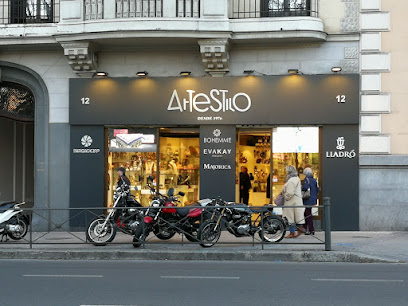
Room Store
0.9 km
Explore Room Store in Madrid for exquisite furniture and delightful toys, blending style and playfulness in one enchanting location.
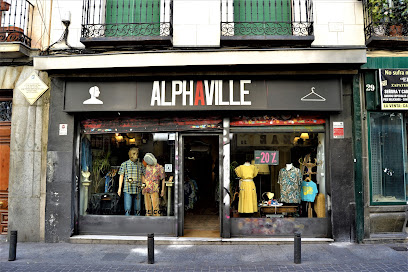
Alphaville vintage shop
1.1 km
Discover unique vintage clothing and sustainable fashion at Alphaville Vintage Shop in the heart of Madrid's Centro district.
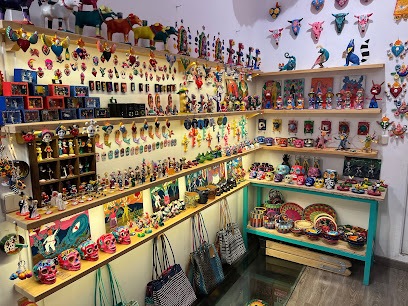
Enraizarte
1.1 km
Discover Enraizarte, Madrid's gem for artistic handicrafts, offering unique gifts that embody the spirit of Spanish culture and creativity.
TheLifeStyle Showroom
1.2 km
Explore the vibrant youth clothing scene in Madrid at The LifeStyle Showroom, where trendy styles meet local flair.

ILUNION
1.2 km
Explore ILUNION, Madrid's charming gift shop offering books, toys, and local specialties in the heart of Retiro district.

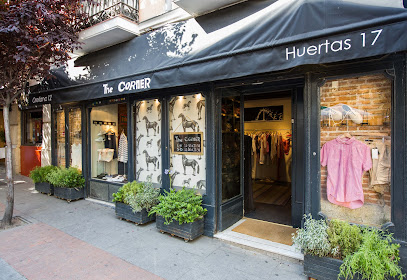
The Corner
1.2 km
Explore The Corner in Madrid for unique men's fashion that blends modern style with timeless elegance in the heart of the city.
From Madrid With Love
1.2 km
Explore the heart of Madrid with unique gifts and local artisan treasures at From Madrid With Love, a charming gift shop in the city center.
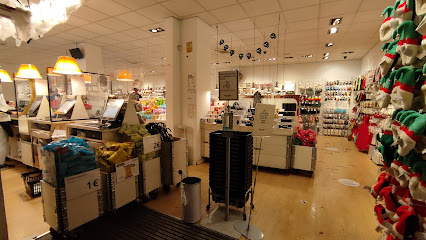
Flying Tiger Copenhagen
1.3 km
Explore the whimsical world of Flying Tiger Copenhagen in Madrid, where unique gifts and creative home goods await every visitor.
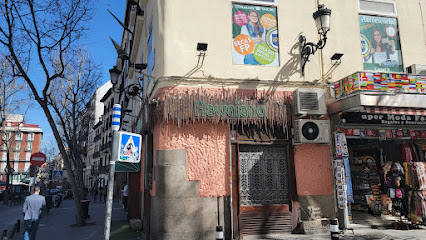
Souvenirs El Ángel
1.3 km
Explore Souvenirs El Ángel in Madrid for unique gifts and authentic Spanish souvenirs that capture the spirit of your travels.
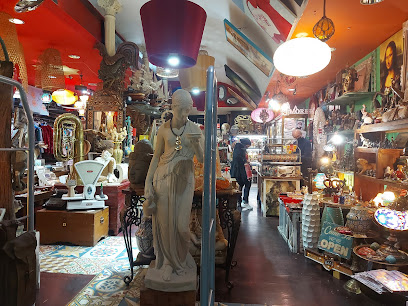
Piedra de Luna
1.3 km
Explore the enchanting gift shop Piedra de Luna in Madrid, where unique home goods, exquisite rugs, and artisanal jewelry await every visitor.
Travel Corner
1.4 km
Discover unique souvenirs and local crafts at Travel Corner, a charming gift shop in Madrid's vibrant Centro district.
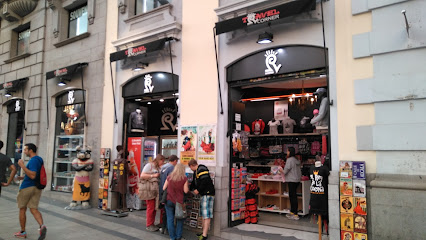
Galleria Canalejas
1.4 km
Explore Galleria Canalejas, Madrid's luxurious shopping mall featuring top brands and exquisite dining in a stunning architectural setting.
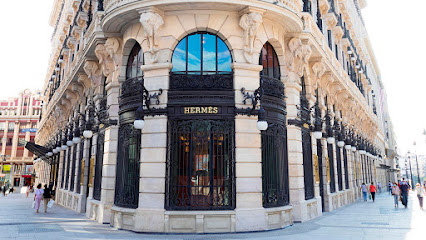
Louis Vuitton Galería Canalejas
1.4 km
Explore luxury at Louis Vuitton Galería Canalejas, Madrid’s premier destination for exquisite leather goods and timeless elegance.
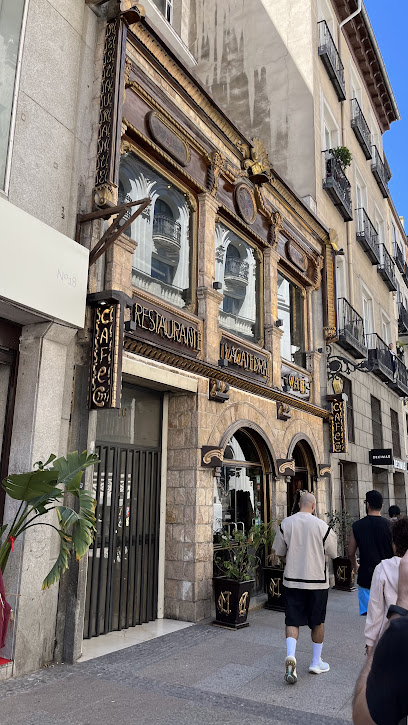
Essential bars & hidden hideouts

Jazz Bar
0.8 km
Discover the rhythm of Madrid at its finest jazz bar, where every cocktail is a masterpiece and music fills the air.
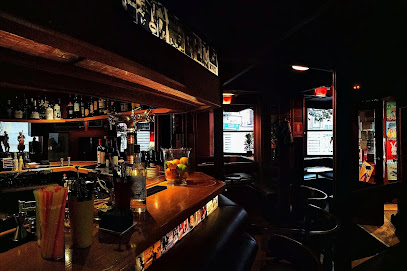
Bar Mirador
0.9 km
Discover Bar Mirador, a grill bar in Retiro, Madrid, offering delicious food and stunning views, perfect for a leisurely meal in the heart of the city.
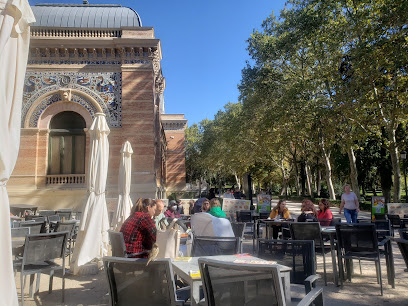
Edén de Huertas Bar de Copas y Cachimbas
0.9 km
Experience the vibrant nightlife of Madrid at Edén de Huertas, where cocktails, live music, and a lively atmosphere await you.
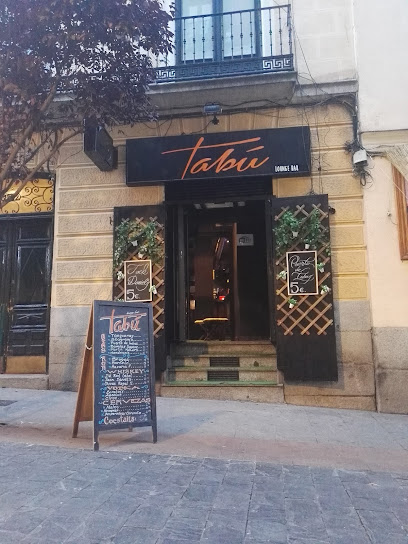
Champagne Bar
0.9 km
Discover the elegance of Champagne Bar in Madrid, where luxury meets a delightful selection of the world's finest champagnes.
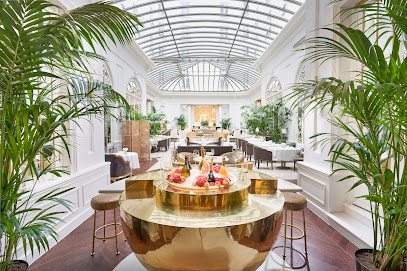
La Santoría Cocktail Bar
0.9 km
Experience the art of cocktail making at La Santoría, a stylish bar in Madrid's Centro district offering an innovative drink menu and a vibrant atmosphere.

Mix and Me Bar Madrid
0.9 km
Discover the vibrant nightlife of Madrid at Mix and Me Bar, where expertly crafted cocktails and a lively atmosphere await.
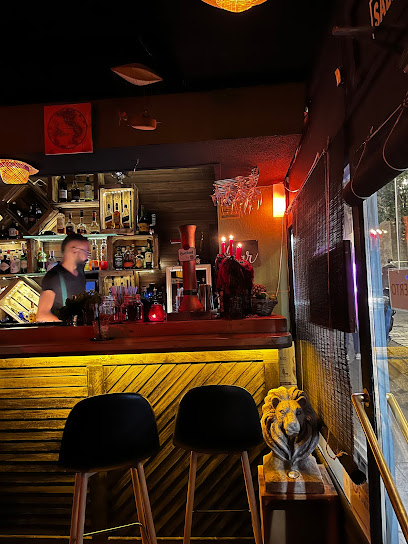
Fogg Bar Birras & Burgers
0.9 km
Experience the ultimate burger and beer fusion at Fogg Bar Birras & Burgers in Retiro, Madrid – a must-visit culinary hotspot for every traveler.
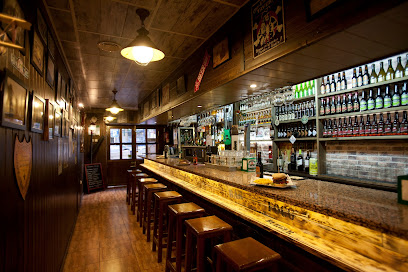
Taranttela Gin & Cocktail Room
1.0 km
Discover the vibrant Taranttela Gin & Cocktail Room, where expertly crafted cocktails meet a cozy atmosphere in the heart of Madrid's Retiro district.
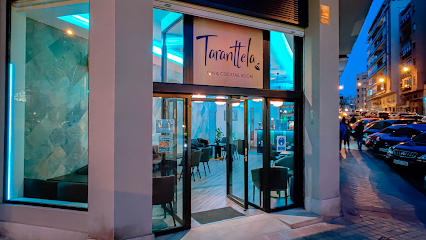
Latazo
1.0 km
Discover the vibrant flavors of authentic Spanish tapas at Latazo, a top-rated bar in Madrid's Mercado Anton Martín.
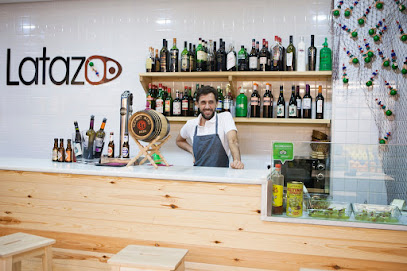
Fat Cats Cocktail House
1.2 km
Discover the best cocktails and small plates at Fat Cats Cocktail House, where vibrant nightlife and exquisite flavors come together in the heart of Madrid.
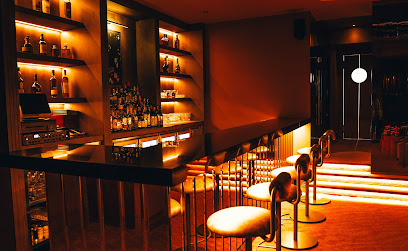
Blackbird Rock Bar
1.2 km
Experience the enchanting atmosphere of Blackbird Rock Bar, a premier piano bar in the heart of Madrid offering live music and signature cocktails.
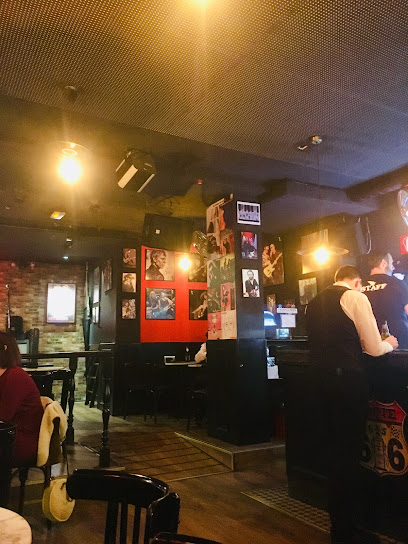
El Imperfecto
1.2 km
Experience the vibrant spirit of Madrid at El Imperfecto, a quirky bar offering innovative cocktails and a lively atmosphere in the heart of the city.
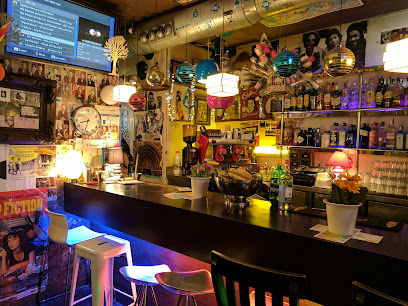
Florida Park
1.3 km
Discover the vibrant fusion of culture and cuisine at Florida Park in Madrid - a must-visit for tapas lovers and nightlife enthusiasts alike.
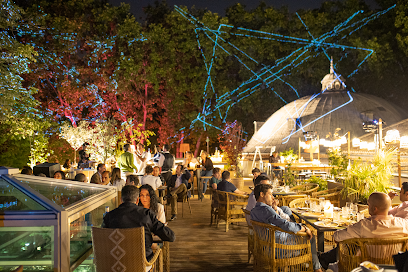
La Galería de Florida Retiro
1.3 km
Discover the flavors of Spain at La Galería de Florida Retiro, a vibrant tapas bar near Retiro Park, offering an unforgettable culinary experience.
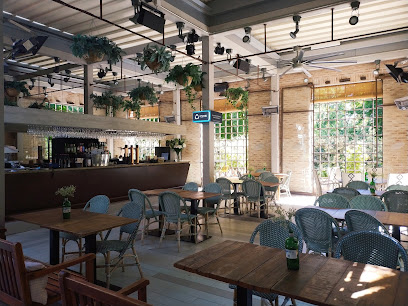
Viva Madrid
1.3 km
Experience the lively ambiance and unique cocktails at Viva Madrid, the perfect bar to unwind and socialize in the heart of the city.
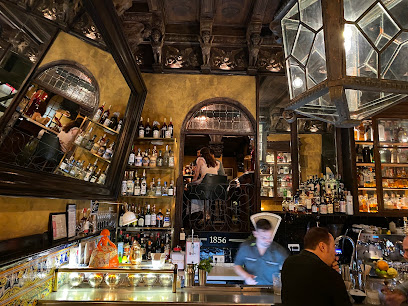
Nightclubs & after hour spots

Mandala Club
1.3 km
Discover the vibrant energy of Mandala Club, Madrid's premier disco spot for unforgettable nights of dance and music.
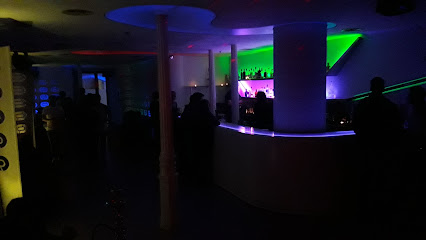
CHA CHÁ The Club Madrid
1.4 km
Discover the vibrant nightlife at CHA CHÁ The Club Madrid, where music, dance, and unforgettable memories await you in the heart of the city.
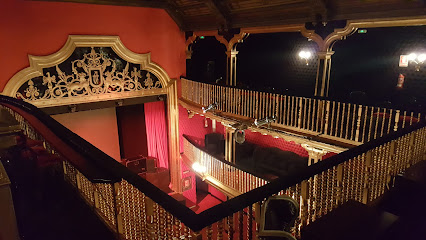
Medias Puri
1.4 km
Dive into Madrid's vibrant nightlife at Medias Puri, where electrifying music and spectacular performances create unforgettable nights.
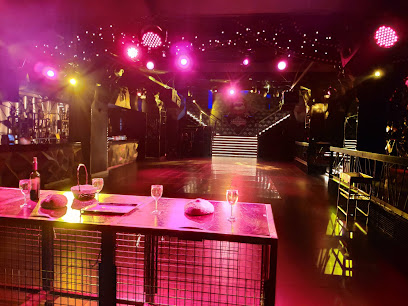
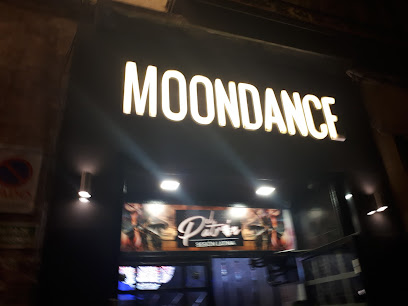
Moondance Madrid
1.6 km
Discover the pulsating heart of Madrid's nightlife at Moondance, a vibrant disco club and lounge that promises unforgettable nights filled with music, dance, and fun.
Discoteca Gunilla Club
1.6 km
Unleash your nightlife adventure at Discoteca Gunilla Club, where Madrid's vibrant beats and stylish ambiance await every party enthusiast.
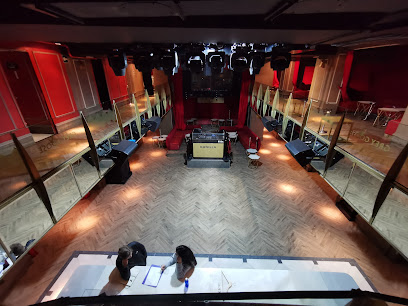
Club 54
1.7 km
Discover Madrid's nightlife at Club 54, a premier disco club and inclusive dance hall in the heart of the city, perfect for unforgettable nights out.
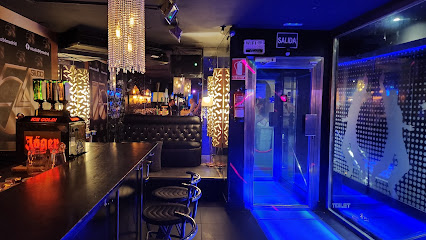
Sala El Sol
1.7 km
Discover the heart of Madrid's nightlife at Sala El Sol, where every night is a celebration of music, dance, and unforgettable memories.
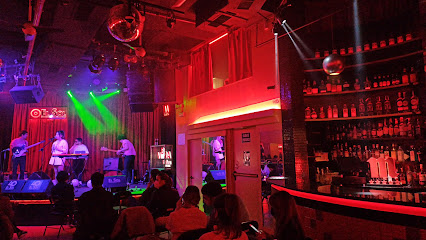
Esencia House Club
1.7 km
Discover the heart of Madrid's nightlife at Esencia House Club, where music, dance, and unforgettable moments await.
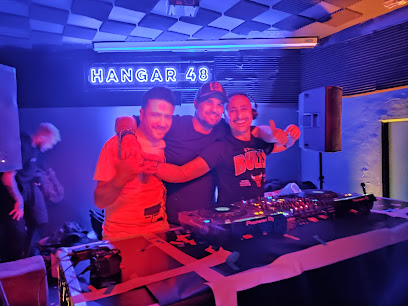
club
1.7 km
Discover the vibrant nightlife of Madrid at this iconic night club in the heart of Centro, where unforgettable experiences await every night.
El 12 CLUB - Madrid
1.7 km
Experience the vibrant nightlife of Madrid at El 12 CLUB – a premier gay bar and club known for its inclusive atmosphere and electrifying dance floor.
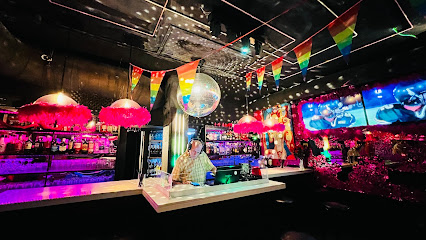
Black & White
1.8 km
Discover the electric nightlife of Black & White, Madrid's top disco club featuring live drag shows and a vibrant dance scene.
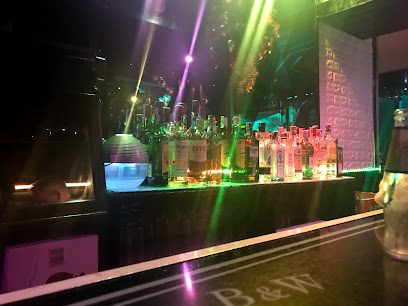
Triskel Show Bar
1.8 km
Dive into an electrifying nightlife experience at Triskel Show Bar, Madrid's premier disco club, where music and dance come alive.

La Lulú Bar
1.8 km
Experience the vibrant nightlife of Madrid at La Lulú Bar, a lively gay bar and nightclub offering unforgettable parties and an inclusive atmosphere.
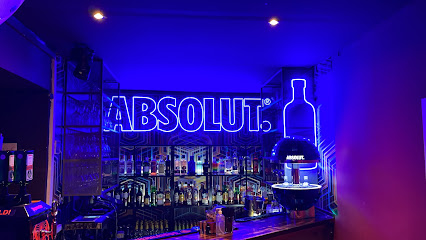
Supperclub 31
1.8 km
Discover the electrifying nightlife at Supperclub 31, Madrid's premier disco club, where music and fun come alive until dawn.

Fosforito
1.8 km
Experience the electrifying nightlife of Madrid at Fosforito, a premier night club in the stylish Salamanca district, where unforgettable memories await.