Temple of Debod, Madrid Travel Guide
Egypt's 2nd-century BC temple transplanted to Madrid's hilltop park, offering hieroglyphic wonders and postcard sunsets over palace and cathedral.
The Temple of Debod stands as a rare gift from Egypt to Spain, an authentic 2nd-century BC structure relocated to Madrid's Parque del Oeste. Gaze upon its hieroglyph-covered walls and catch stunning sunset views over the Royal Palace and Almudena Cathedral from this historic gem, blending pharaonic legacy with urban splendor.
A brief summary to Temple of Debod
- C. de Ferraz, 1, Madrid, Moncloa - Aravaca, Madrid, 28008, ES
- Click to display
- Click to display
- Budget
-
 Outdoor
- Mobile reception: 5 out of 5
- Tuesday 10 am-7:30 pm
- Wednesday 10 am-7:30 pm
- Thursday 10 am-7:30 pm
- Friday 10 am-7:30 pm
- Saturday 10 am-7:30 pm
- Sunday 10 am-7:30 pm

Know before you go
Hi, I'm Eve. Here are a few practical things to know before exploring Temple of Debod.
- Visit near sunset for magical lighting on the temple facade and sweeping city views.
- Climb the hill via park paths for a rewarding approach revealing the temple dramatically.
- Look for hieroglyphs on walls telling of kings and gods; audio guides enhance details.
- Combine with nearby cable car for aerial park perspectives framing the temple.
Do you manage this location?
Take control to get all the benefits, like improved information, better appearance, and stronger visibility across AI-powered discovery. Learn more about listing your business on Evendo
Activate your presenceOther nearby places you may find interesting
The closest places of the same kind, if this one is not quite what you had in mind.

Explore Temple of Debod on the Map
A handpicked selection of must-see spots near Temple of Debod, mapped for you.
Unlock the Best of Temple of Debod
Buy tickets
-
No tickets available
Book tours with entry


Getting There
-
Walking
From Chueca center, metro to Plaza de España (15 min), then 20-min uphill walk through park paths; free, scenic but strenuous.
-
Public Transit
Bus from Chueca to Moncloa (20 min, €1.50-2), short walk or Teleférico cable car across park (5 min extra, €3-6 roundtrip).
-
Taxi/Rideshare
Direct taxi from Chueca (15-20 min, €10-15); drops near park entrance for quick hill ascent.
For the on-the-go comforts that matter to you
-
 Restrooms
-
 Drink Options
-
 Food Options
-
 Seating Areas
-
 Trash Bins
-
 Information Boards
Discover more about Temple of Debod
Ancient Origins in Nubia
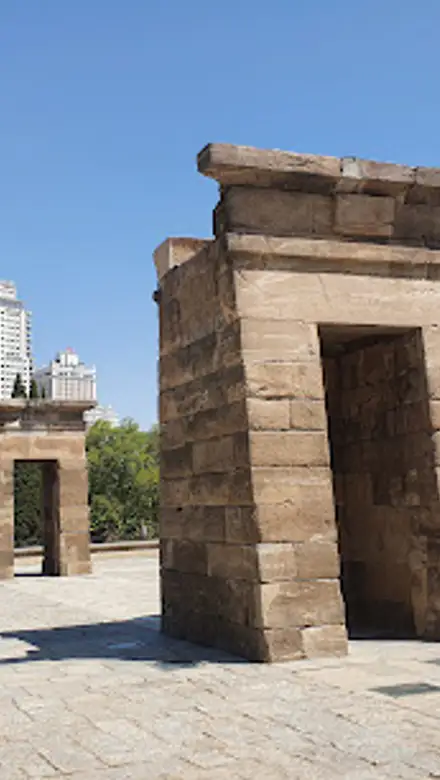
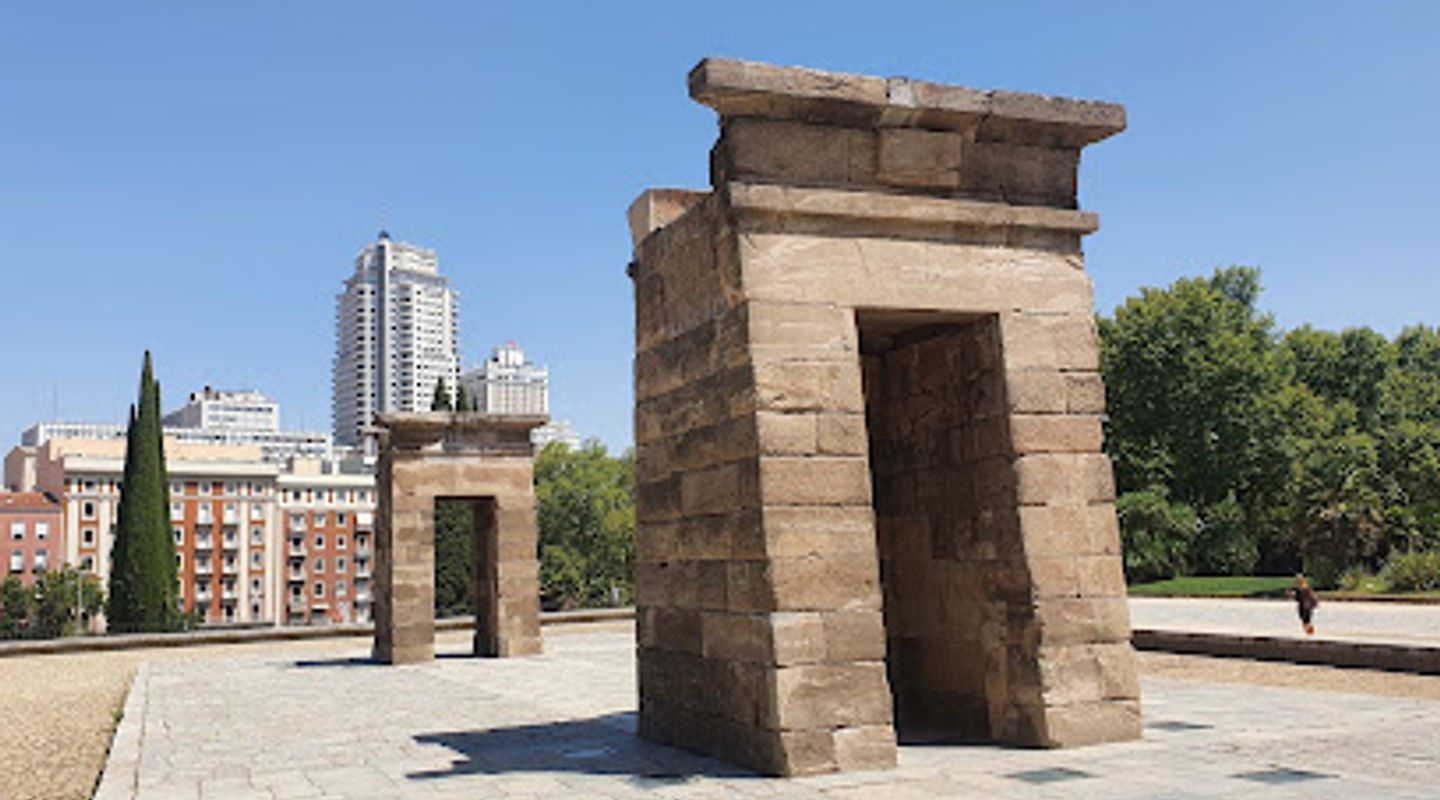
Built around 180-116 BC during the Ptolemaic dynasty, the Temple of Debod originally honored the gods Amun and Isis in Nubia, southern Egypt. Commissioned by King Adikhalamani, it features classic Egyptian architecture with a pylon entrance, hypostyle hall, and sanctuaries adorned in intricate hieroglyphs recounting royal dedications and divine rituals. This small yet complete temple exemplifies Greco-Roman influences on Egyptian temple design, with columns topped by lotus capitals and walls depicting offerings to the deities.Relocation to Madrid
In gratitude for Spain's contributions to saving Abu Simbel from the Aswan Dam floods in the 1960s, Egypt gifted the temple in 1968. Dismantled stone by stone, it was meticulously reassembled on a hill in Parque del Oeste by 1972, oriented to face east toward the sunrise as per ancient tradition. The relocation preserved nearly all original elements, including granite blocks weighing up to 40 tons, making it Europe's only authentic Egyptian temple open to the public.Architectural Highlights
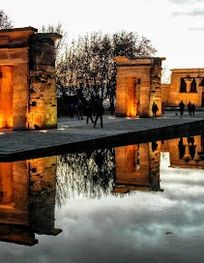
Approach through the monumental pylon gateway flanked by towers, enter the hypostyle hall with 6 columns supporting a ceiling painted with vultures symbolizing protection. Inner chambers reveal altars where priests once performed daily rites. The southwest corner bears graffiti from Roman visitors, adding layers of history. Surrounding gardens feature a reflecting pool that mirrors the temple, enhancing its mystical aura especially at dusk.Park Setting and Views
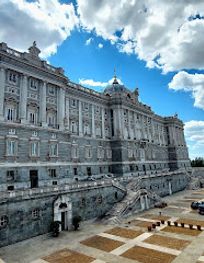
Elevated in Parque del Oeste, the temple commands panoramic vistas across Madrid's skyline, with the Palacio Real, Almudena Cathedral, and distant Sierra de Guadarrama mountains. The park's pine groves and lawns provide a serene contrast to the urban bustle below, popular for picnics and contemplation. At sunset, the temple's warm sandstone glows against the fiery sky, drawing photographers and romantics alike.Cultural Significance
Managed by Madrid's city council, the site bridges continents and eras, symbolizing cultural exchange. Exhibits within explain its dual heritage, from Nile Valley rituals to its modern role as a landmark. Events like equinox illuminations highlight astronomical alignments, underscoring ancient Egyptians' celestial knowledge. It stands as a testament to preservation efforts and international goodwill.Visitor Experience
Wander the enclosure at leisure, deciphering symbols under shaded porticos or climbing for elevated perspectives. The atmosphere evokes timeless wonder, with breezes carrying faint echoes of antiquity amid contemporary city hum. Ideal for history enthusiasts seeking an intimate encounter with Egypt in Europe's heart.












Your all‑in‑one travel companion app
Explore expert travel guides, compare and book tours, experiences, hotels, and more—all from the palm of your hand. Download now for seamless trip planning wherever your wanderlust takes you.


Explore More of Madrid
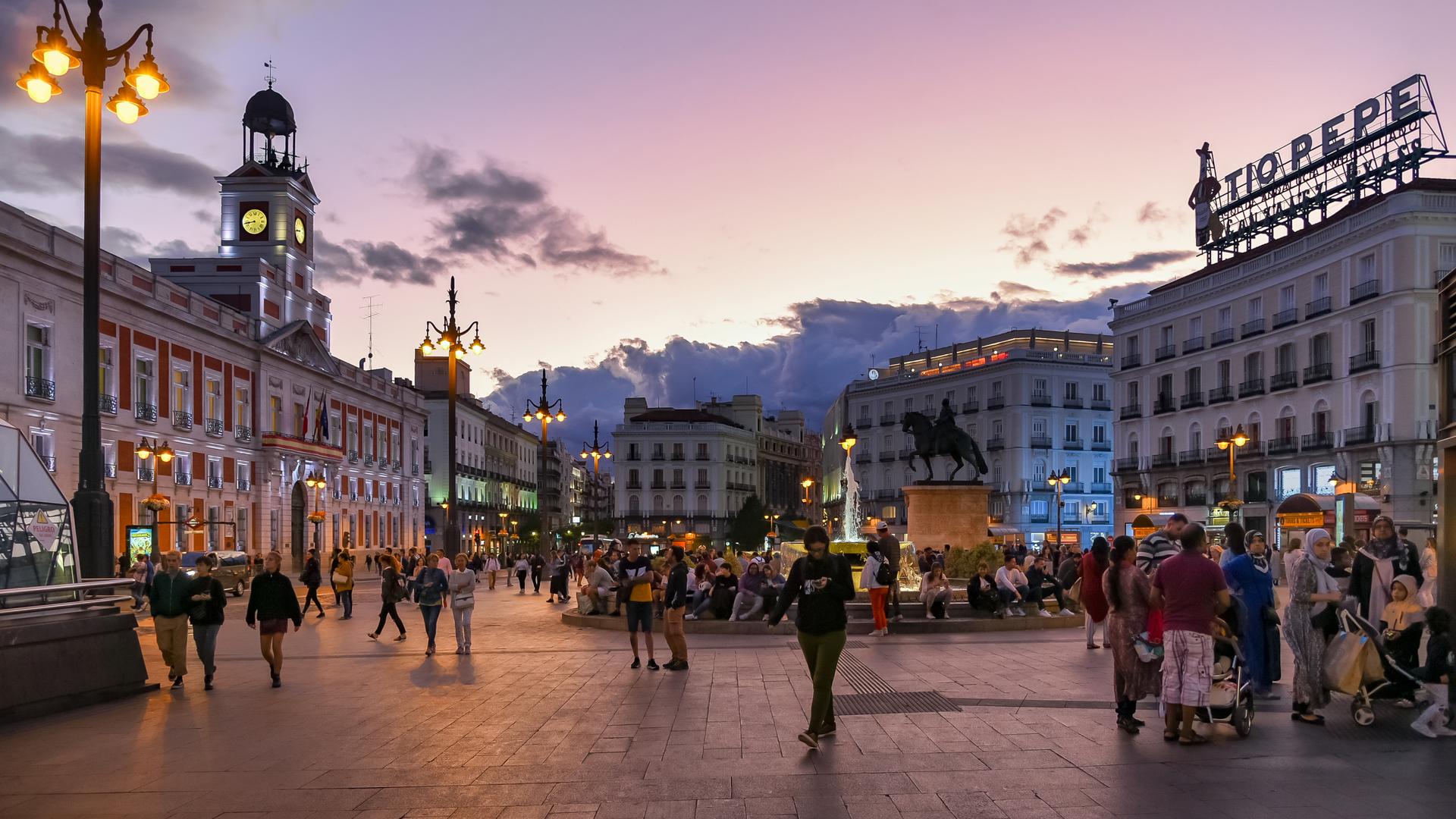
Looking beyond Temple of Debod? Discover Madrid for broader travel guides, local hot-spots, and regional highlights.
Explore Madrid