

Thyssen-Bornemisza National Museum, Madrid Travel Guide
Free Guide: Three centuries of artistic mastery in a palace that transforms how you see European art history.


A brief summary of Thyssen-Bornemisza National Museum
Three centuries of artistic mastery in a palace that transforms how you see European art history.
One of Madrid's most important art museums, the Thyssen-Bornemisza showcases an extraordinary private collection spanning seven centuries of European and American art. Located on the prestigious Paseo del Prado, this world-class institution completes Madrid's 'Golden Triangle of Art' alongside the Prado and Reina Sofía museums, offering visitors an unparalleled journey through artistic movements from medieval times to contemporary works.
On-site amenities
 Restrooms
 Drink options
 Drinking water
 Food options
 Seating areas
 Information boards
 Visitor centre
Opening hours
- Mon12 pm–4 pm
- Tue10 am–7 pm
- Wed10 am–7 pm
- Thu10 am–7 pm
- Fri10 am–7 pm
- Sat10 am–7 pm
- Sun10 am–7 pm
Opening hours as listed on the venue’s Google Business Profile. Hours can change for services and special events, so check with the venue before you go.
- Address
- P.º del Prado, 8, Centro, 28014 Madrid
- Phone
- Website
Getting there
Metro
Bus
Walking
Taxi or Ride-Share
Discover more about Thyssen-Bornemisza National Museum
A Collector's Vision Transformed into Public Heritage
The Thyssen-Bornemisza National Museum represents one of the most significant private art collections ever assembled, now open to the public as a cornerstone of Madrid's cultural landscape. The collection originated with Heinrich Thyssen-Bornemisza, a German-Swiss industrialist and passionate art collector who accumulated masterpieces throughout the 20th century. In 1993, the Spanish government acquired the collection, establishing this museum as a complement to the Prado and Reina Sofía, creating what locals call the 'Golden Triangle of Art'—three world-class institutions within walking distance of each other.
Architectural Setting and Location
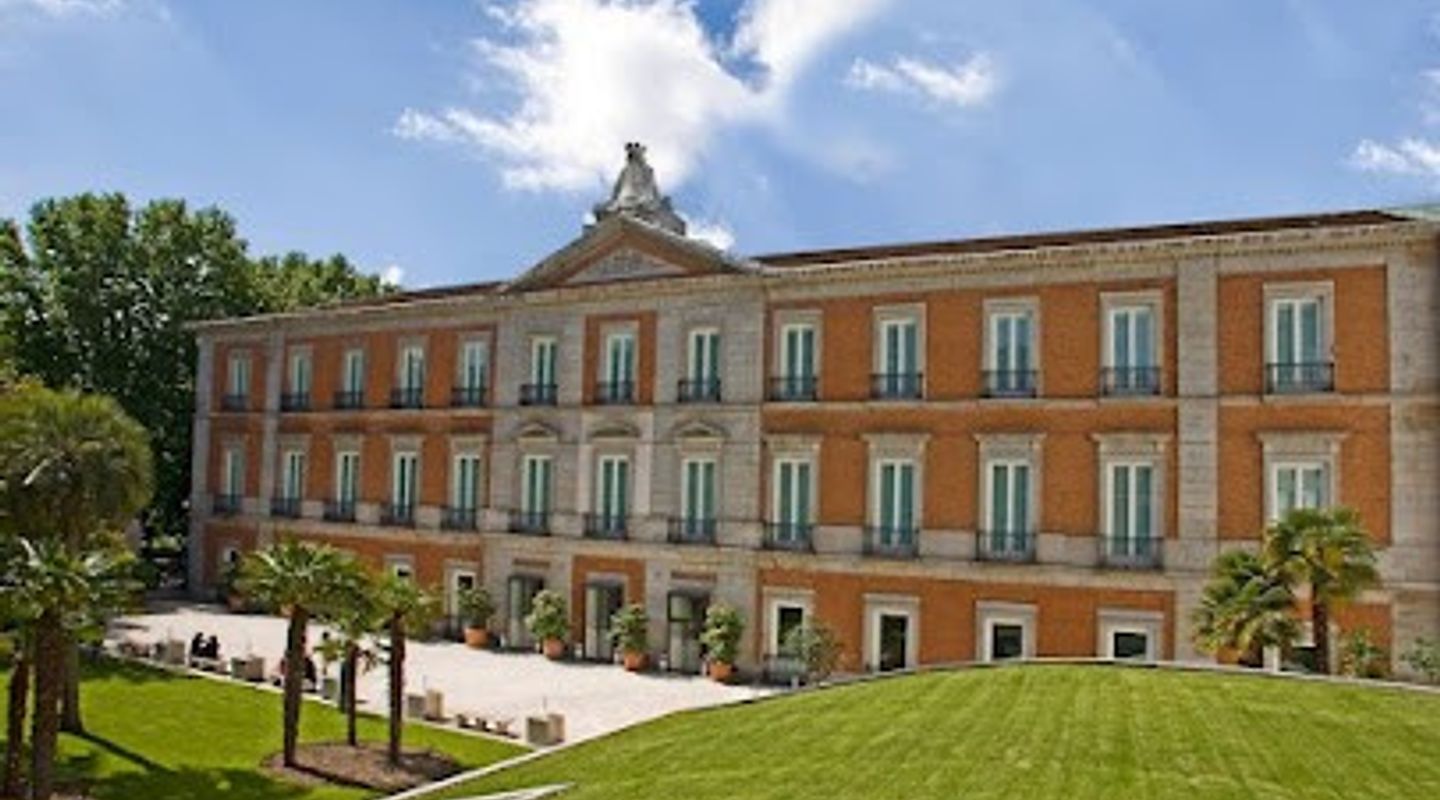
Situated at Paseo del Prado 8 in Madrid's Centro district, the museum occupies the Palacio de Villahermosa, a neoclassical palace built in the late 18th century. The building itself is an architectural statement, with its elegant façade and refined interiors providing an intimate setting for the artworks. The location on Paseo del Prado places it at the heart of Madrid's cultural corridor, surrounded by other significant museums, galleries, and cultural institutions. The palace's conversion into a museum preserved its historical character while creating modern exhibition spaces that showcase the collection effectively.
The Collection: Seven Centuries of Artistic Expression
The museum's collection spans from the 13th century to the present day, featuring approximately 1,600 works organized chronologically across three floors. Visitors encounter medieval religious art, Renaissance masterpieces, Baroque drama, 18th-century elegance, and modern and contemporary works. The collection includes paintings by Old Masters such as Caravaggio and El Greco, Impressionist works, Expressionist pieces, and contemporary art. Notable sections feature Italian Renaissance paintings, Dutch Golden Age works, Spanish art, and significant examples of 20th-century movements including Cubism, Surrealism, and Abstract Expressionism. The museum's strength lies in its ability to trace artistic evolution through different periods and cultures, offering context and connections that help visitors understand how art developed across centuries.
The Visitor Experience
The museum provides a more intimate experience than some larger institutions, allowing visitors to engage deeply with artworks without overwhelming crowds in most galleries. The chronological arrangement makes it easy to follow artistic progression, and the palace setting creates a refined atmosphere conducive to contemplation. The collection's breadth means visitors can spend anywhere from three to six hours exploring, depending on their interests and pace. The museum regularly rotates portions of its collection and hosts temporary exhibitions, ensuring that repeat visits reveal new perspectives and discoveries.
Cultural Significance and Community Role
Beyond its role as a repository of masterpieces, the Thyssen-Bornemisza functions as an active cultural institution hosting lectures, educational programs, and special events. The museum serves both international tourists and local residents, contributing significantly to Madrid's identity as a world-class art destination. Its position within the Golden Triangle of Art makes it essential for anyone serious about understanding European art history, as the three museums together provide comprehensive coverage of artistic movements and styles that might be fragmented across other cities.
Evendo Review Centre
 Google
Guest reviews
Best time to go
Quietest: Jan, Feb & Mar · before 11am or from 5pm
Busy times are Evendo estimates for a typical year, to help you plan. Actual crowds vary with events, school holidays and the weather.
Explore Thyssen-Bornemisza National Museum on the map
A handpicked selection of must-see spots near Thyssen-Bornemisza National Museum, mapped for you.
Get your free copy of our complete guide to Thyssen-Bornemisza National Museum, delivered straight to you.
Everything on this page, from opening hours and how to get there to Eve’s tips and the best time to go, in one PDF you can read offline, print or share.
Already have an account? Sign in
Your Thyssen-Bornemisza National Museum guide is ready.
We'll send it to · Not you? Sign out

Getting your guide ready…
We are putting together a fresh copy of the Thyssen-Bornemisza National Museum guide. This can take up to a minute.
This can take a few moments. If your browser asks, choose Allow so the download can start. You'll find the guide in your Downloads folder.
Nothing happened? Download it again
Sorry, the guide is taking longer than usual. Please try again in a minute, or get it by email instead.
Unlock the best of Thyssen-Bornemisza National Museum
Skip-the-line tickets, guided tours with entry, and walking tours of the area, booked in a few clicks.
 Ticket
Museo Nacional Thyssen-Bornemisza with Skip the line ticket
from $15.74 Ticket
Skip-the-line entrance to the Thyssen Museum in Madrid with Audio Guide
from $19.21 Ticket
Madrid Thyssen Bornemisza Museum Entry Ticket with Audio Guide
from $24.73 Ticket
Madrid: Thyssen Bornemisza Ticket and Audio Tour
from $27.10




Other nearby places you may find interesting
The closest places of the same kind, if this one is not quite what you had in mind.
-
-
-
-
-


Swipe for more places
More to explore near Thyssen-Bornemisza National Museum
-
 Best experiences near Thyssen-Bornemisza National Museum
-
 Best hotels near Thyssen-Bornemisza National Museum
-
 Best landmarks near Thyssen-Bornemisza National Museum
-
 Best attractions near Thyssen-Bornemisza National Museum
-
 Best shops near Thyssen-Bornemisza National Museum
-
 Best restaurants near Thyssen-Bornemisza National Museum
-
 Best bars near Thyssen-Bornemisza National Museum


Do you manage this location?
Take control to get all the benefits, like improved information, better appearance, and stronger visibility across AI-powered discovery.
Explore more

Explore more of Madrid
Discover Madrid: A city of art, culture, and culinary delights, where history and modern vibrancy meet in the heart of Spain.
Explore Madrid
Explore more of Spain
Discover Spain: A vibrant tapestry of culture, history, and breathtaking landscapes, where every city offers a unique adventure and unforgettable experiences.
Explore Spain
