

Ruzafa (Valencia) Travel Guide - Free
Explore Ruzafa in Valencia with Evendo's free guide. Find the best shops, historic streets, restaurants, and gems on web or mobile.


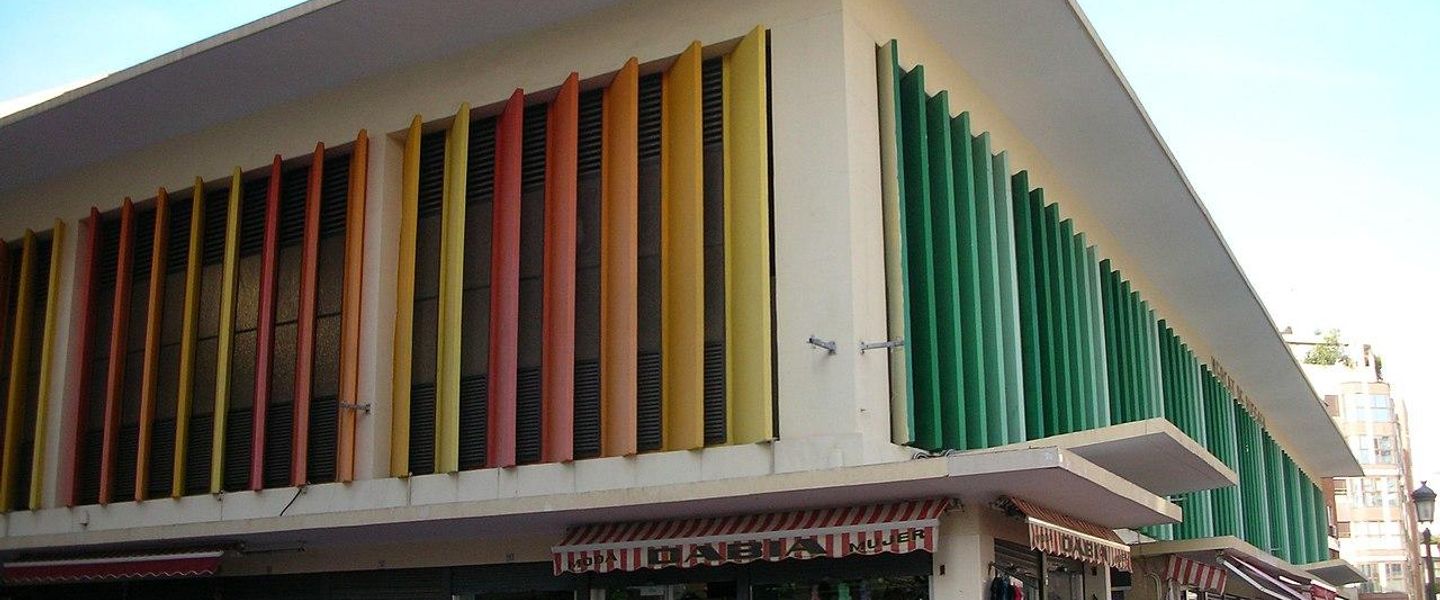


Ruzafa, Valencia’s creative market district, combines historic streets, local food, independent shops, galleries, cafés and lively evenings near the city centre.
A Former Village in the City
Ruzafa, often written Russafa in Valencian, lies just south of Valencia’s historic centre and retains a strong sense of neighbourhood life despite its central position. Its name comes from the Arabic al-Rusafa, associated with a garden or country estate, recalling the landscaped retreat established here during the Islamic period. The former village was absorbed into Valencia in the nineteenth century, but its streets still suggest a place that developed in stages rather than according to one grand urban plan.Read more about Ruzafa
Streets, Markets and Architecture
Contemporary Cultural Character
Best attractions in Ruzafa
The Mercado de Ruzafa is the neighbourhood’s essential point of reference, combining colourful produce stalls, specialist food counters and the ordinary shopping rhythm of a central Valencia district. Nearby, the Church of San Valero and San Vicente Mártir gives the market area a historic architectural focus, while the surrounding streets reveal a more intimate version of the neighbourhood through tiled façades, balconies, small squares and independent businesses. Cultural venues such as Sala Russafa add theatre and performance to the area’s attractions, and galleries, bookshops and artist-led spaces appear among cafés and residential buildings rather than in a single cultural complex. The streets of Cadis, Sueca, Cuba and Literat Azorín are rewarding for an unhurried walk, particularly for visitors interested in urban details and local commerce. The Central Park begins close to Ruzafa and offers a substantial nearby green space, though it is not wholly within the neighbourhood.
-
Tourist attraction
Parc Central
Explore Parc Central in Valencia - a vibrant urban park blending nature, culture, and tranquility in the heart of the city.
12 min walk · 0.9 km from neighbourhood centre
-
Tourist attraction
Iluziona Museo - Valencia
Explore the mesmerizing world of illusions at Iluziona Museo, Valencia's unique art museum where creativity meets reality.
1 min walk · 0.1 km from neighbourhood centre
-
Tourist attraction
Edificio de los Dragones
Explore the Edificio de los Dragones, a breathtaking architectural gem in Valencia's Eixample district, showcasing intricate designs and cultural heritage.
9 min walk · 0.7 km from neighbourhood centre
-
Tourist attraction
TheBest1
Explore TheBest1, a captivating tourist attraction in Valencia's Eixample district, where culture and history come alive in a vibrant setting.
7 min walk · 0.5 km from neighbourhood centre


Best landmarks in Ruzafa
The Mercado de Ruzafa is both a working market and a defining piece of the neighbourhood’s civic architecture, anchoring the surrounding streets with its practical role and steady flow of residents. Beside it, the Church of San Valero and San Vicente Mártir preserves Ruzafa’s parish history and provides a visual reminder that the district grew from a settlement outside the old city. The church’s present form belongs largely to the seventeenth and eighteenth centuries, reflecting the rebuilding and expansion of Valencia’s religious buildings during that period. Elsewhere, the district’s significance is less monumental but no less revealing: late nineteenth- and early twentieth-century apartment façades, enclosed balconies, tiled details and former low-rise houses record the transition from agricultural village to incorporated urban neighbourhood. The streets around Cadis, Sueca and Cuba form this lived architectural landscape, while the nearby railway infrastructure marks Ruzafa’s close relationship with Valencia’s expanding transport network.
-
Market
Mercat de Russafa
Explore Mercat de Russafa, Valencia's vibrant market filled with fresh produce, local delicacies, and a rich culinary culture waiting to be discovered.
6 min walk · 0.5 km from neighbourhood centre
-
Cultural association
Falla Sueca - Literat Azorín
Experience the vibrant traditions and artistic heritage of Valencia at Falla Sueca - Literat Azorín, a cultural association celebrating local customs.
7 min walk · 0.5 km from neighbourhood centre
-
Gift shop
Gnomo Ruzafa
Discover unique souvenirs and support local artists at Gnomo Ruzafa, your go-to gift shop in the heart of Valencia's Eixample district.
5 min walk · 0.4 km from neighbourhood centre
-
Historical landmark
Casa Judía
Explore Casa Judía, a stunning historical landmark in Valencia, showcasing rich cultural heritage and architectural beauty in the heart of the city.
1 min walk · 0.1 km from neighbourhood centre


Explore Ruzafa on the map
A handpicked selection of must-see spots in Ruzafa, mapped for you.
Best hotels in Ruzafa
Best restaurants in Ruzafa
Ruzafa’s dining scene reflects both Valencia’s food traditions and the district’s later creative and international influences. The Mercado de Ruzafa provides a grounding in seasonal produce, fish, meat and everyday Valencian ingredients, while the surrounding streets offer bakeries, coffee shops, tapas bars, casual international restaurants and more ambitious contemporary kitchens. Long-established local habits sit alongside newer venues serving dishes shaped by Mediterranean, Latin American and Asian cuisines, giving the area a broader range than its village origins might suggest. Restaurants and cafés are particularly concentrated around Cadis, Sueca, Cuba and the smaller streets leading from the market. Well-known names such as Canalla Bistro and El Rodamón de Russafa have helped define the district’s outward-facing food culture, but the most characteristic experience is moving between market produce, a neighbourhood lunch and an evening table rather than treating Ruzafa as a single culinary style.
-
Mediterranean
El Camerino Ruzafa / Restaurante
Discover El Camerino Ruzafa - A delightful Mediterranean restaurant in Valencia known for its exquisite tapas and warm atmosphere.
4 min walk · 0.3 km from neighbourhood centre
-
Mediterranean
El Rodamón de Russafa
Experience the essence of Mediterranean flavors at El Rodamón de Russafa in Valencia—where tradition meets modern culinary artistry.
6 min walk · 0.5 km from neighbourhood centre
-
Lebanese
Restaurante en Ruzafa - BEIRUT
Savor authentic Lebanese cuisine at Restaurante en Ruzafa - BEIRUT in Valencia; from falafels to shawarmas, indulge in delightful flavors!
4 min walk · 0.4 km from neighbourhood centre
-
Restaurant
La Tasqueta del Mercat
Experience the vibrant flavors of Mediterranean cuisine at La Tasqueta del Mercat in Valencia's Eixample district.
7 min walk · 0.5 km from neighbourhood centre


Best bars in Ruzafa
Ruzafa is one of Valencia’s established evening districts, though its nightlife is woven into a residential street pattern rather than isolated in a dedicated club quarter. Bars, vermouth spots, cafés and restaurants fill streets around the market and Carrer de Cadis, with early evening conversation gradually giving way to later drinks and small-scale live entertainment. Sala Russafa contributes theatre and cultural programming, while venues such as Loco Club are associated with live music and concerts; schedules and formats vary, so checking current programme information is sensible. The area’s appeal lies in its choice of intimate rooms and sociable bars rather than a concentration of very large nightclubs. Friday and Saturday nights can be busy, and visitors should remember that apartment buildings stand directly above or beside many venues, making a quiet departure part of good local etiquette.
-
Pub
Delorean Lounge Ruzafa
Discover the vibrant Delorean Lounge Ruzafa, a retro-inspired pub in Valencia serving innovative cocktails and craft beers in a lively atmosphere.
2 min walk · 0.1 km from neighbourhood centre
-
Piano bar
Cuatro Monos
Discover the vibrant atmosphere of Cuatro Monos, Valencia's premier piano bar known for its exquisite cocktails and live music.
6 min walk · 0.5 km from neighbourhood centre
-
Cocktail bar
La Catrina Cocktails & Rock
Discover La Catrina Cocktails & Rock in Valencia, where vibrant cocktails meet lively entertainment for an unforgettable night out.
5 min walk · 0.4 km from neighbourhood centre
-
Cocktail bar
La Bella De Cadiz
La Bella De Cadiz: A vibrant cocktail bar in Valencia, serving innovative drinks in a lively atmosphere perfect for nightlife enthusiasts.
5 min walk · 0.4 km from neighbourhood centre


Best nightclubs in Ruzafa
Ruzafa is one of Valencia’s established evening districts, though its nightlife is woven into a residential street pattern rather than isolated in a dedicated club quarter. Bars, vermouth spots, cafés and restaurants fill streets around the market and Carrer de Cadis, with early evening conversation gradually giving way to later drinks and small-scale live entertainment. Sala Russafa contributes theatre and cultural programming, while venues such as Loco Club are associated with live music and concerts; schedules and formats vary, so checking current programme information is sensible. The area’s appeal lies in its choice of intimate rooms and sociable bars rather than a concentration of very large nightclubs. Friday and Saturday nights can be busy, and visitors should remember that apartment buildings stand directly above or beside many venues, making a quiet departure part of good local etiquette.
-
Disco club
Play Club
Experience Valencia's vibrant nightlife at Play Club, a stylish disco haven where music and energy come alive.
4 min walk · 0.3 km from neighbourhood centre
-
Night club
Piccadilly Downtown Club
Discover Valencia's nightlife at Piccadilly Downtown Club, where electrifying music and a vibrant crowd create unforgettable nights.
6 min walk · 0.4 km from neighbourhood centre
-
Night club
Oven Club Centro
Experience the vibrant nightlife at Oven Club Centro, a premier club in Valencia known for its energetic atmosphere and diverse music selection.
2 min walk · 0.2 km from neighbourhood centre
-
Disco club
Látex Club
Discover the vibrant nightlife of Valencia at Látex Club, a disco haven that brings together music lovers and party-goers in a dazzling atmosphere.
5 min walk · 0.4 km from neighbourhood centre


Best shops in Ruzafa
Shopping in Ruzafa is centred more on independent retail and everyday neighbourhood commerce than on large-scale department stores. The Mercado de Ruzafa is the principal destination, with stalls selling fresh produce and ingredients that reflect Valencia’s market culture; it is most useful as a place to observe ordinary provisioning as well as to browse. Around Cadis, Sueca, Cuba and Literat Azorín, visitors find a changing mix of specialist food shops, bakeries, bookshops, vintage and second-hand businesses, design-led stores and small boutiques. Stock and ownership change more quickly than the district’s historic buildings, so the pleasure lies in exploring rather than searching for a fixed retail circuit. Ruzafa’s creative reputation has encouraged independent makers and cultural businesses, but it remains a mixed residential area, not a purpose-built shopping quarter. The best browsing combines the market with a slow walk through the side streets and their small ground-floor premises.
-
Clothing store
Primark
Explore affordable fashion at Primark Valencia, a must-visit clothing store with trendy selections for every style and budget.
2 min walk · 0.1 km from neighbourhood centre
-
Gift shop
Gnomo Ruzafa
Explore Gnomo Ruzafa: A vibrant gift shop in Valencia offering unique souvenirs and supporting local artisans for a memorable shopping experience.
5 min walk · 0.4 km from neighbourhood centre
-
Vintage clothing store
REUSED (Reusado Vintage)
Discover REUSED in Valencia: Your ultimate destination for vintage clothing, unique finds, and a vibrant shopping experience.
3 min walk · 0.2 km from neighbourhood centre
-
Vintage clothing store
Reborn Vintage Atelier - Ruzafa
Explore the charm of vintage fashion at Reborn Vintage Atelier in Valencia's vibrant Ruzafa district, where unique treasures await every visitor.
4 min walk · 0.3 km from neighbourhood centre


Ruzafa essentials
Getting There
Getting Around
Safety
Emergency Situations
Do's and Don'ts
Local Tips

From Eve
Local phrases worth knowing
You don't need to get them perfect. A few words go a long way, and locals appreciate the effort.
Basics
| English | Local | Say it |
|---|---|---|
| Hello | Hola | [o-la] |
| Goodbye | Adiós | [a-di-ós] |
| Yes | Sí | [sí] |
| No | No | [no] |
| Please/You're welcome | Por favor/De nada | [por fa-vor/de na-da] |
| Thank you | Gracias | [gra-cias] |
| Excuse me/Sorry | Perdón/Lo siento | [per-dón/lo cien-to] |
| How are you? | ¿Cómo estás? | [¿có-mo es-tás?] |
| Fine. And you? | Bien. ¿Y tú? | [bien. ¿y tú?] |
| Do you speak English? | ¿Hablas inglés? | [¿ha-blas in-glés?] |
| I don't understand | No entiendo | [no en-tien-do] |
Eating & Drinking
| English | Local | Say it |
|---|---|---|
| I'd like to see the menu, please | Me gustaría ver la carta, por favor | [me gus-ta-ría ver la car-ta, por fa-vor] |
| I don't eat meat | No como carne | [no co-mo car-ne] |
| Cheers! | ¡Salud! | [¡sa-lud!] |
| I would like to pay, please | Me gustaría pagar, por favor | [me gus-ta-ría pa-gar, por fa-vor] |
Emergencies
| English | Local | Say it |
|---|---|---|
| Help! | ¡Ayuda! | [¡a-yu-da!] |
| Go away! | ¡Vete! | [¡ve-te!] |
| Call the Police! | ¡Llama a la Policía! | [¡ya-ma a la po-li-cía!] |
| Call a doctor! | ¡Llama a un médico! | [¡ya-ma a un mé-di-co!] |
| I'm lost | Estoy perdido/a | [es-toy per-di-do/a] |
| I'm ill | Estoy enfermo/a | [es-toy en-fer-mo/a] |
Shopping
| English | Local | Say it |
|---|---|---|
| I'd like to buy... | Me gustaría comprar... | [me gus-ta-ría com-prar...] |
| I'm just looking | Solo estoy mirando | [so-lo es-toy mi-ran-do] |
| How much is it? | ¿Cuánto cuesta? | [¿cuan-to cues-ta?] |
| That's too expensive | Eso es demasiado caro | [e-so es de-ma-sia-do ca-ro] |
| Can you lower the price? | ¿Puedes bajar el precio? | [¿pue-des ba-jar el pre-cio?] |
Time & Numbers
| English | Local | Say it |
|---|---|---|
| What time is it? | ¿Qué hora es? | [¿qué ho-ra es?] |
| It's one o'clock | Es la una | [es la u-na] |
| Half past (10) | Las diez y media | [las diez y me-dia] |
| Morning | Mañana | [ma-ña-na] |
| Afternoon | Tarde | [tar-de] |
| Evening | Noche | [no-che] |
| Yesterday | Ayer | [a-yer] |
| Today | Hoy | [hoy] |
| Tomorrow | Mañana | [ma-ña-na] |
| 1 | Uno | [u-no] |
| 2 | Dos | [dos] |
| 3 | Tres | [tres] |
| 4 | Cuatro | [cua-tro] |
| 5 | Cinco | [cin-co] |
| 6 | Seis | [seis] |
| 7 | Siete | [sie-te] |
| 8 | Ocho | [o-cho] |
| 9 | Nueve | [nue-ve] |
| 10 | Diez | [diez] |
Transport & Directions
| English | Local | Say it |
|---|---|---|
| Where's a/the...? | ¿Dónde está un/el...? | [¿dón-de es-tá un/el...?] |
| What's the address? | ¿Cuál es la dirección? | [¿cual es la di-rec-ción?] |
| Can you show me (on the map)? | ¿Puedes mostrarme (en el mapa)? | [¿pue-des mos-trar-me (en el ma-pa)?] |
| When's the next (bus)? | ¿Cuándo es el próximo (autobús)? | [¿cuan-do es el pró-xi-mo (au-to-bús)?] |
| A ticket (to ....) | Un billete (a ....) | [un bi-lle-te (a ....)] |
History of Ruzafa
An Islamic Garden Estate
Ruzafa takes its name from the Arabic al-Rusafa, a term associated with a garden or landscaped estate. During the Islamic period of Valencia, the area lay beyond the principal urban centre and was linked with a country retreat traditionally attributed to Abd Allah al-Balansi, a member of the Umayyad dynasty. The original gardens have disappeared beneath later streets and buildings, but the name preserves the memory of a cultivated suburban landscape south of the historic city.
From Rural Settlement to Village
After the Christian conquest of Valencia in the thirteenth century, the area developed as a settlement and agricultural zone outside the city walls. Its proximity to Valencia’s fertile huerta encouraged farming and garden cultivation, while roads leading towards the southern countryside supported movement and trade. The parish church of San Valero, rebuilt in the seventeenth and eighteenth centuries after earlier structures, became an important focus for the community and remains one of Ruzafa’s most recognisable historic buildings.
Municipal Ruzafa and Urban Expansion
Ruzafa functioned as a separate municipality until its incorporation into Valencia in 1877. That change came as the city expanded beyond its historic core and absorbed surrounding settlements. Agricultural land was progressively replaced by streets, apartment blocks, workshops and commercial premises, while the district’s connection with central Valencia became increasingly direct. The resulting urban fabric combines village remnants with the denser residential development associated with the city’s nineteenth- and early twentieth-century growth.
Market Life and Changing Identity
The Mercado de Ruzafa became a practical and social anchor for the expanding neighbourhood in the twentieth century, serving residents rather than functioning solely as a visitor attraction. In the late twentieth and early twenty-first centuries, Ruzafa experienced a marked cultural and commercial transformation, with cafés, galleries, theatres, restaurants and design-oriented businesses joining long-established shops and homes. This change increased the district’s visibility in Valencia while also making the balance between evening activity, rising commercial appeal and residential life part of its contemporary story.
Ruzafa in Photos
Browse through our photo collection highlighting the charm and character of the destination.
Neighbourhoods near Ruzafa
The closest neighbourhoods to Ruzafa, if you have time for more than one stop.
-

-
-


Swipe for more neighbourhoods
Explore more

Explore more of Valencia
Valencia offers Mediterranean beaches, Gothic streets, paella, the Turia Gardens and the City of Arts and Sciences in one richly layered Spanish city.
Explore Valencia