

Free Batticaloa District Travel Guide & Mobile App
Explore Batticaloa District with free travel guides. Discover regional history, expert tips, proposed trips, and audio guides on web or mobile app.


Explore Batticaloa District for lagoon landscapes, Tamil heritage, colonial history, seafood and the spacious beaches of Pasikudah and Kalkudah.
Read more about Batticaloa District
When is the best time to visit Batticaloa District?
Best: March–May · 32–33°C| Month | High (°C) | Rainfall (mm) |
|---|---|---|
| January | 31 | 160 |
| February | 32 | 120 |
| March (best) | 32 | 100 |
| April (best) | 33 | 90 |
| May (best) | 33 | 100 |
| June | 32 | 110 |
| July | 32 | 120 |
| August | 32 | 130 |
| September | 32 | 140 |
| October | 32 | 150 |
| November | 30 | 160 |
| December | 30 | 170 |
Getting to and around Batticaloa District
How to get there
Transportation
Top city travel guides in Batticaloa District
The cities of Batticaloa District, and the easiest places to base yourself.

Swipe for more cities
Best attractions in Batticaloa District
Batticaloa District's attractions centre on water, history and the cultural life of its communities. In Batticaloa town, the Dutch Fort offers a compact introduction to the colonial past, while the lagoon, Kallady Bridge and nearby waterfront provide an understanding of how waterways shape everyday movement and fishing. Boat excursions, when responsibly operated and weather conditions permit, reveal mangroves, inlets and working sections of the lagoon rather than simply offering a scenic ride. Along the coast, Pasikudah and Kalkudah provide broad sandy beaches and relatively shallow bathing areas, with resorts concentrated around Pasikudah and quieter stretches nearer local settlements. Religious sites, including Hindu temples and historic churches, are important cultural places but should be visited with appropriate dress and discretion. Inland, paddy landscapes, village roads and smaller shrines offer a slower counterpoint to the coast. The district's tsunami-affected communities and post-conflict landscapes also form part of its modern story, although they should be approached through respectful local interpretation rather than treated as spectacle. Wildlife and wetland interest is best experienced through knowledgeable guides who understand seasonal water levels and community access.
-
Bridge
New Kallady Bridge - Batticaloa
Discover the breathtaking views and vibrant atmosphere at the New Kallady Bridge in Batticaloa, Sri Lanka, a perfect blend of nature and culture.
-
Park
Eravur Lagoon Park
Explore the natural beauty of Eravur Lagoon Park, where lush landscapes and serene waters offer a perfect escape for relaxation and outdoor activities.
-
Amusement park
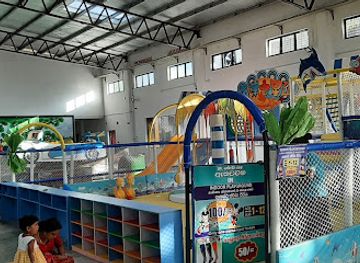
HAPPY KIDS FUN WORLD BATTICALOA
Experience joy and adventure at Happy Kids Fun World Batticaloa, the ultimate amusement park for families in Sri Lanka's Eastern Province.
-
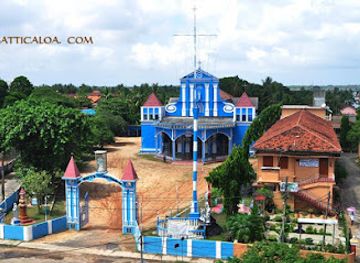
Catholic cathedral
St. Mary's Cathedral, Batticaloa
Explore the architectural beauty and cultural significance of St. Mary's Cathedral in Batticaloa, a serene sanctuary for travelers.


Best landmarks in Batticaloa District
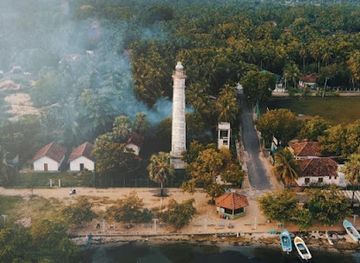
Batticaloa Fort is the district's most recognisable historic structure, occupying a strategic position beside the lagoon. Its surviving Dutch-period walls and gateways reflect the site chosen by European powers to control eastern maritime access, while the surrounding water explains much of the fort's defensive logic. Batticaloa Lighthouse at Palameenmadu, east of the lagoon, is another prominent marker of the district's maritime geography, standing near the coast and waterways used by fishing communities. Kallady Bridge is both a practical crossing and a familiar vantage point over the lagoon, closely associated with the local singing-fish tradition. The town's churches and Hindu temples add important religious and architectural landmarks, though their significance is primarily communal rather than monumental. Along the coast, the long beach systems of Pasikudah and Kalkudah function as natural landmarks, defined by pale sand, shallow bays and the changing line between lagoon, shore and open sea. Together these places show Batticaloa as a landscape of waterborne movement, colonial strategy, religious continuity and coastal life.
-
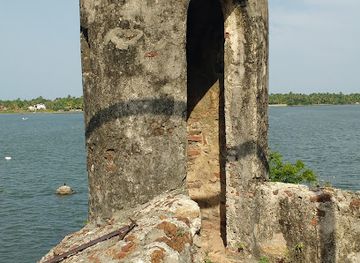
Fortress
Batticaloa Dutch Fort
Discover the rich history and breathtaking views at Batticaloa Dutch Fort, a must-visit destination in Sri Lanka's eastern coast.
-
Park
Batticaloa Ghandi Park
Discover tranquility and beauty at Batticaloa Ghandi Park, a lush urban oasis perfect for relaxation, picnics, and nature walks.
-
Historical landmark
Batticaloa Lighthouse
Explore the historic Batticaloa Lighthouse, a stunning landmark offering breathtaking lagoon views and a glimpse into Sri Lanka's maritime heritage.
-
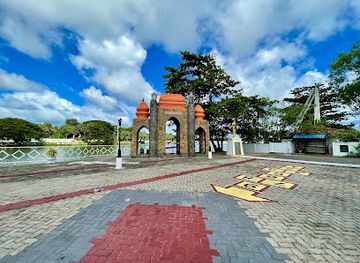
Historical landmark
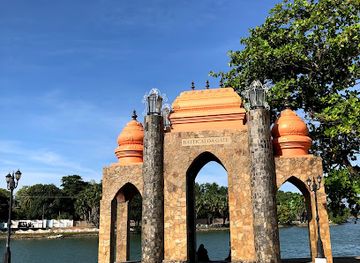
Batticaloa Gate | மட்டக்களப்பு வாசல்
Uncover the rich history of Batticaloa Gate, a stunning symbol of Sri Lanka's colonial past and a must-see for every traveler in Batticaloa.
Explore Batticaloa District on the map
Plan your trip on one map. See where the top cities, national parks and sights are, and book hotels and experiences in a few clicks.
Best hotels in Batticaloa District
Best restaurants in Batticaloa District
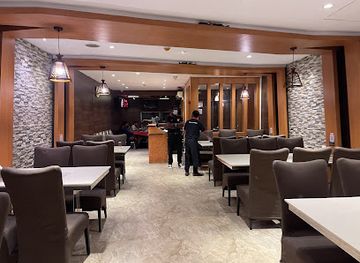
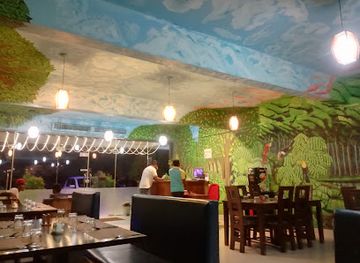
Dining in Batticaloa District is closely tied to the lagoon, the eastern coast and the cooking traditions of its Tamil and Muslim communities. Crab, prawns, lagoon fish and other seafood commonly appear in curries, fried dishes and rice-based meals, while coconut, tamarind, curry leaves and a generous use of chilli give many preparations their eastern Sri Lankan character. Batticaloa town has casual eateries, bakeries, cafés and family-run restaurants, with the widest choice around central streets and markets. Pasikudah's hotels provide broader international menus alongside Sri Lankan dishes, while smaller coastal establishments tend to offer simpler meals based on the day's catch. Look for rice and curry, hoppers, string hoppers, roti, vegetable preparations and richly spiced sambols, and ask about the level of heat before ordering. Markets are useful for seeing local produce, but seafood hygiene and refrigeration standards vary, so choose busy establishments with good turnover. Tea, fresh fruit drinks and coconut-based refreshments are widely available, and alcohol service is more likely in hotels and licensed tourist venues than in ordinary local restaurants.
-
Restaurant
Sunshine
Discover Sunshine in Batticaloa: Savor authentic Sri Lankan flavors blended with Chinese cuisine in a welcoming atmosphere.
-
Restaurant
Kiri Bhojan Restaurant
Experience authentic Sri Lankan cuisine at Kiri Bhojan Restaurant in Batticaloa – a culinary gem offering local delicacies in a welcoming atmosphere.
-
Vegetarian
Sri Kishna cafe
Experience delicious vegetarian delights at Sri Kishna Cafe in Batticaloa - your go-to breakfast destination for authentic local flavors.
-
Restaurant
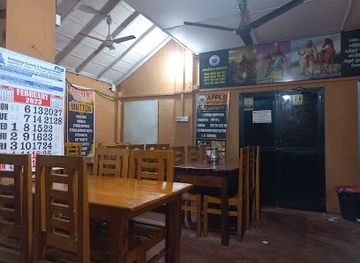
Apple Restaurant
Experience the best of Sri Lankan cuisine at Apple Restaurant in Batticaloa – where tradition meets flavor in every dish.

Best bars in Batticaloa District
Nightlife in Batticaloa District is low-key and divided between the town and the resort coast. In Batticaloa, evenings generally focus on tea shops, cafés, hotel restaurants and informal gatherings rather than a concentrated club scene. Some hotels provide bars or occasional live entertainment, but arrangements and opening patterns can change. Around Pasikudah, larger resorts offer the district's most predictable cocktail, beer and dinner settings, sometimes with music or seasonal events, while Kalkudah is quieter and more locally oriented. Traditional pubs in the British sense are not a defining feature of the district, and alcohol is not central to the social life of every community; Muslim neighbourhoods and some religious areas follow different practices. Visitors seeking a late night should confirm transport back to their accommodation, particularly outside the resort strip, as rural roads have limited lighting and few late services.
-
 Resort hotel
Riviera Resort
Discover the tranquility of Riviera Resort in Kallady, where nature meets comfort and adventure awaits every traveler.
-
Restaurant
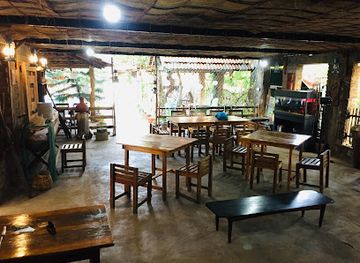
Kiri Bhojan Restaurant
Discover the flavors of Sri Lanka at Kiri Bhojan Restaurant in Batticaloa, where vibrant dishes and a welcoming atmosphere await.
-
Cafe
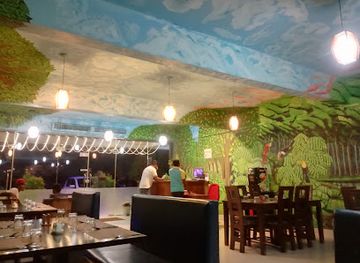
Cafe Chill
Experience the charm of Batticaloa at Cafe Chill, where every sip and bite transports you to a world of relaxation and taste.
-
Restaurant
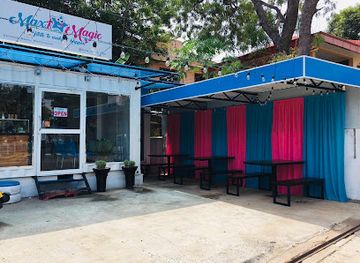
Max1 Magic
Discover a culinary gem in Batticaloa at Max1 Magic, where unique drinks and delightful meals await in a vibrant setting.
Best nightclubs in Batticaloa District
Nightlife in Batticaloa District is low-key and divided between the town and the resort coast. In Batticaloa, evenings generally focus on tea shops, cafés, hotel restaurants and informal gatherings rather than a concentrated club scene. Some hotels provide bars or occasional live entertainment, but arrangements and opening patterns can change. Around Pasikudah, larger resorts offer the district's most predictable cocktail, beer and dinner settings, sometimes with music or seasonal events, while Kalkudah is quieter and more locally oriented. Traditional pubs in the British sense are not a defining feature of the district, and alcohol is not central to the social life of every community; Muslim neighbourhoods and some religious areas follow different practices. Visitors seeking a late night should confirm transport back to their accommodation, particularly outside the resort strip, as rural roads have limited lighting and few late services.
-
Hotel
Hotel Nirutha
Experience the perfect blend of comfort and entertainment at Hotel Nirutha, your ideal getaway in Chenkaladi.
-
Adult entertainment club
Game Zone
Experience excitement and entertainment at Game Zone in Oddamavadi, where gaming meets nightlife in a unique setting.
-
Night club
Kaddaty
Experience the vibrant nightlife of Batticaloa at Kaddaty, a premier night club offering unforgettable dance and entertainment.
Best shops in Batticaloa District
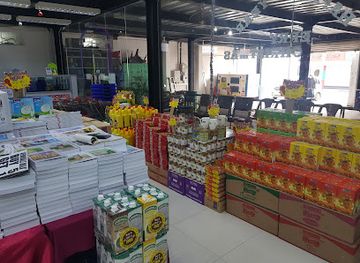
Shopping in Batticaloa District is practical, local and strongly connected to food and everyday community life. Batticaloa town has the broadest range of market stalls, small clothing shops, provisions stores, pharmacies, jewellers and household retailers, while the markets are useful for seeing rice, vegetables, fruit, spices and fresh or dried fish. Around Pasikudah, resort-oriented shops sell beachwear, souvenirs and selected handicrafts, but the choice is more limited than in Sri Lanka's major cities. Visitors may find woven items, baskets, mats, pottery, textiles and palmyrah-based products in local shops or craft outlets, although availability varies and not every item is made in the district. Packaged spices, tea and regional foods are practical gifts, provided they are labelled and suitable for transport. Bargaining can be customary in some informal markets but is not appropriate everywhere; fixed-price shops, supermarkets and small family businesses should be treated accordingly. Ask permission before photographing market sellers or craft workers, and avoid buying products made from protected wildlife or coral.
-
Supermarket
Fourams City Center
Explore Fourams City Center in Batticaloa - your go-to supermarket for local specialties, fresh produce, and essential shopping.
-
Amusement park
HAPPY KIDS FUN WORLD BATTICALOA
Discover joy and laughter at Happy Kids Fun World Batticaloa, the ultimate amusement park for families and children in Sri Lanka.
-
Coffee shop
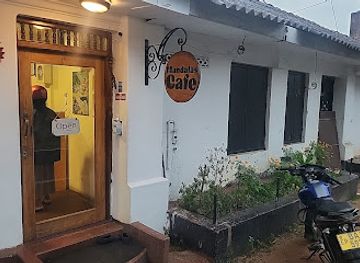
Mandalas Cafe
Discover the serene ambiance and delightful flavors at Mandalas Cafe in Batticaloa, where every sip and bite is a moment to savor.
-
Discount supermarket
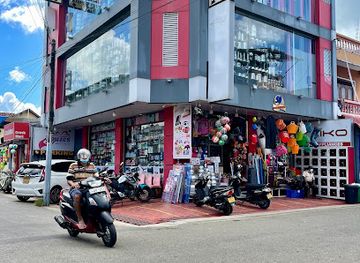
Fouzes
Explore Fouzes in Batticaloa for unbeatable deals on groceries and clothing, and immerse yourself in the local shopping culture.
Get your free copy of our complete guide to Batticaloa District, delivered straight to you.
Everything on this page, from attractions and restaurants to essentials and local phrases, in one PDF you can read offline, print or share.
Already have an account? Sign in
Your Batticaloa District guide is ready.
We'll send it to · Not you? Sign out

Getting your guide ready…
We are putting together a fresh copy of the Batticaloa District guide. This can take up to a minute.
This can take a few moments. If your browser asks, choose Allow so the download can start. You'll find the guide in your Downloads folder.
Nothing happened? Download it again
Sorry, the guide is taking longer than usual. Please try again in a minute, or get it by email instead.
Batticaloa District essentials
Currency and Payment
Safety
Emergency Situations
Do's and Don'ts
Local Tips
From Eve
Local phrases worth knowing
You don't need to get them perfect. A few words go a long way, and locals appreciate the effort.
Basics
| English | Local | Say it |
|---|---|---|
| Hello | ආයුබෝවන් | [Āyubōvan] |
| Goodbye | ආයුබෝවන් | [Āyubōvan] |
| Yes | ඔව් | [Ov] |
| No | නැහැ | [Næhæ] |
| Please/You're welcome | කරුණාකර | [Karunākara] |
| Thank you | ස්තුතියි | [Sthuthiyi] |
| Excuse me/Sorry | කණගාටුයි | [Kaṇagāṭuyi] |
| How are you? | ඔබට කොහොමද? | [Obaṭa kohomada?] |
| Fine. And you? | හොඳයි. ඔබට? | [Hoṇḍayi. Obaṭa?] |
| Do you speak English? | ඔබට ඉංග්රීසියෙන් කතා කිරීමට පුළුවන්ද? | [Obaṭa iṅgrīsiyen kathā kirīmaṭa puḷuvanda?] |
| I don't understand | මට තේරෙන්නේ නැහැ | [Maṭa thērenné næhæ] |
Eating & Drinking
| English | Local | Say it |
|---|---|---|
| I'd like to see the menu, please | කරුණාකර මෙනුව බලන්න | [Karunākara menuva balanna] |
| I don't eat meat | මම මාංසය කන්නෙ නැහැ | [Mama māṁsaya kanné næhæ] |
| Cheers! | සතුටින්! | [Satuṭin!] |
| I would like to pay, please | කරුණාකර ගෙවන්න | [Karunākara gewanna] |
Emergencies
| English | Local | Say it |
|---|---|---|
| Help! | ආධාරයක්! | [Ādhārayak!] |
| Go away! | ඉඳ හිටපන්! | [Iḍa hiṭapan!] |
| Call the Police! | පොලීසිය අමතන්න! | [Polīsiya amathanna!] |
| Call a doctor! | ඩොක්ටරය අමතන්න! | [Ḍokṭaraya amathanna!] |
| I'm lost | මම අහිංසකයි | [Mama ahinsakayi] |
| I'm ill | මට රෝගයක් | [Maṭa rōgayak] |
Shopping
| English | Local | Say it |
|---|---|---|
| I'd like to buy... | මට මිලදී ගන්න ඕනෑ... | [Maṭa milādī ganna ōnæ...] |
| I'm just looking | මම බලනවා පමණයි | [Mama balanavā pamaṇayi] |
| How much is it? | මෙය කොච්චරද? | [Meya kochcharada?] |
| That's too expensive | ඒක අධික මිලක් | [Ēka adhika milak] |
| Can you lower the price? | මිල අඩු කර ගන්න පුළුවන්ද? | [Mil aḍu kara ganna puḷuvanda?] |
Time & Numbers
| English | Local | Say it |
|---|---|---|
| What time is it? | මෙය කුමන වේලාවද? | [Meya kumana vēlāvada?] |
| It's one o'clock | එය එක් දුක්කන | [Eya ek dukkaṇa] |
| Half past (10) | අඩි පෙරහුරු (10) | [Aḍi perahuru (10)] |
| Morning | උදෑසන | [Udæsana] |
| Afternoon | ආපසු | [Āpasu] |
| Evening | සන්ධ්යාව | [Sandhyāva] |
| Yesterday | ඔබේ දිනය | [Obē dinaya] |
| Today | අද | [Ada] |
| Tomorrow | හෙට | [Hæṭa] |
| 1 | 1 | [1] |
| 2 | 2 | [2] |
| 3 | 3 | [3] |
| 4 | 4 | [4] |
| 5 | 5 | [5] |
| 6 | 6 | [6] |
| 7 | 7 | [7] |
| 8 | 8 | [8] |
| 9 | 9 | [9] |
| 10 | 10 | [10] |
Transport & Directions
| English | Local | Say it |
|---|---|---|
| Where's a/the...? | ඇති කුමක්ද? | [Æti kumakda?] |
| What's the address? | ලිපිනය කුමක්ද? | [Lipinaya kumakda?] |
| Can you show me (on the map)? | මට පෙන්වන්න (කේතයේ)? | [Maṭa penvanna (kēthayē)?] |
| When's the next (bus)? | ඉදිරි (බස්) කවදද? | [Idiri (bas) kawadada?] |
| A ticket (to ....) | එක ටිකට්පතක් (....) | [Eka ṭikaṭpathak (....)] |
History of Batticaloa District
Early Settlement and the Lagoon Environment
Batticaloa's history has long been shaped by its lagoons, fertile coastal plains and access to the eastern sea. The waterways supported fishing, rice cultivation and movement between settlements, while the surrounding lowlands connected the coast with Sri Lanka's interior. Archaeological and religious remains in the wider district point to long-established settlement and changing religious influences, although the surviving record is uneven. The lagoon was not simply a scenic feature: it was an economic system, a route of communication and a natural defence that influenced where communities and later fortifications developed.
Medieval Eastern Sri Lanka
During the medieval period, the eastern coast was connected to the political and commercial networks of Sri Lanka's regional kingdoms and to maritime traffic across the Bay of Bengal. Tamil-speaking communities became an important part of the social and cultural landscape, while Hindu temples and local chieftaincies helped organise religious and community life. Batticaloa's later identity as a largely Tamil cultural centre emerged from these long processes rather than from a single settlement event. Agricultural villages, temple lands and coastal trade all contributed to the pattern of habitation visible in the district today.
Portuguese Fortification in the Seventeenth Century
Portuguese forces established a fortified presence at Batticaloa in the early seventeenth century, seeking control of an eastern harbour and access to regional trade. Their influence formed part of a wider struggle among European powers and Sri Lankan kingdoms for coastal authority. The Portuguese period introduced new military and religious institutions but did not replace the district's established communities. Later construction and alteration mean that the surviving fort at Batticaloa is chiefly associated with Dutch rebuilding, yet its setting reflects the strategic importance recognised during the Portuguese era.
Dutch Rule and the Fort at Batticaloa
The Dutch East India Company captured Batticaloa from the Portuguese in 1638, with support from the Kandyan Kingdom during the wider contest for the island's coast. The Dutch strengthened the settlement and developed the fort on the edge of the lagoon. Batticaloa became part of a commercial and administrative network dealing in regional produce and maritime trade, while the Dutch Reformed Church and other colonial institutions left a lasting architectural and documentary legacy. The fort's compact walls and waterside position remain the clearest physical reminder of this period.
British Administration and the Colonial Economy
British control followed the collapse of Dutch power at the end of the eighteenth century and the incorporation of the Kandyan territories into the British colonial system in the nineteenth century. Administration, missionary activity, education and new transport links altered Batticaloa's relationship with the rest of the island. Agriculture, fisheries and the export economy remained important, while churches, schools and government buildings added new layers to the townscape. The colonial period also helped establish institutional patterns that continued after Sri Lanka gained independence in 1948.
Post-Independence Conflict and Community Change
After independence, Batticaloa District remained one of Sri Lanka's culturally diverse eastern regions, with Tamil, Muslim and Sinhalese communities living in different combinations across town and countryside. The civil conflict that intensified from the 1980s brought displacement, insecurity, economic disruption and lasting personal loss to the east. Its effects are part of the district's modern history, but visitors should avoid treating communities or landscapes solely through the lens of conflict. Reconstruction, resettlement and renewed travel have gradually reshaped the region since the war ended in 2009.
The 2004 Indian Ocean Tsunami
The tsunami of 26 December 2004 struck Batticaloa's exposed eastern coast and lagoon settlements with devastating force. Homes, fisheries, roads and public infrastructure were damaged or destroyed, and many lives were lost. The disaster reshaped coastal communities and prompted extensive reconstruction, while also changing approaches to shoreline planning and disaster awareness. In some places, rebuilt housing and altered coastal vegetation remain visible reminders of the event. The tsunami is an important part of the district's recent history and should be approached with respect rather than as a casual subject for sightseeing.
Batticaloa District in Photos
Browse through our photo collection highlighting the charm and character of the destination.
Neighbouring regions of Batticaloa District
The closest regions to Batticaloa District, if you have time for more than one.
-

-

-

-

-


Swipe for more regions
Explore more

Explore more of Sri Lanka
Discover Sri Lanka: Rich culture, stunning landscapes, and warm hospitality await you in this tropical paradise. Explore ancient cities, wildlife, tea plantations, and pristine beaches.
Explore Sri Lanka