

Free Eastern Province Travel Guide & Mobile App
Explore Eastern Province with free travel guides. Discover regional history, expert tips, proposed trips, and audio guides on web or mobile app.


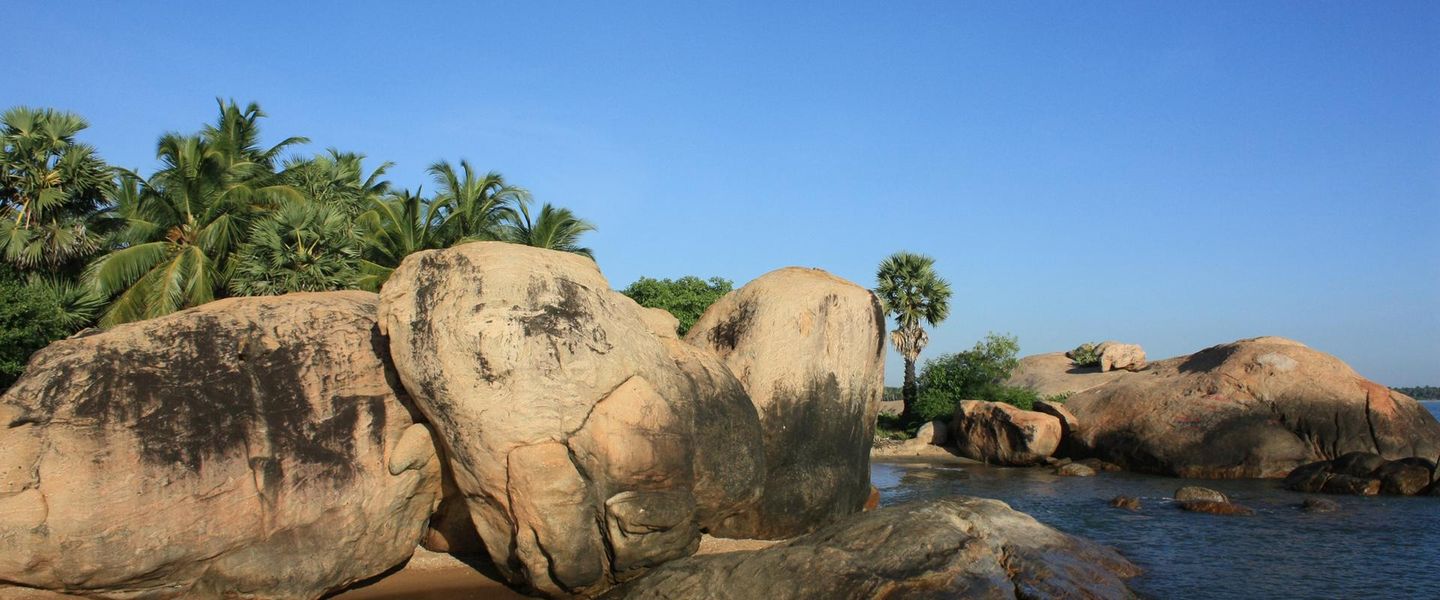


Explore Sri Lanka’s Eastern Province for Trincomalee’s harbour, Batticaloa’s lagoons, Arugam Bay’s surf, wildlife parks and ancient temples.
Read more about Eastern Province
When is the best time to visit Eastern Province?
Best: March–May · 31–32°C| Month | High (°C) | Rainfall (mm) |
|---|---|---|
| January | 30 | 100 |
| February | 31 | 90 |
| March (best) | 31 | 80 |
| April (best) | 32 | 70 |
| May (best) | 32 | 60 |
| June | 33 | 70 |
| July | 33 | 80 |
| August | 33 | 80 |
| September | 32 | 90 |
| October | 32 | 100 |
| November | 31 | 110 |
| December | 31 | 120 |
Getting to and around Eastern Province
How to get there
Transportation
Top city travel guides in Eastern Province
The cities of Eastern Province, and the easiest places to base yourself.
-

-

-
-
-

-


Swipe for more cities
Destinations in Eastern Province
Resorts, valleys and scenic spots worth a trip of their own.
-

-

-


Swipe for more destinations
Best attractions in Eastern Province
The Eastern Province’s attractions range from major Hindu and Buddhist sites to beaches, lagoons and protected dry-zone landscapes. Trincomalee combines the harbour, Koneswaram Temple and Fort Frederick with the coastal resorts of Uppuveli and Nilaveli, while boat trips and snorkelling excursions may provide access to Pigeon Island National Park when sea conditions permit. Batticaloa is best understood through its lagoon, bridges, fishing landscapes, fort and surrounding coast, with Pasikudah and Kalkudah known for broad sandy shores and relatively sheltered waters. In Ampara District, Arugam Bay offers a world-renowned surf setting, while Kumana National Park is valued for wetlands and birdlife. Gal Oya National Park brings forest, reservoir scenery and opportunities for guided wildlife exploration, and Lahugala National Park is associated with dry-zone habitats and elephants. Dighavapi and other religious sites add historical depth, while smaller villages, markets and rice-growing districts reveal everyday life beyond the principal resorts. Conditions, access and wildlife sightings are seasonal, so visitors should consult local authorities or established guides before entering parks or arranging water-based activities.
-
Buddhist temple
Seruwawila Rajamaha Viharaya | සේරුවාවිල රජ මහා විහාරය
Experience tranquility and cultural richness at Seruwawila Rajamaha Viharaya, a serene Buddhist temple in the heart of Sri Lanka's landscapes.
-
Maduru Oya National Park
Explore the breathtaking landscapes and diverse wildlife of Maduru Oya National Park, a hidden gem in Sri Lanka's natural beauty.
-
Buddhist temple
Velgam Vehera Buddhist Temple | වෙල්ගම් වෙහෙර
Experience the serenity and cultural richness of Velgam Vehera Buddhist Temple, a spiritual landmark in Sri Lanka that enchants every visitor.
-
Tourist attraction
ලංකාපටුන මෝය | Lankapatuna Estuary இலங்கைத்துறைமுகத்துவாரம்
Explore the unmatched beauty and tranquility of Lankapatuna Estuary, a hidden gem in Thoppur, Sri Lanka, perfect for nature lovers and adventure seekers.



Best landmarks in Eastern Province
Koneswaram Temple on Swami Rock is the Eastern Province’s most recognisable religious landmark, occupying a dramatic headland above Trincomalee Harbour and embodying the continuity and disruption of the region’s Hindu history. Fort Frederick surrounds the promontory and remains a visible reminder of European military competition for control of the port. Batticaloa Fort, standing on an island within Batticaloa Lagoon, is a compact colonial-era monument whose setting conveys the town’s relationship with water and trade. The broad lagoons themselves are defining geographical landmarks, particularly around Batticaloa, where bridges, causeways and waterways shape the urban landscape. In Ampara District, the Dighavapi stupa is an important Buddhist pilgrimage monument linked to the ancient dry-zone religious landscape, while the Gal Oya reservoir and surrounding hills provide a man-made and natural landmark of post-independence irrigation development. The long beaches of Nilaveli, Pasikudah and Arugam Bay are less architectural but equally significant in the province’s visual identity, each associated with a different coastal environment and type of visitor activity.
-
Buddhist temple
Sri Dalada Maligawa
Experience the spiritual heart of Sri Lanka at Sri Dalada Maligawa, the Temple of the Tooth, where history and devotion come together in Kandy.
-
Fortress
Sigiriya
Explore the majestic Sigiriya Fortress, a UNESCO World Heritage site, where history meets breathtaking landscapes in Sri Lanka.
-
Fortress
Galle Dutch Fort
Explore Galle Dutch Fort, a UNESCO World Heritage site, where history, architecture, and stunning ocean views converge in a vibrant atmosphere.
-
Buddhist temple
Dambulla Royal Cave Temple and Golden Temple
Discover the enchanting Dambulla Royal Cave Temple, a UNESCO World Heritage Site rich in history, art, and spiritual significance in Sri Lanka.


Explore Eastern Province on the map
Plan your trip on one map. See where the top cities, national parks and sights are, and book hotels and experiences in a few clicks.
Best hotels in Eastern Province
Best restaurants in Eastern Province
Eastern Province dining reflects the meeting of coastal fishing, dry-zone agriculture and the Tamil, Muslim and Sinhala communities that shape local food culture. Rice and curry are central, with seafood especially prominent along the coast; fish, prawns and crab may appear alongside coconut-based gravies, sambols and vegetable dishes. Batticaloa and Ampara are good places to look for Tamil and Muslim specialities, including spiced rice dishes, flatbreads, savoury snacks and sweets, while Trincomalee offers a broad mixture of local cooking and food aimed at beach visitors. Arugam Bay has cafés and restaurants serving Sri Lankan meals alongside international dishes for the surf community. Small rice-and-curry shops, bakeries, tea stalls, market vendors and family-run eateries often offer a more direct connection with local tastes than resort dining. Food hygiene standards vary, particularly at informal stalls, so choose busy establishments and take care with raw food, ice and untreated water.
-
Restaurant
Sigiriya Wew Thawulla Restaurant
Experience authentic Sri Lankan cuisine amidst stunning views at Sigiriya Wew Thawulla Restaurant.
-
Restaurant
Kenoli Restaurant
Discover authentic Sri Lankan cuisine at Kenoli Restaurant in Sigiriya, where breathtaking views meet delicious flavors.
-
Restaurant
KINGS
Discover the flavors of Sri Lanka at KINGS in Akkaraipattu – where culinary traditions meet modern dining.
-
Asian
Queen Bee cafe & seafood + vape shop
Discover culinary delights at Queen Bee Cafe & Seafood in Trincomalee - where fresh Asian cuisine meets unique local experiences.


Best bars in Eastern Province
Nightlife in the Eastern Province is seasonal and concentrated in a few coastal centres rather than organised around a large club scene. Arugam Bay becomes the liveliest evening destination during the main surf period, with casual restaurants, beach-oriented bars, guesthouse gatherings and occasional music events; arrangements and opening patterns change from year to year. Trincomalee and Uppuveli offer a mixture of hotel bars, relaxed beachfront restaurants and small venues, while Batticaloa’s evening life is more oriented towards cafés, family restaurants and local social spaces than late-night clubs. In Pasikudah and Kalkudah, nightlife is largely associated with hotels and resort dining. Inland Ampara and wildlife areas are quiet after dark, with early starts preferable for parks and outdoor excursions. Alcohol is not available everywhere, particularly near religious sites or in more conservative communities, so visitors should follow local rules and drink discreetly.
-
Bar
Fernando's Bar
Experience the vibrant atmosphere of Fernando's Bar in Trincomalee, where refreshing drinks and delightful cuisine meet stunning ocean views.
-
Restaurant
Be Cool Juice Bar & Sea Food Restaurant
Experience the vibrant culinary scene of Trincomalee at Be Cool Juice Bar & Sea Food Restaurant, where fresh seafood meets refreshing juices.
-
Bar
Machang Pasikudah
Experience the lively ambiance and stunning coastal views at Machang Pasikudah, a top bar destination for tourists in Sri Lanka.
-
Bar
Tiki Bar
Experience the tropical charm of Tiki Bar in Nilaveli with refreshing cocktails, delicious food, and stunning ocean views in a vibrant island atmosphere.


Best nightclubs in Eastern Province
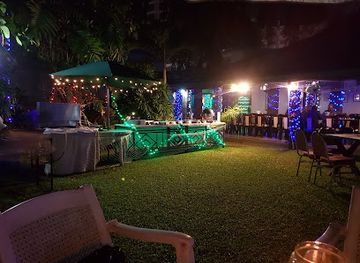
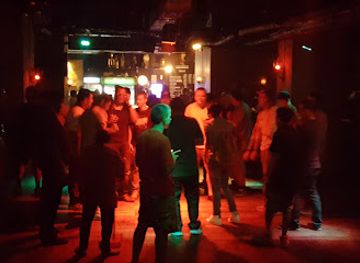
Nightlife in the Eastern Province is seasonal and concentrated in a few coastal centres rather than organised around a large club scene. Arugam Bay becomes the liveliest evening destination during the main surf period, with casual restaurants, beach-oriented bars, guesthouse gatherings and occasional music events; arrangements and opening patterns change from year to year. Trincomalee and Uppuveli offer a mixture of hotel bars, relaxed beachfront restaurants and small venues, while Batticaloa’s evening life is more oriented towards cafés, family restaurants and local social spaces than late-night clubs. In Pasikudah and Kalkudah, nightlife is largely associated with hotels and resort dining. Inland Ampara and wildlife areas are quiet after dark, with early starts preferable for parks and outdoor excursions. Alcohol is not available everywhere, particularly near religious sites or in more conservative communities, so visitors should follow local rules and drink discreetly.
-
Club
Capri Club
Unleash your spirit at Capri Club, Colombo's premier nightlife destination for unforgettable parties and vibrant events.
-
Bar
Old Trinitian's Sports Club
Experience the vibrant atmosphere at Old Trinitian's Sports Club, a perfect blend of sports, socializing, and local flavors in Kandy.
-
Night club
Cleopatra Nightclub
Dive into the vibrant nightlife at Cleopatra Nightclub in Colombo, where music, dance, and unforgettable memories await every visitor.
-
Night club
The Chiller Room
Discover the vibrant nightlife at The Chiller Room in Colombo, featuring two dance floors, diverse music, and an electrifying atmosphere.

Best shops in Eastern Province
Shopping in the Eastern Province is rooted in market towns, coastal produce and practical local commerce rather than large-scale luxury retail. Trincomalee and Batticaloa have everyday markets and independent shops where visitors can find fruit, spices, tea, snacks, household goods and locally prepared foods. Batticaloa’s lagoon and fishing economy make dried or fresh seafood an important part of local trade, although travellers should consider heat, packing and customs restrictions before buying food to take home. Ampara’s markets reflect the surrounding rice-growing and agricultural districts, with seasonal produce and regional ingredients more prominent than souvenir merchandise. Arugam Bay and the beach towns have small shops selling surf clothing, beachwear, handicrafts and locally made gifts, but stock is seasonal and quality varies. Temple areas may offer religious items, while galleries and craft outlets provide more considered alternatives to mass-produced souvenirs. Bargain politely in informal markets, check materials and provenance for handicrafts, and avoid purchasing antiques, coral, shells or wildlife products that may be protected or restricted for export.
-
Shopping mall
Crescat Boulevard
Discover Crescat Boulevard, Colombo's vibrant shopping mall blending luxury retail, delectable dining, and local culture in a stunning coastal setting.
-
Gift shop
The House of Gifts - Flagship Store
Explore The House of Gifts in Colombo for unique Sri Lankan souvenirs and home goods that capture the essence of local craftsmanship.
-
Gift shop
1 Tori House - Unique Home Decor & Gifts
Explore 1 Tori House in Colombo for unique home decor and gifts that capture the essence of Sri Lankan craftsmanship.
-
Clothing store
LUV SL (ODEL)
Discover unique fashion and local souvenirs at LUV SL (ODEL) – a vibrant clothing store in Kandy, Sri Lanka.


Get your free copy of our complete guide to Eastern Province, delivered straight to you.
Everything on this page, from attractions and restaurants to essentials and local phrases, in one PDF you can read offline, print or share.
Already have an account? Sign in
Your Eastern Province guide is ready.
We'll send it to · Not you? Sign out

Getting your guide ready…
We are putting together a fresh copy of the Eastern Province guide. This can take up to a minute.
This can take a few moments. If your browser asks, choose Allow so the download can start. You'll find the guide in your Downloads folder.
Nothing happened? Download it again
Sorry, the guide is taking longer than usual. Please try again in a minute, or get it by email instead.
Eastern Province essentials
Currency and Payment
Safety
Emergency Situations
Do's and Don'ts
Local Tips
From Eve
Local phrases worth knowing
You don't need to get them perfect. A few words go a long way, and locals appreciate the effort.
Basics
| English | Local | Say it |
|---|---|---|
| Hello | ආයුබෝවන් | [Āyubōvan] |
| Goodbye | ආයුබෝවන් | [Āyubōvan] |
| Yes | ඔව් | [Ov] |
| No | නැහැ | [Næhæ] |
| Please/You're welcome | කරුණාකර/ආයුබෝවන් | [Karunākara/Āyubōvan] |
| Thank you | ඔබට ස්තූතියි | [Obaṭa sthūtiyi] |
| Excuse me/Sorry | කණගාටුයි | [Kaṇagāṭuyi] |
| How are you? | ඔබට කෙසේද? | [Obaṭa kesēda?] |
| Fine. And you? | මට හොඳයි. ඔබට? | [Maṭa hoṇḍai. Obaṭa?] |
| Do you speak English? | ඔබට ඉංග්රීසි කතා කිරීමට පුළුවන්ද? | [Obaṭa iṅgrīsi kathā kirīmaṭa puḷuvanda?] |
| I don't understand | මට තේරුම් නෑ | [Maṭa thērum næ] |
Eating & Drinking
| English | Local | Say it |
|---|---|---|
| I'd like to see the menu, please | මට මෙනු එක බලන්න ඕනේ | [Maṭa menu eka balanna ōnē] |
| I don't eat meat | මම මාංශය නොකියනවා | [Mama mānṣaya nokiyanavā] |
| Cheers! | සතුටින්! | [Satuṭin!] |
| I would like to pay, please | මට ගෙවන්න ඕනේ | [Maṭa gevanna ōnē] |
Emergencies
| English | Local | Say it |
|---|---|---|
| Help! | ආධාර කරන්න! | [Ādhāra karanna!] |
| Go away! | පලා ගන්න! | [Palā ganna!] |
| Call the Police! | පොලීසිය කැදවන්න! | [Polīsiya kædawanna!] |
| Call a doctor! | ඩොක्टरකුත් කැදවන්න! | [Ḍokṭar kuṭh kædawanna!] |
| I'm lost | මම අහිමිවී ගියා | [Mama ahimīvī giya] |
| I'm ill | මට රෝගියෙක් | [Maṭa rōgiyek] |
Shopping
| English | Local | Say it |
|---|---|---|
| I'd like to buy... | මට මිලදී ගන්න ඕනෙ... | [Maṭa milādī ganna ōne...] |
| I'm just looking | මම පටන් බලනවා | [Mama paṭan balanavā] |
| How much is it? | එය කොච්චරද? | [Eya kochchara da?] |
| That's too expensive | ඒක බොහෝ මිලටයි | [Ēka bohō milatai] |
| Can you lower the price? | මිල අඩු කරන්න පුළුවන්ද? | [Mila aḍu karanna puḷuvanda?] |
Time & Numbers
| English | Local | Say it |
|---|---|---|
| What time is it? | මෙය කාලය කීයද? | [Meya kālaya kīyada?] |
| It's one o'clock | එය එකයි | [Eya ekayi] |
| Half past (10) | අඩක් (10) ගතයි | [Aḍak (10) gathayi] |
| Morning | උදෑසන | [Udǽsana] |
| Afternoon | මධ්යන්හීන් | [Madhyān hīn] |
| Evening | සවස | [Savasā] |
| Yesterday | ඊයේ | [Īyē] |
| Today | අද | [Ada] |
| Tomorrow | හෙට | [Heṭa] |
| 1 | 1 | [1] |
| 2 | 2 | [2] |
| 3 | 3 | [3] |
| 4 | 4 | [4] |
| 5 | 5 | [5] |
| 6 | 6 | [6] |
| 7 | 7 | [7] |
| 8 | 8 | [8] |
| 9 | 9 | [9] |
| 10 | 10 | [10] |
Transport & Directions
| English | Local | Say it |
|---|---|---|
| Where's a/the...? | කොහෙද ...? | [Koheda ...?] |
| What's the address? | ලිපිනය කුමක්ද? | [Lipinaya kumakda?] |
| Can you show me (on the map)? | මට (කැඩපතේ) දිස්වන්න පුළුවන්ද? | [Maṭa (kaeḍapathe) disvanna puḷuvanda?] |
| When's the next (bus)? | අලුත්ම (බස්) කවදද? | [Aluthma (bas) kawadada?] |
| A ticket (to ....) | මට (....) ටිකට්පතක් | [Maṭa (....) ṭikaṭpathak] |
History of Eastern Province
Early settlement and ancient irrigation
The Eastern Province formed part of the wider dry-zone world of ancient Sri Lanka, where farming communities depended on reservoirs, seasonal rainfall and tank-fed agriculture. Archaeological and religious remains show that settlement was established well before the colonial period, although the evidence is uneven across the region. Buddhist sites around Ampara, including Dighavapi, preserve the memory of early religious networks and royal patronage. The province’s lagoons and natural harbours also encouraged fishing, coastal exchange and movement between the eastern shoreline and the island’s interior.
Dighavapi and the Buddhist landscape
Dighavapi, in present-day Ampara District, is one of the Eastern Province’s most important Buddhist pilgrimage centres. Tradition links the site to the Buddha’s visit to Sri Lanka, while historical accounts associate its stupa and monastery with the ancient kingdoms that supported Buddhist institutions across the dry zone. Although the surviving monument has undergone repeated restoration, the place remains significant as both a religious centre and evidence of the province’s integration into the island’s early political and cultural landscape.
Trincomalee’s sacred harbour
Trincomalee’s deep natural harbour made it strategically important long before European rule. On Swami Rock, the Koneswaram Temple became one of the principal Hindu sacred sites of the Tamil-speaking world, with the headland’s position above the sea adding to its religious importance. The temple was damaged during the Portuguese conquest in the seventeenth century, and later fortifications occupied the promontory. The modern site reflects successive layers of worship, conflict and reconstruction rather than a single uninterrupted architectural history.
European fortifications and maritime trade
Portuguese, Dutch and British powers competed for control of the eastern ports and coastal trade. Fort Frederick in Trincomalee incorporates the strategic promontory around Koneswaram, while Batticaloa Fort, built by the Portuguese and later modified by the Dutch, stands on an island within the lagoon. European influence affected administration, Christian institutions, commerce and military geography, but it did not replace the region’s older Tamil, Muslim and Sinhala cultural networks.
Plantation, irrigation and the modern dry zone
Under British rule, eastern areas were governed within a colonial economy that linked ports, roads and administrative centres, while much of the interior remained shaped by dry-zone agriculture. After independence, irrigation and settlement schemes associated with the Gal Oya development transformed parts of present-day Ampara District. The Gal Oya Valley project, begun in the 1940s, expanded rice cultivation and created new reservoirs, bringing economic opportunity but also changing land use and affecting established communities.
War, displacement and the 2004 tsunami
The Eastern Province was deeply affected by Sri Lanka’s civil war, which lasted from 1983 to 2009. Trincomalee, Batticaloa and Ampara experienced displacement, insecurity and severe disruption to travel and livelihoods, with consequences for all major communities. The Indian Ocean tsunami of December 2004 then devastated coastal settlements, especially around Batticaloa and Ampara, causing extensive loss of life and housing. Reconstruction reshaped many shorelines and towns, while memories of both conflict and disaster remain part of the region’s contemporary identity.
Post-war tourism and conservation
Improved security after 2009 encouraged renewed tourism along the eastern coast, particularly in Trincomalee, Pasikudah and Arugam Bay. Surf travel, beach development and wildlife tourism have grown alongside local fishing, farming and small-scale commerce. This recovery has also raised questions about coastal access, environmental pressure and the distribution of tourism benefits. Protected areas such as Kumana, Lahugala and Gal Oya remain important reminders that the province’s future depends on balancing visitor activity with wildlife habitats and community livelihoods.
Eastern Province in Photos
Browse through our photo collection highlighting the charm and character of the destination.
Neighbouring regions of Eastern Province
The closest regions to Eastern Province, if you have time for more than one.
-

-

-

-

-


Swipe for more regions
Explore more

Explore more of Sri Lanka
Discover Sri Lanka: Rich culture, stunning landscapes, and warm hospitality await you in this tropical paradise. Explore ancient cities, wildlife, tea plantations, and pristine beaches.
Explore Sri Lanka