

Free Dry Zone Travel Guide & Mobile App
Explore Dry Zone with free travel guides. Discover regional history, expert tips, proposed trips, and audio guides on web or mobile app.


Explore Sri Lanka’s Dry Zone for ancient capitals, rock fortresses, wildlife parks, reservoirs, temples and distinctive northern and eastern cuisine.
Read more about Dry Zone
When is the best time to visit Dry Zone?
Best: January–March · 32–33°C| Month | High (°C) | Rainfall (mm) |
|---|---|---|
| January (best) | 32 | 40 |
| February (best) | 32 | 30 |
| March (best) | 33 | 50 |
| April | 34 | 100 |
| May | 35 | 140 |
| June | 35 | 100 |
| July | 34 | 80 |
| August | 34 | 80 |
| September | 34 | 90 |
| October | 33 | 120 |
| November | 33 | 140 |
| December | 32 | 80 |
Getting to and around Dry Zone
How to get there
Transportation
Top city travel guides in Dry Zone
The cities of Dry Zone, and the easiest places to base yourself.
-

-

-

-
-

-


Swipe for more cities
Destinations in Dry Zone
Resorts, valleys and scenic spots worth a trip of their own.
-

-
-

-

-

-


Swipe for more destinations
Best attractions in Dry Zone
The Dry Zone’s attractions combine major archaeological landscapes with living religious sites, wildlife and rural scenery. Anuradhapura rewards extended exploration among vast stupas, monastic compounds, pools and ancient reservoirs, while Polonnaruwa offers a more concentrated medieval capital with royal remains and finely carved images. Sigiriya is the region’s most dramatic historic setting, rising above gardens and dry-country woodland, and Dambulla’s cave temples preserve centuries of Buddhist painting and sculpture. Mihintale, Ritigala and the ancient city of Yapahuwa add quieter dimensions to the heritage circuit. Wildlife is equally important: Minneriya and Kaudulla are known for seasonal elephant gatherings, Wilpattu for wooded habitats and natural lakes, and Gal Oya for boat trips through a reservoir landscape. In the north and east, the experience broadens to Hindu temples, colonial forts, lagoons, beaches and communities with distinct Tamil, Muslim and Sinhala traditions. Walks around tanks, bicycle rides near selected ruins and visits to local markets provide a closer view of the contemporary landscape, although distances, heat and seasonal access make careful planning essential.
-
Tourist attraction
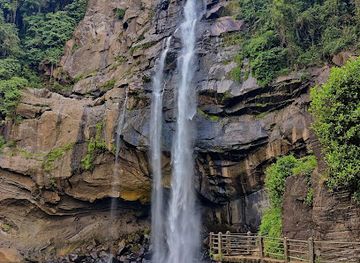
Aberdeen Waterfall
Experience the breathtaking beauty of Aberdeen Waterfall, a hidden gem in Ginigathhena, perfect for nature lovers and adventure seekers alike.
-
National park
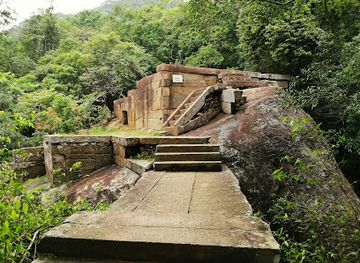
Ritigala Strict Natural Reserve
Explore the serene Ritigala Strict Natural Reserve, where ancient history meets breathtaking natural beauty in the heart of Sri Lanka.
-
Tourist attraction
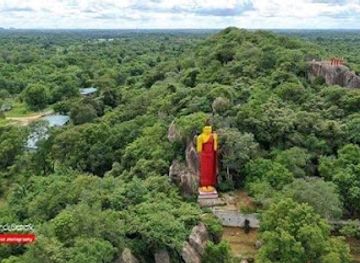
Buduruwagala Raja Maha Viharaya
Explore the ancient rock carvings and serene beauty of Buduruwagala Raja Maha Viharaya, a historical Buddhist temple in Sri Lanka.
-
Tour operator
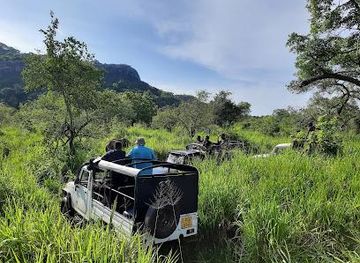
Hurulu Eco Park - Wild Elephant Safari
Explore Hurulu Eco Park for an unforgettable wildlife safari experience in the heart of Sri Lanka, home to majestic elephants and diverse wildlife.
Best landmarks in Dry Zone
The Dry Zone is defined by landmarks that express the relationship between religion, kingship, water and landscape. Anuradhapura’s Ruwanwelisaya, Jetavanaramaya and Abhayagiri stupas dominate the ancient capital, while Sri Maha Bodhi represents a continuing sacred tradition rather than a purely archaeological relic. At Polonnaruwa, the Vatadage and the Gal Vihara are notable for their circular architectural planning and carefully carved Buddha figures, while the immense Parakrama Samudra illustrates the scale of medieval irrigation. Sigiriya’s isolated rock, fortified terraces and surviving paintings create one of the island’s most recognisable silhouettes. Dambulla’s cave shrines are significant for their accumulated religious art, and Mihintale’s stairways and hilltop monuments connect natural topography with the history of Buddhism in Sri Lanka. In the north and east, Jaffna Fort, colonial-era churches and Hindu temple towers reflect different political and religious histories. The great reservoirs and forested rock outcrops are also landmarks in a broader geographical sense, giving the region its distinctive horizon and water-shaped character.
-
Tourist attraction
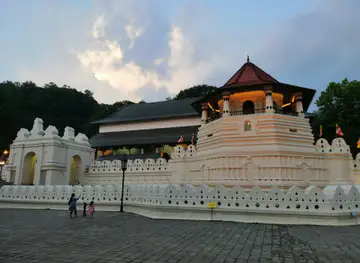
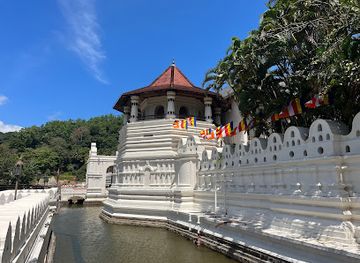
Sri Dalada Maligawa
Discover the spiritual heart of Sri Lanka at Sri Dalada Maligawa, the revered Temple of the Sacred Tooth Relic in Kandy's stunning landscape.
-
Tourist attraction
Royal Botanic Gardens, Peradeniya
Explore the lush landscapes of Royal Botanic Gardens, Peradeniya, home to thousands of plant species and stunning natural beauty in Sri Lanka.
-
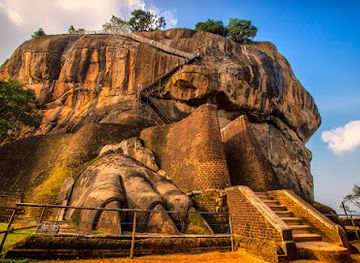
Fortress
Sigiriya
Discover the breathtaking Sigiriya Fortress, a UNESCO World Heritage Site blending history, art, and stunning landscapes in Sri Lanka.
-
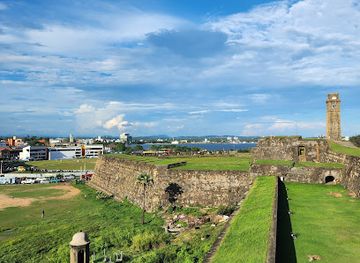
Tourist attraction
Galle Dutch Fort
Discover the rich history and stunning coastal scenery of Galle Dutch Fort, a UNESCO World Heritage site in Sri Lanka.
Explore Dry Zone on the map
Plan your trip on one map. See where the top cities, national parks and sights are, and book hotels and experiences in a few clicks.
Best hotels in Dry Zone
Best restaurants in Dry Zone
Food in the Dry Zone reflects Sri Lanka’s broad culinary traditions while taking on distinctive regional forms. Rice and curry remains central, with vegetables, dhal, sambols, coconut and spice-based gravies varying from household to household. Northern Tamil cooking is especially associated with dishes such as crab and other seafood preparations, dosai, string hoppers and strong, aromatic curries, while palmyrah products appear in parts of the north. Along the eastern coast and around lagoon settlements, fresh fish, prawns and crab are prominent, often accompanied by rice, coconut and chilli. Inland towns offer village restaurants, hotel dining rooms, bakeries and simple cafés rather than a single defined restaurant quarter. Buffalo curd, treacle, seasonal fruit and snacks made from grains or pulses are widely encountered in different parts of the dry country. Markets are useful places to see local produce, but hygiene and refrigeration standards vary, so visitors should choose busy establishments with good turnover and drink treated or sealed water.
-
Restaurant
Barracuda Sea Food & Grill
Experience the best seafood in Dehiwala-Mount Lavinia at Barracuda Sea Food & Grill - where fresh flavors meet stunning ocean views.
-
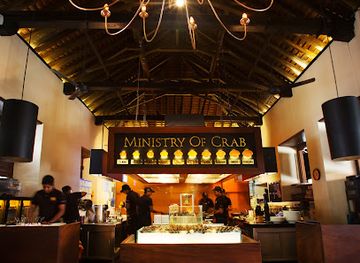
Seafood
Ministry of Crab
Experience the best seafood dining at Ministry of Crab in Colombo, where local flavors meet exquisite cuisine in a historic setting.
-
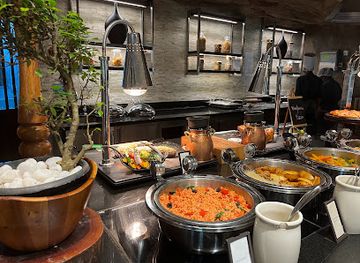
Buffet
Graze Kitchen
Experience a gourmet journey at Graze Kitchen in Colombo, where local and international flavors come together in an elegant buffet setting.
-
Seafood
The Station Restaurant & Bar
Experience exceptional seafood dining at The Station Restaurant & Bar in Colombo - where fresh flavors meet delightful ambiance.

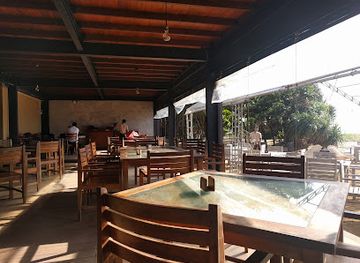
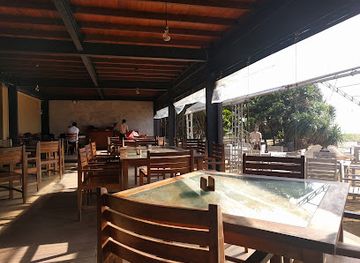
Best bars in Dry Zone
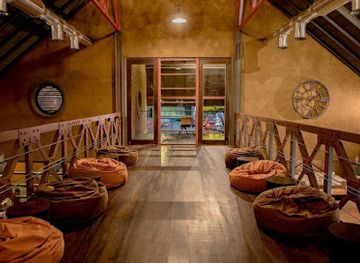
Nightlife in the Dry Zone is generally modest and centred on practical evening socialising rather than a large club scene. Anuradhapura, Dambulla, Habarana, Polonnaruwa, Jaffna, Trincomalee and Batticaloa offer the greatest choice of hotel bars, restaurants, cafés and occasional live-music venues, while smaller settlements tend to close earlier. Traditional licensed bars and hotel lounges are more common than purpose-built nightclubs, and some coastal areas have a more seasonal evening atmosphere during busy holiday periods. Jaffna and the eastern towns provide culturally distinct food-led evenings, though visitors should not expect the same concentration of venues found in Colombo. Outside the main towns, rural inns and hotel restaurants are usually the main options after dark. Drinking is not necessary to experience local culture, and visitors should respect religious observance, avoid loud behaviour near temples and confirm transport arrangements before travelling at night.
-
Seafood
The Station Restaurant & Bar
Experience the best of Sri Lankan seafood at The Station Restaurant & Bar, where freshness meets tradition in a vibrant atmosphere.
-
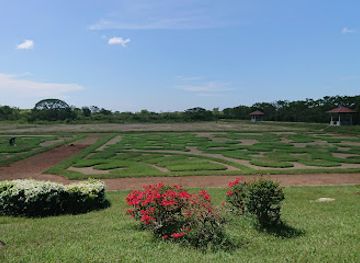
Botanical garden
Dry Zone Botanic Gardens, Hambantota
Explore the lush landscapes and rich biodiversity of the Dry Zone Botanic Gardens, a must-visit botanical haven in Hambantota, Sri Lanka.
-
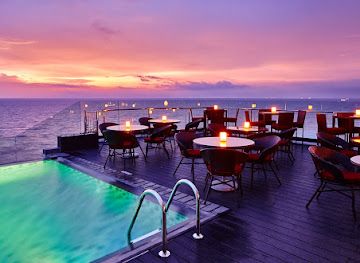
Bar
ON14 Rooftop Lounge & Bar
Discover the elegance of Colombo's skyline at ON14 Rooftop Lounge & Bar, a premier destination for exquisite drinks and breathtaking views.
-
Restaurant
The Grand Gastrobar
Discover exquisite flavors and vibrant ambiance at The Grand Gastrobar, the premier dining destination in Negombo, Sri Lanka.
Best nightclubs in Dry Zone
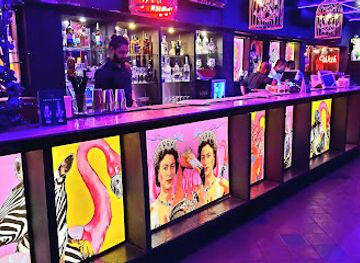
Nightlife in the Dry Zone is generally modest and centred on practical evening socialising rather than a large club scene. Anuradhapura, Dambulla, Habarana, Polonnaruwa, Jaffna, Trincomalee and Batticaloa offer the greatest choice of hotel bars, restaurants, cafés and occasional live-music venues, while smaller settlements tend to close earlier. Traditional licensed bars and hotel lounges are more common than purpose-built nightclubs, and some coastal areas have a more seasonal evening atmosphere during busy holiday periods. Jaffna and the eastern towns provide culturally distinct food-led evenings, though visitors should not expect the same concentration of venues found in Colombo. Outside the main towns, rural inns and hotel restaurants are usually the main options after dark. Drinking is not necessary to experience local culture, and visitors should respect religious observance, avoid loud behaviour near temples and confirm transport arrangements before travelling at night.
-
Guest house
Gunners Club
Experience the vibrant nightlife and serene accommodations at Gunners Club, a top guest house along Sri Lanka's beautiful highways.
-
Disco club
The Love Bar at Flamingo House
Discover the vibrant nightlife at The Love Bar at Flamingo House, where electrifying music and a lively atmosphere create unforgettable moments.
-
Night club
Cleopatra Nightclub
Discover the heart of Colombo's nightlife at Cleopatra Nightclub, where vibrant music, energetic dancing, and unforgettable experiences await.
-
Night club
The Chiller Room
Discover Colombo's vibrant nightlife at The Chiller Room, where electrifying music and memorable cocktails await every night.



Best shops in Dry Zone
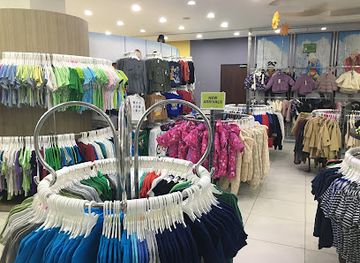
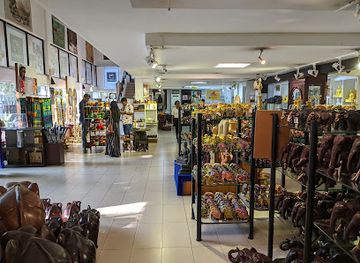
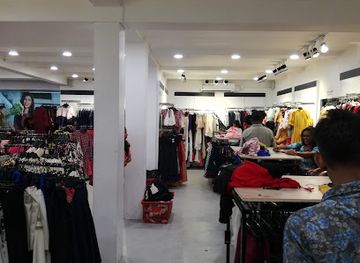
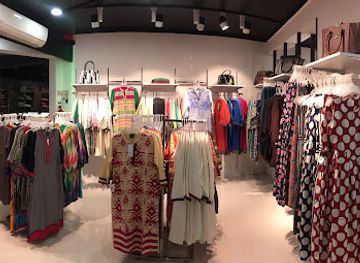
Shopping in the Dry Zone is strongest in market towns, where visitors can find fruit, spices, woven goods, household items and regional snacks rather than extensive luxury retail. Anuradhapura, Dambulla, Polonnaruwa, Jaffna, Trincomalee and Batticaloa each have busy local markets, though product range and trading days vary. The north is particularly associated with palmyrah-based foods and crafts, including products made from the tree’s leaves and sap, while Jaffna is a useful place to look for distinctive Tamil ingredients, sweets and dried seafood. Around the heritage circuit, shops sell carved wooden objects, textiles, paintings, books and religious souvenirs, but buyers should avoid antiquities or anything presented as an archaeological object. Farmers’ stalls offer bananas, mangoes, coconuts and other seasonal produce, and village shops may stock local rice, spice mixtures and treacle-based sweets. Bargaining is customary in some informal settings but not in every shop; compare quality, ask about materials and choose traceable crafts where possible.
-
Clothing store
House of Fashions
Explore an extensive range of stylish and affordable clothing at House of Fashions in Colombo, a paradise for fashion lovers.
-
Souvenir store
Laksala
Discover authentic Sri Lankan handicrafts and souvenirs at Laksala, Colombo's premier destination for unique gifts and cultural treasures.
-
Clothing store
Zigzag Store
Explore the latest trends in women's fashion at Zigzag Store, Colombo's premier clothing destination for stylish shoppers.
-
Clothing store
The Fashion Store
Explore Colombo's Fashion Store for the latest trends and unique styles in clothing and accessories, perfect for every fashion enthusiast.
Get your free copy of our complete guide to Dry Zone, delivered straight to you.
Everything on this page, from attractions and restaurants to essentials and local phrases, in one PDF you can read offline, print or share.
Already have an account? Sign in
Your Dry Zone guide is ready.
We'll send it to · Not you? Sign out

Getting your guide ready…
We are putting together a fresh copy of the Dry Zone guide. This can take up to a minute.
This can take a few moments. If your browser asks, choose Allow so the download can start. You'll find the guide in your Downloads folder.
Nothing happened? Download it again
Sorry, the guide is taking longer than usual. Please try again in a minute, or get it by email instead.
Dry Zone essentials
Currency and Payment
Safety
Emergency Situations
Do's and Don'ts
Local Tips
From Eve
Local phrases worth knowing
You don't need to get them perfect. A few words go a long way, and locals appreciate the effort.
Basics
| English | Local | Say it |
|---|---|---|
| Hello | ආයුබෝවන් | [Āyubōvan] |
| Goodbye | ගොස්සෙන්න | [Gossenna] |
| Yes | ඔව් | [Ōv] |
| No | නැහැ | [Næhæ] |
| Please/You're welcome | කරුණාකර | [Karunākara] |
| Thank you | ස්තුතියි | [Sthutiyi] |
| Excuse me/Sorry | කණගාටුයි | [Kaṇagāṭuyi] |
| How are you? | ඔබ කෙසේද? | [Oba kesēda?] |
| Fine. And you? | හොඳයි. ඔබට? | [Hoṇḍayi. Obata?] |
| Do you speak English? | ඔබට ඉංග්රීසි දන්නවාද? | [Obata iṅgrīsi dannavāda?] |
| I don't understand | මට තේරෙන්නෑ | [Maṭa thēreṇnā] |
Eating & Drinking
| English | Local | Say it |
|---|---|---|
| I'd like to see the menu, please | කරුණාකර මෙනුව බලන්න | [Karunākara menuwa balanna] |
| I don't eat meat | මට මාංශයක් නොකියන්න | [Maṭa mānṣayak nokiyanna] |
| Cheers! | ජය! | [Jaya!] |
| I would like to pay, please | කරුණාකර මම ගෙවන්න කැමතියි | [Karunākara mama gewanna kæmatiyi] |
Emergencies
| English | Local | Say it |
|---|---|---|
| Help! | ආධාරය! | [Ādhārayā!] |
| Go away! | ගෙදර යන්න! | [Gedara yanna!] |
| Call the Police! | පොලීසියට ඇමතන්න! | [Polīsiyata æmathanna!] |
| Call a doctor! | ඩොක්ටර්ට ඇමතන්න! | [Ḍokṭarṭa æmathanna!] |
| I'm lost | මට අහිමි වෙලා | [Maṭa ahimi welā] |
| I'm ill | මට රෝගයක් තියෙනවා | [Maṭa rōgayak tiyenavā] |
Shopping
| English | Local | Say it |
|---|---|---|
| I'd like to buy... | මට මිලදී ගන්න ඕනෑ... | [Maṭa miladī ganna ōnæ...] |
| I'm just looking | මම බලන එකක් | [Mama balana ekak] |
| How much is it? | එය කොච්චරද? | [Eya kochcharada?] |
| That's too expensive | එය බොහෝ මිලදීම් | [Eya bohō miladīm] |
| Can you lower the price? | ඔබට මිල අඩු කළ හැකිද? | [Obata mila aḍu kara hækida?] |
Time & Numbers
| English | Local | Say it |
|---|---|---|
| What time is it? | මේක කුමන වේලාවද? | [Mēka kumana vēlāvada?] |
| It's one o'clock | එය එකට හෝරාවක් | [Eya ekata hōrāvak] |
| Half past (10) | පැයකට (10) | [Pæyakata (10)] |
| Morning | උදේ | [Udē] |
| Afternoon | පස්වරු | [Pasvaru] |
| Evening | සන්ද්යාව | [Sandhyāva] |
| Yesterday | ඊයේ | [Īyē] |
| Today | අද | [Ada] |
| Tomorrow | හෙට | [Hæṭa] |
| 1 | 1 | [1] |
| 2 | 2 | [2] |
| 3 | 3 | [3] |
| 4 | 4 | [4] |
| 5 | 5 | [5] |
| 6 | 6 | [6] |
| 7 | 7 | [7] |
| 8 | 8 | [8] |
| 9 | 9 | [9] |
| 10 | 10 | [10] |
Transport & Directions
| English | Local | Say it |
|---|---|---|
| Where's a/the...? | කියනම් කොහෙද...? | [Kiyanam koheda...?] |
| What's the address? | ලිපිනය කුමක්ද? | [Lipinaya kumakda?] |
| Can you show me (on the map)? | මට පෙන්වා දිය හැකිද (පැමිණියේ)? | [Maṭa penvā diya hækida (pæmiṇiyē)?] |
| When's the next (bus)? | ඊළඟ (බස්) කවදද? | [Īḷaṅga (bas) kawadada?] |
| A ticket (to ....) | ඇමතුමක් (....) | [Æmathumak (....)] |
History of Dry Zone
Early Settlements and the Anuradhapura Kingdom
The Dry Zone contains some of Sri Lanka’s oldest and most important urban and religious remains. Anuradhapura developed into a major capital from the first millennium BCE and became an enduring centre of Buddhist learning after Buddhism reached the island during the reign of King Devanampiya Tissa, traditionally dated to the third century BCE. Monasteries, stupas, reservoirs and carefully organised settlements spread across the surrounding plain. The sacred Bodhi tree at Anuradhapura is associated with a branch brought from India in antiquity and remains central to Sri Lankan Buddhist devotion. The city’s ruins show how religious authority, royal power and agricultural management became closely connected.
Irrigation and the Hydraulic Civilisation
The dry climate encouraged successive rulers to develop reservoirs, canals and water-control systems that captured seasonal rainfall for rice cultivation. Large tanks such as Kala Wewa and later works associated with Parakrama Samudra at Polonnaruwa supported farming, urban life and monastic institutions over wide areas. These projects were expanded over many centuries rather than created in one uninterrupted programme, and their survival depended on maintenance by later communities. The resulting landscape of village tanks, bunds and channels remains one of the defining historical features of the Dry Zone, linking ancient engineering to contemporary agriculture and wildlife habitats.
The Medieval Capital at Polonnaruwa
Polonnaruwa became the principal royal centre after Anuradhapura declined as a capital, particularly from the eleventh century. The city reached an important peak under rulers including Parakramabahu I in the twelfth century, when irrigation, administration and Buddhist monastic life were consolidated on a considerable scale. Its archaeological area includes royal buildings, monastery compounds, bathing ponds and the Gal Vihara, whose rock-cut Buddha images are among the most recognised works of Sri Lankan sculpture. The remains also reflect periods of political contest, South Indian influence and changing centres of power before the capital moved again.
Rock Fortresses, Monasteries and Sacred Landscapes
The Dry Zone’s dramatic rock formations became places of defence, royal residence and religious retreat. Sigiriya, associated with King Kashyapa I in the fifth century, was transformed into a fortified palace complex with gardens, water features, frescoes and the celebrated mirror wall. Dambulla’s cave monasteries preserve layers of Buddhist painting and sculpture developed over centuries, while Mihintale near Anuradhapura is traditionally linked with the first meeting between the monk Mahinda and King Devanampiya Tissa. Together these sites demonstrate how natural topography was incorporated into political and sacred landscapes.
Kingdoms, Trade and the Northern Peninsula
The northern part of the dry country developed through distinctive Tamil political, religious and commercial networks, with Jaffna serving as the centre of the medieval Jaffna Kingdom from roughly the thirteenth to seventeenth centuries. The peninsula’s location connected it to maritime routes across the Palk Strait and the wider Indian Ocean. Hindu temples, Catholic churches, Muslim trading communities and colonial fortifications later added further layers to its cultural landscape. Portuguese, Dutch and British rule altered administration, trade and land use, while the northern dry climate encouraged economic traditions including palmyrah cultivation and seasonal agriculture.
Colonial Rule and the Reordering of the Dry Zone
European powers first established coastal control and later expanded administrative influence over the island’s interior. Portuguese and Dutch fortifications remain particularly visible in northern and eastern coastal towns, while British rule introduced new systems of land administration, roads and transport. Colonial observers often described the ancient irrigation landscape as abandoned, although local communities continued to use and maintain many tanks. In the nineteenth and early twentieth centuries, archaeological interest in Anuradhapura and Polonnaruwa helped shape modern ideas of Sri Lanka’s heritage, sometimes separating monuments from the living communities around them.
Post-independence Irrigation and Resettlement
After independence in 1948, major state irrigation and settlement schemes sought to expand cultivation and repopulate parts of the Dry Zone. The Gal Oya scheme in the east and the Mahaweli development programme, particularly from the 1970s, created new reservoirs, canals, roads and agricultural settlements. These programmes increased food production and transformed regional demography, but also altered ecosystems and displaced or reorganised communities in some areas. Today’s cultivated plains, large tanks and wildlife reserves are therefore products of both ancient water management and modern state planning.
Conflict, Recovery and Conservation
The north and east were deeply affected by Sri Lanka’s civil conflict, which lasted from 1983 until 2009. Communities experienced displacement, disrupted transport and loss of life, while some archaeological and natural areas became difficult to access. Since the war, roads, tourism facilities and heritage management have developed in many districts, although recovery remains uneven and the social history of the conflict is still important to local communities. Conservation has also become increasingly significant as protected areas, elephants, wetlands and forest corridors face pressure from farming, settlement, roads and changing patterns of tourism.
Dry Zone in Photos
Browse through our photo collection highlighting the charm and character of the destination.
Neighbouring regions of Dry Zone
The closest regions to Dry Zone, if you have time for more than one.
-

-

-

-

-


Swipe for more regions
Explore more

Explore more of Sri Lanka
Discover Sri Lanka: Rich culture, stunning landscapes, and warm hospitality await you in this tropical paradise. Explore ancient cities, wildlife, tea plantations, and pristine beaches.
Explore Sri Lanka