

Free Ampara District Travel Guide & Mobile App
Explore Ampara District with free travel guides. Discover regional history, expert tips, proposed trips, and audio guides on web or mobile app.


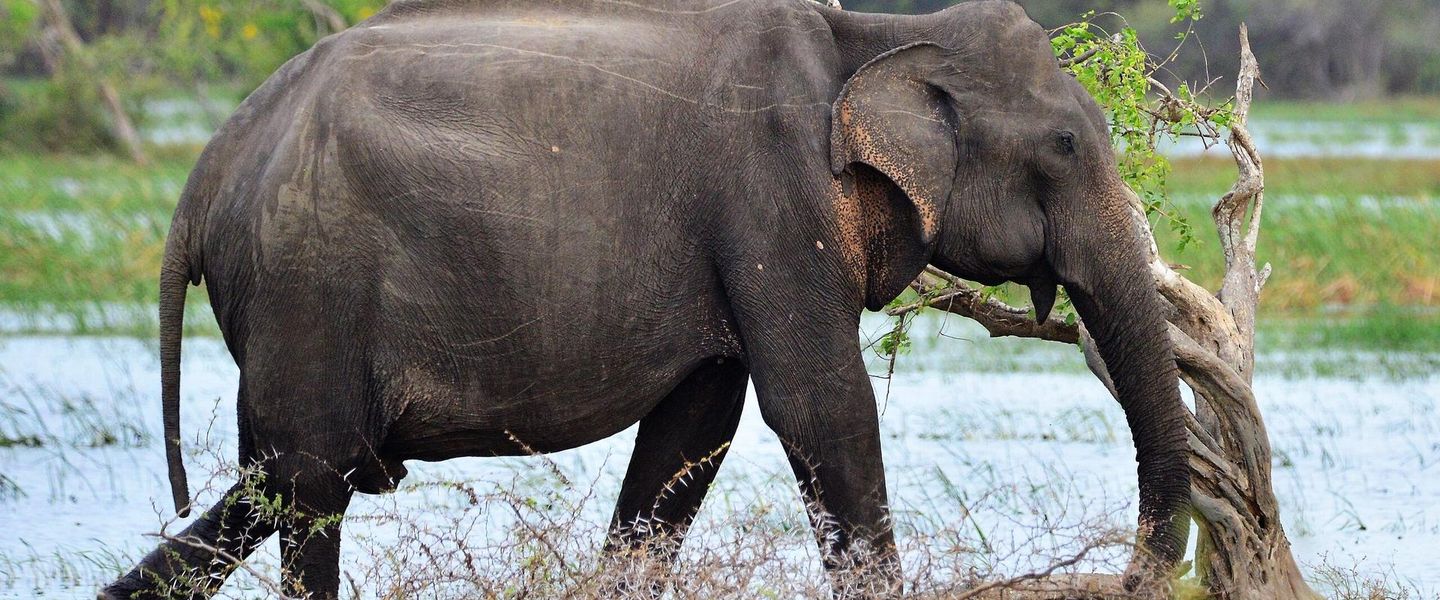


Explore Ampara District for Gal Oya wildlife, ancient Buddhist sites, Sri Lankan surf, lagoons and the dry-zone culture of the east.
Read more about Ampara District
When is the best time to visit Ampara District?
Best: January–March · 30–31°C| Month | High (°C) | Rainfall (mm) |
|---|---|---|
| January (best) | 30 | 100 |
| February (best) | 31 | 70 |
| March (best) | 31 | 80 |
| April | 32 | 130 |
| May | 32 | 150 |
| June | 31 | 140 |
| July | 31 | 120 |
| August | 31 | 120 |
| September | 31 | 140 |
| October | 31 | 160 |
| November | 30 | 180 |
| December | 30 | 170 |
Getting to and around Ampara District
How to get there
Transportation
Destinations in Ampara District
Resorts, valleys and scenic spots worth a trip of their own.

Swipe for more destinations
Best attractions in Ampara District
Ampara District’s attractions range from wildlife and reservoirs to archaeological sites and surfing beaches. Gal Oya National Park is the centrepiece of the interior, combining dry-zone forest, rocky scenery and the extensive waters of Senanayake Samudraya; guided boat trips and land safaris provide different ways to observe the landscape and its fauna. Around Lahugala, wetlands and forest offer further opportunities for birdwatching and elephant sightings. On the coast, Arugam Bay is the district’s best-known surf destination, while Pottuvil Lagoon, Panama and the Kumana area provide a broader mix of paddling, birdlife, beaches and rural scenery. History-focused travellers can visit Deegavapi, Rajagala and Magul Maha Viharaya, where religious practice and archaeology remain closely connected. The district also rewards slower journeys through paddy-country settlements, tank landscapes and market towns, although distances and rural transport mean that attractions are best grouped geographically rather than treated as a compact sightseeing circuit.
-
Place of worship
Uththararamaya (Gal Vihara)
Discover the awe-inspiring rock-carved Buddhas of Uththararamaya, a sacred Buddhist temple rich in history and artistry in Nissankamallapura, Sri Lanka.
-
Historical landmark
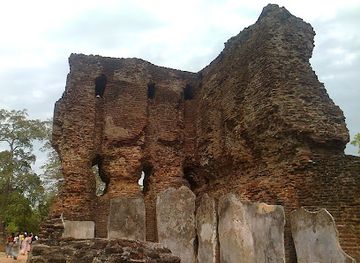
Dalada Maluva - ( Polonnaruwa)
Explore the historical marvel of Dalada Maluva in Polonnaruwa, a UNESCO World Heritage Site showcasing ancient Sri Lankan architecture and spirituality.
-
Buddhist temple
Muhudu Maha Viharaya
Explore the serene beauty of Muhudu Maha Viharaya, a historic Buddhist temple by the sea in Pottuvil, Sri Lanka, perfect for cultural immersion and tranquility.
-
Fortress
Batticaloa Dutch Fort
Discover the rich history and picturesque beauty of Batticaloa Dutch Fort, a must-visit destination in Sri Lanka for every traveler.

Best landmarks in Ampara District
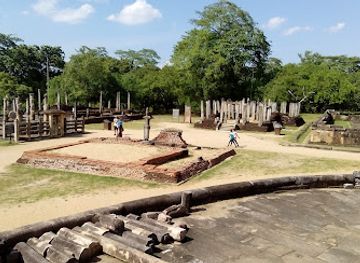
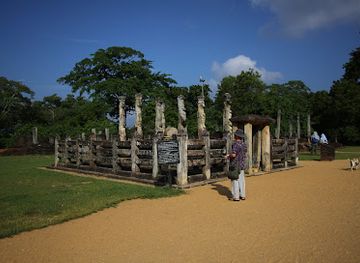
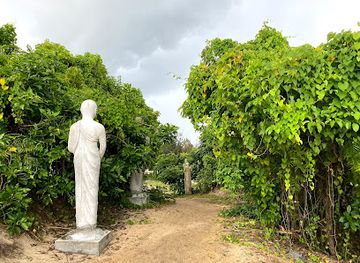
Senanayake Samudraya is one of Ampara District’s defining human-made landmarks: its broad waters and wooded islands express the scale of the Gal Oya irrigation scheme and dominate the surrounding inland landscape. Deegavapi Raja Maha Vihara is a major Buddhist pilgrimage site, marked by its stupa and long religious association with the eastern plain. On the forested hills near Rajagalatenna, the Rajagala archaeological complex preserves monastic ruins, inscriptions and stone structures in a setting that conveys the scale of ancient religious settlement. Magul Maha Viharaya near Lahugala is another important architectural and archaeological landmark, associated with an ancient royal foundation and a surviving stupa complex. Along the coast, Muhudu Maha Viharaya and Okanda’s religious setting reflect the meeting of pilgrimage, folklore and maritime geography. Arugam Bay’s curved shoreline is less a historic monument than a contemporary geographic symbol, recognised internationally for its surf and its place in the district’s coastal identity.
-
Buddhist temple
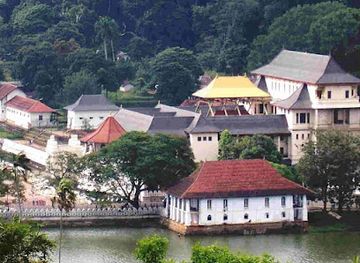
Sri Dalada Maligawa
Explore the sacred beauty of Sri Dalada Maligawa, the Temple of the Tooth, a UNESCO World Heritage Site and cultural treasure in Kandy, Sri Lanka.
-
Fortress
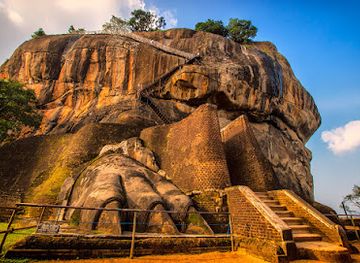
Sigiriya
Explore Sigiriya, a breathtaking rock fortress in Sri Lanka, where history, architecture, and stunning views come together in a UNESCO World Heritage site.
-
Buddhist temple
Muthiyangana Raja Maha Vihara
Discover the serene beauty and rich history of Muthiyangana Raja Maha Vihara, a revered Buddhist temple in Badulla, Sri Lanka.
-
Place of worship
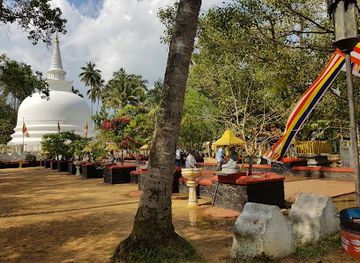
Uththararamaya (Gal Vihara)
Explore Uththararamaya (Gal Vihara), a historical Buddhist temple in Nissankamallapura, renowned for its breathtaking rock-carved statues and serene ambiance.
Explore Ampara District on the map
Plan your trip on one map. See where the top cities, national parks and sights are, and book hotels and experiences in a few clicks.
Best hotels in Ampara District
Best restaurants in Ampara District
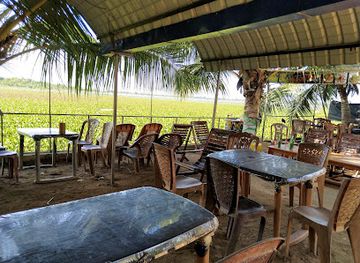
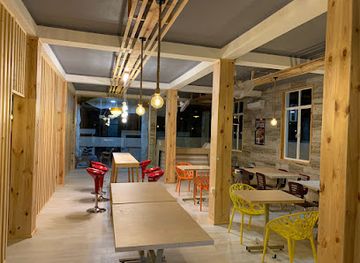
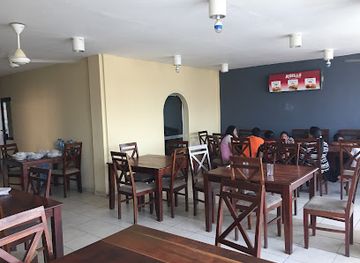
Dining in Ampara District is based on Sri Lanka’s rice-and-curry tradition, with local differences shaped by Sinhala, Tamil and Muslim communities and by the contrast between inland agriculture and the coast. Rice, coconut, dhal, sambols, jackfruit, freshwater fish and seasonal vegetables appear widely, while coastal settlements are known for fish, prawns and crab prepared with aromatic spices. Muslim-influenced cooking adds dishes such as biryani and meat curries, while short eats, hoppers, roti and tea are useful inexpensive options during road journeys. Around Arugam Bay and Pottuvil, cafés and guesthouse restaurants serve Sri Lankan food alongside international dishes for the seasonal surf trade. In Ampara and other larger towns, look for busy local eateries rather than expecting a formal dining district. Market stalls and small bakeries offer practical introductions to regional snacks, but opening times and menus can be limited outside the main towns.
-
Restaurant
Moon Yard
Discover authentic Sri Lankan flavors at Moon Yard in Eragama - where local ingredients meet culinary creativity in a welcoming atmosphere.
-
 Restaurant
Hideout Lounge Arugambay
Discover exquisite flavors at Hideout Lounge Arugambay - where local meets global in a vibrant coastal setting.
-
Restaurant
FOOD PARK
Experience the best of local flavors at Food Park in Palamunai – where every meal is a celebration of culinary diversity.
-
Bakery
New City Food Cabin
Experience authentic Sri Lankan cuisine and delightful baked goods at New City Food Cabin in Ampara.
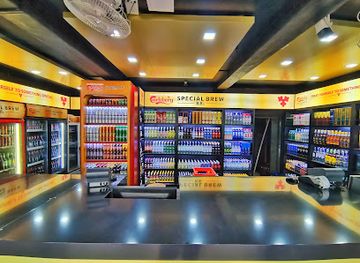
Best bars in Ampara District
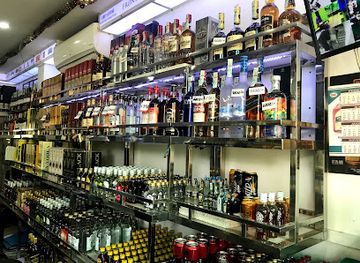
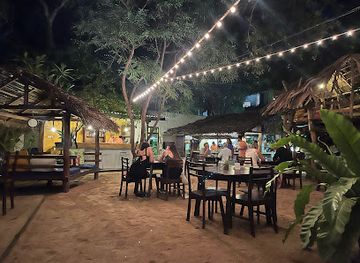
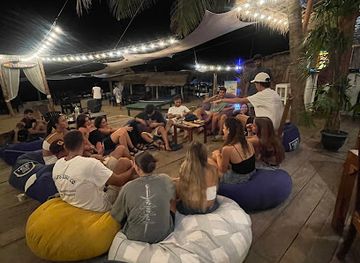
Nightlife in Ampara District is seasonal and relatively low-key. Arugam Bay has the broadest evening scene, with beachfront restaurants, casual bars, music-led venues and occasional parties during the main surf season, although individual businesses and events change regularly. Pottuvil provides a quieter base, while Ampara town and inland settlements tend to centre their evenings on tea shops, family restaurants, hotel dining rooms and traditional social spaces rather than nightclubs. Alcohol is not equally available everywhere, and some religiously or socially conservative communities maintain a more reserved evening culture. Visitors should respect local customs, avoid loud behaviour near homes and religious sites, and check current arrangements locally rather than assuming that coastal venues operate throughout the year.
-
Bar
SAUSIRI WINE Uhana
Discover the vibrant wine culture of Sri Lanka at Sausiri Wine Uhana, where every glass tells a story of flavor and tradition.
-
Bar
AKKARAIPATTU WINE STORE
Experience the charm of Sri Lanka at Akkaraipattu Wine Store, where local and international wines await in a cozy, inviting atmosphere.
-
Bar
Sanunpura wine stores
Experience the best of Sri Lankan wine culture at Sanunpura Wine Stores in Dehiattakandiya, offering a cozy atmosphere and a diverse selection of wines.
-
Bar
Hideaway Blue Cafe and Bar
Discover the perfect blend of relaxation and excitement at Hideaway Blue Cafe and Bar in Arugam Bay, your go-to spot for coffee, cocktails, and community.

Best nightclubs in Ampara District
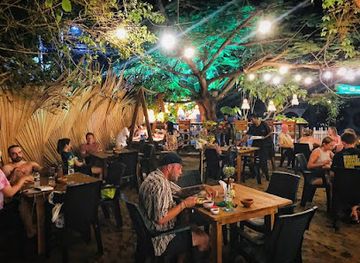
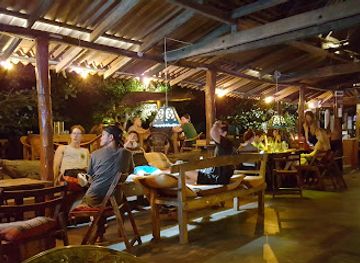
Nightlife in Ampara District is seasonal and relatively low-key. Arugam Bay has the broadest evening scene, with beachfront restaurants, casual bars, music-led venues and occasional parties during the main surf season, although individual businesses and events change regularly. Pottuvil provides a quieter base, while Ampara town and inland settlements tend to centre their evenings on tea shops, family restaurants, hotel dining rooms and traditional social spaces rather than nightclubs. Alcohol is not equally available everywhere, and some religiously or socially conservative communities maintain a more reserved evening culture. Visitors should respect local customs, avoid loud behaviour near homes and religious sites, and check current arrangements locally rather than assuming that coastal venues operate throughout the year.
-
Restaurant
SaltyBeer Restaurant & Bar
Experience the taste of Sri Lanka at SaltyBeer Restaurant & Bar in Arugam Bay, where fresh seafood meets vibrant local culture in an idyllic coastal setting.
-
Brewpub
Siam View Hotel -SVH-
Discover the vibrant atmosphere of Siam View Hotel, where craft beers and local cuisine come together in the heart of Arugam Bay.
-
Hotel
Gal Oya Lake Club
Discover the perfect blend of luxury and nature at Gal Oya Lake Club, a serene retreat in the heart of Sri Lanka's stunning landscapes.
-
Bar
Funky de bar
Experience the vibrant nightlife of Pottuvil at Funky de Bar, where themed nights and lively atmosphere await you!
Best shops in Ampara District
Shopping in Ampara District is practical and locally oriented rather than centred on large retail complexes. Ampara town offers the widest choice of clothing, household goods, pharmacies, food shops and small cafés, while Pottuvil and Arugam Bay have surf equipment, casual clothing, handicrafts and visitor-oriented provisions. Weekly markets and town bazaars are useful for fruit, vegetables, spices, snacks and everyday goods, though their exact days and scale vary by locality. Regional purchases may include coconut products, treacle, dried fish, spices, tea and locally grown produce, while small craft stalls sometimes sell woven items, carved objects or jewellery. Around the coast, compare prices and quality before buying shells or wildlife products, and avoid anything made from protected species. Rural shops often have limited card facilities, so carry modest rupee notes when travelling beyond the main centres.
-
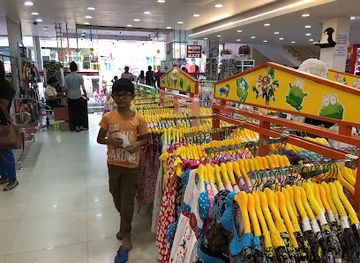
Clothing store
ASB Fashion
Explore ASB Fashion in Ampara, the ultimate destination for diverse clothing styles and unbeatable prices in a vibrant shopping atmosphere.
-
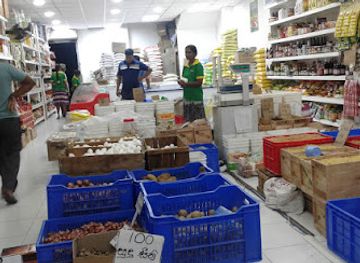
Supermarket
K.G Super City
Discover K.G Super City in Ampara, a vibrant supermarket with local produce, unique souvenirs, and a taste of Sri Lankan culture.
-
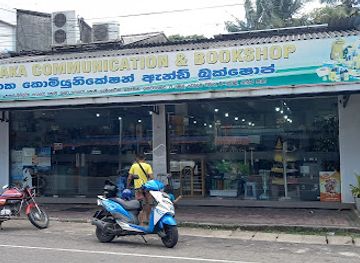
Book store
Chanaka Communication & Book Shop
Explore a world of literature at Chanaka Communication & Book Shop in Ampara, where local culture meets a passion for reading.
-
Furniture store
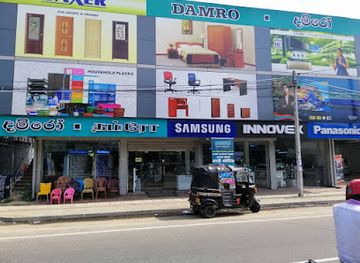
Ampara - Damro Showroom
Explore exquisite furniture pieces at Ampara's Damro Showroom, where quality and craftsmanship meet local design.
Get your free copy of our complete guide to Ampara District, delivered straight to you.
Everything on this page, from attractions and restaurants to essentials and local phrases, in one PDF you can read offline, print or share.
Already have an account? Sign in
Your Ampara District guide is ready.
We'll send it to · Not you? Sign out

Getting your guide ready…
We are putting together a fresh copy of the Ampara District guide. This can take up to a minute.
This can take a few moments. If your browser asks, choose Allow so the download can start. You'll find the guide in your Downloads folder.
Nothing happened? Download it again
Sorry, the guide is taking longer than usual. Please try again in a minute, or get it by email instead.
Ampara District essentials
Currency and Payment
Safety
Emergency Situations
Do's and Don'ts
Local Tips
From Eve
Local phrases worth knowing
You don't need to get them perfect. A few words go a long way, and locals appreciate the effort.
Basics
| English | Local | Say it |
|---|---|---|
| Hello | ආයුබෝවන් | [Aayubowan] |
| Goodbye | සමුගන්නවා | [Samugannawa] |
| Yes | ඔව් | [Ow] |
| No | නැහැ | [Næhæ] |
| Please/You’re welcome | කරුණාකර/ආයුබෝවන් | [Karunākara/Aayubowan] |
| Thank you | ස්තුතියි | [Sthuthiyi] |
| Excuse me/Sorry | क्षमාවන්න | [Kshamāvanna] |
| How are you? | ඔබ කෙසේද? | [Oba Kesēda?] |
| Fine. And you? | හොඳයි. ඔබට? | [Honḍayi. Obaṭa?] |
| Do you speak English? | ඔබට ඉංග්රීසි කතා කරන්න ඉන්නෙද? | [Obaṭa Iṅgrīsi Kathā karanna Inneda?] |
| I don't understand | මට තේරෙන්නේ නැහැ | [Maṭa Thērennē Næhæ] |
Eating & Drinking
| English | Local | Say it |
|---|---|---|
| I’d like to see the menu, please | මට මෙනුව බලන්න ඕනෑ | [Maṭa Menuva Balanna Ōnē] |
| I don't eat meat | මට මාංශය කන්න බෑ | [Maṭa Māṁṣaya Kanna Bæ] |
| Cheers! | සතුටු වෙමු! | [Sathutu Wemu!] |
| I would like to pay, please | මට ගෙවන්න ඕනෑ | [Maṭa Gewanna Ōnē] |
Emergencies
| English | Local | Say it |
|---|---|---|
| Help! | ආධාරයක්! | [Ādhārayak!] |
| Go away! | ඉවත්වන්න! | [Ivatvanna!] |
| Call the Police! | පොලීසියට ඇමතුම් කරන්න! | [Polīsiyaṭa Æmaṭhum Karanna!] |
| Call a doctor! | දොස්තරවරුන්ට ඇමතුම් කරන්න! | [Dostharavaruṇṭa Æmaṭhum Karanna!] |
| I’m lost | මට අහිමිවී ඇත | [Maṭa Ahimivī Aetha] |
| I’m ill | මට රෝගීවී ඇත | [Maṭa Rōgīvī Aetha] |
Shopping
| English | Local | Say it |
|---|---|---|
| I’d like to buy... | මට මිලදී ගන්න ඕනෑ... | [Maṭa Milādī Ganna Ōnē...] |
| I’m just looking | මට බලනවා පමණක් | [Maṭa Balannā Pamaṇak] |
| How much is it? | ආයුබෝවන්, මෙය කීයක්ද? | [Ayubowan, Meya Kīyakda?] |
| That’s too expensive | මෙය ඉතා මිලදී ගන්නා නැහැ | [Meya Ithā Milādī Gannā Næhæ] |
| Can you lower the price? | මිල අඩු කරන්න පුළුවන්ද? | [Mila Aḍu Karanna Puḷuwanda?] |
Time & Numbers
| English | Local | Say it |
|---|---|---|
| What time is it? | මෙම වෙලාව කීයක්ද? | [Mema Velāva Kīyakda?] |
| It’s one o'clock | එය එකට වෙයි | [Eya Ekata Weyi] |
| Half past (10) | මැදවට (10) | [Mædavata (10)] |
| Morning | ආපසු | [Āpasu] |
| Afternoon | ඉක්මනින් | [Ikmanin] |
| Evening | සන්ධ්යා | [Sandhyā] |
| Yesterday | ඊයේ | [Īye] |
| Today | අද | [Ada] |
| Tomorrow | හෙට | [Hæṭa] |
| 1 | එක | [Eka] |
| 2 | දෙක | [Deka] |
| 3 | තුන් | [Tun] |
| 4 | හතර | [Hathara] |
| 5 | පහ | [Paha] |
| 6 | හය | [Haya] |
| 7 | හත | [Hatha] |
| 8 | අට | [Aṭa] |
| 9 | නවය | [Nawaya] |
| 10 | දහය | [Dahaya] |
Transport & Directions
| English | Local | Say it |
|---|---|---|
| Where's a/the...? | කෙතෙක්/ආකාරය කුමක්ද? | [Kethek/Ākāraya Kumakda?] |
| What’s the address? | ලිපිනය කුමක්ද? | [Lipinaya Kumakda?] |
| Can you show me (on the map)? | මාපයේ පෙන්වන්න පුළුවන්ද? | [Māpayē Penwanna Puḷuwanda?] |
| When's the next (bus)? | ඊළඟ බස් කවද්ද? | [Īlaṅga Bas Kavadha?] |
| A ticket (to ....) | ඉන්ධන පත්රයක් (....) | [Indhana Pātrayak (....)] |
History of Ampara District
Early irrigation and the ancient eastern plain
The dry zone of present-day Ampara was shaped early by agriculture and water management. Ancient communities constructed tanks, channels and reservoirs to support rice cultivation through the seasonal rainfall cycle, linking settlement to carefully managed water rather than dependable year-round rivers. The surviving irrigation landscape helps explain the district’s broad paddy fields and the continuing importance of tanks to rural life. Archaeological remains across the eastern lowlands also indicate connections between inland settlements, religious institutions and routes leading towards the coast.
Buddhist monastic centres of the ancient period
Several important Buddhist sites developed in the region during Sri Lanka’s ancient kingdoms. Deegavapi became a major religious centre associated with Buddhist tradition and royal patronage, while Rajagala grew into a substantial monastic settlement in the eastern hills. Magul Maha Viharaya and other sites preserve stupas, image houses, inscriptions and foundations that reveal the organisation of religious communities. Their remains show that the area was not a remote frontier but part of a wider network of cultivation, pilgrimage and political authority.
Medieval kingdoms and eastern coastal connections
During the medieval period, the eastern lowlands were connected to the changing political centres of Sri Lanka through agriculture, religious endowments and maritime exchange. Monastic sites and irrigation works depended on the support of regional rulers and landed communities, while coastal settlements participated in movement along the Bay of Bengal. The historical record is fragmented, but surviving inscriptions and archaeological remains demonstrate the continuing importance of the eastern region despite shifts in royal power elsewhere on the island.
European maritime influence and changing coastal trade
From the sixteenth century, Portuguese and later Dutch power altered trade and administration along Sri Lanka’s eastern and southeastern coasts. European control was concentrated around maritime routes and fortified ports rather than every inland settlement, but it affected commerce, taxation and relations between coastal communities. The eastern shore continued to be tied to fishing, regional trade and religious centres. Many of the district’s older Buddhist, Hindu and Muslim communities retained their own institutions through these political changes.
Colonial irrigation and the creation of modern Ampara
Under British rule, surveys and irrigation schemes encouraged new approaches to dry-zone agriculture, transport and settlement. The modern district developed more clearly after independence, particularly through large-scale projects connected with the Gal Oya scheme in the mid-twentieth century. Senanayake Samudraya and associated works transformed agricultural production and helped establish Ampara as an important inland centre. The project also altered landscapes and displaced or reorganised earlier communities, making irrigation both an economic achievement and a significant social transformation.
Conflict, displacement and post-war change
The Eastern Province was deeply affected by Sri Lanka’s civil conflict, which lasted from 1983 to 2009. Ampara District experienced insecurity, disrupted travel, displacement and changes in communal relations, although impacts varied considerably between areas. Since the end of the war, roads, visitor facilities and tourism have expanded, particularly along the surf coast and around wildlife destinations. The district’s present character therefore reflects both long-standing cultural diversity and the continuing process of rebuilding trust, livelihoods and local economies.
Ampara District in Photos
Browse through our photo collection highlighting the charm and character of the destination.
Neighbouring regions of Ampara District
The closest regions to Ampara District, if you have time for more than one.
-

-

-

-

-


Swipe for more regions
Explore more

Explore more of Sri Lanka
Discover Sri Lanka: Rich culture, stunning landscapes, and warm hospitality await you in this tropical paradise. Explore ancient cities, wildlife, tea plantations, and pristine beaches.
Explore Sri Lanka