

Free Knuckles Mountain Range Travel Guide & Mobile App
Explore Knuckles Mountain Range with free travel guides. Discover regional history, expert tips, proposed trips, and audio guides on web or mobile app.


Explore Knuckles Mountain Range in Sri Lanka for cloud forests, rugged trails, village stays, waterfalls and panoramic central-highland landscapes.
Read more about Knuckles Mountain Range
When is the best time to visit Knuckles Mountain Range?
Best: January–March · 23–24°C| Month | High (°C) | Rainfall (mm) |
|---|---|---|
| January (best) | 23 | 75 |
| February (best) | 24 | 60 |
| March (best) | 24 | 90 |
| April | 25 | 150 |
| May | 26 | 180 |
| June | 27 | 225 |
| July | 26 | 200 |
| August | 26 | 180 |
| September | 25 | 165 |
| October | 25 | 135 |
| November | 24 | 105 |
| December | 24 | 90 |
Getting to and around Knuckles Mountain Range
How to get there
Transportation
Best attractions in Knuckles Mountain Range
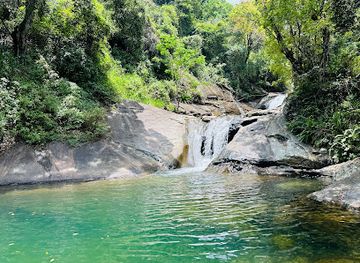
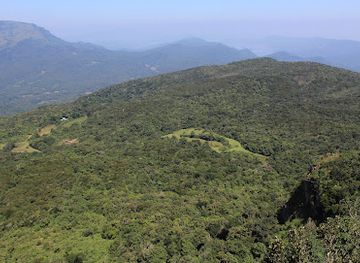
The Knuckles Mountain Range is primarily an outdoor destination, with attractions spread between several separate access areas rather than gathered around one visitor centre. The Riverston area is known for high viewpoints, mountain roads and access towards Pitawala Pathana, an open grassland plateau with broad views over the valleys. Nearby routes include the viewpoint commonly called Mini World’s End, while the Thelgamuwa Valley offers streams, forest and rural scenery. Deanston and Corbett’s Gap provide further starting points for walks through upland landscapes, although routes and access conditions should be checked locally. Meemure appeals to visitors seeking a remote village setting, guided hikes and views towards Lakegala, as well as longer excursions into surrounding valleys. Waterfalls and natural pools occur throughout the range, but their safety depends on recent rainfall and local conditions. Birdwatching, botany, photography, camping where permitted, and multi-day trekking are more characteristic here than organised family attractions or formal museums. The conservation forest itself is the central attraction: its changing vegetation, endemic wildlife and dramatic weather provide the context for every walk, while local guides help visitors understand paths, plants, cultivation and village life without placing unnecessary pressure on fragile habitats.
-
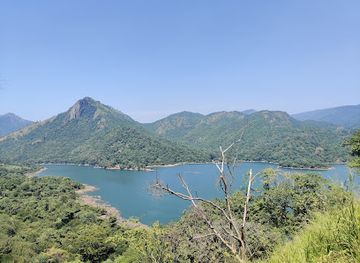
Wildlife refuge
Victoria Randenigala Rantembe Sanctuary
Discover the captivating beauty and biodiversity of Victoria Randenigala Rantembe Sanctuary, a premier wildlife refuge in Sri Lanka.
-
National reserve
Knuckles Forest Reserve
Discover the pristine landscapes and rich biodiversity of Knuckles Forest Reserve, a UNESCO World Heritage Site in Sri Lanka, perfect for nature lovers and adventurers.
-
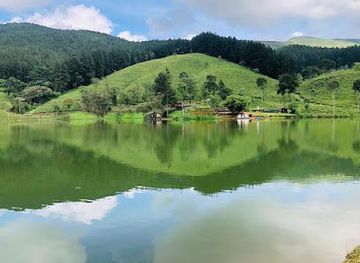
Lake
Sembuwatta Lake
Discover the enchanting beauty of Sembuwatta Lake, a tranquil oasis in Sri Lanka surrounded by lush greenery and breathtaking landscapes.
-
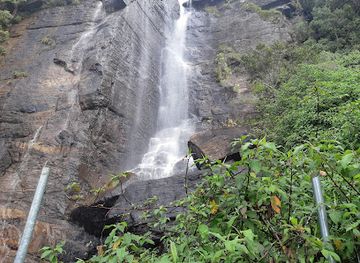
Tourist attraction
Lover's Leap Waterfall
Experience the breathtaking beauty of Lover's Leap Waterfall in Nuwara Eliya, where nature and tranquility meet in a stunning cascade.

Best landmarks in Knuckles Mountain Range
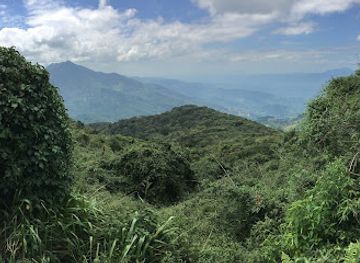
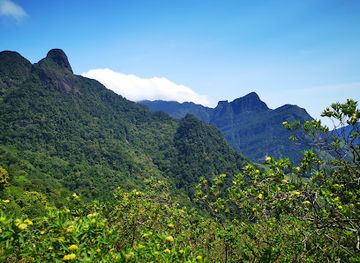
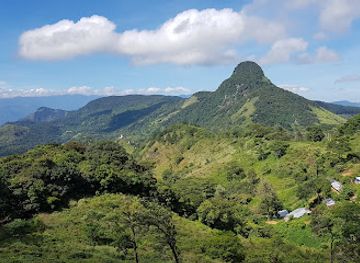
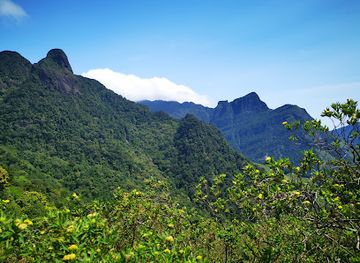
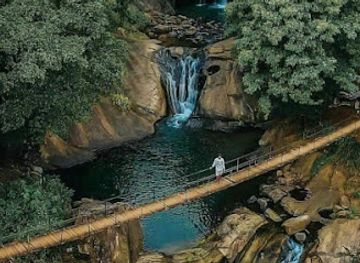
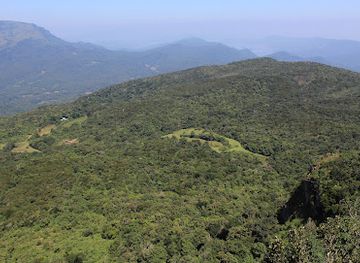
The defining landmark of the region is the serrated Knuckles skyline, whose folded peaks gave the mountain range its English name. Within the protected landscape, Pitawala Pathana forms a recognisable high grassland plateau, while the Mini World’s End viewpoint looks across steep valleys and layered ridges from the Riverston side. Corbett’s Gap is both a mountain pass and a celebrated viewpoint, marking one of the approaches into the highland interior. Meemure’s setting below Lakegala provides another memorable geographical scene, with a remote settlement framed by dramatic rock and forested slopes. Streams, ravines and waterfalls are less formal landmarks but are fundamental to the range’s visual character and watershed importance. The Knuckles Conservation Forest itself is an important natural landmark within the Central Highlands of Sri Lanka UNESCO World Heritage property, representing a large and biologically valuable tract of montane habitat. These places are significant not because they form a built heritage circuit, but because they show how geology, climate, water and human settlement have combined to shape one of Sri Lanka’s most distinctive highland environments.
-
Tourist attraction
Riverston
Explore Riverston, Sri Lanka: A breathtaking tourist attraction ideal for hiking, adventure, and stunning views of the Knuckles Mountain Range.
-
National reserve
Knuckles Forest Reserve
Explore the stunning landscapes and rich biodiversity of Knuckles Forest Reserve, a national treasure in Sri Lanka's central highlands.
-
Tourist attraction
Bambarakiri Ella
Explore the breathtaking Bambarakiri Ella waterfall in Sri Lanka, a hidden gem surrounded by lush greenery and stunning landscapes.
-
Ecological park
Pitawala Pathana, Riverston
Explore the pristine landscapes and rich biodiversity of Pitawala Pathana, a hidden ecological paradise in the heart of Sri Lanka's Knuckles Mountain Range.
Explore Knuckles Mountain Range on the map
Plan your trip on one map. See where the top cities, national parks and sights are, and book hotels and experiences in a few clicks.
Best hotels in Knuckles Mountain Range
Best restaurants in Knuckles Mountain Range
Dining in the Knuckles Mountain Range is closely tied to guesthouses, village homestays and small roadside establishments rather than a developed restaurant scene. Visitors can expect home-cooked Sri Lankan meals such as rice and curry, dhal, sambols, roti, hoppers and vegetable dishes, with ingredients shaped by local cultivation and what is available seasonally. Some hosts prepare freshwater fish or meat when requested in advance, but menus in remote settlements are not always extensive. Tea is widely available, though the range itself is a forested mountain environment rather than one of Sri Lanka’s main plantation resort centres. Around Matale and Kandy, travellers will find a broader choice of Sri Lankan, South Asian and international food before heading into the hills. In the range, it is sensible to pre-arrange dinner and breakfast with accommodation providers, carry snacks for walks and avoid assuming that shops or cafés will be open near a trailhead. Eating with a village host can offer a more direct connection to local foodways than seeking formal dining.
-
Shopping mall
One Galle Face Mall
Explore One Galle Face Mall: Colombo's premier shopping destination with diverse retail, delectable dining, and exciting entertainment options.
-
Hotel
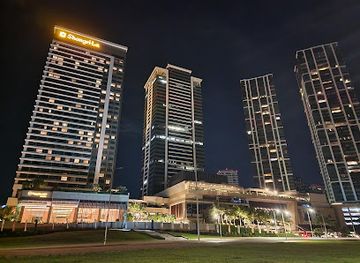
Shangri-La Colombo
Experience unparalleled luxury at Shangri-La Colombo with breathtaking ocean views and exquisite dining in the heart of Sri Lanka's vibrant capital.
-
 Hotel
HotelAliya Resort & Spa | Sigiriya, Sri Lanka
Experience unparalleled luxury and tranquility at Aliya Resort & Spa near Sigiriya Rock Fortress in Sri Lanka.
-
Tourist attraction
Riverston
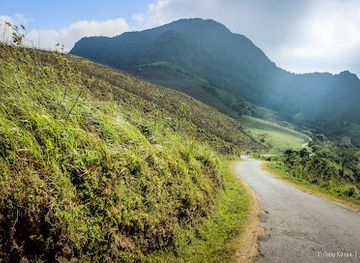
Experience the breathtaking beauty of Riverston - a hiking paradise in Sri Lanka's majestic Knuckles mountain range.
Best bars in Knuckles Mountain Range
The Knuckles Mountain Range does not have a significant bar or nightclub scene. Evenings generally centre on guesthouse dining areas, village homes, conversation, tea and the quiet of the surrounding mountains. Some accommodation providers may serve beer or other drinks, but availability varies and should not be assumed in remote communities. Matale and Kandy, both outside or on the approaches to the mountain interior depending on the route, offer a wider choice of restaurants, hotel bars and evening entertainment. Visitors staying in Meemure, Deanston or other rural locations should obtain supplies before travelling if appropriate, while observing local laws and community sensitivities around alcohol. The appeal after dark is the landscape itself: clear-sky stargazing when conditions allow, nocturnal sounds and early preparation for a morning walk. Avoid loud music, fires in unauthorised places and lighting that disturbs wildlife or nearby households.
-
National reserve
Knuckles Forest Reserve
Discover the breathtaking beauty and diverse wildlife of Knuckles Forest Reserve, a stunning national park in Sri Lanka.
-
Hotel
Queens Hotel
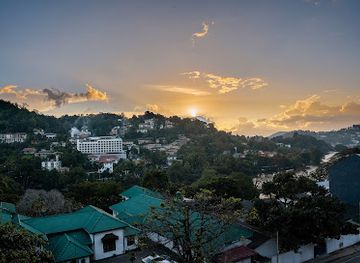
Discover the charm of Kandy at Queens Hotel, your perfect gateway to Sri Lanka's rich culture and history.
-
Bar
Slightly Chilled Lounge Bar and Restaurant
Experience the perfect blend of Asian fusion cuisine and breathtaking views at Slightly Chilled Lounge Bar and Restaurant in Kandy, Sri Lanka.
-
Bar
The Grand Mountain Hotel
Experience luxury and natural beauty at The Grand Mountain Hotel, your perfect escape in the heart of Sri Lanka's stunning landscapes.
Best nightclubs in Knuckles Mountain Range
The Knuckles Mountain Range does not have a significant bar or nightclub scene. Evenings generally centre on guesthouse dining areas, village homes, conversation, tea and the quiet of the surrounding mountains. Some accommodation providers may serve beer or other drinks, but availability varies and should not be assumed in remote communities. Matale and Kandy, both outside or on the approaches to the mountain interior depending on the route, offer a wider choice of restaurants, hotel bars and evening entertainment. Visitors staying in Meemure, Deanston or other rural locations should obtain supplies before travelling if appropriate, while observing local laws and community sensitivities around alcohol. The appeal after dark is the landscape itself: clear-sky stargazing when conditions allow, nocturnal sounds and early preparation for a morning walk. Avoid loud music, fires in unauthorised places and lighting that disturbs wildlife or nearby households.
-
National reserve
Knuckles Forest Reserve
Explore the breathtaking landscapes and rich biodiversity of Knuckles Forest Reserve, a UNESCO World Heritage Site in Sri Lanka.
-
Disco club
The Love Bar at Flamingo House
Experience the vibrant nightlife of Colombo at The Love Bar, where great music, delicious cocktails, and unforgettable memories await.
-
Resort hotel
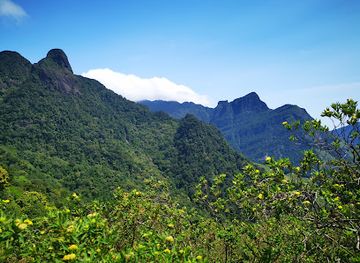
Wild Glamping - Knuckles
Experience the ultimate blend of luxury and nature at Wild Glamping in the stunning Knuckles Mountains of Sri Lanka.
-
Night club
Cleopatra Nightclub
Discover the exhilarating nightlife at Cleopatra Nightclub in Colombo, where music, dance, and vibrant energy unite for an unforgettable experience.

Best shops in Knuckles Mountain Range
Shopping in the Knuckles Mountain Range is limited and locally focused. Small village shops provide basic provisions, drinks and snacks, while guesthouses may offer a modest selection of local produce or prepared items. The most meaningful purchases are often food-related, such as spices, treacle, honey, dried goods or other products sourced from surrounding communities, although availability and packaging vary. Matale provides a larger town market and more practical opportunities to buy provisions before travelling into the mountains, while Kandy offers the broadest choice of crafts, textiles, tea and gifts on the usual southern approach. Visitors should distinguish genuinely local products from souvenirs made elsewhere in Sri Lanka and avoid purchasing items made from protected wildlife, plants or illegally collected forest materials. There is little conventional retail, designer shopping or formal craft-market infrastructure inside the range, and remote communities are best approached as places where visitors support small local businesses directly rather than bargain aggressively over modest purchases.
-
Tourist attraction
Riverston
Explore the breathtaking beauty of Riverston, a hiking haven nestled in Sri Lanka's stunning Knuckles mountain range.
-
National reserve
Knuckles Forest Reserve
Discover the untouched beauty of Knuckles Forest Reserve, a natural paradise in the heart of Sri Lanka, rich in biodiversity and adventure.
-
Tourist attraction
Bambarakiri Ella
Explore Bambarakiri Ella, a breathtaking waterfall paradise in Sri Lanka, where nature's beauty meets adventure and tranquility.
-
Ecological park
Pitawala Pathana, Riverston
Explore the breathtaking landscapes and diverse wildlife of Pitawala Pathana, an ecological park nestled in the stunning Knuckles Mountain Range.
Get your free copy of our complete guide to Knuckles Mountain Range, delivered straight to you.
Everything on this page, from attractions and restaurants to essentials and local phrases, in one PDF you can read offline, print or share.
Already have an account? Sign in
Your Knuckles Mountain Range guide is ready.
We'll send it to · Not you? Sign out

Getting your guide ready…
We are putting together a fresh copy of the Knuckles Mountain Range guide. This can take up to a minute.
This can take a few moments. If your browser asks, choose Allow so the download can start. You'll find the guide in your Downloads folder.
Nothing happened? Download it again
Sorry, the guide is taking longer than usual. Please try again in a minute, or get it by email instead.
Knuckles Mountain Range essentials
Currency and Payment
Safety
Emergency Situations
Do's and Don'ts
Local Tips
From Eve
Local phrases worth knowing
You don't need to get them perfect. A few words go a long way, and locals appreciate the effort.
Basics
| English | Local | Say it |
|---|---|---|
| Hello | Howdy | [haʊdi] |
| Goodbye | See ya | [si jə] |
| Yes | Yep | [jɛp] |
| No | Nah | [nɑ] |
| Please/You're welcome | No problem | [noʊ ˈprɑbləm] |
| Thank you | Thanks | [θæŋks] |
| Excuse me/Sorry | Sorry about that | [ˈsɔri əˈbaʊt ðæt] |
| How are you? | How's it going? | [haʊz ɪt ˈɡoʊɪŋ] |
| Fine. And you? | Good. And you? | [ɡʊd. ənd ju] |
| Do you speak English? | Do you talk English? | [du jʊ tɔk ˈɪŋɡlɪʃ] |
| I don't understand | I don't get it | [aɪ doʊnt ɡɛt ɪt] |
Eating & Drinking
| English | Local | Say it |
|---|---|---|
| I'd like to see the menu, please | Can I see the menu? | [kæn aɪ si ðə ˈmɛnju] |
| I don't eat meat | I ain't into meat | [aɪ eɪnt ˈɪntu mit] |
| Cheers! | Cheers! | [ʧɪrz] |
| I would like to pay, please | Can I get the check? | [kæn aɪ ɡɛt ðə ʧɛk] |
Emergencies
| English | Local | Say it |
|---|---|---|
| Help! | Help! | [hɛlp] |
| Go away! | Leave me alone! | [liːv mi əˈloʊn] |
| Call the Police! | Call the cops! | [kɔl ðə kɑps] |
| Call a doctor! | Get a doctor! | [ɡɛt ə ˈdɑktər] |
| I'm lost | I'm turned around | [aɪm tɜrnd əˈraʊnd] |
| I'm ill | I ain't feeling well | [aɪ eɪnt ˈfilɪŋ wɛl] |
Shopping
| English | Local | Say it |
|---|---|---|
| I'd like to buy... | I wanna buy... | [aɪ ˈwɑnə baɪ] |
| I'm just looking | Just browsing | [dʒʌst ˈbraʊzɪŋ] |
| How much is it? | What's the price? | [wɑts ðə praɪs] |
| That's too expensive | That's pricey | [ðæts ˈpraɪsi] |
| Can you lower the price? | Can you cut the price? | [kæn jʊ kʌt ðə praɪs] |
Time & Numbers
| English | Local | Say it |
|---|---|---|
| What time is it? | What time ya got? | [wɑt taɪm jə ɡɑt] |
| It's one o'clock | It's one | [ɪts wʌn] |
| Half past (10) | Half past ten | [hæf pæst tɛn] |
| Morning | Morning | [ˈmɔrnɪŋ] |
| Afternoon | Afternoon | [ˌæftərˈnun] |
| Evening | Evening | [ˈivnɪŋ] |
| Yesterday | Yesterday | [ˈjɛstərˌdeɪ] |
| Today | Today | [təˈdeɪ] |
| Tomorrow | Tomorrow | [təˈmɔroʊ] |
| 1 | One | [wʌn] |
| 2 | Two | [tu] |
| 3 | Three | [θri] |
| 4 | Four | [fɔr] |
| 5 | Five | [faɪv] |
| 6 | Six | [sɪks] |
| 7 | Seven | [ˈsɛvən] |
| 8 | Eight | [eɪt] |
| 9 | Nine | [naɪn] |
| 10 | Ten | [tɛn] |
Transport & Directions
| English | Local | Say it |
|---|---|---|
| Where's a/the...? | Where's the...? | [wɛrz ðə] |
| What's the address? | What's the address? | [wɑts ði əˈdrɛs] |
| Can you show me (on the map)? | Can you point it out? | [kæn jʊ pɔɪnt ɪt aʊt] |
| When's the next (bus)? | When's the next ride? | [wɛnʌs ðə nɛkst raɪd] |
| A ticket (to ....) | A ticket to... | [ə ˈtɪkɪt tu] |
History of Knuckles Mountain Range
Ancient Highland Forests and Endemic Life
The Knuckles landscape was shaped over immense geological time by erosion, rainfall and the movement of water through the central massif. Its isolated valleys and changing elevations helped produce a high level of endemism, with species found nowhere else in the world. Human communities also used the surrounding forests and mountain routes, but the range remained far less urbanised than Sri Lanka’s lowlands. Today, its ecological importance is central to the region’s identity and to the protection provided by the Knuckles Conservation Forest.
Kandyan-Era Mountain Communities
Before British rule, the range formed part of the difficult interior landscape associated with the Kandyan Kingdom. Mountain valleys and passes connected isolated settlements with the wider central highlands, while agriculture adapted to steep terrain and local rainfall. The remoteness of places such as Meemure helped preserve distinctive settlement patterns and village livelihoods. Rather than being a single historic urban centre, the Knuckles region developed through dispersed communities, cultivation and movement along forested routes.
British Mapping and Colonial Access
British administration brought more systematic surveying, mapping and road building to Sri Lanka’s central highlands during the nineteenth century. The range acquired greater prominence in geographical and botanical studies because of its difficult terrain, unusual habitats and distinctive peaks. Colonial-era economic development transformed many surrounding uplands through plantation agriculture, although the steep interior of the Knuckles remained comparatively inaccessible. The roads and viewpoints used by visitors today reflect later improvements to these mountain approaches rather than a dense colonial townscape.
Forest Protection and Conservation
Growing recognition of the range’s watershed, forests and endemic biodiversity led to stronger conservation measures during the twentieth century. The Knuckles Conservation Forest was established to protect a large area of mountain woodland and associated habitats from pressures including settlement, resource extraction and poorly managed development. Conservation has not removed the importance of local communities: villages around the forest continue to provide access, accommodation, food and guiding, while responsible tourism can support livelihoods without treating the protected landscape as an unrestricted recreation area.
The Central Highlands UNESCO World Heritage Designation
In 2010, the Central Highlands of Sri Lanka were inscribed on the UNESCO World Heritage List, with the Knuckles Conservation Forest forming one of the principal components alongside Horton Plains National Park and Peak Wilderness. The designation reflects the exceptional biological value of the highland forests and their role in protecting endemic species and water catchments. It also places greater emphasis on careful visitor management, conservation awareness and the need to balance tourism with the integrity of fragile mountain habitats.
Contemporary Community-Based Tourism
In recent decades, trekking, nature travel and village stays have become increasingly important to the regional economy. Meemure and other settlements receive visitors seeking guided walks, traditional meals and access to remote valleys, while the Riverston and Pitawala Pathana approaches serve shorter excursions. This growth has brought income and attention but also creates pressures from litter, unmanaged camping, road traffic and trail erosion. The contemporary history of the Knuckles is therefore closely linked to finding a workable relationship between conservation and locally controlled tourism.
Knuckles Mountain Range in Photos
Browse through our photo collection highlighting the charm and character of the destination.
Neighbouring regions of Knuckles Mountain Range
The closest regions to Knuckles Mountain Range, if you have time for more than one.
-

-

-

-

-


Swipe for more regions
Explore more

Explore more of Sri Lanka
Discover Sri Lanka: Rich culture, stunning landscapes, and warm hospitality await you in this tropical paradise. Explore ancient cities, wildlife, tea plantations, and pristine beaches.
Explore Sri Lanka