

Free Polonnaruwa District Travel Guide & Mobile App
Explore Polonnaruwa District with free travel guides. Discover regional history, expert tips, proposed trips, and audio guides on web or mobile app.


Polonnaruwa District pairs Sri Lanka’s medieval royal ruins with ancient reservoirs, dry-zone landscapes, elephant safaris and rural Buddhist heritage.
Read more about Polonnaruwa District
When is the best time to visit Polonnaruwa District?
Best: January–February, August · 32–33°C| Month | High (°C) | Rainfall (mm) |
|---|---|---|
| January (best) | 32 | 105 |
| February (best) | 33 | 95 |
| March | 34 | 125 |
| April | 35 | 135 |
| May | 35 | 160 |
| June | 33 | 140 |
| July | 33 | 120 |
| August (best) | 33 | 110 |
| September | 33 | 145 |
| October | 32 | 175 |
| November | 32 | 185 |
| December | 31 | 160 |
Getting to and around Polonnaruwa District
How to get there
Transportation
Top city travel guides in Polonnaruwa District
The cities of Polonnaruwa District, and the easiest places to base yourself.
-

-


Swipe for more cities
Destinations in Polonnaruwa District
Resorts, valleys and scenic spots worth a trip of their own.
-

-


Swipe for more destinations
Best attractions in Polonnaruwa District
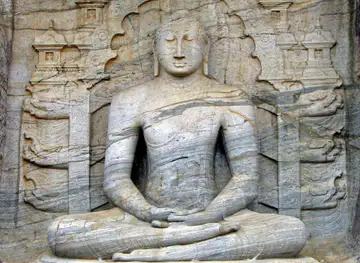
Polonnaruwa District’s attractions are anchored by the ancient city, where royal, monastic and ceremonial remains occupy a wooded archaeological landscape. Visitors can move between the Sacred Quadrangle, the Alahana Parivena monastic complex, the Gal Vihara, Rankoth Vehera and Lankatilaka, while the Archaeological Museum helps explain the city’s religious and political structure. The experience is more spacious and exploratory than a compact urban monument, with bicycles, tuk-tuks and guided vehicles useful for reaching separate precincts. Beyond the main ruins, Medirigiriya’s circular vatadage and associated monastery provide a more secluded encounter with medieval Buddhist architecture. Dimbulagala combines forested rock scenery with a long Buddhist association, while Somawathiya National Park extends the district’s wildlife appeal into riverine and dry-zone habitats. Minneriya and Kaudulla national parks are especially known for Asian elephants, alongside birds, deer and other dry-zone species, though sightings vary seasonally and are never guaranteed. Reservoir margins, village roads and farming landscapes offer quieter opportunities for birdwatching and observing contemporary life shaped by irrigation. The district’s attraction landscape is therefore defined by the relationship between archaeology, water, wildlife and a sparsely settled dry-zone environment.
-
Place of worship
Uththararamaya (Gal Vihara)
Explore the serenity and artistry of Uththararamaya, a historical Buddhist temple in Nissankamallapura, rich in culture and spirituality.
-
Historical landmark
Dalada Maluva - ( Polonnaruwa)
Explore the sacred Dalada Maluva in Polonnaruwa, a historical landmark that embodies Sri Lanka's rich Buddhist heritage and architectural beauty.
-
Historical landmark
Royal Palace of King Maha Parakramabahu
Discover the majestic Royal Palace of King Maha Parakramabahu in Polonnaruwa, a historical gem showcasing Sri Lanka's rich heritage.
-
Historical landmark
Vatadage
Explore Vatadage, a mesmerizing historical landmark in Polonnaruwa, showcasing exquisite ancient architecture and rich Buddhist heritage.



Best landmarks in Polonnaruwa District
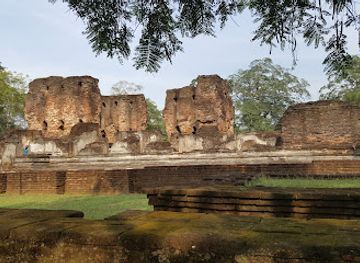
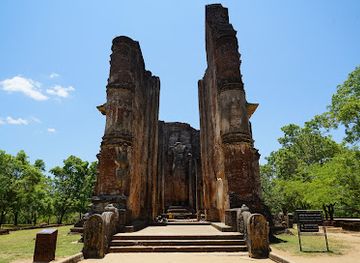
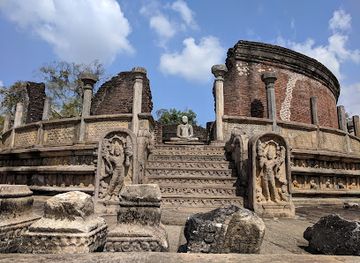
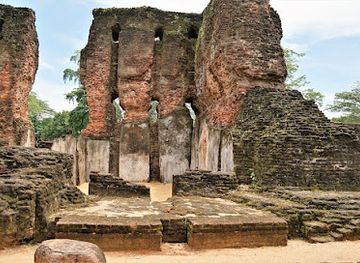
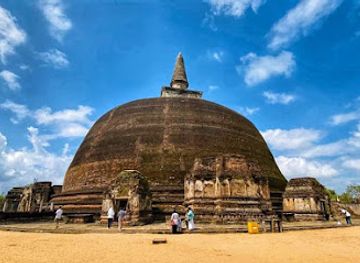
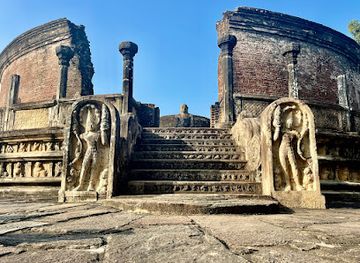
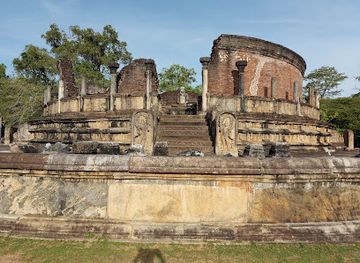
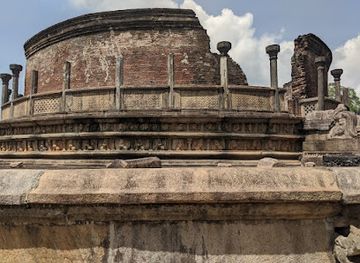
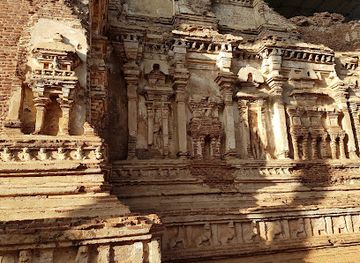
The ancient city of Polonnaruwa contains the district’s most recognisable landmarks. The Gal Vihara is distinguished by four Buddha images carved into a granite outcrop, including a celebrated reclining figure whose scale and workmanship convey the artistic confidence of the medieval kingdom. Within the Sacred Quadrangle, the Vatadage is notable for its circular form, concentric steps and finely worked guardstones, while the Thuparama image house retains a substantial brick and plastered structure. Lankatilaka’s tall brick walls and Rankoth Vehera’s great stupa demonstrate the monumental ambition of royal Polonnaruwa. Parakrama Samudra, extending beside the modern town, is a landmark of a different kind: a vast irrigation reservoir associated with the hydraulic achievements of the medieval capital and still embedded in the district’s working landscape. At Medirigiriya, the restored vatadage stands on a raised stone platform amid quieter surroundings, with its pillars and concentric design offering a distinctive architectural counterpoint to Polonnaruwa’s larger complexes. Together these places express the district’s connections between kingship, Buddhism, engineering and stone craftsmanship.
-
Place of worship
Uththararamaya (Gal Vihara)
Explore the breathtaking Uththararamaya, a historical Buddhist temple in Nissankamallapura, showcasing magnificent rock-carved Buddhas and rich cultural heritage.
-
Historical landmark
Dalada Maluva - ( Polonnaruwa)
Explore Dalada Maluva, an ancient testament to Sri Lanka's rich history and architectural prowess, nestled in the heart of Polonnaruwa.
-
Historical landmark
Royal Palace of King Maha Parakramabahu
Explore the Royal Palace of King Maha Parakramabahu, a historical landmark in Polonnaruwa showcasing Sri Lanka's rich heritage and architectural brilliance.
-
Historical landmark
Rankoth Vehera
Explore Rankoth Vehera, a monumental stupa in Polonnaruwa, showcasing the grandeur of Sri Lanka's Buddhist heritage amidst tranquil surroundings.
Explore Polonnaruwa District on the map
Plan your trip on one map. See where the top cities, national parks and sights are, and book hotels and experiences in a few clicks.
Best hotels in Polonnaruwa District
Best restaurants in Polonnaruwa District
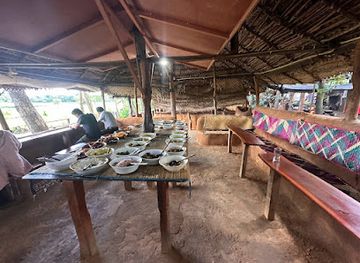
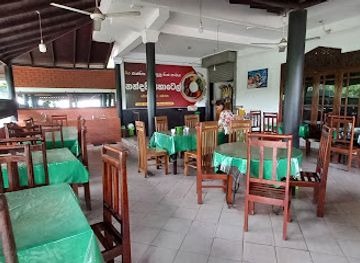
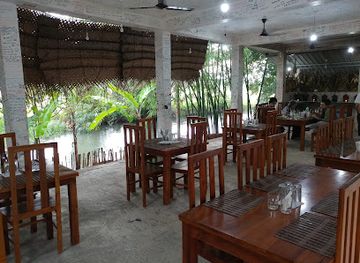
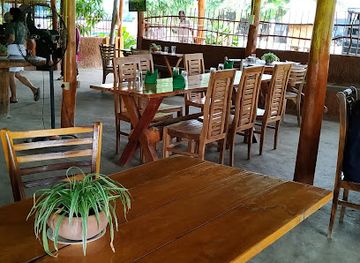
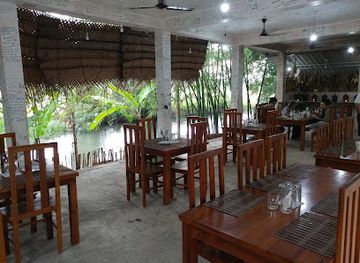
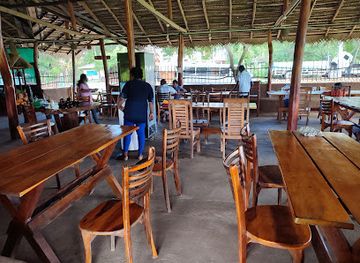
Dining in Polonnaruwa District is generally informal, with the strongest local character found in Sri Lankan rice and curry, vegetable dishes, dhal, sambols, hoppers, string hoppers, kottu and savoury short eats. Small restaurants, hotel dining rooms and guesthouses serve practical meals suited to visitors exploring the ruins, while roadside cafés offer tea, fruit, coconut-based snacks and simple breakfasts. Freshwater fish from the tank and river environments may appear on local menus, although preparation and availability vary. The district is not primarily a destination for a specialised restaurant scene; its appeal lies in everyday Sri Lankan cooking and the use of rice, coconut, spices and seasonal produce. Larger hotels provide broader menus, including dishes for travellers who prefer less heat or familiar international options. Carrying water and planning meals around excursions is sensible, as choices become more limited near remote archaeological sites and national parks. Market stalls and small shops can supplement meals with bananas, mangoes and other tropical fruit when in season.
-
Restaurant
Priyamali Gedara | ප්රියමාලි ගෙදර
Discover Priyamali Gedara: A haven for authentic Sri Lankan cuisine in Polonnaruwa where every dish tells a story.
-
Restaurant
Chillies Lathpandura Restaurant
Discover authentic Sri Lankan cuisine at Chillies Lathpandura Restaurant in Polonnaruwa—where tradition meets taste in every bite.
-
Restaurant
Jaga Food - Authentic Lunch - Dinner
Experience authentic Sri Lankan flavors at Jaga Food - where vegetarian delights meet cultural richness in Polonnaruwa.
-
Restaurant
Saruketha Restaurant
Experience the rich flavors of Sri Lanka at Saruketha Restaurant in Polonnaruwa - home to unforgettable rice and curry dishes.
Best bars in Polonnaruwa District
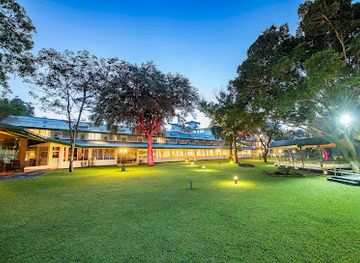
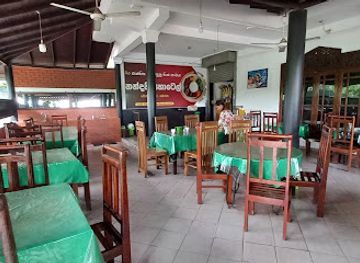
Polonnaruwa District has a quiet evening culture rather than a concentrated bar and nightclub scene. In Polonnaruwa town and around the larger hotels, visitors may find licensed hotel bars, casual restaurants and places serving beer or spirits, while guesthouses often provide a more subdued setting for dinner and conversation. Traditional tea shops and small cafés are more common in rural settlements than late-night entertainment venues. Evenings often centre on resting after time in the heat, watching the light over Parakrama Samudra or joining an organised dinner rather than moving between clubs. Nightlife becomes particularly limited near archaeological and wildlife areas, where darkness and animal activity make independent wandering unwise. Alcohol is not the defining feature of local cultural life, and visitors should observe restrictions at religious sites and respect accommodation policies. Polonnaruwa is best suited to early starts for ruins and safaris, not late-night partying.
-
Bar
Hotel Sudu Araliya
Discover the serene retreat of Hotel Sudu Araliya in Polonnaruwa, where culture meets comfort with splendid amenities and local cuisine.
-
Restaurant
Chillies Lathpandura Restaurant
Chillies Lathpandura Restaurant: A Culinary Journey Through Local and International Flavors in Polonnaruwa.
-
Restaurant
Jaga Food - Authentic Lunch - Dinner
Savor the authentic flavors of Sri Lankan vegetarian cuisine at Jaga Food in Polonnaruwa, where every dish tells a story.
-
Restaurant
Saruketha Restaurant
Savor the authentic taste of Sri Lanka at Saruketha Restaurant in Polonnaruwa, where culinary traditions come alive.
Best nightclubs in Polonnaruwa District
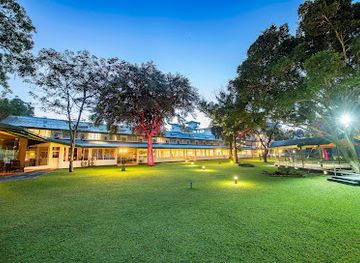
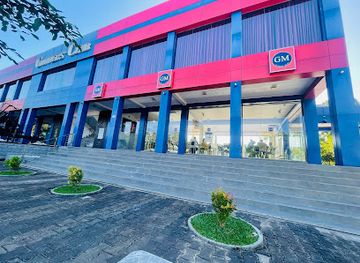
Polonnaruwa District has a quiet evening culture rather than a concentrated bar and nightclub scene. In Polonnaruwa town and around the larger hotels, visitors may find licensed hotel bars, casual restaurants and places serving beer or spirits, while guesthouses often provide a more subdued setting for dinner and conversation. Traditional tea shops and small cafés are more common in rural settlements than late-night entertainment venues. Evenings often centre on resting after time in the heat, watching the light over Parakrama Samudra or joining an organised dinner rather than moving between clubs. Nightlife becomes particularly limited near archaeological and wildlife areas, where darkness and animal activity make independent wandering unwise. Alcohol is not the defining feature of local cultural life, and visitors should observe restrictions at religious sites and respect accommodation policies. Polonnaruwa is best suited to early starts for ruins and safaris, not late-night partying.
-
Hotel
Hotel Sudu Araliya
Discover tranquility at Hotel Sudu Araliya in Polonnaruwa, where stunning views, comfort, and cultural heritage await every traveler.
-
Guest house
Gunners Club
Experience comfort and hospitality at Gunners Club, the perfect guest house for travelers exploring Sri Lanka's stunning landscapes.
-
 Hotel
HotelThidas Arana Restaurant
Experience authentic Sri Lankan flavors at Thidas Arana Restaurant in Polonnaruwa, a local favorite for diverse cuisine and a welcoming atmosphere.
-
Bar
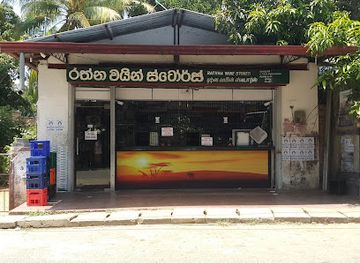
Hingurakgoda Wine Rathna Store Bar
Experience the vibrant atmosphere and local flavors at Hingurakgoda Wine Rathna Store Bar, where every sip tells a Sri Lankan story.
Best shops in Polonnaruwa District
Shopping in Polonnaruwa is practical and locally oriented rather than centred on large retail complexes. Small shops and market areas in Polonnaruwa town sell fruit, snacks, tea, spices, clothing, household goods and everyday travel necessities. Visitors may find locally made wood or textile items and religiously themed souvenirs, but quality and provenance vary, so it is sensible to ask how an item was made and to avoid purchasing antiquities or unverified archaeological objects. Seasonal produce, including bananas, mangoes, coconuts and other dry-zone crops, reflects the district’s agricultural economy and can be bought from roadside vendors or local markets. Shops near the ancient city also stock books, postcards and general souvenirs connected with Polonnaruwa’s heritage. For a more varied selection of handicrafts, gemstones and established tourist retail, many travellers combine the district with larger centres elsewhere in Sri Lanka rather than expecting an extensive dedicated shopping quarter. Bargaining may be customary in some informal settings, while fixed-price shops and supermarkets offer a more straightforward transaction.
-
Historical landmark
Dalada Maluva - ( Polonnaruwa)
Discover the Sacred Tooth Relic Temple at Dalada Maluva, a remarkable historical landmark in Polonnaruwa that reveals the splendor of Sri Lanka's ancient civilization.
-
Historical landmark
Vatadage
Explore the historic Vatadage in Polonnaruwa, a breathtaking Buddhist temple showcasing intricate carvings and rich heritage.
-
Historical landmark
Polonnaruwa Ancient City
Explore the captivating ruins of Polonnaruwa Ancient City, a UNESCO World Heritage Site rich in history and stunning architecture.
-
Ruin
Thivanka Image House
Explore Thivanka Image House, a stunning ruin in Polonnaruwa showcasing the exquisite artistry of ancient Sri Lanka's Buddhist heritage.
Get your free copy of our complete guide to Polonnaruwa District, delivered straight to you.
Everything on this page, from attractions and restaurants to essentials and local phrases, in one PDF you can read offline, print or share.
Already have an account? Sign in
Your Polonnaruwa District guide is ready.
We'll send it to · Not you? Sign out

Getting your guide ready…
We are putting together a fresh copy of the Polonnaruwa District guide. This can take up to a minute.
This can take a few moments. If your browser asks, choose Allow so the download can start. You'll find the guide in your Downloads folder.
Nothing happened? Download it again
Sorry, the guide is taking longer than usual. Please try again in a minute, or get it by email instead.
Polonnaruwa District essentials
Currency and Payment
Safety
Emergency Situations
Do's and Don'ts
Local Tips
From Eve
Local phrases worth knowing
You don't need to get them perfect. A few words go a long way, and locals appreciate the effort.
Basics
| English | Local | Say it |
|---|---|---|
| Hello | ආයුබෝවන් | [āyubōvan] |
| Goodbye | ගුඩ් බයි | [guḍ bai] |
| Yes | ඔව් | [ov] |
| No | නැහැ | [næhæ] |
| Please/You’re welcome | කරුණාකර/ආයුබෝවන් | [karuṇākara/āyubōvan] |
| Thank you | ස්තුතියි | [stutiyi] |
| Excuse me/Sorry | කණගාටුයි | [kaṇagāṭuyi] |
| How are you? | ඔබට කෙසේද? | [obata kesēda?] |
| Fine. And you? | හොඳයි. ඔබට කෙසේද? | [hoḍayi. obata kesēda?] |
| Do you speak English? | ඔබට ඉංග්රීසි කතා කරන්න පුළුවන්ද? | [obata iṅgrīsi kathā karanna puḷuvanda?] |
| I don't understand | මට තේරෙන්නේ නැහැ | [maṭa therenne næhæ] |
Eating & Drinking
| English | Local | Say it |
|---|---|---|
| I’d like to see the menu, please | කරුණාකර මෙනුව බලන්න | [karuṇākara menuva balanna] |
| I don't eat meat | මම මස් කෑමක් නොකෙරෙන්නෙමි | [mama mas kæmak nokerenne] |
| Cheers! | සෞඛ්යය! | [saukhyaya!] |
| I would like to pay, please | කරුණාකර මම ගෙවන්න ඕනේ | [karuṇākara mama gewanna ōnē] |
Emergencies
| English | Local | Say it |
|---|---|---|
| Help! | ආධාරයක්! | [ādhārayak!] |
| Go away! | පිටවෙන්න! | [piṭavenna!] |
| Call the Police! | පොලීසිය කැඳවන්න! | [polīsiyā kæḍavanna!] |
| Call a doctor! | ඩොක්ටර් ෙකැඳවන්න! | [ḍokṭar kæḍavanna!] |
| I’m lost | මම හමුවී නැහැ | [mama hamuvī næhæ] |
| I’m ill | මම අසනීපයි | [mama asanīpayi] |
Shopping
| English | Local | Say it |
|---|---|---|
| I’d like to buy... | මට ... ගන්න ඕනේ | [maṭa ... ganna ōnē] |
| I’m just looking | මම බලනවා | [mama balanavā] |
| How much is it? | ඒක කීයද? | [ēka kiyāda?] |
| That’s too expensive | එය අධික වියදම් | [eya adhika viyadam] |
| Can you lower the price? | ඔබට මිල අඩු කරන්න පුළුවන්ද? | [obata mila aḍu karanna puḷuvanda?] |
Time & Numbers
| English | Local | Say it |
|---|---|---|
| What time is it? | අද කාලය කුමක්ද? | [ada kālaya kumakda?] |
| It’s one o'clock | එය එකට කාලයයි | [eya ekata kālayi] |
| Half past (10) | අටට අඩු කාලය | [aṭaṭa aḍu kālaya] |
| Morning | සඳට | [sanḍaṭa] |
| Afternoon | පැය | [pæya] |
| Evening | අදහස | [adahasa] |
| Yesterday | ඊයේ | [īyē] |
| Today | අද | [ada] |
| Tomorrow | හෙට | [heṭa] |
| 1 | 1 | [1] |
| 2 | 2 | [2] |
| 3 | 3 | [3] |
| 4 | 4 | [4] |
| 5 | 5 | [5] |
| 6 | 6 | [6] |
| 7 | 7 | [7] |
| 8 | 8 | [8] |
| 9 | 9 | [9] |
| 10 | 10 | [10] |
Transport & Directions
| English | Local | Say it |
|---|---|---|
| Where's a/the...? | කෝ/කොහෙද ...? | [kō/kohēda ...?] |
| What's the address? | ලිපිනය කුමක්ද? | [lipinaya kumakda?] |
| Can you show me (on the map)? | ඔබට (පිටුපතේ) මට පෙන්වන්න පුළුවන්ද? | [obata (piṭupathē) maṭa penvanna puḷuvanda?] |
| When's the next (bus)? | ඉදිරියේ (බස්) කවදද? | [idiriyē (bas) kavadada?] |
| A ticket (to ....) | එකට (තොතේ) ටිකට්පතක් | [ekaṭa (thothē) ṭikaṭpathak] |
History of Polonnaruwa District
Early Irrigation and Settlement
The dry zone around Polonnaruwa was made habitable and agriculturally productive through reservoirs, canals and related settlement systems developed over many centuries. Earlier communities used the region’s rivers and seasonal rainfall, while successive rulers expanded irrigation to support rice cultivation and urban populations. The surviving tanks are not simply scenic features: they represent an enduring relationship between engineering, agriculture, political authority and religious institutions. This water-management tradition laid the practical foundation for Polonnaruwa’s later importance as a royal and monastic centre.
Chola Rule and the Rise of Polonnaruwa
South Indian Chola forces conquered much of the Anuradhapura kingdom around the end of the tenth century and established Polonnaruwa, known in contemporary sources as Pulastipura, as an important administrative centre. Its position near routes linking the eastern and central parts of the island helped make it useful to the Chola state. Chola rule introduced new political and religious influences, while older Sri Lankan Buddhist and irrigation traditions continued in altered form. The city’s later prominence was therefore shaped by both regional conflict and its advantageous location.
Vijayabahu I and the Restored Kingdom
King Vijayabahu I defeated Chola control in the early twelfth century and was crowned at Polonnaruwa in 1070. He restored political independence and supported the reorganisation of Buddhism, including efforts to address the shortage of properly ordained monks after years of disruption. Polonnaruwa then became the principal royal capital of a reunified Sri Lankan kingdom. The period established the political and religious framework that later rulers would enlarge through monumental building, irrigation works and court patronage.
Parakramabahu I and the Medieval Capital
The reign of Parakramabahu I, from 1153 to 1186, represents Polonnaruwa’s most ambitious phase. Large irrigation projects, palace and administrative buildings, monasteries and image houses transformed the capital and strengthened its agricultural base. The vast reservoir now called Parakrama Samudra symbolises this programme, although its present form reflects later restoration as well as ancient construction. Parakramabahu also sought to consolidate the island politically and reform the Buddhist monastic order. Much of the archaeological city’s monumental character derives from this period.
Nissankamalla and Royal Monument Building
King Nissankamalla, who ruled in the late twelfth century, continued the capital’s architectural and religious patronage. Inscriptions associated with his reign record royal claims, donations and public works, while monuments such as the Vatadage and other buildings reflect the ceremonial importance of the sacred city. Polonnaruwa’s architecture combines indigenous Sri Lankan forms with influences from South India and wider Buddhist artistic traditions. The remains show how kings used temples, images, inscriptions and irrigation works to express authority and merit.
Decline, Relocation and the Forested Ruins
After the thirteenth century, political power shifted away from Polonnaruwa amid warfare, dynastic instability and changing patterns of settlement. The capital was not simply abandoned in a single event, but its population and administrative importance declined as rulers based themselves elsewhere. Irrigation systems deteriorated in places, and parts of the former city became enveloped by dry-zone vegetation. Buddhist worship and local knowledge continued around some sites, while the wider monumental landscape gradually became known to modern audiences through archaeological exploration and conservation.
Archaeology and the Modern Irrigation Landscape
Systematic archaeological work and conservation during the nineteenth and twentieth centuries made Polonnaruwa’s medieval remains central to the study and presentation of Sri Lankan history. The ancient city was inscribed as a UNESCO World Heritage Site in 1982. In the modern period, irrigation and settlement schemes, including developments associated with the Mahaweli programme, again reshaped the district’s agricultural and demographic landscape. Contemporary Polonnaruwa therefore brings together protected ruins, working reservoirs, farming communities and wildlife areas within a region where ancient and modern water systems remain visibly connected.
Polonnaruwa District in Photos
Browse through our photo collection highlighting the charm and character of the destination.
Neighbouring regions of Polonnaruwa District
The closest regions to Polonnaruwa District, if you have time for more than one.
-

-

-

-

-


Swipe for more regions
Explore more

Explore more of Sri Lanka
Discover Sri Lanka: Rich culture, stunning landscapes, and warm hospitality await you in this tropical paradise. Explore ancient cities, wildlife, tea plantations, and pristine beaches.
Explore Sri Lanka